Blog Archives
Literary Titan Gold Book Award: Nonfiction

The Literary Titan Book Award recognizes outstanding nonfiction books that demonstrate exceptional quality in writing, research, and presentation. This award is dedicated to authors who excel in creating informative, enlightening, and engaging works that offer valuable insights. Recipients of this award are commended for their ability to transform complex topics into accessible and compelling narratives that captivate readers and enhance our understanding.
Award Recipients



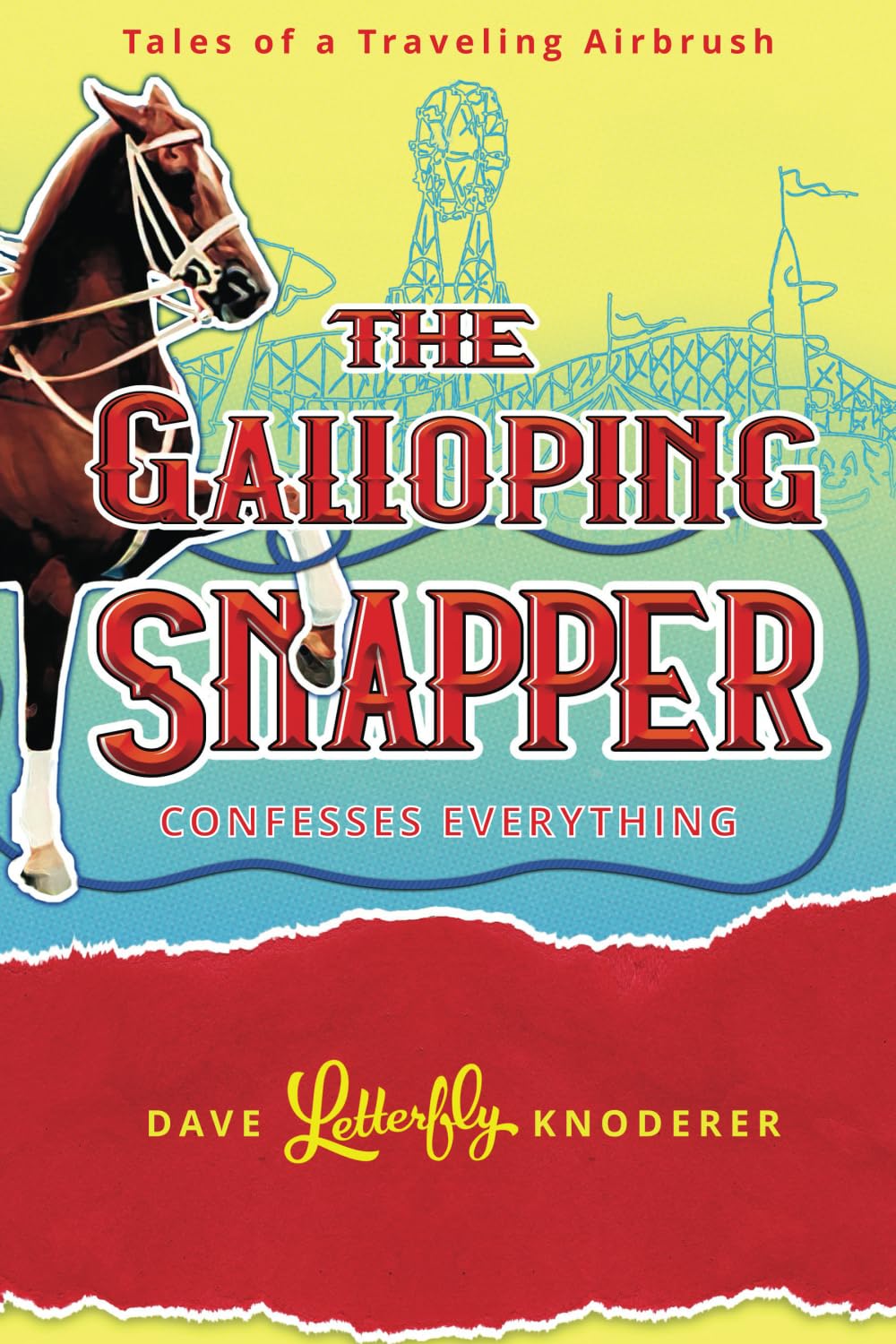


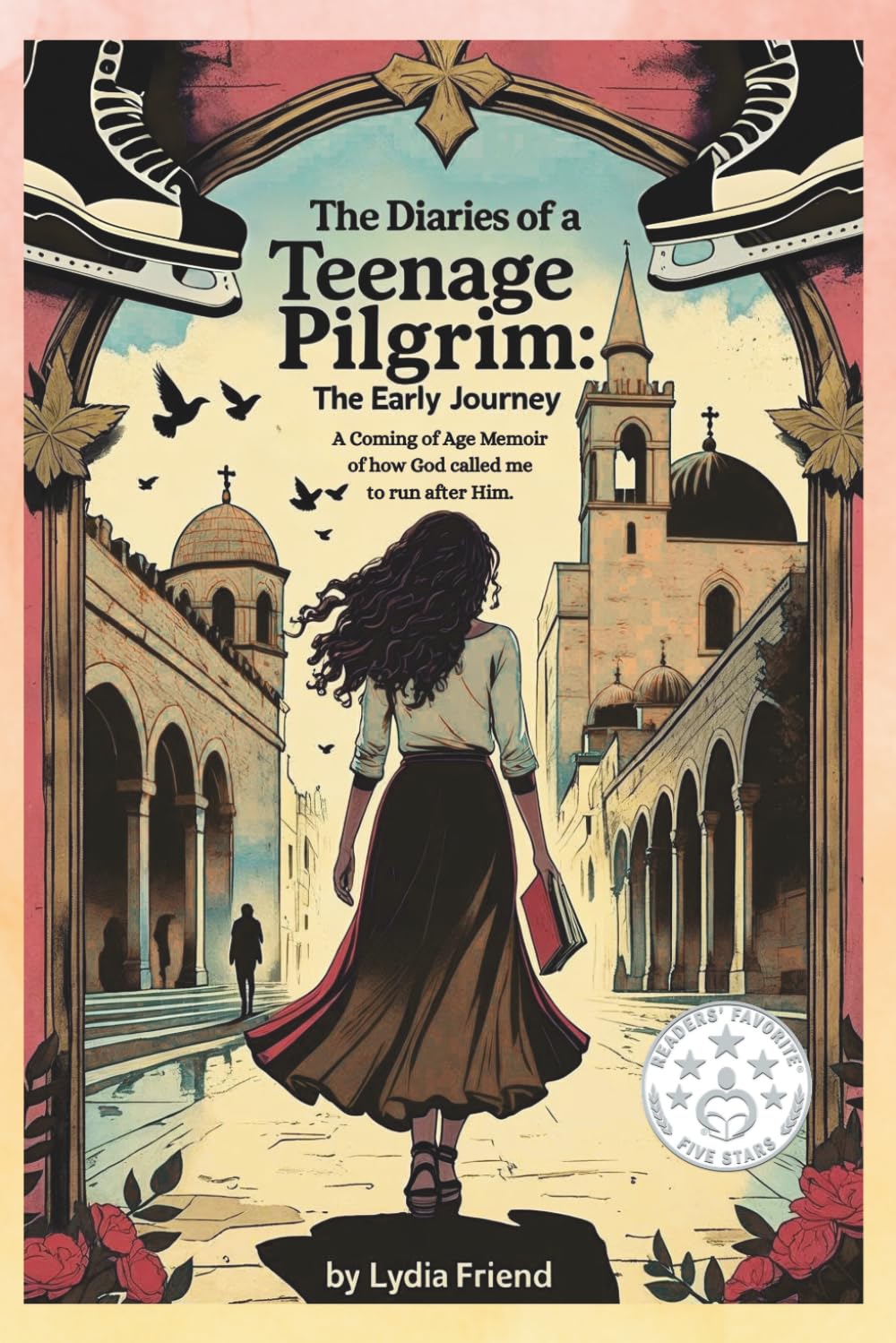


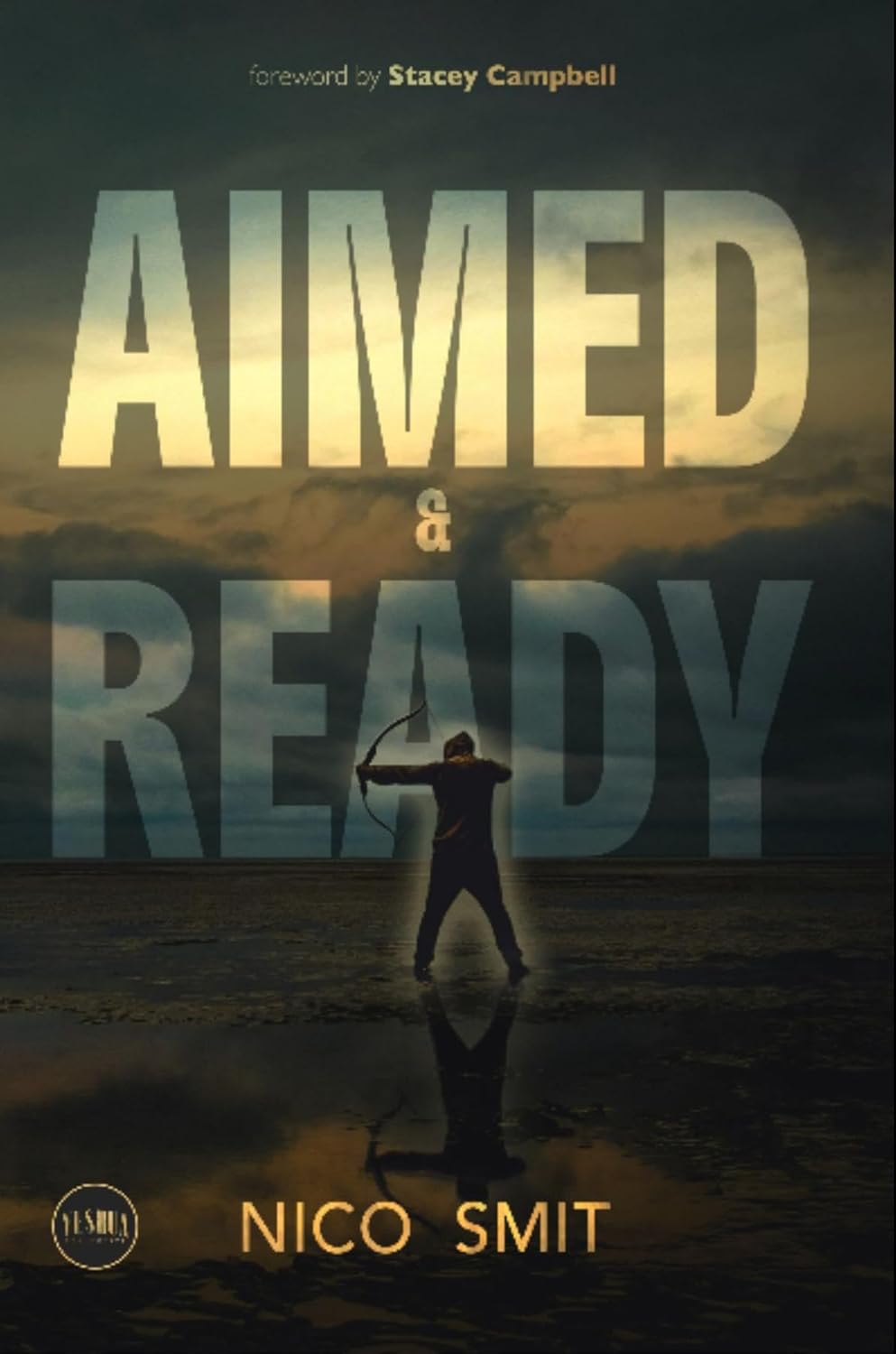


Three Little Words by Lucy Clifford
Visit the Literary Titan Book Awards page to see award information.
Kidney-Friendly Anti-inflammatory and Alkaline Food Guide

Kidney-Friendly Anti-inflammatory and Alkaline Food Guide is a practical nutrition manual for people living with Stage 3 or Stage 4 chronic kidney disease, written with the goal of reducing fear around food and replacing it with steadier, more informed choices. Author Yaw A. Boateng frames CKD not only as a filtration problem, but as a condition shaped by inflammation, metabolic strain, mineral balance, and daily habits. The book moves from explanation to application, covering the risks of extreme alkaline claims, the importance of sodium, potassium, phosphorus, and protein control, anti-inflammatory foods like cabbage, blueberries, olive oil, and flaxseed, foods to limit such as processed meats and dark sodas, then meal plans, simple recipes, hydration, walking, stress management, and NSAID avoidance.
What I appreciated most is the book’s insistence that eating with CKD doesn’t have to become a punishment. There’s a real tenderness in the recurring idea that “food isn’t the enemy,” because that’s exactly the kind of sentence a frightened patient might need to hear after a diagnosis turns the kitchen into hostile territory. I found the discussion of the alkaline diet especially valuable. Instead of swallowing wellness-world promises whole, the book makes a careful distinction: food won’t magically change blood pH, but lowering dietary acid load may still matter for damaged kidneys. That balance feels humane and sensible. I also liked how specific the guidance becomes, from swapping bananas and oranges for apples, berries, grapes, or pineapple, to warning that “garlic salt” is still salt. Those moments give the book its most useful texture. They’re small, ordinary, almost domestic, and that’s why they work.
At its best, it’s reassuring, direct, and gently empowering, especially when it talks about “consistency over perfection” or describes each meal as an act of agency. The book occasionally leans on broad encouragement where I think a sharper explanation would have been stronger. Still, the ideas are sturdy. I respected the way it refuses both panic and fantasy. It doesn’t promise a cure, and it doesn’t romanticize restriction. The Stage 4 sections, in particular, have a sober compassion to them: they acknowledge loss of appetite, fatigue, malnutrition risk, and the loneliness of dietary limits, while still offering a path through cream of rice, egg whites, cauliflower mash, cooked vegetables, and careful lab-guided adjustments.
I found this to be a useful, compassionate, and grounded guide. Its strength lies in making renal nutrition feel less like a maze of prohibitions and more like a set of protective rituals: read the label, cook the vegetables, choose olive oil, ask the dietitian, keep going. I’d recommend it most to newly diagnosed Stage 3 or Stage 4 CKD patients, caregivers who feel overwhelmed by conflicting food advice, and readers who want practical meal guidance without being pushed into fad-diet absolutism.
Pages: 101 | ASIN: B0GSZXMYSH

Boost Mental Health

Healthy Relationships presents a thoughtful and approachable exploration of what helps relationships thrive, walking readers through the core ingredients of healthy connection, communication, boundaries, empathy, responsibility, and self-awareness. Why was this an important book for you to write?
Mental health is an important subject for me especially because I work as an inpatient psychiatric nurse. We all could use more help with our journey to stable mental well-being, including myself. I learn things from every Nurse Dorothea® book I write. We plan to produce about 80 Nurse Dorothea® books (currently there are 15 as of April 2026), so it was time to cover this topic.
Relationships are complex, and I appreciate that you covered friendships, family ties, romantic partnerships, and online relationships. How did you approach writing about such a diverse topic, but still presenting meaningful information without being overwhelming?
I practice the skill of synthesis of reading a lot of research-based information and combining it all to create a thorough product. The Nurse Dorothea® books are much harder for me to write than the Nurse Florence® series since I am combining information from many different source documents.
What were some ideas that were important for you to share in this book?
There were many, but one important one discussed by Harvard Health was how a variety of relationships can help boost mental health.
What is the next book in the Nurse Dorothea series that you are working on?
One of the next books to be published is Schizophrenia. We need to play our part to destigmatize mental illness just as Dorothea Dix did in the 1800s.
Author Links: GoodReads | Facebook | Website | Essay Contest | YouTube | Dow Creative Enterprises® | Nurse Florence Project | LinkedIn | Amazon
If society wants something we have never had, we’re going to have to do something that has never been done.
The Skin You’re In!


The Skin You’re In! is a thoughtful and gently instructive picture book that introduces children to the skin as both a body part and a daily companion. It moves through the basics with a clear, friendly rhythm, explaining that skin helps us feel, protects us when we get hurt, comes in many beautiful shades, and even has layers with names like epidermis, dermis, and hypodermis. What I appreciated most is that the book doesn’t stop at bare facts. It ties those ideas to a child’s lived world: sunlight on the face, a scraped knee, freckles after time outdoors, the comfort of lotion after a bath, the ordinary miracle of being held together by something so familiar we hardly notice it.
There’s a lovely instinct at its center: to teach science without draining it of tenderness. I could feel that in lines about skin being “a superhero suit you wear every day,” and in the recurring reminder that every shade is a gift, “like colors in art.” As someone who spends a lot of time thinking about how children absorb both knowledge and self-image, I found that especially meaningful. The writing is simple and heavily rhymed, which makes it accessible for younger listeners. I liked that it treats the body with respect rather than squeamishness, and that it folds practical health habits into the reading experience without turning preachy. Even the closing “Skin Hero Promise” feels less like a gimmick than an earnest invitation to notice and care for oneself.
The illustrations are a large part of the book’s charm. Illustrator Bonnie Lemaire gives the pages an open, welcoming brightness that feels well-suited to classroom read-alouds and bedtime reading alike. The children are expressive and varied, and the visual world is cheerful. I was particularly taken with the little box-shaped skin character, who appears as a kind of mascot, sometimes heroic, sometimes instructive, sometimes simply companionable. It gives the book a playful through-line. I also thought the illustrations handled the educational material wisely. The spread showing the three skin layers makes anatomy feel approachable, and the scenes of cuts healing, sunscreen being applied, handwashing, and seasonal care ground the science in recognizable childhood experiences. Even the later pages with the glossary, melanoma ABCDE guide, and certificate keep the tone reassuring rather than alarming, which is not an easy balance to strike.
This is a caring, useful, and genuinely engaging picture book that respects children’s curiosity while affirming their bodies. It has a real desire to help children understand themselves a little better. I’d especially recommend it for preschool and early elementary classrooms, family read-alouds, health units, and for children who love asking how their bodies work. It’s the sort of children’s book that can start a conversation and, just as importantly, make that conversation feel safe.
Pages: 30 | ISBN: 1637658877

Mindfulness Is For Everyone

Nurse Dorothea Presents Mindfulness-Based Stress Reduction and Why Mindfulness Is a Key Coping Skill guides readers through the basics of mental health, the meaning of mindfulness, and the many ways it can improve daily life. Why is mindfulness important?
Mindfulness is something everyone can do, and its effects are large on mental health. Research has proven its ability to reduce stress and anxiety. In today’s world, we all need simple ways to reduce stress.
With a mix of friendly explanations, real research, and simple activities, your book also covers Jon Kabat-Zinn’s nine pillars of mindfulness and the three main practices: meditation, body scanning, and mindful yoga. What are the nine pillars of mindfulness, and how do they help improve mental health?
Non-judging, patience, beginner’s mind, trust, non-striving, acceptance, letting go, gratitude, and generosity. Practicing each one by itself can improve mental health, but when practiced many at one time, the synergistic effects are large and can result in more mental peace.
What should readers do to start incorporating mindfulness practices into their daily lives?
The easiest exercise is to focus on your breathing and let everything else in your mind go so that your breathe is the only thing at your attention.
What is one thing that you hope readers take away from Nurse Dorothea Presents Mindfulness-Based Stress Reduction and Why Mindfulness Is a Key Coping Skill?
I hope people become convinced of the usefulness of the practice of mindfulness and actually incorporate into their daily life.
Author Links: GoodReads | Facebook | Website | Video Contest | Animated Video Book 11 | Other Projects | Interview about Project | LinkedIn

We are starting the process of removing stigma about mental health issues. Let’s share ideas of the journey to well-being and seek to understand others as they are instead of how we wish them to be. By learning to know ourselves and trying different coping skills that are specific to the situation that we find ourselves in, we can achieve balance and peace. As we deepen our self-awareness and harness tailored coping mechanisms for diverse situations, we pave the path to equilibrium and serenity. Let’s foster an environment conducive to both individual and collective growth within our society. By doing this, we unlock potentials previously unattainable, empowering us to fully cultivate our knowledge, skills, and abilities. With gratitude in our heart, peace in our mind, and confidence in our capabilities, we can face the future with bravery, courage, and determination to help make the best lives for ourselves and others that we possibly can. If society wants something we have never had, we’re going to have to do something that has never been done. Dow Creative Enterprises® Help Civilization Reach Its Potential® Ages: Puberty to 99+
Gentle Leading and Neurodivergence- Inclusive Leadership Strategies for Embracing Neurodiversity and Driving Workplace Innovation
Gentle Leading and Neurodivergence is a book about redesigning leadership so neurodivergent people don’t have to keep translating themselves into exhaustion. Author Alexandra Robuste moves from big structural arguments to practical application, beginning with the claim that most workplaces are built around an “invisible baseline” that mistakes neurotypical norms for neutrality, then widening into chapters on masking, mixed neurocognitive profiles, team design, nervous system regulation, and the book’s central GENTLE framework for leading with clarity, autonomy, and emotional steadiness. What gives the book its shape is that it never treats neurodivergence as a sidebar. It makes it central to how leadership should be understood in the first place.
I admired the book most when it was naming the hidden tax of adaptation. Robuste is very good at showing how “professionalism” can become a costume that costs people dearly, and that argument lands because she keeps tying it back to lived workplace realities rather than leaving it in abstraction. The example that stayed with me was the early comparison of office environments, which are still calibrated to the resting metabolic rate of a 40-year-old man. It’s such a concrete way to expose how supposedly neutral systems are often anything but. I also found the sections on masking, mistranslation, and the moral failure of reading brilliance as resistance genuinely moving. There’s real conviction here, and at its best, the prose has a tensile, declarative quality that gives the book urgency.
What kept the book from feeling purely revelatory to me is also part of its personality: it’s very well structured. Robuste likes a framework, a matrix, a model, a named sequence, and for some readers, that will feel generous and usable. I appreciated the GENTLE framework, the emphasis on regulation before reaction, and the later sections on nervous-system literacy, especially the idea that leaders need embodied self-awareness rather than just better scripts. But there were moments when the book felt less like a flowing argument and more like a very intelligent training architecture. Even so, I respected the ambition. The chapters on profiles from ADHD and autism to dyslexia, dyspraxia, high sensitivity, Tourette syndrome, and giftedness are trying to do something difficult: build nuance without collapsing into cliché.
I found this book thoughtful, earnest, and more emotionally grounded than most leadership books I’ve read. I came away persuaded by its deepest idea: that inclusion is not kindness stapled onto a system after the fact, but a matter of design, rhythm, and human fit. I’d recommend it especially to managers, founders, HR and DEI professionals, coaches, and neurodivergent readers trying to make sense of why work so often feels harder than it should. It’s a serious, warm-hearted book that wants leadership to become less performative and more habitable.
Pages: 234 | ASIN : B0FMRSSL3H

War Is Ugly
Nurse Florence®, How Bad are Health Problems from Agent Orange? follows curious students and a compassionate nurse as they unravel the history, science, and human cost of Agent Orange in a clear and accessible conversation. What inspired you to frame such a heavy historical and medical topic through a conversation between children and Nurse Florence?
One of my previous careers was helping Veterans with their benefits. I met people during that time who were affected by Agent Orange and thought their grandkids would be interested in knowing more about the condition.
How did you decide which Agent Orange–related illnesses to include, and how did you balance scientific accuracy with accessibility for young readers?
I used a VA education website to decide on the topics to include and tried to simplify each health condition.
What was the most challenging aspect of presenting emotionally difficult material in a calm, age-appropriate way?
Because science teaches people to observe their environment, it helps a person be less emotional through observation. I choose to focus on science facts and avoid long discussions about why there was a Vietnam War.
What do you hope young readers, educators, and families take away from this book about history, health, and the human impact of war?
War is ugly, and we should use all diplomatic channels to avoid it.
Author Links: GoodReads | Facebook | Website | Essay Contest | YouTube | Dow Creative Enterprises®
| Nurse Florence Project | LinkedIn | Amazon
Nurse Dorothea® Presents Depression and Accepting Resources to Help

Depression and Accepting Resources to Help is a children’s informational picture book about a girl named Amisha who visits her school nurse, Nurse Dorothea, because she thinks she may be dealing with depression. From there, the book walks through symptoms, risks, causes, treatment options, warning signs, and ways to ask for help, and it ends with Amisha telling her dad what she learned so they can make a doctor’s appointment before things get worse. It’s very much a health-focused educational story more than a traditional plot-driven tale, and that feels true to what the book wants to be.
I think readers will like how direct the writing is. Author Michael Dow doesn’t circle around the subject or soften it into something vague. He lets Nurse Dorothea speak clearly about sadness, hopelessness, suicidal thinking, medication, therapy, and emergency help, which makes the book feel serious in a way I respected. I kept noticing that the book carries a huge amount of information. Sometimes it reads less like a story and more like a guided lesson inside a picture book. It is worth noting that the emotional arc is a bit thinner than the educational one. Amisha gives the book a human center, but the real engine here is explanation.
I also found myself thinking about the author’s choice to frame all of this through a trusted school nurse. That was smart. It gives kids a clear model for what asking for help can look like, and it makes the book feel steady instead of scary. The illustrations help with that too, almost like the book is saying, sit down, breathe, let’s talk this through. I appreciated that the ideas stay practical. The message isn’t that one brave conversation magically fixes everything. The message is that support matters, treatment can take different forms, and learning the signs early matters. That grounded approach felt honest to me.
I would recommend this genre blend of children’s picture book and mental health education resource most for adults reading with kids, school counselors, nurses, teachers, and families who want a structured way to open a hard conversation. It’s especially useful for children who may be starting to notice sadness, worry, or changes in themselves or someone they love. Kids looking for a playful storybook may not connect with it in the same way, because this book is really built to inform first. But for readers who need clarity, reassurance, and a calm entry point into a difficult topic, I think it has real value.
Pages: 95


