Blog Archives
One of the Earth’s Oldest Civilizations
In Temple in the Sand, you give readers an in-depth look at the life of a lesser-known historical figure of Pharaoh Seti I. What inspired you to write this book?
It wasn’t until the pandemic, when like the rest of the world, I was at home with time to view videos, that I came across Seti’s magnificent temple in Abydos, Egypt. Like his burial chamber, which is sometimes referred to as the “Sistine Chapel of Ancient Egypt,” the raised relief artwork inside its walls is considered to be some of the best, if not the best that ancient Egypt ever produced. Looking at the artwork captured by photographers on Flickr, allowed me to enlarge their photos on my computer screen to see the fine details of those high-relief carvings. I got a quirky idea of writing a type of ghost story in which a woman gets inadvertently locked in the temple overnight and is visited by the spirit of the pharaoh, who talks to her about art, aesthetics, and politics.
That idea lasted until I heard a discussion with Egyptologist, Dr. Kara Cooney, about a woman called Omm Sety, who seems to have had past life memories of a life lived at that temple and an affair with the pharaoh. My “ghost story” was nothing compared to her story. However, I got a book by Jonathan Cott on Omm Sety and in it, I found a wonderful idea. It is written in the temple that Pharaoh Seti left a personal diary hidden somewhere in the temple. It has never been found, but if it ever is, it would be the only such document written by a pharaoh himself. Then the real initiating spark lit things up: I would write the pharaoh’s diary.
I imagine this book required quite a bit of research. Can you share with us one of the things you found most surprising about Pharaoh Seti I’s life?
As I researched, I began to discover a person from a non-royal background, whose life as a soldier, commander, and even vizier was fantastic enough, without the added accolade of being pharaoh. As improbable as it might seem, Seti’s family was handed the throne when Pharaoh Horemheb realized he would have no heirs. He chose the family of his trusted comrade-in-arms, Paramessu, (Ramesses I) who had a capable mature son (Seti) and a healthy young grandson (Ramesses). Ramesses I held the throne for only about 18 months before dying around the age of 70. His son, Seti, did the heavy lifting to restore
Egypt to its former glory which had fallen away during the reign of Akhenaten.
The idea that Seti, this supreme soldier and superb administrator, was also someone with an extremely refined aesthetic sense and a taste for art was something that I wanted to present to the world. I wanted to show how someone of fairly “common” origins was indeed a stellar entity who always brought his A game to the table, whether in war, politics, or artistic creations. I wanted the reader to see that behind all that power and royal regalia, there was a real person, not so different from us, but one who was able to grasp the reins of destiny and move a whole nation in a different direction. Yet, he was also someone who suffered sorrowful defeats in his personal life. As we all know, no one gets to have it all.
What is one thing you hope readers take away from Temple in the Sand?
I’d like the readers of Temple in the Sand, the Memoirs of a Pharaoh to be able to sit with the humanity of this person as he writes in the wee hours of the morning, revealing his life in relation to the chapels in his temple. Each chapel deals with a different god who rules a different aspect of life which the pharaoh contemplates in terms of his own lived experience. I’d like for the reader to enter the world of one of the earth’s oldest civilizations and enjoy their time on the Nile in the company of the king.
What is the next book you are working on, and when will it be available?
In terms of other books that I may write, I am updating a novella, Beautiful Imperfections, which deals also with art and two cities that I love, San Francisco and Toronto. It will reappear with a new cover this spring on Amazon.com. I have a partial outline for another novella set in Avignon, France where I lived for eight years. I would like to finish that one, a fun, whimsical piece with a bite (it deals with a local folklore creature known as the Tarasque) before I go to Egypt (depending on world conflict conditions). Once there, my focus will be on that wonderful raised relief art found in the Seti Temple and in his tomb, as I’d like to create a novel about the artisans who created the work that the pharaoh commissioned.
Author Links: Goodreads | Website | Facebook | Amazon
It is that temple, the Temple of Seti, that forms the structure of this novel which attempts to recreate the diary of the pharaoh. It is written on the temple walls that the king kept a diary and had it hidden somewhere in the temple. As yet it has not been found, but one can easily imagine the king in the solitude of the night writing of his life, as he realizes his shortness of breath and pressure in the chest may mean it is the last year of that magnificent life. Temple in the Sand, the Memoirs of a Pharaoh is a tribute to the mysterious and beautiful sacred structure built by Pharaoh Seti I in Abydos and to the man behind the royal regalia.
Shelter in a Hostile World: A Love and Peace Novella


Mack Little’s Shelter in a Hostile World is a poignant narrative that chronicles the life of Badu, a young African child from the Igbo community whose trajectory is dramatically altered due to a capital offense. The novel is structured around two distinct periods in Badu’s life: initially in 1628, as the diligent son of an Igbo farmer yearning to marry Ekemma, and later in 1651, as a father in America endeavoring to rescue his daughter from a slaveowner known as The Admiral. This dual timeline effectively portrays Badu’s transformation and the lengths one might go to protect a loved one from suffering.
Little’s novel sheds light on the myriad challenges faced by slaves in the 1650s, particularly those uprooted from Africa to America. Through Badu’s experiences, the narrative delves into themes of social isolation, chronic anxiety, and psychological trauma. The author skillfully portrays the varying responses of slaves to their circumstances: from Dinny’s rebellious desire for independence, Hermes’s pragmatic collaboration with white masters, to Badu’s initially neutral stance that shifts as personal stakes rise. The narrative is marked by its clarity and well-paced scenes, avoiding any sense of rush or superfluity. Time transitions are handled with finesse, contributing to the story’s coherence. A commendable aspect of Little’s writing is the authentic depiction of Igbo culture, presented in a manner that allows readers the freedom to interpret and form their own judgments.
Shelter in a Hostile World is a historical fiction novella that resonates with emotional depth, weaving together moments of sorrow and joy. While the book addresses mature themes and may not be suitable for younger audiences, it is recommended for those who appreciate thought-provoking storytelling.
Pages: 121 | ASIN : B0CDYKJ4NS

The Maidservant in Cabin Number One


The Maidservant in Cabin Number One, by Chrysteen Braun, the fourth installment in The Guest Book series, is a poignant narrative set in the 1920s. It chronicles the journey of Ruth Ann Landry, a young maid in Seattle, who, upon turning sixteen, faces distressing circumstances in her workplace. Seeking a fresh start, she relocates to a Californian hotel, only to confront further challenges, including an unexpected pregnancy and subsequent job loss. Her path leads her to the tranquility of the mountains, where she takes up part-time work cleaning rental cabins for Jack Maynard. Here, the story teases the possibility of a new chapter in Ruth Ann’s life.
Unique in its structure, this book serves as a prequel to the series but is strong as a standalone story. It spans several decades, immersing the reader in the atmospheric details of life from the 1920s through the 1950s. The narrative deftly weaves through historical milestones like the Great Depression and World War II, offering a glimpse into Ruth Ann’s resilience and growth amidst these events. Her evolution is compelling and heartening from a frightened teenager to a flourishing businesswoman and mother.
The author’s addition of historical notes at the book’s conclusion enriches the reader’s understanding of the era. The pacing of the story offers a varied reading experience. The initial chapters, which focus on Ruth Ann’s early years, unfold with a deliberate, contemplative pace that allows for a deep dive into her character. As the story covers four decades in less than two hundred pages, it adopts a brisk tempo, efficiently traversing months and years. I feel this approach keeps the narrative dynamic but may leave readers eager for further exploration of certain moments. The conclusion of the story, while concise, invites readers to reflect on the potential for further development, adding an element of intrigue to Ruth Ann’s journey.
The Maidservant in Cabin Number One offers a rich historical tapestry interlaced with the personal growth and perseverance of its protagonist. While its pacing fluctuates, the novel remains an engaging exploration of a woman’s journey through several pivotal decades of American history.
Stand for the Truth

Land of the Dragon follows two siblings navigating the aftermath of their father’s assassination after he assisted Jews in Nazi Germany. What was the inspiration for the setup of your story?
I have been writing this book for half of my lifetime; I started at the age of 12 years old, and I had next-door neighbours growing up who were from Nazi Germany. My neighbours told me so many stories from their experience in Nazi Germany that really piqued my interest as a child and got me researching and studying more about World War II in Nazi Germany. That is where my inspiration started to develop this narrative for the start of Land of the Dragon.
I have studied and interviewed a lot of people who lived in Nazi Germany during that time, and I have really grown to believe this is an important time that we should not forget because we don’t want to repeat history. If we are not to repeat history, we really need to recognize what happened. It’s easier to repeat history if we do not remember and recognize patterns that happened in history.
Were you able to achieve everything you wanted with the characters in the novel?
You know, I have been writing this novel and going over it for just about 20 years, and I took my time because I really wanted to feel satisfied with Land of the Dragon when it was published. I have finally reached a point with it that I feel no regrets with the characters and the development of the characters.
I have based each of my characters on a personality from the 16 Personalities test. I studied those personalities because I wanted to make sure that the choices my characters made were not just convenient for the story but would be an actual choice the character would make. Just to name a few characters, Andrew’s character would be INFJ, Eleanor is ENFP, and Tara is ESTJ, all personalities from the 16 Personalities test.
What was one scene in the novel that you felt captured the morals and message you were trying to deliver to readers?
I believe the scene that really sets the stage and moral of the story for Land of the Dragon is when Israel speaks to Eleanor and Thomas and says, “Let me tell you both something, you can spend all your life living just for yourself or you can sacrifice everything you hold dear in order to stand for the truth that everyone ignores.”
It is so easy to paint reality to our feelings in the moment that the actual truth behind a situation can be easily lost. So that scene captures the message to Land of the Dragon that to be able to recognize the actual truth behind a situation sometimes you need to sacrifice your own beliefs and feelings to be able to see the situation as a whole.
What is the next book you are working on, and when will it be available?
So as a writer, I have a lot of stories being worked on but to focus it back to Land of the Dragon, this book is meant to be a series, and I have already planned out 5 books for Land of the Dragon. Land of the Dragon 2: The Return of Kiki is what I am working on. The book is already written out, and I am just taking my time to rewrite it and improve it before publishing. A rough estimate of Land of the Dragon 2 being published would be two years from now. I believe strongly in taking the necessary time to really develop the book and layer it out with details and symbolism. Like that quote says “You can’t rush art.”
Author Links: Goodreads | Twitter | Facebook | Instagram | TikTok | Reading Dream Press | Website | Amazon
I am a traitor, victim, fighter, survivor, sister, and daughter of a Nazi. I am Eleanor Kuhn. I will not be indoctrinated by Hitler. I fight for the truth my world has forgotten and ignored, but upon escaping the country. I stumbled into a whole new world, and I soon realized that war is everywhere you look.
With nothing but the clothes on my back and five siblings in tow, I wash up on the coast of a world I’d only glimpsed in books and the clouds of dreams: Land of the Dragon. But there’s something about this new world that rings with familiarity. Or perhaps someone . . .
Land of the Dragon is a historic fantasy layered with details and rich symbolism. If you like details in stories, magic, adventure, romance, and dragons this book is a read you will enjoy time and time again. With each read, you may uncover more details layered throughout the book that you didn’t originally recognize. This book is brought to you from Reading Dream Press where stories come alive.
All Lies Begin with Truth

In All Lies Begin with Truth, Anthony J. Viola crafts a poignant narrative set in the fictional town of West York, Kentucky, circa 2014. The story centers around Eris Carrol, a young activist grappling with the aftermath of a personal breakup and embarking on a journey to a town unknown to her until recently. Her path crosses with Lionel Boone, a middle-aged survivor of a mining disaster, and Cass Taylor, a 41-year-old woman facing the simultaneous disintegration of her hometown and marriage. Their lives intertwine in a tale that delves into the complexities of natural resource exploitation and its profound impact on small-town dynamics.
Viola’s narrative style is engaging and evocative, painting vivid pictures that immerse readers in the setting and experiences of the characters. The novel is remarkable for its clear and descriptive prose, managing to be both straightforward and richly detailed, drawing readers into the emotional and physical landscapes of the story. The character development is a standout feature of Viola’s writing. Readers witness significant growth, healing, and change in the protagonists, presented with a depth that adds to the novel’s resonance. The narrative deftly shifts between the perspectives of Eris, Lionel, and Cass, allowing a comprehensive view of their inner worlds and their interconnected stories. Viola’s decision to keep chapters concise adds to the book’s appeal, making it a compelling read. The well-paced narrative and the intriguing endings of each chapter skillfully maintain reader engagement, making the book hard to put down.
All Lies Begin with Truth is more than just a story about a small town’s struggles; it reflects human nature and the societal constructs that either support or undermine our well-being. This novel is highly recommended for those who appreciate character-driven stories and narratives that explore deeper societal themes. Anthony J. Viola has delivered a thought-provoking and emotionally resonant work that speaks to the heart of what it means to be human in a rapidly changing world.
Pages: 252 | ASIN : B09PVQFLWC
“A Poem and a Mistake”

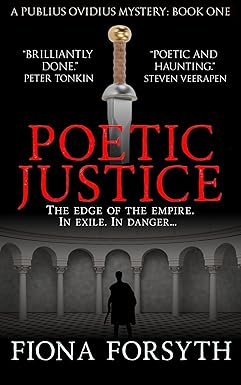
Poetic Justice follows a poet in Rome who is exiled by the emperor and winds up in a town plagued by a mysterious murder. What was the inspiration for the setup of your story?
It started with a question much asked by Classicists – why did the Emperor Augustus exile the poet Ovid? We still don’t really know though it hasn’t stopped people guessing. Ovid himself – the real poet Ovid, that is – hints that he offended the Emperor with “a poem and a mistake”. From there I started to wonder how Ovid would have coped living in a small Greek town on the edge of Empire. And when I discovered that, in his youth, the real Ovid possibly spent a year working in the world of law and order in Rome, that gave me the idea for him turning detective.
What kind of research did you do for this novel to ensure you captured the essence of the story’s theme?
I read Ovid’s poems – the ones he wrote in exile – and was struck by how badly he seemed to be coping. Of course, this is a portrait of himself that he wanted to convey in the poems. Interesting that he wants us to see him constantly complaining and wailing. No Roman endurance here!
I also had to research the town of Tomis, now covered by the modern Romanian city of Constanta. I was fortunate in that Constanta has a wonderful Museum of History and Archaeology, and its website freely publishes many useful documents.
I read a lot about how witchcraft is depicted in Roman writers, and I discovered that Ovid stopped at Samothrace on the way to Tomis. It is likely that he was initiated into the mysteries of the Great Gods at the huge temple complex on the island. You know the famous Winged Victory statue in the Louvre? That comes from Samothrace. These cults from the east were embraced by the Romans quite readily, which I found interesting.
What were some themes that were important for you to explore in this book?
I always like to explore the difference between what the sources tell us and what common sense tells us. If you just read Ovid, then you would wonder why anyone ever lived in Tomis, so I wanted to show life here as normal, relatable. A small town like Tomis would have a long history but there would be none of the huge buildings we see in Rome, none of what I call the Hollywood element. There would be far fewer slaves than in Rome, and the population would be mixed – Greeks, some Romans, people who had settled from around the Black Sea, lots of locals from the tribes around the Danube, and traders from around the Mediterranean. And Ovid would have been the most famous person ever to live in Tomis – just imagine if your favourite writer came to live in your ordinary, nobody’s-heard-of-it small town!
When will book 2 be available? Can you give us an idea of where that book will take readers?
Book 2 should be available by the autumn, and it takes the reader away from Tomis to an extent, giving an Empire-wide view. It’s set around the death of Augustus, and this was important because an Emperor had never died before. Everyone was waiting to see what would happen. I’m afraid our hero is still in trouble – we find out what it was that was so terrible that Augustus could never forgive Ovid…
Author Links: Goodreads | Twitter | Facebook | Website | Amazon
Rome’s celebrated love poet Ovid finds himself in exile, courtesy of an irate Emperor, in the far-flung town of Tomis.
Appalled at being banished to a barbarous region at the very edge of the Empire, Ovid soon discovers that he has a far more urgent – and potentially perilous – issue to address. A killer is at large in Tomis.
Somebody is slaughtering animals in a parody of ritual, and the Governor’s advisor Marcus Avitius is under pressure to apprehend the perpetrator.
Romans are held in low esteem by the local populace, however, and assistance is hard to come by. When the killer progresses from animal to human victims, Avitius reluctantly allies himself to the mercurial, tipsy Ovid.
It seems that Ovid has an inexplicable link to the murderer too, with his poetry providing the timetable by which the killer works.
After a secret visit from the elite Praetorian Guard, Ovid realises he is in mortal danger in Tomis. If he doesn’t follow the Emperor’s line, more than just his freedom is at risk.
With Avitius distracted by the demands of the Governor, Ovid becomes a target for dark forces at work in Tomis – and in Rome.
Recommended for fans of Steven Saylor, Lindsey Davis and Simon Scarrow.
Fiona Forsyth studied Classics at Oxford before teaching the subject for 25 years. Fiona is also the author of the Lucius Sestius Mysteries.
Belief in Inherent Goodness

In The Taste of Light, a woman finds herself helping to uncover a conspiracy against the owner of a neighboring vineyard. What was the inspiration for the setup of your story?
The Taste of Light germinated from Pedro Daun’s character arc, the antagonist in The True Purpose of Vines. Pedro’s journey from Portugal’s pinnacle of power to a fugitive status was crucial for his redemption. This drastic shift in his life, viewed through Anne’s unwavering belief in inherent goodness, facilitated his path to self-forgiveness and transformation.
What were some of the emotional and moral guidelines you followed when developing your characters?
Crafting Pedro Daun involved balancing his moral ambiguity with a deep-seated personal code and unwavering loyalty. My focus was on delicately revealing his dual nature, ensuring that his humanity resonated with readers.
What experience in your life has had the biggest impact on your writing?
My foray into writing was sparked by an enchanting journey through Portugal. The nation’s cultural richness and breathtaking landscapes captivated me, igniting a perpetual love affair with writing.
Can you give readers a glimpse inside book 3 of the Winemakers series?
In The Truth About Myths, Princess Isabel de Orleans embarks on a perilous mission to Spain, compelled by duty to her brother, the king. Her unlikely guardian, Henrique, Viscount Penafiel, a dashing rake, finds his loyalty torn between wanderlust and the task at hand. Their journey intertwines with Alfonso, a Bourbon with designs on Isabel and Portugal’s freedom. This tale, set against the 19th-century monarchy’s grandeur, is a dance of passion, patriotism, and the unforeseen. A must-read for those enthralled by an era of elegance and intrigue.
Author Links: GoodReads | Facebook | Website | Amazon
After losing his bride to a hated Englishman, Pedro Daun shuts himself in his winemaking property. Drowning in port, he hopes to find oblivion from his military past.
A girl with dawn in her eyes…
Kind and whimsical, Anne Maxwell moves to Portugal to help her new sister-in-law. She dreams of finding the perfect suitor to give her the unconditional love she never had.
Shadows can taste light…
A twist of fate brings them together. Anne glimpses in Pedro’s eyes a yearning for love that rivals her own, but the cynical Count isn’t the perfect prince of her dreams. Pedro craves Anne’s touch more than the air he breathes, but he is unwilling to taint his angel with the sins from his past.
A conspiracy is revealed…
A false accusation turns them into fugitives. Running from a treacherous enemy, they plunge into an ocean of intrigue. As their passion grows, Anne discovers that love isn’t the perfect matter of fairy tales. But can Pedro forgive himself for his past and allow Anne into his heart?
If you love antiheroes in desperate need of redemption, this historical romance will conquer your heart. The Taste of Light received the “Highly Recommended” award of excellence by The Historical Fiction Company and is a Booklife’s Editor’s Pick.
Literary Titan Gold Book Award

The Literary Titan Book Award celebrates books with creative ideas and honors authors skilled in transforming words into exquisite prose. These remarkable books elevate the craft of storytelling. Here’s to the talented authors who’ve turned original concepts into wonderfully crafted books. Your extraordinary skill merits every ounce of this acknowledgment.
Award Recipients

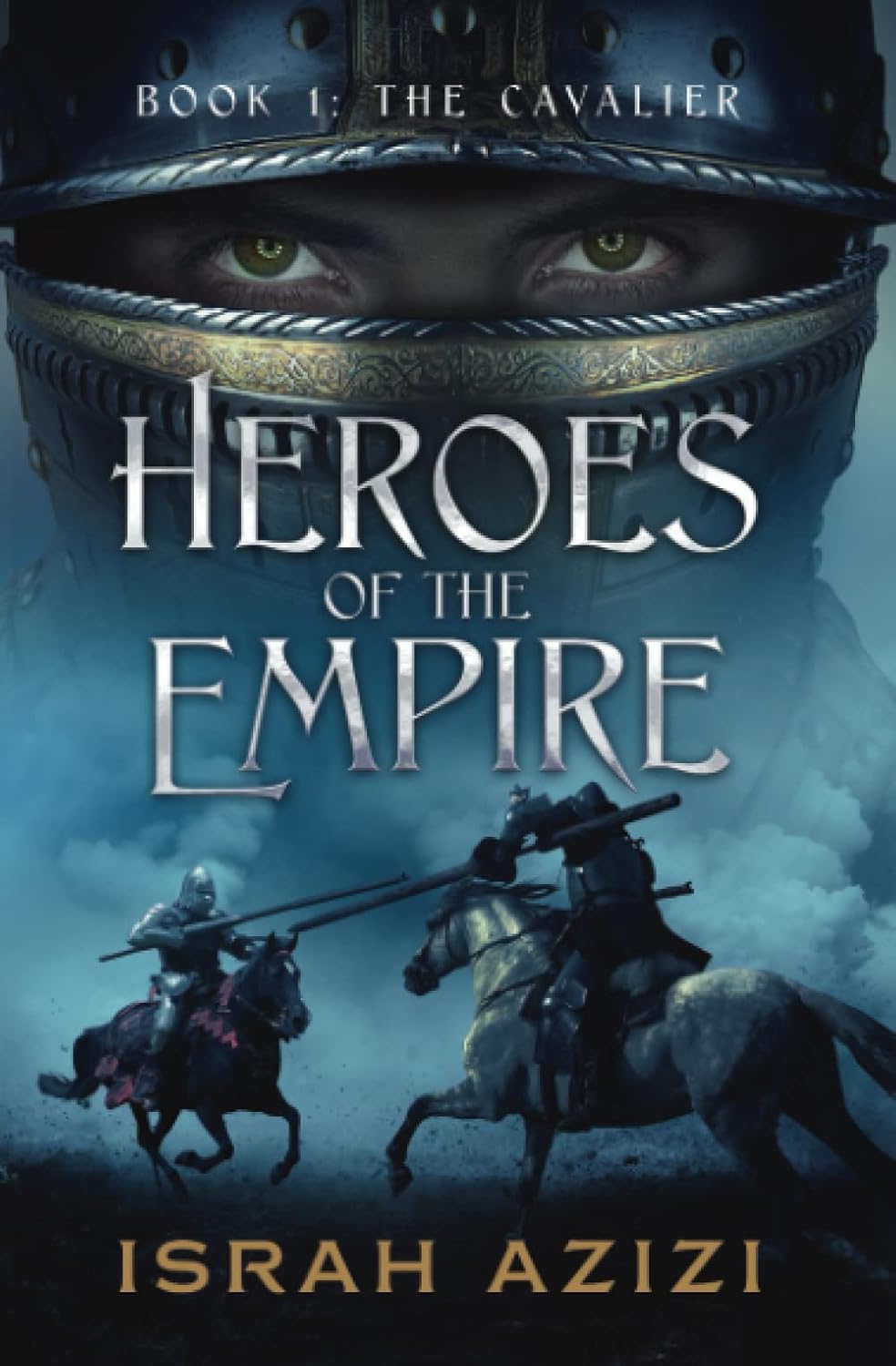


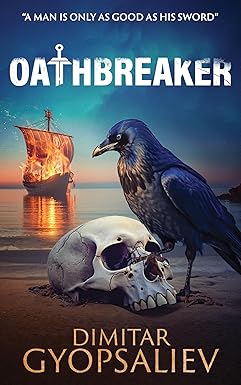



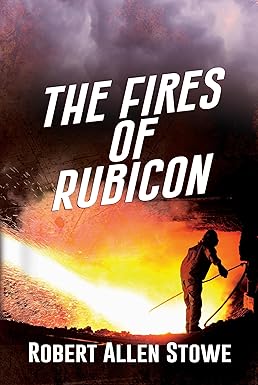









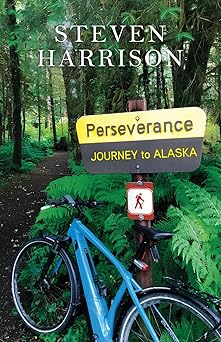


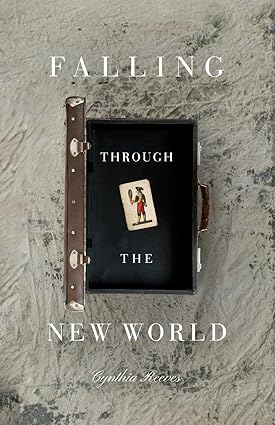

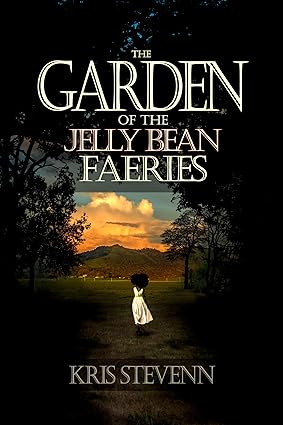


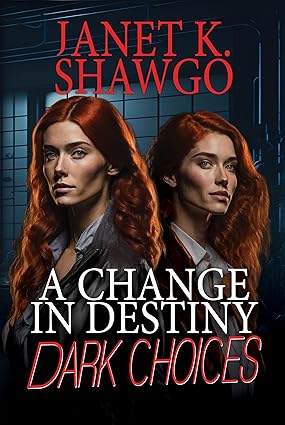




Visit the Literary Titan Book Awards page to see award information.



 LITERARY TITAN