Blog Archives
Silks and Stones


Silks and Stones by Quinn Lawrence is a fantasy mystery about Hokuren and Cinna, a pair of investigators whose trip to Fondence begins as a family obligation and turns into a larger case involving smuggling, old secrets, goblins, a dangerous wizard, and the buried truth about Hokuren’s parents. The book sits comfortably in the fantasy genre, but it borrows a lot of its engine from detective fiction: clues, rumors, coded diaries, false assumptions, and the slow pleasure of watching pieces click into place.
What I liked most was how grounded the story feels even when the magical stakes rise. Lawrence opens with a cat rescue, which is funny, messy, and oddly perfect. It tells you right away that this is not a fantasy world built only for grand speeches and glowing spells. It has scratched-up tunics, unpaid bills, awkward clients, and people trying to make rent. That choice gives the book a warm, authentic texture. I also appreciated the rhythm between Hokuren and Cinna. Their partnership has the easy snap of a long friendship, but underneath the banter there is real care. Sometimes it is as simple as bandaging wounds that will heal anyway.
The author’s biggest strength is balancing humor with emotional weight. Hokuren’s grief over her father and her questions about her mother could have made the story heavy, but the book keeps moving through curiosity, action, and small comic turns. Cinna brings a blunt, physical energy that cuts through the sadness without cheapening it. I did occasionally feel the plot had a lot on its hands at once: family history, smuggling, wizard politics, goblins, coded writing, and the central relationship. Still, most of those threads feed the same larger idea, which is that knowing the truth about people can make them more complicated, not less lovable.
I’d recommend Silks and Stones to readers who enjoy cozy-leaning fantasy mysteries with heart, humor, and a strong central duo. It will especially work for people who like investigations in magical worlds, found-family dynamics, and stories where the emotional case matters as much as the criminal one. For a reader who wants a thoughtful adventure with wit, warmth, and a little mud on its boots, this book is easy to recommend.

Vanguardian: Book I


Vanguardian: Book I by The Clerk is a science fantasy novel with strong romantic, political, and coming-of-age elements. It begins with Nasrin, an exiled mother hiding in the harsh woods of Monde with her young son, Lucian, and gradually opens into a much larger story about power, identity, war, motherhood, and a boy whose life may not belong only to the world that raised him. The book moves from snowbound survival and courtly tension into cosmic questions, and that genre blend is one of its most distinctive features.
I liked the emotional pressure in this story. The early chapters are cold in every sense, with hunger, fear, class difference, and danger pressing in on Nasrin from all sides. I liked that the author does not rush past her vulnerability or her suspicion. She feels like someone who has learned to measure every room for exits. De Vistré is a difficult character to sit with, and I think that is intentional. The book asks the reader to watch people make choices that are not clean, not easy, and sometimes not comfortable. That gave the story weight.
The writing has a dramatic, old-world feel, especially in the way it handles estates, soldiers, rank, gossip, and public reputation. The prose lingers on appearances and formal gestures, but I came to see that as part of the book’s texture. This isn’t a minimalist story. It wants atmosphere. It wants candlelit rooms, frozen gardens, whispered judgment, and the sharp edge of social power. Then, just when I thought I understood the shape of the novel, the science fantasy side widened the frame. Lucian’s arc gives the book its spark. His anger, confusion, gifts, and longing to understand himself make the larger mythology feel personal instead of abstract.
I would recommend Vanguardian: Book I to readers who enjoy genre-blending stories, especially science fantasy with romance, political tension, family drama, and a slow build toward a bigger cosmic mythology. It will probably work best for readers who like emotionally intense character dynamics and don’t mind a story that takes its time setting the table before revealing how large the feast really is. It’s reflective, dramatic, and ambitious. Not light reading, exactly, but memorable.
Pages: 337 | ASIN : B0FHC824SN

The Last People Who Knew
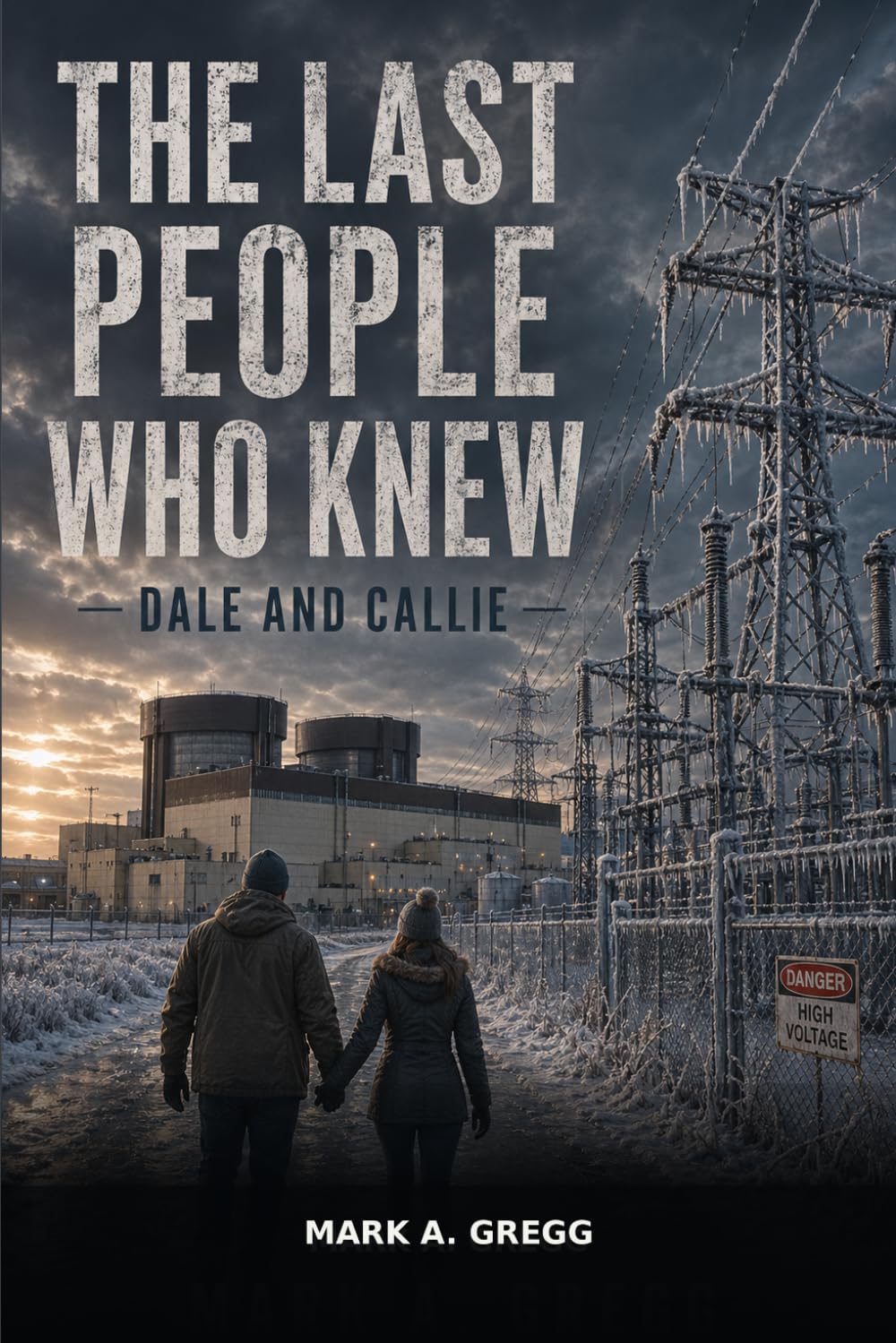
The Last People Who Knew by Mark A. Gregg is a techno-thriller and infrastructure disaster novel about an electric utility, MidAtlantic Energy, slowly trading depth, experience, and maintenance margin for cleaner balance sheets. What begins with small plant problems, thin staffing, aging equipment, and corporate pressure grows into a wider crisis involving the power grid, nuclear plants, black start capability, and a severe storm that exposes how fragile “managed risk” can become when everything goes wrong at once.
I found the book most compelling when it stays close to the machinery and the people who understand it. The control rooms feel alive. Alarms, radios, valve positions, transformer gases, turbine vibration, ice loading, and operator judgment all become part of the tension. It’s a very practical kind of suspense. Not glamorous, exactly. More like watching a hairline crack spread across something everyone assumed was solid. The writing has a plainspoken confidence, and that works well for the genre. This isn’t a sleek spy thriller or a character-first literary novel. It’s a systems thriller, and its real monster isn’t one villain, but the slow narrowing of safety margins.
I also appreciated how candid the book is about leadership choices. Stephen Langford and Warren Buffton are not written as cartoon villains. That makes the story more interesting. Their decisions often sound reasonable in isolation: cut waste, demand efficiency, trust smart people, avoid unnecessary spending. But the novel keeps showing how a reasonable choice can become dangerous when it is made far away from the equipment, the weather, and the people who know where the weak points are. The technical explanations are heavy. The book wants the reader to feel the weight of what operators, engineers, and plant managers carry.
The title is not just dramatic. It’s sad. The “last people who knew” are the ones who remember why a spare part mattered, why a transformer report could not be ignored, why a black start plant was more than an old asset on a spreadsheet. I read the novel as a warning about modern life’s hidden dependence on people whose work is only noticed when it fails. That idea lands hard, especially because the book doesn’t end with a neat fix. Repairs happen. Lessons are written down. Some changes stick. Some don’t. That felt painfully believable.
I would recommend The Last People Who Knew to readers who enjoy technical fiction, disaster novels, workplace thrillers, or grounded techno-thrillers where the suspense comes from systems under stress rather than gunfights or conspiracies. It’ll especially appeal to engineers, operators, utility workers, and anyone curious about what keeps the lights on. Readers who like their fiction built from real bolts, budgets, weather maps, and human judgment will find a lot to admire.
Pages: 427 | ASIN : B0GVYNL1DQ
Heroism

Only Breath & Shadow follows a blind and war-scarred English veteran living in Vienna as Austria slides toward Nazi control, who becomes the unlikely protector of endangered Jewish children. What was the inspiration for the setup of your story?
The inspiration for the story came about in part from Sir Nicholas Wynton. I remember him being on Esther Rantzen’s That’s Life in the late 1980s, and it was the first time I became aware of the Kindertransport programme. Sir Nicholas managed to bring 669 Jewish children from Czechoslovakia to England. As I researched the period, I found that nearly every country in the world had put strict limits on the number of foreign refugees that they allowed in. In England, the British government agreed to allow an unlimited number of child refugees to be given temporary refuge in Britain as long as there was no recourse to public funds. It was therefore left to Jewish groups, charities, and individuals to help Jewish children escape the persecution of the Nazis. However, while the children were permitted into the country, their parents were not. I therefore wanted to write about the heroism of the people who went to Germany, Austria, and Czechoslovakia to save countless children.
Christian begins as a man defined by loss. What did his journey toward purpose mean to you?
Christian’s early life was defined by his ability to paint, and his blindness stripped away what he perceived as his purpose in life. When Christian takes care of four Jewish children, he is given a new purpose. What it meant to me was that there is hope in people, not in society or in systems of religion, but in you and me and the kind acts of a stranger.
The novel suggests indifference is more dangerous than blindness. What does “seeing clearly” mean in a world where truth is actively denied?
I think that seeing clearly begins with asking whether what we are being told makes sense and whether it contradicts our moral compass. I believe that we are living in a difficult period of history, where disinformation and misinformation are now commonplace, and this concerns me. It is of note that the use of disinformation and misinformation was something that the Nazis were masters of.
I hope the series continues in other books. If so, where will the story take readers?
Thank you. I’ve had some ideas for books and even started writing some ideas and outlines. One idea. which I started 6 months ago, centred around the overthrow of the Iranian Government in 1953, with Basil Drewe’s son being trapped in Iran. Another idea was about the philosopher Jiddu Krishnamurti, who appeared in my first two books, Of All Faiths & None and A Remembrance of Death, and his alleged affair with Rosalind. However, at the moment I am taking a break from writing.
Author Links: GoodReads | X (Twitter) | Facebook | Website | Amazon
Christian Drewe a man blinded at the Somme sees the moral decay that Nazism brings to Vienna more clearly than the sighted world around him.
At the start of the novel Christian Drewe is a man without purpose, believing that his blindness defines him. But when the Nazis march into Austria, everything changes. When his Jewish friends are arrested and sent to the camps, their four children are left behind with no one to protect them.
Christian is their only hope.
In a city crawling with informants and watched by the Gestapo, he must do the impossible: hide the children, outwit a ruthless Nazi officer, and plan an escape from a world closing in around them, all without sight.
As danger tightens and time runs out, Christian is forced to confront a question he can no longer avoid:
How much can one man risk to save innocent lives?
Only Breath & Shadow is a powerful and deeply human story of courage in the face of unimaginable darkness.
Perfect for readers of All the Light We Cannot See, The Tattooist of Auschwitz and The Nightingale, this unforgettable novel explores sacrifice, love, and the strength to act when it matters most.
Literary Titan Gold Book Award: Fiction

The Literary Titan Book Award honors books that exhibit exceptional storytelling and creativity. This award celebrates novelists who craft compelling narratives, create memorable characters, and weave stories that captivate readers. The recipients are writers who excel in their ability to blend imagination with literary skill, creating worlds that enchant and narratives that linger long after the final page is turned.
Award Recipients






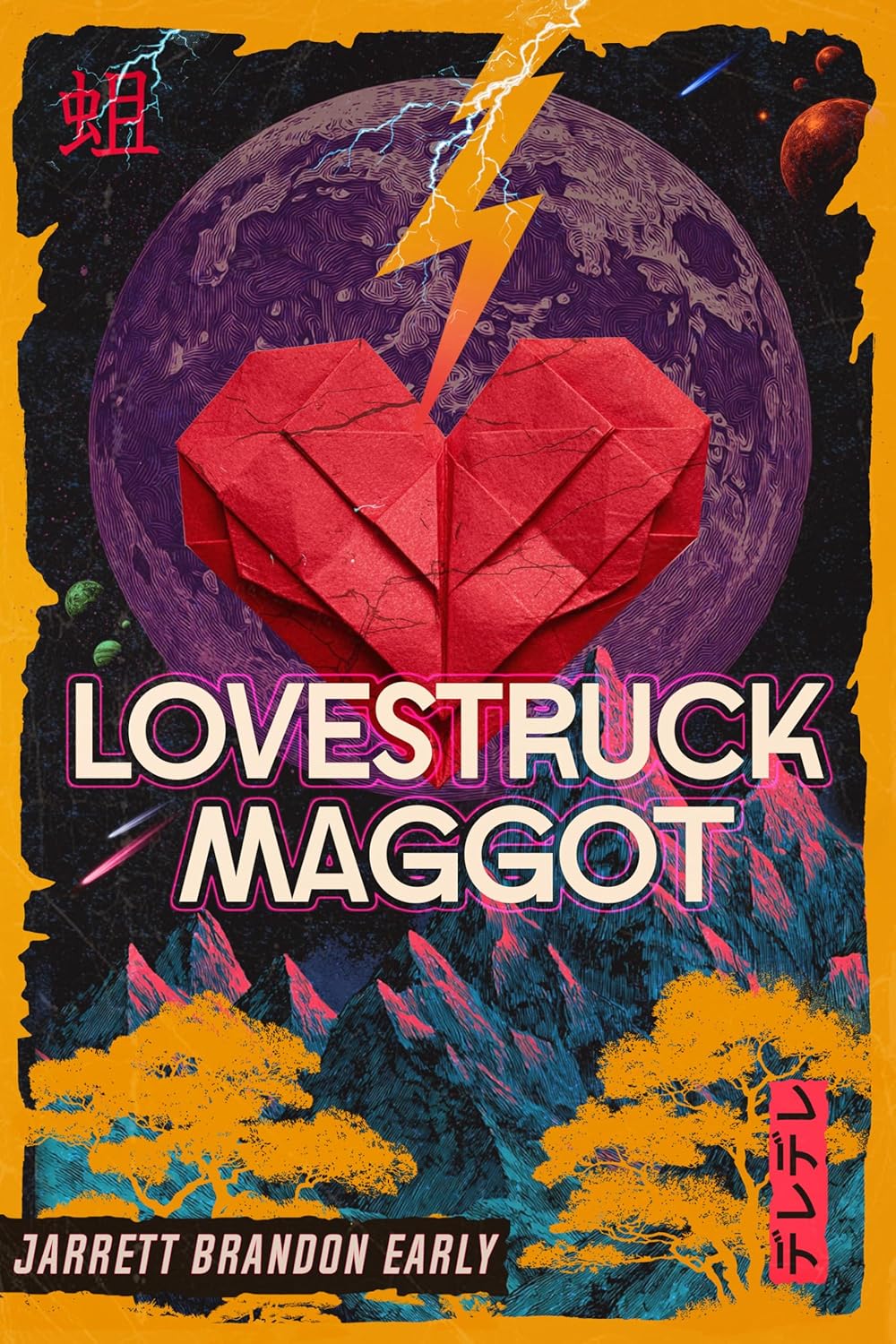
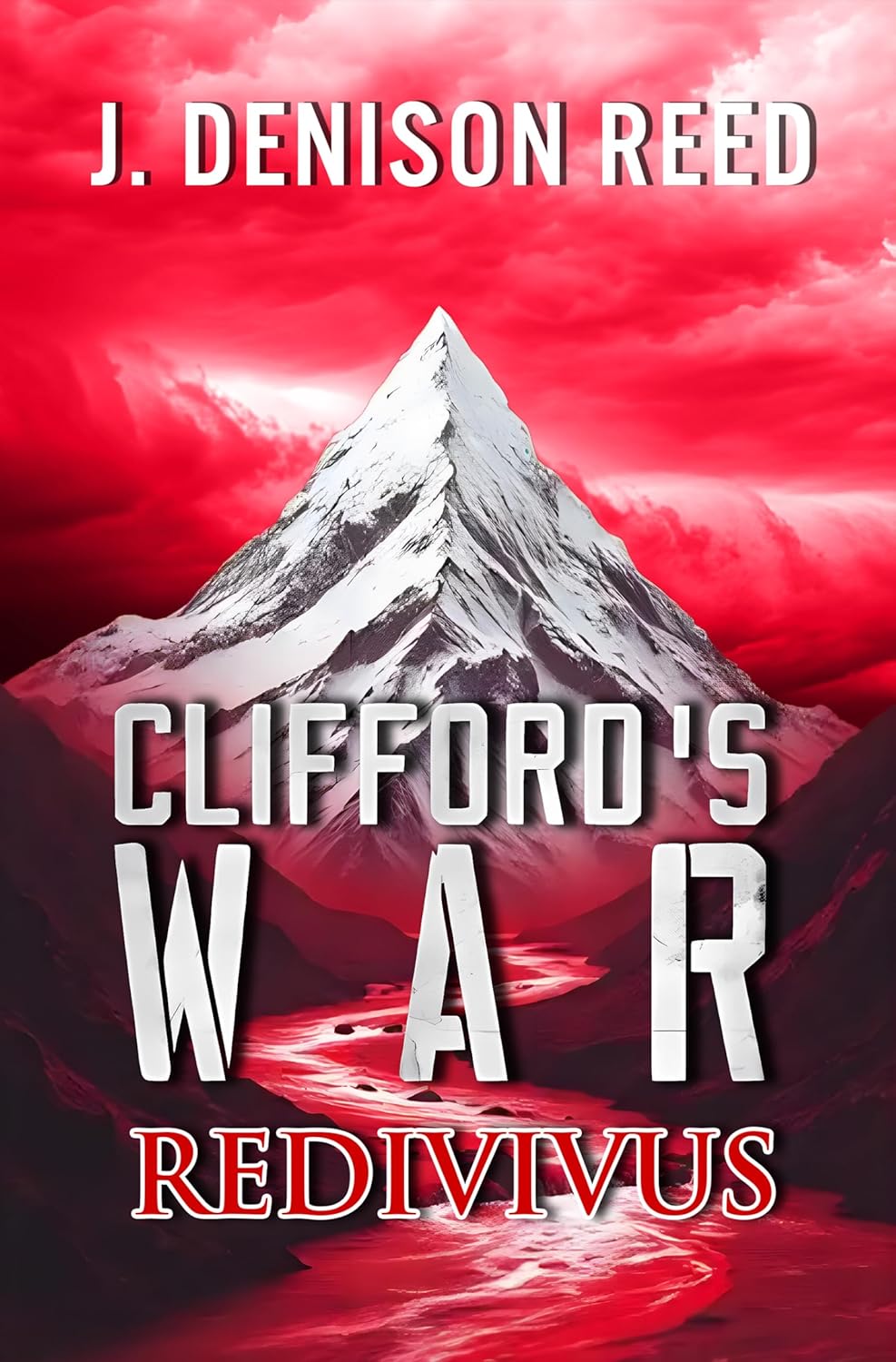


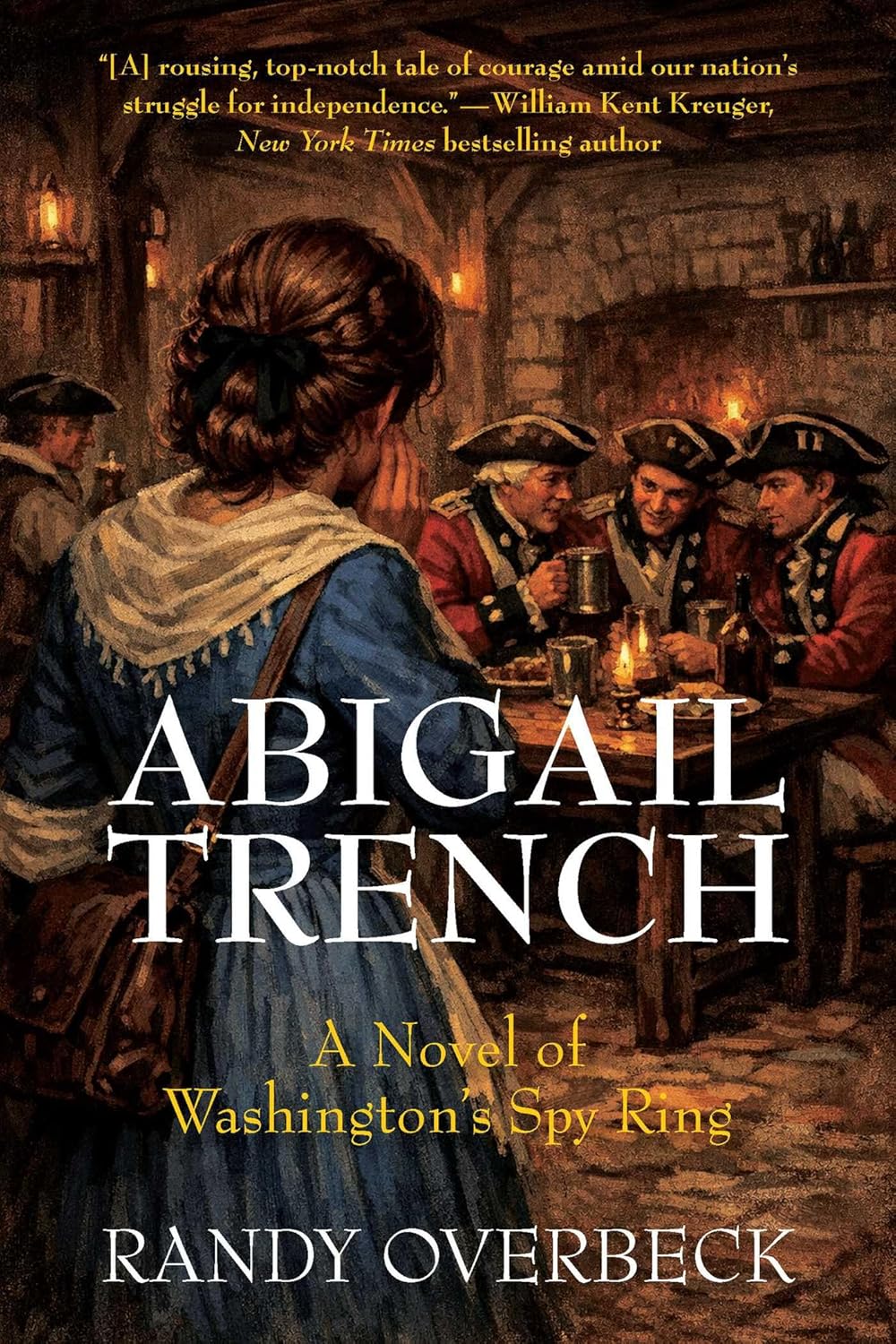

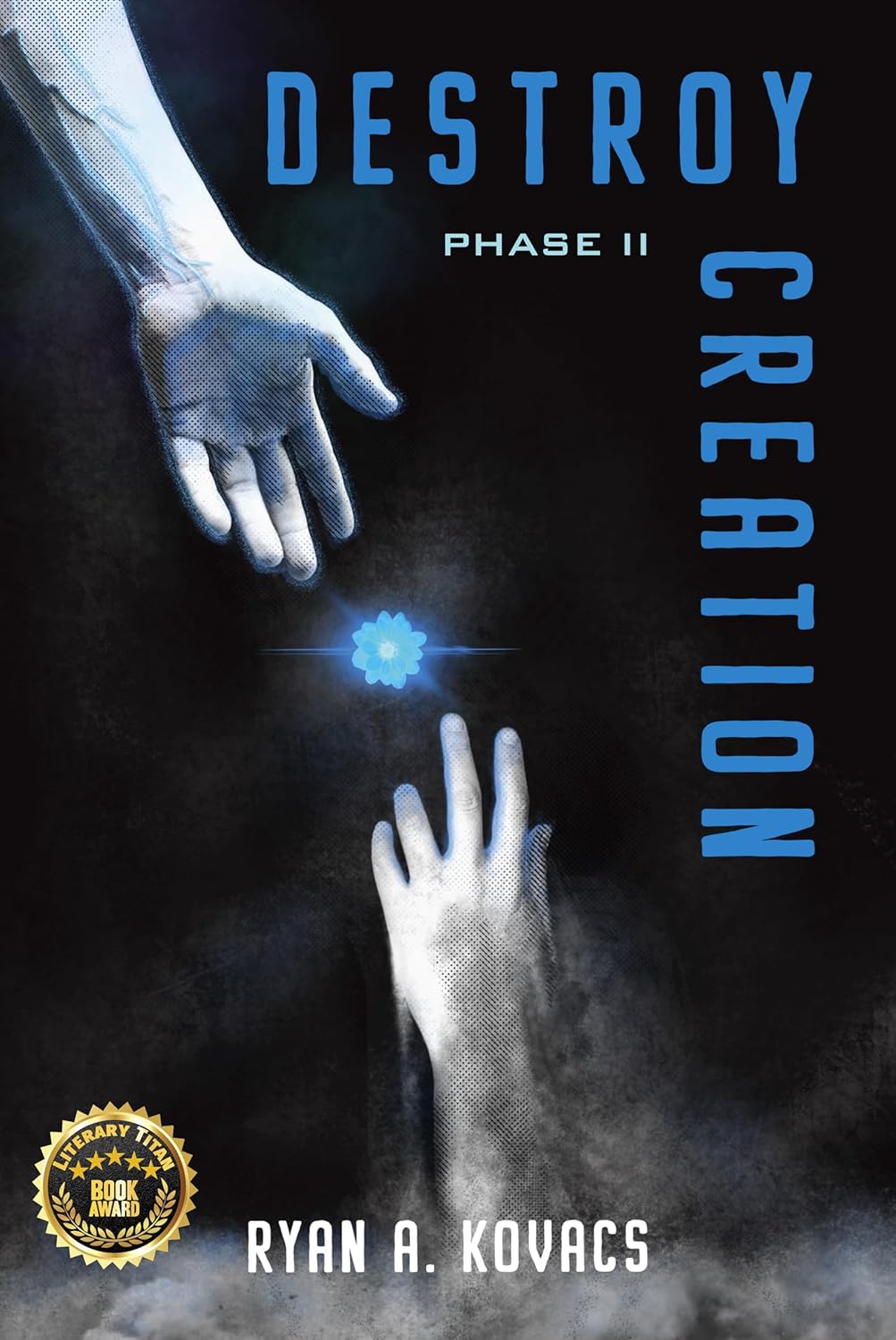
















Visit the Literary Titan Book Awards page to see award information.
Literary Titan Silver Book Award

Celebrating the brilliance of outstanding authors who have captivated us with their skillful prose, engaging narratives, and compelling real and imagined characters. We recognize books that stand out for their innovative storytelling and insightful exploration of truth and fiction. Join us in honoring the dedication and skill of these remarkable authors as we celebrate the diverse and rich worlds they’ve brought to life, whether through the realm of imagination or the lens of reality.
Award Recipients


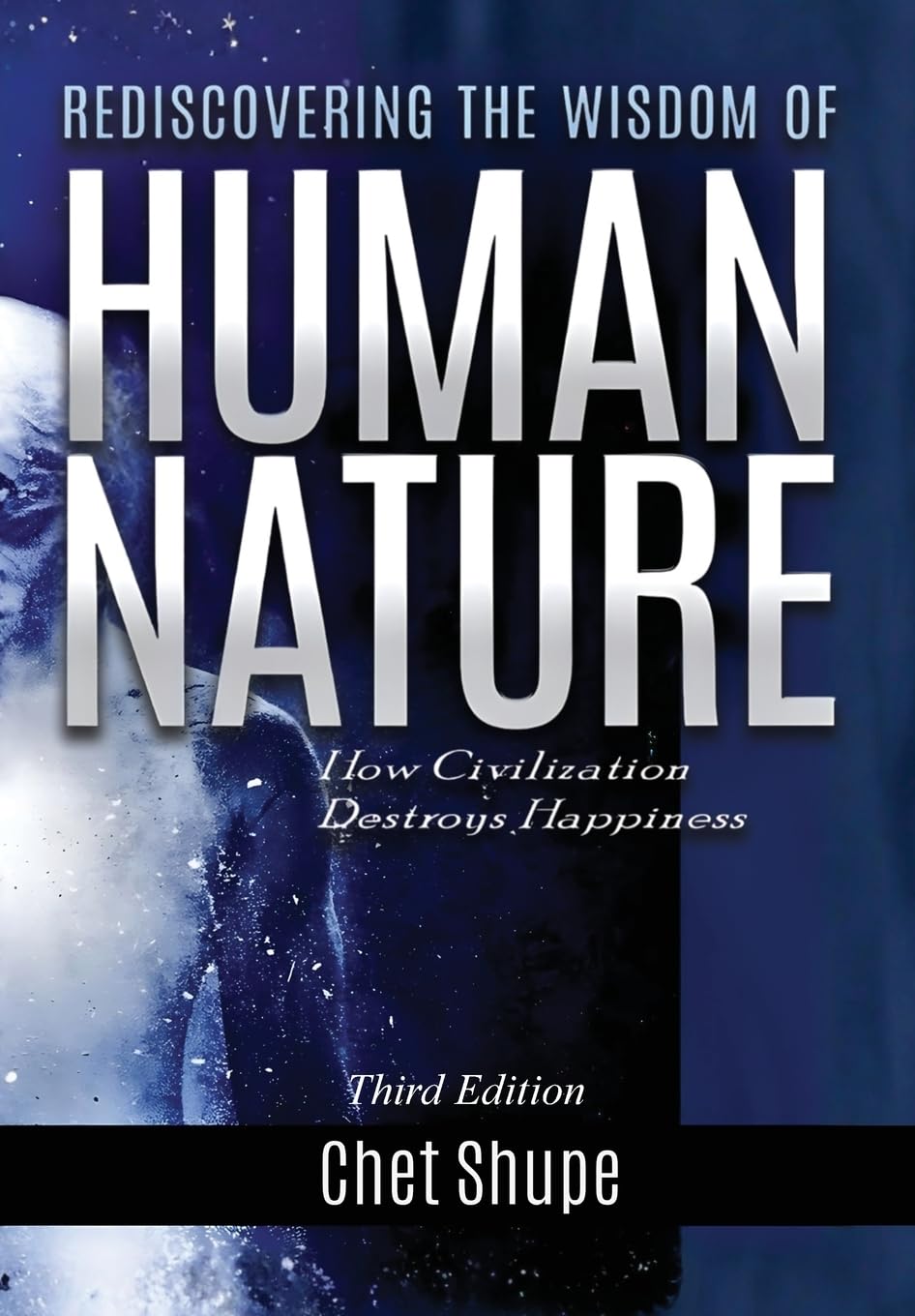


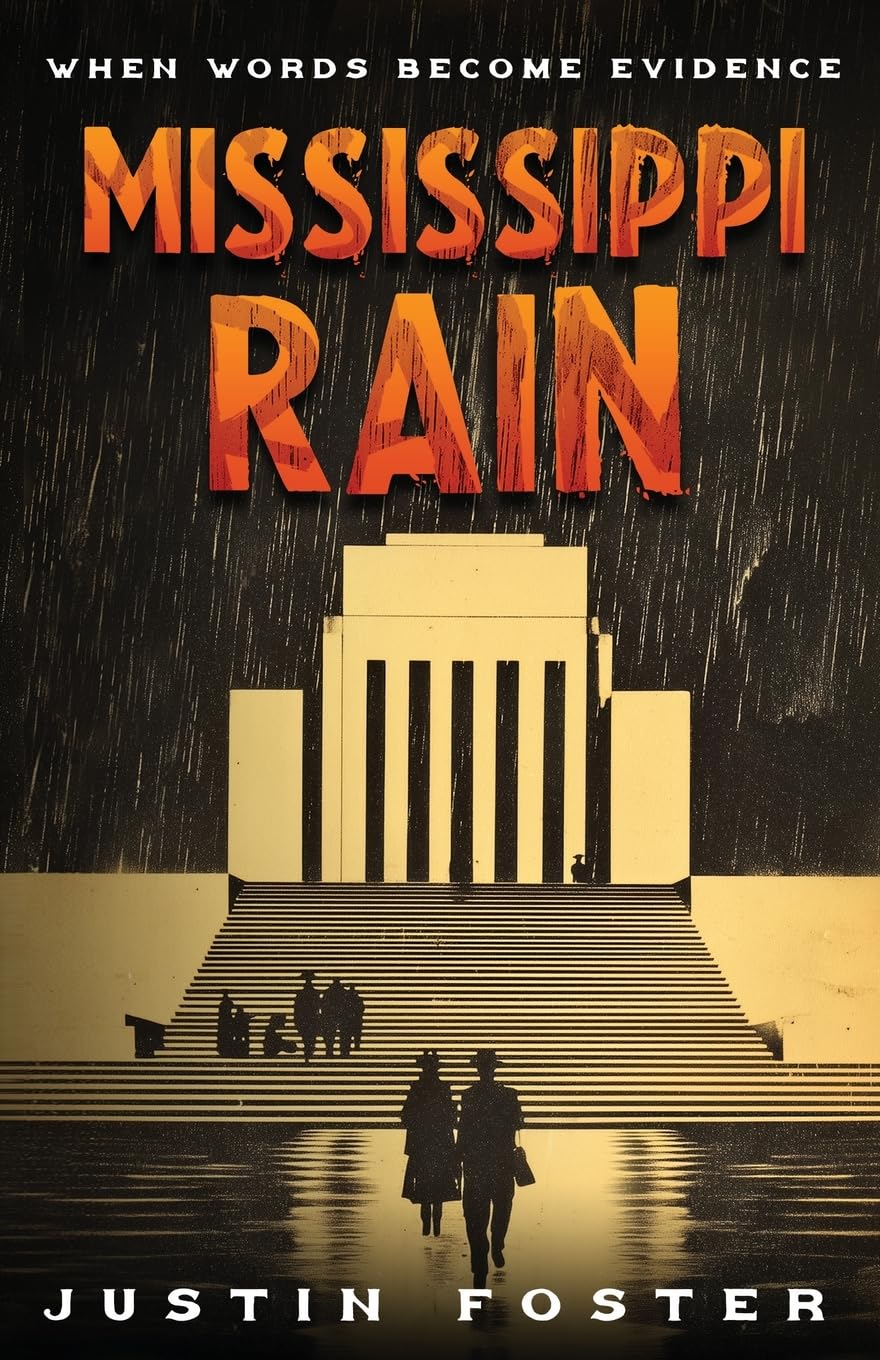


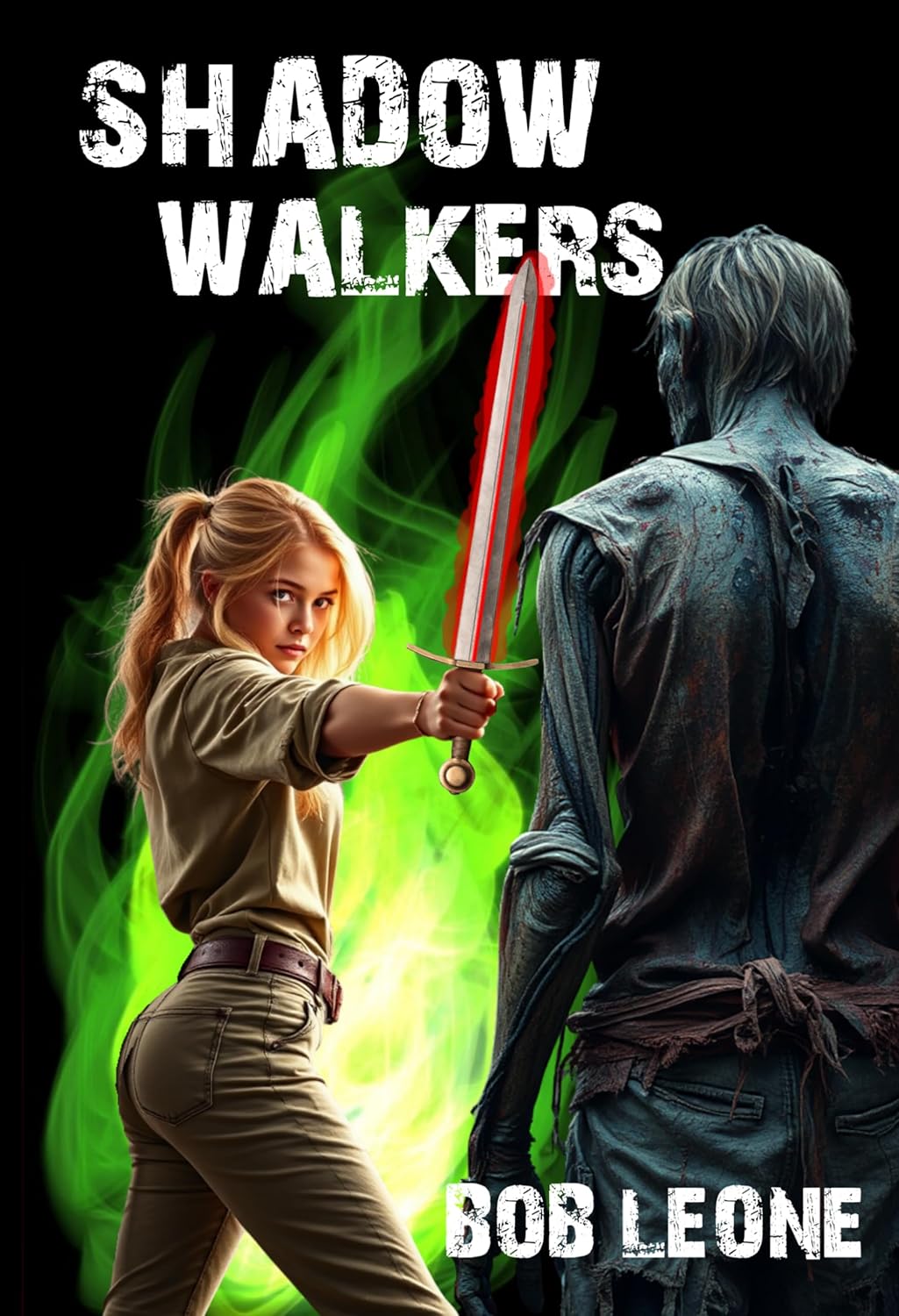


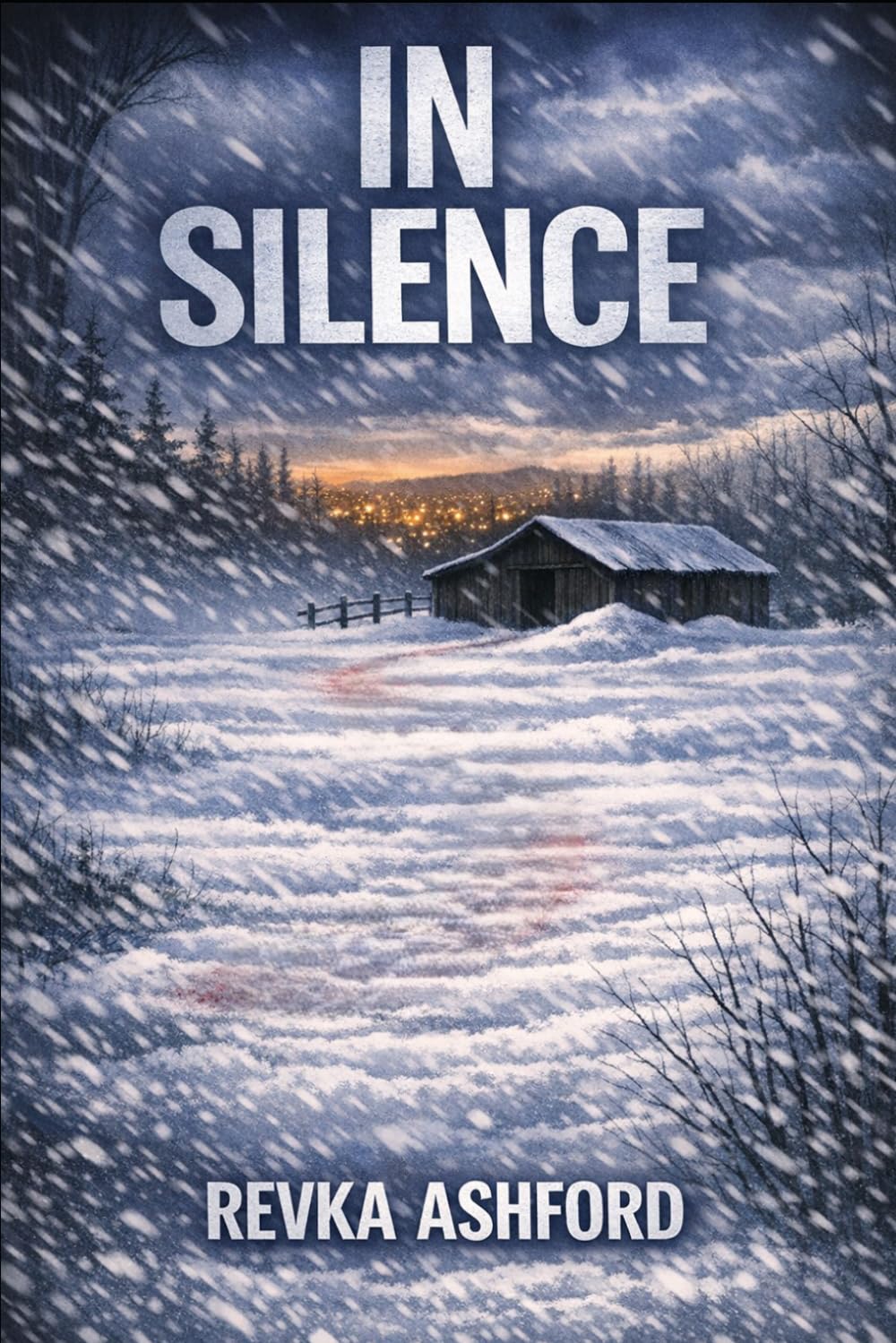




God’s Salvation Manifesto by James Hales
SANJIVANI SCROLLS by Harshad Bhatt
Y by J.D.M. Sullivan
Visit the Literary Titan Book Awards page to see award information.
Fire at the Track – A Harness Racing Mystery

Fire at the Track by M.J. Evans is a harness racing mystery built around a barn fire that kills twenty-eight horses and shakes the Liberty Racetrack community to its core. The book opens with the thrill of the sport, especially the rise of Eat My Dust, then quickly turns that excitement into grief, suspicion, and an insurance investigation. At its center is Callie Oaks, an investigator with real horse-world experience, who goes undercover at the track to find out whether the fire was an accident, negligence, or something far more deliberate.
What makes the book work best is how strongly it understands the emotional world of horse people. The horses aren’t background decoration. They’re the reason everyone is there, and the reason the crime feels personal. The line “They were like family” captures the heart of the story in a simple way, because the loss in Barn 7 isn’t treated as just property damage. It’s a wound shared by owners, trainers, grooms, drivers, and even the night watchman who can’t forgive himself for saving only one horse.
Callie is an appealing lead because she’s capable without feeling slick or distant. Her undercover identity, Haylie Norr, gives the story a nice layer of tension, especially as she gets pulled back into the rhythm of barn life and into training the filly Sunny. The mystery moves through insurance fraud, gambling debts, grief, jealousy, and cover-ups, but it stays grounded in everyday racetrack details: feedings, stall assignments, vet records, training routines, and the politics of a tight community where everyone knows everyone else’s business.
The book also has a warm secondary thread in Callie’s connection with reporter Paul Coffman. Their relationship doesn’t take over the mystery, but it gives the story a softer place to land after some heavy material. By the end, when the investigation has exposed Tommy Valdez and Frank Morrison, and the track begins repairing both its safety systems and its sense of trust, the final stretch with Callie, Sunny, and Paul feels earned. The closing idea that survivors “get back in the sulky, gather the lines, and race toward whatever finish line waits ahead” fits the book’s steady, hopeful view of recovery.
Fire at the Track is a sincere, horse-centered mystery with a strong sense of place and a lot of affection for the harness racing world. It’s part crime story, part community drama, and part comeback story. The best parts are the ones where the book lets readers feel the barn, the track, the grief, and the bond between people and horses. It’s a conversational, accessible read for mystery fans, especially readers who like animals, racetrack settings, and stories where justice matters because the victims mattered.
Pages: 287 | ASIN : B0GMDMX3HY
BIRTH RIGHT Secrets of Silent Shadows
BIRTH RIGHT: Secrets of Silent Shadows by Christophe Medler is a historical mystery thriller set in Tudor England, beginning with the murder of Robert Pakington, MP, outside St Thomas of Acon in 1536. From there, the story follows Juan Zaragoza, a Spanish orphan and acolyte, as he tries to uncover why his mentor was killed and what “veiled secret” Pakington died protecting. The investigation pulls Juan into the dangerous religious politics of the Reformation, the hidden world of the Knights Templar, the Vatican, and the mystery of his own birth.
What I liked most was the book’s sense of place. The author clearly enjoys the texture of Tudor London: the fog, the cold streets, the taverns, the chapel rituals, the stink and bustle of daily life. At times, I felt as if the city itself was another character, watching Juan step out of the safety of church life and into a world that is far more violent, compromised, and complicated. The historical detail gives the story weight, and the genre works best when the murder mystery and the political danger feed each other. There is a real “secret history” energy here, the kind that makes you want to keep turning pages because every symbol, coin, letter, or whispered warning might matter.
I also found Juan’s journey more interesting than a simple chase for a killer. He begins as someone sheltered and devout, but the book keeps testing that faith. That choice gives the novel its emotional spine. Sometimes feel the story wants to explain a lot, and some dialogue carries more exposition than natural conversation. But I also get why the author makes that choice: this is a book built on hidden orders, religious conflict, family secrets, and historical context. It wants the reader to understand the machinery behind the danger, not just watch people run from it. When it slows down, it is usually because the author is laying another stone in the path.
I would recommend BIRTH RIGHT: Secrets of Silent Shadows to readers who enjoy historical fiction with a conspiracy mystery at its heart, especially those drawn to Tudor England, religious intrigue, the Reformation, and stories about lost identity. It will suit someone who likes a detailed, old-world adventure more than a stripped-back thriller. If you enjoy novels where history feels smoky, crowded, and full of locked doors, this one has plenty to offer.
Pages: 329 | ASIN : B0GS2RQCTL


