Blog Archives
Servant
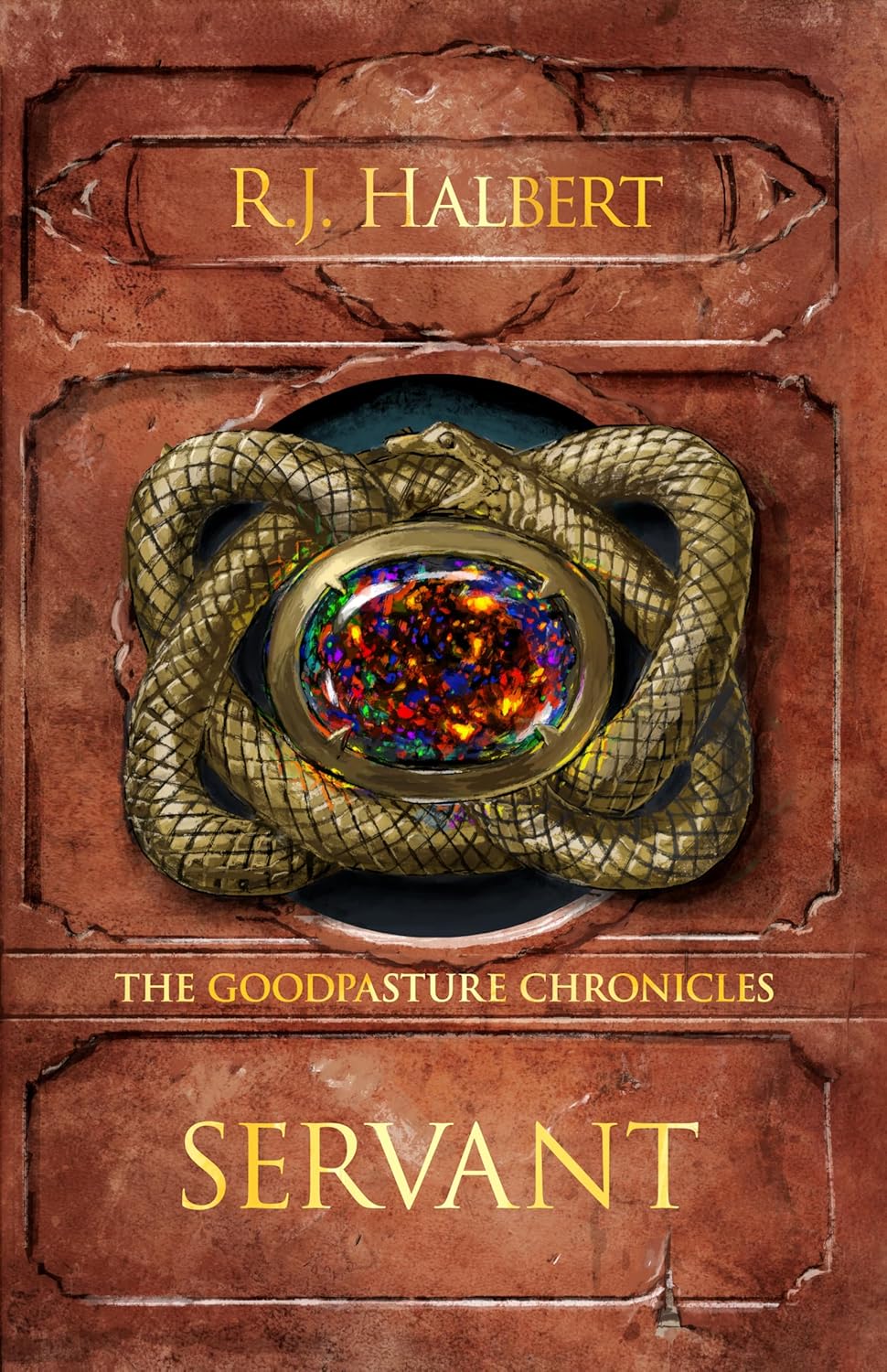

Servant is a supernatural fantasy novel that blends family drama, ancient mystery, and time-crossed storytelling. The book follows two threads that eventually begin to echo one another: Zach, a middle-school kid from the Keane family who vanishes from his house under eerie circumstances, and Akolo, a boy living centuries earlier whose life is marked by war, trauma, and the demands of kings. As Zach’s family searches for him in the present day, he finds himself wandering through stone hallways, oil-lit corridors, and a world that feels pulled straight from his dad’s archaeology stories. Meanwhile, Akolo faces his own captivity in a foreign palace controlled by a ruler who insists he will “need” him. Both boys are caught in places where power, fear, and destiny collide. By the time the book reaches its epilogue, the story has cracked wide open into something larger, hinting at deep magic, interwoven timelines, and a house that is far more alive than anyone wants to admit.
I found myself pulled in by the writing style. It’s simple on the surface but has this steady emotional current running underneath. The authors don’t rush. They let each moment breathe. Even the small scenes, a father making coffee, a daughter complaining about pizza for breakfast, or the house creaking in the early morning, carry a sense of “something is happening here,” even if you can’t name it yet. I liked that. It made me feel like I was sitting inside the Keanes’ home, overhearing bits of life while the bigger mystery brewed just out of sight. And then we cut to Akolo’s story, which feels raw and grounded and ancient. Those chapters landed hardest for me. His fear. His confusion. The way he clutches the jeweled stone in his pocket just to feel connected to something familiar.
I also appreciated the author’s choices around pacing and perspective. Switching between timelines can easily feel gimmicky, but here it feels purposeful. Zach’s modern confusion mirrors Akolo’s ancient disorientation, and that parallel makes the supernatural elements feel earned. I liked how the book doesn’t give its secrets away too quickly. We get hints, symbols carved into doors, fog in places fog shouldn’t be, Marshall knowing more than he says, but the authors trust the reader to sit in the unknown for a while. That kind of patience is rare, and honestly, refreshing. The emotional beats hit hardest because they’re framed by that tension: the Keane parents’ terror when Zach goes missing, Ariel’s mix of resentment and fear, Akolo’s grief for his family, Marshall’s haunted loyalty to forces he doesn’t entirely understand. All of it builds toward that late-book shake of the earth, where the house itself moves as though waking up.
Servant doesn’t wrap everything up, but it feels like a middle chapter that knows exactly what it is. I’d recommend this book to readers who love supernatural fantasy with a human heart, people who enjoy stories about families surviving strange things, or anyone who likes time-slip mysteries tied to ancient cultures. If you want something atmospheric, character-driven, and a little eerie without tipping into horror, this one will hit the spot.
Pages: 262 | ASIN : B0FQ5ZGH1R

Pay Less for College: The Must-Have Guide to Affording Your Degree

Pay Less for College lays out a clear and practical roadmap for cutting the true cost of a college degree. The authors walk through the entire financial aid system step by step, from how schools build their cost of attendance to how families can understand their Student Aid Index and estimate real net prices. The book breaks everything into simple pieces, and it shows families how to lower their costs with smart planning, better timing, and more strategic college lists. I found that the book blends explanation with action in a way that makes the whole process feel less scary and a lot more doable.
I was impressed by how clear and direct the writing is. The topic is heavy. It is full of numbers, rules, odd quirks, and deadlines. Yet the authors talk like they are sitting next to you at a table with a big cup of coffee and a stack of forms. The tone feels calm. It feels friendly. It made me relax. I liked how the book avoids pretending that financial aid is simple. Instead, it acknowledges the mess. It untangles it little by little. I appreciated that honesty. It made me trust the advice more. And the tables of information help a lot. They turn confusing ideas into something you can actually follow.
The book pushes readers to face real numbers, and that hit me. The constant reminder that net price is what matters feels like a splash of cold water. I kept thinking how many families get blinded by the sticker price or by vague encouragement from colleges. The authors challenge that. They show how much schools differ in generosity and how much strategy matters. That message stuck with me. It made me feel a bit frustrated about how complicated the system is, but also relieved to have a guide that feels grounded and realistic.
Pay Less for College is a great fit for families who want clarity, control, and a plan. It works for parents who feel overwhelmed and for students who want to understand how the money side really works. It is especially helpful for anyone who likes checklists, examples, and concrete next steps. I would recommend it to households at any income level because everyone can save something with the strategies in this book. It really does make the whole process feel manageable, and that alone is worth the read.
Pages: 362 | ASIN : B0FQQ3WWSW
Having It All
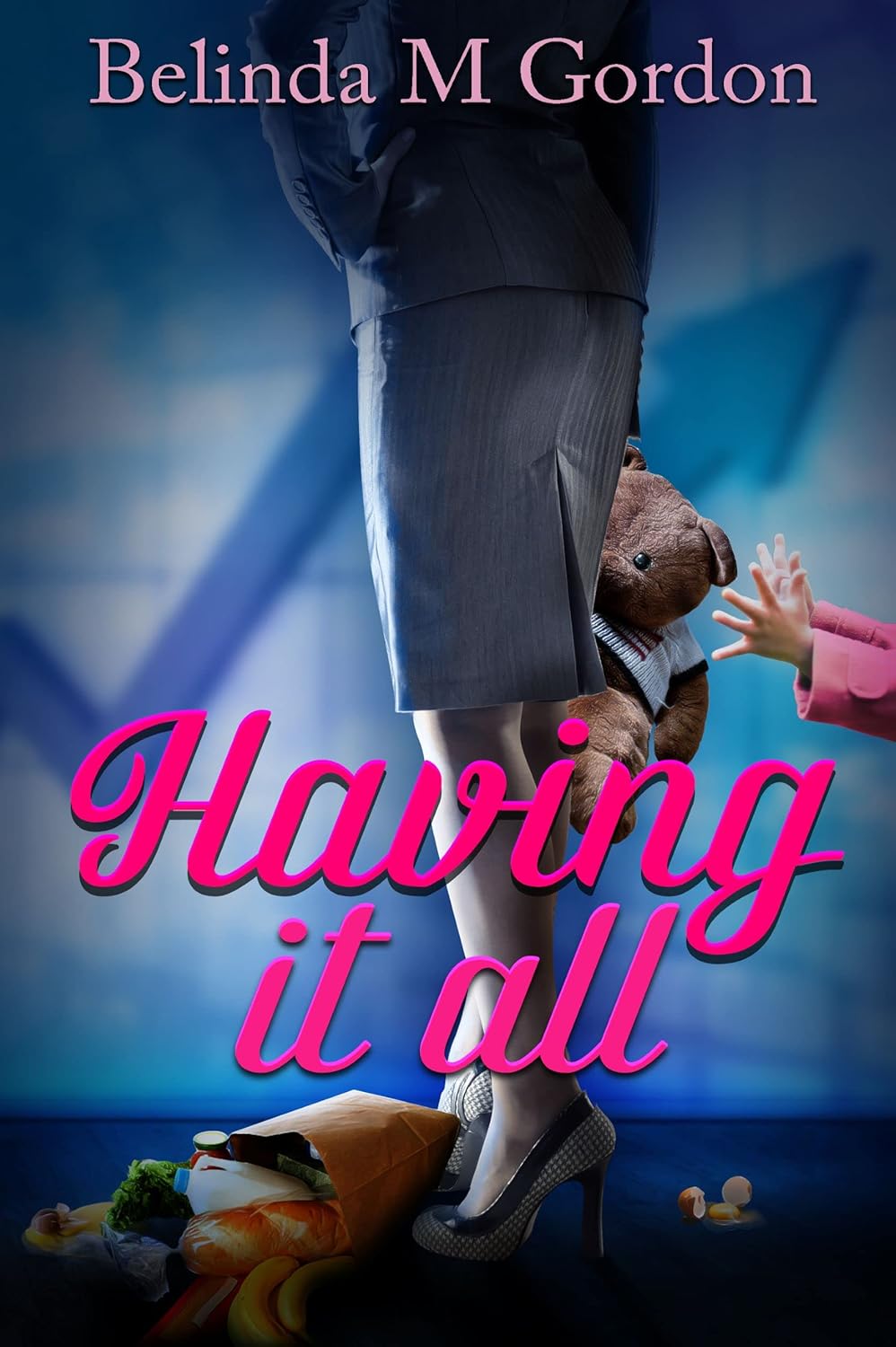
Having It All follows Dalia Roberts, a devoted mother and sharp Wall Street trader, as she tries to hold together a demanding career, a young family, and the emotional weight of a past that shaped her more than she cares to admit. The book opens with a gripping evacuation during a high-rise fire that sets the tone for the chaos woven through her days. From there, the story settles into the everyday struggle of keeping her daughters healthy, her marriage steady, and her job secure. Along the way, she leans on her sister, her mother, and her own stubborn strength as she learns what having it all really means in a life that is far from picture-perfect.
I felt pulled right into Dalia’s world. The writing has a warm and steady rhythm that fits her character so well, and I liked how the author keeps the stakes grounded in real life instead of forcing big melodramatic twists. The scene where Dalia rushes to help the daycare babies during the fire hit me hard. It showed her instincts, her fear, and her heart all at once, and I found myself rooting for her immediately. I also enjoyed the family scenes, especially the ones with her sister, Melanie. Their kitchen conversations feel lived-in, messy, and familiar, which gave the story a sense of comfort even when the stresses around them grew heavy.
At times, though, I felt frustrated with Dalia in a way that made her feel even more real. She holds herself to impossible standards, and the book doesn’t hide how that pressure wears her down. Watching her panic over Kelly’s sniffles or stress over bills from years past made me ache for her. I appreciated that the author never mocks these moments. Instead, she treats them as honest pieces of a woman trying her hardest. I also liked how the story quietly challenges the shiny magazine version of the “perfect working mom,” and I caught myself laughing when Dalia scoffed at an article claiming women can effortlessly manage it all. Her reaction felt like a wink to every woman who has ever tried to juggle too much at once.
The story’s message is gentle but firm. You don’t “have it all” by matching someone else’s idea of perfection. You have it when you learn to value what’s already in your hands. That conclusion landed beautifully for me, simple and true in a way that lingers after the last page. I’d recommend Having It All to readers who enjoy heartfelt domestic fiction, stories about motherhood, or character-driven novels that explore work, family, and identity in a relatable way. If you like books that sit somewhere between comfort reading and emotional honesty, this one fits right in.
Pages: 216 | ASIN : B09JN2Y6DY
Dream Me Dead: A Story of Betrayal, Infidelity, and Love
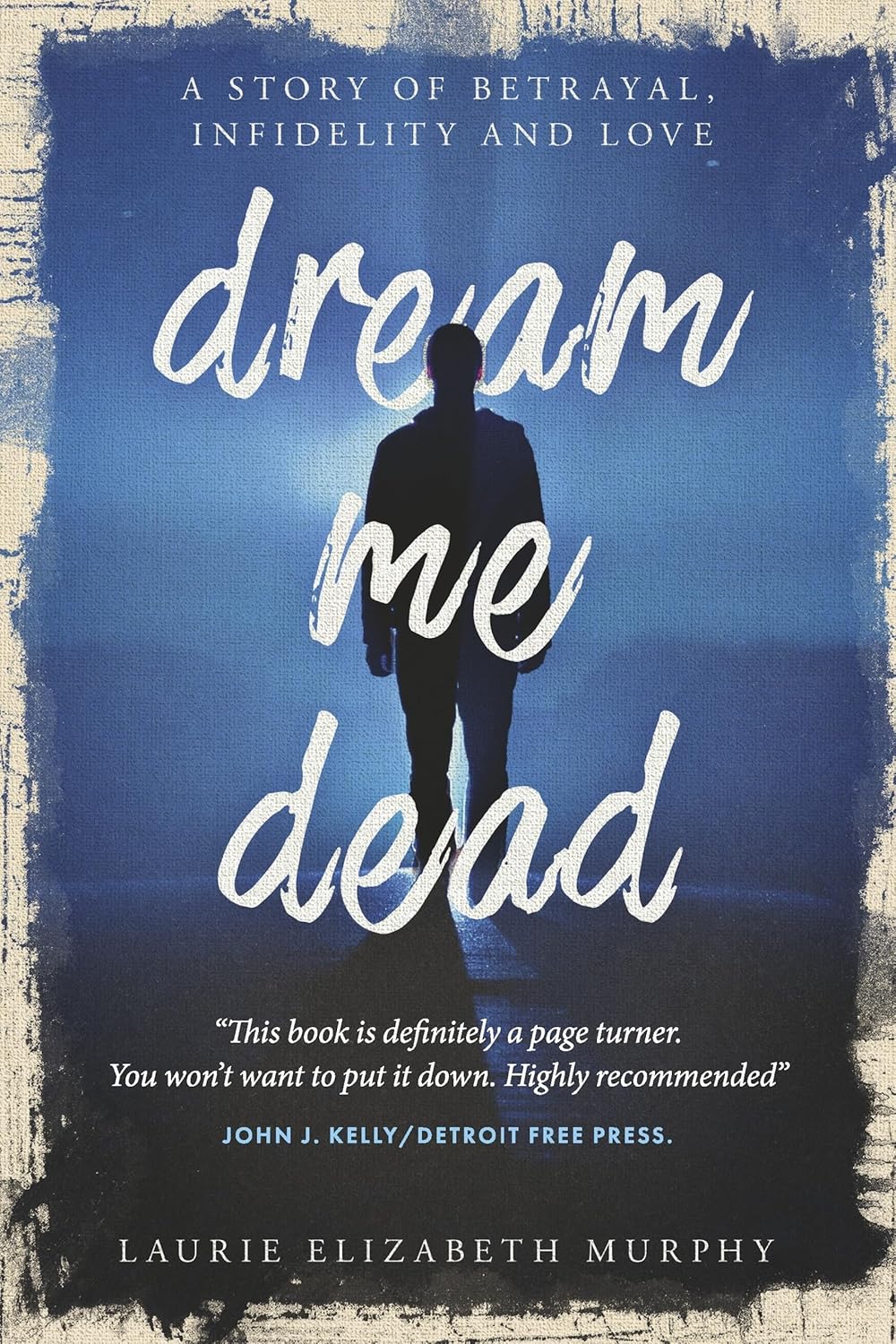
Dream Me Dead is a psychological thriller with a strong emotional core, and its premise grabs you from page one. The story follows Peggy Prescott, who opens the book by telling us she is dead and determined to reveal the truth about her husband Rob, a respected surgeon now on trial for her murder. What unfolds is a layered mix of courtroom drama, trauma, suspicion, and blurred realities, all threaded through Peggy’s unsettling perspective as she watches events play out from beyond the living world. As the story progresses, her memories fracture and re-form, her sense of the living and the dead becomes porous, and the real history of her marriage to Rob surfaces piece by piece.
Peggy’s voice is striking because it’s calm even when what she describes is horrific, and that contrast creates a tension that stays with you. Author Laurie Elizabeth Murphy makes deliberate choices here, especially in letting Peggy narrate from a place suspended between worlds. It lets her speak plainly about betrayal, longing, and fear, but with an eerie restraint. I found myself reacting not only to the events but to how Peggy processed them, especially when her certainty about what happened collides with the medical team’s insistence that her memories are confused.
Murphy also isn’t shy about leaning into the messy parts of human behavior. The trial sequences give the book a legal-thriller pulse, but underneath the questioning and objections you feel the emotional wreckage of this family. Rob’s arrogance, Peggy’s desperation to be believed, the daughters’ anger, even the way secondary characters like Dr. Steinbrenner or Mrs. Stoner color the narrative with their own biases and wounds. It becomes clear that this story isn’t just about a crime. It’s about the stories people tell about themselves to survive. And because the book blends psychological fiction with elements of suspense and the supernatural, it has room to explore those ideas without having to explain every mystery. Sometimes it’s the uncertainty that keeps you reading.
By the time I reached the final chapters, I felt the book had shown me both the exterior plot and the interior landscapes of these characters, which is where it’s strongest. It’s a thriller, yes, but one with emotional weight and a haunting, almost dreamlike undertow. I’d recommend Dream Me Dead to readers who enjoy psychological suspense that leans into character and memory as much as plot. If you like courtroom tension, unreliable narration, and stories that sit somewhere between mystery and emotional reckoning, you’ll enjoy this book.
Pages: 355 | ASIN : B0F1WG5JHK
Tissiack: A Sierran Siren


Tissiack: A Sierran Siren follows Awena, a Native American and white high schooler who runs cross country, deals with family pressures, hears a mysterious ancestral voice, and tries to figure out who she is. The story jumps between her school life, her tribe’s struggles, and big moments like the State meet and the winter Bracebridge feast. It also weaves in deep cultural history, government injustice, and a coming-of-age kind of quest that Awena doesn’t fully understand at first. By the end, she starts shaping a path that blends tradition, identity, and her own sense of purpose.
The writing sneaks up on you. One minute it feels like a simple YA story about running and friendship, and then suddenly it drops these heavy truths about Native history and government failures that made my stomach twist. I kept getting caught by the quiet moments, especially Awena’s talks with Ama. They felt warm and sad at the same time. I liked that the book didn’t rush those scenes. The whole vibe had this mix of modern teenage life and thousands-of-years-old memory that gave the story a kind of echo. It made the book feel bigger than it looked.
The scenes with the BIA meetings made me mad. The explanations about broken treaties and stolen land made me sit back and just stare for a second. I kept thinking about how unfair it all is, and the book didn’t sugarcoat any of it. I liked that the story leaned into the messy parts of identity and didn’t pretend everything works out cleanly. Some moments were blunt. Some were tender. Some were almost funny in a dark way, like the boys’ cross-country team acting tough and then totally wimping out in front of a mountain lion. The mix of moods kept the book alive.
By the end, I felt proud of Awena. I wanted to cheer for her. She isn’t perfect, and that made her real. She stumbles, she doubts herself, and she fights through it. The writing made me feel like I knew her. I also loved how the story kept circling back to the idea of hearing your own voice, not just the ancestral one but the inner one.
If you like coming-of-age stories with heart, culture, humor, and a real sense of place, Tissiack: A Sierran Siren would be great for you. It feels especially perfect for teens or adults who enjoy stories about identity and heritage, and for anyone who loves the outdoors or running. It also works well for readers who want something thoughtful but not heavy in a gloomy way.
Pages: 64 | ASIN : B0F922QL54
Opportunities in Brittany
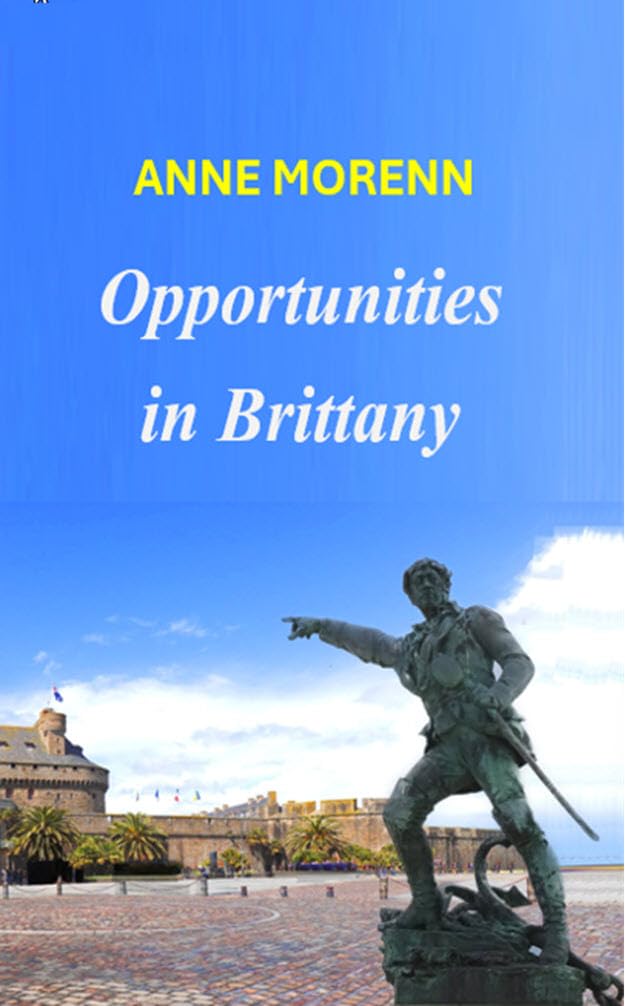
Opportunities in Brittany is a contemporary romance novel that follows a wide cast of characters whose lives intersect across Brussels, London, and, most vividly, Brittany. It begins with Félix Lemestre helping a mysterious young woman on a Eurostar platform, and from there the story branches into intertwined arcs: Eleanor escaping her controlling family, Yasmin fleeing an arranged marriage, and the many members of the Lemestre and Cavendish families whose histories, choices, and secrets gradually come together. The novel moves through travel, family intrigue, marriage negotiations, career shifts, and cultural crossings, eventually landing its characters in Brittany, where futures open, relationships deepen, and long-awaited opportunities finally take shape.
The writing is patient, almost procedural at times, as if the author trusts the reader to follow each careful step. It made the characters’ decisions feel grounded rather than dramatic for the sake of drama. When Félix helps Yasmin cross the border, the scene unfolds with a surprising amount of detail, but I found that detail comforting because it showed how much thought the characters give to each other’s safety and dignity. The same tone carries into the later chapters set in Brittany, where homes, rooms, and meals are described with a kind of affectionate precision.
What struck me most was how intentional the author is about choices. Eleanor’s backstory, for example, is not rushed. Her decision to escape her family carries weight because we’ve watched her strategize for years. Yasmin’s storyline works the same way: her flight from her father’s plans is not impulsive but careful, painful, and hopeful at once. Even secondary characters, like Agnès and Mathieu in Corseul, are given enough texture that I understood their influence on everyone around them. I also enjoyed the quieter cultural notes woven into the book, especially the sense of community in Brittany and the way the region feels both inviting and rooted in its own identity. By the time weddings, job offers, and new beginnings unfold near the end, the emotional payoff feels earned.
This is a romance novel, but one built more on steady interpersonal changes than on sweeping melodrama. If you like stories where relationships develop through trust, competence, and small acts of loyalty, this will likely speak to you. It’s also a good fit if you enjoy ensemble narratives, slow-burn connections, or settings that feel lived-in. Readers looking for fast conflict or high-tension twists might find it too gentle, but for anyone who enjoys thoughtful characters finding their place in the world, Opportunities in Brittany is a warm and satisfying read.
Pages: 390 | ASIN : B0DJF9JQ82
Where Did My Brain Go?

Where Did My Brain Go? is the true story of a man whose life split sharply into a before and after. The memoir follows Mitchell Miller from the bustle of Manhattan to a quiet Southern town and then through a devastating car crash that shattered his body, altered his mind, and derailed his future. Across the pages, he recounts the long march through surgeries, confusion, misdiagnoses, and nine lost years before doctors finally discovered his frontal-lobe traumatic brain injury. The book moves from the shock of survival to the slow, stubborn rebuilding of a life that no longer matched the one he remembered.
Reading this book put me through a mix of emotions. At times, I felt pulled into the raw terror of the crash and the surreal moments afterward. His memories of waking in the ICU, piecing together how badly he was hurt, and struggling through early recovery felt painfully intimate. I admired how directly he wrote about the confusion that followed him for years. He doesn’t dress it up. He lets the reader sit with that fog and frustration. I found myself angry on his behalf as he revealed how the brain injury went undiagnosed for nearly a decade and how the people closest to him sometimes failed him when he needed help most. The writing is plainspoken and almost blunt at times, and that made the emotional hits land harder for me.
What really stayed with me was the honesty about the small humiliations and the long stretch of not knowing who he had become. When he finally learns what happened to his brain, the relief is mixed with grief, and that contradiction hit me in the gut. I appreciated how he examined the way the injury reshaped his personality, his impulses, even his taste in food and habits. I could feel the years slipping by as he tried to anchor himself. His eventual escape from the “disability trap” and the chemical fog of prescribed stimulants made the later chapters feel lighter, almost like watching someone slowly open the blinds after a long night. Knowing how much he fought to regain a sense of self gave those moments real emotional weight.
Where Did My Brain Go? shows a man who survived more than he understood at the time and who rebuilt a life that finally felt steady again. The author writes with gratitude, even toward the hardest memories, and that grounded the book for me. I’d recommend this memoir to readers who appreciate personal stories told without pretense, especially those interested in traumatic brain injury, medical missteps, or the resilience of ordinary people pushed into extraordinary circumstances.
Pages: 96 | ASIN : B0FLYKYXTJ


 LITERARY TITAN