Blog Archives
Literary Titan Book Award: Nonfiction

The Literary Titan Book Award recognizes outstanding nonfiction books that demonstrate exceptional quality in writing, research, and presentation. This award is dedicated to authors who excel in creating informative, enlightening, and engaging works that offer valuable insights. Recipients of this award are commended for their ability to transform complex topics into accessible and compelling narratives that captivate readers and enhance our understanding.
Award Recipients




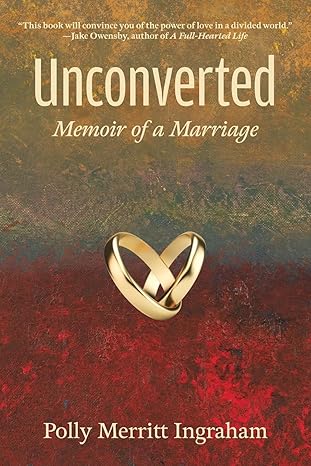
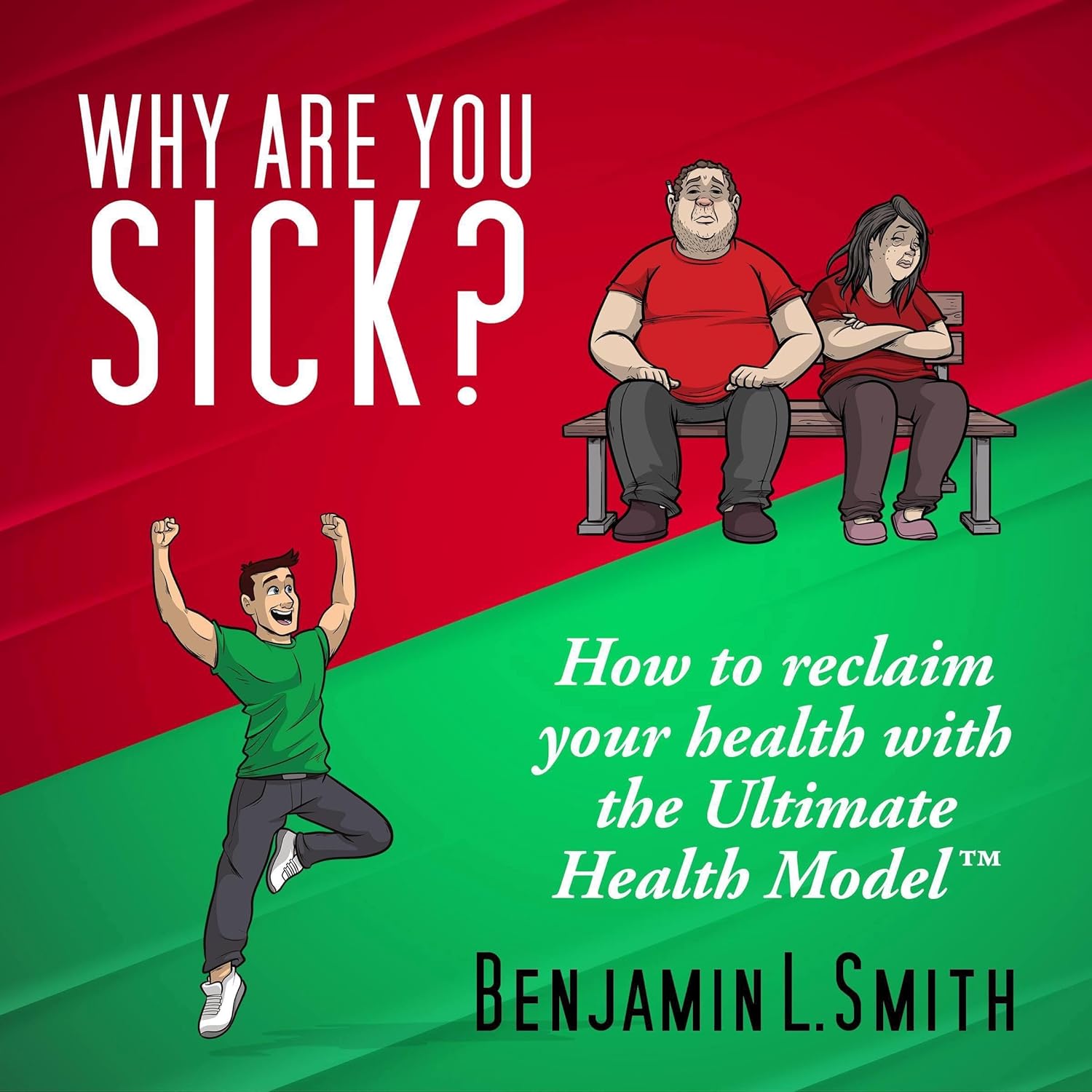
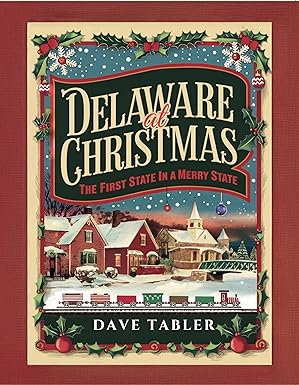






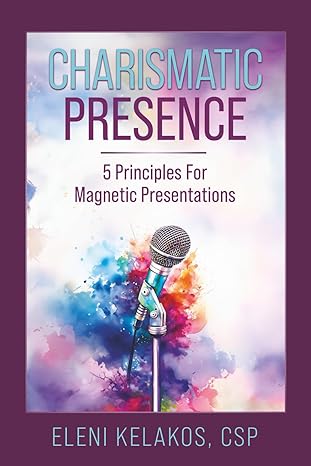


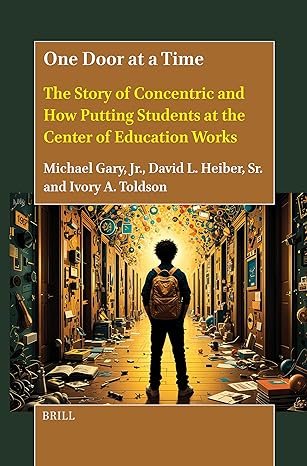

Visit the Literary Titan Book Awards page to see award information.
Literary Titan Silver Book Award
Celebrating the brilliance of outstanding authors who have captivated us with their skillful prose, engaging narratives, and compelling real and imagined characters. We recognize books that stand out for their innovative storytelling and insightful exploration of truth and fiction. Join us in honoring the dedication and skill of these remarkable authors as we celebrate the diverse and rich worlds they’ve brought to life, whether through the realm of imagination or the lens of reality.
Award Recipients
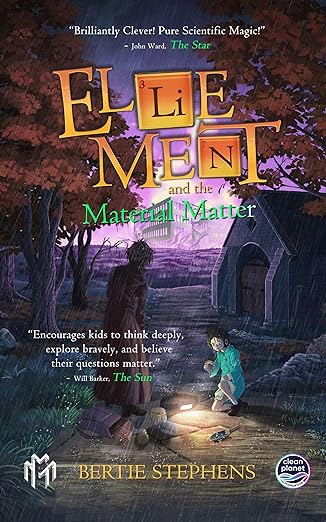










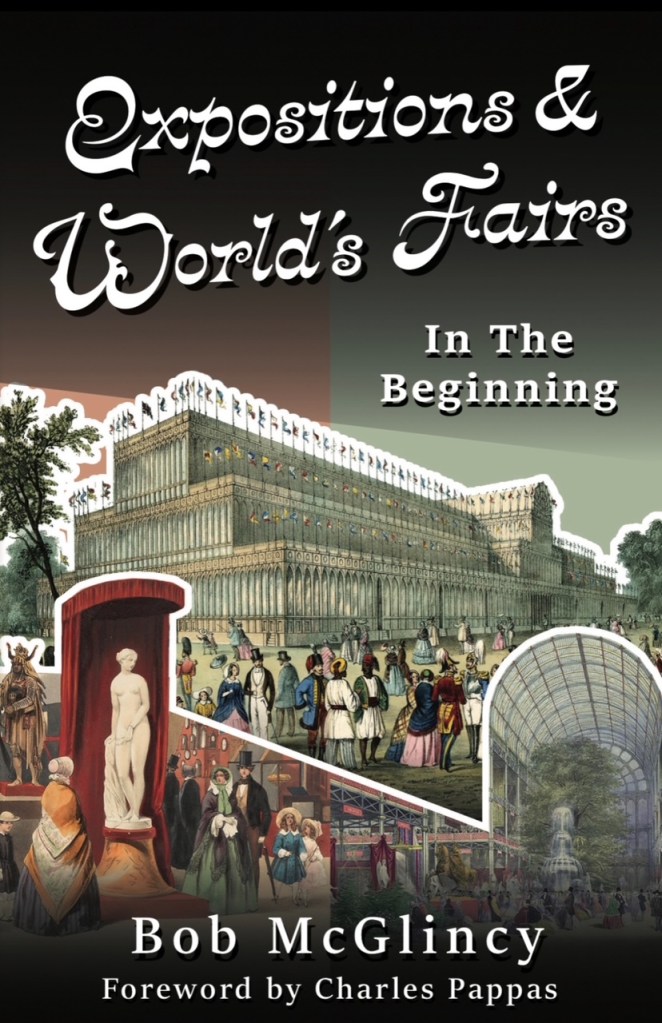












Just Play Like You Do in the Basement: Coming of Age as The Drummer for The Greatest Entertainer in the World by Rick Porrello
An Inconvenient Witness: The Weight of Ordinary Things by Kevin Casebier
Visit the Literary Titan Book Awards page to see award information.

The Miracle Morning After 50: A Proven Path to Joy, Vitality, and Purpose for Aging Adults


The Miracle Morning After 50 is a self-help guide aimed at those navigating the second half of life. The book builds on the original “Miracle Morning” framework and adapts it for older adults. At its core is the S.A.V.E.R.S. routine: Silence, Affirmations, Visualization, Exercise, Reading, and Scribing, combined with practical wellness strategies. Hal Elrod and Dwayne J. Clark argue that aging doesn’t have to mean decline. Instead, mornings can become a launchpad for a life rich in energy, purpose, and joy, even past age 50. The book blends personal stories, actionable advice, and a strong motivational tone to encourage readers to reshape how they approach their mornings and their lives.
The writing is upbeat and often emotional, particularly when Hal talks about his car crash, cancer diagnosis, and personal rebirth through morning routines. Dwayne adds wisdom from his years working in senior care, grounding the advice in lived experience. I appreciated that the book didn’t sugarcoat the realities of aging but refused to surrender to them. The book promotes the Miracle Morning community, app, and movie, but the heart of the message stayed strong throughout.
I liked how doable the advice felt. I expected lofty speeches or complex systems, but the routine was shockingly simple and flexible. The authors don’t insist on a rigid schedule or superhuman willpower. They seem to get that someone over 60 isn’t trying to hustle like a startup founder. They offer gentle encouragement, not guilt trips.
If you’re over 50, feeling a little stuck, or just wanting to inject more energy into your days, this book could be the nudge you need. It’s not magic, but it will help you wake up feeling a bit more alive. I’d recommend it for anyone curious about building better habits later in life, especially those who feel like personal growth is a young person’s game. Turns out, it isn’t.
Pages: 304 | ASIN : B0DV6GPSJL

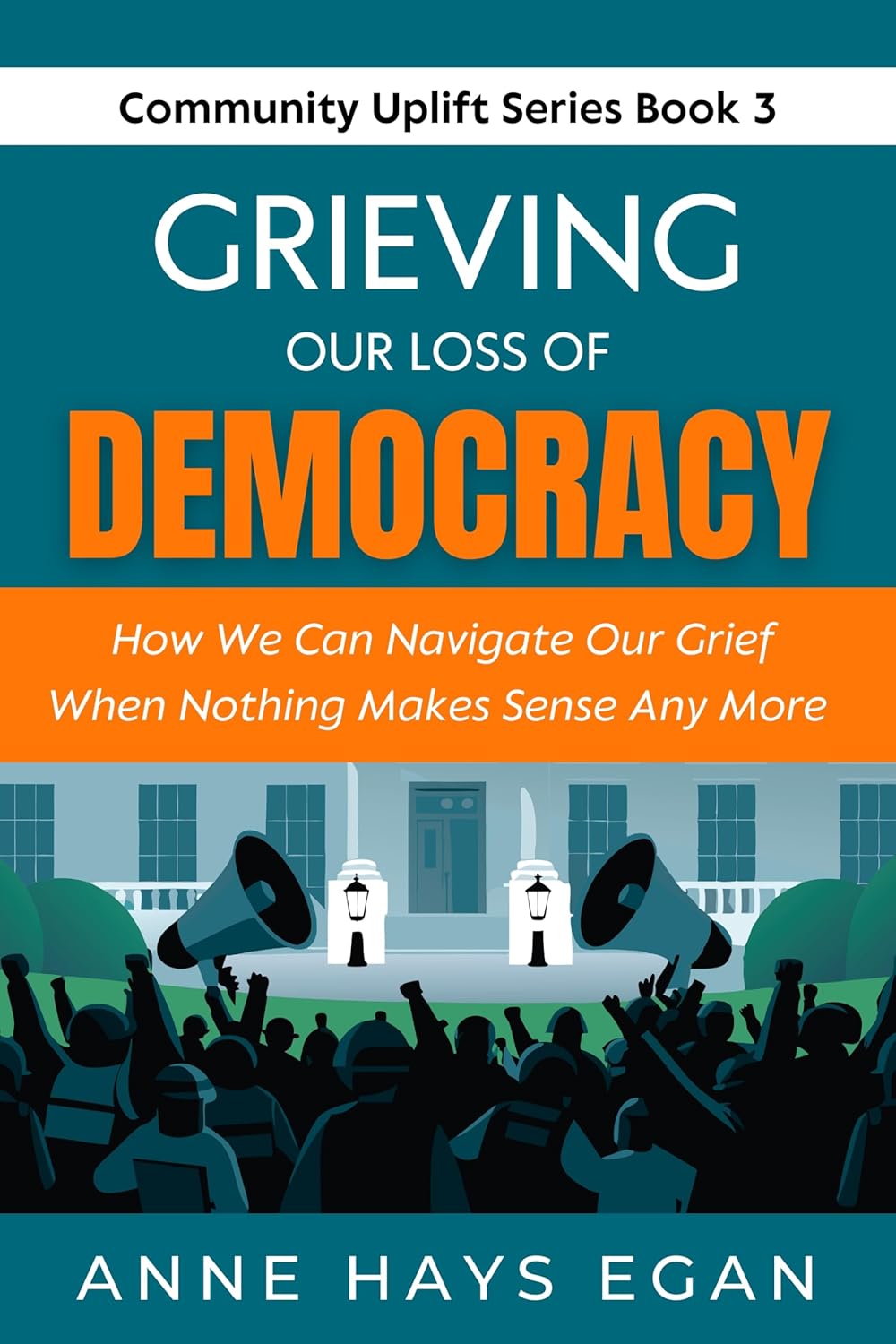
Grieving Our Loss of Democracy

When I first opened Grieving the Loss of Our Democracies, I expected an abstract analysis of politics. What I found instead was a heartfelt and emotionally resonant exploration of how collective grief can shape us in a time when democratic institutions feel fragile and under siege. The book walks through the stages of grief, yet it isn’t a clinical breakdown. It’s a mix of history, personal stories, moral reflection, and urgent calls to action. Egan roots her work in both lived experience and cultural memory, showing how individuals and communities process loss when democracy itself feels like it’s crumbling.
The writing doesn’t tiptoe around hard truths, and that honesty hit me square in the chest. I found myself nodding along, sometimes frowning, and often pausing to sit with uncomfortable feelings. Egan has a way of mixing big, sweeping political observations with small, intimate details that make the whole thing more real. She doesn’t just talk about authoritarian regimes; she remembers her grandmother’s stories, her childhood in different cultural contexts, her ministry, and her travels. These personal notes pulled me in because they reminded me of the human cost behind every statistic and headline. The grief here isn’t abstract. It’s personal, raw, and messy, like grief always is.
I liked how she weaves anger into the conversation. I’ve often felt guilty about how furious I get reading the news, yet Egan reframes anger as a healthy response when channeled well. That gave me a kind of relief. She doesn’t whitewash the violence, fear, or chaos that’s out there, but she also refuses to leave the reader in despair. I appreciated how she reminded us that our small acts, telling stories, standing by the marginalized, refusing to give in to numbness, matter. The style is conversational, sometimes blunt, sometimes lyrical, always clear.
The book doesn’t offer a neat resolution, and I think that’s the point. Grief is messy, democracy is messy, life is messy. Still, I came away with a sense of hope. I would recommend this book to anyone who feels overwhelmed by the current political climate, especially those who need a reminder that grief is not weakness, it’s part of resilience. Activists, community leaders, people of faith, or simply anyone who feels shaken by the state of the world will find something nourishing here. It’s not a comforting read in the traditional sense, but it is a healing one.
Pages: 135 | ASIN: B0FMYS8N14

Divorced at 50 F**K, Now What?

Lara Portelli’s Divorced at 50 is a raw and heartfelt memoir that begins with a stolen childhood, winds through a troubled marriage, and lands in the fragile yet powerful territory of self-discovery after divorce. She writes with candor about cultural expectations, coercive control, and the painful silence of a life lived for others. Yet, woven through the heartbreak is a strong thread of resilience. The book is both a personal story and a guide, filled with reflections, small lessons, and hard-won hope. At its heart, it is about reclaiming one’s voice after decades of suppression.
I found myself pulled into Lara’s honesty. She does not sugarcoat her experiences, and that makes her words feel alive. At times, I felt angry for her younger self, trapped in a world where duty outweighed love. Other times, I found myself smiling when she described small moments of joy, like driving with the window down or noticing a flower left on her desk. The writing is simple and unpretentious, but it carries a deep emotional weight. It often feels like sitting across from a friend who has decided to tell you the truth, even the parts that hurt. That vulnerability is what makes the book so powerful.
I also admired how she framed her journey not just as an escape, but as a rebuilding. She writes about health, self-worth, and the importance of surrounding yourself with the right people. Her focus on words and mindset gave the book an unexpected layer. Some sections lingered on personal analysis, but in a way, that rhythm mirrored her process of working through years of pain. It felt real, not polished for effect.
By the time I finished, I was left with both sadness for what she endured and hope for what she found. Divorced at 50 F**K, Now What? will resonate most with women who feel stuck, whether in a marriage, a job, or even a set of old beliefs. It’s also for anyone standing on the edge of change, afraid of what comes next. Lara shows that the unknown can be terrifying, yes, but it can also be the beginning of everything you’ve been waiting for.
Pages: 76 | ASIN : B0FLPL17MT
Climb Greater Heights: How to Accelerate Your Business Growth, Amplify Your Success, and Build a Legacy of Significance
Tony Jeton Selimi’s Climb Greater Heights presents a structured and inspiring framework for entrepreneurs seeking to build purposeful, profitable, and enduring businesses. Centered on his 12-Step Growth Accelerator Method™, the book guides readers through clarifying values, cultivating resilience, defining vision, and aligning professional goals with a broader sense of meaning. Selimi integrates practical strategies, such as pitching, marketing, and partnership development, with deeper reflections on mindset, leadership philosophy, and philanthropy. What distinguishes this work is its insistence that success cannot be measured solely in financial terms but also by the legacy and contribution one leaves behind.
One of the most compelling aspects of the book is Selimi’s discussion of “voids,” the unmet needs and gaps in life and business that shape our priorities and values. This idea resonated with me because it reframes challenges not as failures but as indicators of what truly matters. His six-step Values Clarification Process provides a structured exercise that encourages entrepreneurs to ensure their decisions align with their authentic values. I found this section both practical and thought-provoking, as it bridged personal development with business growth in a way that felt both relevant and actionable.
There are moments, however, when the book feels somewhat dense. In his chapter on reprogramming the mind for business and life, Selimi blends research, client anecdotes, and motivational guidance in rapid succession. While this breadth demonstrates his wide-ranging knowledge, I sometimes wished for greater depth in fewer examples rather than a fast-paced layering of many. That said, the momentum of his writing is undeniably energizing and reflects his passion for guiding others toward ambitious goals.
What I appreciated most was his emphasis on credibility and authority. His argument that publishing one’s ideas, whether in books, articles, or public forums, can transform expertise into tangible influence was especially persuasive. His candid acknowledgment of the struggles entrepreneurs face, including financial strain, exhaustion, and doubt, adds authenticity. His advice is grounded in lived experience rather than abstract theory, which makes his encouragement far more convincing.
Climb Greater Heights is an ambitious and thought-provoking book that blends strategy with personal growth. It is particularly well-suited for entrepreneurs and business leaders who feel stalled or overwhelmed yet remain committed to pursuing meaningful success. Those seeking a purely tactical manual may not find it here. Still, readers who seek a comprehensive guide that integrates business practices with values, mindset, and purpose will find Selimi’s work both insightful and inspiring.
Pages: 274 | ASIN : B0FH9D8FD3
Life Is Lifey: The A to Z’s on Navigating Life’s Messy Middle
Sarah Shahi’s Life Is Lifey is a raw, funny, and unapologetic blend of memoir and advice that doesn’t pretend to have all the answers. The book weaves through her personal journey of divorce, self-discovery, and career pivots, while also doling out blunt yet compassionate lessons about courage, boundaries, aging, sex, self-love, and learning to actually live your own life rather than the one others expect. It feels less like a self-help manual and more like sitting down with a brutally honest big sister who mixes tequila shots with therapy sessions, making you laugh even as you cry.
Reading this book felt like an unexpected jolt of energy. Shahi’s writing is conversational, raunchy, and full of personality, which is what makes it so compelling. I loved how she knocked down the polished façade of self-help and leaned into the chaos instead. Her stories are sometimes shocking, sometimes tender, and always relatable. The honesty is refreshing. I found myself nodding, laughing, and pausing to underline lines that hit uncomfortably close to home. It doesn’t read like something written from a pedestal, and that made me trust her voice even more.
I enjoyed the boldness, but sometimes I wished the narrative slowed down so that certain insights could breathe. The profanity and sex-heavy sections might turn off some readers, but for me, that unfiltered edge is exactly what gives the book its charm. Shahi’s refusal to sand down her experiences into something polite is what makes it ring true. She is vulnerable without being sappy and hilarious without being flippant, which is a balance that not many writers can pull off.
Life Is Lifey isn’t for people who want a neat list of steps to fix their life. It’s for those who are tired of pretending everything is fine, who want to laugh through their tears, and who need a reminder that the second act of life can be wilder, richer, and more authentic than the first. If you’re someone who craves honesty laced with humor, and you’re not afraid of a little mess, this book will feel like a permission slip to live unapologetically and on your own terms.
Pages: 256 | ASIN : B0DYZZDKHG


 LITERARY TITAN