Blog Archives
Literary Titan Gold Book Award: Fiction

The Literary Titan Book Award honors books that exhibit exceptional storytelling and creativity. This award celebrates novelists who craft compelling narratives, create memorable characters, and weave stories that captivate readers. The recipients are writers who excel in their ability to blend imagination with literary skill, creating worlds that enchant and narratives that linger long after the final page is turned.
Award Recipients
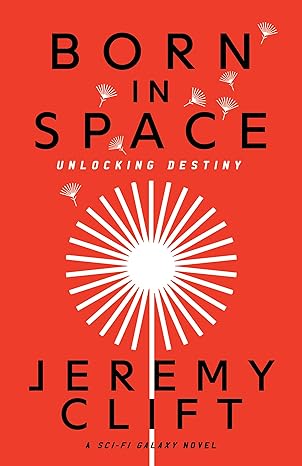
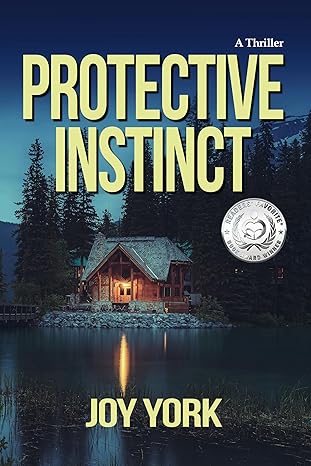



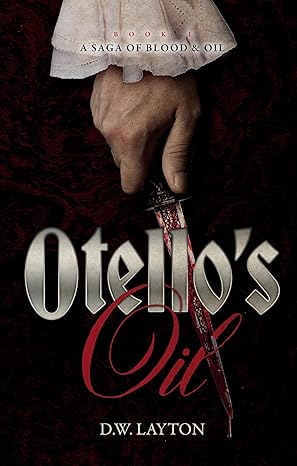

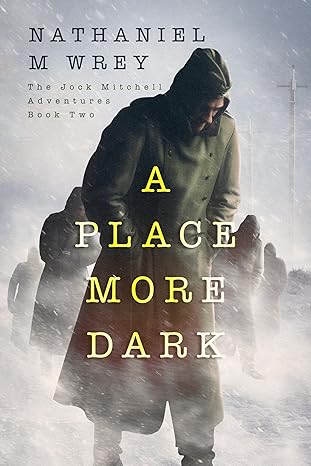






















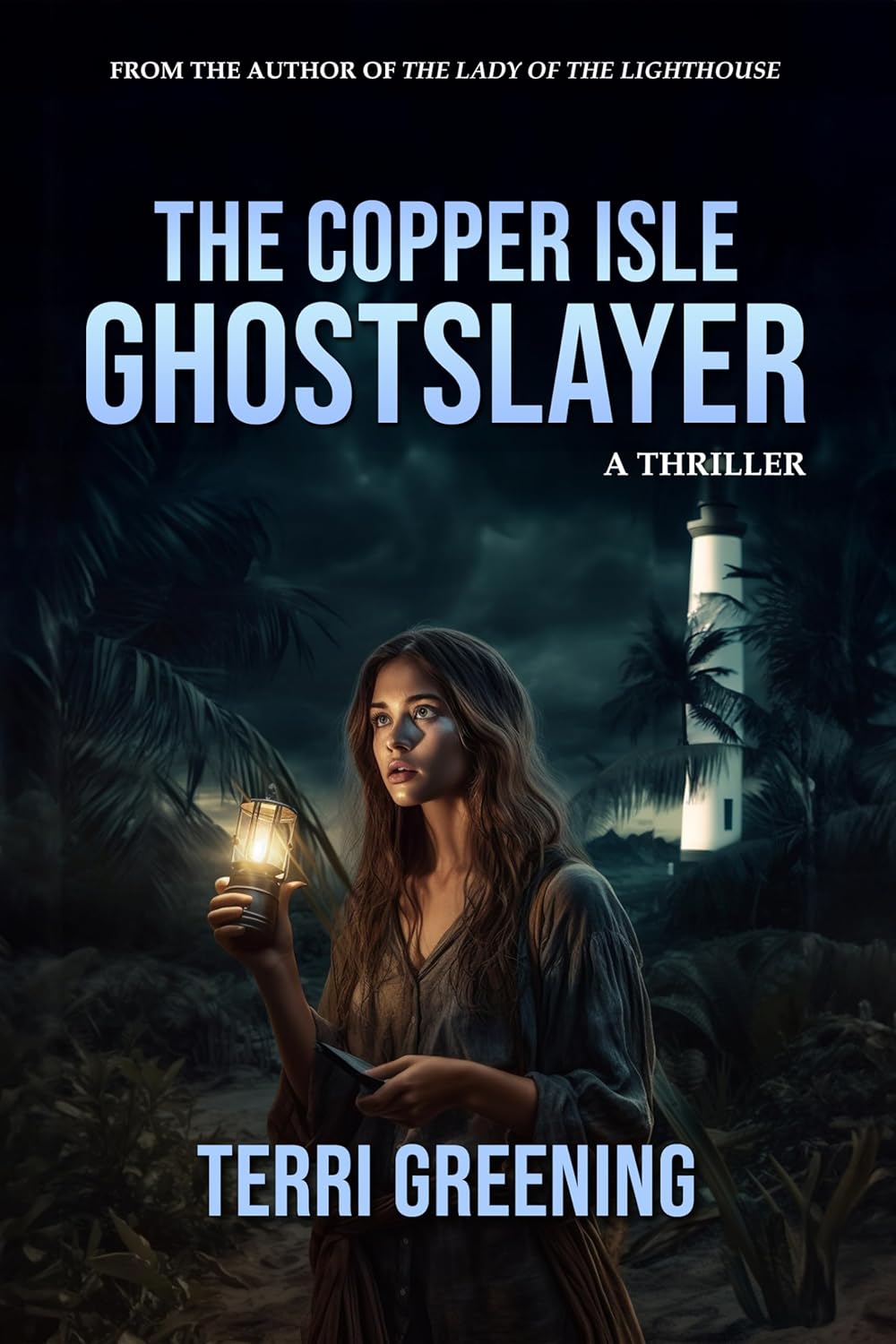


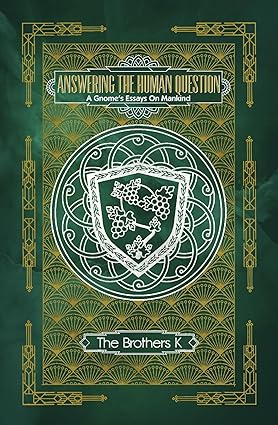
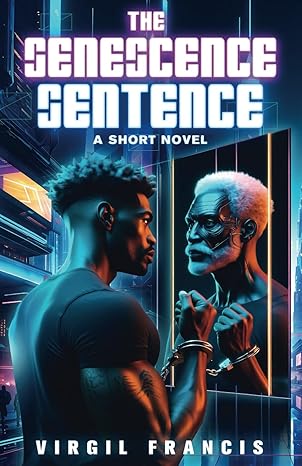

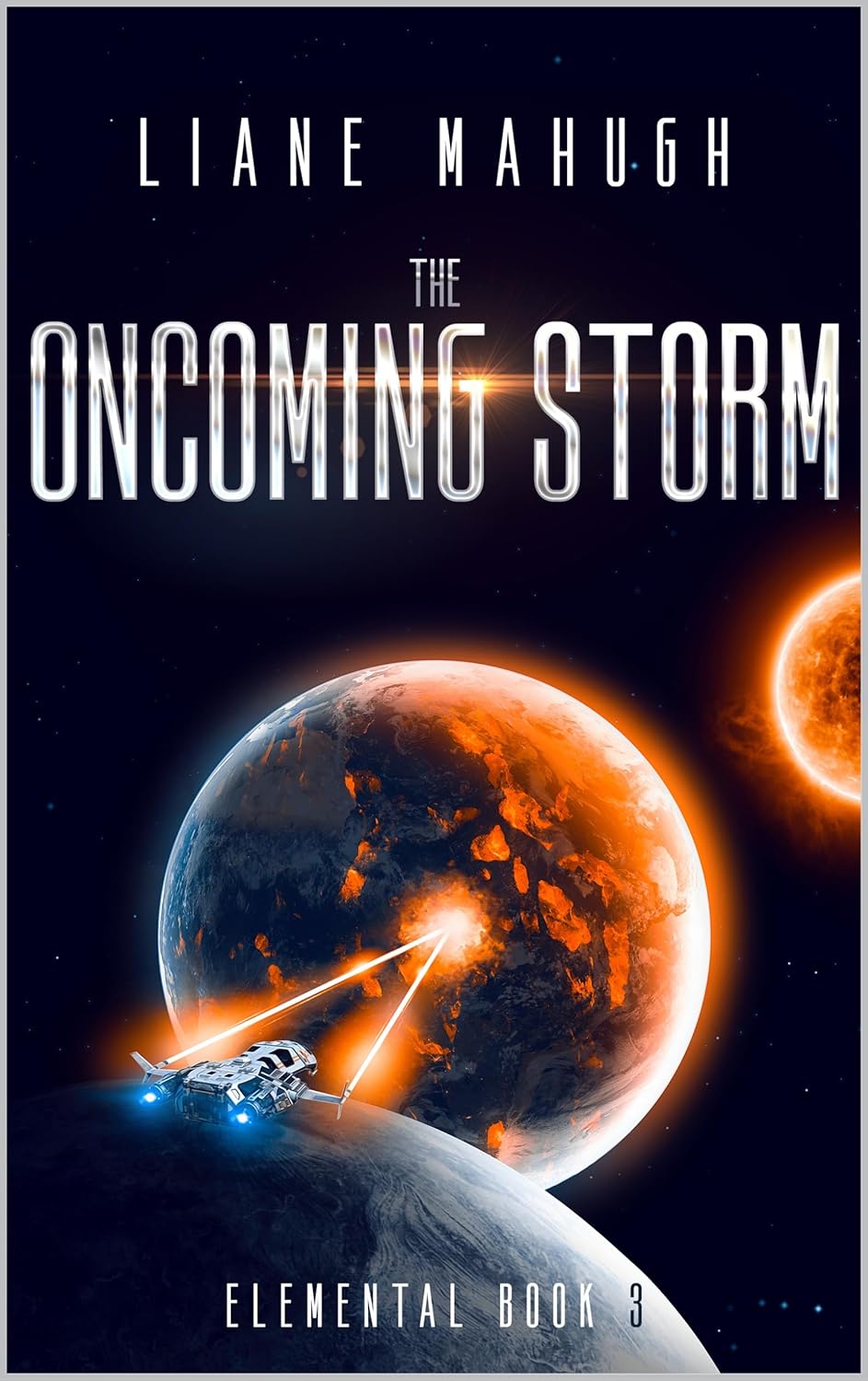


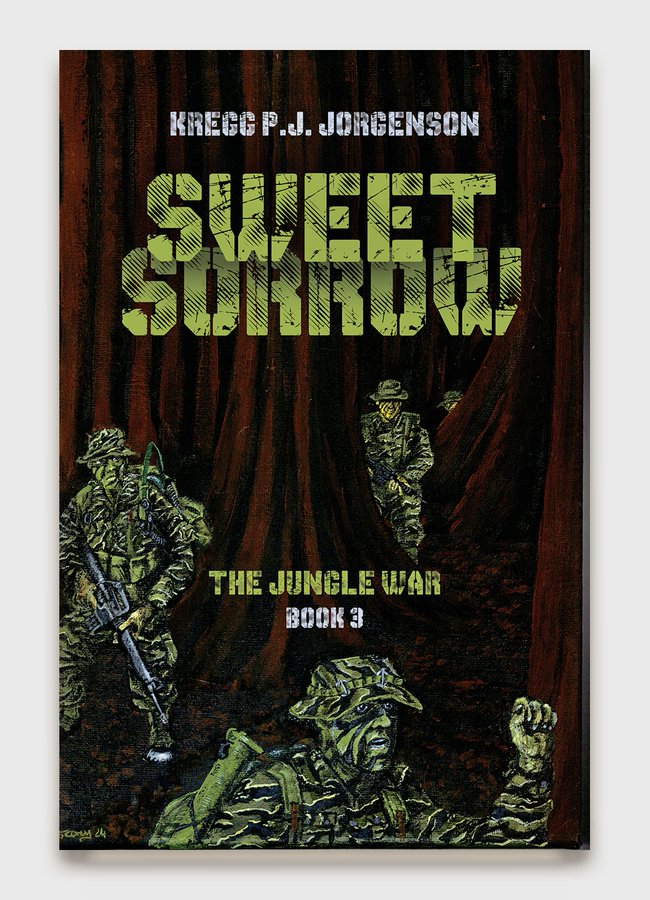
Sweet Sorrow- Book 3 in The Jungle War series by Kregg P.J. Jorgenson
Visit the Literary Titan Book Awards page to see award information.
Literary Titan Gold Book Award: Nonfiction
The Literary Titan Book Award recognizes outstanding nonfiction books that demonstrate exceptional quality in writing, research, and presentation. This award is dedicated to authors who excel in creating informative, enlightening, and engaging works that offer valuable insights. Recipients of this award are commended for their ability to transform complex topics into accessible and compelling narratives that captivate readers and enhance our understanding.
Award Recipients



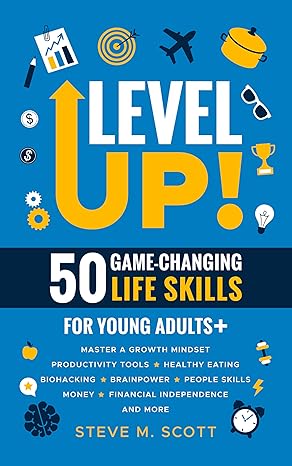
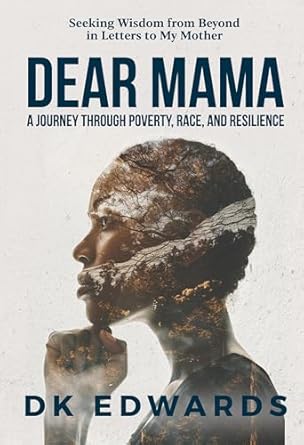
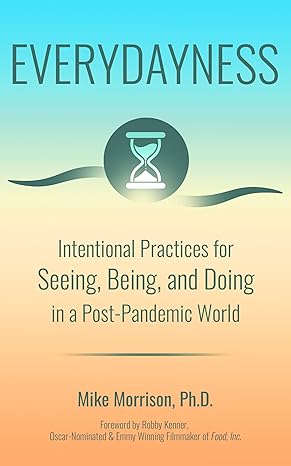
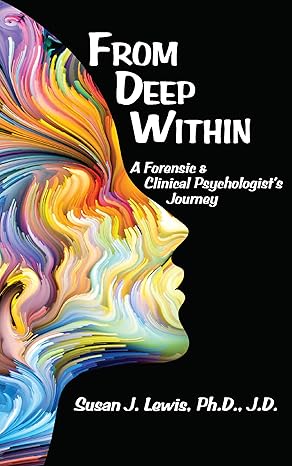













Visit the Literary Titan Book Awards page to see award information.
Literary Titan Silver Book Award December 2024
Celebrating the brilliance of outstanding authors who have captivated us with their skillful prose, engaging narratives, and compelling real and imagined characters. We recognize books that stand out for their innovative storytelling and insightful exploration of truth and fiction. Join us in honoring the dedication and skill of these remarkable authors as we celebrate the diverse and rich worlds they’ve brought to life, whether through the realm of imagination or the lens of reality.
Award Recipients
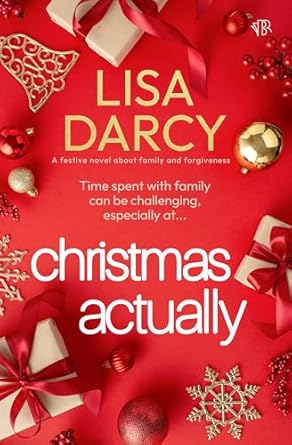
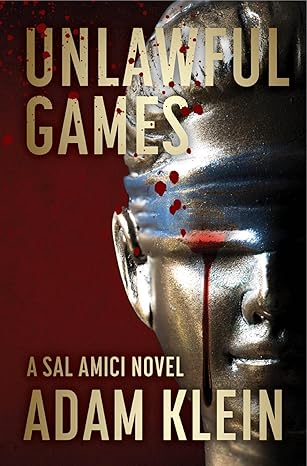
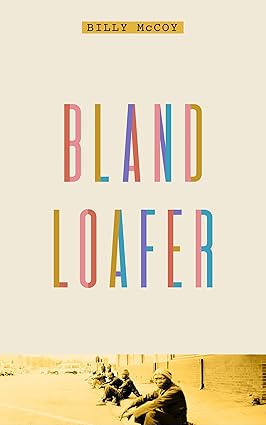


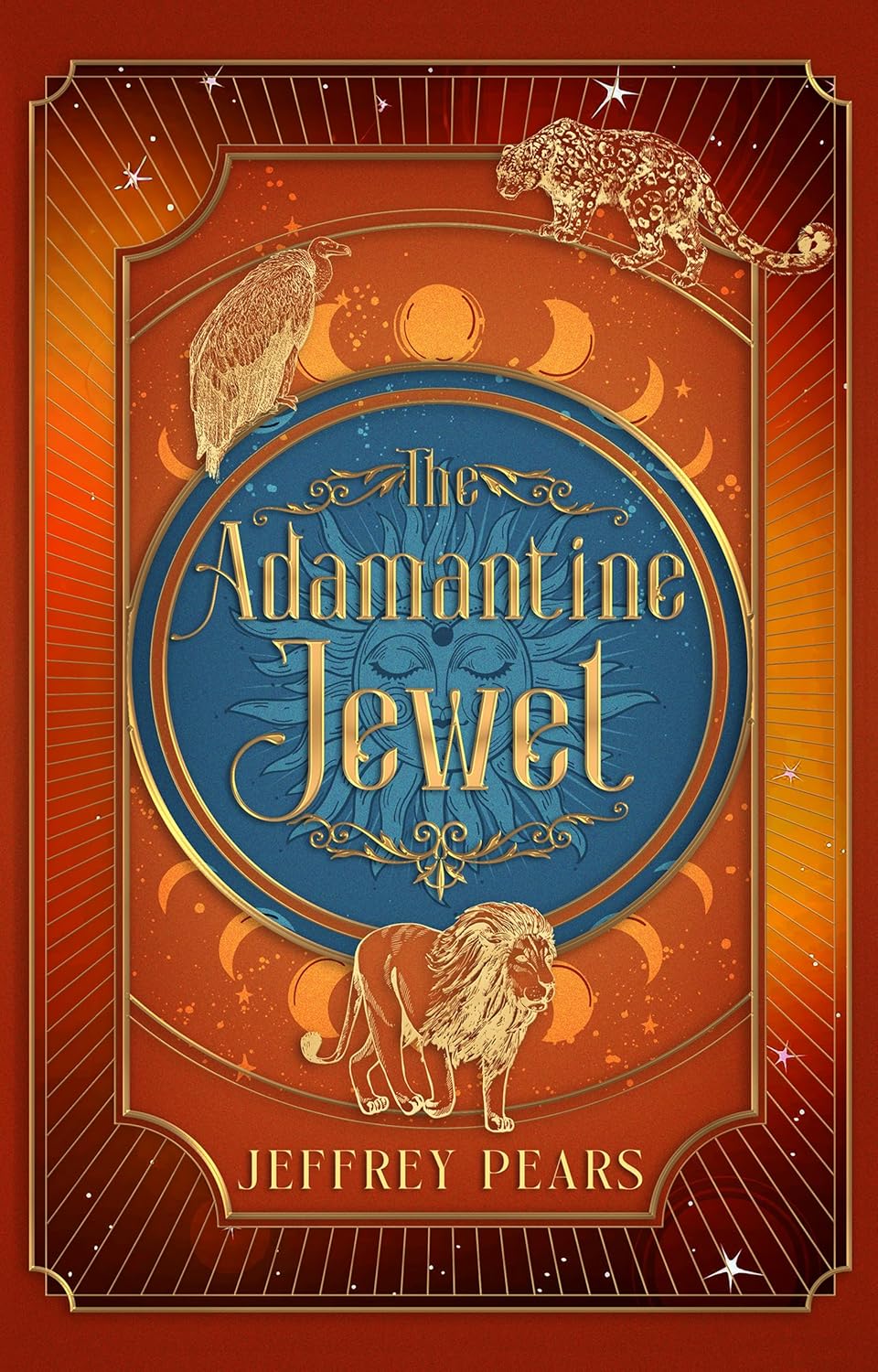





















Visit the Literary Titan Book Awards page to see award information.
Helping Others Be Prepared

The River House is a gripping and emotionally charged memoir detailing the trials and tribulations you faced when purchasing and renovating a seemingly idyllic waterfront property in Cape Coral, Florida.
I appreciated the candid nature with which you told your story. What was the hardest thing for you to write about?
The hardest thing for me to write about was moving out of our beautifully restored house after enduring 27 months of emotional and physical turmoil to get it reconstructed after Hurricane Irma. My husband and I had invested so much ourselves and our lives in creating the perfect home within the shell of the house that was left from the hurricane damage. We honestly thought we would live in that house forever when we purchased it, and through much of the renovation process. It was only through the COVID lockdown, after we moved back into the reconstructed house, that we realized our best course of action was to move out of Florida.
What were some ideas that were important for you to share in this book?
It was important for me to share the shockingly laborious process we encountered to reach a claim settlement with our home insurance company; the astonishing amount of time and effort it took for us to manage the design, permitting, and construction process for the house reconstruction; and the completely unexpected hurdles that we continuously encountered during the entire 27 months of the insurance claim and home reconstruction process.
What do you hope is one thing readers take away from your story?
When a natural disaster does significant damage to a house, it can take years to get that home reconstructed. When I filed a claim with my homeowners insurance company due to the hurricane damage, I had no idea it would take years before we could move back into our reconstructed home. My hope is that this book can convey the many lessons we learned from our misfortune so that others can be more prepared to avoid the life-changing pitfalls we faced.
Author Links: GoodReads | Website
The hurricane’s horrific damage to their beloved home was only the beginning of their agonies. The tense saga of dealing with a dysfunctional property insurance company was then superseded by the convoluted process for getting their house reconstructed to the current building code.
The cliffhanger ending is followed by lessons learned that are beneficial to anyone living in a hurricane-prone area.
Growing Up in Rural Louisiana
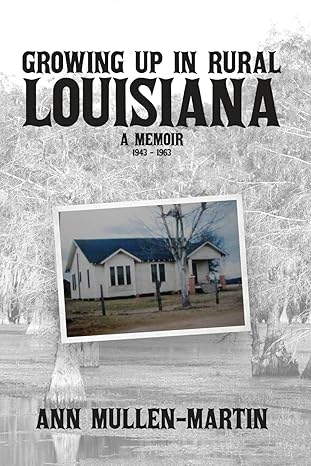

Growing Up in Rural Louisiana, by Ann Mullen-Martin, is a deeply personal memoir spanning the author’s childhood years from 1943 to 1963. It captures the essence of life in a small, tight-knit community in central Louisiana, framed against the backdrop of historical events and cultural shifts of mid-century America. The narrative unfolds with a vivid depiction of family ties, hardships, and triumphs that defined rural living, threading humor, nostalgia, and profound emotional resonance throughout.
Mullen-Martin’s storytelling shines brightest when recounting formative moments, like her experiences with her loving but determined mother or her shy, bookish nature that both isolated and empowered her. The chapter about her first-grade jitters had me sympathizing and grinning. She skillfully conveys how her fears were eased by her angelic teacher, Mrs. Carpenter, who became her rock in those early days of schooling. This blend of heartfelt vulnerability and humor is the author’s greatest strength. That said, the writing sometimes feels a bit too detailed. While the familial anecdotes—such as the dramatic move to the “big house on the hill”—are charming, I feel they occasionally overshadow broader themes. The story of how her family acquired their new home with the help of a benevolent neighbor, Mr. Taylor, is heartwarming.
Another standout aspect is the historical grounding. Mullen-Martin does a remarkable job of embedding local culture into her narrative, from her descriptions of the vibrant Louisiana flora to her reflections on the racial and social dynamics of her town. Her candid recounting of her father’s outdated and discriminatory beliefs shows a willingness to critique her upbringing, which adds depth to her reflections. Chapters like “Separate but Equal” reveal a childhood both sheltered and awakening, an interplay that resonates profoundly. The author’s voice is intimate, and her love for storytelling is infectious. While the pacing may not suit everyone, those who enjoy vivid tales of family, perseverance, and a bygone era will feel right at home.
Growing Up in Rural Louisiana to readers who cherish memoirs with a strong sense of place, especially those who appreciate Southern culture and history. It’s also perfect for anyone nostalgic for simpler times or seeking a window into mid-20th-century rural life. Ann Mullen-Martin’s journey is both deeply personal and universally relatable, reminding us that even the smallest lives can leave a lasting impression.
Pages: 541 | ASIN : B0DNNVFW6R

Family Is More Than People Related To You
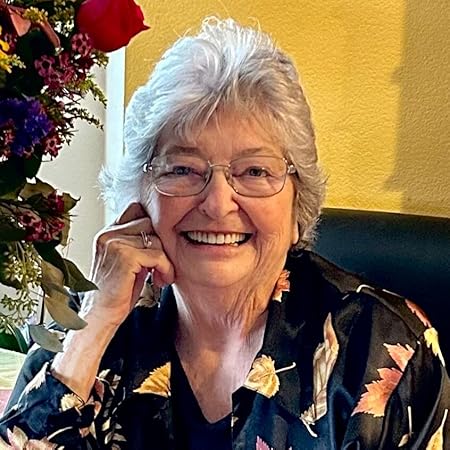
Growing Up in Rural Louisiana takes readers on a journey through your life growing up in a tight-knit community in rural Louisiana from 1943 to 1963. Why was this an important book for you to write?
My initial purpose for my book was to share some information with my children, grandchildren and great grandchildren about my life growing up. Both my parents were gone and, while I told my children stories, I thought the best route might be via a book sitting on their bookshelf. As I wrote the book, I wanted a bigger audience and tried to write it in such a away to interest that audience.
What were some ideas that were important for you to share in this book?
That family is more than people related to you by blood; that being open to the support you need can be the more important step to learning survival; that my life was/is unique from MY perspective and everyone’s should be from their own perspective; that life is good.
What was the most challenging part of writing your memoir, and what was the most rewarding?
Trying to write the memoir in such a way that it would appeal to others; I want my readers to get a feeling of connection between my life and theirs .. and at the same, awake a feeling of uniqueness in their own paths. The most rewarding was all the walks I took down memory lane.
What do you hope is one thing readers take away from your story?
Life is a blessing waiting to be discovered. It lies all around us when we find our path and with whom that path connects. Never give up and always be kind.
Author Links: Website | Amazon
From Deep Within: A Clinical and Forensic Psychologist’s Journey

Susan J. Lewis’ From Deep Within: A Forensic and Clinical Psychologist’s Journey offers an intimate and enlightening exploration of her career as a practicing psychologist. Part memoir and part professional reflection, the book begins with Susan’s early life and the path that led her to the field of psychology. From there, it shifts focus to her encounters with various patients, offering detailed accounts of both individual and group therapy sessions. She candidly discusses the challenges and breakthroughs she experienced, providing readers with a rare glimpse into the emotional complexities of working in forensic and clinical psychology.
The book’s core lies in Susan’s vivid depictions of her patients, each presented with care and nuance. Through these accounts, Susan illustrates the intricate dance of building trust and forging connections, often against significant odds. In group therapy sessions, she describes the collective dynamics, highlighting the initial states of her patients and the progress they achieved. One particularly compelling example involves the “Blackjack group,” where Susan’s persistent effort to introduce games that resonated with the participants ultimately revealed their preferences and opened pathways for engagement. Similarly, her experience with Vicky—a patient who initially resisted interaction—shows the power of patience and empathy. Their eventual bond, centered on Vicky’s tattoos that told her life story, exemplifies the breakthroughs possible when psychologists find unique ways to connect.
The memoir also delves into the emotional toll of the profession. Susan is refreshingly honest about her struggles with empathy, especially with challenging patients like Michael and Ruth. These moments underscore the human side of psychology, revealing the internal conflicts practitioners face while maintaining professional boundaries. Susan doesn’t shy away from discussing the unpredictable and sometimes volatile nature of her work, as demonstrated by her experiences with patients like Kristen. The book’s structure, divided into sections based on individual patients or groups, enhances readability. This organization allows readers to navigate the text with ease and focus on specific stories. Susan’s reflections, woven throughout the narrative, add depth and make her journey relatable.
From Deep Within is a thought-provoking memoir that offers valuable insights into the challenges and triumphs of forensic and clinical psychology. Susan J. Lewis writes with authenticity and compassion, making her journey as engaging as it is educational. This book is a must-read for anyone interested in the psychological field or for those curious about the human stories behind mental health care.
Pages: 217 | ASIN : B07L3WSM3C



 LITERARY TITAN