Blog Archives
Literary Titan Book Award: Nonfiction

The Literary Titan Book Award recognizes outstanding nonfiction books that demonstrate exceptional quality in writing, research, and presentation. This award is dedicated to authors who excel in creating informative, enlightening, and engaging works that offer valuable insights. Recipients of this award are commended for their ability to transform complex topics into accessible and compelling narratives that captivate readers and enhance our understanding.
Award Recipients
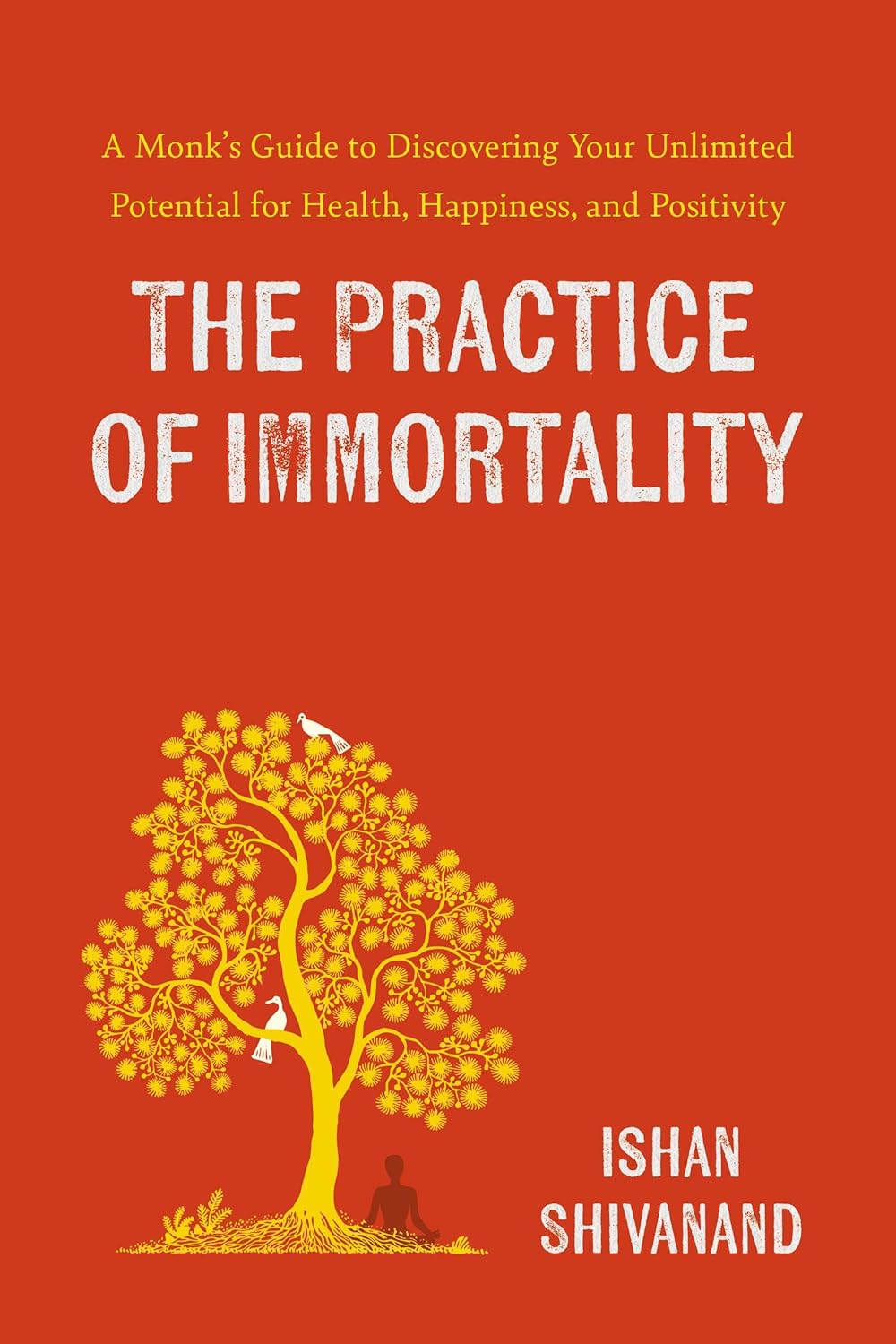


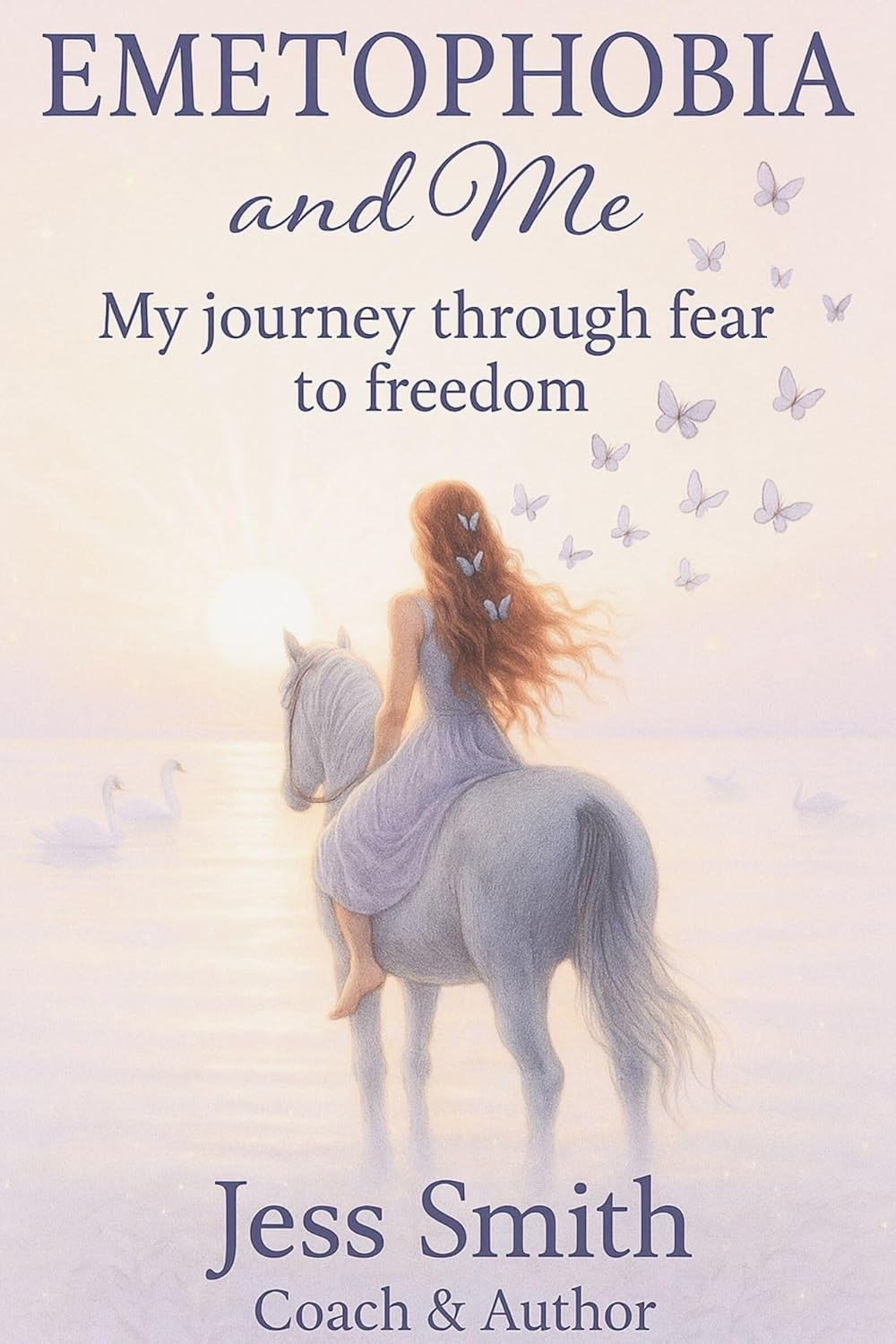

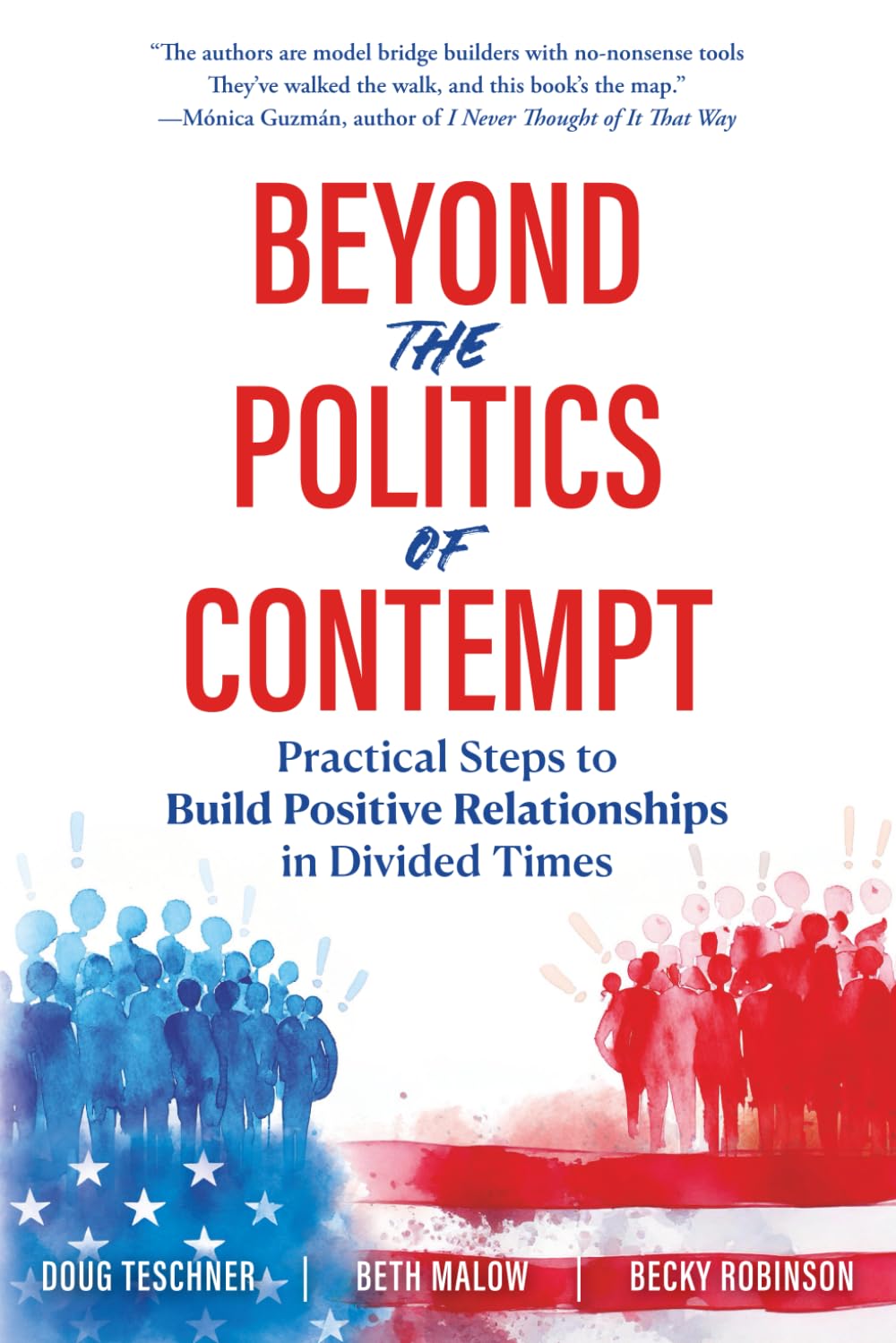
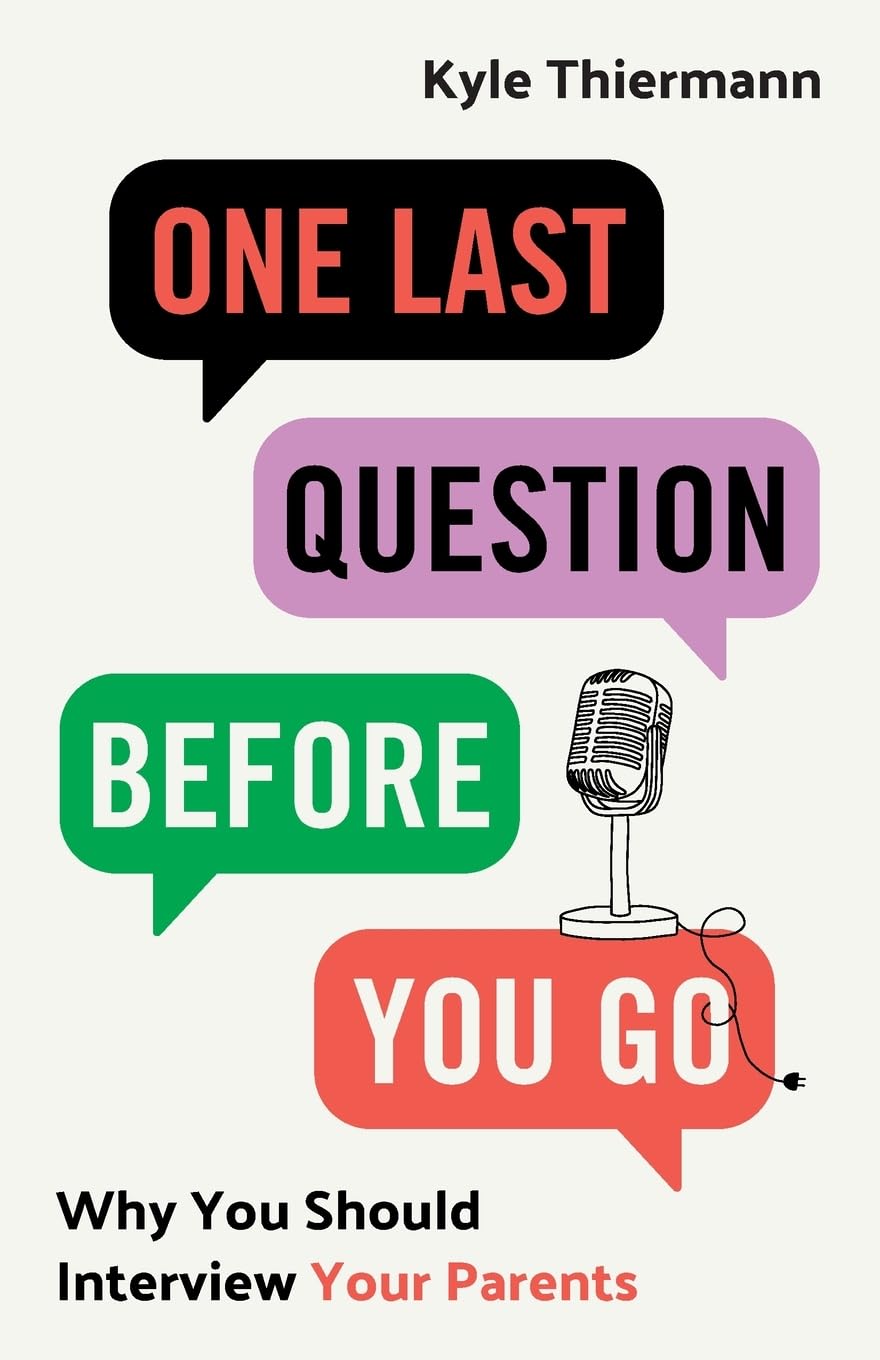











Visit the Literary Titan Book Awards page to see award information.
Literary Titan Silver Book Award
Celebrating the brilliance of outstanding authors who have captivated us with their skillful prose, engaging narratives, and compelling real and imagined characters. We recognize books that stand out for their innovative storytelling and insightful exploration of truth and fiction. Join us in honoring the dedication and skill of these remarkable authors as we celebrate the diverse and rich worlds they’ve brought to life, whether through the realm of imagination or the lens of reality.
Award Recipients

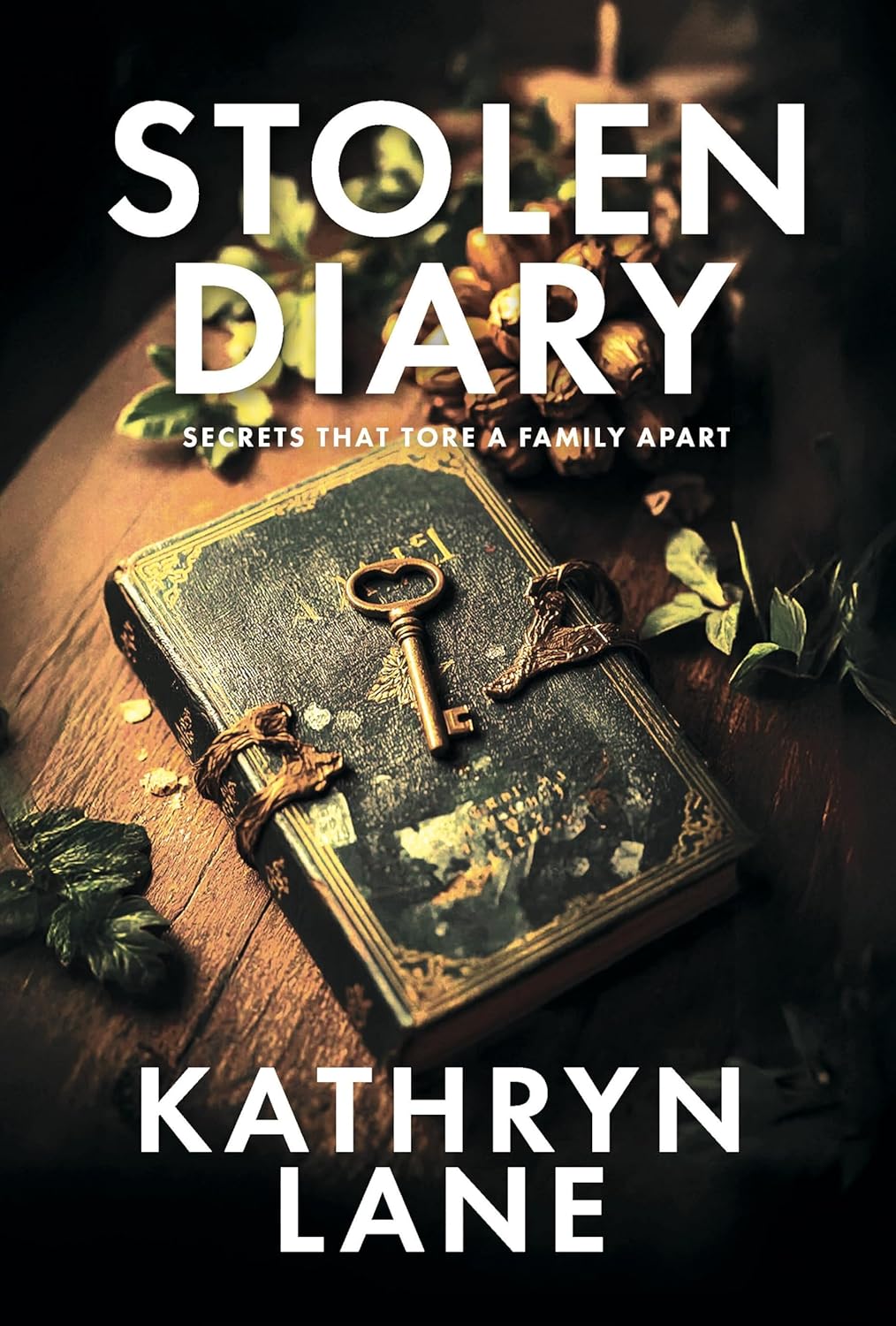
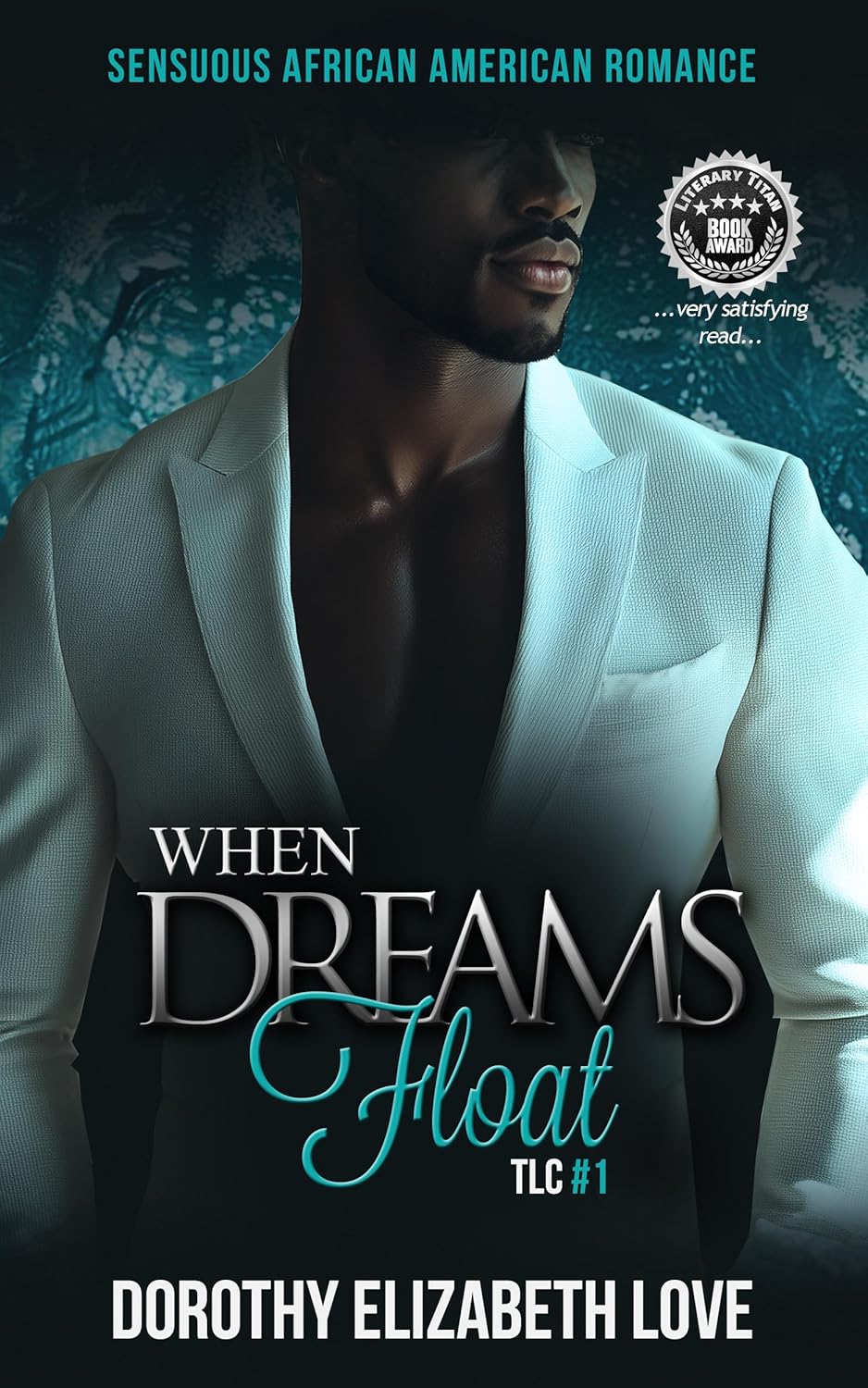


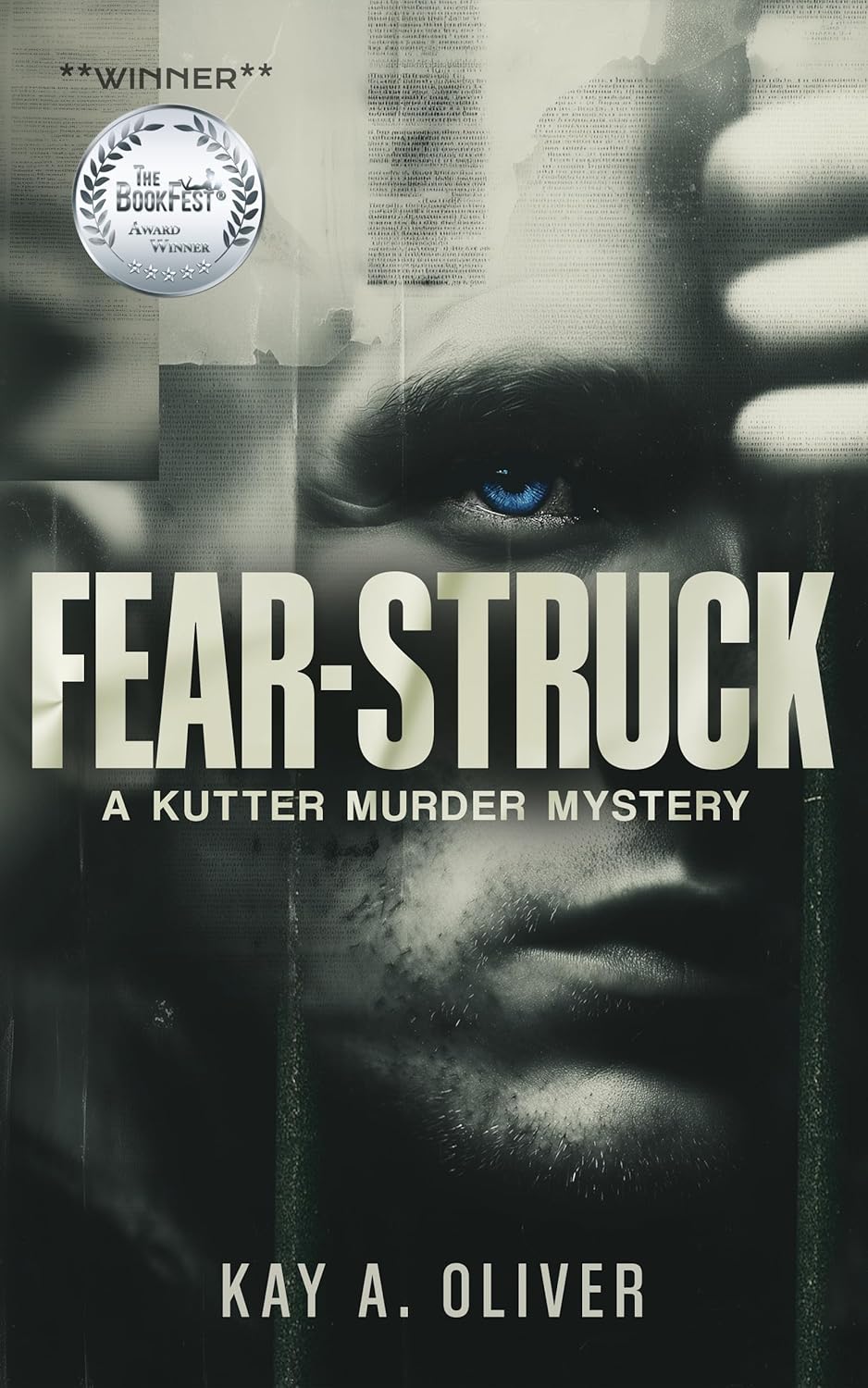














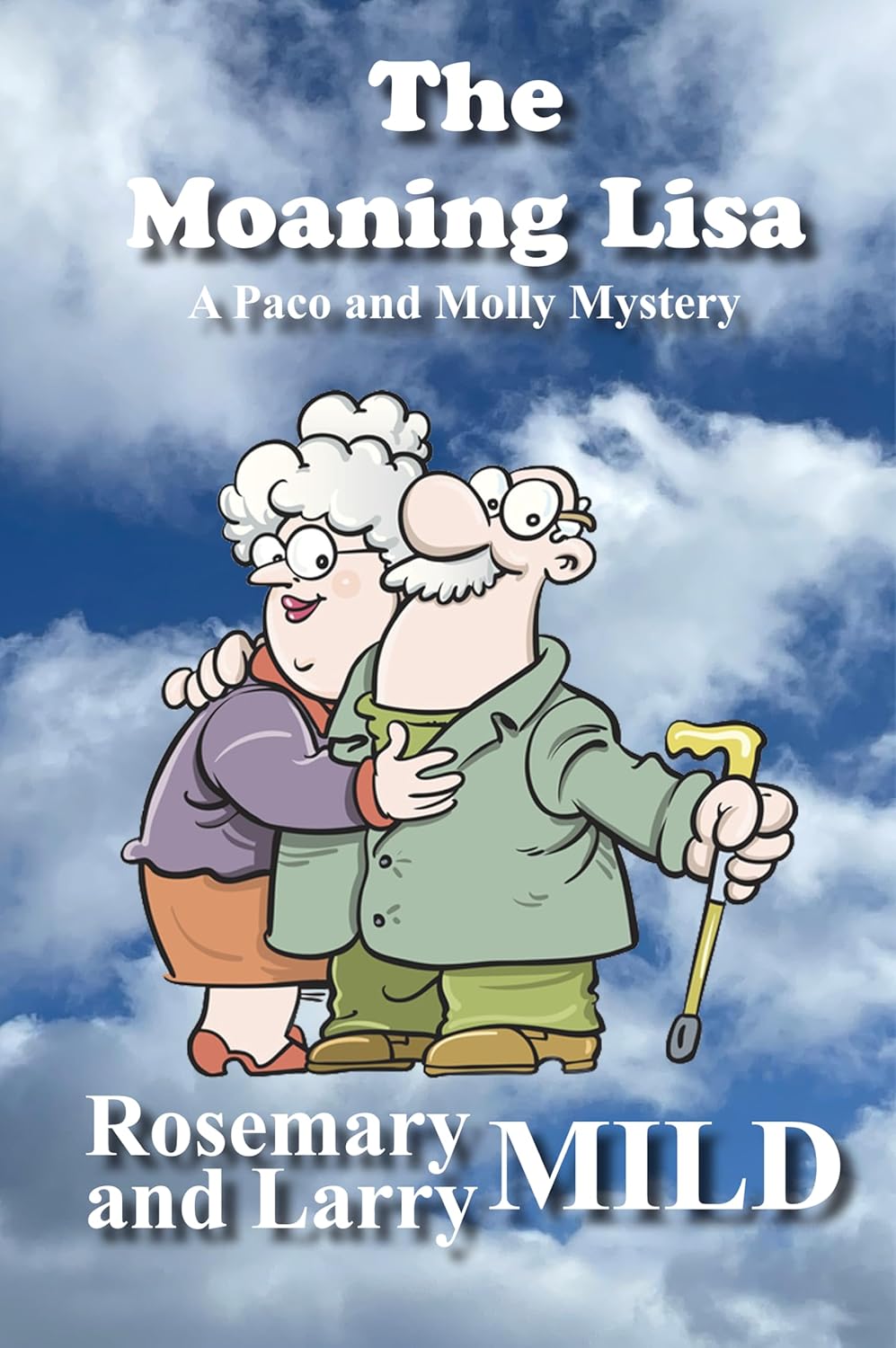















The Moments Between Choices by Harris Kamal
Secretos De Familia by Diego Uribe
Once Upon A Time In The Big Easy: Down On The Bayou by Wilson Jackson
Visit the Literary Titan Book Awards page to see award information.
Where Did My Brain Go?


Where Did My Brain Go? is the true story of a man whose life split sharply into a before and after. The memoir follows Mitchell Miller from the bustle of Manhattan to a quiet Southern town and then through a devastating car crash that shattered his body, altered his mind, and derailed his future. Across the pages, he recounts the long march through surgeries, confusion, misdiagnoses, and nine lost years before doctors finally discovered his frontal-lobe traumatic brain injury. The book moves from the shock of survival to the slow, stubborn rebuilding of a life that no longer matched the one he remembered.
Reading this book put me through a mix of emotions. At times, I felt pulled into the raw terror of the crash and the surreal moments afterward. His memories of waking in the ICU, piecing together how badly he was hurt, and struggling through early recovery felt painfully intimate. I admired how directly he wrote about the confusion that followed him for years. He doesn’t dress it up. He lets the reader sit with that fog and frustration. I found myself angry on his behalf as he revealed how the brain injury went undiagnosed for nearly a decade and how the people closest to him sometimes failed him when he needed help most. The writing is plainspoken and almost blunt at times, and that made the emotional hits land harder for me.
What really stayed with me was the honesty about the small humiliations and the long stretch of not knowing who he had become. When he finally learns what happened to his brain, the relief is mixed with grief, and that contradiction hit me in the gut. I appreciated how he examined the way the injury reshaped his personality, his impulses, even his taste in food and habits. I could feel the years slipping by as he tried to anchor himself. His eventual escape from the “disability trap” and the chemical fog of prescribed stimulants made the later chapters feel lighter, almost like watching someone slowly open the blinds after a long night. Knowing how much he fought to regain a sense of self gave those moments real emotional weight.
Where Did My Brain Go? shows a man who survived more than he understood at the time and who rebuilt a life that finally felt steady again. The author writes with gratitude, even toward the hardest memories, and that grounded the book for me. I’d recommend this memoir to readers who appreciate personal stories told without pretense, especially those interested in traumatic brain injury, medical missteps, or the resilience of ordinary people pushed into extraordinary circumstances.
Pages: 96 | ASIN : B0FLYKYXTJ

Racing Against Time: On Ironman, Ultramarathons and the Quest for Transformation in Mid-Life

Racing Against Time follows Jeffrey Weiss as he moves from a late start in endurance sports to an astonishing personal transformation. The book traces his path from a worn-out teenager chasing a free t-shirt in his first 10K to a fifty-six-year-old pushing himself through ultramarathons, Ironman races, and long nights of doubt and grit. The early chapters set the tone clearly. Weiss frames running, triathlon, and extreme endurance not as sports alone but as a way to reshape the aging curve and reclaim a sense of purpose. His story grows from a simple memory of walking the last miles of a teenage race to the vivid description of cramping through the Valley of a Thousand Hills in the Comrades Marathon. It is a story of stubbornness. It is a story of self-reinvention. It is a story of learning to push past what you thought your body could do.
When I read Weiss describing that first failed 10K and how it gnawed at him for thirty years, I felt that sting in my own gut. The writing is not dressed up with fancy literary tricks, and that works. His voice is honest. He talks about fear, pride, ego, and the weird little lies we tell ourselves when we are chasing a goal that scares us. I like how he lets the reader sit with his uncertainty, especially as he deals with injury, aging, and the emotional toll of training alone. The chapter where he stands in the Marine Corps Marathon start area, wrapped in old sweats while surrounded by thousands of runners, has this intimate energy. I found myself rooting for him, even when he doubted he should be out there at all.
I also enjoyed how Weiss talks about the messy parts of chasing big goals. There is no glamor here. He describes feeling awkward in his first triathlon swim. He admits he hated running at first. He talks about the grief after his father’s death and how that loss pushed him to confront his own decline. The way he connects exercise to identity hit me hardest. It’s not a lecture. It’s more like listening to a friend unpack years of mistakes and tiny wins and then laughing a little at himself. I appreciated the warmth with which he writes about the people who pushed him along, like his coaches, his brothers, and his wife leaving encouraging notes during races. That tenderness snuck up on me, and it made the whole story feel fuller and more relatable.
This book would hit home for anyone in mid-life who feels stuck or who worries that their best years are gone. It would be great for new runners who want a companion who admits every fear they are feeling. It would be even better for people who have always wondered what it might feel like to chase a ridiculous dream just to see if you can do it. Weiss makes the case that it is never too late to change your curve, and he does it with heart.
Pages: 279 | ASIN: B0FC5MVLRM
Self-Worth in God’s Love

Identity Crisis: Who Am I, Really? shares my journey from abandonment and anger to spiritual renewal, offering readers a thoughtful, faith-centered examination of identity. Why was this an important book for me to write?
Writing Identity Crisis: Who Am I, Really? was profoundly important because my personal journey from confusion about who I truly was to clarity about my ultimate identity mirrors a struggle that I believe is universal. The book is the story of how God took me—a man defined by the lies of his past, which was marked by abandonment, neglect, and abuse—and taught me who I truly was.
My motivation stemmed from my understanding that the “spiritual chains” that bound my heart were from society’s definition of who I was, and the deepest help I could offer to others was to show them the path away from this cobweb trap. I wanted to give my readers the euphoria of their own enlightened journey from a life of angry entitlement to one of humble gratitude, from anxious performance to restful security. By surrendering my story to the “divine Author,” I found that my entire path from early childhood, including my former orphanhood, abuse, and anger, could be transformed into the very tools of faith that could help others discover their own freedom. In short, the book was necessary for me to share – I felt a deep obligation to offer a roadmap that others might use on their quests for their own true identities.
What were some ideas that were important for me to share in this book?
I emphasized several foundational, Christ-centered ideas designed to dismantle a performance-based identity in favor of establishing true self-worth in God’s love. Key ideas that are important for me to share include:
- Identity is Found in Divine Design, Not Self-Creation: The central truth is that everyone’s identity must begin with the Creator, rooted in the Bible telling us we were created in the Imago Dei (Image of God). This inherent value is endowed, intrinsic, and immutable, and it cannot be increased by success or diminished by failure. True self-discovery comes not from looking inward, but from looking up to the Creator.
- The Radical Nature of Divine Adoption: A paramount idea is that as a believer, I am not merely forgiven, but am legally and lovingly adopted as a child of God. This concept, drawn from the irreversible Greco-Roman legal practice of huiothesia, means my old debts and legal ties have been erased, and I gain all the rights of a natural-born heir. This status is permanent, unbreakable, and the ultimate antidote to spiritual orphanhood and shame.
- The Freedom of Resting in Christ’s Finished Work: Crucially, the book aims to show that the only remedy for the soul-crushing performance trap is the reader learning how their identity is obtained by stripping away old facades with the freedom obtained through grace. Their righteousness is not earned but imputed (credited) to their accounts through the substitutionary work of Christ on the cross. Because Christ bore the divine wrath, each and every one of us is given the credit of having rendered perfect obedience to the law and thus is declared righteous by God. No earthly accomplishment can achieve that! Our standing is secured by Christ’s perfection, not our own, and certainly not by how we are evaluated or judged by others.
- The Battle for the Mind: It is essential for readers to understand that the enemy’s primary tactic is deception, accusation, and distortion of truth. This will never go away, and so our ongoing work is to continuously renew our minds by demolishing all the strongholds of lies and replacing them with the truth of God’s Word. My book shows how we can do this through Scripture, prayer, and community.
What was the most challenging part of writing your memoir, and what was the most rewarding?
- Most Challenging: The most difficult aspect involved confronting, and then allowing myself the vulnerability of exposing, the raw experiences of my childhood—the horrible feelings of abandonment and being neglected by those who were supposed to love andcare for me, the “searing, silent language” of being branded with negative names, and myabsolute, deep-seated anger toward God for all of it. It was very difficult going back to reveal this journey, all the way from being an unwanted foster child to my role, striving to become a respected police officer who was trying to earn his own sense of worth, all the while finding a way to silence those “old, familiar names” with all their various earthbound identities. This process required immense spiritual meditation and emotional honesty.
- Most Rewarding: The most rewarding element was clearly the process of discovering and then presenting to others the glorious truth of my new identity in Christ. This “new journey” transformed my path from a life of anxious performance to one of a restful and secure identity. The reward turned out to be knowing that my most painful chapters—my orphanhood and abuse—were used by God to give others a “roadmap” to their own God-given identity and the freedom which comes from their true name as a child of the King.
What do you hope is one thing readers take away from your story?
The single most important takeaway I hope for my readers is that they will understand they are created in God’s image and must stop searching for any identity in worldly evaluations, that by stripping away secular manifestations of identity, they can immediately reveal the truth of their own perfect identity already given to them through God’s love and sovereign design.
I am praying that my readers will:
- Hear God’s quiet and still voice, which cuts through every one of the competing voices.
- See themselves as God sees them: not as an orphan, but as a legal heir and child of the King.
- Understand at their core that their identity is not bound to anything from their past or anything related to achievement or performance, but that they are seen as righteous and deserving in God’s sight, forgiven and freed through the actions of His Son.
My final call to action is for readers to reject the exhausting slavery of performance and step into the joyful freedom of grace, living fully in the light of their true identity in His name, and now theirs, as well.
Author Links: GoodReads | X (Twitter) | Facebook | Website | Amazon
Why I Wrote This Book
My childhood was a chaotic collage of broken places and broken people, defined by the searing, silent language of abandonment. I learned the cold linoleum hallways of foster homes, where I tried to survive by becoming invisible, believing the cruel labels hurled at me: “stupid,” “worthless,” and “trouble.” For years, my identity was forged in a furnace of neglect, and I was utterly alone, desperately fighting for a sense of worth. I tried to seize control, to write a new story for myself through performance and success, even choosing to become a police officer as the ultimate expression of control and strength. But beneath the uniform, the armor was heavy and hollow—my self-made identity was a painkiller, not a cure.
I spent years looking around and inside me for the answer to the fundamental question, “Who am I?” It wasn’t until I stopped trying to write my own story and started looking up that I found the truth. Through His relentless grace, God took a man who was defined by the lies of his past and taught him who he truly was. The Bible became a mirror that shattered my self-made identity and revealed a glorious, God-given identity I never knew was possible.
This book, Identity Crisis: Who Am I, Really?, is a roadmap born from that journey. My prayer is that my story of moving from an angry, anxious life of performance to one of restful, humble security will help you, no matter your past failures or struggles. It is an invitation to every person asking to fill an inner void to discover that the struggle for identity ends in the heart of the God who made you. He sees you not as an orphan or a failure, but as a child of the King, beloved and secure. It’s time to stop striving, surrender your story to the divine Author, and finally come home to your true name.
Fiercely ME
Fiercely ME, by Stephanie Rowe, is a poignant, nonfiction narrative that delves deeply into the life of a woman who has faced unimaginable hardships. Neglected by parents battling addiction and haunted by suppressed memories of sexual abuse and domestic violence, Rowe’s journey is a testament to the resilience of the human spirit. Her path to self-actualization, marked by intense therapy and a burgeoning sense of control over her destiny, underscores a powerful message: one’s past does not dictate the future.
The book draws parallels with Sapphire’s Push, offering an unvarnished look at a life riddled with pain, yet it surprises readers with moments of dark humor. Rowe’s playful prose, amidst the recounting of her harrowing experiences, adds a layer of complexity to her story, showcasing her indomitable spirit. As readers navigate through the emotionally charged narrative, they encounter a profound exploration of healing and empowerment. Rowe’s discussions on therapy and personal growth illuminate the transformative power of facing one’s demons with courage and finding the right support.
While Fiercely ME is a challenging read, laden with raw and often unsettling truths, it is also an inspiring account of overcoming adversity. Rowe’s willingness to share her story demands respect and attention, inviting readers to bear witness to her truth. This book is not just a memoir; it’s a resonant declaration of resilience, offering hope and guidance to those who may tread similar paths. Through her unwavering determination and vulnerability, Stephanie Rowe presents a powerful narrative of triumph over trauma.
Pages: 252 | ASIN : B0FHY75LK4
Courage Is Contagious

Dusty Roads is the biography of Barbara “Dusty” Roads, a flight attendant who challenged the airline industry’s sexist standards in the 1950s and ’60s and became one of the first female lobbyists fighting for women and against gender discrimination. Why was this an important book for you to write?
While a few books on the women’s movement mentioned one or two of Dusty’s major achievements, they rarely captured the depth or accuracy her story deserved. One book dedicated an entire chapter to Dusty and her colleague and mentor, Nancy Collins. Still, even that left out the most important part: Dusty made it her lifelong mission to fight for her fellow flight attendants. I couldn’t believe no one had suggested writing her biography to preserve her legacy. When I asked if I could write it, she said, “I’ve just been waiting for someone to ask!”
Dusty was fearless. She confronted union leaders, challenged pay disparities between men and women, and fought the airline industry’s discriminatory rules about age, marriage, weight, and appearance. Her persistence helped overturn many regulations that had held women back in the 50s and 60s and beyond. Whether negotiating contracts or lobbying Congress members, she never stopped advocating for her colleagues.
I began writing this book to honor Dusty’s accomplishments for both female and male flight attendants and to make sure her legacy isn’t forgotten. I knew I had a compelling story the moment I saw Dusty thank Gloria Steinem, and she replied, “Oh no, Dusty, I should be thanking you. You’re the one who started it all.” Dusty cried afterward, finally understanding the true significance of her impact. At that moment, I knew I had to write this book. I was the only one who knew her well enough to collect all her stories, and I didn’t want this part of airline and American history to disappear.
What were some ideas that were important for you to share in this book?
One key idea I wanted to communicate is that persistence really matters. Dusty’s story shows how one determined woman can challenge deep-seated misogyny and transform an entire industry. I also wanted to help readers see that real progress often starts with ordinary people refusing to accept injustice—and that lasting change requires both women and men standing together. I hope Dusty’s legacy inspires others to keep moving forward because the fight for equality continues.
Did you find anything in your research of this story that surprised you?
Yes! One of the most profound discoveries was learning about Sonia Pressman Fuentes, the first female legal counsel at the Equal Employment Opportunity Commission after Title VII passed. Through JSTOR, I uncovered her articles describing the misogyny she witnessed at the EEOC, including the delays in addressing discrimination complaints from flight attendants. The most startling fact was that nearly one-third of all complaints in the EEOC’s first year came from flight attendants—yet most were ignored by the male commissioners, except for Aileen Hernandez, the only woman and the first Black commissioner. That neglect is what prompted Betty Friedan to propose creating the National Organization for Women, an organization I joined in 1970.
When I found Sonia’s phone number, she generously shared her story with me. She knew that two flight attendants had filed the first EEOC complaint but didn’t realize it was Dusty and Jean. Sonia and Dusty had never met, yet both had spent their careers fighting similar injustices from different angles—one through law and the other through labor. One Christmas, I brought them together on a Zoom call, breaking their “six degrees of separation.” Watching them finally meet was a deeply moving reminder of how many women worked, often unknowingly, in parallel to change history.
What is one thing that you hope readers take away from Dusty Roads?
I hope readers finish this book feeling confident in their own strength and understanding that knowing their rights is the first step in fighting injustice. Dusty showed me that progress isn’t automatic. It moves in cycles, and each generation must learn what those before them endured and achieved so we never forget how far we’ve come or how much further we still need to go.
She understood that the true goal has always been fairness, especially in a world that too often relegates women to second-class status. Her legacy is a reminder that courage is contagious and that every act of standing up for equality lights the way for others.
Author Links: X | Facebook | Instagram | LinkedIn | Website
If you are concerned about the impact of politics on women …
Dusty Roads will be a wake-up call for you.
Meet Dusty Roads, one of the few brave voices way out in the wilderness, where women worked in the world of the 1950s and 60s, when it was mandatory for stewardesses to:
Wear girdles and submit to flick checks to ensure they did.
Maintain weight standards that would be shocking and unrealistic today.
Be willing to be paid less than men in the same job.
Phrases like sex discriminationand women’s rights hadn’t yet entered the nation’s vocabulary.
The captivating story of Barbara “Dusty” Roads sets the stage for an eye-opening read as Dusty begins her fight in 1953 against American Airlines’ employment policies, including firing stewardesses if they married or reached the age of 32. Airline leadership believed stewardesses had to be perpetually young, single, and attractive to entice traveling businessmen to buy tickets. Other airlines followed American’s lead.
Incensed, Dusty vowed to change the policies they were forced to work under. As the most influential voice in her union and one of the first female lobbyists in Washington, DC, Dusty quickly learned she was fighting for all women and against national gender discrimination. Then, in 1965, she filed the first-ever U.S. Equal Employment Opportunity Commission discrimination complaint on behalf of a colleague who was about to be fired for turning 32, a year after Title VII and the Civil Rights Act were passed. Her actions helped to pave the way for workplace equality for both men and women in the airline industry and nationwide.
“I should be thanking you for everything you’ve done. You’re the one who started it all!” -Gloria Steinem.
Author Elaine Rock drew on extensive interviews with Dusty Roads to bring her inspiring persistence alive for readers. Elaine is a former history teacher, technology executive, and women’s rights advocate. She writes about little-known but heroic women and men whose perseverance and resilience helped shape history, making them trailblazers. To view the color print versions of photographs and other bonus materials from her book on her website, please go to the link on the “Contact” page at ElaineRock.com.
Dusty Roads: Meet the Hidden Figure Who Really Ignited the Women’s Movement
Elaine Rock’s Dusty Roads tells the story of Barbara “Dusty” Roads, a trailblazing flight attendant who dared to challenge the airline industry’s sexist standards in the 1950s and 60s. The book follows Dusty’s rise from a young stewardess bound by age limits, girdle checks, and marriage bans to a formidable advocate who reshaped labor rights and gender equality in aviation. Rock paints an intimate portrait that blends Dusty’s personal struggles with broader social change, showing how one woman’s determination rippled into the women’s movement itself.
Reading this biography felt like being on a flight through time. It’s turbulent, beautiful, and filled with purpose. Rock’s writing is crisp yet full of warmth. I could feel her admiration for Dusty in every page. What I enjoyed most was the balance she found between Dusty’s grit and her vulnerability. The author doesn’t just list victories. She lets us feel the cost of them, the isolation, the heartbreak, the stubborn hope that kept Dusty going when most people told her to sit down and be quiet. There’s a quiet defiance in the tone that made me cheer for Dusty, even when the odds were stacked sky-high.
The blatant discrimination, the absurd rules about weight and marriage, the humiliation of being judged for your age, it’s maddening. But Rock doesn’t preach. She lets the history speak for itself, and that makes it hit harder. I found myself reflecting on how many women still face subtler versions of the same nonsense today. The mix of historical detail and Dusty’s personal voice pulled me in completely. It didn’t feel like reading a textbook about feminism. It felt like sitting across from a brave, funny, no-nonsense woman telling me her life story.
By the time I reached the end, I felt a mix of admiration and gratitude. Dusty Roads is the kind of book that sneaks up on you. It educates, but it also stirs something deep inside. I’d recommend it to anyone who loves stories about ordinary people doing extraordinary things, especially readers who crave strong female voices that history almost forgot. It’s perfect for those who want to understand how real change begins, not with grand speeches, but with one person refusing to accept “that’s just how it is.”
Pages: 436 | ASIN : B0DL4F6B56



 LITERARY TITAN