Blog Archives
Victim and Villain
Raven follows a deeply flawed woman whose love affair leads her down a road of dangerous secrets, obsession, and self-destruction. Where did the idea for this novella come from?
Raven is one of, if not the most, intense books I’ve ever written. Delilah was first introduced in EverGreen, the first book in the EverGreen Trilogy, years ago. At that point, she was kind of a classic mean girl character. But even then, I knew that she had a troubled background. Raven is a companion novella that gives the reader some insight as to what was happening to Delilah before the events of Fallen Snow, the last book in the trilogy. It sounds a bit cliché, but sometimes my characters play a part in writing their own stories. Delilah knew what her backstory was, and she led me down the path of writing Raven.
I always take a lot of inspiration from my personal life. Raven is no exception. Abuse and sexual violence are topics that are very close to my heart. Unlike in Fallen Snow, I wanted Raven to feature an imperfect victim that was also a villain. However, I wanted to make it clear to the reader that Delilah’s actions and the way she treated others do not justify or excuse what happened to her. As the saying goes, hurt people hurt people. Like I said, I’m not necessarily trying to make the reader feel sympathy for Delilah or make them view her as less evil. At the same time, I do want to reflect that victims of abuse and sexual violence aren’t always (or even usually) perfect, and that’s completely normal. We can acknowledge that what happens to Delilah in Raven is a tragedy without revoking her status as an antagonist in the EverGreen Trilogy.
Delilah is an incredibly well-crafted character. What was your inspiration for her traits and dialogue?
I am extremely proud of being able to create a character that is as complex as Delilah. The more I wrote and planned the storyline, the more fleshed out and fascinating her character became. As I said before, she started out as your typical high school bully that took things way too far. But as I kept writing, I continued to follow her journey and realized where that ultimately led her. In Raven, we see Delilah at the lowest points in her life. Throughout the story, she thinks that her choices are acts of self-preservation, but they’re actually the opposite. She’s typically a very calculated individual, but her obsession with Silas (which I will make clear is an obsession, not real love) completely throws her off. In Silas, she’s met her match in terms of ability to manipulate. The two of them being in a relationship was never going to work, no matter how hard they tried. In a relationship, there has to be concern and respect for the other person. Neither of them had that. Her traits are those I imagine a person diagnosed with an extreme case of psychopathy, or antisocial personality disorder, would exhibit. All of her dialogue stems from that. Similarly, Silas is a malignant narcissist. Neither of them should be in a relationship, and certainly not with each other.
What do you find to be the most challenging aspect of writing a trilogy? What is the most rewarding?
The most challenging part of writing a trilogy is remembering little details. This can be something as simple as a character’s eye color, etc. The most rewarding is being able to watch them grow. I love seeing my characters transform into what is typically a better version of themselves. Obviously, that wasn’t the case for Silas or Delilah.
Can we look forward to more work from you soon? What are you currently working on?
I recently completed my first adult romance, titled Crazy For You. It’s a clean billionaire romance with an antihero MMC (main male character) and a sweet female protagonist with a heart of gold. They are actually one of my favorite couples I’ve ever written. I’ve never encountered a clean billionaire romance before, so when the story came to me, I decided it was definitely worth writing. I’m currently contemplating a sequel focusing on some of the side characters from Crazy For You and getting an idea of what that might look like. It’s definitely something I see myself writing in the future, but no promises.
Author Links: GoodReads | Facebook | Website
Delilah Banks was never the type of girl to let herself be manipulated by a man. But when she becomes involved with a tempting stranger, Silas, everything changes. Between the events of Moonlit Skies and Fallen Snow, Delilah discovers that no one is above having their heart broken. After all, we are each the hero in our own story.
The Last Ghost
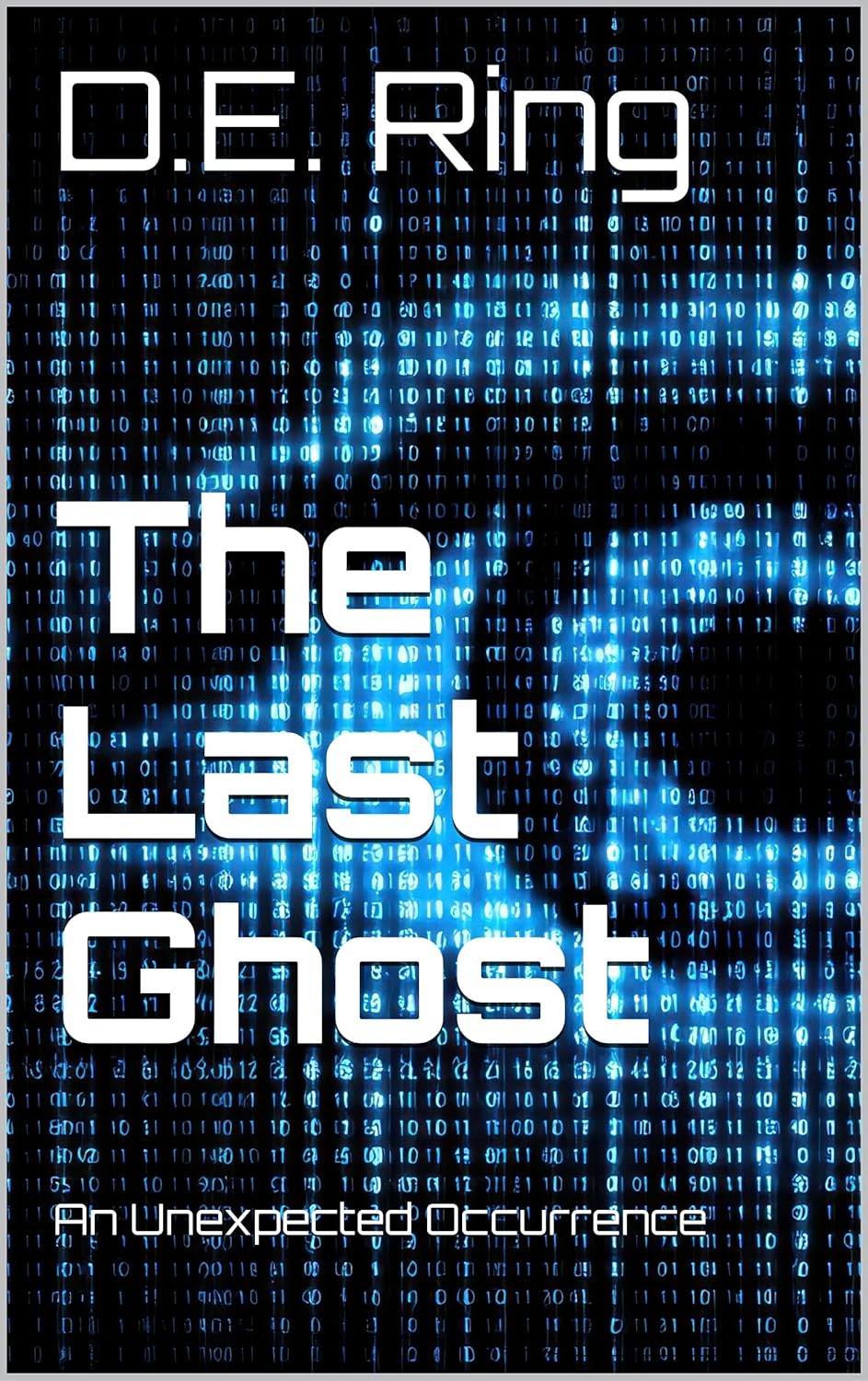

The Last Ghost tells the story of Joshua Stewart, a boy who loses his parents in a tragic fire in Thailand and is raised by his aging grandparents in Toronto. What begins as a quiet, tender domestic story about loss and love evolves into a moving reflection on family, morality, and the strange intersection between faith and logic. It’s a coming-of-age story shaped by grief, education, and a world that seems to change faster than anyone can understand. The book carries Joshua from childhood through adolescence, from the safety of his grandfather’s theological certainty to the uncertainty of global chaos and financial collapse. In the background are ghosts, literal and figurative, the memories and moral lessons that cling to life long after the living are gone.
The prose is elegant but warm, never showy. Author D.E. Ring writes dialogue that feels alive, filled with pauses and silences that say more than the words themselves. The pacing is slow in the best way. I found myself caring deeply for Caleb and Marianne, those kind, weary grandparents trying to raise a boy while the modern world races past them. Joshua’s curiosity, his moral sense, and his grief are rendered so gently that when emotion hits, it hits hard. I caught myself tearing up more than once. The way Ring balances tragedy with moments of simple beauty, a walk by the lake, a child’s question about God, is fantastic. It’s literary without being pretentious, and it touches something primal about family and forgiveness.
That said, this isn’t a light read. The novel asks you to think. Some chapters stretch with patient detail about conversation or setting. The story builds a world that feels lived in. So much so that when the supernatural edges in, it feels believable. Ring doesn’t write jump-scares or gothic gloom. His ghosts come through in memory, regret, and the quiet ways people haunt one another. I loved that restraint. It’s the kind of ghost story that leaves you thinking rather than trembling. Still, I found myself haunted anyway, not by spirits, but by love, loss, and how time slips away no matter how much we hold on.
I’d recommend The Last Ghost to readers who love literary fiction with heart, people who appreciate family sagas, subtle hauntings, and moral reflection. It’s for those who like their ghost stories human, not horrific. I’d hand it to anyone who believes that real hauntings come from memory, conscience, and the ache of unfinished love.
Pages: 291 | ASIN : B0FS1W4T5Q

Raven

The book follows Delilah, a striking and deeply flawed woman whose tangled love affair with Silas drags her into a spiral of obsession, violence, and dangerous secrets. Set between Moonlit Skies and Fallen Snow from the EverGreen Trilogy, the novella shows events through the eyes of a character who is more often the villain than the victim. What makes the story gripping is the way it refuses to soften Delilah. She is not portrayed as misunderstood or redeemed but as fully aware of her own dark choices. Through pregnancy, manipulation, and power games, we see her fight to hold on to Silas while also grappling with her own sense of control, vulnerability, and twisted love.
Reading this book felt unsettling and fascinating at the same time. I found myself both repelled by Delilah and unable to look away from her story. The writing style is sharp and vivid. I could practically hear the click of her stilettos on the floor or feel the electric crackle of her faerie power humming under her skin. The tension in her relationship with Silas is raw, messy, and at times horrifying. I appreciated how the author leaned into that darkness rather than pulling back. It made the whole experience feel more honest, even when it was uncomfortable. At times, I caught myself feeling sympathy for Delilah, only to be reminded moments later of just how ruthless she could be. That push and pull kept me hooked.
What struck me most was how much the book made me reflect on the nature of love, control, and power. There were moments where the drama felt almost theatrical, yet the emotions behind it rang true. The writing doesn’t dress up Delilah’s cruelty with excuses, and that made her inner conflicts more powerful to watch. The pacing leaned on confrontation and spectacle, which left me craving a deeper look at the cracks in Delilah’s armor. But maybe that was the point. She doesn’t allow herself to be fully exposed, even to the reader.
Raven is an intense and dramatic read that doesn’t shy away from the darker corners of human desire and obsession. It’s not a comfortable book, and I don’t think it’s meant to be. I would recommend it to readers who enjoy morally complex characters, stories that blur the line between villain and protagonist, and tales that pulse with danger and passion.
Pages: 158 | ASIN : B0F4RR5L5M

Falling into Shadow
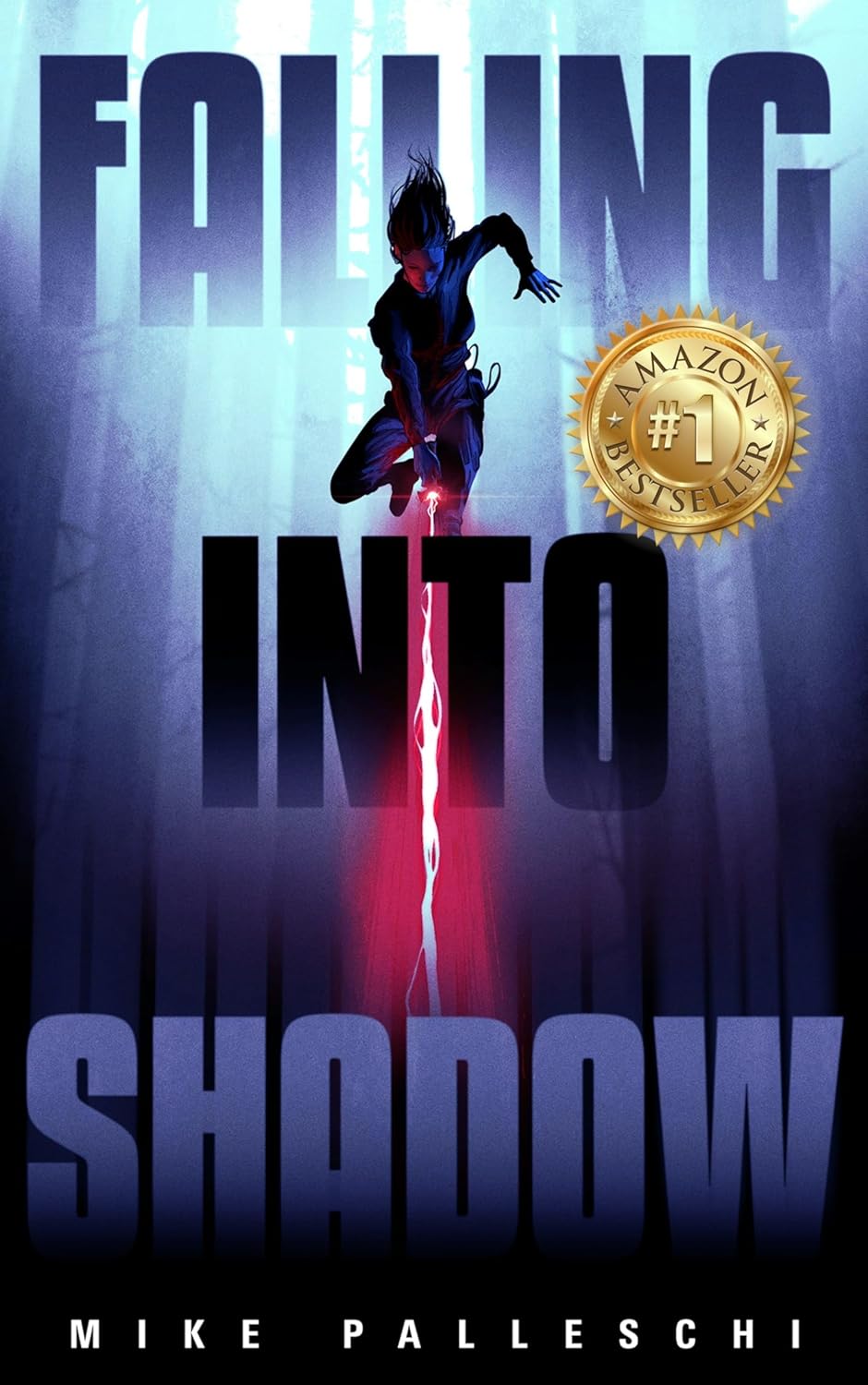
Falling into Shadow follows multiple characters: Kyra, Sophie, Dante, and Renette. Each is grappling with survival, power, and the shifting balance of their world. Kyra’s desperate flight from Shadow Demons sets a brutal tone. Sophie, an Ionian Knight, carries the burden of protecting others while wrestling with betrayal and political intrigue. Dante is caught between family expectations and his own fractured past. Renette navigates the clash between ambition and the pull of her roots. The threads weave together into a sweeping tale of survival, politics, and looming war in a fragile world that feels as real as it is dangerous.
What I loved most was the immediacy of the writing. It feels cinematic, almost like watching a series unfold on screen. The pacing is relentless in places, then slows down just enough to let you breathe, and that kept me hooked. The action scenes hit hard. They’re vivid, raw, and sometimes gruesome in a way that made me flinch. Yet, they’re balanced with quieter moments that reveal doubts, guilt, and flashes of humanity. I found myself rooting for characters even when they made questionable choices. Kyra’s guilt and Sophie’s frustration, Dante’s longing for approval, Renette’s heartbreak; they all felt painfully real.
Still, there were times when the dialogue carried a little too much explanation, almost like it was doing double duty as worldbuilding. It didn’t ruin anything for me, but I noticed it. And some of the big concepts, like the Eidan’s glimpses of the future or the cloaked armies, had such massive implications that I wanted more space to sit with them. The book barrels forward, and part of me wished for more lingering in those big, head-spinning ideas. But then again, that urgency is part of what made it addictive.
Falling into Shadow is a ride worth taking. It’s brutal, imaginative, and packed with heart. I’d recommend it to readers who love fast-paced sci-fi with strong characters and aren’t afraid of a little blood and grit. Reading Falling into Shadow felt like a mix of the gritty survival of The Expanse and the mythic, character-driven drama of Dune, only with a rawer edge and a faster pulse. If you like stories that mix political intrigue with personal stakes, this one will pull you in and not let go.
Pages: 518 | ASIN : B0FB3RZ1DM
Well, Mama, This is It (it’s Now Or Never)
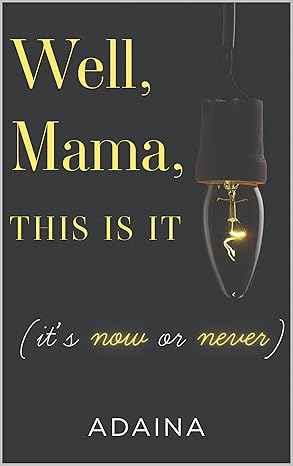
Well, Mama, This is It (it’s Now Or Never) is unlike anything I’ve read before. It’s part confession, part storytelling, and part letter-writing, all stitched together with raw honesty and a strong emotional pulse. The book moves between voices, sometimes it’s a teenage boy writing to his grandmother, other times it’s a young woman chasing a dream life, or even a haunting personal tale of loss and survival. At its heart, though, the book is a letter to her mother, a brave and vulnerable coming-out story wrapped in poetry, reflections on love, faith, and the messy business of being human.
In “A Story of a Friend of a Friend,” when Adaina shares her journey from being a teacher to a stripper, the descriptions are almost cinematic. She writes about smoky eye makeup, French pedicures, and stepping into the strip club as if it were a Hollywood set. It’s dazzling, but then the tone flips as she describes the loneliness and danger behind the glamour, and suddenly I was pulled from the surface glitter into the heavy silence of regret. That swing between fantasy and reality is something the book does again and again, and it made me feel the same kind of emotional whiplash she must have lived through.
I also loved the way she mingles imagination with truth. Take “Secret Agent (Voodoo Princess),” where Rebecca Tanon, a demon-child-turned-undercover-agent, blurs the line between folklore and personal reflection. At first, I thought it was a sharp left turn into fiction, but it clicked for me as a metaphor for how heavy family expectations and inherited trauma can feel like being born with a mission you never asked for. The story gave me chills, not just because of the supernatural edge, but because of what it revealed about how powerless a child can feel in the hands of adults.
In “To My Newest Pen Pal, Jant Leaps,” Adaina writes a heartfelt letter that evolves into a romantic confession, blending vulnerability with defiance against judgment. In “Sexual Orientation,” she reflects on faith, family, and identity, ultimately affirming that love is sacred regardless of gender. She weaves in verses about love, love with a woman who makes her feel free, love that pulls her away from Hennessy and Ecstasy, love that feels holy even when the world insists it’s wrong. There’s vulnerability in her admission, “I never thought I could fall in love with Eve’s gender,” but also defiance when she insists, “Yes, I am a Christian, but my religion is kindness.” That blend of fear, yearning, and courageous self-acceptance struck me deeply. It’s not polished in the way mainstream memoirs often are, but that’s what makes it powerful. It feels like a real letter, one that trembles with truth.
In the end, I walked away from this book feeling like I had just sat across from someone who didn’t hold anything back. It’s raw. It’s uneven at times. But it’s alive with feeling, and that’s rare. I’d recommend this book to anyone who craves honesty in writing, teens struggling with self-expression, readers curious about queer coming-of-age stories, or anyone who wants to feel less alone in their own mess of faith, love, and identity. It’s not a book for someone looking for clean lines or tidy endings, but if you’re okay with sitting in the chaos of someone else’s truth, then Well, Mama, This is It (it’s Now Or Never) will move you the way it moved me.
Pages: 51 | ASIN : B0DT7FZS7Q
Creative Non-Fiction

Leftwich Blues/Elfwitch Rules follows twin twelve-year-olds from a broken home who are abducted by the Elfwitch and taken to another world, where they must now find a way to get back home and heal their broken home. What was the inspiration for the setup of your story?
The idea started with the title. I like to make lists of titles from time to time. The title made me think who is Leftwich? Why does he have the blues? Who is the Elfwitch and why is she trying to rule? This image came to mind: a witch travelling through the air with twins she had kidnapped. One twin gets away, but the Elfwitch tricks the other twin into serving her. The escaped twin finds an oppressed people who need encouragement in fighting against the Elfwitch. So, the twin has to lead an uprising against the Elfwitch and try to free the other twin who turned against their original selves.
The idea reminds me of the many Saturday morning TV shows by Sid and Marty Krofft: H.R. PufnStuff or Lidsville plus other portal fantasies or science fiction movies like Alice in Wonderland or Planet of the Apes (the original from 1968, not the watered down remakes/reboots) where a stranger ends up in a strange land and has to keep their identity intact while turning from fugitive to hero/heroine to survive in a harsh new reality.
Your characters are wonderfully emotive and relatable. Were you able to use anything from your own life to inform their character development?
The twins’ first names I borrowed from my cousins. Their last name also belongs to distant cousins. I find that the more real or personal I can make the character or backstory, the more I can dig into it to adapt and change it according to how the story dictates. I was a mental health paraprofessional for a few years (so I have been to family court a few times) and worked at a charitable thrift store as well as conducting a twelve-step program and now I am a public educator. I have had ex-clients as my students and have come to know the families. I understand better the dynamic in households and the problems children bring to the classroom.
My writing has been called “creative non-fiction.” I never thought of it like that, but it’s true as I need a heavy dose of realism in my fiction before I introduce the weird and fantastical.
What themes were particularly important for you to explore in this book?
The idea of twins separated and working against each other and having to reconcile was the starting point. Then it became a study of duality: two sides or polar opposites that feed or synergize entities or issues: tyranny and freedom, good and evil, lies and truth, night and day, family/friends and foes, forgiveness and unforgiving.
Is this the first book in the series? If so, when is the next book coming out, and what can your fans expect in the next story?
This was written as a stand-alone. However, I am brewing ideas for a sequel (which I would make into a cliffhanger for a duology). That project will have to wait as I have two other current projects I am working on plus I am currently promoting my first collection of short stories: ghostly shudder tales.
Author Links: GoodReads | Website | Substack
A Curse or a Gift
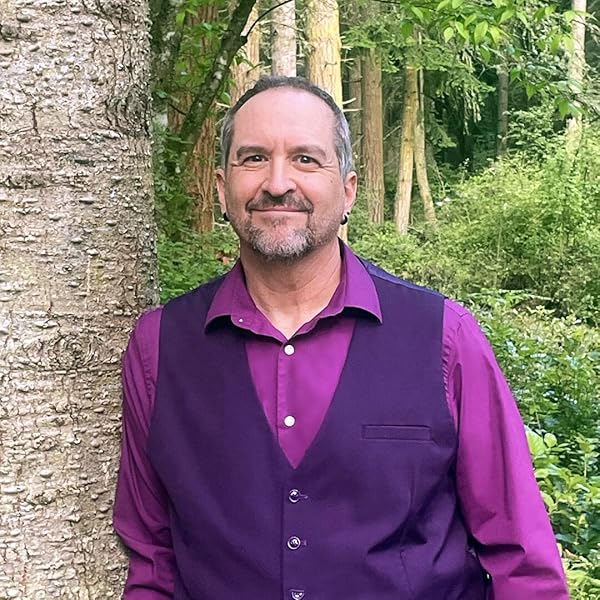
Apadora Rising follows a young prince thrust into impossible battles and choices, wrestling with magic, loss, and the burden of leadership. What was the inspiration for the setup of your story?
My inspiration stemmed from a blend of mythology, real-world history, and the profound emotional complexities of growing up under pressure. I have always been drawn to stories where young leaders are forced to grow up too quickly. In this case, it is where the weight of the crown is more curse than a gift.
I tried to explore what would happen if a teen were suddenly responsible for many lives, a kingdom, and the fate of magic itself. The story grew out of that tension: the clash between destiny and personal choice, the cost of leadership, and the emotional toll of loss at a young age. Magic in this world became a metaphor for potential—beautiful, dangerous, and unpredictable—just like the prince’s journey
In many coming-of-age fiction novels, authors often add their own life experiences to the story. Are there any bits of you in this story?
Authors always leave pieces of themselves in their stories, and Apadora Rising is no different. For me, it was the group of friends. Barrett and his friends reflect the bond I shared with my own friends during my youth. The way they support each other, challenge one another, and stay loyal even when everything around them is falling apart—it all came from real experiences. We faced our own battles, not with swords or magic, but with life, and that kind of friendship leaves a mark. Writing their dynamic was one of the most natural and heartfelt parts of the book, because it came from something very real.
Can you tell us where the book goes and where we’ll see the characters in the next book?
Book #3, The King’s Ascent, takes a darker turn as the series moves toward its climax. With the stakes higher than ever, Barrett and his friends will face overwhelming odds, uncover a traitor hidden in plain sight, and fight to prevent their city from collapsing into despair under the Bureau’s tightening grip. Every lingering question will finally be answered.
As with the previous books, the friends’ lives are filled with tough choices that will test their loyalties. The journey concludes with heart, sacrifice, and an emotional farewell that will hopefully stay with readers long after the final page.
Author Links: Website | LinkedIn
Declaring all magic forbidden, the Bureau brands Barrett and his allies as enemies of the realm. As the friends prepare to flee, a ghostly vision of Alesta appears, begging for rescue. She is imprisoned by Apadora, a malevolent force long confined to the Outerworld.
Apadora, the embodiment of ancient evil, has waited centuries for her chance to return. As her release draws near, the very fabric of the western lands is threatened. Now, Barrett and his companions face rival factions as they race to find the key to either bind or unleash her.
Orphaned, homeless, and hunted, the exiled prince must choose between reclaiming his kingdom or restraining the evil tide poised to sweep across the western lands.
The Choice Between Dreams
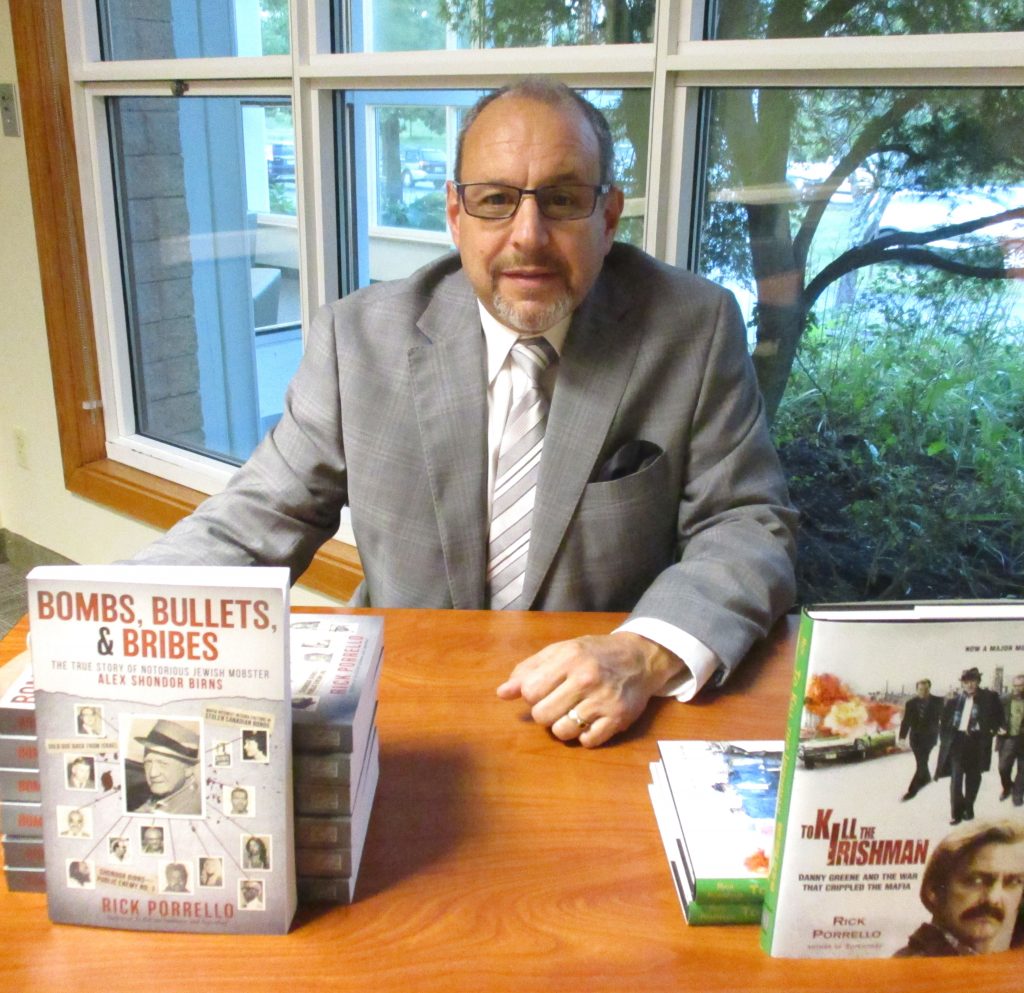
Just Play Like You Do in the Basement: Coming of Age as the Drummer for the Greatest Entertainer in the World is your memoir, sharing your journey from a basement in Cleveland Heights to the stages around the world on tour alongside Sammy Davis Jr. Why was this an important book for you to write?
It was an extraordinary experience to perform with a legendary entertainer. But because I was fairly young—just out of high school—the sense of wonder and the impact of those experiences hit me even harder than they might have if I’d been a seasoned musician in my thirties or forties. That’s why I framed the book as a coming-of-age story.
When I returned home, at least two people who heard my stories urged me to write a book. Within a few years I began taking notes, outlining, and drafting chapters. I eventually put the project aside when I became absorbed in researching my grandfather’s murder, which led to my first published book. Still, the vivid memories of traveling with Sammy Davis, Jr. and the people I worked with and friends I met, stayed with me for decades.
In 2023 I finally returned to the project in earnest. By then I understood the potential of my experiences to become not just a music story, but a powerful reflection on family, identity, and the choice between two very different dreams.
What were some ideas that were important for you to share in this book?
I can think of three or four. First, the influence of family. In my case, it was positive. I had a natural interest in jazz and the drums, but it was my father, my brother, and later my drum teacher who educated, coached, encouraged, and helped me build both talent and confidence. My father’s friendship with the great drummer Louie Bellson also provided a unique connection that shaped my style.
Second, the importance of commitment. My skill didn’t develop in a year or two—it took seven or eight years. Countless hours of practice went into learning the instrument, developing a jazz feel, mastering big band arrangements, then gaining performance experience. Often, when friends were out playing or partying, I was home working through a drum lesson or playing along with jazz albums.
Finally, I wanted to share how my journey forced me to face two competing dreams: the one my father and I shared, and the one that only I envisioned. Choosing between them ultimately set me on a path that was, in many ways, foreign to my family, a disappointment to my father, and changed the course of my life.
I appreciated the candid nature with which you told your story. What was the hardest thing for you to write about?
My memoir was a significant departure from writing books about organized crime, like To Kill the Irishman, which had become my comfort zone. The most difficult part was being honest about my vulnerabilities as young Ricky Porrello—my vulnerabilities and flaws. But I knew authenticity was essential if the story was going to resonate with readers, and that meant allowing emotional depth to come through. My editor, Cherie Rohn, helped by often asking the uncomfortable but necessary question: “How did you feel?”
I also wrestled with writing about lovemaking. The tone I envisioned for the book didn’t include explicit physical detail, yet intimacy was part of the story. I needed to convey the pull of attraction, the thrill of discovery, and the feelings of love that shaped my coming-of-age as a young man traveling the globe.
What advice do you have for aspiring memoir writers?
Remember that an autobiography and a memoir are not the same. An autobiography has a wide view—this is the story of my life. A memoir is a slice of life, however small or large, that reveals a deeper truth—what you learned or experienced about some universal theme.
In Just Play Like You Do in the Basement, my primary theme is coming-of-age. Other central ideas include family, identity, and choosing a path. At its heart, though, the story is about a boy becoming a man—set against the backdrop of a successful musical family and the extraordinary experience of touring with a legendary entertainer.
Over the decades, many aspiring authors have consulted with me. A common mistake I’ve seen is summarizing a life as a simple chronicle: this happened, then that happened, then something else happened. The episodes may be interesting, but anecdote after anecdote—without emotional depth, story threads, and a clear beginning, middle, and end—does not make a memoir. You must identify the theme or themes and be willing to tell the truth with honesty and vulnerability. With focus and commitment, you can do it!
Author Website



 LITERARY TITAN