Blog Archives
Find a Balance

Journal of a Black Man is a lyrical exploration of Black identity in British Columbia, weaving together themes of love, faith, family, and resilience against systemic inequities. Why was this an important book for you to publish?
It was an important book for me to publish because Black people in Canada, especially in British Columbia, make up a very small proportion of the overall population. Therefore, I had to inform people about the things that we truly face. Visitors are often sold the glitz and glamor of the country, and while Canada is definitely beautiful, there are many dark moments. Also, there are a lot of things that I personally experienced, such as love. Overall, the start of the year had been tough for me, and I only made it through with family, faith, and resilience, which is why I highlighted those themes.
Many poems balance vulnerability with strength. How do you navigate writing about pain without letting it overshadow joy?
I navigated between the themes of joy and pain by understanding that there will be bright moments and there will be dark moments. Life isn’t perfect, but I know that I had to find a balance that I was truly happy with.
What were some themes that were important for you to explore in this book?
Some themes that were important to me in this book were migration, love, the nuclear family, faith, and resilience.
What do you hope readers carry with them after sitting with your words?
I hope that readers truly enjoy the book, but what I really want them to understand is that nothing is truly what it seems. Be careful with each opportunity.
Author Links: GoodReads | Amazon
I allow you to see my feelings,
I am vulnerable…
This powerful fifth collection from prolific poet Marlo Browne is an exercise in vulnerability. He
exposes personal feelings about the Black experience in Canada, his adopted home.
Topics touched on in this work include the high incidence of missing youth in provinces like
Ontario, prevalence of drug use and abuse in Ontario, exploitation within the migration process,
biases in the workplace, and more.
Experience vulnerability in a bold new way within the pages of JOURNAL OF A BLACK MAN
today!
Faith Through the Fire, Walking With God in My Storms


Faith Through the Fire is a deeply personal memoir chronicling the journey of Adrien and Beverly Chablal through Adrien’s unexpected cancer diagnosis and their unwavering determination to pursue healing, physically, emotionally, and spiritually. The book opens with a son’s heartfelt letter to his father and then shifts to a dual narrative, combining Adrien’s reflections with Beverly’s “Chronicles.” Together, they recount their childhoods in Trinidad, marriage struggles, migration to the UK, and ultimately, their decision to face a stage IV Non-Hodgkin lymphoma diagnosis using both conventional and natural methods. Interwoven throughout are scriptural meditations, nutritional advice, and practical insights born from faith, family love, and fierce resilience.
Reading this book felt like sitting across the table from an old friend, coffee in hand, listening to someone pour out their heart. Adrien’s writing is raw and gutting at times. The disbelief at his diagnosis, the guilt over family strain, and the sense of helplessness are portrayed vividly. I found myself clenching my jaw during some passages, especially when he wrestled with the idea that a health-conscious lifestyle couldn’t shield him from cancer. His vulnerability is striking, and that makes the hope that follows even more powerful. Beverly’s side is equally gripping. Her determination to be her husband’s anchor, her fearless research into holistic health, and her ability to dig into her past for strength are as moving as they are inspiring. Her voice comes through as calm and relentless.
What really got me, though, was how the book doesn’t try to hide the messiness. Their marriage was tested, their children drifted, and their faith was, at times, hanging on by a thread. But it never read like a sob story. It felt like a love letter to persistence, not perfection. The inclusion of wellness plans, herbal regimens, and even their frustrations with housing in the UK could have felt like filler, but instead, it all tied into the bigger theme: survival isn’t just physical. It’s mental, spiritual, and relational. I loved that balance. On the flip side, I occasionally felt the pacing slow during extended reflections or lengthy nutritional breakdowns, but even those had a purpose if you’re reading with healing in mind.
This book isn’t just about beating cancer. It’s about choosing faith when you’re flat on your face, and finding a way forward even when the path disappears beneath your feet. I’d recommend Faith Through the Fire to anyone facing serious illness, especially caregivers and spouses who are walking through someone else’s storm. It’s also a solid pick for people of faith who want a reminder that miracles don’t always come wrapped in flashing lights. Sometimes, they look like a juicer on your kitchen counter and a Bible verse that keeps you going. It’s an emotional read, but one that left me feeling full of gratitude.-
Pages: 114
Do We Really Trust God?

Trust on Trial explores the complexity of human faith, betrayal, and redemption by staging a trial where “Earnest Trust” is accused of fraud, betrayal, and breach of contract. What was the inspiration for the setup of your story?
Honestly, it started with a question that hit me in the gut: We all have trust issues and how often does our trust issues impact our ability to trust God? Do we really trust God…or just say we do? From there, the courtroom idea took shape. I imagined Trust not as a concept, but as a character. Tired, beat up, misunderstood; and then put him on the trial of his life. Because let’s face it: we all have trust issues. Not just with people. With God. And until we drag those doubts into the light and interrogate them, we’re stuck spiraling and repeating the same cycle of misplaced trust.
The legal drama was the perfect lens. It’s structured, intense, and emotionally charged; almost like spiritual wrestling. It gave me the space to let readers become jurors in their own faith journey. And it gave Trust a voice we rarely give him.
What were some themes that were important for you to explore in this book?
Oh, we’re going deep. This book is about more than just faith; it’s about what happens when faith fractures. Themes like betrayal, disappointment with God, spiritual deconstruction, and church hurt are front and center. But more than that, I wanted to explore redemption. Not the clean, polished kind, but the messy, bloody, uncomfortable kind where people have to face their own reflections in the courtroom mirror. I also wanted to tear into the myth that doubt means failure. Because sometimes, doubt is just the doorway to deeper trust.
I find that, while writing, you sometimes ask questions and have the characters answer them. Do you find that to be true? What questions did you ask yourself while writing this story?
Absolutely. The entire book is one giant interrogation—of Trust, of faith, of myself. Every character is either asking or answering hard questions we usually avoid and lock away in the recesses of our minds.
Questions like:
What does it mean to trust when nothing makes sense?
Is God still good when the world isn’t?
Can I forgive the people who shattered my trust; and still trust again?
Am I holding onto control instead of trusting in the God I say I believe in?
So yes, the characters were answering questions I didn’t always have the courage to say out loud. That’s what made the courtroom setting so powerful. It gave me permission to go there.
What were some goals you set for yourself as a writer in this book?
I had two goals, and neither involved playing it safe.
Tell the truth, even if it’s ugly. I didn’t want to sanitize doubt or pain. I wanted readers to feel seen in their mess, not shamed by it. I wanted them to be confronted head on with the various ways they have had their trust broken in their lifetimes and examine if they have been misplacing their trust.
Start a conversation that keeps echoing after the last page.
I wanted readers to walk away wrestling with their own verdict. This isn’t a book that gives you answers on a silver platter. It asks you to decide. To confront your trust issues and look at broken trust, trust itself, and faith through a fresh, unfiltered lens.
My mission has always been to blend chaos with meaning, comedy with conviction, and absurdity with truth. Trust on Trial is all of that…and then some.
Author Website
What if Trust were dragged into court, charged with fraud, betrayal, and breach of contract? What if your own experiences with broken promises, lost faith, and second chances became the evidence? Trust on Trial isn’t just a book. It’s a courtroom battle for the ages, where Trust himself is on trial and readers hold the power to decide his fate. Through witness testimonies from history, the Bible, and real life, this gripping narrative challenges everything you believe about Trust, faith, and redemption. Can Trust be restored, or is he beyond saving?
As the prosecution and defense build their cases, readers will wrestle with questions like:
•Can Trust ever be fully rebuilt after betrayal?
•Is Trust dangerous, or is he necessary?
•What does it mean to put Trust in something greater than yourself?
The evidence is presented. The testimonies are compelling. Your verdict will define what Trust means in your life. Step into the courtroom, examine the evidence, and render your verdict. The stakes have never been higher.
Hope and Faith

Precious One tells the story of two parents longing for a child, their journey through waiting, hope, and faith, and the ultimate arrival of their baby boy. What was the inspiration for your story?
My story is inspired by my own personal journey of waiting for a child. After years of anticipation and hope, I experienced a mix of emotions, including loss and joy. The story reflects the emotional ups and downs that many parents face when waiting for a child, and I hope it resonates with readers who have experienced similar challenges.
What were some ideas that were important for you to share in this book?
One of the key themes I wanted to convey is patience. The story highlights the joy and anticipation that comes with waiting for something precious, and how that waiting period can be filled with hope and faith.
What scene in the book did you have the most fun writing?
I had a lot of fun writing the scene where the parents rush to the hospital, thinking it’s time for the baby to arrive. It was a relatable moment for me, as I recalled my own experience with my son. The mix of excitement, worry, and anticipation made for a memorable scene.
What story are you currently in the middle of writing?
I’ve actually completed my second picture book, and I’m currently in the editing phase. The new book explores explaining loss to kids, drawing from my own experiences with loss. I’m excited to share this important topic with young readers in a way that’s both gentle and honest.

Blue Jeans and Lavender Gowns


Blue Jeans and Lavender Gowns, by A.W. Anthony, is a gentle and heartfelt coming-of-age romance set in the Midwest during the 1970s. Told through the perspective of Terry Deitz, a small-town high schooler, the novel follows his winding, often awkward journey toward love, manhood, and faith. At the center of this story is Debbie Douglas, the girl who catches Terry’s eye and, in time, his heart. Through football games, study hall antics, and tender moments of doubt and hope, the story paints a nostalgic picture of adolescence flavored with Christian values and clean romance.
Reading this book felt like riding in an old pickup on a country road—bumpy, charming, and unexpectedly meaningful. The writing is earnest and full of heart. It leans into its strengths: relatable characters, small-town dynamics, and the quiet courage of first love. I appreciated that the story was never rushed. The slow pace mirrors real life, especially in rural America, where relationships unfold over seasons, not chapters. Anthony’s choice to write from the boy’s point of view adds a fresh and grounded feel that sidesteps cliché. And while not every conversation crackles, many are brimming with sincerity and teenage honesty. I smiled a lot. Sometimes I winced. But I always believed them.
I do feel there are moments where the moral undertones get a bit heavy, and a few plot beats feel like they were written with a wink to Hallmark. But maybe that’s part of the charm. This book isn’t trying to be edgy or clever. It’s kind, and that’s rare these days. The moments that truly shine feel pulled straight from real life— tender, simple, and real—the kind of moment that doesn’t need big drama to feel big.
Blue Jeans and Lavender Gowns is more than a simple love story; it’s a tribute to decency, patience, and young hearts figuring it out. I’d recommend it to anyone who craves clean romance, Christian values, and a walk through simpler times. It’s especially great for teenagers and their parents, or anyone who wants to remember what it felt like to fall in love for the first time—with a girl, with life, or even just with the idea that something good might be waiting around the corner.
Trust on Trial
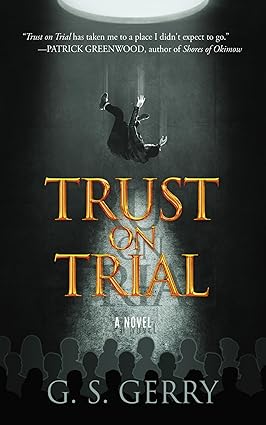

In Trust on Trial, G.S. Gerry delivers a genre-defying courtroom drama that puts the very concept of trust in the defendant’s chair. Through a bold and imaginative framework, Gerry explores the complexity of human faith, betrayal, and redemption by staging a trial where “Earnest Trust” is accused of fraud and breach of contract. The book moves through opening arguments, witness testimonies, and mounting evidence, both secular and sacred, asking the reader to consider the fragility and power of trust in their own lives. As jurors, readers are dragged into the emotional and philosophical firestorm surrounding every broken promise, every heartfelt risk, and every soul-deep disappointment.
Reading this book felt like watching a courtroom thriller crash headfirst into a TED Talk with a pastor and a stand-up comic on the bench. And somehow, it works. The writing style is punchy, dramatic, and often hilarious, with a rhythm that sways between poetic intensity and playful banter. Gerry plays with metaphor and theatrical tension in a way that makes each chapter feel like a scene in a well-directed play. His characters, Earnest Trust, the peacock-like prosecutor Curtis Reed, and the soulful defender Harvey Shield, are vivid, layered, and unforgettable. But underneath the flair and snappy dialogue is a serious meditation on pain, vulnerability, and where we choose to place our trust, people, institutions, or God.
The book leans on allegory and symbolism. At times, I craved more room to sit with the ideas rather than be handed metaphors. And yet, even in those moments, I couldn’t look away. This book struck nerves I didn’t know were still raw. It reminded me of past betrayals, yes, but also of why I continue to trust, despite it all.
If you’ve ever questioned your faith in people, in systems, in God or if you’ve been burned and are afraid to try again, this book is for you. It’s for the skeptical, the hopeful, and the broken-hearted. Trust on Trial isn’t light reading, but it’s real. It’s funny, aching, bold, and brutally honest. It got under my skin and made me think harder about something I too often take for granted.
Pages: 182 | ASIN: B0FBXDVGYZ

Awakening 52

In Awakening 52, Jamie Smith recounts a moving spiritual experience that began with a near-death moment in 2014 and led to what he calls a “soul awakening.” The book details his journey through what he describes as portals into the afterlife, guided by eternal beings and flooded with divine love, revealing deep metaphysical truths. Across 22 chapters, Smith uses vivid, emotional storytelling to connect his near-death vision with lessons about faith, life purpose, the soul, and human existence beyond the physical realm.
Smith doesn’t pretend to have it all figured out, which actually makes the book feel more relatable. Right in the first few chapters, he takes us through the intense pain of cluster headaches and his desperate, heartfelt prayer at 2:52 PM, the moment that opened the gateway to his spiritual odyssey. It didn’t feel like a story he polished for effect; it felt like he ripped it out of his chest and laid it bare. His description of the “two-dimensional picture” appearing on his wall was so specific and unusual that it stuck with me; it was the kind of moment that cannot be fabricated, and it set the tone for the deeply personal nature of everything that followed.
Smith’s writing is unfiltered and emotionally charged. While it occasionally digresses and leans heavily on repetition, this stylistic choice ultimately proves effective. It conveys the sense that the author is not merely recounting experiences, but emphasizing the profound impact of each personal revelation. A notable example appears in Chapter Three, Cleansing of Soul, where he describes reuniting with the souls who shaped his life. His recollection of mowing a neighbor’s lawn as a child is unexpectedly moving, not merely nostalgic, but imbued with a sense of reverence. Through such memories, he transforms ordinary, seemingly trivial interactions into meaningful, even sacred, soul connections. The passage evokes reflection on one’s own past and the individuals one might hope to encounter again in a realm of pure light, a deeply resonant and powerful notion.
The imagery, such as valleys of light, swirling cocoons of love, and temples of wisdom, at times, evokes the tone of a guided meditation script. However, it raises a fair question: who is to define the appropriate language for describing a soul’s journey? There is, undeniably, a sincere charm in his unwavering commitment to articulating the ineffable. Chapter Fourteen, Valley of the Hidden Sun, stood out to me. The notion that diverse cultures and belief systems ultimately converge toward a singular, divine source offers a vision of hopeful universalism that is both compelling and deeply resonant.
Awakening 52 reads less like a conventional book and more like a deeply personal confession, an urgent, almost intimate appeal as if the author is quietly imploring the reader to understand something difficult to express. It is not a work that will resonate with everyone; those who seek empirical evidence or neatly defined theological frameworks may find it lacking in structure or rigor. However, for readers who have ever gazed at the night sky and felt a longing for something beyond the tangible, for a deeper, more mysterious truth, this work may offer a powerful sense of recognition. It is heartfelt, sincere, and unmistakably human. And perhaps that, ultimately, is its greatest strength.
Pages: 173 | ASIN : B0F3JV4TV3

Faith Builders : For Christians and Skeptics

George R. Jensen Jr.’s Faith Builders: For Christians and Skeptics sets out to do exactly what its title promises, construct a sturdy foundation for belief in God and Jesus Christ. The book is packed with arguments, explanations, and biblical references aimed at both strengthening the faith of believers and persuading those who doubt. Jensen presents 50 reasons for God’s existence, 50 reasons why Jesus is the Son of God, and in-depth biblical explorations of love, salvation, miracles, and more. It’s an ambitious work that attempts to make faith logical, compelling, and accessible.
One thing I admire about this book is its sheer thoroughness. Jensen leaves no stone unturned in making his case, covering everything from the fine-tuning of the universe to the moral implications of human consciousness. One of the more compelling sections, in my view, is his discussion of DNA as a blueprint for life, arguing that its intricate structure and information-coding properties point toward intelligent design. Whether or not you agree with him, it’s hard to deny that he presents his points with conviction and a sense of wonder at the complexity of the world.
That said, at times the book feels more like a collection of apologetics arguments than a conversational exploration of faith. The writing is clear but can be repetitive, and the structure, while logical, sometimes overwhelms with its density. Some of the arguments, like the reliability of biblical manuscripts, are well-argued, while others, such as the assertion that the persistence of hope proves God’s existence, feel more subjective. I found myself wanting more personal anecdotes or reflections from Jensen himself rather than just a structured presentation of evidence.
Another strong point is the inclusion of biblical passages that support Jensen’s claims. The chapters dedicated to Jesus’ miracles, salvation, and the afterlife give a broad yet structured overview of key Christian teachings. However, skeptics who approach this book expecting an evenhanded debate may find it lacking in counterarguments. Jensen makes a passionate case for Christianity, but he rarely engages deeply with opposing views beyond dismissing them as insufficient explanations.
Faith Builders is a solid read for those who are looking to reinforce their faith with logical arguments or for Christians who want a reference guide when discussing their beliefs. It’s best suited for readers who already have an openness to faith or who are at least curious about Christianity. If you’re searching for an engaging, in-depth defense of belief in God and Jesus Christ, Jensen’s book delivers, though with a style that leans more academic than personal. Whether you walk away convinced or not, you’ll certainly walk away thinking.
Pages: 564 | ASIN : B0DVCDZMZJ


