Blog Archives
Literary Titan Silver Book Award
Celebrating the brilliance of outstanding authors who have captivated us with their skillful prose, engaging narratives, and compelling real and imagined characters. We recognize books that stand out for their innovative storytelling and insightful exploration of truth and fiction. Join us in honoring the dedication and skill of these remarkable authors as we celebrate the diverse and rich worlds they’ve brought to life, whether through the realm of imagination or the lens of reality.
Award Recipients

























Filaments by KZK Zuganelis Kasling
Visit the Literary Titan Book Awards page to see award information.
Red Anemones
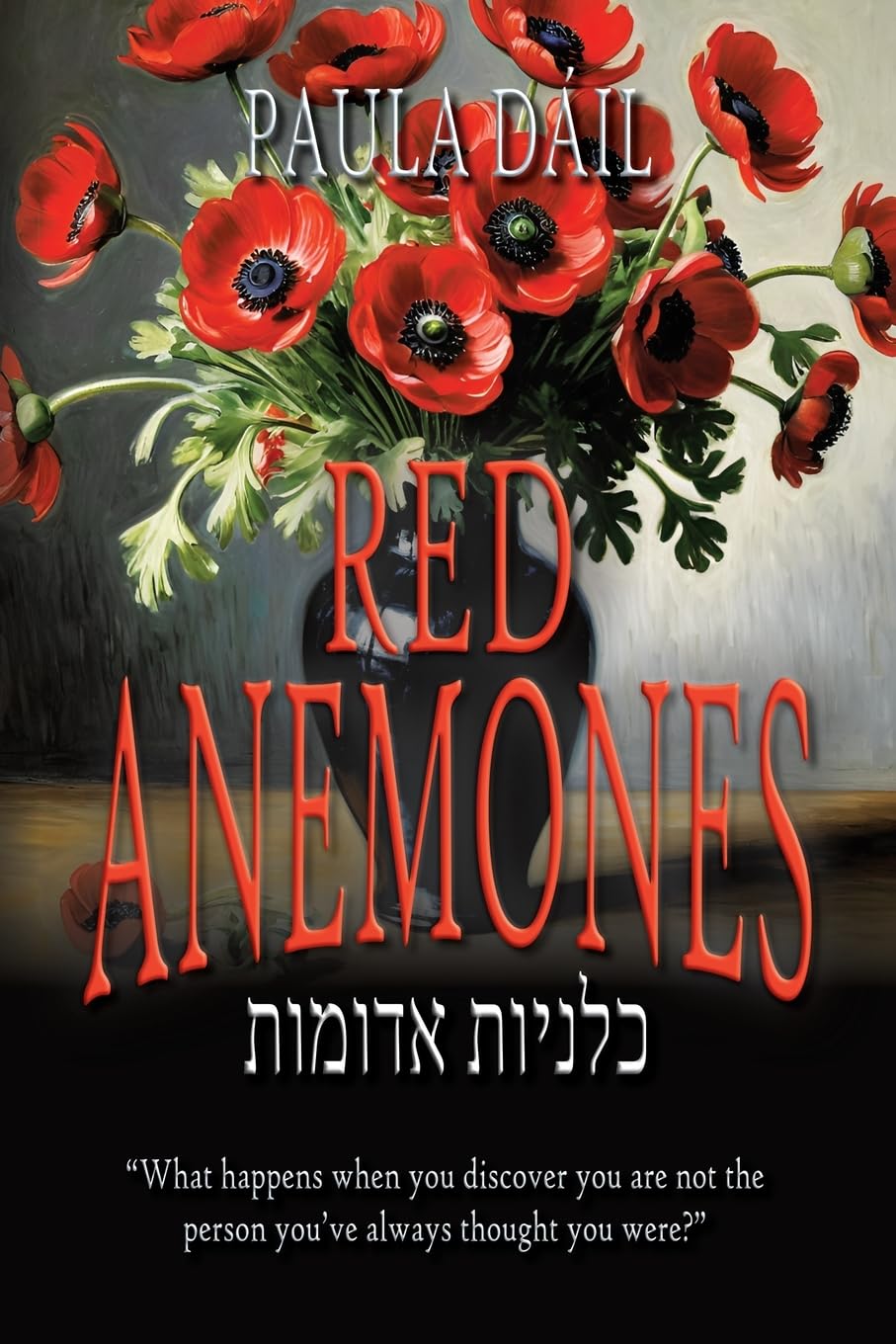

Red Anemones is a sweeping and intimate novel that traces the life of Bertha Michael and her descendants, interweaving personal discovery with historical trauma and moral awakening. The story begins with Dáil’s own genealogical journey, a quiet Sunday curiosity that unfolds into an emotional reckoning with forgotten ancestry and the Jewish identity buried in her family’s past. What follows is a rich narrative set against the backdrop of early 20th-century Germany and America, told with grace, precision, and a deep reverence for resilience. The book becomes more than historical fiction. It’s a bridge between eras, a testimony to the strength of women who dared to choose life and love amid darkness.
As I read, I found myself utterly taken by Dáil’s writing. Her prose has rhythm and patience, tight, deliberate, and quietly powerful. She writes with tenderness but never sentimentality, allowing emotion to rise naturally from her characters’ choices. I could almost feel the weight of Nathalie’s conflict between family duty and self-determination, between love and freedom. The language is lived-in, grounded, and full of quiet heat.
I was surprised by how personal this story felt, even when it stretched across continents and generations. I could sense the author’s grief and pride, her awe at discovering a lineage that had been hidden from her. At times, the story hurt to read. There were moments when I had to stop, take a breath, and just sit with the weight of it all. The brutality of history, the tenderness of memory, the stubborn hope that somehow refuses to die. Yet there’s also beauty here, a sense of redemption in the act of remembering. Dáil doesn’t flinch from hard truths, and that honesty makes the novel glow from within.
By the time I reached the final pages, I felt both heavy and lifted. Red Anemones left me thinking about identity, inheritance, and what it means to carry forward the stories of those who came before us. I’d recommend this book to readers who crave depth in their fiction, to those who love historical narratives that feel alive, human, and full of heart. It’s for anyone who’s ever looked back at their own family history and wondered what ghosts sleep in the blood.
Pages: 586 | ASIN: B0FPT7HP5H

Redemption on a Cosmic Scale
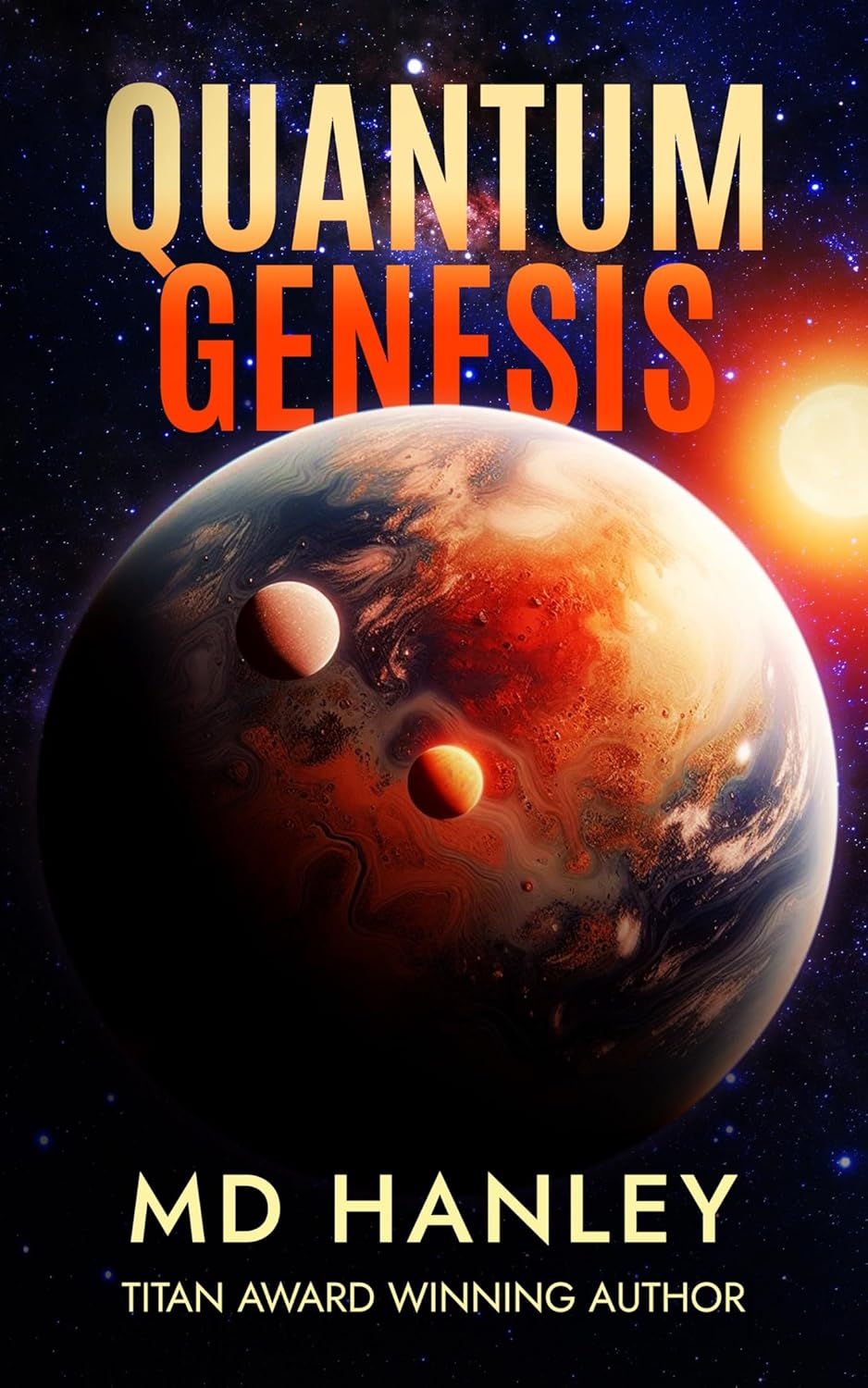
Quantum Genesis follows a scientist on a distant planet whose experiment brings the planet to life, and reveals that an asteroid will destroy all life in ten months, and he must find a way to save everyone. What was the inspiration for the setup of your story?
The inspiration for Quantum Genesis came from my fascination with the intersection of science, consciousness, and the environment. I’ve always been intrigued by the idea that a planet itself could possess awareness and agency—what if the very ground beneath us could respond to our actions? That idea, combined with concerns about ecological balance and humanity’s responsibility toward nature, became the foundation for Ghia and its relationship with Ode. The story evolved into a what-if scenario about creation, consequence, and redemption on a cosmic scale.
One thing that stands out to me in your novel is the creativity embedded in this world. What was your inspiration for creating such an imaginative world?
I wanted to create a world that felt both alien and familiar—a reflection of Earth’s potential future if we continued down a path of unchecked experimentation and environmental strain. The planet Ghia is a canvas for exploring how life might adapt and evolve under extreme conditions, blending advanced technology with an almost spiritual symbiosis between humanity and nature. The visual and atmospheric elements of Ghia were inspired by a mix of astrophysics, quantum theory, and my love for cinematic world-building, similar to how films like *Avatar* or *Interstellar* immerse audiences in otherworldly yet believable settings.
What were some themes that were important for you to explore in this book?
Several key themes run through Quantum Genesis—sacrifice, faith versus fear, and humanity’s fragile relationship with its environment. I wanted to explore what happens when science reaches a point where it begins to blur with spirituality, and how people respond when their entire existence is threatened. Ode’s journey from scientist to reluctant savior mirrors a larger story about growth, humility, and trust in something greater than oneself. Ultimately, it’s a story about survival, connection, and the cost of both progress and redemption.
Will there be a follow-up novel to this story? If so, what aspects of the story will the next book cover?
Yes, *Quantum Genesis* kicks off this trilogy. The second book, *Quantum Mind*, is out now (https://www.books2read.com/quantummind). The third, *Quantum Entanglement*, is in the works, and will delve further into the future. The Quantum Guild of Planets is constantly pushing the boundaries of universal mysteries, and they encounter an alien race intent on severing the bond between planets and their dominant species. The Guild thrives on mutual cooperation, growing through the exploration of differences and individuality. This all culminates in a final showdown that could forever reshape the quantum limits of mind, matter, and destiny.
Here is a pretty good description of the books that are part of the Quantum Genesis Series. https://www.amazon.com/dp/B0CZLNJZN5?binding=kindle_edition
Author Links: GoodReads | X | Facebook | Website
With the clock ticking, Ode must rally humanity and guide them into subterranean caverns where stasis chambers offer their only hope of survival. Empowered by Ghia’s gift—quantum-infused stones with the power to heal, teleport, and manipulate the quantum fabric of reality—Ode faces impossible odds as he races to save his people. But with fear and faith dividing the population, and the planet’s very survival on the line, Ode and Ghia must work together to overcome the impending cosmic destruction.
As the asteroid approaches, the only certainty is this: if you want to survive, you need to go underground.
For fans of sci-fi thrillers filled with high stakes and unexpected twists, “Quantum Genesis ” is a must-read. If you enjoyed books like “The Martian” and “Enders Game,” then you’ll love this gripping tale of survival and sacrifice.
Take Meaningful Steps

A Father’s Presence follows a boy growing up with a father who is physically present but emotionally distant, who decides to break generational cycles and learn how to be present and emotionally available to his own son. What was the inspiration for your story?
My middle name is Curtis. This book is loosely based on my life. My father did not meet his father until he was a teenager. This had a significant impact on not only his life but ours as well (I.e., my mother, sister, and brother). My father took lessons from the military and life in general to model his approach for fatherhood; however, that foundation wasn’t there due to his own father’s absence. To him, being there was the most important thing a father could do. I was able to build off of what my father did. This is what inspired the book. I wanted to a way to convey to men and children that may have grew up without a father that they are not destined to repeat that cycle. If they are determined to heal their traumas and seek council, they can take meaningful steps forward which can repair the damage caused from the past absence.
What were some ideas that were important for you to share in this book?
I am a visual person. I wanted to show positive men, black love, effective communication, vulnerability, generational trauma, and generational healing. It was important these elements were in this book. I didn’t want the book to be preachy though. I added subtle details throughout the book. For example, in the book when Curtis is at the dinner table with his son and wife, there is a wedding picture in the background. This is a minor detail some may miss, but subconsciously it is received.
The art in this book brings the story to life and has a strong emotional impact that children can relate to. What was the art collaboration process like with the illustrator Salar Seif?
Before starting this project, Salar and I had a talk. He had done some cover art work for some of my other projects, so I was confident in his work. However, during this talk I wanted to make it clear how important this project was not just for me but for black people everywhere. It could not come across without class. My people had to be shown with dignity and care. He understood the importance and potential impact.
What is one thing that you hope readers take away from A Father’s Presence?
While we cannot change our past traumas, we are responsible for healing from them. That is not easy, but it can be done. I believe this book shows a way, and I am sure there are other ways. Additionally, I want this book to be conversation starter, and it has been. Some of my friends told me they’ve had some very insightful conversations with their children after reading it. Discussions around what it means to truly be present and how they can show up better in their lives.
Author Links: Facebook | Instagram | TikTok | Amazon
The story follows three generations:
Curtis’s grandfather: Absent, leaving a wound
Curtis’s father: Present but distant, trying to heal without the tools
Curtis: Present AND emotionally available, completing the healing
Core themes include:
Breaking generational cycles through intentional growth
The difference between being there and being present
How children learn emotional skills wherever they can find them
Building the kind of father you wish you’d had
A Father’s Presence is a gentle, powerful story about how love can grow across generations when someone has the courage to learn what they weren’t taught, creating a new legacy of connection and emotional healing for their family.
Perfect for fathers and children to read together, sparking conversations about feelings, presence, and the daily work of building strong family bonds.
The Best Worst Christmas Ever
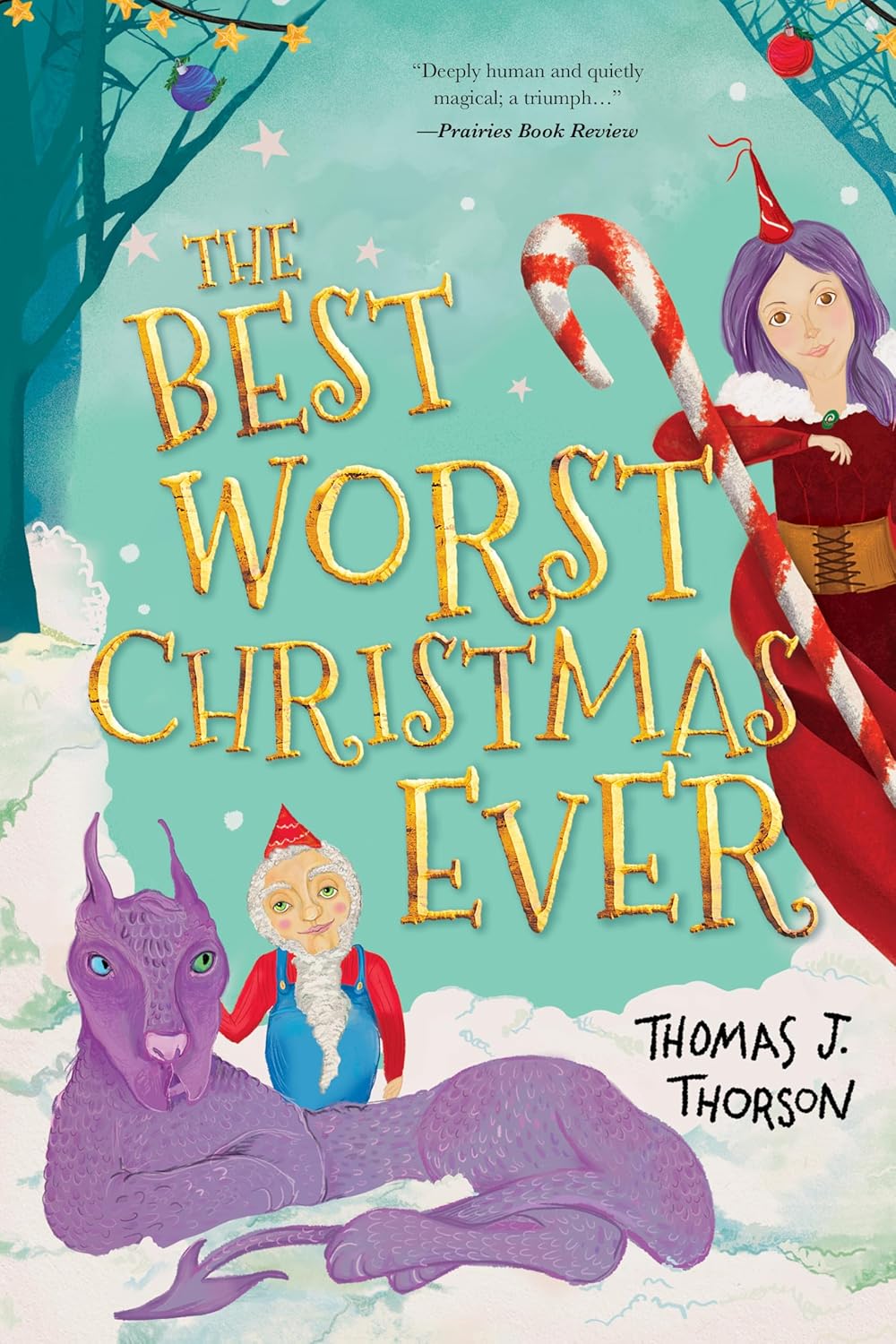
Thomas J. Thorson’s The Best Worst Christmas Ever begins as a simple snowbound family story and unfolds into something much more. Part adventure, part fairy tale, and part rediscovery of wonder. It starts with a family trapped by a blizzard on Christmas Eve, stripped of their digital comforts and forced to reconnect. A father and his three children, Parker, Candace, and little Lily, turn an ordinary night into an extraordinary one through shared imagination. What begins as storytelling by candlelight transforms into a magical journey involving Santa, fairies, lost treasures, and lessons about love, courage, and the true meaning of Christmas.
This book felt like it should be read by a warm fire while the world outside howled with snow. Thorson writes with a gentle humor and sincerity that caught me off guard. The story within a story, the family inventing a Christmas adventure together, reminded me of my own childhood, of times when imagination bridged every gap. The characters felt real, especially the father trying to keep the holiday spirit alive amid chaos. His patience, the kids’ bickering, and the messy dinner they invent, all felt honest and familiar. I liked how the writing never rushed. Each moment had room to breathe.
But what really surprised me was how emotional it became. There’s whimsy in the magic and humor in the dialogue, but there’s also depth. The story nudges you to think about connection, about how the simplest acts like sharing stories, and helping one another can turn a night of disappointment into one of wonder. I felt nostalgic, and a little wistful, reading it.
By the end, I found myself smiling. The Best Worst Christmas Ever isn’t flashy or cynical. It’s a small, heartfelt book that believes in kindness, family, and imagination. I’d recommend it to anyone who loves cozy stories with a touch of fantasy, parents reading aloud to kids, readers who still believe in a bit of Christmas magic, or anyone who just wants to feel good for a while.
Pages: 164 | ASIN : B0FM8HYSG1
Wondering At Big Things

The Last Ghost follows a man raised by his grandparents after his parents’ tragic death, who has a passion for technology and an understanding of business, leading him to live a successful but solitary life. What was the inspiration for the setup of your story?
That’s an interesting question. When I was a boy, my brother and I were sometimes left for extended periods with my paternal grandparents. The life they led was not all like the lives of our parents – they had different values and very different ways of viewing the world.
I loved being part of their world for even a short while – it was like stepping back in time and living a slower life. In its pace there was time for savouring small things and wondering at big things.
After my grandparents died that world was closed to me, but I never forgot its lessons. But what if I had? Worse, what if I had never been lucky enough to learn them in the first place? The realities of contemporary life – virtual connections in particular – can erode a sense of community, of belonging, of the responsibility to be considerate.
The idea of a full life as a true measure of a successful life appealed to me. I guess that was the inspiration for The Last Ghost.
Were you able to achieve everything you wanted with the character of Joshua Stewart in the novel?
What I wanted was to give the reader a picture of how Joshua developed and changed over nearly three decades of living. What I tried to do was to suggest the reasons for his actions – his ways of thinking, of applying both reason and desire to his actions.
My work is just the start, though. The reader’s imagination puts the real flesh on the bones. For sure, you need to give readers enough to go on, but its important to leave them room to think, to imagine, and to draw conclusions. If you fill in all the blanks, you preclude that from happening. Readers are like the audience of a play – indispensable to the story-telling.
What were some themes that were important for you to explore in this book?
First and foremost, our disconnected world. What happens to a person when the value and importance of the next person is lost through lack of human contact?
How does that disconnectedness wear away our ethics? How easy does it become to commit a small evil when you can’t begin to understand the human consequences?
How does one small evil lead to larger ones? And what is the cost to a person’s being?
What is the next book that you are working on, and when can your fans expect it to be out?
I am working on the fourth book in The Scandalous Memoirs of General John Torrance series of historical fiction adventures. The working title is Jack and Will and I’m hoping that it will be published in late December.
Author Links: GoodReads | Facebook | Website
Josh’s family dwindles away and his real friends become his employees. His social life becomes nocturnal and empty of real meaning. He an otherwise solitary life, making more money than he needs, and facilitated by every modern convenience.
But there comes an unexpected occurrence, one that radically changes Josh’s needs and purpose.
Medusa: Or, Men Entombed in Winter
This book hit me in ways I didn’t expect. Medusa follows Peter and his daughters as they flee from something dark and unspoken, snow chasing them the whole way. At first, it feels like a family story. A man on the run, a diner breakfast, a reunion with a father he barely knows. But then it starts flipping back in time, and suddenly we’re deep in the cold heart of academia, with radical college students, cult-like movements, and ideas about truth, power, and rebellion that start out philosophical but turn dangerous. It’s part thriller, part tragedy, and part fever dream about how ideas can twist people up until they can’t tell the difference between salvation and destruction.
I’ve gotta say, I didn’t expect the writing to be this sharp. Farnworth’s style feels cinematic, like you can see every snowflake, every cracked diner mug, every shiver of guilt and paranoia. He writes winter so well that I swear I felt cold reading it. The dialogue’s raw and real, especially between Peter and his kids. It’s tender and sad and kind of haunting. But the college sections? Those got under my skin. The way Meddy talks, so sure of herself, so magnetic, it reminded me of that one person in college who could talk you into anything. I loved how the book didn’t tell me exactly what to think about her or Peter; it just dropped me into their choices and let me sit in the mess with them.
Honestly, there were times it made me mad. I wanted to shake the characters, tell them to stop before they burned it all down. But that’s what made it work for me. It’s messy and uncomfortable and feels real, even when it’s surreal. I liked how it asked big questions without pretending to have big answers. It’s about belief, guilt, the weird ways people chase meaning, and how sometimes we destroy what we love trying to make sense of it all.
Reading Medusa felt a lot like diving into Donna Tartt’s The Secret History, that same haunting mix of intellect, obsession, and the slow, beautiful unraveling of people who think they’re smarter than their own downfall. If you like stories that start small and snowball into something much bigger, something that rings in both your heart and your head, this book’s worth your time. It’s for readers who like dark winter tales and flawed, complicated people.



 LITERARY TITAN