Blog Archives
Facing the Evil in Our Own Hearts

Spider Seeds follows a successful author who finds what seems like the perfect houseplant to add to her new home; however, she never suspects the deadly secret that lies within its foliage. What was the inspiration for the setup of your story?
The idea for Spider Seeds began with a nightmare I had around 2015. In this dream, I watched a garden where plants were growing in time-lapse speed. Instead of flowers, the bulbs sprouted spiders. I woke up both awed and creeped out, thinking, “I need a plot to hang this concept on!”
Two short stories cast their shadows over this work: Prey by Richard Matheson and Battleground by Stephen King. So, instead of a Zuni Fetish Doll or a box of plastic army men, I chose one of those haunting spider seeds from my dream to wreak havoc in someone’s condo.” — from the Author’s Note to Spider Seeds.
Madison is a fascinating character with considerable depth. What scene was the most interesting to write for that character?
Thank you—I really enjoy writing about her. I have especially fond memories of living in Victoria, British Columbia, and I sometimes miss it, so writing Chapter One was particularly meaningful. In that scene, Maddy walks through James Bay, past the Inner Harbour, along Government Street, and finally into Fan Tan Alley. Experiencing the city again through her eyes made the scene especially vivid and personal. More than that, it was in writing that chapter that Maddy truly came to life for me. By the end of it, I understood what she wanted out of life—and how her desires would shape not only her objectives in each scene but also the tactics she’d use to pursue them.
I felt that Spider Seeds delivers the drama so well that it flirts with the grimdark genre. Was it your intention to give the story a darker tone?
That’s an interesting question. Collins Dictionary defines Grimdark as “a genre of fantasy fiction that portrays amoral or morally ambiguous characters engaged in violent struggles in dystopian environments.” I didn’t set out to write Spider Seeds in that genre, but I can understand why it might feel that way. The story confronts dark themes and emotional intensity, but its core is not about moral ambiguity or despair—it’s about facing the evil in our own hearts and choosing to overcome it.
My influences come more from the Romantic and Victorian periods of English literature. Writers like William Wordsworth and Percy Bysshe Shelley gave me permission, so to speak, to write emotionally, drawing from my memories of Victoria, BC. In his Preface to Lyrical Ballads, Wordsworth’s idea of poetry as “the spontaneous overflow of powerful feelings… recollected in tranquility” spoke to me and inspired me in how I wrote about Maddy’s quiet moments, such as her walks through downtown Victoria or along Dallas Road. These scenes are rooted in that Romantic sensibility.
Spider Seeds also draws from the Gothic, a branch of Romanticism that explores how the past haunts the present—think Dracula, where ancient evil intrudes on modern London, or The Castle of Otranto, where young Isabella flees to a church after her father-in-law, an old man, attempts to marry her following his son’s death. Maddy’s trauma from her youth resurfaces in many ways. The story includes other Gothic elements as well: the atmospheric presence of Victoria’s heritage buildings, the Janicker women’s mysterious legacy of guarding an ancient spider in plant form, the consequences of dismissing old rituals as mere superstition, and the idea of psychological inheritance passed through pain rather than blood.
There’s also a quiet thread of Victorian sensibility reflected in the moral, spiritual, and social questions that shape Maddy’s inner world. That’s why her cat is named George, after George Eliot, and why Wuthering Heights appears in the prologue. These literary traditions don’t define the story, but they’ve certainly helped shape it. Spider Seeds may carry a darker tone at times, but it’s a story that I hope is told with hope, emotional honesty, and a clear moral framework.
I didn’t write Spider Seeds to revel in the darkness but to walk steadily toward the light.
What is the next book that you are working on, and when can your fans expect it to be out?
I’m currently working on the sequel to Spider Seeds, which is tentatively scheduled for release in fall 2025. Interestingly, the review from Literary Titan said, “I felt that a few narrative beats, like the mythos surrounding the plant and the shop’s family legacy, felt rushed. I wanted just a little more from the ending.” That feedback didn’t surprise me—in fact, I’d already begun expanding on those very elements in two companion books.
The first is a prequel titled She Who Hunts: The Tale of T’lejhánka, a 66-page illustrated chapbook that reads like a dark fairy tale. It explores the ancient origins of the mysterious plant from Spider Seeds, providing a closer look into its mythos and symbolic meaning. You can find it on Amazon here: https://a.co/d/bYyEkWp
The upcoming sequel (title to be revealed in spring or summer 2025) will dive even further into the Janicker women’s legacy and their role as custodians of the plant. Readers will uncover where the T’lejhánka came from, why it crossed into our world, and how Maddy might play a role in returning it to the realm it belongs to—if she can survive the journey.
If you’d like to be the first to know about cover reveals, release dates, exclusive previews, and behind-the-scenes notes from the world of Spider Seeds and more, I invite you to subscribe to my newsletter here: https://mailchi.mp/4e8d9fccd0a6/thank-you
Author Links: GoodReads | Facebook | Website | Amazon
When Madison Perth adds what seems like the perfect houseplant to her new home, she never suspects the deadly secret that lies within its foliage: a vicious spider, hungry for human prey. Now, trapped in her beachfront condo, Madison must fight for survival as the relentless terror closes in.
Spider Seeds delivers heart-pounding suspense and claustrophobic tension that will leave you breathless. If you loved A Quiet Place or Love and Monsters, this gripping thriller will keep you turning pages.
Prepare for the deadly harvest of… SPIDER SEEDS.
Woman in the Abbey
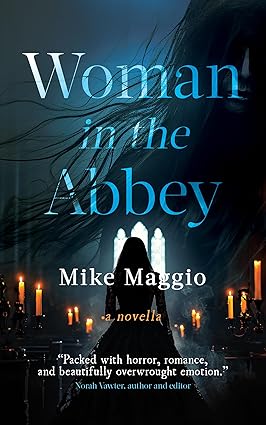

Woman in the Abbey is a rich and relentless gothic tale, told in a voice that’s both seductive and sinister. The novel spins a dark fable about temptation, regret, faith, and the blurred line between good and evil. The story is narrated by a voice we eventually come to recognize as infernal—Lucifer himself—who recounts a centuries-old cycle of suffering, fear, and tragic desire, all centered around a decaying abbey haunted by the sins of its cloistered inhabitants. Two women—Perdita and later Graziella—are pulled into the abbey’s clutches, and their stories unfold with dread, horror, and strange tenderness. The narrative is drenched in fire and shadow, full of rich, lyrical descriptions and emotional torment, while Lucifer himself wrestles with an aching, impossible longing for love and redemption.
The writing is intense—florid, poetic, deliberately archaic at times—and it works, because the story needs to feel like a fever dream. Maggio clearly delights in language, and he lets the sentences unfurl like dark ribbons, twisting into corners you didn’t see coming. I found myself rereading lines out loud just to let the rhythm hit. That said, the style won’t be for everyone. It’s indulgent, dense, and sometimes over-the-top, but honestly, that’s part of the fun. The narrator is a fallen angel who wallows in tragedy, so of course, he’s going to be melodramatic. But the emotional core, his longing, his regret, his unholy desire to be seen, is real and even moving. There were moments when I pitied him, hated him, and rooted for him, all at once.
What really got me was how Maggio managed to make this ancient villain feel heartbreakingly human. I didn’t expect to feel so much for a character that’s supposed to be the embodiment of evil. And Graziella—sweet, terrified, resilient Graziella—she felt like a candle flickering in the dark. Her struggle to escape, her confusion, her faith, all hit harder because we see it through the eyes of someone who both adores and threatens her. The abbey itself feels alive, crumbling and grotesque, a character in its own right. Sometimes the horror is physical, other times it’s spiritual or emotional, but it’s always there, pressing in. The book doesn’t give easy answers or tidy arcs. It leaves you rattled, unsettled, but also weirdly satisfied.
I’d recommend Woman in the Abbey to anyone who loves gothic fiction, horror with a heart, or stories that sit in your gut long after you’ve closed the book. It’s for readers who like to get lost in dark places—not just spooky ones, but the kinds lit by flickering candles and lined with grief. If you want atmosphere, emotion, and a narrator who’ll charm and repulse you in equal measure, this book will stick to your bones.
Pages: 134 | ASIN : B0DMNG21RT

JAQUEJAW: A Horror Story


JaqueJaw is a chilling tale that blends genetic science, backwoods folklore, and psychological unraveling into a brutal and oddly poetic horror story. The novel follows the gruesome rise of a monstrous creature, the Jaquejaw, engineered deep in the woods of New Jersey by a broken, brilliant man named David L. Bardd. With childhood trauma, a twisted fascination with chaos, and unchecked scientific ambition fueling him, Bardd becomes obsessed with creating the ultimate predator. The story unfolds in a fragmented, fever-dream structure, alternating between past and present, visions and reality, offering a tapestry of madness, myth, and gore as Bardd’s beast is unleashed on hikers, townsfolk, and, ultimately, himself.
I liked the writing style. It’s raw, jagged, and often poetic. Hanson’s prose doesn’t play it safe. Sentences dart, stutter, and roar just like the monster they describe. One page feels like a nightmare; the next, a tragic journal entry. There’s a strange beauty in the horror, especially in Bardd’s hallucinations and his descent into isolation and obsession. The Jaquejaw is more than a monster. It’s a metaphor for guilt, trauma, and the madness of unchecked genius. Hanson doesn’t just want to scare you; he wants you to squirm, reflect, and maybe even feel a little sorry for the monster and its maker.
This book is not an easy ride. It’s dense. It veers off into tangents. Characters sometimes feel like sketches pulled from a dream, not fully real, just symbols or shadows in Bardd’s spiraling mind. But somehow, that works. It makes you feel like you’re in a warped fairytale told through the mind of someone unraveling. Still, I found myself wishing for more grounding at times. The horror is vivid and unrelenting, viciously imaginative, but the emotional weight is what lingers. Bardd’s loneliness and the strange tenderness he sometimes shows is the reason why Jaquejaw stuck with me.
JaqueJaw is brutal, weird, and doesn’t hold your hand. But for fans of horror who appreciate raw, unfiltered storytelling and want something with psychological bite beneath the blood and teeth, this book delivers. It’s like Frankenstein meets The Thing with a heavy splash of hallucinogenic dread. If you like your horror loud, sad, and just a little too close to home, then JaqueJaw might just burrow into your brain and stay there.
Pages: 157 | ASIN : B0DW3MSMVW

Hummingbird Moonrise, Book 3 of Murder, Tea, and Crystals Trilogy
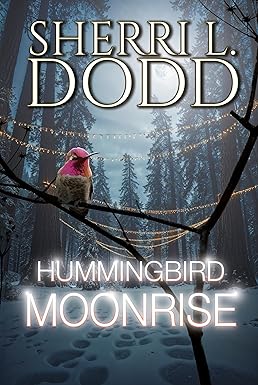
Hummingbird Moonrise opens with a historical bang with a hauntingly dark and emotional prologue set in 1940s California. It traces the grim consequences of a man’s violent choices, the echoes of which reverberate through five generations. We’re introduced to a family curse born from vengeance and sustained by ritual, tragedy, and an unshakeable belief in the power of dark magick. From there, the story weaves between timelines, following Arista Kelly, a modern-day woman grappling with supernatural inheritance, witchcraft, and an old stone tablet that may seal her family’s fate. Part cozy mystery, part witchy thriller, it blends murder, magic, family trauma, and healing in a way that’s both suspenseful and tender.
What struck me most about Dodd’s writing was the way she mingles the everyday with the mystical. One minute, characters are sipping tea or feeding stray cats; the next, they’re channeling spirits or breaking into homes to investigate arcane symbols. I appreciated the humor that peeked through, especially Auntie, whose wit and warmth anchor many of the darker moments. The voices feel distinct, the pacing surprisingly tight despite the multi-generational sprawl, and the dialogue sings with emotional truth. The way Dodd writes female relationships—particularly between Arista and her Aunt—is just beautiful. There’s a lived-in realness to their bond that made me care about what happened to them far more than I expected from a story with spells and curses.
The shifts in tone—moving between drama, horror, humor, and a touch of paranormal whimsy—were bold and creative. A few sections leaned more into exposition, which briefly slowed the momentum. The supernatural elements are intriguing and imaginative, and the atmosphere was rich, the stakes personal, and the themes like grief, redemption, and inherited pain rang true. Dodd clearly cares deeply about these characters, and that care spills onto the page.
I was moved. Not just by the tragic past that hangs over the Kelly family, but by the hope that emerges through Arista’s strength. This is a book for those who like their witch stories intimate, their mysteries character-driven, and their fiction laced with emotion and weirdness in equal measure. If you enjoy Alice Hoffman’s Practical Magic, but wish it had a bit more grit and ghost stories, Hummingbird Moonrise might just be your cup of tea. Or maybe your crystal-infused moon water. Either way, it’s worth the read.
Pages: 304 | ASIN : B0FB5QV948
Revived

Barbara Avon’s Revived is a haunting and deeply emotional psychological horror novel that explores love, trauma, and the supernatural through the eyes of a tormented couple, Cassie and Steven. Set initially in a gloomy, century-old house with a chilling past, the story quickly spirals into something far darker when Steven dies in a tragic accident, only to be revived. What follows is a slow, dread-soaked descent into psychological chaos as Steven’s return blurs the lines between life and death, love and obsession, memory and madness. Through atmospheric prose and shifting perspectives, Avon crafts a tale where the scariest monsters might just be the ones we carry inside.
To be honest, this book shook me. The writing is sharp and poetic. Avon doesn’t flinch from digging deep into the murky waters of mental illness, trauma, and grief. Her characters feel painfully real, especially Cassie, who’s written with a rawness that made my chest tighten. At times, the prose borders on lyrical, and that contrast—beauty laid over horror—makes it all the more unsettling. I appreciated that this wasn’t a traditional horror story with jump scares. Instead, it’s a slow burn, a psychological unraveling that lingers in your head long after the last page. Avon’s portrayal of intimacy, both emotional and physical, walks a razor’s edge between sensuality and vulnerability, adding a deeply human layer to the supernatural tension.
But here’s the thing: this book isn’t easy. It’s uncomfortable. Disturbing. It’s full of trauma that’s never neatly resolved. The ambiguity can be frustrating—what’s real, what’s hallucination, what’s supernatural—but I think that’s the point. You’re meant to feel off-balance. Still, I had moments where I felt emotionally wrung out and had to step away. That said, I kept coming back. The pacing could be a little uneven at times, and there’s a surreal quality that might not work for every reader. But if you give it your trust, it pays off with a visceral, deeply affecting experience.
Revived is not for the faint of heart. It’s for readers who want more than a thrill—they want to be unsettled, to feel something. I’d recommend it to fans of psychological horror who aren’t afraid of stories that peel back skin to reveal the mess underneath. If you like Shirley Jackson, early Stephen King, or Gillian Flynn’s darker narratives, this book might just crawl under your skin in the best ways.
Pages: 141 | ASIN : B09WZDDPVM
Literary Titan Gold Book Award: Fiction

The Literary Titan Book Award honors books that exhibit exceptional storytelling and creativity. This award celebrates novelists who craft compelling narratives, create memorable characters, and weave stories that captivate readers. The recipients are writers who excel in their ability to blend imagination with literary skill, creating worlds that enchant and narratives that linger long after the final page is turned.
Award Recipients
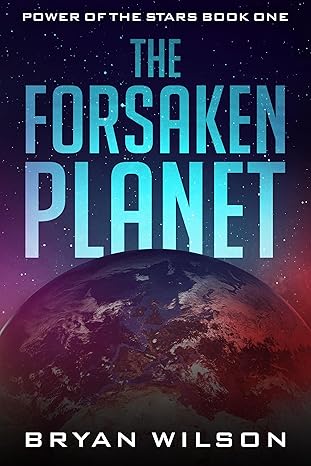

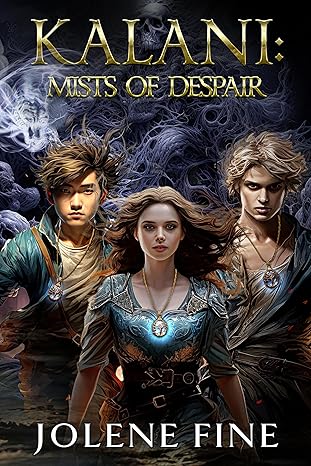
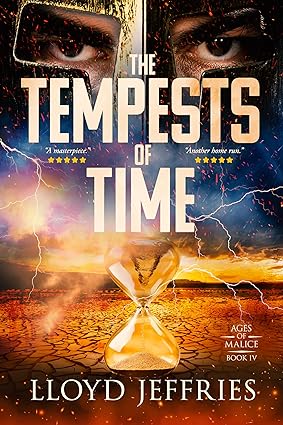


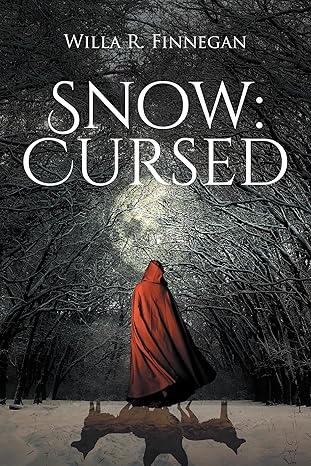
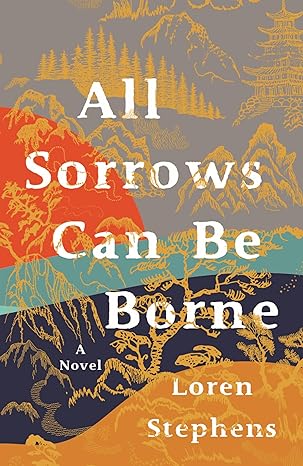


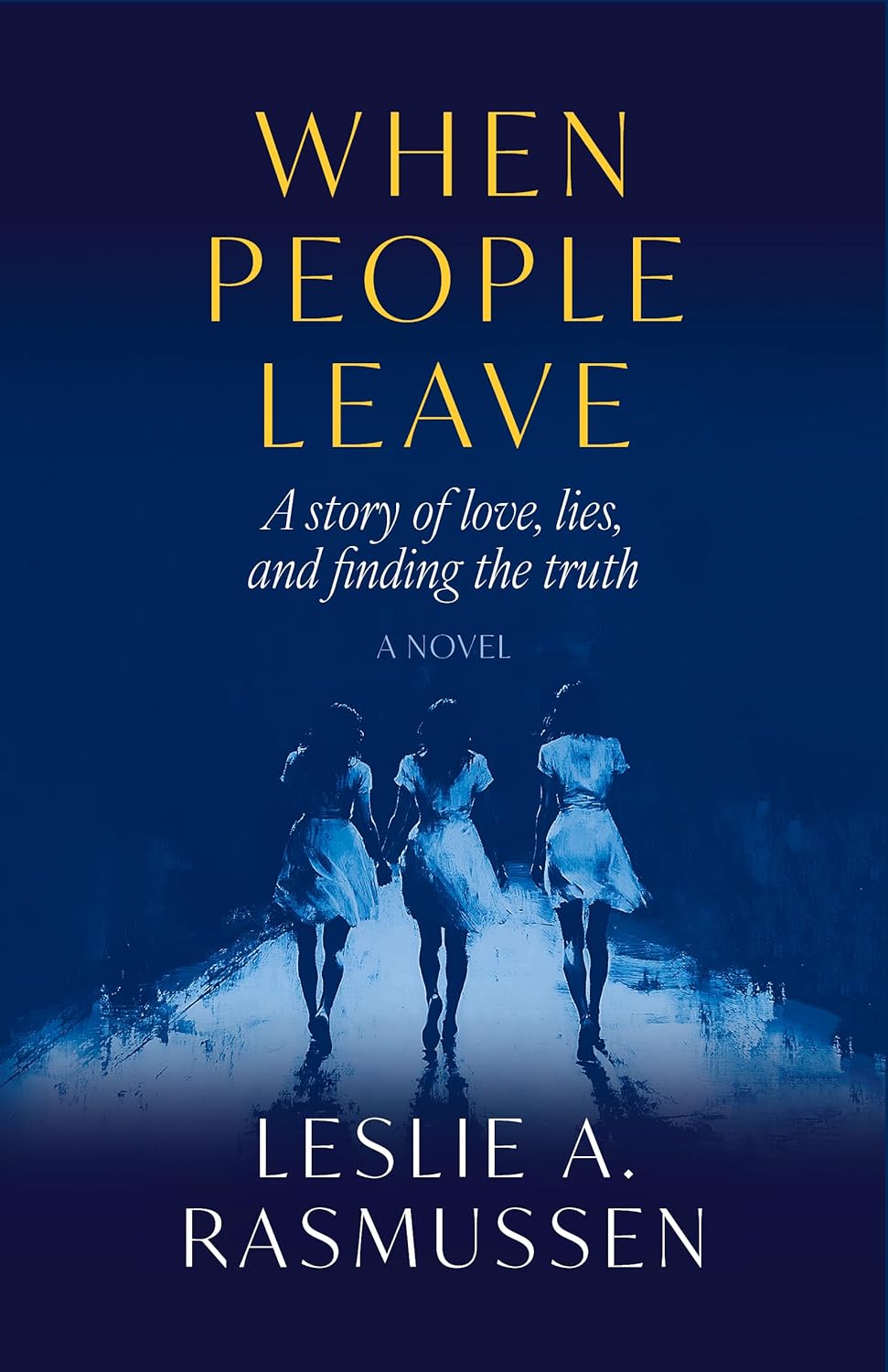

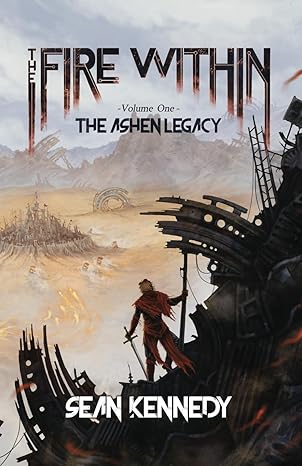


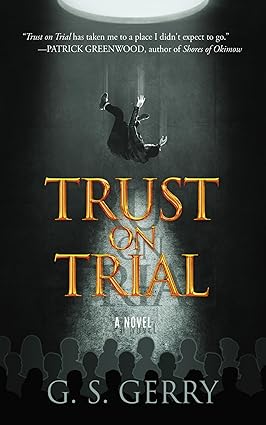

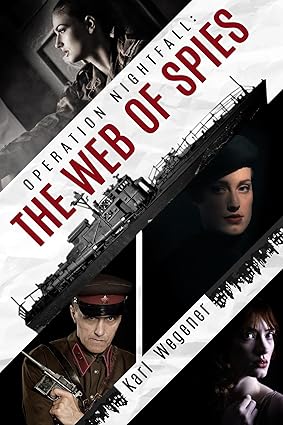


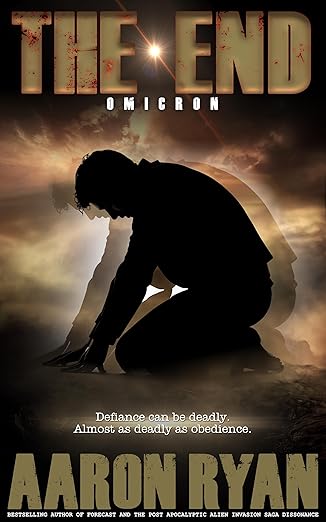
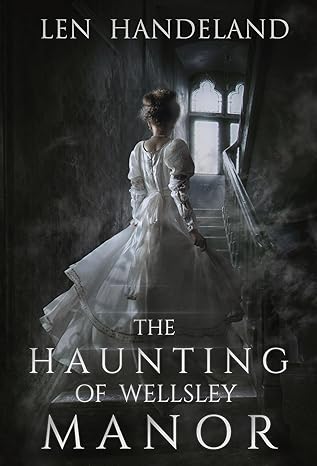
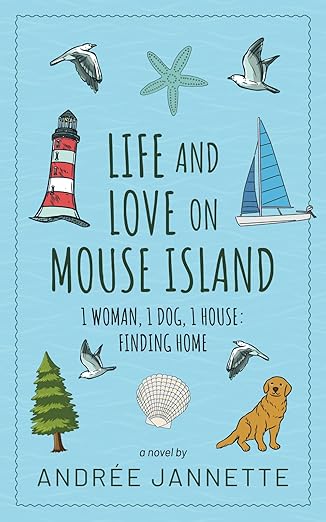


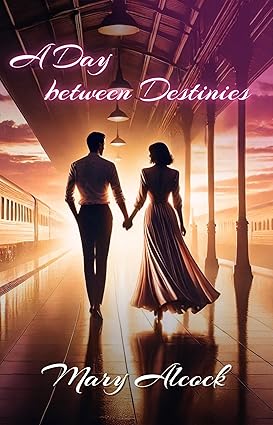
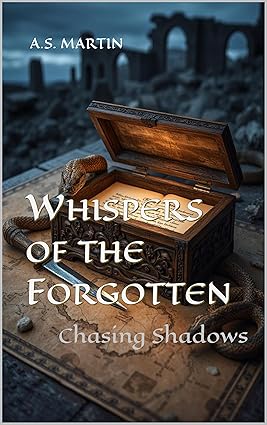


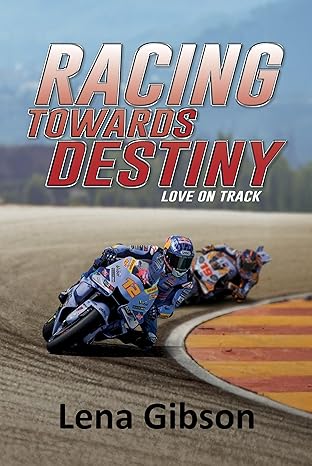

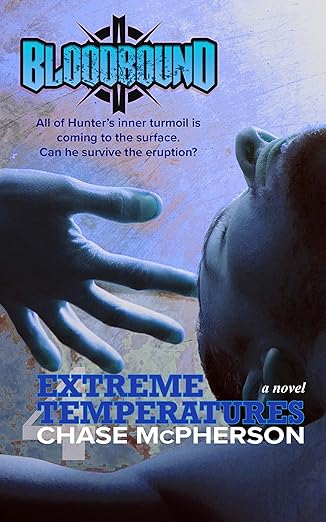


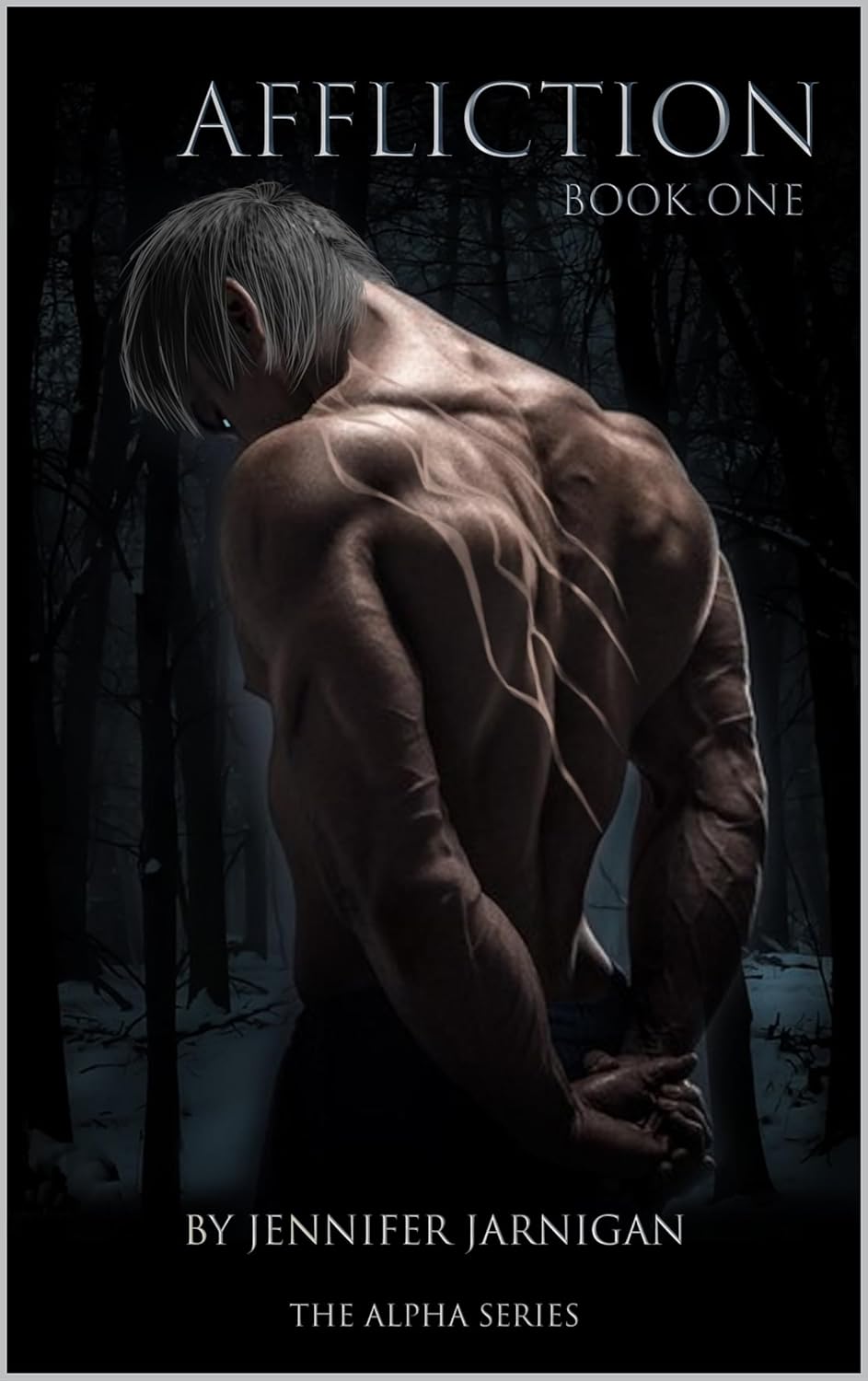


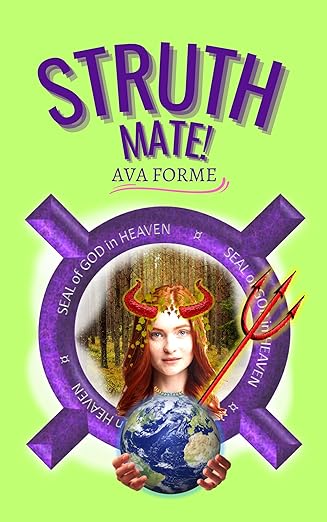


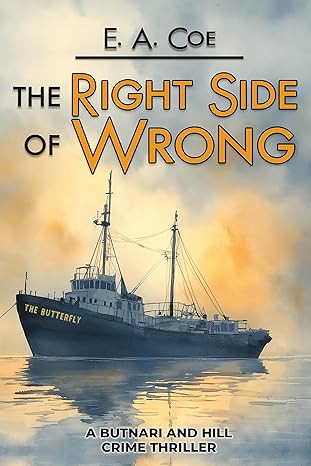
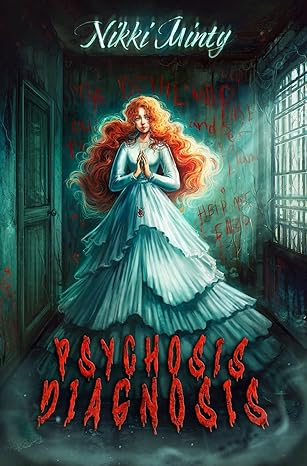
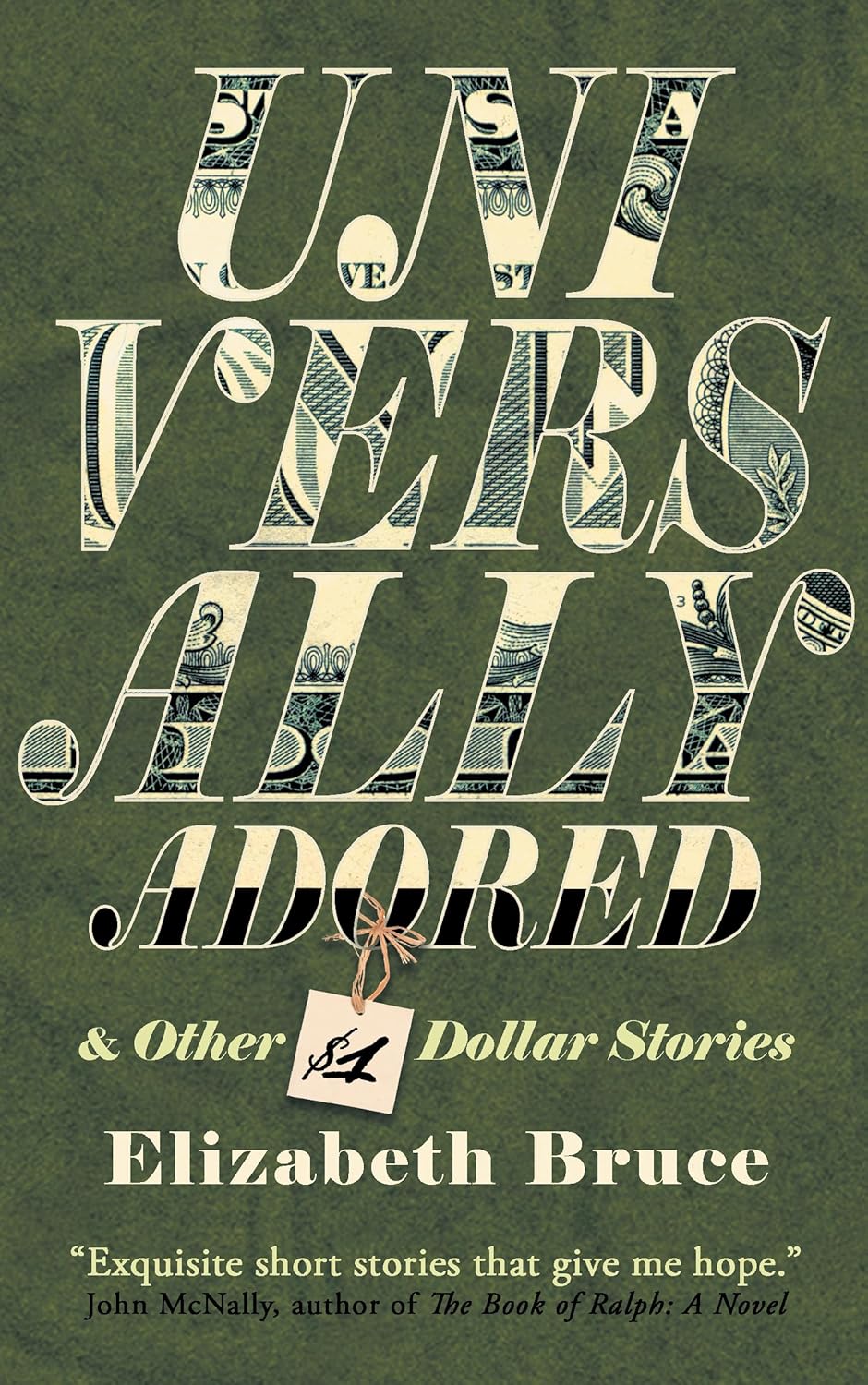


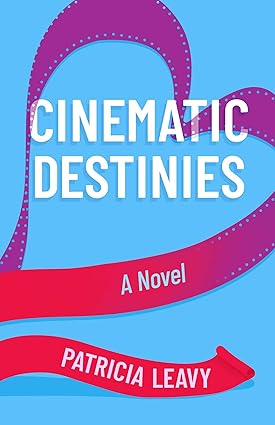



Finding Manhood in Scotland by Victor Atyas
Viper Island by Cameron K. Moore
The Ballad of Midnight and McRae by Jess Lederman
Visit the Literary Titan Book Awards page to see award information.
Literary Titan Silver Book Award
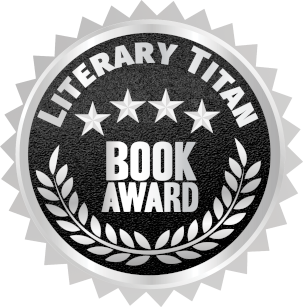
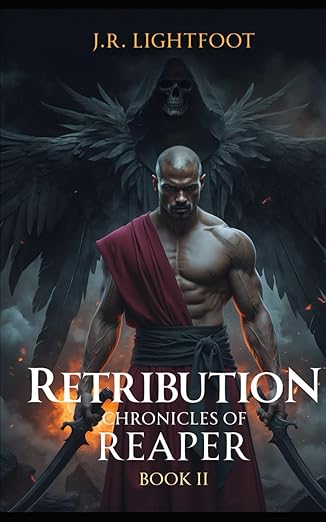
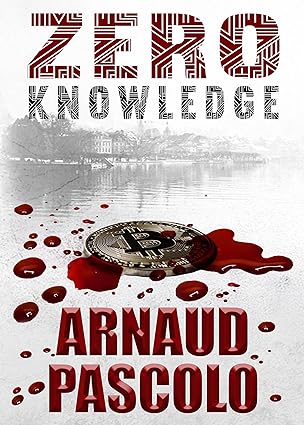
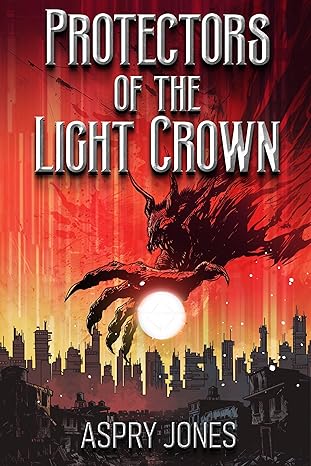
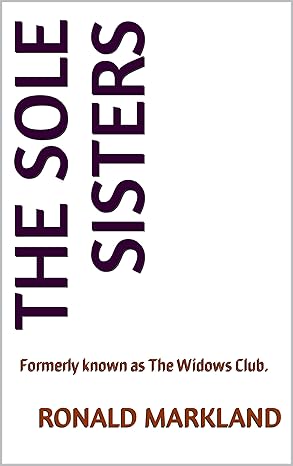
Celebrating the brilliance of outstanding authors who have captivated us with their skillful prose, engaging narratives, and compelling real and imagined characters. We recognize books that stand out for their innovative storytelling and insightful exploration of truth and fiction. Join us in honoring the dedication and skill of these remarkable authors as we celebrate the diverse and rich worlds they’ve brought to life, whether through the realm of imagination or the lens of reality.
Award Recipients
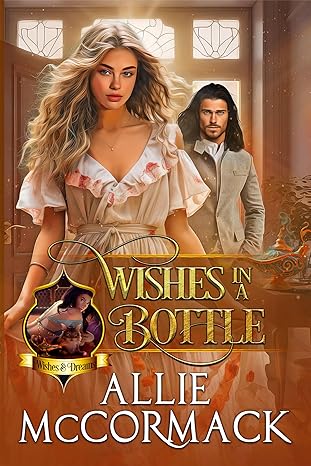


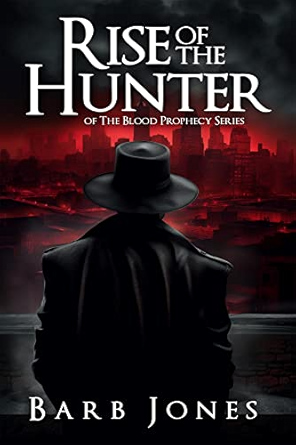
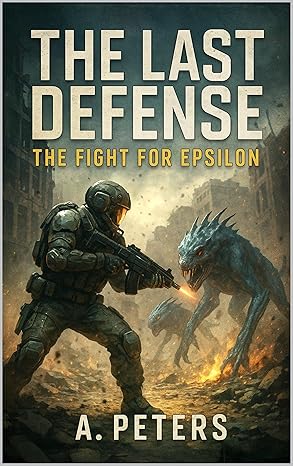
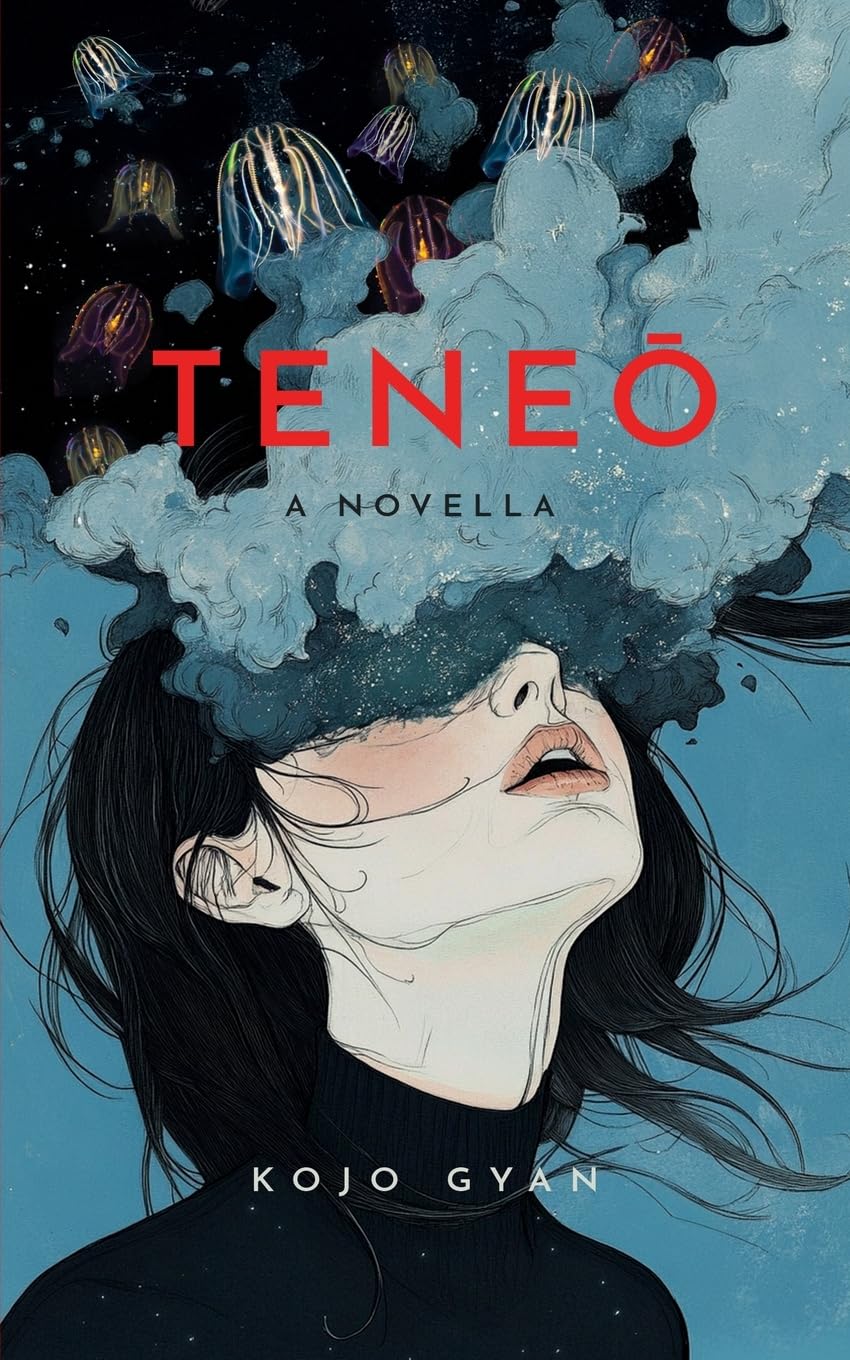
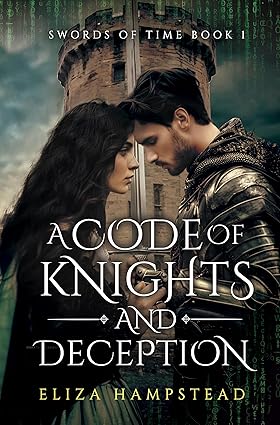


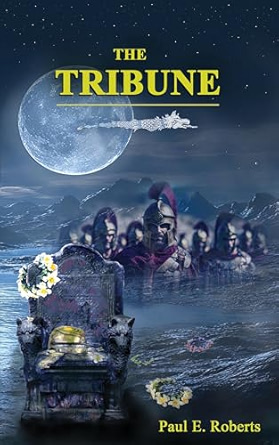
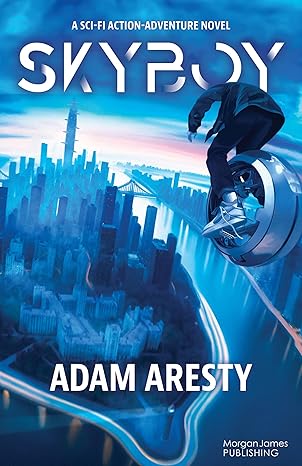



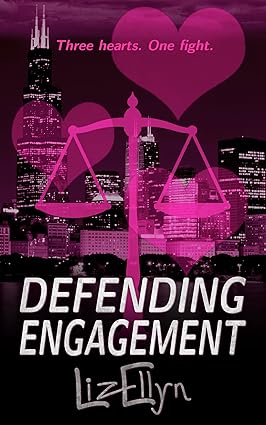


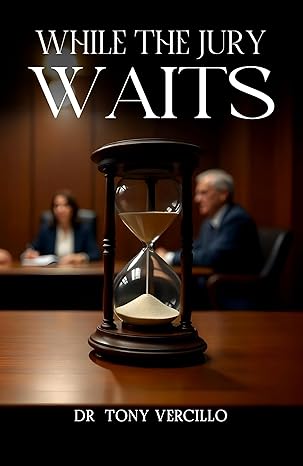


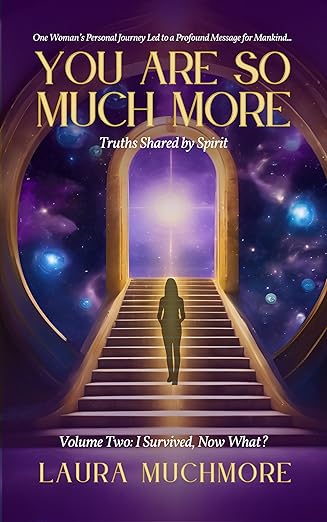


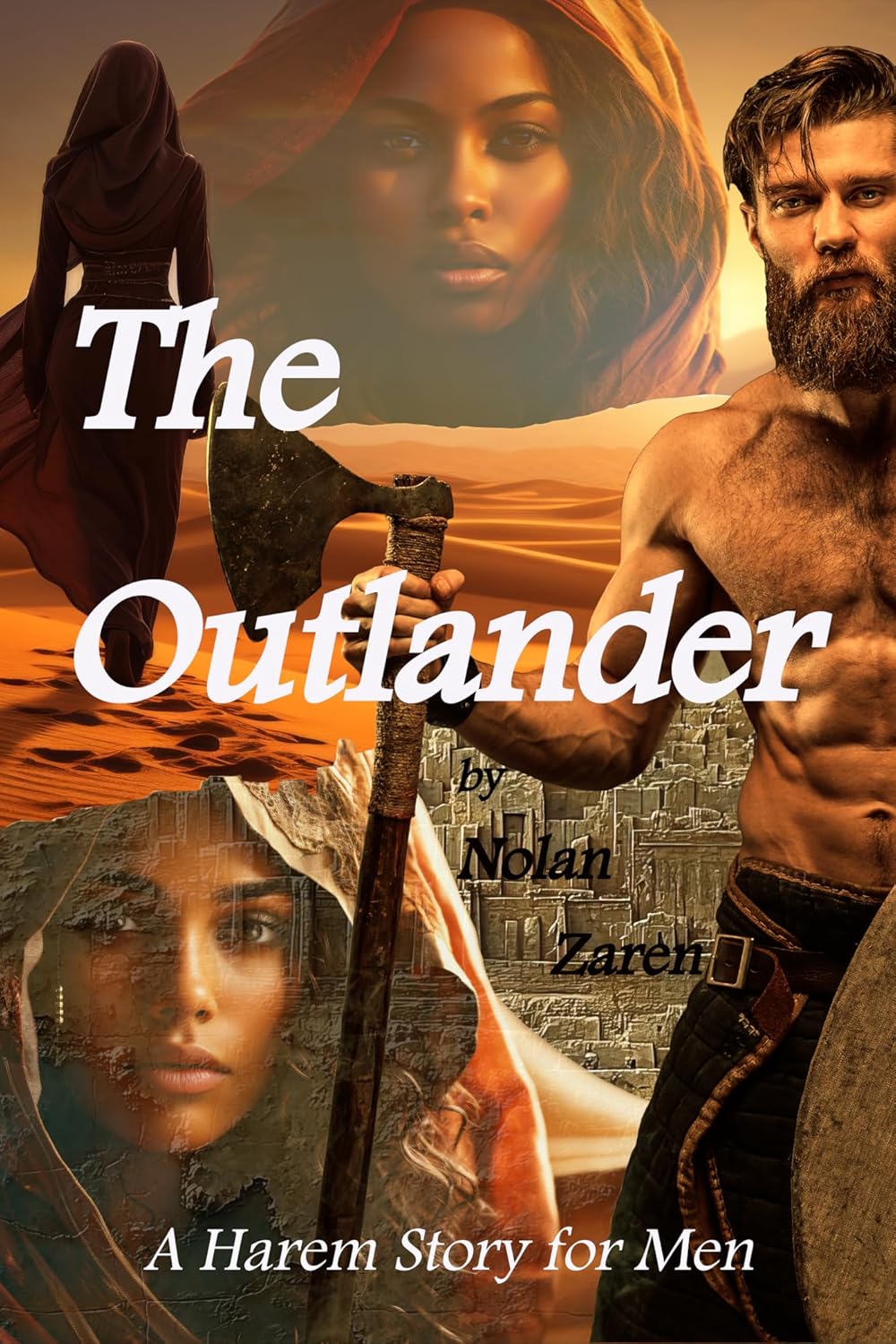
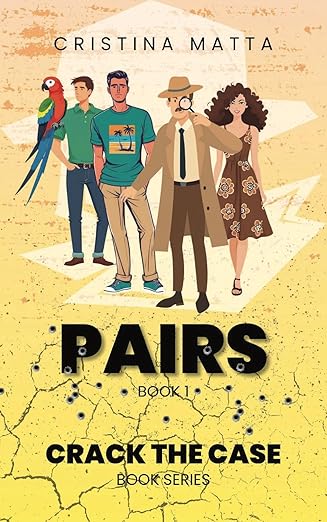






Visit the Literary Titan Book Awards page to see award information.



 LITERARY TITAN