Blog Archives
Bridging the Gap

In Youth Truth, you reflect on the students you encountered as a school resource officer, the crises they faced, and the adults who reached out to them. Why was this an important book for you to write?
This book was never just a book for me—it was a responsibility.
As a School Resource Officer, I saw kids carrying far more than they should have to—those slipping through the cracks, those acting out because they didn’t have the words, and those who looked fine but were struggling in silence.
What stayed with me is this: it’s rarely the big interventions that change a life—it’s one adult, one moment, one question asked the right way.
But I also saw good parents, teachers, and mentors who cared deeply and still didn’t feel equipped to reach these kids. Conversations were being missed—not from a lack of care, but a lack of confidence and tools.
That’s why I wrote Youth Truth: Engaging in Conversations That Can Change Lives.
I wanted to bridge that gap—turn real, front-line experiences into something practical people can actually use when it matters most.
Because I’ve lived this truth: connection heals what correction can’t.
And too many moments are being missed—sometimes with consequences we can’t take back. This book is about helping more adults show up in those moments, because one brave, genuine conversation doesn’t just change a moment—it can change, or even save, a life.
Stories like Jon’s imagined meal or Jane’s struggle with addiction are deeply affecting. How did you choose which stories to tell?
Those stories stayed with me long after the moment passed—that was my first filter.
I chose stories that represented patterns I saw over and over again: youth feeling unseen, unheard, or carrying pain they didn’t know how to express. I also chose ones that reflected different kinds of struggle, so more readers could see a piece of someone they love—or themselves—in those pages.
And I was intentional about this: every story had to serve a purpose. Not just to move people emotionally, but to help them understand what’s really going on beneath the surface and how they can show up differently.
Because these aren’t just stories—they’re windows into moments where the right response could change everything.
Did you ever feel tension between letting stories speak for themselves and explaining their lessons?
Absolutely—there was a real tension there.
The stories are powerful on their own, and I never wanted to over-explain or take away from their truth. But I also knew that if I left them without guidance, some of the most important lessons could be missed—especially for adults who are already unsure how to navigate these moments.
So I was intentional about both: letting the stories be felt, and then giving just enough insight and practical takeaways to help readers actually use what they just experienced.
Because for me, this book wasn’t just about telling stories—it was about making sure those stories lead to action, better conversations, and real connection when it matters most.
What did you most want readers to understand about youth in crisis?
More than anything, I wanted readers to understand that youth in crisis aren’t trying to be difficult—they’re trying to be understood.
What looks like anger, withdrawal, or defiance is often pain, fear, or confusion they don’t have the words for yet. And too often, we respond to the behavior instead of the need underneath it.
If adults can pause, get curious, and lead with connection instead of correction, everything shifts.
Because at the core of it, most youth in crisis aren’t pushing people away—they’re quietly asking, “Will someone see me, hear me, and stay?”
Author Links: Facebook | Website
This gripping book delves into the raw, unfiltered world of today’s youth. Their lives are way more complex than most realize. It is a compelling and poignant exploration of the challenges faced by young souls, bringing to light the often overlooked and misunderstood battles they fight.
In Youth Truth, discover the essential guide to navigating the tough conversations that matter most to today’s youth. This compelling narrative empowers parents, educators, and mentors to approach sensitive topics with empathy and understanding, creating safe spaces where young voices feel valued and heard. From the haunting realities of suicide and bullying to the silent battles of eating disorders, this book unveils the raw struggles faced by a generation yearning for connection.
Written by a retired law enforcement officer and School Resource Officer, Youth Truth is more than just a collection of stories; it is a clarion call for compassionate dialogue. Learn the right questions to ask and how to engage meaningfully with the youth in your life. By fostering open conversations, you can profoundly impact their lives, helping them navigate their challenges with resilience and strength. Join the movement to bring understanding and compassion to the forefront of youth engagement.
The Worry Whisper
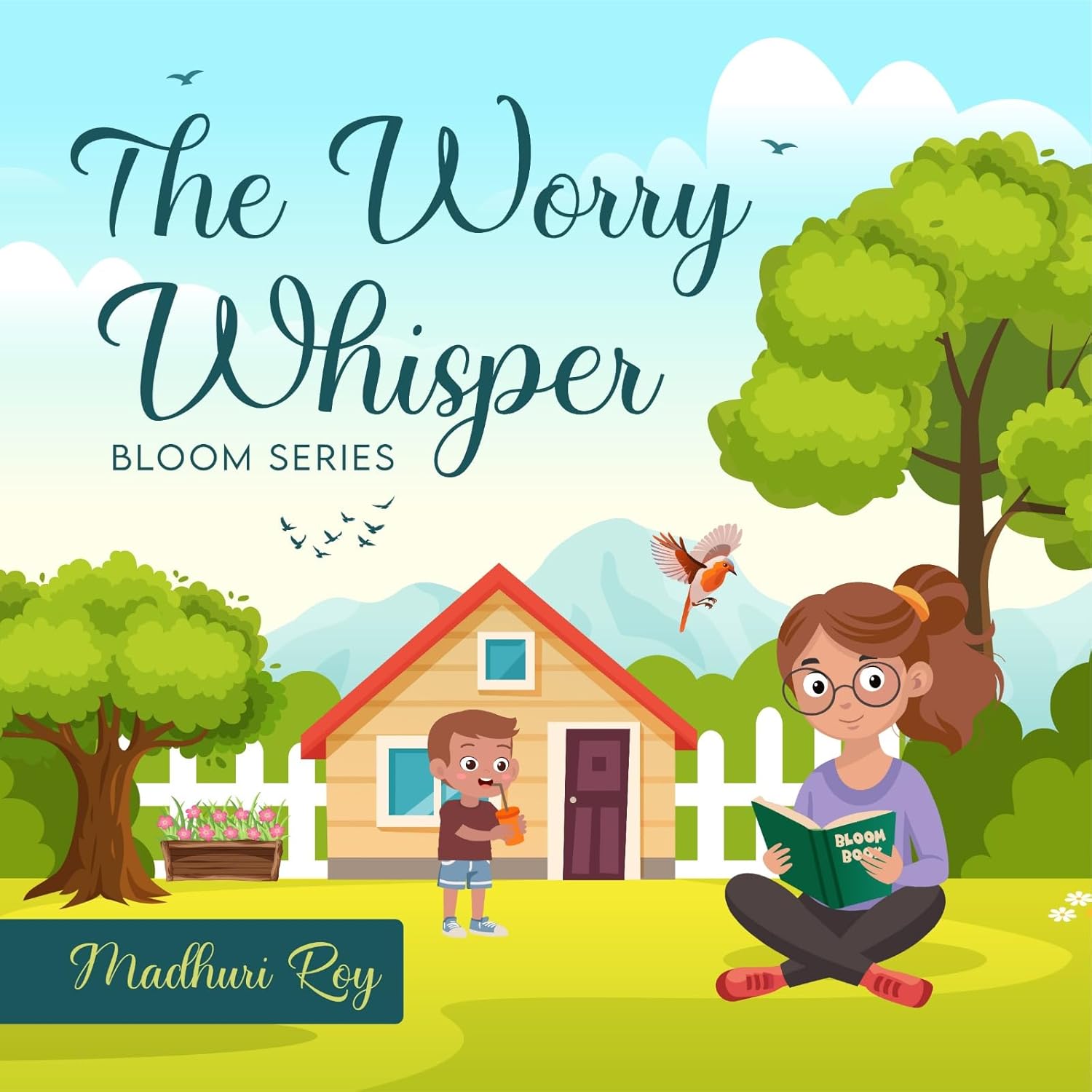

The Worry Whisper is a gentle picture book about Aarya, a child unsettled by the prospect of reading aloud in class, and the way her anxiety slowly shifts shape through love, language, and a little family wisdom. What begins as a vague flutter on a quiet Sunday becomes something more pointed as she imagines stumbling over words, losing her voice, or being laughed at. The book follows that inward tightening with unusual patience, then offers Aarya a way through it by turning worry into an image she can hold: a small bird that whispers because something matters. By the time she stands in front of her class, remembers Grandma Bloom’s counsel and Kiyan’s goofy, liberating “Mess up. Survive,” the story has moved not toward the banishment of fear, but toward a calmer companionship with it.
What I liked most is that the book doesn’t treat worry as a villain to be defeated. It gives anxiety a body, a rhythm, a texture. That fluttering bird in Aarya’s chest is a lovely metaphor because it feels accessible for a child, but it also rings emotionally true for an adult reader. So many books about fear rush to reassurance, but this one lingers in the discomfort long enough to honor it. Aarya’s dread feels real when she worries that her voice might hide forever, and the relief feels earned because the book never asks her to become fearless. It only asks her to listen kindly, breathe, and keep going. That’s a wiser and more humane idea than the usual tidy lesson.
The writing is soft, repetitive in a purposeful way, and often quite musical. The prose leans on breath, whisper, flutter, and hush, and that gives the book a soothing cadence that suits its subject. It’s genuinely lovely, especially when the whisper softens “like wings coming to rest,” or when Aarya realizes, with quiet astonishment, that the words are still hers. I also appreciated the tonal counterweight provided by Kiyan, whose juice-box raspberries, upside-down noodly antics, and shouted encouragement keep the book from floating away into pure gentleness. The artwork has a soft, comforting brightness that fits the story beautifully, using warm scenes and emotive characters that will capture a child’s eye while parents read.
The Worry Whisper is touching, emotionally intelligent, and more thoughtful than many children’s books about anxiety. I admire the way it frames courage not as the absence of fear, but as the decision to speak while fear is still in the room. The reflective questions and notes to adults at the end extend that idea nicely, opening the story into conversation rather than sealing it shut with a moral. I’d especially recommend it for children who feel overwhelmed by performance anxiety, school nerves, or big invisible feelings, and for caregivers or teachers who want language that is gentle without being evasive. It’s a small book with a tender, steady heart, and it knows exactly who it’s trying to comfort.
Pages: 38 | ASIN : B0GMDPPXT2

Youth Truth: Engaging In Conversations That Can Change Lives


Youth Truth is a compassionate and story-driven work of nonfiction in which author Carlamay Sheremata, drawing on her years as a school resource officer, reflects on the lives of young people standing at the edge of crisis and the adults who either reach them or fail to. The book moves through a series of case-based chapters on suicide, addiction, sexual coercion, identity, abuse, eating disorders, self-harm, and bullying, always circling back to one central claim: a life can change when a young person feels truly heard.
What stayed with me most was the book’s insistence that intervention rarely begins with brilliance. More often, it begins with a question, a hunch, a small act of care, like noticing a boy’s hollow face and handing him a cafeteria card, or recognizing that a teen who has nowhere left to go still knows which office feels safe enough to enter.
I enjoyed the book’s emotional candor. Sheremata doesn’t write from a great height, and that matters. She writes close to the ground, inside school hallways, cramped kitchens, ambulances, offices with doors half shut, the ordinary places where unbearable things are quietly carried. Jon’s imagined waffle breakfast, so painfully vivid because he’s starving, is the kind of detail that lands with a thud. So is Jane clutching the last cigarette before returning to rehab, or Cameron, tangled in gang expectations, coming alive at the possibility of working with food. These moments give the book its pulse. I felt, again and again, that Sheremata understands something essential about young people in distress: they are often dismissed as dramatic when they are being most truthful. The book is strongest when it trusts those intimate particulars and lets them do their work.
The book’s deepest strength is its moral clarity. Sheremata is not coy about what she believes. She believes adults should show up, listen better, speak more honestly, and stop mistaking control for care. I respected that conviction. At the same time, I did fee that the writing can be a bit repetitive, and the reflective passages sometimes spell out lessons that the stories have already made beautifully obvious. But even there, I understood the impulse. This is not a detached literary exercise. It’s a book written by someone who has seen too much suffering to hide behind polish. The prose is straightforward, yet it carries real feeling, and the ideas feel urgent because they’ve been earned in lived encounters.
Youth Truth is moving, sincere, and unsettling in the best way, because it asks whether the young people around us are less unreachable than we claim and more neglected than we admit. I finished it thinking not only about the youth in these pages, but about the adults around them, and how often salvation arrives in the form of patient attention. I’d recommend this book especially to parents, teachers, counselors, coaches, and anyone who works closely with adolescents, though I think it could also reach careful teen readers who want to feel less alone. It’s heartfelt, useful, and humane, and that combination makes this book highly recommended.
Pages: 121 | ASIN : B0DJ7M94GW

It’s NOT Just About Money

The Leader Connection – The Foundation dives deep into the human side of leadership, covering topics like empathy, communication, adaptability, and the nuances of eight distinct leadership styles, as well as providing actionable strategies for leaders. Why was this an important book for you to write?
Observing the current discussions and insights about labor, staffing shortages, and turnover, I felt compelled to share my journey and passion with a broader audience.
What is a common misconception you feel people have about leadership and employee connection?
It’s only about the money!
What were some ideas that were important for you to share in this book?
1. Understand Your Leadership Style
2. The Importance of Your Role in Building Connections and Enhancing Culture
What is one thing that you hope readers take away from The Leader Connection – The Foundation?
The book serves as a crucial resource for both novice and seasoned leaders, offering valuable insights to help achieve success.
Author Links: Facebook | Website
THE LEADER CONNECTION
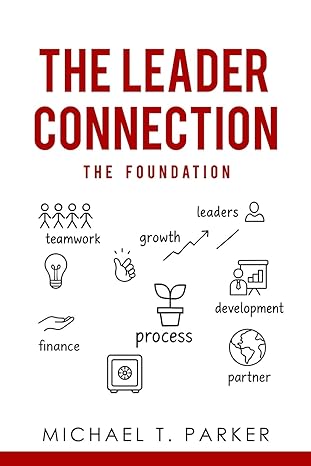
The book dives deep into the human side of leadership. It is part reflection and part manual, weaving together Parker’s personal journey with practical advice. He covers empathy, communication, adaptability, and the nuances of eight distinct leadership styles. The core message is clear. Leadership is not about authority. It is about building trust, connection, and growth within a team. Through stories, frameworks, and exercises, Parker paints a picture of leadership as a living relationship between people rather than a system of control.
Reading this, I felt drawn to Parker’s honesty. He doesn’t pretend to have been a perfect leader, and that humility makes the lessons hit harder. The mix of memoir and guide felt refreshing. Some moments, especially when he shared about his father, his son, or his own missteps, carried a warmth that made me pause. The book sometimes lists traits and challenges like lecture notes. The sincerity behind it kept me engaged, and I found myself reflecting on my own experiences with bosses who inspired connection versus those who drained it.
What stood out most for me was how personal and vulnerable his approach is. I appreciated the balance between theory and story. The chapters on servant leadership and authentic leadership especially struck a chord. They reminded me that good leadership often looks less like grand gestures and more like quiet acts of service. It reads like someone thinking aloud after a long career, eager to pass on everything they’ve learned.
I would recommend The Leader Connection to managers who are tired of dry business texts and want something more human. It’s also a good pick for anyone stepping into leadership for the first time and looking for guidance that feels grounded rather than academic. Parker doesn’t promise easy answers. What he offers instead is a lived-in, heartfelt reminder that leadership is about people, and that connection is what makes the work worthwhile.
Pages: 186 | ASIN : B0FN1VV122
One Door at a Time: How Putting Students at the Center of Education Works
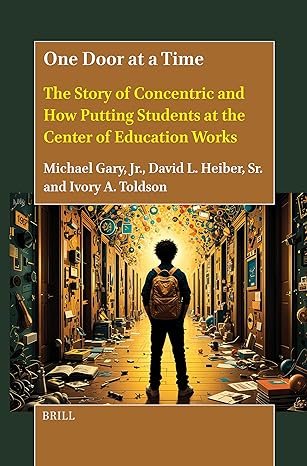
One Door at a Time is a powerful memoir-manifesto hybrid, co-written by Michael Gary Jr., David L. Heiber Sr., and Ivory A. Toldson, that tells the story of Concentric Educational Solutions, a student-first initiative grounded in Afrocentric values and real-world experience. Through a mix of lived narratives, reflective critique, and practical frameworks, the book charts the failures of the traditional education system, especially in underserved Black communities, and the grassroots, door-knocking, relationship-centered model that Concentric has pioneered. With stories from Baltimore to D.C. to Detroit, the authors show how putting students and their families at the core of the education process can transform not just academic performance, but lives.
The writing is earnest and clear, but it never hides from the hard stuff. I appreciated how the authors peeled back layers of bureaucracy and systemic dysfunction without sugarcoating anything. They didn’t shy away from naming how some systems are built not to serve but to survive themselves. What hit hardest were the sections about chronic absenteeism and the real lives behind those data points. They didn’t just throw around big ideas, they brought in stories of missed kids, misunderstood families, and teachers caught in the crossfire of outdated models. It felt deeply personal. You can tell these folks have walked the walk.
What stood out most to me was their relentless commitment to human connection. It sounds simple, just go to a student’s house and ask why they’re not in school, but the bravery and humility in that act is huge. This isn’t some theoretical overhaul. It’s a day-to-day grind rooted in trust and compassion. The Afrocentric lens added a depth I didn’t realize was missing in a lot of education reform writing. They’re not just advocating for more “diverse” classrooms. They’re rethinking what school means altogether, from the ground up, through culture, family, and identity. At times, it read like a love letter to forgotten students and a challenge to every adult who ever said, “We did our best.”
I would recommend One Door at a Time to anyone who works in education, or who has ever wondered why school isn’t working for so many kids. It’s especially important for policymakers, school leaders, and those in teacher prep programs. But I think it would move anyone who believes education should be about more than test scores. This book isn’t a silver bullet, but it’s a flashlight and a set of tools, and a reminder that sometimes, real change starts with just knocking on one door.
Pages: 260 | ISBN : 978-9004735989
A Roadmap for Success

Find The Ladder takes a close look at the modern workplace and the challenges faced in the wake of the COVID-19 pandemic. What inspired you to write this guide?
Having supported job seekers and career professionals for years, I witnessed firsthand the profound impact the pandemic had on livelihoods worldwide. Things turned really critical in the UAE where around 85% of the total population consists of expatriates, a unique situation that effected millions of workers. The sudden loss of jobs and the resulting economic instability created an urgent need for comprehensive guidance and support. My existing YouTube channel, while helpful, lacked the reach to address the widespread challenges many were facing. This realization motivated me to extend my efforts beyond digital content and move towards creating literary content.
In writing this book, I aimed to provide a deeper, more structured approach to navigating the modern workplace in the wake of COVID-19. My book addresses key issues such as remote work, skill diversification, and mental resilience, offering actionable strategies to help individuals adapt and thrive. By combining my extensive experience in career coaching with up-to-date research and real-world case studies, I aspired to create a resource that empowers readers to rebuild their careers and find new opportunities in these unprecedented times.
Can you share with us a little about the research required to put your book together?
To start my research for ‘Find the Ladder’, my first course of action was direct contact with the affected people on social platforms. I also had to conduct extensive online research, drawing from years of experience in career coaching and recruitment. I analyzed recent employment trends, interviewed a few recruitment and HR experts, and tried to gather firsthand perspectives about the future course of the employment scenario post-pandemic. Progressively, I continued incorporating data from reputable sources to ensure that the strategies and insights provided in the book are practical and relevant for today’s job market.
What is one thing you learned in your research that surprised you?
One of the most surprising insights from my research was the staggering percentage of individuals experiencing dissatisfaction in their careers. This revelation underscored a critical issue: many people feel unfulfilled and disengaged in their professional lives, leading to decreased productivity and overall well-being in their personal lives. I discovered that career dissatisfaction stems from multiple factors, which I ensured to address in ‘Find The Ladder’ to the maximum. These findings highlighted the importance of addressing career satisfaction not just for individual fulfillment but also for organizational success.
What is one thing you hope readers take away from Find the Ladder?
One key takeaway I hope readers gain from ‘Find The Ladder’ is the power of resilience and the impact of mindset-positivity in the face of adversity. The pandemic has reshaped the professional landscape, introducing unprecedented challenges and new concepts related to the overall employment scene. My goal is to empower and inspire readers to view these changes not as insurmountable challenges or obstacles, but as catalysts for growth through adaptability.
Through practical advice, strategic insights, and offering new methodologies, I want readers to understand that their career paths are not stagnant. They have the power to redefine their professional journeys, harnessing their unique strengths and passions. I hope to instill a sense of confidence and optimism, encouraging them to embrace continuous learning and proactive career management.
Ultimately, I want Find the Ladder to be a beacon of hope and a roadmap for success, guiding readers toward fulfilling sustainable careers in this new era. By adopting the principles outlined in the book, they can navigate the complexities of the modern workplace and emerge stronger, more adaptable, and ready to seize the opportunities ahead.
Author Links: GoodReads | X | Facebook | Website | LinkedIn
‘Find The Ladder’ offers a revolutionary approach to career counseling, providing you with practical and accessible advice to help you with career change, career advancement, and personal growth.
Find Your Dream Job, Not Just A Job: This book goes beyond self-discovery; it provides actionable, practical steps to bridge the gap between passion and profession.
Harness the Modern Job Search: Learn cutting-edge strategies to navigate AI-powered recruitment, write winning resumes and cover letters, and ace interviews with the innovative CAR method. Don’t let the ever-changing job market leave you behind. Ace the latest techniques and stand out from the competition.
Become a Workplace Powerhouse: Develop essential leadership skills, overcome common job frustrations, and build resilience in the face of rejection. This book equips you with the tools to navigate office politics, manage stress, and bounce back stronger from setbacks.
Unlock Your Potential: Leverage the power of networking, personal branding, and time management to achieve your career goals – faster. Learn how to build strategic connections, craft a compelling online presence, and optimize your workday for maximum productivity.
Inside this book, you’ll discover:
Navigating Your Career in the New Normal.
The Power of Authenticity in Personal Branding.
The Know-Ask-Meet-Nurture Networking Technique.
55 Essential Recruitment Jargon: Master the language of hiring to boost your confidence.
Storytelling Skills for Interview Success and The CAR Technique.
Designing a Winning Resume and Cover Letter.
Click “Buy Now” and begin your ascent to a career that excites and inspires you.
Take control of your career destiny.
Deep and Lasting Connections

Willie Lost, But Not Really, follows a young girl from Maine who discovers a newborn harbor seal pup, and together, they learn about kindness and friendship. What inspired your story?
The inspiration for my story Willie, Lost But Not Really Comes from two main sources. First and foremost, it was inspired by my granddaughter, Alora, who has shown me a new and bright perspective on the world around me, especially a renewed appreciation for nature. Additionally, my deep-rooted connection to Maine, where I grew up on Peaks Island in Casco Bay, plays a significant role.
After spending eight years in the Southwest for school and staying on after graduating from the Institute of American Indian Arts in Santa Fe, New Mexico, I returned to Maine and reconnected with my roots as an artist and sculptor. I began creating sculptures of harbor seals, merging them with ceramic and driftwood, and during this process, I educated people on the nuances of harbor seal behavior, particularly about when a seal appears stranded but is simply following nature’s course. These experiences with my granddaughter and my artistic endeavors in Maine inspired the creation of Willie’s story, blending my love for Maine, Harbor seals, and the insights from my granddaughter.
I found Alora to be a fascinating character. What was your inspiration for this character?
The inspiration for my character Alora comes from the beautiful spirit and fresh view of the world seen through the eyes of an eight-year-old. My granddaughter Alora, is a uniquely, insightful, intuitive, and imaginative child, very special and deeply in touch with nature. Alora’s sensitivity extends to her interactions with the environment, for example, she asks permission from a tree before taking anything from its base for our artwork. Spending time with her has opened my eyes to a very pure and appreciative way of viewing the world, which I aim to capture and share through my storytelling.
What was one scene in the novel that you felt captured the morals and message you were trying to deliver to readers?
One of the most special parts of the story is when Willie, now a mature harbor seal, returns to the harbor to find Alora. In this scene, they are together in the water, with me describing Alora as being up to her chest in the water, face to face with Willie. This reunion is deeply significant because it stems from the respect and kindness Alora showed Willie when he was just a pup. The illustration captures them almost nose to nose, bonding once again. It is a powerful depiction of their enduring relationship highlighting the theme that kindness to nature fosters deep and lasting connections. This scene where they meet again, matured and bonded by past kindness, really encapsulates the essence of the story.
Can you tell us about the next book in the series and when it will be available for fans to purchase?
I am currently working on a new series alongside continuing the Nana Dee and Ari series. This new project is called 12 Months of Harmony It is a collection of twelve interrelated volumes intended for young readers and adults alike. The first 3 months are currently available on Amazon: Grazie’s Peace Pasture, Lady of the Ferns, and Toby Rose.
Author Links: GoodReads | Facebook | Amazon
This beautiful tale intertwines a journey of discovery and the profound connections between life and the natural world, highlighting the impact of empathy and the essence of community where every being has its place.
Join Willie and Alora in a transformative journey that celebrates the wonders of nature and the bonds of friendship.


