Blog Archives
Love Yourself

Indra’s Net offers readers a spiritual guide that blends personal experiences and grounded spiritual lessons within a Tarot-inspired structure. Why was this an important book for you to write?
For my own growth.
Is there anything you now wish you had included in Indra’s Net? Any additional anecdotes or bits of wisdom?
No.
What is one thing you hope readers take away from your book?
Love yourself.
Can we look forward to more releases from you soon? What are you currently working on?
Ideas, but nothing definite.
Author Links: GoodReads | Facebook | Website
Adult Nonfiction Book of the Year, San Francisco Writer’s Conference
FOR THOSE WHO SEEK ANSWERS, UNDERSTANDING, INSPIRATION, & INNER PEACE
Indra’s Net is a collection of themes about learning to live an awakened life and opening one’s mind and heart to the Self. It is for those who seek answers, understanding, inspiration, and inner peace. It discusses topics such as vulnerability, codependence, arrogance, impermanence, gratitude, and failure, and contains wisdom and teachings from many paths.
This book can be used as daily inspiration, a tool for self-improvement, a spiritual lesson plan, and a source of divination. Full of helpful techniques, hints, humor, and love, all oriented towards making sense of our human experiences and discovering a cosmic home here on Earth, it is a how to do and how to be manual.
The format mirrors a traditional Tarot card deck, although it offers a new take on both Tarot meanings and spiritual discovery outside of Tarot readings. The book can be used as a modern guide to reading and understanding Tarot card meanings.
In the two-thousand-year-old tradition of Indra’s Net, each perfect faceted jewel reflects every other jewel and is reflected by that jewel. It’s an image of interdependence, in that everything is connected to everything else. Indra’s Net is not a poetic or a philosophical idea, it’s the way life functions.
Indra’s Net is a product of author Indra Rinzler’s 50+ years of living on the spiritual path, assembled from decades of study, wisdom paths, practices, experiences, and revelations.
How we view life is our choice. This book is meant to encourage one to choose from a higher wisdom and connection to the truest Self. That which we wish to understand and become, transforms us in the very process of seeking. As we open to awareness, we awaken to the significance of all dimensions of reality.
Literary Titan Book Award: Nonfiction

The Literary Titan Book Award recognizes outstanding nonfiction books that demonstrate exceptional quality in writing, research, and presentation. This award is dedicated to authors who excel in creating informative, enlightening, and engaging works that offer valuable insights. Recipients of this award are commended for their ability to transform complex topics into accessible and compelling narratives that captivate readers and enhance our understanding.
Award Recipients














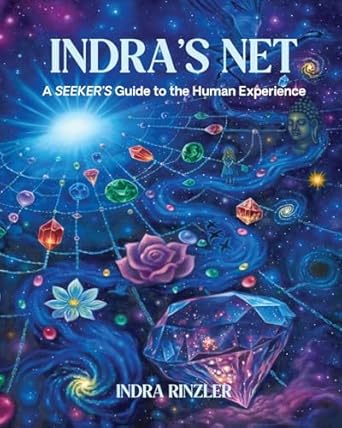



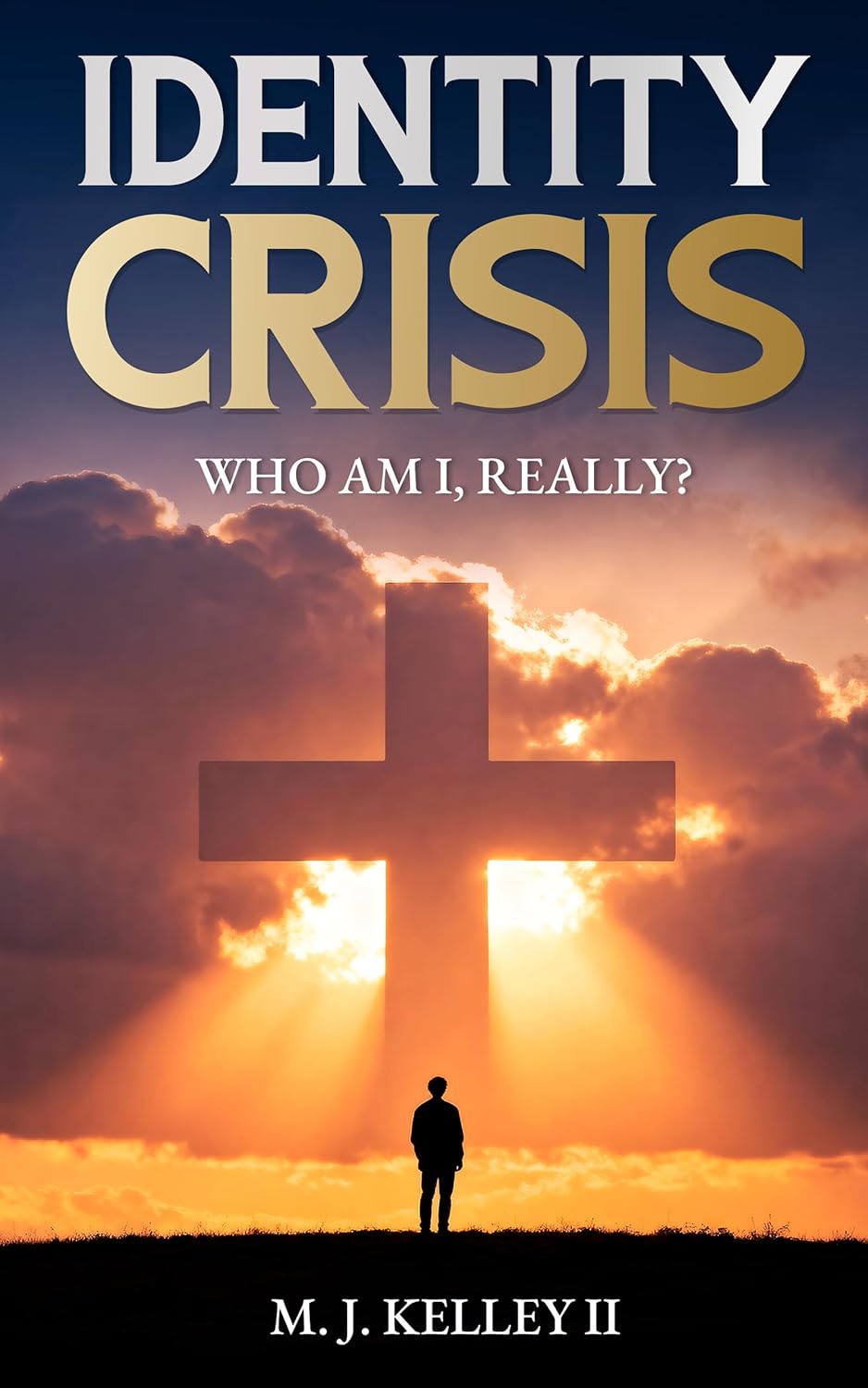
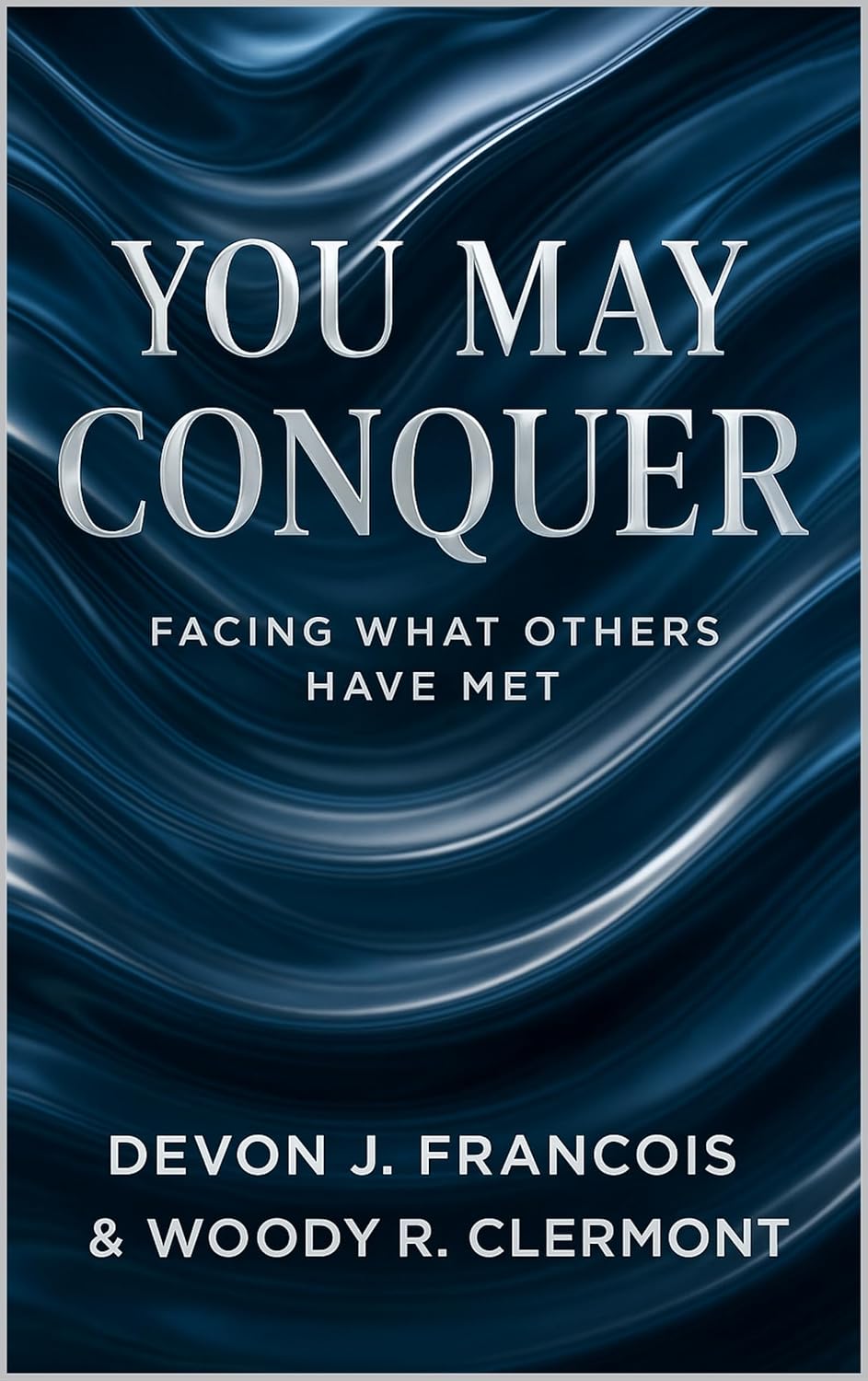

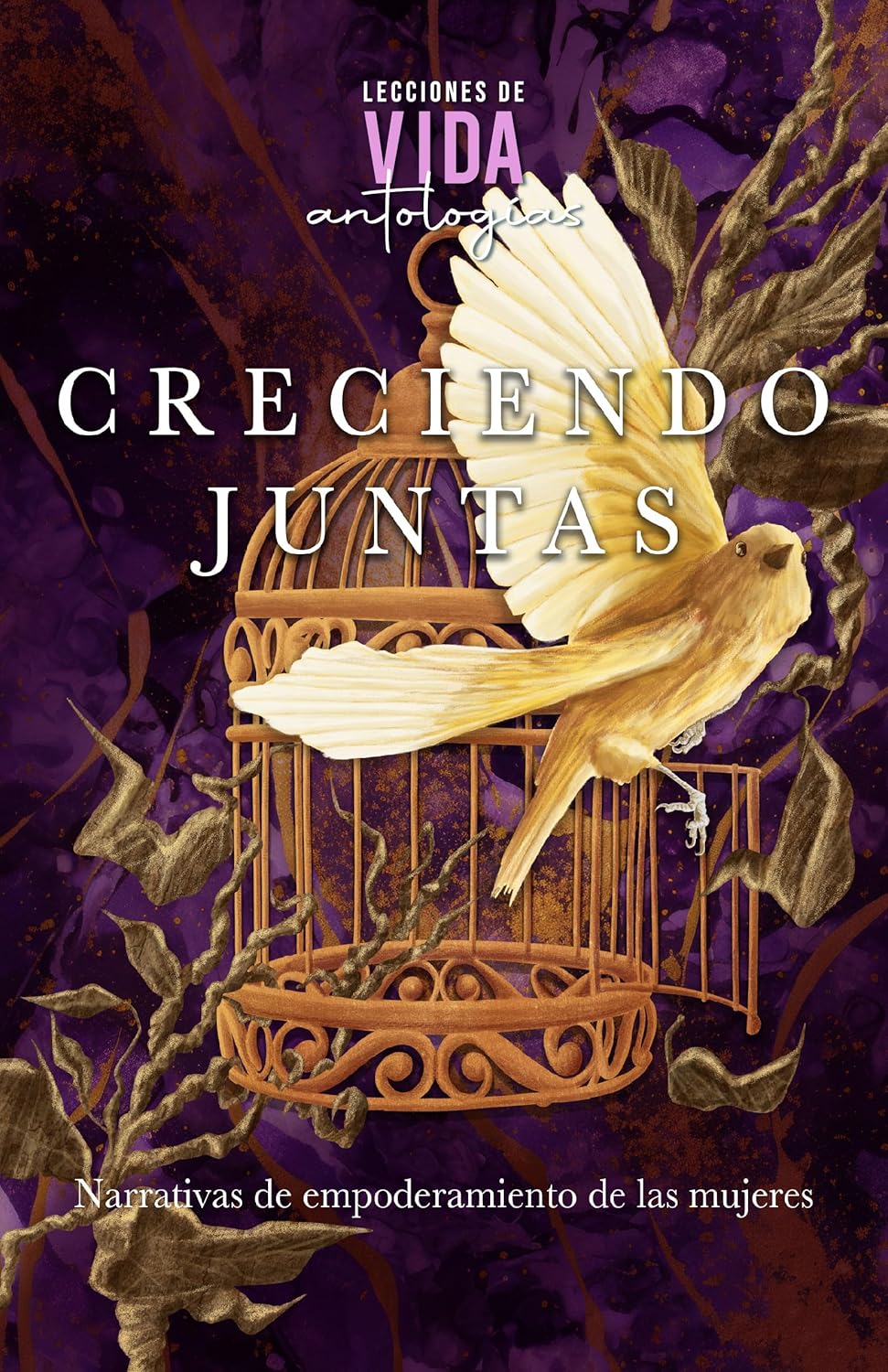

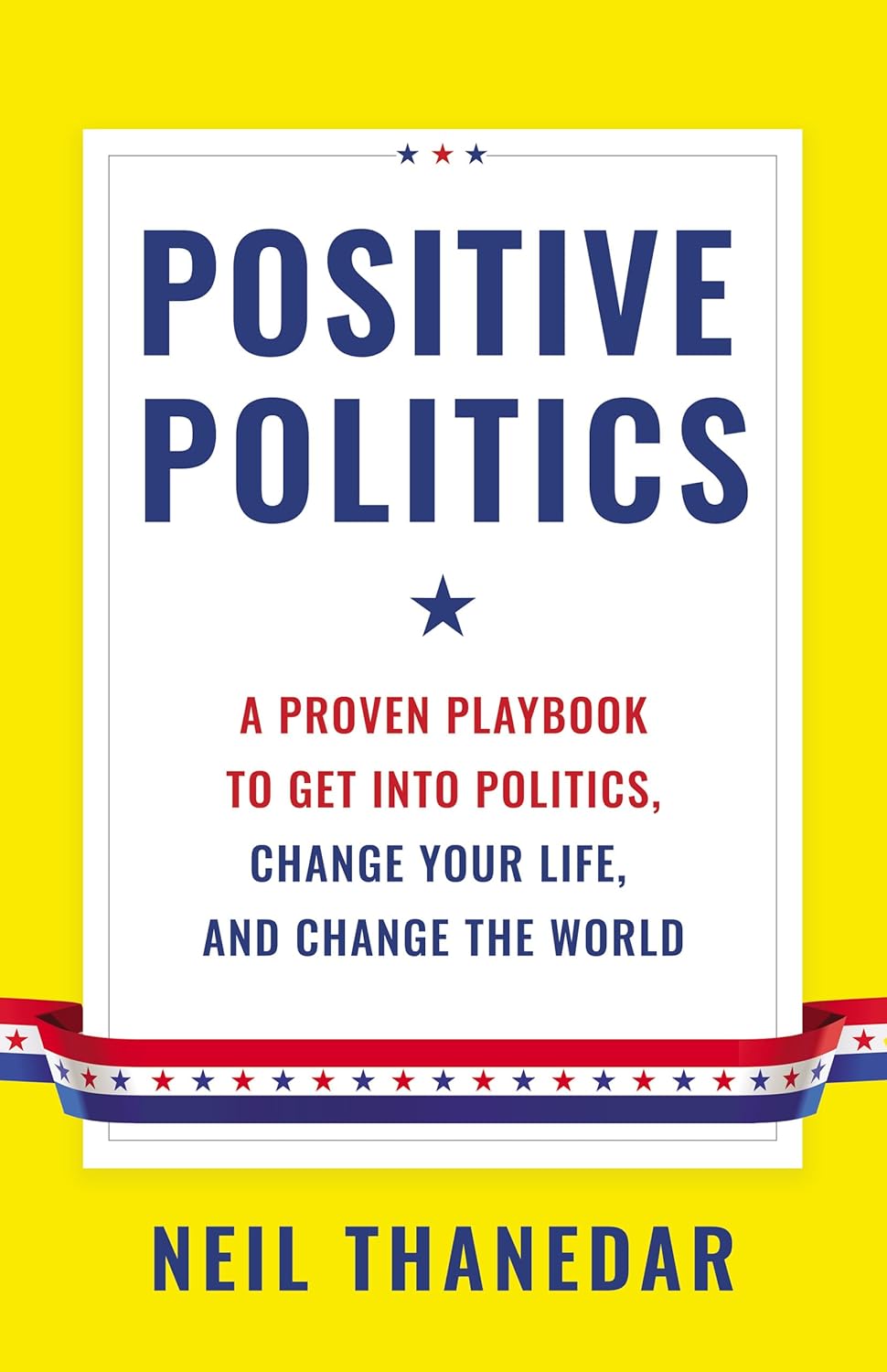



Visit the Literary Titan Book Awards page to see award information.
Indra’s Net: A SEEKER’S Guide to the Human Experience


Indra’s Net, by Indra Rinzler, is a spiritual guide built from seventy-eight themes that weave stories, reflections, and practices into a single tapestry of awakening. The book blends personal experience, Tarot-inspired structure, mythic symbolism, and grounded spiritual lessons. It invites readers to look inward, release old patterns, and explore consciousness with curiosity. The author draws from decades of study, travel, meditation, and teaching to create a kind of living manual that meets readers wherever they are. The effect is a blend of memoir, parable, and spiritual toolkit.
Reading the book, I kept feeling a mix of surprise and comfort. The writing carries a warm, almost conversational honesty that makes even the heavier ideas feel approachable. I liked how the author refuses to separate the mystical from ordinary life. A simple bowl of oatmeal becomes a miracle. A long walk in Thailand becomes a spiritual dilemma. A beggar’s smile becomes a master class in grace. The stories feel loose and unforced. I found myself nodding along, then stopping, then looking up from the page because something landed in my chest. The rhythm moves from personal anecdote to broad spiritual teaching so quickly that it left me slightly off balance in a good way. It reminded me that understanding rarely arrives in a straight line. It sneaks up on you.
At the same time, the ideas stirred up a strange mix of awe and restlessness. The author talks a lot about surrender, intuition, and letting life unfold. Some moments felt so gentle that I relaxed into them. Other moments poked at me. The theme of impermanence, for example, made me strangely uneasy. I felt myself push back, even as I knew the point was to soften. That emotional tug made the book stick with me. I appreciated how the stories never try to be perfect teaching moments. They wander and land where they land. The book feels authentic, and that gave it a texture that pulled me deeper.
By the last pages, I felt a quiet gratitude for the way the Rinzler uses imagery and structure. The Tarot framework, the themes, and the practices are presented at the end of each chapter. It all creates a rhythm that feels like a long walk with someone who has been on the road a while and wants you to see the scenery with fresh eyes. I would recommend Indra’s Net to readers who enjoy reflective, spiritually curious writing and who like books that offer small, steady insights rather than big proclamations. It is especially good for people who want a companion on their inward journey. Someone who wants to feel less alone and more connected to something larger and kinder than their own thoughts.
Pages: 286 | ASIN : B0FX65LB69

Nurturing the Mystic Within


Nurturing the Mystic Within follows Catherine S. Tuggle’s journey to understand the message that arrived through a vivid dream. The dream delivered five simple words. Those words shook her ideas about God, fear, and love, and eventually inspired her to explore belief, trauma, and spiritual healing. Through autobiography, psychology, and a reinterpretation of the Genesis story, she builds a pathway that helps readers uncover the fears that shape their reality and block their ability to perceive life as Paradise. Much of the book focuses on the unconscious roots of fear, the formation of beliefs, and the personal exercises she developed to help dissolve the veil that hides unconditional love.
Tuggle’s writing blends intimate storytelling with big ideas; she writes plainly and openly. She doesn’t try to sound like a guru. Her willingness to expose painful memories gives the book a raw honesty that made me trust her voice. I found myself wincing at the childhood scenes. The moment Agnes threw the valentines on the floor, or the wrenching knife incident, forced me to stop for a breath. Those stories aren’t there for drama. They serve the purpose she claims for them. They show how beliefs take root long before we know the meaning of the word belief. I felt myself wishing she had lingered a little less on theory and more on lived moments, because her lived moments are where the book shines.
I also found myself moved by her interpretation of Genesis. I appreciated how she questions long-held assumptions without attacking them. The way she ties Adam and Eve’s fear to our own unconscious habits made the old story feel surprisingly fresh. The shifts between memoir, theology, and psychology come a little fast, but the blend mostly worked for me. I liked the sense of searching. I liked watching her move from confusion to clarity. The dream sequence she shares in the preface kept me thinking about the idea that love is all that exists. It sounds simple on the surface, almost too simple, and yet the book spends hundreds of pages showing just how hard it is to believe that in everyday life.
I would recommend Nurturing the Mystic Within to readers who enjoy spiritual memoirs, especially ones that grapple with fear, trauma, and the desire for inner peace. It would also suit people who like gentle psychological insight wrapped in a story rather than textbook-style instruction. Anyone who has ever felt trapped inside old beliefs or puzzled by the tension between the world’s harshness and the idea of a loving presence will find something worth holding onto here.
Pages: 216 | ASIN : B0G2DLBVHQ
Awareness of Life’s Purpose

The Diary of Vivienne tells the story of a society through the eyes of Vivienne and Richard, as they navigate strife, natural disasters, and moral decay while following the teachings of a mysterious entity called Neferatu. What was the inspiration for the setup of your story?
The spirit world is enmeshed in our physical existence whether or not we are aware of it. Much of what we witness in the world has a spiritual basis. There is the famous dictum: “The devil made me do it.” We often speak of a good angel sitting on one shoulder while an evil one perches on the other. These are telling. What drives us has its origins in the subtle realms – the spiritual world. Having a figure like Neferatu playing such a significant role in the life of the protagonist and other characters is indicative of this reality.
This is an intriguing setup to a novel that is high in social commentary. What was your moral goal when writing this novel, and do you feel you’ve achieved it?
The goal has always been enlightenment, meaning, our awareness of life’s purpose. The novel strives to promote this through the centrality of the mythic figure, Neferatu. Amid greed, selfishness, and the violence we create out of ignorance, there are seeds of goodness that grow in us, if we but allow them. The dissolution of evil is always imminent. The ‘Diary’ never swerves from this truth.
What are some things that you find interesting about the human condition that you think make for great fiction?
Suffering. We all suffer – no matter our station in life. This is indisputable. Suffering is arguably the nature of the human condition. We suffer not only physically, but morally, emotionally, and psychologically. And throughout, we strive to surmount this enduring pain using every method known. This is in itself is intriguing and the basis of every literary endeavor that captures the imagination.
What is one thing that you hope readers take away from The Diary of Vivienne?
That we are spirits experiencing a physical existence; and that ultimately we must journey home to our origins – pure and unblemished; that our experience here is transient but significant, for without its many challenges, we cannot attain enlightenment. Without surmounting our every challenge, we cannot journey home victorious.
Author Links: GoodReads | X (Twitter) | Facebook | Website | Amazon
The plot unfolds against a backdrop of war, suffering, and societal collapse, set in the future, where characters grapple with existential crises and moral dilemmas. The narrative explores the complexity of human nature – our ability to be both selfless and destructive – and delves deeply into spirituality, particularly through a figure called Neferatu, a mysterious entity whose teachings shape the lives of the characters.
As the world moves through strife, natural disasters, and moral decay, the characters, led by Vivienne, struggle to survive and make sense of their circumstances. The story transitions from this chaos into a utopia, where peace and enlightenment reign. However, it poses critical questions about idealism and whether humanity can truly learn from its mistakes or is doomed to repeat them.
Inner Enlightenment
Blessings Abound is a short, sweet inspirational guide designed to help readers stop and take notice of the blessings already in their lives and how to identify them. Why was this an important book for you to write?
Blessings Abound takes the reader to a deeper level of gratitude that benefits them and the surrounding world they live in. More than just saying thank you for gifts received, it opens the door to a deeper appreciation for friends, family, and blessings we too often take for granted. A grateful person focuses on goodness, and goodness is what God is all about. The more we focus on appreciating goodness, the more goodness we receive. The more goodness we receive, the more we feel loved.
What were some ideas that were important for you to share in this book?
The secrets of the universe that evoke a sense of wonder and curiosity.
All life is interconnected.
Profound truths carried down through the ages.
Sacred spaces of quiet exist with vast reservoirs of wisdom.
New pathways to inner enlightenment can be found through gratitude.
What advice do you have for readers who want to shift their mindset from complaining to appreciating but struggle with making the first step?
Reading opens our minds to new worlds.
Understanding is the capacity to interpret, feel, and experience.
Love is the ultimate pathway.
Find one thing a day to be grateful for. To appreciate is to love.
What is one thing that you hope readers take away from Blessings Abound?
Life is a privilege, a precious journey, and a blessing. Blessings Abound has the potential to inspire everyone to see everything in a new light of love and understanding.
Author Links: GoodReads | Amazon
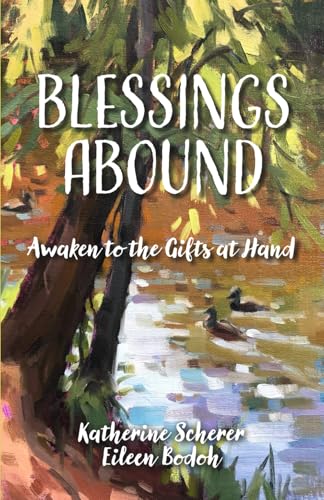
With this book, Katherine Scherer and Eileen Bodoh serve as our guides to revealing them, glorifying them, and super-charging them. Drawing upon inner experiences and wisdom, from ancient and contemporary sources, including Native American lore and the Christian Bible, and from a diverse selection of many who have gone before such as Wordsworth, Thoreau, Whitman, Tagore, and others, the authors guide readers as they embark on a journey to discover and appreciate their own inner and outer blessings. With a connection to spirit and their personal divinity, Katherine and Eileen empower readers with the truth, magic, peace, and gratitude inherent in the words.
Discover blessings in human and divine love, in unassumed places, in the natural world, in music, and in our everyday lives. The power and awe of blessings comes forth in waves as the book allows us to realize the unlimited nature of all that we encounter, even aspects of our lives we may think of as painful or trite.
Move away from the mundane if only for a few moments as you read these passages and learn to appreciate the joy that all of our blessings contain and proliferate.
Blessings Abound does that for you.
The Eternal Bridge

The Eternal Bridge is a fantasy parable about a world healed on the surface yet still aching inside. The story begins three years after Geshriel becomes a living bridge that joins two once-hostile shores. People trade, marry, feast, and rebuild, and life looks whole again. Then small tremors shake the land, crops wither, and feasts feel thinner, and the community senses a deeper break between earth and heaven that no wooden span can fix. The book follows families like Fidel and Verita, Liberta and Dathan, and many others as they wrestle with grief, restlessness, and hope while they wait for Geshriel to return and complete the work he began. In the final movement, the bridge turns into a vertical path of light, the dead are raised, a radiant city descends, and the people find their true home in the presence of the Lamb and the Maker, in a union that feels final and yet ever deepening.
I felt pulled in first by the tenderness of the relationships. The marriages and families feel warm and lived in, and I cared about them very quickly. The scenes of simple daily life on the bridge, the artisan work, the trade, the shared meals, all carry a quiet glow. When the cracks appear in that paradise, the emotional punch hits hard, because the book has already convinced me that this community matters. The later reunions with lost children, spouses, and elders hit an even deeper nerve. The big theological ideas turn very personal there, because the hope of resurrection shows up not as an abstract promise but as a mother getting her baby back, or a couple finally freed from decades of guilt.
The prose leans lyrical and earnest, and sometimes it worked for me. The symbols are very clear, and the story rarely hides what it wants to say. The bridge, the orchard, the feast, the tremors, every image points to a spiritual theme. That clarity will comfort some readers. The early chapters linger on peaceful life on the bridge, and a few of those sections felt long, while the cosmic finale races by in a rush of visions, reunions, and worship. I enjoyed that ending.
I would recommend The Eternal Bridge to readers who love clear, heartfelt Christian allegory and who enjoy stories in the vein of C. S. Lewis’s The Great Divorce or classic devotional fiction. If you are hungry for a story that talks openly about loss, longing, reunion, and eternal hope, and if you like the idea of seeing big doctrinal themes lived out in ordinary families, this novel will likely move you.
Pages: 223 | ASIN : B0G4NYKT9J

Identity Crisis: Who Am I, Really?
Identity Crisis blends memoir and spiritual teaching to explore what it means to find your true identity in God. Kelley opens with the raw story of his childhood in foster care, marked by neglect, abandonment, and the hurtful names that shaped how he saw himself. He then walks through his journey as a police officer, a husband, a new believer, and eventually a student of theology, all while learning to trade the labels of his past for the identity Scripture offers. From the early chapters on cultural confusion about identity to later ones on adoption, community, and endurance, the book reads like both a testimony and a guide for anyone asking who they really are.
Kelley’s reflections on trauma, performance, and the old names he carried hit with an honesty that doesn’t try to dress anything up. When he describes sitting in church week after week, slowly realizing God was dismantling the identity he had built on strength and achievement, it feels both vulnerable and relatable. The mix of personal story and teaching creates a rhythm that kept me leaning in rather than feeling preached at. Even when he steps into theological territory, the tone stays grounded in real experience, which helps the ideas land with more weight.
What stood out most to me was the way he keeps circling back to the tension between the world’s noise and God’s steady voice. His chapters on misplaced significance, false labels, and the limitations of self-discovery felt especially timely. The way he writes about social media, comparison, and the cultural pressure to self-construct shows he’s paying attention to the world we actually live in, not just the one inside church walls. His explanation of spiritual adoption later in the book adds depth, giving the reader something solid to hold on to. I appreciated how he acknowledged the slow, sometimes clumsy process of renewing the mind rather than offering a quick fix.
By the end, I felt the book had given me both a mirror and a map. A mirror, because so many of the fears and questions he names are ones most of us carry quietly. And a map because he lays out what it looks like to move from old identities into a new one shaped by faith, community, and Scripture. If you’re drawn to Christian nonfiction that blends story with teaching, or if you’ve ever felt weighed down by the labels life has handed you, this book will likely speak to you.
Pages: 241 | ASIN : B0G1NK5V76



 LITERARY TITAN