Blog Archives
A Fusion of Essays and Photos
Meanwhile, Here in Austin is a seasonal portrait of a city becoming home, blending intimate essays and photography to capture the quiet beauty, chaos, and heart of everyday life in Austin. Did you begin this project knowing it would become a book, or did it grow organically?
It grew organically. When we first moved to Austin, every weekend felt like a vacation. I’d grab my camera and head out to explore our new home. Over the years, I built up a large collection of photos, but I eventually wanted to do more with them than let them sit in an online gallery. My first thought was a photography book. But some of the images needed context. A line or two didn’t seem to be enough.
The first time I started writing longer pieces was after a storm, when I realized a single photo couldn’t capture its intensity. We had previously lived in Los Angeles, where unplugging devices during a storm never even crossed my mind. In Austin, though, after hearing a few horror stories about fried electronics, I decided to play it safe. That experience needed explanation beyond the image itself.
Then came the winter storm. Photos of icicles alone couldn’t accurately explain what we went through. The images needed my experience alongside them so readers could understand what photographing those icicles really meant and how they fit into the larger context.
As a result, the book expanded to become a fusion of essays and photos. But I still wanted to “lead” with photos and have the essays serve as a larger explanation. I think the only instance where I wrote an essay purely for the sake of written content was when a shooting occurred at our favorite slushie café. This was part of my discovery of Austin, and it felt necessary to include it.
What does photography allow you to express that writing alone cannot?
For me, photography is purely about feeling and capturing a mood. While it’s true that I can describe those feelings with words, photos are more universal. You don’t need language, a translator, or an explanation of cultural differences. You see it, you feel it, you get it… within seconds. Photography allows me to share what I saw and exactly how I felt in that moment with a much wider audience.
Many of the book’s most powerful moments come from everyday scenes—storms, deer, swimming holes. Why do small moments matter so much to you?
That’s a two-part answer, I guess. From a photography perspective, I usually notice the larger elements first: the people, the architecture, and the landscape. But when I return to the same place a second or third time, I start to see the smaller moments. Those details matter because photographers are always searching for a unique way to capture a scene. You have to train your eye to find new angles or fresh perspectives. That process teaches you to notice everything, because you’re always looking for that something that will make your photos feel different.
The second part of that answer is that a city’s character, or even a neighborhood’s character, is often defined by smaller moments. It’s the subtle cultural differences that stand out. When comparing what makes Austin unique versus a larger city like L.A. or New York, it comes down to the people, of course, and what I usually call “the little things,” or those small details that give the city its character.
What aspects of the city surprised you most once you started paying close attention?
How much Austin is changing right before my eyes. It’s a lot like raising children. When you see them every day, the changes aren’t obvious. It’s only when a friend visits after a couple of years and says, “Your kid has changed so much!” that it really hits you, because you didn’t notice it happening.
Austin feels the same way. I didn’t truly see the changes until I started comparing my downtown cityscape photos. That’s when it became clear just how quickly the city is expanding and evolving. It’s going through real growing pains.
Author Links: GoodReads | Website | Amazon
The Healing Powers of Travel & Connection

Belonging to the World is an inspirational travel memoir that shares your journey of healing after the tragic loss of your wife and your mission to travel to all 193 countries on earth, and the personal transformation you experience. Why was this an important book for you to write?
I did not start out traveling to write a book, but rather as a means of escape. It was one year into my journey, after a compelling trip to Afghanistan only a year after the Taliban takeover, that I realized that I was really “living” again, learning and, most of all, collecting stories. At that point, I realized that there was an evolving story that I needed to tell. It was about the healing powers of travel and connection.
What were some ideas that were important for you to share in this book?
Sure, other than specific profound connections with people from everyday life in countries all over the world, below are some themes and ideas that kept coming to the surface:
Ø The unexpected and transformative power of grief
Ø Letting go of control brings unexpected peak experiences around the world
Ø Finding awe and wonder in the world’s places considered some of the world’s most dangerous
Ø The best things in life can happen by chance if you let them
Ø Reconciling a world that feels deeply divided yet profoundly interconnected
Ø How do we honor the past yet be ready to step into what may come next
Ø How the world can change you if you let it
What was the most challenging part of writing your memoir, and what was the most rewarding?
It took me a while in my journey to understand that I wasn’t simply seeking new countries, but the people within them. With that came the anticipation of finding the one story in each place that resonated with me, my story, shaped by my own impressions and by the mystery of how and when it would reveal itself. Somehow, it always did.
I found that profoundly moving: the realization that if you seek people and their wisdom with an open heart and genuine respect, you will find it.
How has writing your memoir impacted or changed your life?
I am sure for many writers, the release of a book is the end of a big project. For me it is end of a significant entire chapter of my life, of devastating loss, of being lost, of leaning into grief and going on a amazing journey. That journey completely rewired my brain and changed the way I see the world and my place in it.
Author Links: GoodReads | Instagram | Website
Some journeys we choose. Others choose us.
In the aftermath of tragedy, Barry Hoffner wanted to feel the pulse of the world again. The whole world.
When Barry Hoffner lost his wife and travel partner, Jackie, in a sudden tragedy, his grief was a black hole that consumed everything. But amid the quiet wreckage of loss, something unexpected stirred: the call to move, to reconnect, and to live fully again.
What began as a reluctant return to the road became an audacious mission to visit all 193 countries on Earth-not to escape his pain but to transform it. Along the way, Barry discovered a world with far more depth and complexity than headlines suggest-one full of unexpected joy, even amid hardship and struggle. From war zones to mountaintops, refugee camps to ancient ruins, he found people whose kindness and openness brought him back to life.
Belonging to the World is a deeply felt memoir of healing from grief, finding resilience, and forging human connection across the globe
Belonging to the World


Belonging to the World follows Barry Hoffner’s journey from the sudden loss of his wife, Jackie, to an unexpected path of healing as he travels to every country on earth. The book opens with the shattering grief of Jackie’s death and the dark, disorienting months that follow, then widens into a story about connection, curiosity, and the raw power of human kindness. Hoffner moves through deserts in Oman, chaos and beauty in Afghanistan, warmth in Syria, wonder in Bhutan, and countless small moments of humanity that tell him he still belongs to the world, even when he feels unmoored from it. It is both a memoir of loss and a chronicle of awe, written with honesty and a clear desire to understand people wherever he goes.
As I read, I felt pulled into his emotional rhythm. Sometimes he writes with a quiet weight, almost like he is whispering because the grief is still too close. Other times, he throws himself into a scene with bright energy, like he is hungry to feel alive again. I found that mix moving. It mirrors how grief actually behaves. It hits hard, then softens, then surprises you all over again. The travel stories aren’t just pretty postcard moments. They are the places where he bumps into his own pain and also where he finds these tiny sparks of connection. I loved how often strangers show up at the perfect time. It made me think about how people everywhere have this instinct to reach toward someone who hurts.
I also appreciated the simplicity of the writing. He doesn’t try to sound wise or polished, and I liked that. It feels like someone telling you the truth as they live it. The chapters unfold quickly, each country arriving like a new test or a new chance. I sometimes wished he lingered longer, especially in the places that clearly changed him. But the pace also reflects his state of mind. After loss, standing still can feel dangerous. Moving forward feels like survival. And the way he carries Jackie with him in every experience made me ache. It never felt sentimental. It felt real.
By the end, I had this sense that the world he traveled through became less a map and more a mirror. Every landscape, every border crossing, every shared meal made him a little braver and a little softer. I didn’t finish the book thinking about travel as a checklist. I finished it thinking about how connection works. How people can stitch you back together without even knowing they’re doing it. How a life can shift from broken to open if you let yourself keep going, one unfamiliar place at a time.
I would recommend Belonging to the World to anyone traveling through grief, anyone who loves travel stories with heart, and anyone who wants to see the world as more generous than the headlines make it seem. It’s especially good for readers who don’t need tidy lessons and who are comfortable walking beside someone still figuring it all out. The book feels like a companion for anyone trying to rebuild after life comes apart.
Pages: 405 | ASIN : B0FZNNDF5L

Get Me to Costa Rica!: A one year plan to leave the Rat Race


Get Me to Costa Rica! is a step-by-step guide for anyone feeling boxed in by work, routine, expectations, and wants a clear path to living abroad. The book lays out a twelve-month timeline that blends mindset shifts, decluttering, money planning, relationships, and logistics, all anchored in the idea that Costa Rica is not just a destination but a symbol of a calmer and more intentional life. It moves steadily from asking big personal questions to offering practical actions that make the dream feel reachable rather than abstract.
What I liked most was the tone of the guide. It feels like a long, honest talk with someone who has already gone through the fear and doubt and come out the other side. The writing is direct and encouraging, sometimes almost preachy, but in a way that feels earned. I found myself nodding along, especially during the parts about burnout, endless schedules, and the quiet grief of putting dreams on hold. The author clearly believes in what he is saying, and that belief carries emotional weight. At times, it felt a bit repetitive, yet that repetition also felt intentional, like a coach reminding you again and again that you really can do this if you commit.
The ideas themselves are not wild or revolutionary, but they are grounded and practical. Declutter your life. Set a date. Know your numbers. Build income that travels with you. None of this is flashy, and that is the point. I appreciated how the book did not pretend the move would be easy or magical. There is fear, guilt, and stress woven into the plan, and the author names those feelings without sugarcoating them. I felt both excited and a little exposed while reading, which is usually a sign that a book is poking at something real. It made me reflect on my own excuses and timelines, and that was uncomfortable in a good way.
I recommend Get Me to Costa Rica! to people who feel stuck and tired of talking about change without acting on it. It is especially good for readers who want structure, reassurance, and a push to stop waiting for the perfect moment. If you are dreaming about living abroad, or even just craving a major life reset, this book offers a clear map and a steady voice saying you are not crazy for wanting more.
Pages: 241 | ASIN : B0FPD3Z8Y4
Changing Course Gracefully: A Travel Journal A Guided Travel Journal for Calm, Clarity, and Self-Trust
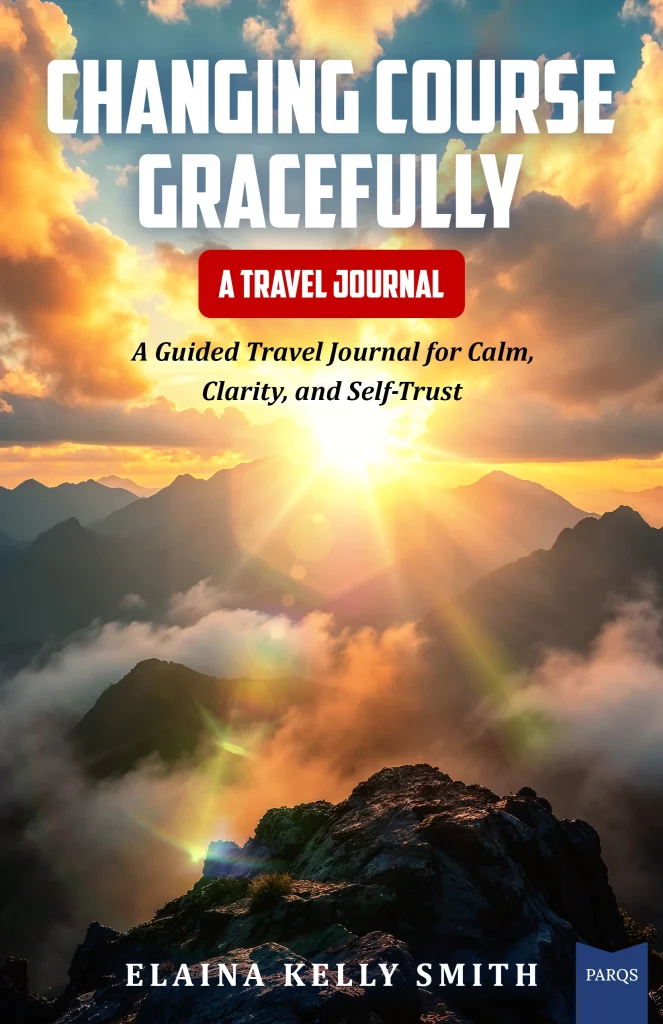
Changing Course Gracefully: A Travel Journal is a guided travel companion built around the PARQS Method, a five-part framework that helps travelers cultivate presence, curiosity, and self-trust. The book blends personal stories, reflective prompts, and practical tools. It moves from pre-travel preparation into deeper guidance for handling overwhelm, emotional waves, cultural differences, and everyday stress. The author uses her own memories from Cambodia, India, Russia, Malaysia, Thailand, and many other places to show how simple check-ins, grounding exercises, and honest self-talk can turn travel challenges into moments of clarity and calm. The journal prompts at the end encourage readers to apply the PARQS Method both on the road and at home.
I felt pulled into the author’s warm and steady voice. She writes in a way that feels friendly and grounded. The personal stories hit me the hardest. When she describes standing in a chaotic street in Siem Reap or crying alone in her hotel room in Varanasi, I felt that wobble in my chest, the kind you get when someone says something you’ve felt but never named. The honesty gave the book weight, and the small tools sprinkled throughout kept it from drifting into the abstract. I liked how she showed the PARQS Method in motion instead of just explaining it. It made the ideas feel practical, not preachy.
I also appreciated how gentle the writing is. The author never tries to impress or overwhelm. She steps carefully through each idea and lets the reader set the pace. Sometimes I caught myself nodding along because the language is simple and relatable. Some sections wrapped up neatly, and I found myself wanting the messier edges to be explored a little further. Still, the tone felt sincere, and I liked that she didn’t pretend travel is always magical. Her mix of humor, vulnerability, and practical advice made the book feel like a soft place to land.
This book feels like a gentle companion for anyone who wants to travel with more intention, or even just live with more intention. I’d recommend it to new travelers who feel anxious, solo travelers who want emotional support, and seasoned travelers who enjoy reflecting on the inner journey as much as the outer one. It’s also a great fit for people who like journaling and want prompts that feel personal instead of generic. If you’re looking for a travel guide that focuses less on where to go and more on how to be while you’re going, this book is a lovely choice.
Literary Titan Book Award: Nonfiction

The Literary Titan Book Award recognizes outstanding nonfiction books that demonstrate exceptional quality in writing, research, and presentation. This award is dedicated to authors who excel in creating informative, enlightening, and engaging works that offer valuable insights. Recipients of this award are commended for their ability to transform complex topics into accessible and compelling narratives that captivate readers and enhance our understanding.
Award Recipients

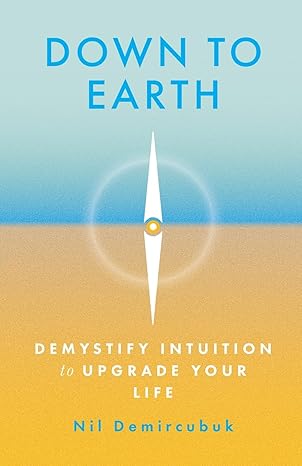


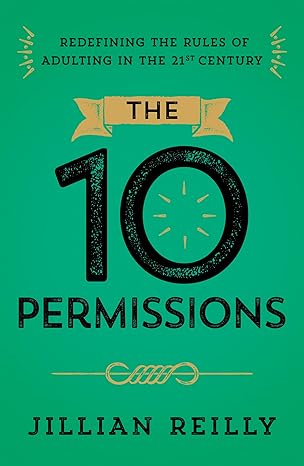






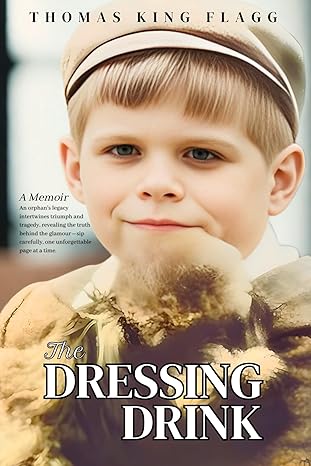


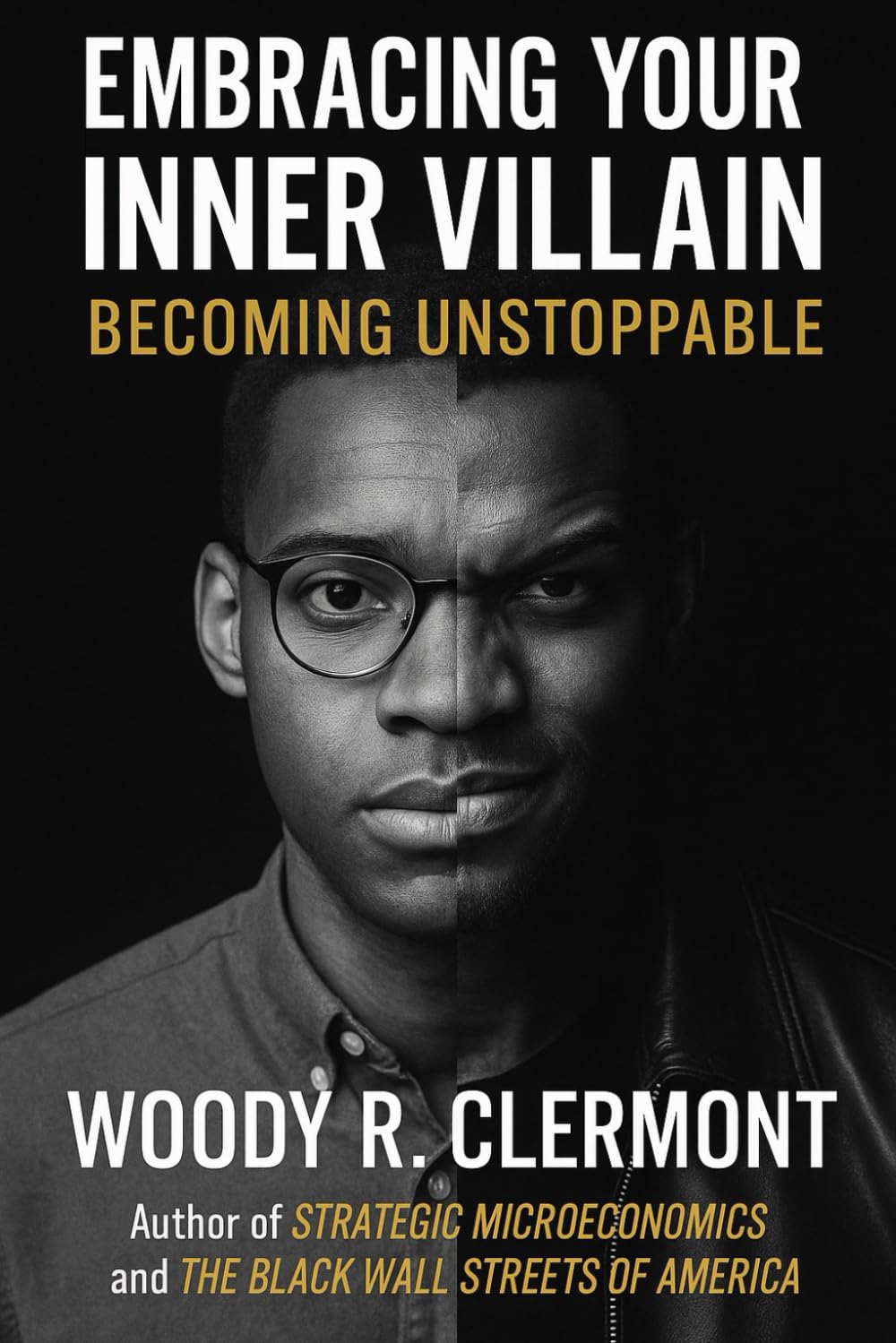
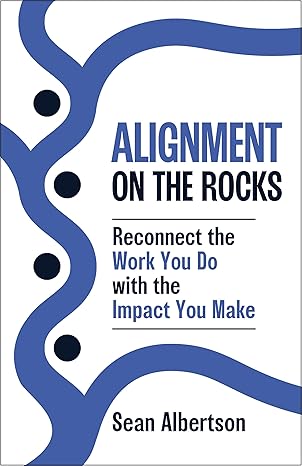
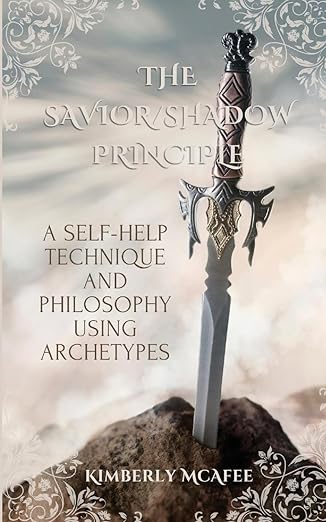




Just a Little Witch, Mostly a Mom by Diana Jonas
Visit the Literary Titan Book Awards page to see award information.
Seven Blank Pages

Seven Blank Pages is a memoir that moves like a journey across continents, emotions, and inner landscapes. Whitney Joy begins with moments of adventure, like skydiving, climbing mountains, traveling across oceans, and layers them with the heartbreak of divorce, the weight of grief, and the stubborn hope of starting over. It is not just a travel story. It’s a meditation on risk, resilience, and the search for meaning. Alongside stories of luxury events in glittering cities and treks up rocky summits, there’s a raw exploration of loss, intuition, and self-discovery. Each chapter feels like both a leap into the unknown and a homecoming to the self.
Reading this book felt like sitting across from a friend who isn’t afraid to tell you the truth, even when it stings. The writing is vivid and alive, with scenes that pull you into the cold air of the mountains, the glitter of jewels, or the ache of an unraveling marriage. I admired how Joy didn’t polish her story into a neat, triumphant arc. Instead, she showed the messy middle. The contradictions. The laughter that comes right after tears. That made it feel honest, even when her choices or perspectives made me pause. At times, the spiritual themes like manifestation, energy work, and intuition felt a little far out for me, but they were written with such sincerity that I couldn’t dismiss them.
I also found myself swept up by the sheer energy of her life. The speed of her career, the intensity of her relationships, the extremes of both risk and beauty. It made me reflect on how often I play it safe. Her story cracked open that little voice in me that asks, “What would happen if I leapt?”
I closed the book feeling both stirred and unsettled, in the best way. Seven Blank Pages is for people standing at the edge of something new, whether that’s an ending, a beginning, or the wild in-between. It’s for readers who crave adventure and honesty more than tidy answers. And it’s for anyone willing to believe, even just a little, that magic might still be possible.
Pages: 297
The Courage to Begin Again: Resilience, Courage, and Reinvention
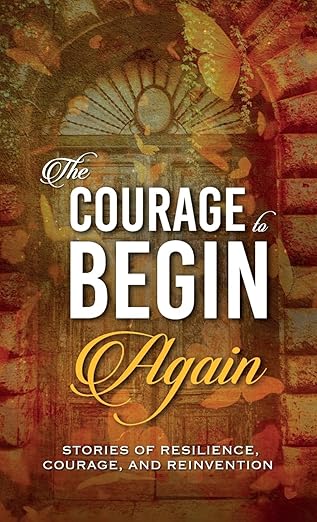
The Courage to Begin Again: Stories of Resilience, Courage, and Reinvention is an anthology of deeply personal stories from women who moved to Mexico and rebuilt their lives in unexpected ways. Each chapter explores a different perspective on starting over: the shock of cultural change, the struggle of loneliness, the bittersweet weight of leaving old lives behind, and the surprising joy of discovering new strengths. The voices range from lighthearted accounts of food and music to raw admissions of fear, loss, and self-doubt. What holds it all together is a theme of reinvention and resilience, showing that change, while often painful, can also be liberating.
Reading it, I found myself caught between admiration and empathy. The writing isn’t flowery or overly polished, which actually works in its favor. It feels honest. The women share their failures and embarrassments with as much detail as their triumphs, and that kind of vulnerability is hard to look away from. At times, I felt like I was eavesdropping on a conversation, with all the warmth and awkward pauses included. Some stories hit me hard, especially the parts about loneliness and feeling invisible in a crowd. I could almost feel the ache in my own chest. Other sections lifted me, like the small wins like finding a supportive friend, learning enough Spanish to laugh at a joke, or sitting at a long lunch surrounded by a new community.
What surprised me most was how much energy these women poured into reshaping themselves. Some leaned into self-care and spirituality, while others threw themselves into work, art, or friendship. At times, I thought the pacing of certain stories slowed as it circled the same lessons. But then again, maybe that’s the point. Starting over is messy. It’s not a neat arc, and this book doesn’t try to make it one. I respected that choice. By the time I reached the final pages, I felt a mix of exhaustion and inspiration, like I had traveled alongside them through the highs and lows.
I’d recommend The Courage to Begin Again: Stories of Resilience, Courage, and Reinvention to anyone standing at a crossroads, whether they’re moving countries or just moving into a new stage of life. It’s especially powerful for women who’ve had to leave something behind, be it a career, a home, or even a version of themselves.
Pages: 144 | ASIN : B0F7YM8QPL




 LITERARY TITAN