Blog Archives
The Power of Caring: Who Cares, Why It Matters, and How Conscious Caring Creates a Fulfilling and Connected Life
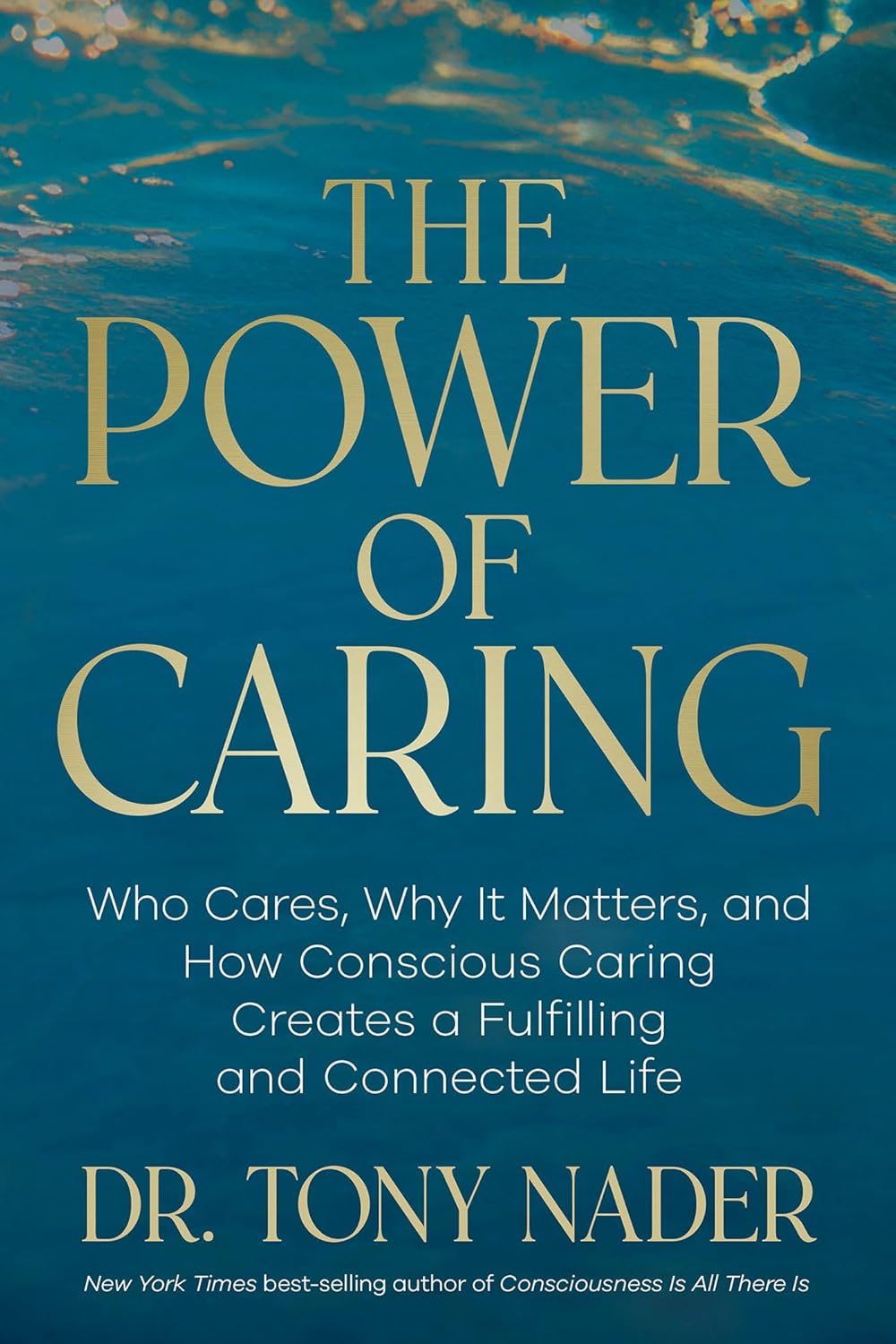

Dr. Tony Nader’s The Power of Caring is a thoughtful and wide-ranging look at why caring matters, how it shapes daily life, and how we can practice it without draining ourselves dry. The book begins with a simple question, “Who cares?” and turns it into a lens for looking at biology, philosophy, relationships, work, money, education, grief, technology, the planet, and spiritual life. Nader’s central idea is clear from early on: “This book does not ask you to care more. It asks you to care better.” That distinction gives the book its strongest practical footing.
What makes the book engaging is the way it treats caring as both deeply personal and much larger than the individual. Nader moves easily from hospital-room stories and family reflections to neuroscience, ethics, and the Consciousness Paradigm, his view that consciousness is the fundamental field beneath everything. That spiritual and philosophical framework gives the book its broad shape, but the chapters stay grounded through examples, reflection questions, quick resets, and takeaways. It feels designed to be used, not just read.
The book’s best sections are often the ones that deal with the tension between compassion and exhaustion. Nader understands that caring can become control, burnout, selective concern, or anxious overreach. Rather than pushing readers toward endless sacrifice, he keeps returning to steadiness, boundaries, renewal, and attention. His conversational style helps here. He’s not scolding the reader into being kinder. He’s inviting them to notice where their care is already going and whether it’s being spent wisely.
There’s also a strong sense of scale in the book. Caring for one person, tending the body, choosing meaningful work, responding to conflict, and thinking about future generations all become part of the same larger practice. Nader’s recurring image of ripples works well because it gives small acts real weight without making them feel grandiose. Near the end, his invitation becomes simple and memorable: “Care in your way. In your measure. With your rhythm.” That line captures the book’s softer wisdom.
The Power of Caring is ultimately a practical-spiritual guide to living with more conscious attention. It blends science, philosophy, meditation, and everyday ethics into a book that asks readers to take their influence seriously without carrying the whole world on their shoulders. Its message is steady and humane: caring is not a performance, a burden, or a personality trait reserved for unusually noble people. It’s a daily form of participation, one choice at a time.
Pages: 352 | ASIN : B0GWLT1MJR

How To Think and Succeed by Empowering Your Mind


How to Think and Succeed by Empowering Your Mind, by Lori Gradley, is a practical self-help guide built around the belief that lasting change begins in the disciplined inner life. Gradley leads readers through self-discovery, purpose, self-image, limiting beliefs, gratitude, goal setting, visualization, the mind-body connection, stress reduction, and decisive action, using quizzes, journal prompts, affirmations, and personal stories to keep the material grounded. Her account of recovering from a serious car accident gives the book its emotional center, while later stories, including her work around Tiny Talent Time, her encounter with Bob Proctor, and the transformation of her client Marsha, show how deeply she connects mindset with direction, resilience, and renewal.
I appreciated the sincerity of Gradley’s voice. She writes with the tone of someone who has lived with the questions she’s asking, not merely arranged them into tidy chapters. The book is most persuasive when it becomes personal: the hospital bed after the collision, the hard decision to leave a career and stay home with her children, the almost electric recognition she describes while watching children perform with joy, and then seeing that same purposeful energy in Bob Proctor. Those moments give warmth to ideas that might otherwise feel familiar. I also liked the book’s insistence on participation. The self-assessment questions, life-purpose exercises, attitude quiz, vision board guidance, and action checklist make the reading experience less passive. Gradley isn’t asking readers to admire growth from a distance. She’s asking them to sit quietly, tell the truth, and begin.
Gradley’s ideas about positivity, visualization, cybernetic programming, and the subconscious mind are presented with confidence, and for many readers, that confidence will be encouraging. For me, the strongest passages were the ones that allowed pain, failure, and complexity to breathe a little. Her acknowledgment that people dealing with depression, trauma, or mental illness may need smaller goals or professional help gives the book a more compassionate register. The writing is direct, encouraging, and highly accessible. There’s a steadiness in the structure. Each chapter builds like a hand placed gently at the reader’s back, urging forward movement without pretending the work is effortless.
How to Think and Succeed by Empowering Your Mind is an earnest, usable, and emotionally generous guide for readers who are ready to examine their habits of thought and take deliberate action toward a clearer life. Its best quality is conviction: Gradley believes deeply in the possibility of personal change, and that belief gives the book its uniqueness. I’d recommend it to readers who enjoy reflective self-help with exercises, especially those feeling stalled, discouraged, or in need of a structured reset around purpose, self-image, attitude, and goal setting. It’s a thoughtful companion for anyone willing to do the inner work rather than simply read about it.
Pages: 150 | ASIN : B0CWFMNV4T
Scars and All


Scars and All is a hybrid of memoir, self-help, and conversational reflection, built around one deceptively simple idea: the wounds we carry can either keep us trapped in old pain or become a way of recognizing and easing pain in others. Lara Portelli opens with a stranger dropping milk in a Sydney supermarket, then follows that moment into a chain of encounters, most memorably with Helen at the Hydro Majestic, where a spilled carton becomes the trigger for a buried schoolyard humiliation, and later with Mia, whose mirror-bound self-loathing exposes how easily beauty standards colonize a woman’s inner life. From there, the book widens into chapters on self-harm, invisibility, dress size, cutting remarks, and visible scarring, always circling back to the same invitation: look at your scars honestly, then decide whether they’ll remain reminders or become a map forward.
Portelli writes like someone leaning across the table, saying, listen, this matters. At its best, that makes the book feel intimate in a way many books in this lane never do. Helen’s story, especially the awful convergence of guilt, self-harm, and the old humiliation of chocolate milk in her hair, has genuine force. So does the quieter ache of Mia asking whether she can “compete” with the women she sees in magazines, only to be told, beautifully and bluntly, “You don’t.” I also found the chapter on clothing size unexpectedly effective. The changing-room scene with the ruby-red dress is funny, a little chaotic, and painfully recognizable, which is exactly why it lands. The book is strongest when Portelli lets scenes breathe like that, when the ideas rise out of lived moments instead of arriving as instruction.
The writing has warmth, rhythm, and an unguarded sincerity I appreciated, even when it wanders into reflective detours. There are moments when the narrative shifts from personal storytelling into broader reflections, motivational language, and ideas around NLP, past life regression, and inherited trauma. Those sections didn’t resonate with me quite as strongly as the more intimate, lived scenes, though they still felt consistent with the book’s searching and deeply personal spirit. I trusted Portelli most when she was describing a room, a look, a humiliation, a sudden kindness, the soft light of Holly Difford’s photo shoot, or the raw fact of Turia Pitt refusing to let “5 seconds of pain and agony” define the rest of her life. I never doubted the sincerity underneath everything. The book’s moral imagination is generous. It wants people to be gentler with themselves and more alert to the hurt in others, and that conviction gives it a pulse.
Scars and All is heartfelt and genuinely affecting. I think it succeeds because Portelli is willing to be raw, personal, and earnest in service of a deeply human belief: that pain can enlarge us instead of reducing us. By the time she returns to the image of walking someone “to the safety of that dry space,” the book had earned its tenderness. I’d recommend it most to readers who like personal-development books with memoir blood in them, especially women navigating reinvention, self-worth, body image, or the long afterlife of emotional injury.
Pages: 96 | ASIN : B0FYNQG85V
Beyond These Walls

Beyond These Walls tells the story of personal renewal after adversity. It blends memoir and guidance as author Matilde Hernandez reflects on her journey through separation, incarceration, healing, and reintegration. She walks the reader through the power of personal narrative, the weight of shame, the courage of forgiveness, and the long road toward rebuilding a meaningful life. Her chapters mix personal stories with advice, exercises, and reflections that invite readers to look at their own past, release old wounds, and step into a future shaped by resilience rather than regret.
As I read, I was pulled in by the honesty of her voice. The writing has an openhearted simplicity, and I found myself pausing often because something she said hit a little too close. She talks about the moments when you look around and wonder how life shifted under your feet, and that struck me. Her stories feel authentic, not polished for effect. At times, I wanted a bit more tension or texture, but the plainness also made the ideas easy to hold. I appreciated how she talked about reframing your story. It’s such a simple idea, yet the way she describes taking ownership of your narrative made me sit with my own thoughts longer than I expected.
When she writes about separation and the confusion of losing daily life with family, I felt a knot in my chest. She doesn’t dramatize the pain; she just lays it there, and somehow that makes it heavier. I liked the encouragement woven through the book. Her emphasis on self-forgiveness really resonated with me personally. It made me think about how often we wait for permission to move on when she argues you can give that permission to yourself.
By the end, I saw the book less as a step-by-step guide and more as a companion for people rebuilding from something that broke them open. Hernandez speaks to anyone who has lived through shame, confusion, or a hard reset in life. I’d recommend this book to readers who appreciate gentle encouragement, personal faith, and emotional honesty. It’s especially fitting for people navigating re-entry, major life transitions, or periods of deep self-reflection.
Pages: 124 | ASIN : B0DV7Q87MX

Get Me to Costa Rica!: A one year plan to leave the Rat Race

Get Me to Costa Rica! is a step-by-step guide for anyone feeling boxed in by work, routine, expectations, and wants a clear path to living abroad. The book lays out a twelve-month timeline that blends mindset shifts, decluttering, money planning, relationships, and logistics, all anchored in the idea that Costa Rica is not just a destination but a symbol of a calmer and more intentional life. It moves steadily from asking big personal questions to offering practical actions that make the dream feel reachable rather than abstract.
What I liked most was the tone of the guide. It feels like a long, honest talk with someone who has already gone through the fear and doubt and come out the other side. The writing is direct and encouraging, sometimes almost preachy, but in a way that feels earned. I found myself nodding along, especially during the parts about burnout, endless schedules, and the quiet grief of putting dreams on hold. The author clearly believes in what he is saying, and that belief carries emotional weight. At times, it felt a bit repetitive, yet that repetition also felt intentional, like a coach reminding you again and again that you really can do this if you commit.
The ideas themselves are not wild or revolutionary, but they are grounded and practical. Declutter your life. Set a date. Know your numbers. Build income that travels with you. None of this is flashy, and that is the point. I appreciated how the book did not pretend the move would be easy or magical. There is fear, guilt, and stress woven into the plan, and the author names those feelings without sugarcoating them. I felt both excited and a little exposed while reading, which is usually a sign that a book is poking at something real. It made me reflect on my own excuses and timelines, and that was uncomfortable in a good way.
I recommend Get Me to Costa Rica! to people who feel stuck and tired of talking about change without acting on it. It is especially good for readers who want structure, reassurance, and a push to stop waiting for the perfect moment. If you are dreaming about living abroad, or even just craving a major life reset, this book offers a clear map and a steady voice saying you are not crazy for wanting more.
Pages: 241 | ASIN : B0FPD3Z8Y4
The Savior/Shadow Principle: A Self-Help Technique and Philosophy Using Archetypes
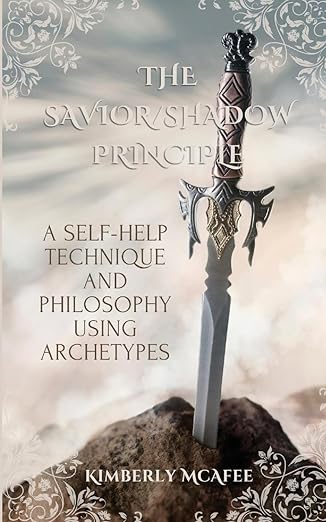
The book is both a personal memoir and a guide to a self-help technique the author calls the Savior/Shadow Principle. It blends mythology, psychology, and spirituality, drawing especially from the figures of Hekate and Jesus. McAfee takes readers through her journey from traditional Christianity into ChristoPaganism, then back into a reimagined Christianity. Along the way, she shares how she developed a meditative practice that uses archetypes of light and shadow to encourage self-honesty, growth, and healing. The book weaves in Jungian psychology, mythological parallels, and personal reflection, while offering readers practical ways to explore their inner lives through story and symbol.
I didn’t expect the writing to be so approachable. The author’s voice is warm, even when she’s discussing heavy topics like shame, fear, or midlife crises. She doesn’t hide behind theory or pretend to be an expert. Instead, she writes like someone who’s been in the dark, stumbled around, and finally found a lantern worth sharing. That sincerity resonated with me. At times, the language wanders, especially in sections heavy with history or myth, but that wandering matches the subject. The whole book is about exploration, so the digressions feel more like trails branching off a main path rather than distractions.
I loved the emotional undercurrent. I could feel the author’s vulnerability, her wrestling with faith, and her refusal to gloss over contradictions. That gave the philosophy weight. When she described Hekate lighting the way through shadow, or Jesus pulling someone into the light, it didn’t read like fantasy; it read like a relatable metaphor.
This isn’t a book for someone who wants a neat formula or a rigid system. It’s for seekers. It’s for people who are tired of shallow answers and who want to dig into the messy mix of spirituality, psychology, and story. If you’ve ever felt caught between belief systems, or if you’re curious about how myth and archetype can help uncover truth about yourself, this book has something to offer. It’s personal, heartfelt, and comforting.
Pages: 174 | ASIN : B0F8PLQMJB
It’s Never Personal: Weaving Psychology, Neuroscience, and Ancient Wisdom Through a 5-Step Process to Finally Let It Go

Vicki Kennedy’s It’s Never Personal is a heartfelt and practical guide to understanding why we take things personally and how to let go of that burden. Through her five-step “Never Personal Process,” she blends neuroscience, psychology, and ancient wisdom into a pathway for real emotional freedom. The book moves between personal stories, client experiences, and clear, accessible explanations of concepts like attachment theory and the mind-body connection. At the end of each chapter, reflective questions invite the reader to dig deeper, making the book part manual, part mirror. It’s not just theory, it’s a lived approach to releasing shame, resentment, and self-criticism, and finding the peace that comes with truly seeing that “it’s never personal.”
What struck me most was the openness and warmth in Kennedy’s writing. She doesn’t hide behind clinical distance. She shows her own struggles, moments of feeling unworthy, rejected, or invisible, and how she worked through them. This made the book feel like a conversation with a trusted friend who also happens to have a lot of professional wisdom. I found myself pausing to think about my own raw spots, the times I’ve rushed to forgive without healing, and how often my mind leaps to negative conclusions without evidence. Her examples, whether about a casual slight or a deep betrayal, hit that sweet spot of being specific enough to feel real, but universal enough to resonate.
I also appreciated how she bridged the gap between emotional healing and spiritual growth without slipping into abstract mysticism. Her tone is grounded and compassionate, and she has a knack for taking big ideas like flow states, shadow work, and generational patterns and making them simple without making them shallow. She’s equally willing to quote neuroscience research and the Tao Te Ching, and she makes both feel relevant. Some passages challenged me to face uncomfortable truths about my own defensiveness and judgment. Others left me feeling lighter, more hopeful. By the time I finished, I could see my own patterns a little more clearly and felt more willing to try her process in real life.
I’d recommend It’s Never Personal to anyone who finds themselves replaying conversations in their head, holding grudges they wish they could drop, or feeling too easily bruised by others’ words and actions. It’s ideal for those already in therapy or on a personal growth journey, but it’s also accessible to someone just beginning to wonder why certain hurts linger. If you’re ready to let go of the weight you’ve been carrying, whether it’s been a few weeks or a few decades, this book offers both the map and the encouragement to take those steps.
Pages: 139 | ASIN : B0F9B51HNT
When Your Partner Dies: Moving Forward and Finding Love and Happiness Again

Millard Hiner’s When Your Partner Dies is part memoir, part guidebook, and part gentle pep talk for anyone who has lost a spouse. Drawing from his own experience after the death of his wife Sharon, Hiner walks the reader through the raw early days of loss, the unpredictable stages of grief, and the tangle of emotional, social, and financial changes that follow. The book blends heartfelt personal stories with practical checklists, self-assessments, and ideas for honoring a partner’s memory, before gradually turning to the delicate subjects of moving on, dating again, and even blending new families. His message is clear: grief is unique to each person, but with time, care, and honesty, life can hold joy again.
I found the writing deeply personal and refreshingly unpretentious. Hiner doesn’t hide from the messy truths of widowhood, like how anger, guilt, and even relief can mix together in ways that feel wrong but aren’t. The prose is simple and warm, and the anecdotes carry a weight that advice alone never could. At times, the practical sections, especially the financial checklists, feel almost jarring next to the raw emotional passages, but in a way, that contrast mirrors the reality of loss: you’re mourning one moment and calling the insurance company the next. His ability to offer comfort without slipping into cliché struck me as one of the book’s greatest strengths.
While some themes, such as allowing yourself to feel or seeking support, are revisited, this repetition can serve as gentle reinforcement for readers who may need to hear those ideas more than once. I also found myself wishing for a bit more exploration of the emotional complexity involved in finding love again, as it’s such a delicate and layered subject. Even so, his warmth, kindness, and faith in second chances come through clearly, and the sincerity behind his words is never in question.
I felt as if I’d been guided by a friend who’d walked the path before me, pointing out both the potholes and the places where wildflowers still grow. When Your Partner Dies is for anyone supporting a grieving friend, or even for those years past a loss but still carrying the ache. It would especially resonate with people who need both the heart-level reassurance that they aren’t alone and the practical road map to manage the chaos that follows a partner’s death.
Pages: 140 | ASIN : B0CWMDKVQS


