Blog Archives
The Difficult Process of Emotional Recovery

Seven Blackbirds follows a law student trapped in an abusive marriage, struggling to protect herself and her infant son, who fights to escape her husband and rediscover who she is away from the abuse. What was the inspiration for the setup of your story?
During the course of writing this novel I was actively raising four children and became pregnant and gave birth to the fifth, so the way motherhood shapes and changes a woman was very much on my mind! I wanted to write about a protagonist who was not strong but became strong, found her voice and truly came into her own—regardless of the consequences for her marriage, which in this case was already rickety. My law studies had really opened my eyes to the impact of the legal system on mothers trying to dissolve the ties of organized society that bound them to their abusers while also trying to make their way through the difficult process of emotional recovery from that abuse. And I have to say that Tulsa inspired me as well. I lived there for several years and developed a deep affection for it. A strong sense of place is important to me as a writer. It grounds a story dealing with difficult subject matter so that the reader can wrap it around her like a cloak and really relate to the characters.
Did you plan the tone and direction of the novel before writing, or did it come out organically as you were writing?
There were maybe four things I was convinced of before I began. I knew I wanted to write about the “afterward” of Kim’s bad situation, that is, not dwell on the abuse, but focus on the recovery process. I knew I wanted to showcase a character who did not grow up in an abusive environment, because that would offer a pat explanation; I wanted this to be a shock and surprise to her, because there’s so much more meat to that story. I knew I was going to include humor because that adds realism—life is funny and sad and everything in between, all mixed up together. Finally, I knew I was going to need flashbacks because the recovery process is quite literally bringing the past back up into the present to meditate on it, digest it, and heal. That’s probably all the planning that went into it. I sketched out a few scenes and let things develop!
What were some themes that were important for you to explore in this book?
Smashing the stereotypes around DV; physical and emotional abuse in the home cuts across all demographic categories.
The way that denial, deflection, minimizing, and holding toxic secrets impedes emotional healing and growth; and conversely, that bravery will get you everywhere!
That growing up means finding the voice of your soul, and trusting that the inner stability that brings will help you ride the waves in the outer world.
That the legal system is imperfect, but when a woman stops viewing herself as a victim in need of rescue by the system, she’s in the best position to wring what she wants out of it.
Were you able to achieve everything you wanted with the characters in the novel?
Yes, for the purposes of this particular novel. Some of the characters do return in the companion volume, “Songs My Mother Taught Me,” so I was able to work with them more and it was and it was fun to discover what came next. “Songs” picks up with our heroine Kim later on, and I was especially pleased to be able to flesh out the relationships within Kim’s family of origin—that’s definitely something that comes to the fore in middle age! I loved working more deeply with her mother and sister, and of course it was a pleasure to see the tiny boy in “Seven Blackbirds” grow into a teen.
Author Links: Amazon | Website
Emotional Vulnerability

Thank You for the Kiss follows a traveling entrepreneur who arrives in Cuba, carrying heartbreak and longing with her, seeking an escape and a new identity for herself. Why was this an important book for you to write?
“Thank You for the Kiss” was an important book for me to write because it allowed me to explore the fragile intersection between personal longing and cultural complexity. At its core, it’s a story about emotional vulnerability -how heartbreak can push us to seek escape, reinvention, and connection in unfamiliar places. But it’s also a cautionary tale about the seductive glamour of tourism and the ease with which we can misread the world when we’re emotionally altered.
I wanted to show how, in moments of pain or disorientation, we can lose ourselves,not just in the beauty of a place, but in the illusion that we understand it. The protagonist’s journey through Cuba is not just physical; it’s a descent into the blurred lines between empathy and projection, generosity and vanity. Gina’s desire to help, to connect, to feel something real, is sincere, but it’s also tangled with misunderstanding, privilege, and the unconscious assumptions we carry when we move through cultures not our own.
Writing this story was punishing in its honesty. It forced me to confront how easy it is to let consequences drift when we’re consumed by our own emotional needs. But it also offered compassion, or the flawed ways we try to heal, for the mistakes we make when we’re trying to do good, and for the quiet hope that even in misunderstanding, there can be growth.
I appreciated the candid nature with which you told your story. What was the hardest thing for you to write about?
The hardest part of writing this story was admitting it to myself first. Revisiting those nine months meant confronting not just the events, but the emotional undercurrents that shaped them: the heartbreak, the impulsivity, the moments of vanity and misjudgment. Putting it into raw words,without softening the edges, was bruising. It exposed the flaws of the protagonist, who in many ways mirrored my own vulnerabilities.
But that candor was necessary. It allowed me to reflect with humility, to trace the journey from emotional disorientation to deeper self-awareness, and to offer readers something honest to connect with. I wanted the story to be more than just a personal reckoning,I hoped it would resonate with anyone who’s tried to help, who’s felt lost in unfamiliar terrain, and who’s learned, through discomfort, how to see with greater clarity and compassion.
What were some themes that were important for you to explore in this book?
Some of the most important themes I wanted to explore in Thank You for the Kiss were deeply personal, but also universally resonant:
EMOTIONAL INSTABILITY – I was drawn to the idea of what happens when we’re emotionally ddestabilise,how heartbreak can push us to seek new identities, new geographies, and new versions of ourselves. The protagonist’s journey is as much about internal transformation as it is about physical travel.
CROSS – CULTURALISM – A central theme was the fragility of cross-cultural encounters, especially when filtered through the lens of emotional vulnerability. I wanted to explore how easily good intentions can be misread, how privilege can distort perception, and how tourism can sometimes blur the line between connection and consumption.
GLAMOUR AND SEDUCTION – There’s a seductive quality to escape, especially in a place as visually and emotionally rich as Cuba. I wanted to show how easy it is to fall into the fantasy of a place, to romanticize it, and in doing so, lose sight of its realities and the people who live them every day.
VANITY, VULNERABILITY AND SELF-REFLECTION -This story demanded a raw honesty about the protagonist’s flaws and her desire to help, her longing to be seen, her missteps. It was important for me to write a character who is both well-meaning and deeply imperfect, because that’s where growth happens: in the tension between who we are and who we hope to be.
POWER/ A HARK BACK TO COLONIALISM AND THE NEED TO DO GOOD I also wanted to examine the complicated dynamics between those who have and those who do not. The protagonist’s attempts to help are sincere, but they’re also shaped by her own needs and assumptions. This theme was about interrogating the ethics of giving, and how easily we can project our own desires onto others under the guise of generosity.
I wanted the story to be not just about love or loss, but about the messy, beautiful, and often uncomfortable process of learning to see more clearly – both ourselves and the world around us.
What do you hope is one thing readers take away from your story?
I hope readers take away from Thank You for the Kiss, that vulnerability is not weakness ; it’s a doorway. The story invites readers to sit with discomfort, to witness the messy, imperfect ways we try to heal, connect, and understand both ourselves and others. It’s a reminder that emotional honesty, even when painful, can lead to clarity and compassion.
Author Links: GoodReads | Facebook | Website
When warrior Queen Gina arrives in Havana, she seeks to rebuild her shattered life after profound loss. But Cuba, with its vibrant chaos, becomes both a healer and a destroyer. Caught in deception, cultural misunderstandings, and the pull of forbidden love, Gina must decide: surrender to ruin, rise again as the formidable woman she was meant to be.
a raw and unforgettable memoir of grief, identity and transformation
Thank You For The Kiss, a memoir, invites readers to witness one woman’s extraordinary fight to reclaim her life and spirit.
Something Resembling Love


Something Resembling Love tells the story of Jane Davenport, a young woman burdened by loss and a rare medical condition that shadows her every choice. After losing her parents and discovering she has hereditary hemorrhagic telangiectasia, her life becomes a balancing act between survival and desire. Years later, she crosses paths with Peter, a quiet researcher haunted by his own solitude. Their worlds intertwine in Chicago through mutual friends, late-night labs, and hesitant hearts. The novel moves between perspectives, revealing how two people learn to accept imperfection and find something close to love amid fear, science, and second chances.
Author Elizabeth Standish writes with a kind of honesty that sneaks up on you. The story isn’t flashy or overly romantic, it’s gentle, careful, and raw in ways that feel human. I loved how Jane’s sharp wit balances her vulnerability, how her pain never turns her bitter, only more determined. Peter’s quiet awkwardness, his devotion to science, and his fumbling affection make him real and lovable in his own hesitant way. Their chemistry builds like a slow burn, full of small gestures and unspoken emotions, the kind that make you smile and ache at the same time.
What stood out to me most was how Standish weaves science into intimacy. The clinical details of DNA, blood vessels, and soil chemistry mirror the characters’ search for connection. The writing feels almost poetic in places, but it never drifts into pretentiousness. The dialogue feels lived-in, the pacing patient but never dull. Still, there were moments when I wanted the story to push harder, to show more of Jane’s darker thoughts, or Peter’s guilt, instead of keeping things so contained. But maybe that’s the point. Love here isn’t cinematic. It’s quiet, flawed, and a little messy. Just like the people trying to hold it together.
Something Resembling Love isn’t just a romance, it’s a meditation on resilience, grief, and the fragile beauty of being known by another person. I’d recommend it to readers who enjoy character-driven stories with emotional depth, to anyone who’s ever loved someone despite fear, and to those who prefer subtle emotion over melodrama.
Pages: 317 | ASIN : B0FMP96X96

It’s Just the Spark

The Broken Weathervane follows a woman trying to unravel a family mystery who takes a new job with an English professor who is working on a biography that he does not realize is tied to her family. What was the inspiration for the setup of your story?
My dad shared a family story about his father and uncle who were in business together with a younger brother who struggled quite a bit. The two older brothers did everything in their power to help him succeed in his own businesses and later let him work at theirs. I loved the way they cared for him despite all the difficulties they encountered.
This was the spark of the 1950s timeline in my novel. However, it’s just the spark. It’s not a story about my family, and the characters took on lives of their own.
In the 2015 timeline, I needed two people at cross purposes with each other—both seeking the same information for different reasons.
I found Leslie to be a very well-written and in-depth character. What was your inspiration for her and her emotional turmoil throughout the story?
It was important for Leslie to have understanding of mental health issues, some from experience, some from study and observation. Having safeguarded her family’s identity and history her entire life, she wrestles with how to handle newfound information she’s been wondering about for years.
Since her life had to overlap Greg’s at the university, I gave her an education background (previously a high school English and literature teacher) and made her a grants officer at the college so she’d have to work directly with Greg from time to time.
Part of her turmoil comes from keeping secrets from Greg who doesn’t even know she’s part of the Buckwalter family that he’s been researching. While honoring her grandmother’s wishes for privacy, she could be putting Greg in jeopardy by withholding information.
What were some themes that were important for you to explore in this book?
In the 1950s timeline, one of the characters deals with mental illness. My hope is to reduce the stigma of mental illness by learning about it, discussing it, and having empathy for those who suffer.
Directly related is the question of transparency and truth. When is it important to be transparent and when should privacy and protection of loved ones take priority? There are no easy answers.
The Broken Weathervane is conducive to great book club discussion. There are resources and nine questions at the back of the book and on my website. I’d be happy to visit any book club in person or via Zoom.
What is the next book that you are working on, and when can your fans expect it to be out?
My next book is historical fiction, as usual, but it goes back further into time than my other books. Rain in the Wilderness is Biblical fiction set in the time of Christ. The main character is Rebekah, mother of three adult children. One son works for a Roman centurion; another despises all things Roman.
In Jerusalem and beyond, the Jews writhe under the oppressive Roman Empire, longing for a political Messiah. At the center of controversy, Jesus of Nazareth seems an unlikely prospect. Ruthless debates unite his enemies while further dividing Rebekah’s family.
After years of research and writing, I’m thrilled this novel will finally be published on October 13, 2026.
Author Links: GoodReads | Website | Bookbub | LinkedIn
As Leslie Wickersham, Raymond University grants officer, seeks information to unravel a family mystery, English professor Gregory Stafford seeks an elusive interview with one more Buckwalter relative for his upcoming author biography. While Greg and Leslie guard coveted details from each other, her goals are further complicated by letters of blackmail threatening to reveal all she has worked hard to hide.
In this dual timeline novel alternating between 2015 and the 1950s, loyalty is tested and secrets abound when family honor collides with truth. Leslie grapples with the trade-off: how far will a person go to help a loved one thrive?
Women Owning Their Lives

The Unabridged Life of Missy Kinkaid follows a middle-aged woman coping with complicated relationships both past and present. What was the inspiration for the setup of your story?
Missy was first introduced to readers in my book Finding Scarlet. She radiated such energy that I wanted to explore what her full story might look like. I wanted to write a story of women owning their lives in all their imperfect ways, being unapologetic, which isn’t always easy.
What experience in your life has had the biggest impact on your writing?
In the last several years, it’s been divorce. But intertwined within those books are stories of family, romance, friendships, and second chances. The recognition that we don’t just roll over and cease to exist as vibrant women has been a big driving force.
What character did you enjoy writing for? Was there one that was more challenging to write for?
I loved writing Missy. She is strong, but flawed. Trying to capture her imperfections in a meaningful way was a joy. I also really loved Scarlet (obviously, she has a whole book!).Margo’s imperfections made her story heartbreaking to write at times, but also deeply rewarding. Writing Charlotte as a ghost who weaves herself into Missy’s thoughts required some creative stretching.
Can we look forward to more work from you soon? What are you currently working on?
I have a couple of other projects I have started. They are not divorce fiction. One is women’s fiction and the other historical fiction with romance. I’ll see which one takes over in the process and go from there. I do hope readers will consider reading Finding Scarlet to get a flavor for the characters in The Unabridged Life of Missy Kinkaid. And the ending will be so much more rewarding that way.
Author Links: GoodReads | X | Facebook | Website
Missy Kinkaid has always been the light of Sullivan’s Island—bold, unapologetic, and the beating heart of her family, friends, and Scarlet’s Harlots, the renegade divorced women changing the narrative. But when the death of her estranged mother sends her spiraling into a breakdown in the cereal aisle, Missy is forced to confront the pain of past loves, fractured family ties, and the weight of expectations she’s spent a lifetime defying.
With her closest friends—and a cousin carrying secrets of her own—Missy embarks on a journey of reckoning that tests the limits of forgiveness, resilience, and self-discovery. Along the way, she learns that true empowerment isn’t about posturing but the courage to own your story, scars and all.
Witty, raw, and emotionally layered, The Unabridged Life of Missy Kinkaid is a fiercely uplifting novel about friendship, loss, reinvention, and the strength it takes to become wholly yourself.
First introduced in Kirsten Pursell’s Finding Scarlet, Missy now steps into her own unforgettable story—one of heartbreak and humor, loss and resilience, and the enduring bonds that tether us home.
A Beautiful Ending
Jake and Zena’s family is stitched together by hope and haunted by ghosts. Ronnie and Amina chase the sparks between them, Carolyn and Jesse launch Southern Comfort, Charlotte’s newest soul food haven, Jordan dazzles the fashion world in D.C. alongside Miles, and Jessica juggles college life and motherhood in Atlanta with Bryce. Yet, even as they embrace the present, shadows from their past are, waiting to unravel their future. In this gripping trilogy conclusion, the Alexanders face their final reckoning: will the gathering clouds tear them apart —or will they find the beautiful ending they truly deserve?

Literary Titan Gold Book Award: Fiction

The Literary Titan Book Award honors books that exhibit exceptional storytelling and creativity. This award celebrates novelists who craft compelling narratives, create memorable characters, and weave stories that captivate readers. The recipients are writers who excel in their ability to blend imagination with literary skill, creating worlds that enchant and narratives that linger long after the final page is turned.
Award Recipients

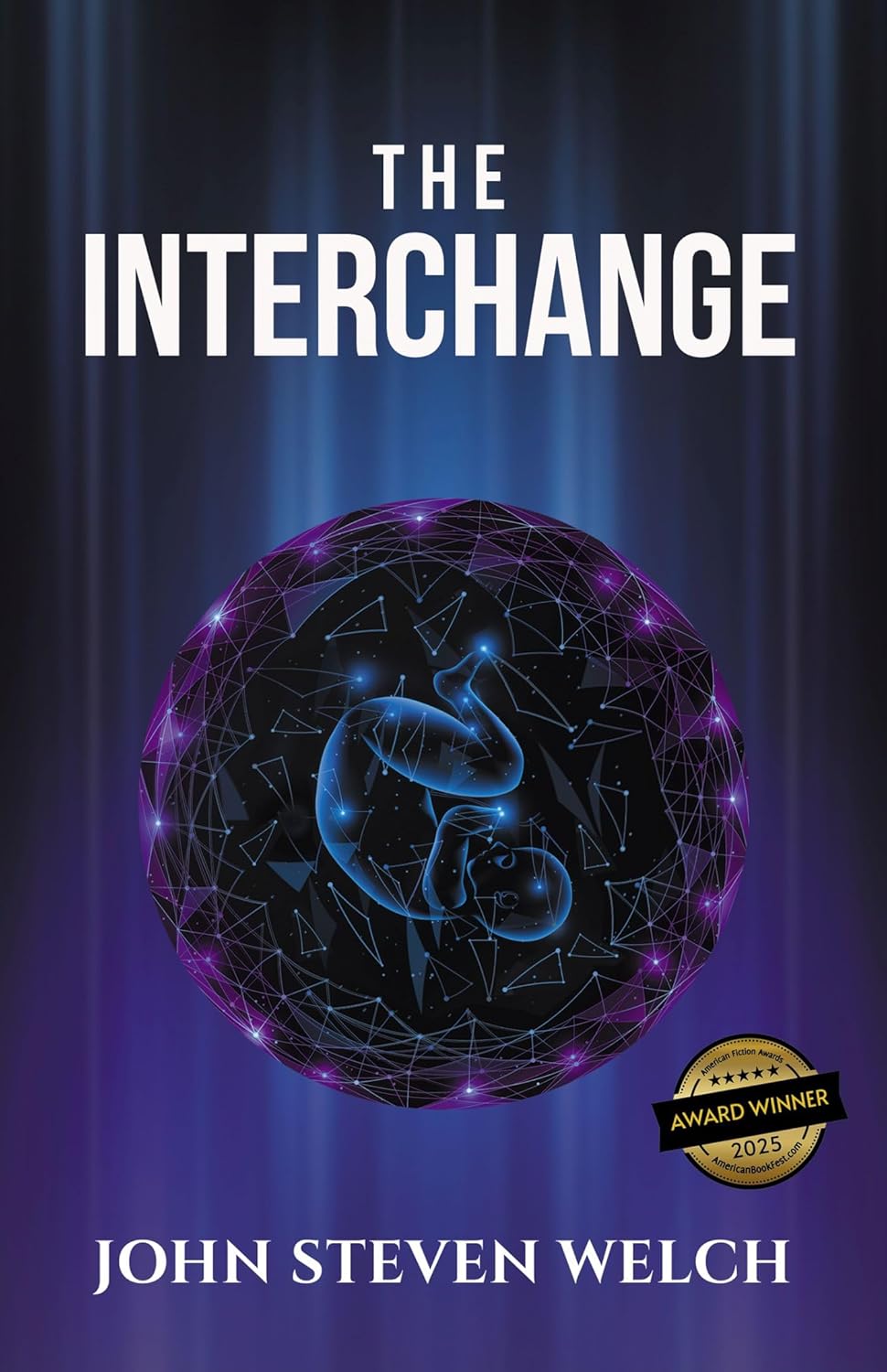


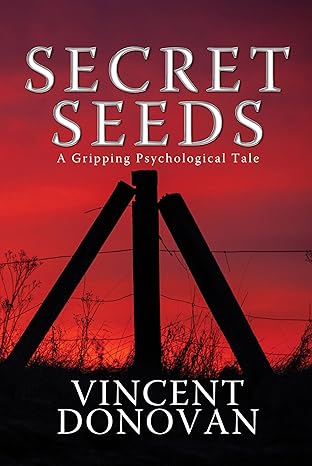
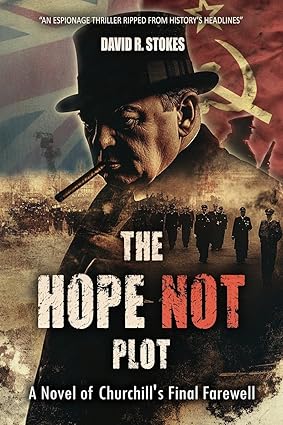

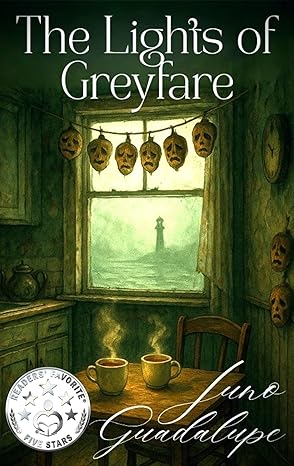








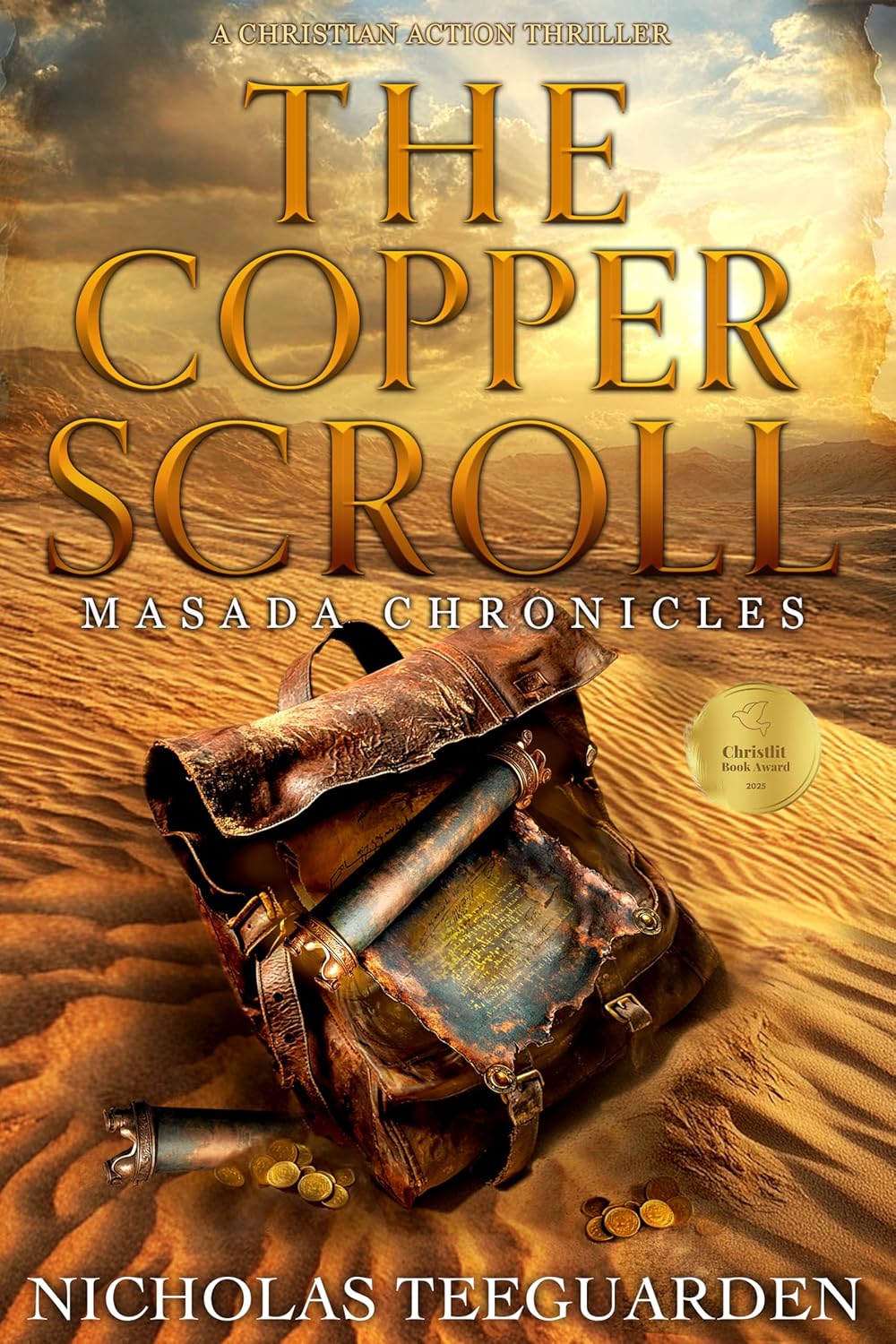
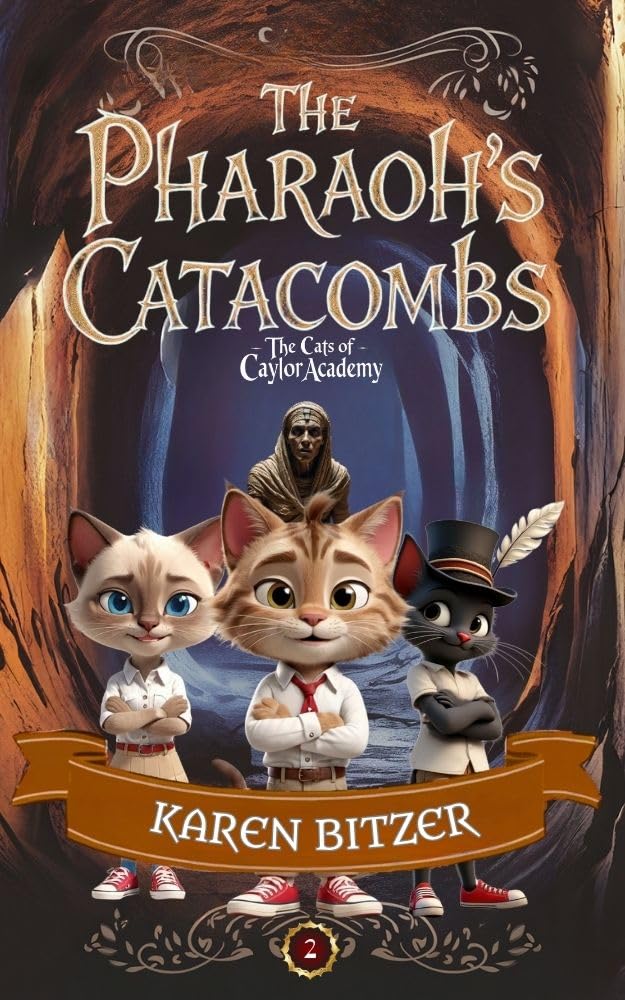

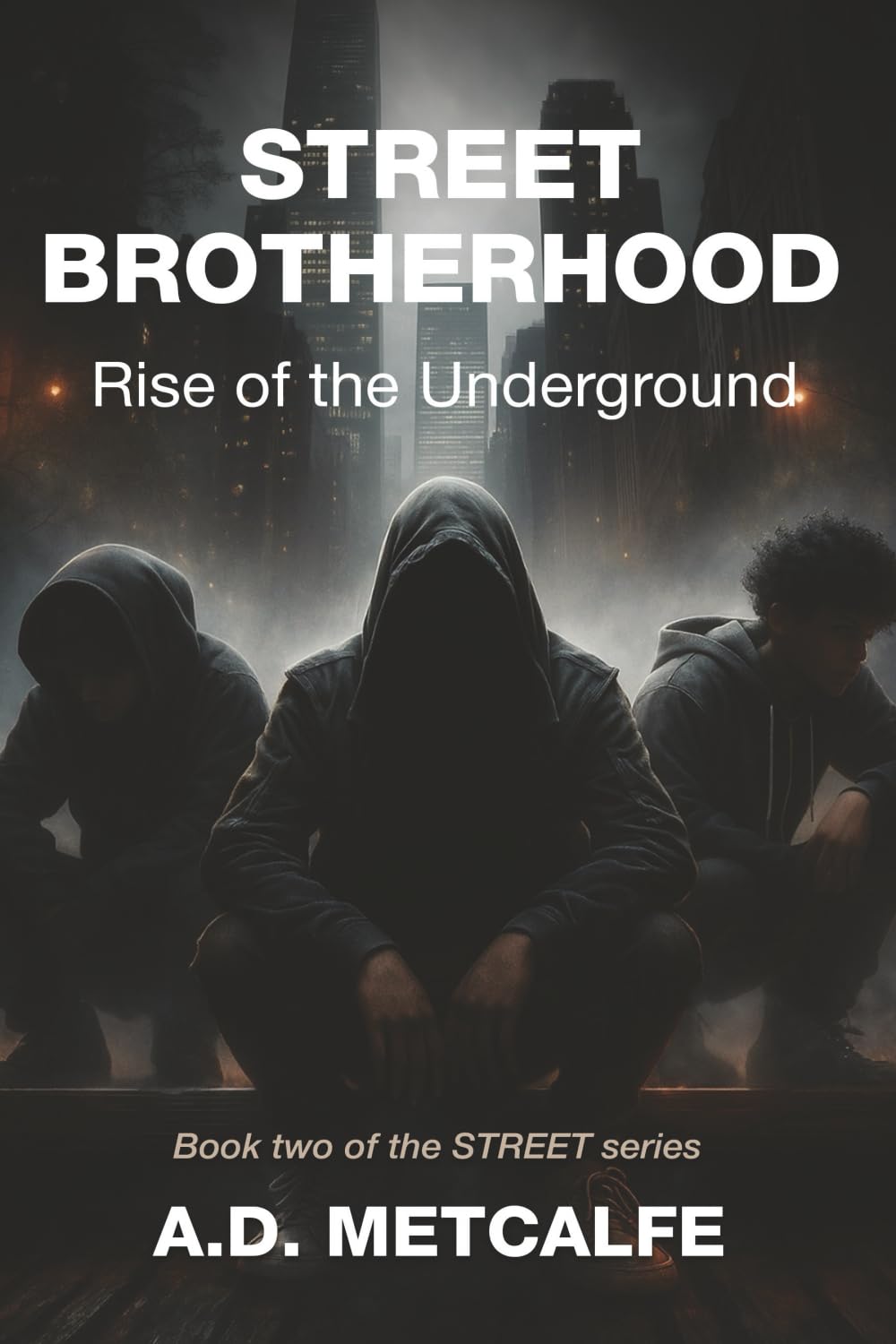


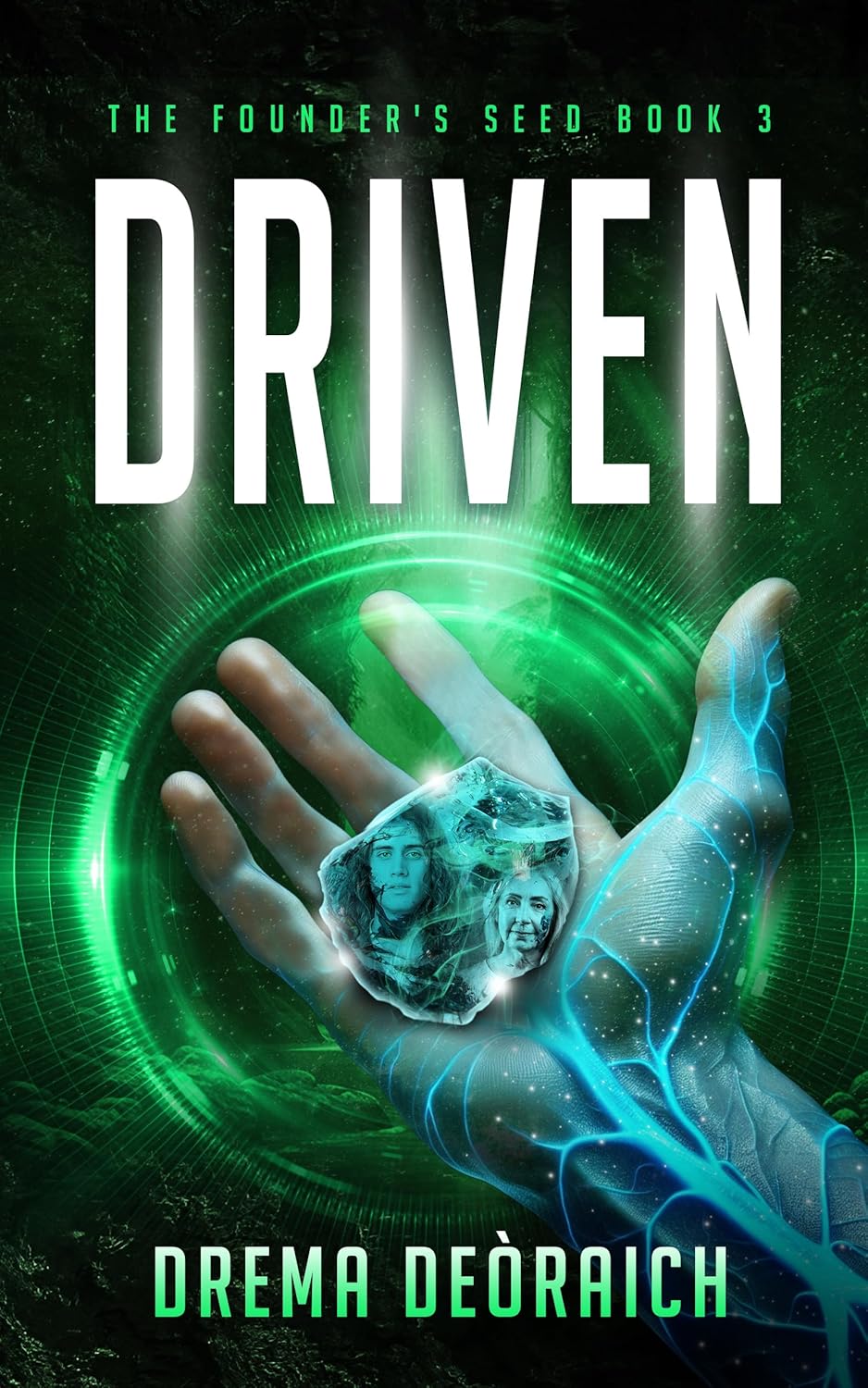







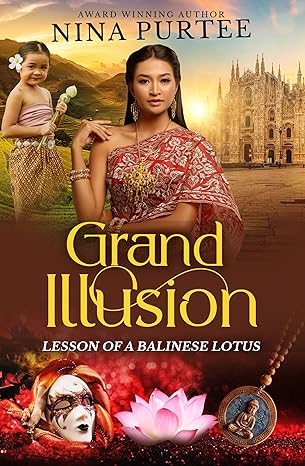
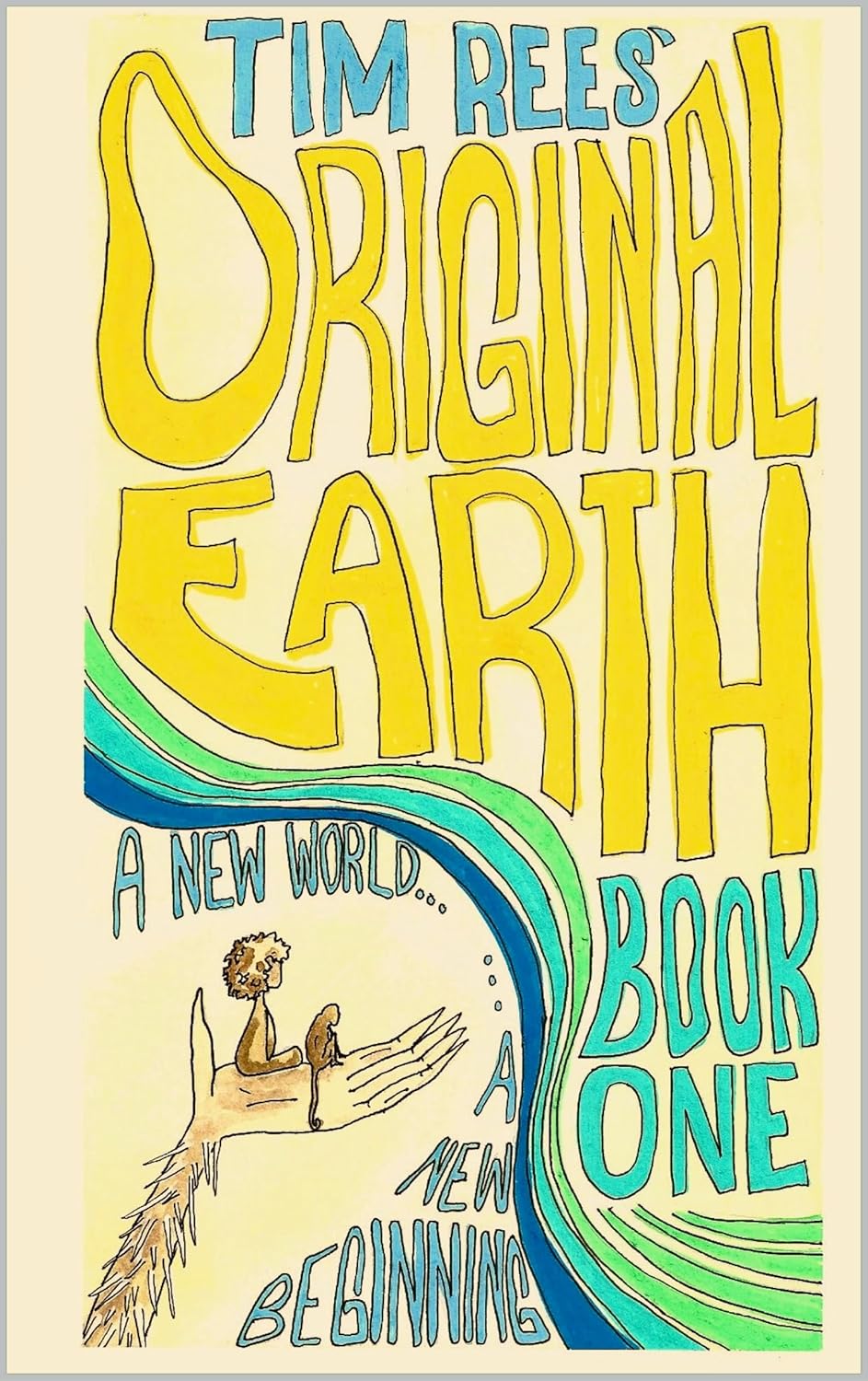
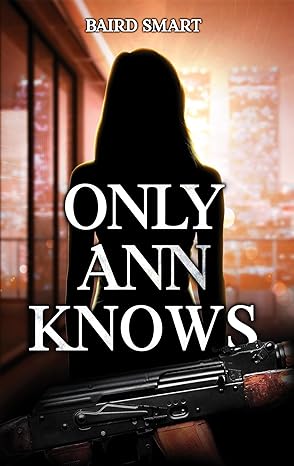
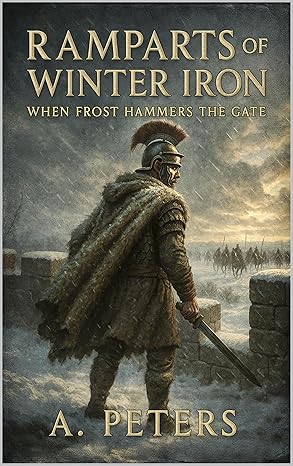
The Cauldron: A Struggle for Survival by Joe Clark
A Jericho’s Cobble Miscellany by Tom Shachtman
Childhood’s Hour: The Lost Desert by E.E. Glass
Visit the Literary Titan Book Awards page to see award information.



 LITERARY TITAN