Blog Archives
Literary Titan Gold Book Award: Fiction

The Literary Titan Book Award honors books that exhibit exceptional storytelling and creativity. This award celebrates novelists who craft compelling narratives, create memorable characters, and weave stories that captivate readers. The recipients are writers who excel in their ability to blend imagination with literary skill, creating worlds that enchant and narratives that linger long after the final page is turned.
Award Recipients













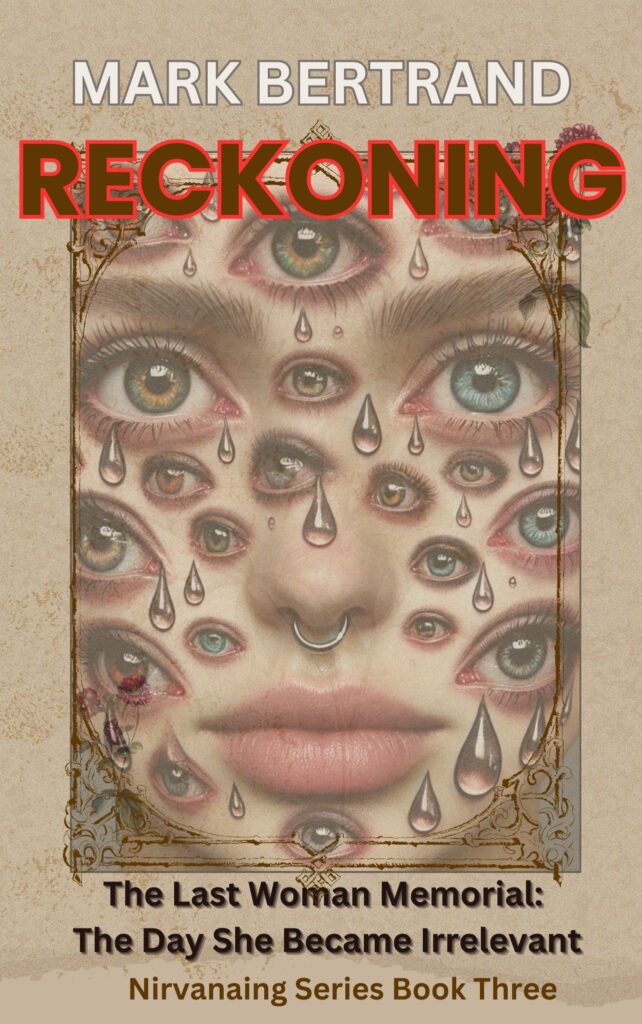


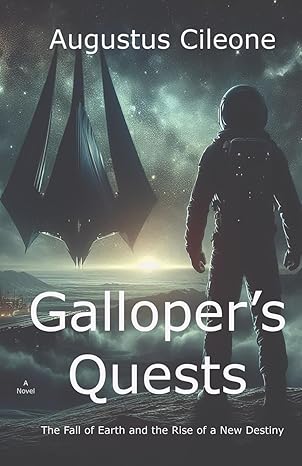

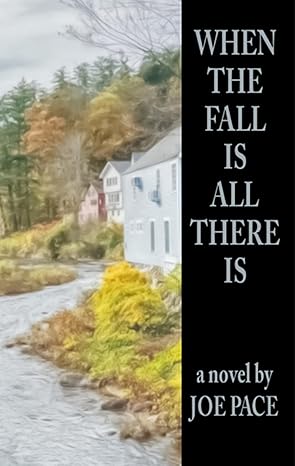
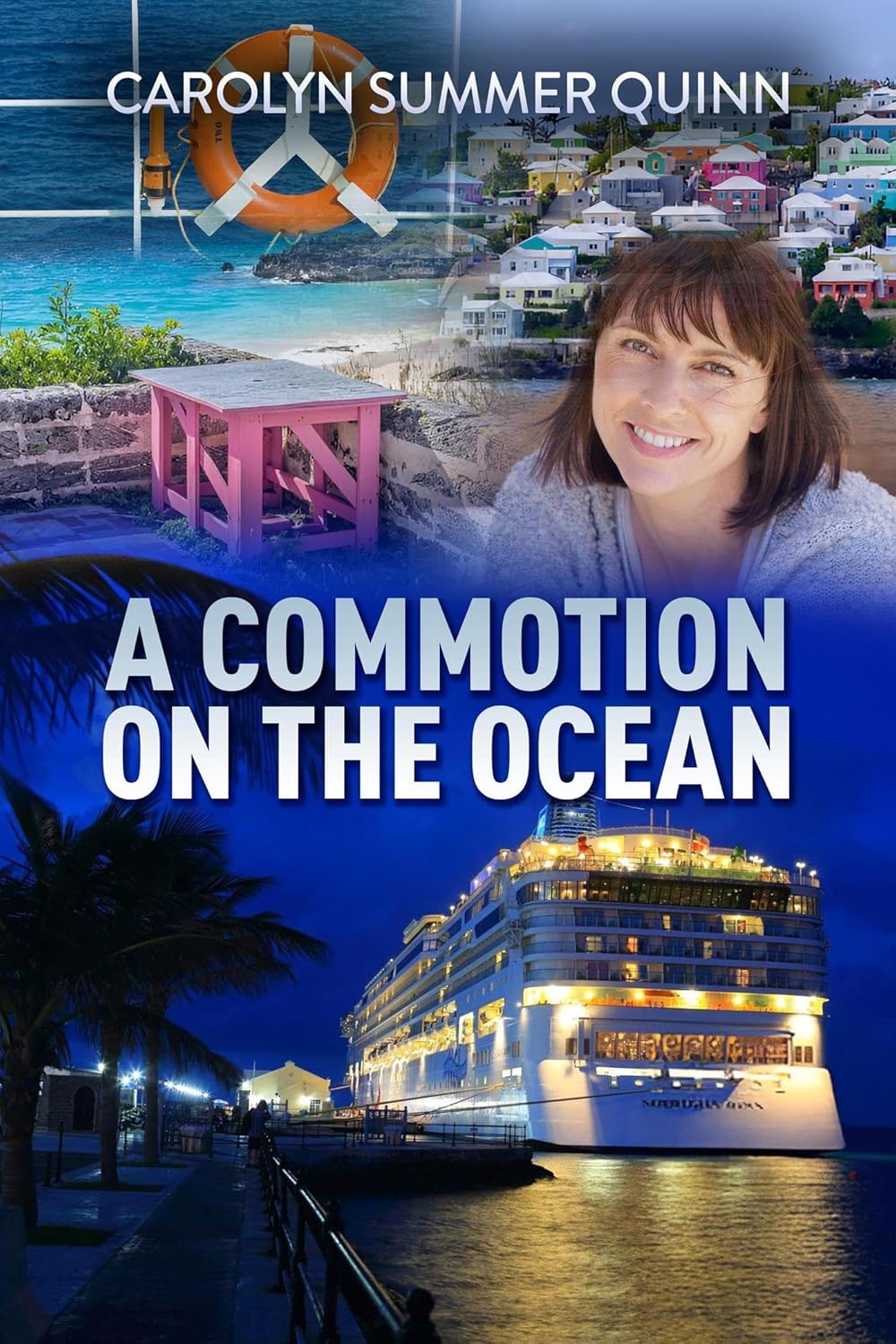
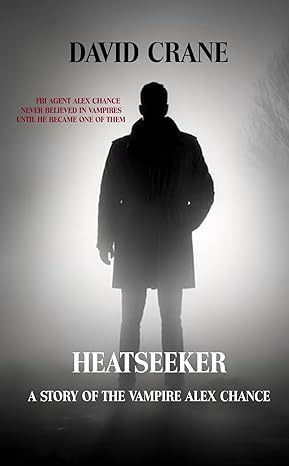


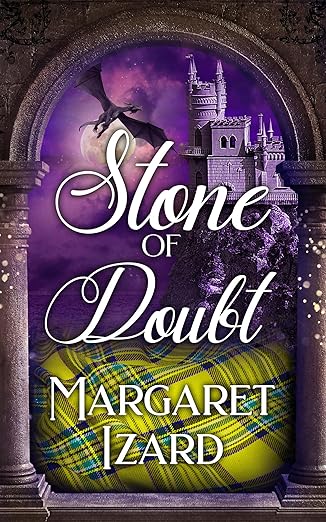
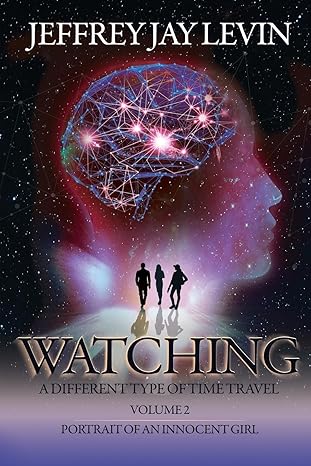

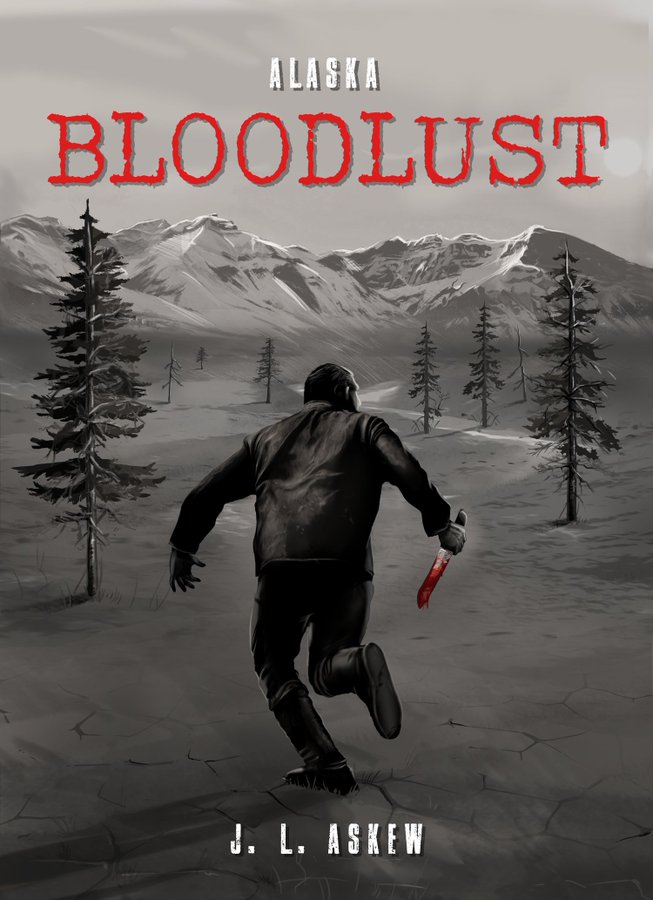


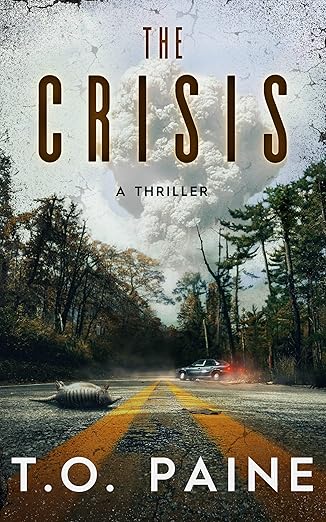


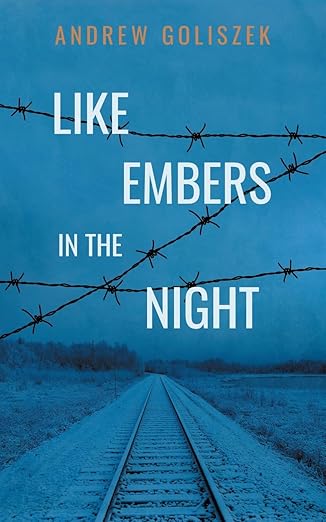

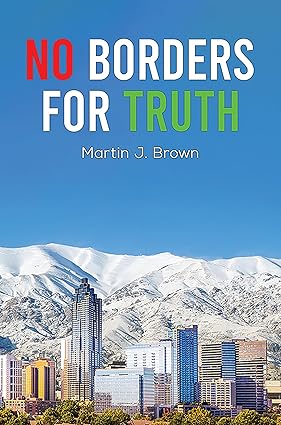
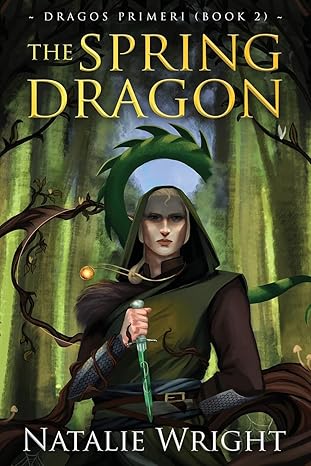
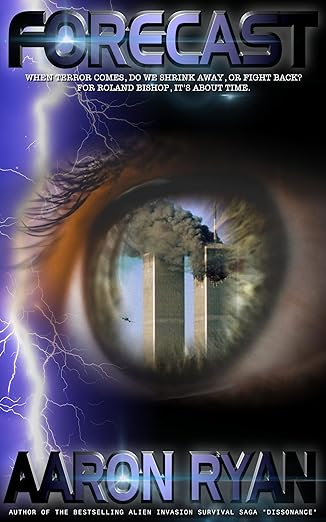


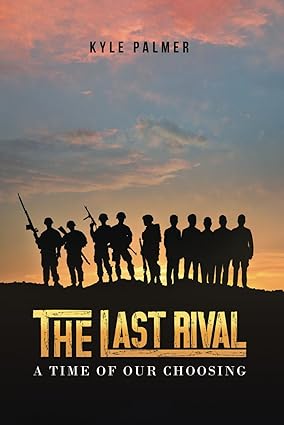

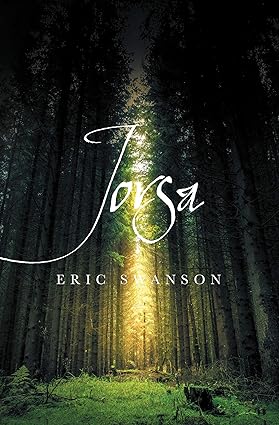


Beyond this World there is a world I want by Steven Physioc
Visit the Literary Titan Book Awards page to see award information.
Literary Titan Gold Book Award: Nonfiction
The Literary Titan Book Award recognizes outstanding nonfiction books that demonstrate exceptional quality in writing, research, and presentation. This award is dedicated to authors who excel in creating informative, enlightening, and engaging works that offer valuable insights. Recipients of this award are commended for their ability to transform complex topics into accessible and compelling narratives that captivate readers and enhance our understanding.
Award Recipients


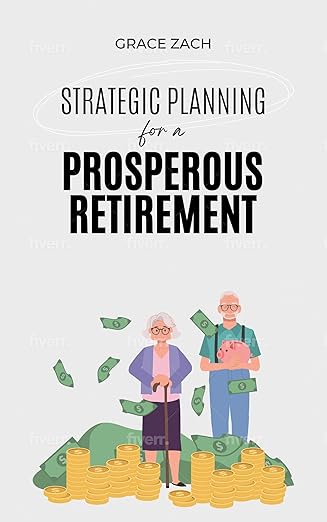



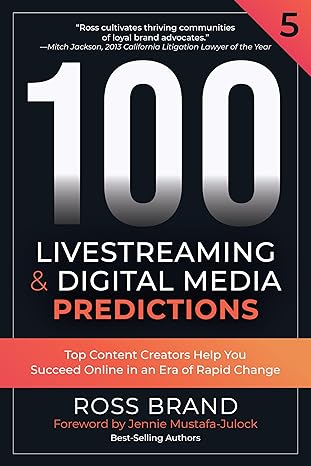
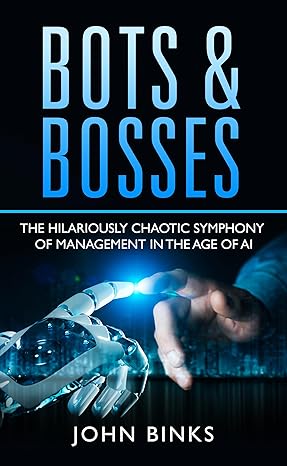


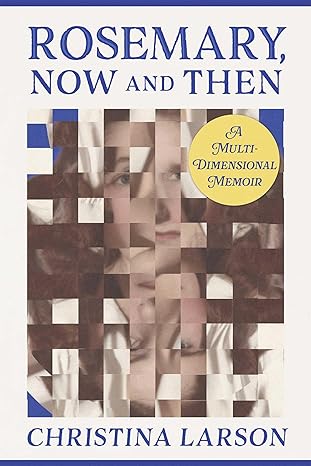

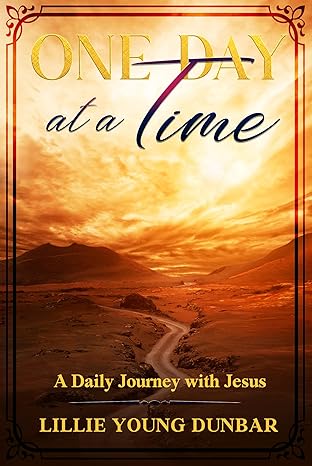
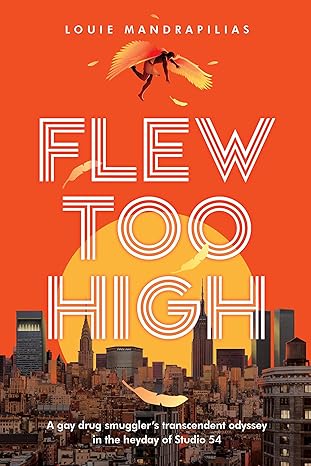


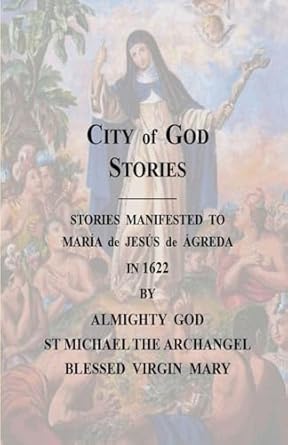
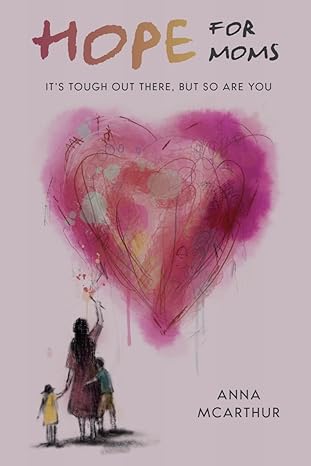
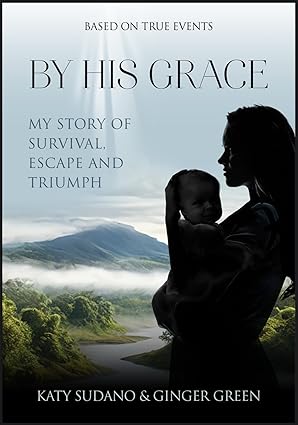







Party at the End of the Rainbow by Ronald Schulz
Ageless Desire A Steep Age Gap Romantic Erotic Tale by TG Gore
Visit the Literary Titan Book Awards page to see award information.
Literary Titan Silver Book Award
Celebrating the brilliance of outstanding authors who have captivated us with their skillful prose, engaging narratives, and compelling real and imagined characters. We recognize books that stand out for their innovative storytelling and insightful exploration of truth and fiction. Join us in honoring the dedication and skill of these remarkable authors as we celebrate the diverse and rich worlds they’ve brought to life, whether through the realm of imagination or the lens of reality.
Award Recipients


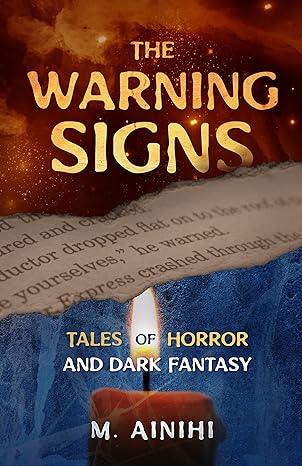
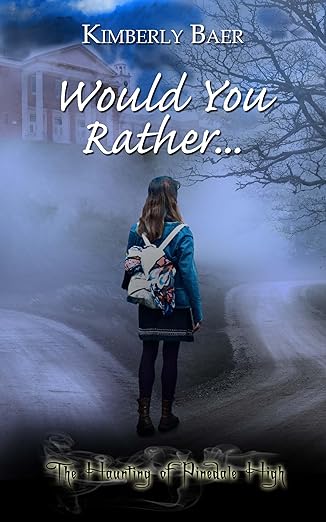


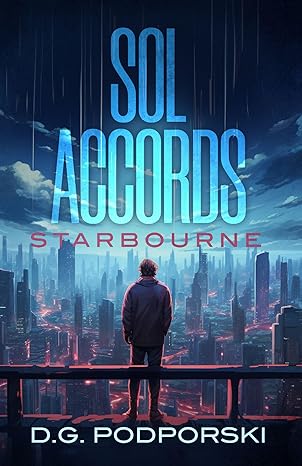























Three Encounters of the Romantic Kind by TG Gore
Visit the Literary Titan Book Awards page to see award information.
The Nine Devines of Chippewa Falls
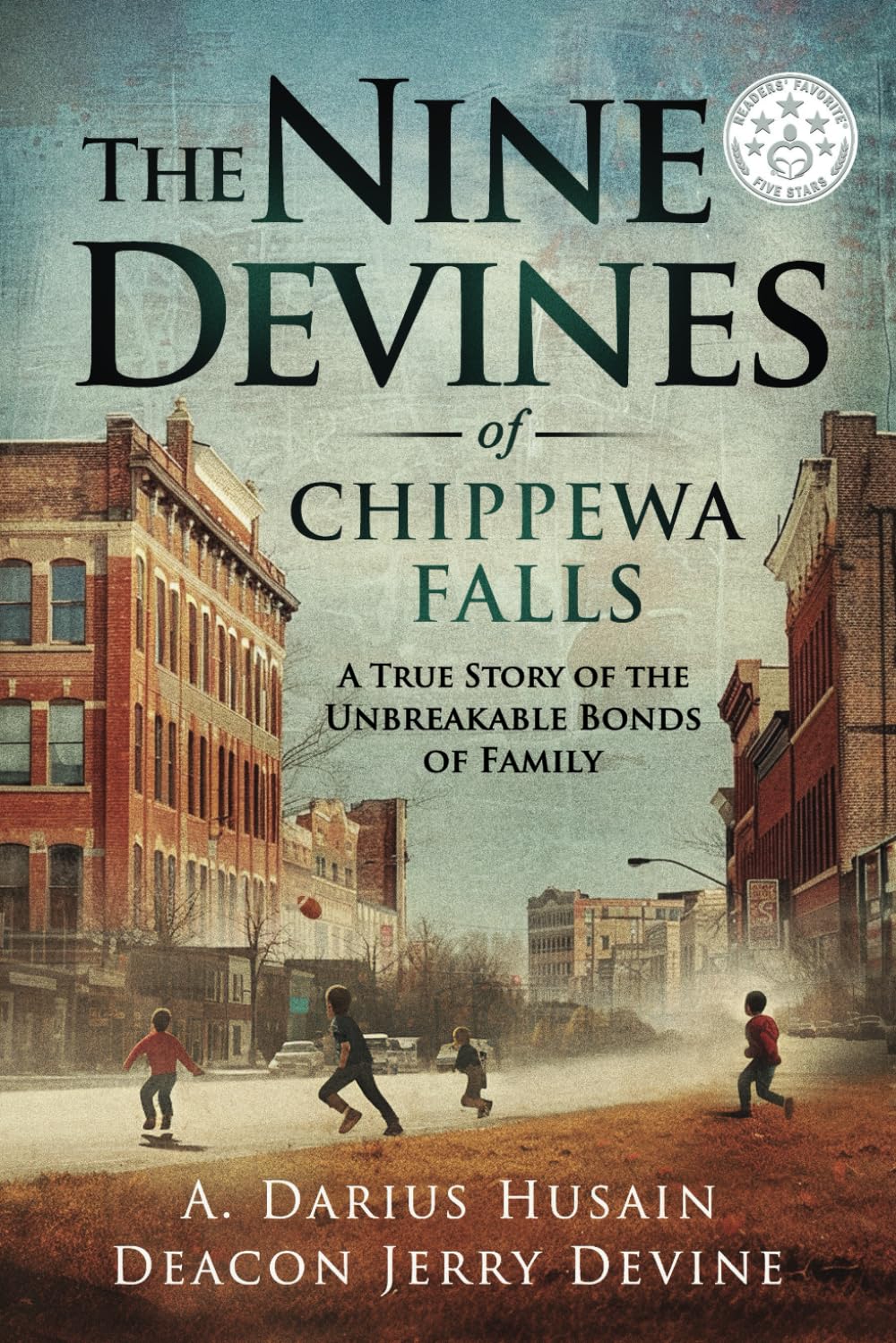

The Nine Devines of Chippewa Falls is, at its heart, a deep dive into family history, resilience, and the stories that shape who we are. A. Darius Husain and Deacon Jerry Devine take us through a sweeping narrative that spans generations, uncovering the triumphs and struggles of the Devine family. The book follows the nine Devine siblings, each carving out their own path while remaining tethered to a shared past filled with hardship, perseverance, and a relentless pursuit of something greater. Told through a mix of personal reflection and historical recollection, it’s a heartfelt exploration of legacy and identity.
What struck me first was how the book captures memory, how some things are preserved in vivid detail while others fade into silence. One of the most compelling aspects is the way the authors highlight the Devine family’s struggles during the Great Depression and beyond, shedding light on the sacrifices made and the secrets buried. The scene where Greg Devine finally opens up about his past at his Hall of Fame induction speech is a powerful moment. It serves as a reminder that sometimes, the most important stories are the hardest to tell. The book doesn’t just recount history, it wrestles with it, questioning what gets remembered and what gets lost.
Another standout element is the book’s ability to balance nostalgia with raw honesty. The authors don’t sugarcoat the past. They acknowledge the pain of separation, the struggles of growing up in poverty, and the weight of expectations that come with carrying a family name. The scene where the author describes his grandfather’s first memory being taken away to live with an aunt, never to return home hits like a gut punch. It’s a reminder that family history isn’t just about accomplishments; it’s also about the wounds that never fully heal.
Yet, for all the hardship, the book is filled with warmth and humor. The stories about Thanksgiving Day football games and the tight-knit bonds between cousins made me smile. It’s in these moments that the book shines the most when it embraces the everyday joys that make a family a family. Uncle Lefty’s role as the bridge between past and present is especially endearing. His ability to offer wisdom with a touch of humor keeps the story grounded, reminding us that even the heaviest truths are easier to bear when shared over a cup of coffee.
If you love books that blend memoir with history, The Nine Devines of Chippewa Falls is worth picking up. It’s perfect for readers who appreciate family sagas, especially those who have ever wondered about the untold stories in their own lineage. This book is not just about the Devine family, it’s about all of us. It’s a testament to the power of remembering, of setting the record straight, and of making sure that the people who came before us are never truly forgotten.
Pages: 355 | ASIN: B0DM6YSJHD

Hidden Gems

In Milepost 75, you share your purpose and determination with readers in a memoir that chronicles your journey through some of the world’s most captivating landscapes. Why was this an important book for you to write?
This book began when my daughter and I first attempted to hike the Grand Canyon rim-to-rim-to-rim 50/24. We could not complete it, but the experience changed our lives. When I finally completed that hike after two more DNFs, my life was enriched and I wanted/needed to share my story – to inspire others to keep going and never give up.
I appreciated the candid nature with which you told your story. What was the hardest thing for you to write about?
Thanks! As I grew older, bolder, and stronger, my husband, Arnie was slowing down and encountering more medical issues, especially having to go on oxygen. I wanted to include something about how our health and abilities were differing, but I needed to include that in a way that respected his desire for privacy. I finally wrote just one sentence that explained and still honored him and his wishes.
What is one piece of advice someone gave you that changed your life?
Wow! One piece of advice? So many people have advised and helped me on my life journey. It could be the stranger – another “angel” I met in Sabino Canyon when I was struggling with whether I should continue to keep training and trying to complete the Grand Canyon rim-to-rim-to-rim. I included this story in Chapter 2: Moving Forward One Step at a Time. When I shared my dilemma, she responded with the Rocking Chair test. “When you are too old to do much of anything except rock in your chair and review your past, what will make you happy? That you persevered? Or that you gave up?” I persevered and that has made all the difference.
What were some themes that were important for you to explore in this book?
The list of themes grew bigger as I wrote, edited, and share my book with others. Here are some that resonated most with my readers: 1) It’s okay to get stalled, but don’t get stuck. 2) There are benefits to slowing down as we age, such as embracing Plan B options, taking the time to notice and appreciate the tiny hidden gems along the trail, and connecting with people as we stroll and smile rather than simply speeding by. 3) Failing is fine as long as we don’t give up.
Author Links: GoodReads | Facebook | Instagram | Website | Amazon
So Close, Yet So Far Away

Finding Max is a memoir detailing your relentless decades-long search for your father’s birth family, uncovering hidden truths, confronting painful secrets, and redefining the meaning of family along the way. Why was this an important book for you to write?
After a couple of deaths in the family, only a few months apart, I felt dread and urgency to tell the story of Finding Max. I had wanted to tell the story before, but I was putting it off until “I had more time in life.” Unfortunately, the deaths of those close family members made me realize that time may not be my friend, and I’d better do this while it’s fresh and raw.
What was the most surprising discovery you made during your search for your father’s birth family?
There are so many actually. Every discovery was something I wasn’t necessarily expecting. But I think the most surprising thing was the connection to the birth father that was absolutely never expected, so close, yet so far away.
If you could go back and give yourself one piece of advice at the start of your search, what would it be?
One piece of advice is tough. Throughout my book, I give reflections on lessons learned, and there are so many. But if I had to go back and give one, I would tell myself to spend more time with my dad’s birth family after I’d found them, visit them more often, and take vacations with them, because time is stolen from you and you never know how much time you really have.
How has this journey changed your perspective on identity and what it means to be “family”?
Family is not something you’re born into, it’s something you make, and not necessarily by blood. You’re not bound by birthright.
Author Links: GoodReads | Facebook | Website | Amazon
As a teen, Jennifer Wallig learned that her father was adopted, turning what she thought she knew about her family history—and identity—upside down. Her life had been turbulent as the child of divorced parents inundated with their own struggles. These revelations changed everything.
In Finding Max, Jennifer shares her journey to find her father’s birth family, uncovering surprising secrets and unsettling lies. This is the inspirational story of a daughter devoted to her beloved father, a man burdened with PTSD and addiction who never felt fully accepted by his adopted family. It’s the story of unwavering determination to uncover the truth and life-affirming joy found in unexpected places. Raw, vulnerable, and thought-provoking, Finding Max is a must-read memoir for genealogists, ancestry enthusiasts, and anyone yearning to rediscover the power of family.
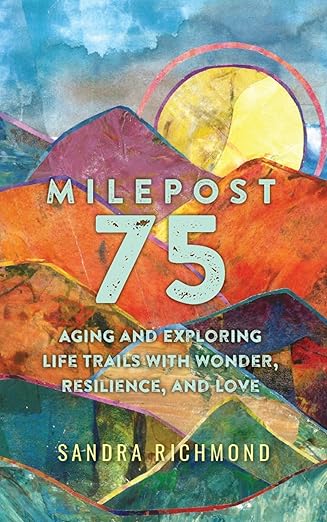
Milepost 75 – Aging and Exploring Life Trails with Wonder, Resilience, and Love
Sandra Richmond’s Milepost 75 is a memoir, a travelogue, and a call to action wrapped into one. At its heart, it’s the story of a woman who found her passion for walking and hiking later in life and refused to let age or physical setbacks stop her. She chronicles her journey through the Grand Canyon, the Inca Trail, and other stunning landscapes, all while dealing with the realities of aging, artificial hips, and the occasional self-doubt. Through humor, vulnerability, and an unwavering sense of adventure, Richmond paints a picture of a life lived with purpose and determination.
One thing I loved about this book is the raw honesty. Richmond doesn’t sugarcoat the difficulties of pushing her body beyond what doctors recommend. Early on, we see her doctor warn her about wearing out her implants, and her response is immediate: “That’s not an option. Not now. Not for my quality of life!” That moment hit me hard because it captures the fierce independence that drives this entire book. She acknowledges her limitations but refuses to be ruled by them. Her grit is infectious, making you want to lace up your hiking boots and take on a challenge of your own.
The storytelling is immersive and filled with rich details. Take, for instance, the moment when she and her daughter attempt to complete the Grand Canyon’s Rim-to-Rim-to-Rim hike. Richmond describes the grueling terrain, the exhaustion, and the heartbreak of having to turn back before reaching the top of the North Rim. But instead of seeing it as a failure, she reframes it as a lesson in resilience. The book is full of these moments where perceived setbacks transform into fuel for the next challenge.
Another standout aspect is the relationships Richmond builds along the way. She has a keen eye for the “angels” she meets on trails—strangers who offer encouragement, help, or just a moment of connection. Whether it’s the woman in Maine who found inspiration in Richmond’s slow but steady triathlon finish or the hiker who handed her daughter life-saving protein powder at Phantom Ranch, the book highlights how adventure is often about people just as much as it is about places. These interactions make the book feel deeply personal and universal at the same time.
Milepost 75 is perfect for anyone who has ever thought, “I wish I could, but I’m too old,” or “That dream is behind me.” It’s for those who need a reminder that adventure doesn’t have an expiration date. Richmond’s story is equal parts inspiring and practical, encouraging readers to embrace life’s uncertainties with an open heart. If you’re looking for motivation, humor, and a touch of wanderlust, this book is a must-read.
Pages: 276 | ASIN : B0CWJTVYZ6
Outlet For My Grief
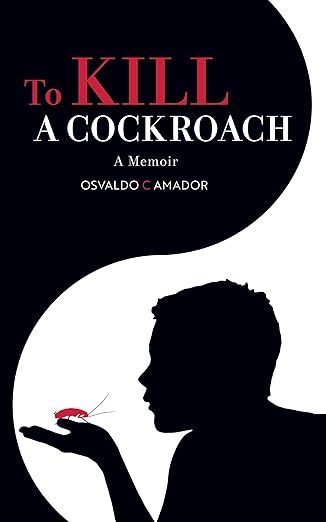
To Kill a Cockroach is an evocative and deeply introspective memoir that captures your turbulent journey through significant personal and historical challenges. Why was this an important book for you to write?
My passion for painting has been a gift I received from early on. Painting was more entertaining as a child than any toy or amusement park. Unfortunately, the passing of my mother, who became my best friend towards the end of her life, left me unable to paint at all. I would sit in front of a canvas and pray, and nothing. This added to the already tremendous grief I was experiencing. It was then that I sat down to write To Kill a Cockroach. To write became an incredible outlet for my grief. As a staunch believer in something much greater than myself, which I call God, he answered my prayer in disguise, and To Kill a Cockroach was born. Looking back, as usual, it was God’s plan that I write and put the paint brushes down, at least while I healed from my loss. As painful as it often was, writing the book brought me back to life. I was able to not only process the grief but look back at my life and see the hand of God carrying me through life. Yet again, God showed up at the right time and in the proper form.
What was the most challenging part of writing your memoir, and what was the most rewarding?
The most challenging part, without a doubt, was having to relive some of the horrendous times of my life. Interestingly enough, reliving these horrible memories was also a gift in disguise. Writing it down and pouring it onto the paper was cleansing my soul. I felt very proud of my life for the first time. In some small way, I was honoring my parent’s sacrifice and my very own journey.
How has writing your memoir impacted or changed your life?
There is an incredible sense of freedom that I have never felt before. As a child, having been sexually molested created an incredible sense of shame that I carried with me throughout my entire life. Writing about the sexual molestation for the world to read was incredibly scary and yet very empowering. I am no longer a victim of what happened to me, and this is perhaps one of the greatest gifts God wanted to reveal to me through my writing.
What do you hope is one thing readers take away from your story?
Hope is, without question, what I would love readers to receive from reading my story. As I write in my book, there is hope even until our last breath. And that may be the most significant metamorphosis yet: our crossing over.
Author Links: GoodReads | Amazon



 LITERARY TITAN