Blog Archives
365 Sonnets: Celebrating Each Day with a “Little Song”
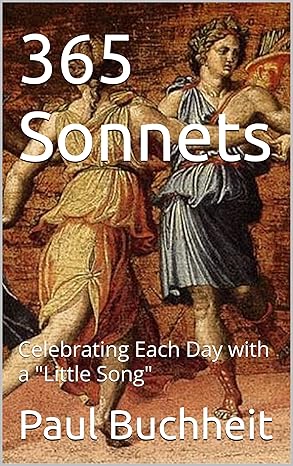

Paul Buchheit’s 365 Sonnets is an ambitious and heartfelt celebration of the calendar year, offering a daily dose of poetic reflection tied to holidays and observances, both whimsical and solemn. Each poem, crafted in the timeless sonnet form, is a compact meditation on themes ranging from joy and love to war, injustice, memory, and the simple beauty of nature. The book is structured like a poetic almanac, giving readers a lyrical “little song” each day, grounded in history, emotion, or observation.
Reading through this hefty volume felt like wandering through an immense museum of emotions and ideas, each room dedicated to a different day and theme. Some sonnets shimmered with beauty, quiet mornings in forests, birdsong, a grandchild’s laughter, while others struck hard, tackling war, greed, and injustice with fire and grit. I was particularly moved by the range of references, from Dante and Milton to civil rights leaders and ancient myths, all woven into the poetic form with a thoughtful, often musical rhythm. The mix of Shakespearean and Miltonian style gave the collection a classic feel while keeping the voice fresh and personal.
Some felt deeply meaningful. Others, though still well-crafted, felt more like poetic exercises than emotionally urgent reflections. I found myself craving a little variety in form, not in rhyme or structure, which Buchheit handles skillfully, but in pacing and tone. Still, it’s hard not to admire the dedication it took to write a sonnet for every single day of the year.
365 Sonnets is a labor of love best enjoyed in small bites. I’d recommend it to readers who love formal poetry, who enjoy mulling over a single, well-crafted thought with their morning coffee. It’s a perfect companion for teachers, poetry lovers, or anyone looking for a moment of daily reflection. It made me pause, think, and feel, which is all I could ask of poetry.
Pages: 387 | ASIN : B0F94CSM5L

Where the Orchard Ends
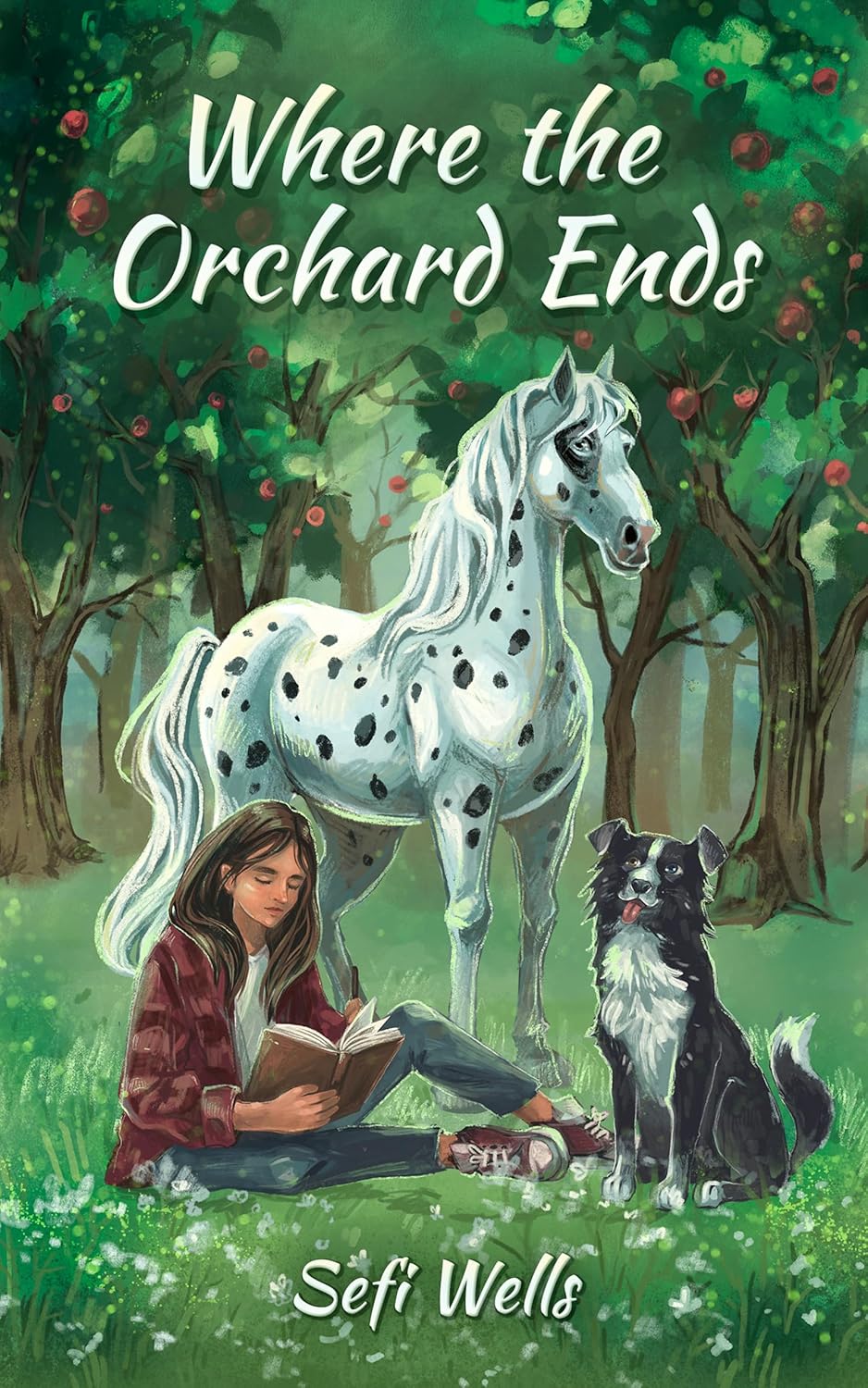

Where the Orchard Ends is a quiet and emotionally stirring novel about grief, healing, and the deep connections that form when words fail. It follows twelve-year-old Wren Harper, who hasn’t spoken in seventy-three days after her mother’s death. Sent to live with her grandmother on an apple orchard in the Pacific Northwest, Wren drifts through silence and sorrow, until a storm leads her to a wounded Appaloosa mare, a wild horse who’s just as lost and broken. In that fragile, unspoken bond between girl and horse, the story slowly opens up to become a tale about trust, resilience, and finding a way back to oneself.
This book pulled at me in ways I didn’t expect. The writing is gentle and raw, full of details that make even silence feel loud. Wren doesn’t say a word for much of the book, but her thoughts and emotions are laid bare through beautiful imagery, quick sketches, and soft moments between her and her grandmother. The mare, Talowa, becomes more than a metaphor, she’s a mirror. The way Wells writes their connection is tender without being saccharine. And Mimi, Wren’s grandmother, is quietly wonderful. She gives Wren space, makes mistakes, and listens better than most people ever do.
Wren’s pain is sharp and honest, but so much of it is held back behind carefully drawn scenes. The pacing can feel slow, especially in the middle, where the book lingers on similar beats. Still, those moments aren’t empty. They just simmer. And honestly, the slower parts give the reader a chance to breathe, to sit in the orchard with Wren, to feel the weight of memory pressing down alongside her.
This book is best for readers who are okay with stories that unfold like mist slowly dissipating. It’s perfect for teens who feel out of place, for adults remembering the ache of being twelve, and for anyone who’s ever needed something unspoken to feel a little less alone. Where the Orchard Ends doesn’t shout. It hums.
Pages: 297 | ASIN: B0FHBQ2VXP

Grieving Our Loss of Democracy

When I first opened Grieving the Loss of Our Democracies, I expected an abstract analysis of politics. What I found instead was a heartfelt and emotionally resonant exploration of how collective grief can shape us in a time when democratic institutions feel fragile and under siege. The book walks through the stages of grief, yet it isn’t a clinical breakdown. It’s a mix of history, personal stories, moral reflection, and urgent calls to action. Egan roots her work in both lived experience and cultural memory, showing how individuals and communities process loss when democracy itself feels like it’s crumbling.
The writing doesn’t tiptoe around hard truths, and that honesty hit me square in the chest. I found myself nodding along, sometimes frowning, and often pausing to sit with uncomfortable feelings. Egan has a way of mixing big, sweeping political observations with small, intimate details that make the whole thing more real. She doesn’t just talk about authoritarian regimes; she remembers her grandmother’s stories, her childhood in different cultural contexts, her ministry, and her travels. These personal notes pulled me in because they reminded me of the human cost behind every statistic and headline. The grief here isn’t abstract. It’s personal, raw, and messy, like grief always is.
I liked how she weaves anger into the conversation. I’ve often felt guilty about how furious I get reading the news, yet Egan reframes anger as a healthy response when channeled well. That gave me a kind of relief. She doesn’t whitewash the violence, fear, or chaos that’s out there, but she also refuses to leave the reader in despair. I appreciated how she reminded us that our small acts, telling stories, standing by the marginalized, refusing to give in to numbness, matter. The style is conversational, sometimes blunt, sometimes lyrical, always clear.
The book doesn’t offer a neat resolution, and I think that’s the point. Grief is messy, democracy is messy, life is messy. Still, I came away with a sense of hope. I would recommend this book to anyone who feels overwhelmed by the current political climate, especially those who need a reminder that grief is not weakness, it’s part of resilience. Activists, community leaders, people of faith, or simply anyone who feels shaken by the state of the world will find something nourishing here. It’s not a comforting read in the traditional sense, but it is a healing one.
Pages: 135 | ASIN: B0FMYS8N14
One Door at a Time: How Putting Students at the Center of Education Works
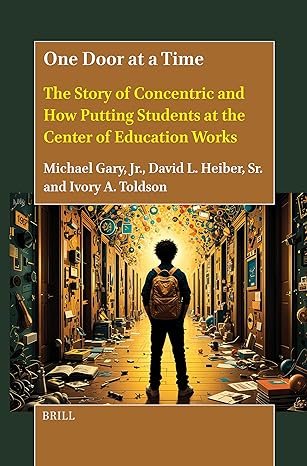
One Door at a Time is a powerful memoir-manifesto hybrid, co-written by Michael Gary Jr., David L. Heiber Sr., and Ivory A. Toldson, that tells the story of Concentric Educational Solutions, a student-first initiative grounded in Afrocentric values and real-world experience. Through a mix of lived narratives, reflective critique, and practical frameworks, the book charts the failures of the traditional education system, especially in underserved Black communities, and the grassroots, door-knocking, relationship-centered model that Concentric has pioneered. With stories from Baltimore to D.C. to Detroit, the authors show how putting students and their families at the core of the education process can transform not just academic performance, but lives.
The writing is earnest and clear, but it never hides from the hard stuff. I appreciated how the authors peeled back layers of bureaucracy and systemic dysfunction without sugarcoating anything. They didn’t shy away from naming how some systems are built not to serve but to survive themselves. What hit hardest were the sections about chronic absenteeism and the real lives behind those data points. They didn’t just throw around big ideas, they brought in stories of missed kids, misunderstood families, and teachers caught in the crossfire of outdated models. It felt deeply personal. You can tell these folks have walked the walk.
What stood out most to me was their relentless commitment to human connection. It sounds simple, just go to a student’s house and ask why they’re not in school, but the bravery and humility in that act is huge. This isn’t some theoretical overhaul. It’s a day-to-day grind rooted in trust and compassion. The Afrocentric lens added a depth I didn’t realize was missing in a lot of education reform writing. They’re not just advocating for more “diverse” classrooms. They’re rethinking what school means altogether, from the ground up, through culture, family, and identity. At times, it read like a love letter to forgotten students and a challenge to every adult who ever said, “We did our best.”
I would recommend One Door at a Time to anyone who works in education, or who has ever wondered why school isn’t working for so many kids. It’s especially important for policymakers, school leaders, and those in teacher prep programs. But I think it would move anyone who believes education should be about more than test scores. This book isn’t a silver bullet, but it’s a flashlight and a set of tools, and a reminder that sometimes, real change starts with just knocking on one door.
Pages: 260 | ISBN : 978-9004735989
Romero Pools
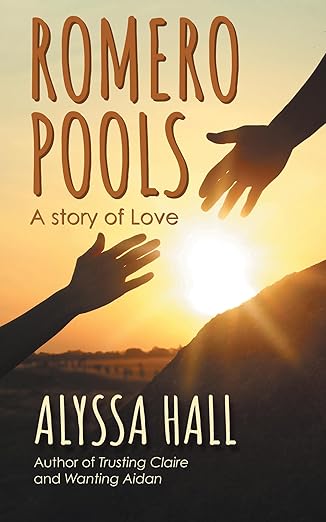
Romero Pools, by Alyssa Hall, is an intense love story wrapped in the sharp, sunlit folds of the Arizona desert. The book follows Marin, a young woman still grappling with grief and guilt years after a traumatic accident claimed her fiancé, Tyler. While hiking alone, she stumbles upon Adam, an injured man who has just fallen down a ridge. Their shared journey down the mountain becomes more than a physical one, it’s emotional, raw, and revelatory. As their connection deepens, so too does the mystery surrounding Tyler’s death, ultimately pulling the reader into a web of memory, secrets, and healing.
I really enjoyed Hall’s ability to make the desert come alive with so much character. The way she writes about light, heat, and silence makes you feel the weight of every step on the trail and every breath between two people learning to trust. The dialogue flows naturally, sometimes playful, sometimes heavy, but always honest. Marin and Adam feel like real people, broken but trying, hurt but still relatable. I found myself rooting for both of them in a way that made the end surprisingly heartbreaking. It didn’t feel like a gimmick. It felt like life.
I did feel the writing leaned on telling more than showing at times. The exposition, especially when the backstory was shared through dialogue, could get a bit weighty. I wished for more scenes to unfold slowly instead of being relayed in a block of conversation. Still, there’s something comforting about the voice Hall uses. It’s gentle, it’s warm, and even when the story dips into darkness, it doesn’t feel hopeless. The twisty thread of maybe-Tyler-still-being-alive added a quiet tension that never quite resolved, and honestly, I didn’t mind. The book was never about plot fireworks; it was about emotional honesty.
Romero Pools left me thoughtful and a little wistful. It’s a book for anyone who’s lost something they didn’t think they could live without, and for those trying to start again, however messy that looks. I’d recommend this to readers who love slow-burn romance, quiet personal dramas, and stories that find beauty in the ordinary.
Pages: 232 | ASIN : B09NB63P58
Car Trouble

Car Trouble follows Jim Crack, a down-and-out young man whose misadventures across the freeways and backstreets of Southern California form a gritty, chaotic odyssey of personal implosion. What begins with his Volkswagen catching fire on the 5 Freeway spirals into a bleak but strangely comic day filled with existential spirals, weed smoke, porn, broken relationships, and failed attempts to find meaning in a world so dependent on cars, status, and surface-level happiness. Through vivid flashbacks and derailed digressions, Jim’s day of misfortune exposes a lifelong grappling with abandonment, identity, trauma, and a simmering, unshakeable rage toward the machinery of life, both mechanical and societal.
Reading this book was like crawling inside someone’s unfiltered stream of consciousness. Zorn’s writing is raw and intense, often hilarious, sometimes painful, and always fully immersed in Jim’s spiraling, disillusioned psyche. There were moments I laughed, like the pure absurdity of a landscaping crew rescuing Jim from a flaming car, only to feel a gut punch pages later as he sinks into total emotional paralysis on a crusty couch with nothing but a bong and old porn for comfort. Zorn captures the erratic rhythm of thought with a ferocity that reminded me of Bukowski meets Vonnegut, but with more exhaust fumes and burnt-out brake lights. The prose veers wildly. Sharp, punchy lines land like jabs to the ribs, then unravel into stoner-poetic rants or tragic internal monologues that drip with disillusionment.
But what really hit me hard was how real it all felt. Jim’s pain, his failures, the weird moments of tenderness or sudden clarity linger. This book doesn’t follow a clean arc. It doesn’t tie up neatly. That felt true to life. At times, I was frustrated by the sheer amount of dysfunction, the digressions, the lack of redemption. But maybe that’s the point. This isn’t a story about fixing things. It’s about someone living in the fallout of a life already shattered, trying, failing, and trying again in ways that are small, stupid, human. The way Zorn writes about cars as both literal death traps and symbols of modern isolation stuck with me after I closed the book.
I wouldn’t recommend Car Trouble to everyone. It’s harsh. It’s crude. It’s uncomfortable. But if you’ve ever been young, broke, high, angry, and unsure what you’re supposed to be doing with your life, this book will feel painfully familiar. It’s for readers who crave something raw and don’t mind wandering through the smog of existential burnout.
Pages: 273 | ASIN : B07CP4R132
The Presence of Magic

The Heart Scarab examines the fates of warriors, mystics, and serpents who are navigating a landscape that has been altered by mining, politics, and tribal magic. What was the inspiration for the setup of your story?
THE HEART SCARAB is Book 2 of the second series, so there are many strands of plotlines. The writer assumes that a reader who made it this far into the story is invested in the characters and ready to see them triumph.
Mostly, my stories are about the women, but this setup offers two men to carry the plot. Rufus el Arrivi has been present in all the previous books. Now, as a grown man with children, he decides to run for the office of khalif in open elections in a duchy where refugees called Rundi are allowed citizenship.
Meanwhile, Stuben works with Rufus as police in Urbyd and witnesses some difficult moments for the refugees. He breaks with Rufus and goes on an adventure with Obye, who is laboring to recover some Rundi who are abused at a stone quarry.
My inspiration comes from a love of the characters and my own questions about how their lives shape – sometimes as much of a surprise to me as to you.
Were there any characters that you especially enjoyed writing for?
Kore is 14 now and has inherited the treasure of Rularim. She attends a wedding in Utica, traveling with Rufus and her half-brother Karisma. Always willful, she gets into plenty of trouble.
Bybiis, the beastmaster, has worked through some of her problems with finding a place among the tribes, following her own destiny for working with sea serpents. She has met Aresur, who has some skills with magic and takes the banner for countering Ulaya, who wants Bybiis dead. I had fun with Aresur and her sideways attitudes about how to handle a difficult boss. She manages to
undercut Ulaya at every turn.
How did you balance magic and its use throughout the story to keep it believable?
Ah, magic…Hedge magic belongs to Aresur – charms and hexes – and Bybiis has many tattooed skin wards. The serpent pouches are based on a real occurrence in our world where sharks make pouches out of seaweed fronds as an incubator for living newborns. Bybiis has harvested a clutch of serpent pouches made the same way. When a holder stares into the hole drilled through the brain of the dead serpent fetus, she may connect with the holder of a similar pouch. I like it! Mostly, though, I wanted the presence of magic in their everyday lives, and several characters don’t believe in its power over them.
Can you give us a peek into the next book in this series? Where will it take readers?
THE IRON SNAKE is about resistance to a larger country tangent to the duchies and sending assassins to take or kill the children in order to weaken leaders. We follow Rufus again and Stuben, who grows into his leadership roles. Kore becomes a young woman – vulnerable to abduction, in fact – who becomes an opponent to Ulaya (and more) and her scheming ways. I keep setting obstacles in the paths of primary characters and fashioning a plot where they must work together to get ahead.
Author Links: GoodReads | X (Twitter) | Website | Amazon
Meanwhile, Stuben el Cylahi has taken a position as police in the duchy capital of Urbyd where he butts heads with his boss Rufus el Arrivi. Stuben realizes that he also must strike out on his own and joins a group of Rundi who are on mission to recover some quarry slaves. His witness of coming events makes him wish that he had remained nearby Rufus. Can Stuben regain his tribal status?
Feeling Driven

Bridges of Words is a collection of haikus that capture the spirit, mood, and humanity of cultures around the world. Why was this an important book for you to write?
Words are bridges, I’ve always thought. A Filipino-Australian, I have experienced the nuances of cultural differences as well as the silent need for understanding after growing up in one society and now residing in another. Born prematurely in a military hospital in Nueva Ecija—where my grandmother’s refusal to choose between saving my mother or me led to both our survival—I was named Esperanza, meaning “hope.” That word has carried me through my life.
Language has the ability to bring people together and bridge emotional and physical divides in addition to informing and persuading. Through the delicate compression of haiku, rather than through dissertations or manifestos, Bridges of Words allowed me to celebrate humanity in all its textures. A haiku can capture a universe in three lines: the echo of memory, a stranger’s grin, a city street after rain.
It was also a historical experience to write this book. Japan, which occupied the Philippines during World War II and left behind heartbreaking memories of hardship and tenacity, is the source of haiku. However, engaging with this literary genre became an unconventional act of reconciliation for me. By capturing beauty and transience in the rigid yet simple syllables of haiku, I was able to recognise sorrow without being overcome by it.
Furthermore, forgiveness itself is a bridge, isn’t it? A bridge that lets us go on instead of lingering in the depths of bitterness or rage. Every haiku became a tiny act of construction, a step toward comprehension—a means of expressing that, in spite of our differences and past experiences, we can still live amicably through our common humanity.
Can you share a bit about your writing process? Do you have any rituals or routines when writing?
In addition to the other facets of my entrepreneurial and professional endeavours, writing has always been part of my daily life, though not always in the way one might imagine. From my earliest days, words have been my companions—whether scribbling on my aunts’ college books at age 3, writing verses as a Grade 5 student who unexpectedly won in a poetry contest, serving as the English literary editor of The OLCAn in high school, or later leading The Corps as its first female editor-in-chief at the Philippine Military Academy. That role, along with becoming the Academy’s first female Journalism Awardee and first Languages Plaque recipient, confirmed for me that words could be both a personal refuge and a public responsibility.
My naval career deepened this focus, as I became the inaugural Navy Digest editor and later worked on the Navy Journal, Fleet Journal, and Polaris Magazine. Today, I still edit multiple publications professionally, which keeps me grounded in the discipline and craft of writing.
But Bridges of Words emerged differently. Almost without notice, it came like a bolt of lightning across a still sky. Often, a single sight or memory would prompt me to act immediately. I still recall sitting at my computer here in Adelaide, the morning sun streaming through the blinds, when a haiku began to take shape in my mind. It was like attempting to capture a bird in midair; I had to do something before it vanished.
My approach had been less about routine and more about spontaneity. Sometimes it was the laughter of my sons, sometimes the witty jokes of my husband, sometimes a walk along South Australia’s beaches, sometimes the Zamboanga sunsets of my childhood, or the scenic sights of Taal Lake that never left my memory. That was my rhythm: focusing on the small moments and feeling driven to convey them in words that might resonate with someone else, somewhere else.
Do you have a favourite haiku in the book, and if so, why does it hold special meaning for you?
Logically, I should be more drawn to the haikus that depict the Philippines and Australia, because they are my own countries.
The Philippines’ haiku embodies resilience, a trait I witnessed from an early age. Growing up in a land prone to typhoons and eruptions, I listened to stories and even witnessed at times how families and communities would quietly rebuild lives and spirits with steady resolve. That everyday bravery—the quiet courage of people who simply endure—was etched into me from childhood.
In comparison, Australia exemplifies diversity and unity. When I first set foot in Sydney in 2006, I fell in love instantly with its order, beauty, and openness. Years later, settling in Adelaide with my family in 2010, I discovered a deeper sense of belonging. Here, languages, faiths, and cultures cohabit and enrich one another, and that spirit of coexistence is what I sought to capture in haiku.
Together, these two countries’ haikus create a bridge that spans place and time, tying together memory and lived experience, origin and destination, past and present. Poetry is not only an art of words; it is an edifice of human experience—it speaks of the depth and resilience of human life.
That said, there’s no simple or safe way to answer this question. It feels like being asked which of my children I love the most. Every haiku in Bridges of Words has its own pulse and memory. Just as I cannot love one of my children—Huey, Sev, or Noah—more than his siblings, I cannot favour one poem over the rest. Each carries its weight; each is a bridge.
What is the next book you are working on, and when will it be available?
To be honest, I haven’t made any firm plans yet. Like Bridges of Words, I have a feeling that the next project will develop naturally, as I feel driven to capture it in the moment. For me, book writing started with intuition rather than a plan—a vision, a memory, or a passing idea that begged to be put into words. Perhaps in ways I cannot yet foresee, the next piece will continue to examine metaphorical bridges—between locations, times, or the silent, unseen moments of our everyday existence, though possibly in an altogether different way. I’m letting it take shape for the time being, trusting that the right words will emerge when the moment is right. In the end, writing is simply my way of building small bridges—one fleeting moment, one word, one resonance at a time.
Author Links: GoodReads | X (Twitter) | Facebook | Website | Amazon
Seventeen syllables.
In Bridges of Words, discover a quietly powerful collection of haikus from 57 countries—each a window into the heart of a culture. These verses don’t explain; they invite. They don’t shout; they hum.
Whether you find yourself beneath banyan trees or city lights, this book is a gentle reminder that even across oceans, we’re not so different after all.



 LITERARY TITAN