Blog Archives
Values Based Organizations: Aligning Culture and Strategy
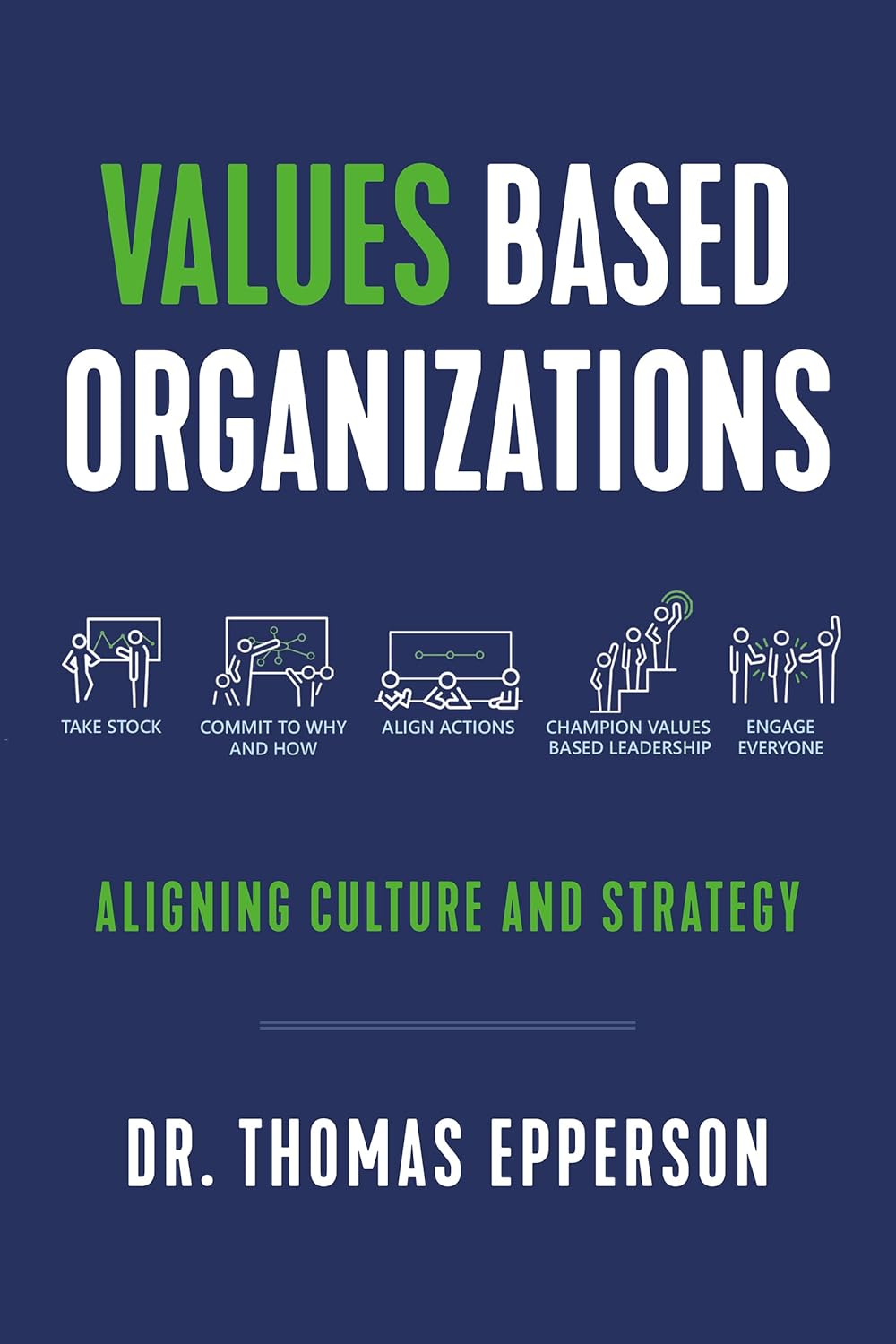

Values Based Organizations lays out a clear and practical roadmap for building organizations that actually live their values instead of just talking about them. It explains how culture, strategy, leadership, and processes can work together when they are aligned. The core idea rests on five practices: Take Stock, Commit to Why and How, Align Action, Champion Values-Based Leadership, and Engage Everyone. Throughout the book, author Dr. Thomas Epperson uses stories, interviews, and real examples to show how these practices play out in companies of all sizes. The narrative leans heavily on the transformation of Luck Companies and other organizations that chose to anchor their work in purpose and values.
I found myself reacting with a mix of curiosity and skepticism that often turned into appreciation. The writing comes across as honest and steady, almost like talking with someone who has seen the same mistakes happen over and over. I liked the plain language and the way the author admits that culture work is messy and sometimes painful. I felt the weight of those stories about organizations drifting or fighting themselves, and I caught myself nodding when he described leaders who avoid hard truths or cling to the wrong assumptions. The book made me think about my own reactions to change. I kept feeling a strange mix of discomfort and motivation, like someone tapping me on the shoulder saying, “Stop pretending you don’t see the problem.” That emotional push gave the ideas more power.
I also enjoyed the practicality of the examples. The section on Taking Stock made me laugh at the image of leaders scribbling complaints and then discovering that none of them had written “me” on the list. That moment says everything about the self-awareness required for real change. The parts about rediscovering a company’s history gave me a sense of warmth and even hope, because the idea that organizations can return to their roots instead of tearing everything down feels refreshing. Sometimes the book leans into repetition, and at moments I wished it would linger less on the obvious, but even then I understood why the reminders mattered. Culture work is slow, and people forget quickly.
The book isn’t flashy, but it is sincere, and it pushes you to think about organizations as living systems that need both care and discipline. I would recommend Values Based Organizations to leaders who want to shift their culture in a real and grounded way, and to teams that feel stuck or scattered. It would also be helpful for anyone stepping into a new leadership role who wants a straightforward guide to understanding how values can steer an organization.
Pages: 164 | ASIN : B0FTLLR57V

An Unsuitable Job
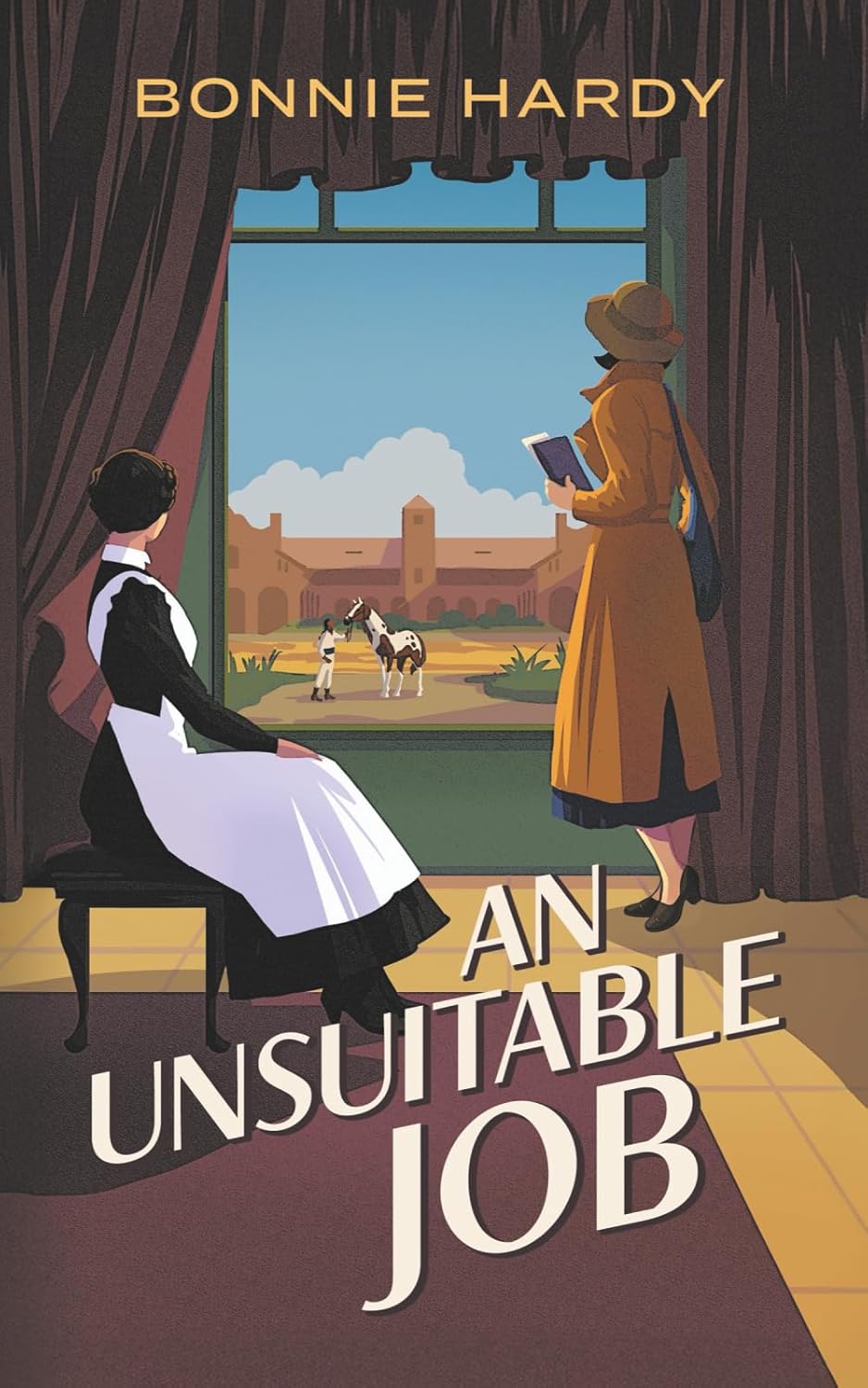
An Unsuitable Job drops readers straight into Josie MacFarland’s world and wastes no time showing the grit behind the glamour. The story follows Josie as she returns to the Harvey Company to serve as their first woman detective. A dead salesman, a scandal brewing in the Castañeda Hotel, and a tangle of secrets push her into danger and discovery. The pages move fast. The scenes glow with the heat of New Mexico. The world of Harvey Girls, rail travelers, cowboys, and local families feels alive and loud. The book reads like a window into 1930. The mystery unfolds piece by piece as Josie digs through gossip, grudges, and old wounds.
The style hit a sweet spot. Simple. Direct. No fluff. I liked how the dialogue carried the weight of the story. It felt crisp and quick. The emotions ran close to the surface. Josie’s tall presence, sharp eyes, and constant tug between courage and doubt made her easy to root for. I found myself grinning when she pushed back against people who underestimated her. I felt a pinch of sympathy when old mistakes nipped at her heels. The author paints these moments with an ease that makes the scenes sink in deep. The setting did a lot of lifting, too. The dusty roads. The clatter of the dining room. The smell of rain on sage.
Some moments caught me off guard. The tension between Josie and the sheriff had this spark that made me sit up straighter. The small flickers of jealousy or nerves or pride made the characters feel relatable. I also liked the way the story let the gossip swirl. Secrets traveled in whispers. People watched over their shoulders. The book didn’t shout its themes. It let them simmer. Women are boxed in by rules. Power running quietly through a small town. What people hide to keep the peace. The mystery itself moved with a steady beat. No rush. No drag. Just enough clues to keep me leaning forward.
This was a satisfying read. The story wrapped up in a way that felt clean but still left room for more. I could picture Josie walking off in her trench coat, not done with danger yet. I would recommend An Unsuitable Job to readers who like cozy mysteries with a little grit. Anyone who enjoys historical settings. Anyone who likes strong women who push back when they are told to stay quiet. It is a book for people who want quick pacing paired with warm character work. I enjoyed it, and I think many others will too.
Pages: 280 | ASIN : B0FQYRCBNH
Is There Not A Cause? (2014-2025)

Reading Is There Not a Cause? felt like diving into eleven years of someone’s life all at once. The book moves through storms, heartbreak, faith, rage, pride, fear, temptation, joy, reflection, and rebirth. The poems hit like quick flashes of memory, then long moments of confession, then hard truths about a broken world. The author brings God, struggle, trauma, race, desire, loyalty, and self-accountability into view and spins them around until they blur into something raw and human. I finished it feeling like I had witnessed someone fight through their own darkness and keep getting back up, no matter how messy the fall.
As I worked through the poems, I kept feeling this heat in my chest. The writing is straight from the gut, no filter at all, and sometimes it shook me because the voice is so exposed. There are moments when the author talks about faith with steady hope, then in the next breath, he crumbles under frustration. That mix felt real to me. Life flips like that. I appreciated how he never pretended to be perfect and never tried to make his pain sound pretty. Some poems burned hot with anger. Others were soft in a way that caught me off guard. I liked that unpredictability. It made the book feel alive.
The book hits you with one emotion after another. I admired that intensity. It felt like the writer refused to hold anything back. The honesty gave the work its power. I also enjoyed the wide swing between personal reflection and social commentary. One page dives into relationships that fell apart. Another page calls out violence, corruption, and spiritual decay. It is chaotic at times, but the chaos felt intentional. It mirrors the world we live in.
I walked away feeling like this book is for readers who want truth more than comfort. It is for anyone who has battled themselves, prayed for change, fallen hard, gotten back up, and kept moving even when life hit them from every angle. If you like poetry that talks plain and feels heavy and relatable, this book will speak to you. And if you are in a season where you need to feel seen, this collection has plenty to offer.
Pages: 128 | ASIN : B0FP76VCCM
Part of the Solution: A Mystery
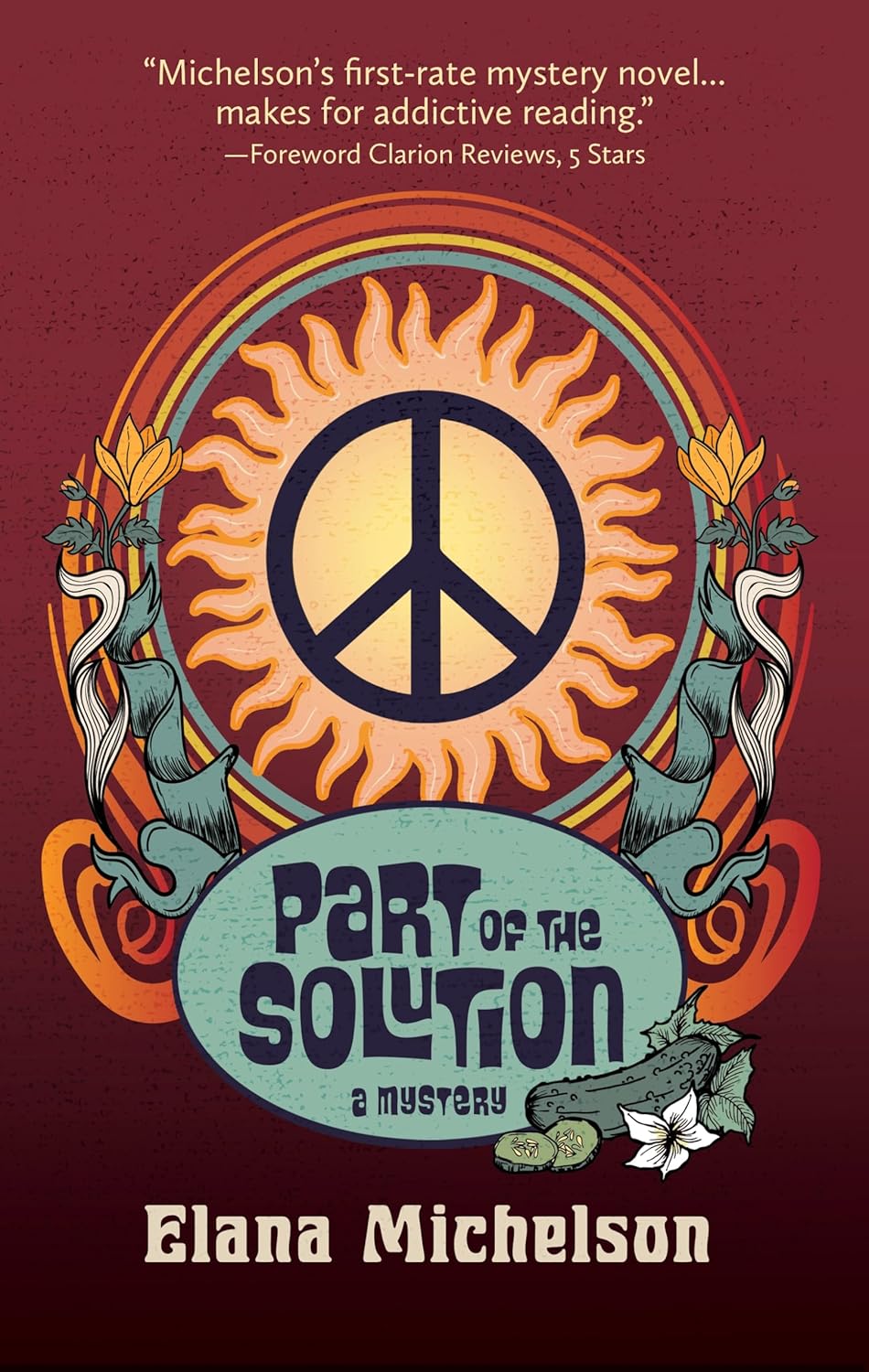
Part of the Solution follows Jennifer Morgan, a New York professor who returns to Boston for a conference and suddenly collides with her past. A chance meeting pulls her back into the late seventies, when she lived in a tiny Massachusetts town full of hippies, activists, dreamers, and drifters. The book moves between the present and that earlier world, and the story slowly circles a death that shattered the odd little community she once called home. The narrative blends memory, mystery, romance, and political reflection in a way that feels alive and warm and a little bittersweet.
Reading it felt like stepping into a room that smells like coffee and incense and old books. The writing has a cozy quality. It rambles in a good way, like someone talking while cooking dinner, and I found myself leaning in. I had moments of real affection for the characters. They fight. They love. They hold grudges that make no sense and cling to ideals that make no sense either. The dialogue has a lively spark that kept surprising me. Sometimes it hopped around. Sometimes it took its time. I liked that. And even when the tone shifted into darker territory, the heart of the book kept beating steady.
The ideas underneath the story resonated with me more than I expected. Michelson captures the messy idealism of the counterculture era with charm and also with a sharp pinch. I kept nodding because the book understands something about how people try to build a better world and then stumble right over their good intentions. The spiritual seekers. The radicals. The shy intellectuals who think too much and then think even more. I felt the book’s tenderness toward them, and I felt its frustration too. The tension between hope and disillusionment had real weight. It made me sit back and think about my own younger self and the beliefs I thought would never bend.
I would recommend Part of the Solution to readers who enjoy character-driven mysteries, stories about found communities, and novels steeped in the moods of the sixties and seventies. If you like fiction that mixes warmth with tension and lets people be flawed in recognizable ways, you’ll enjoy this book.
Pages: 298 | ASIN : B0FL4MH5WY
The Mourning Locket


The Mourning Locket is a supernatural thriller about an agency called the Inheritance Bureau, a place where heirlooms hold the emotional residue of the dead and where objects literally remember their owners. At the center is Dr. Cassian Vale, an empath whose contact with a Civil War locket sets off a chain reaction of visions, secrets, and dangerous revelations. The book follows him and his team as they uncover the Bureau’s buried experiments, confront its founder, and wrestle with the cost of inheriting pain that isn’t theirs. From the opening scene of Clara Alden’s locket humming at her deathbed to the Bureau’s escalating malfunctions and betrayals, the story blends memory, grief, and identity into a spiraling mystery that ties past and present together.
I was hooked by the atmosphere. The writing carries this heavy, electric hush that makes even quiet moments feel alive. The way the book treats objects as emotional sponges really grabbed me. It’s eerie but tender at the same time, and I kept pausing just to absorb the mood. Scenes like the introduction, where the narrator talks about antiques holding fingerprints and sorrow rather than beauty, hit hard because they feel so human and so haunted at once . I loved that the supernatural elements never felt like gimmicks. They feel like feelings we’ve all avoided or held onto too long. And the characters, especially Cassian and Arden, are written with these little cracks that make them feel both fragile and stubborn. Their connection feels like the kind of closeness born from shared damage rather than romance or convenience.
I also found myself getting swept up in the Bureau’s darker layers. The Blood Ledger, the Silent Lens, the old experiments Callen buried, those ideas are so unsettling because they twist empathy into a tool instead of a virtue. The Apparatus section especially pulled me in. It’s wild and emotional and messy, and it made me feel that buzzing thrill you get when a story finally shows its teeth. Some chapters hit so fast and sharp that I had to slow down to follow every detail. The book lets consequences linger. It lets the characters stay complicated. And honestly, I appreciated the streaks of humor tucked into tense moments. They feel like how real people actually cope, with snark, with tired jokes, with “I stopped for denial” energy.
By the end, I walked away feeling like I’d read something strange and warm and unnerving, all in the best ways. I’d recommend The Mourning Locket to readers who like emotion-driven supernatural stories, to people who enjoy found-family dynamics with rough edges, and to anyone who loves mysteries that grow teeth as they unravel. If you like fiction that feels a little haunted and a little hopeful, and if you enjoy worlds where empathy is both power and liability, this book will be right up your alley.
Pages: 138 | ASIN : B0FW5NDTPV
SWALLOWING THE MUSKELLUNGE
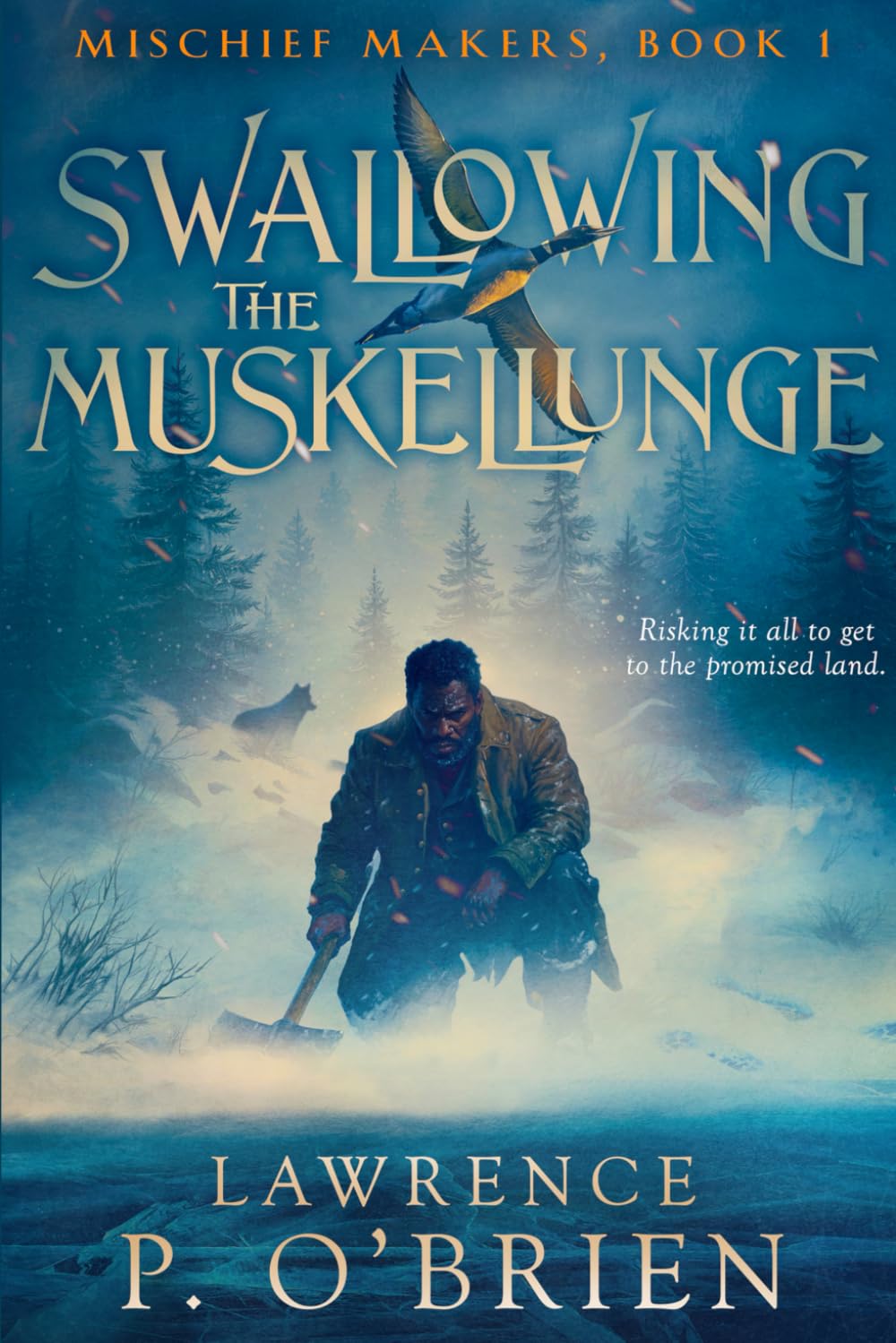
Swallowing the Muskellunge drops you into a brutal and uncanny world where Black families in the late 1700s try to carve out a life in a landscape full of danger, superstition, and raw human fear. The story follows London Oxford, his son Abner, and the Wright family as they navigate violence, prejudice, mysterious deaths, and something darker hiding in the woods and rivers. The book mixes historical fiction with unsettling folklore, and the result is a journey that twists between real-world cruelty and eerie, mythic threats.
The writing hits with a quiet confidence, yet it never lets you rest. Scenes that start with simple family troubles drift into something tense, then something dreadful, then something almost magical. I found myself leaning in and frowning at the page, not because the prose was hard, but because the emotions were sharp. O’Brien has a way of slipping horror into places that should feel safe. Kitchens, barns, small paths, quiet rivers. The fear creeps in slowly. I kept thinking, I know these people, and I don’t want anything to happen to them, yet trouble keeps finding them. Some moments even made my stomach turn, especially when the book turns toward the threats against Abner or the strange shadow creatures near the river. It all felt personal.
What struck me hardest, though, was the mixture of cruelty and tenderness. I felt anger at the unfairness thrown at London and his family, and I felt warmth in the smaller human moments that kept them standing. A father reaching for his son after a violent scare. A mother snapping at the world because she is scared of losing everything. Those scenes felt raw. The conversations are messy and real. People stumble through their choices, and you see their flaws, yet you can’t help rooting for them. O’Brien’s ideas about freedom, belonging, and survival sit right under the surface. They poke at you in quiet ways. I loved that.
This is a gripping story that digs into both the mythic and the human. I would recommend Swallowing the Muskellunge to readers who enjoy historical fiction with grit, folktale shadows, and characters who feel painfully real. Anyone who likes stories that blend lived struggle with something uncanny will find a lot to chew on here.
Pages: 371 | ASIN: B0G1J3C3HQ
Beyond Power – Israel and the Struggle for the Ethical State

Beyond Power sweeps across a huge landscape. It starts with the brutality of October 7 and moves through the ethics of self-defense, the failures of modern democracies, the rise of progressive ideology, and the long history of Jewish vulnerability. It tries to stitch these threads into a single idea. The author argues that Western society is drifting away from the moral core that once made democracy possible. At the same time, he says Israel stands as a case study of a nation forced to defend that moral core while being attacked for doing so. The book blends philosophy, history, and political analysis into something that feels both wide-ranging and deeply personal. It does this through rational analysis, while acknowledging both sides of many of the arguments.
I found myself pulled in many directions at once. Some chapters hit hard. The discussion of existential threat felt raw, and the writing carried a pulse that seemed to come straight from lived fear. I felt the author’s frustration with how the world reacts to Israel’s choices. I also felt his disappointment at how fragile democratic societies have become. He writes in a way that makes big ideas feel urgent. At times, I nodded along. The book has a rhythm that swings between clarity and intensity, and that mix made the reading experience unpredictable in a good way.
Then there were moments when I felt the weight of the author’s certainty. Some arguments felt tightly reasoned and grounded in the text of history. Others felt more like a call to arms. I caught myself reacting emotionally. The sections on progressivism, for example, felt like they were written out of real concern. The passion behind the words made the book more alive. It never hides how the author feels, and that honesty makes the work feel human. The tone always remains respectful of divergent views and offers solutions as well as analysis.
I walked away thinking this book is suited for readers who want to grapple with difficult questions about ethics, identity, war, democracy, and power. It is a book for people who enjoy wrestling with ideas and who do not mind strong viewpoints. It will speak to readers who are curious about Israel’s struggles, Western political instability, or the philosophical foundations of ethical societies.
Pages: 247 | ASIN : B0G1CZG9J1
The Moments Between Choices
The Moments Between Choices tells the story of Omar Rashid, a man who drifts through life on autopilot until a sudden accident tears open the hidden cost of his choices. The book jumps between the present and his past. It shows the small moments where he hurt the people who loved him. It also shows the glimpses of kindness that hinted at the man he could have been. The final pages follow his quiet reckoning as his life slips out of his hands and into something stranger. The whole thing feels like watching a life replay in fast flashes that hit harder each time.
The language is simple, almost disarmingly so, and then a scene hits like a falling brick. Moments that seem harmless at first crack open into something sad. I kept thinking about the gap between intention and impact. The author doesn’t scream the message. He lets it sit there. The scenes with Omar ignoring his daughter or brushing off his wife felt too real. I felt annoyed with him at first. Then I felt uneasy. Then I felt guilty for how easy it is to slip into the same habits. The emotional rhythm jumps between warmth, frustration, and dread, and the shifts kept me on edge in a good way.
I also liked how the book handles memory. The childhood chapters were surprisingly vivid. The prank with the glue made me laugh. The pepper incident made me wince. The moment with the old janitor honestly touched me. These scenes felt like tiny snapshots that carried more weight than I expected. The book moves fast. I wanted more breathing room in a few spots, but the pace gave the story a kind of heartbeat. I never felt bored. I just sometimes felt shaken. And maybe that was the point. The structure carries this idea that life is stitched together through small choices. And those choices keep echoing, whether we like it or not.
By the time I reached the final chapter, I felt a mix of anger, pity, and something like hope. The ending left me quiet for a minute. It didn’t try to fix everything. It offered clarity. And I appreciated that. It made the story feel honest rather than preachy.
I’d recommend The Moments Between Choices to readers who enjoy emotional stories that keep you thinking about them. People who like character-driven arcs. People who reflect on their own habits and relationships. Anyone who wants a book that nudges them to sit and think about the tiny decisions they make every day. It’s not a light read, but it’s a meaningful one.
Pages: 116



 LITERARY TITAN