Blog Archives
This Story Was Coming to Life

The Organization: Operative Nova follows a rookie operative for a covert shadow agency who must survive three escalating missions that test her loyalty, confront her father’s mysterious death, and force her to choose between vengeance and protocol. What was the inspiration for the setup of your story?
Dan: The original idea for this book was a story of a woman and man out to dinner. As the story unfolded, it would become clear one of the two was there to kill the other. I loved this premise, but then I started thinking: what type of agency would send someone on this type of mission, and why? As I answered those questions, it led to more questions. Before I knew it, this story was coming to life.
How did you develop the shadow agency at the heart of the novel?
Dan: I wanted this shadow agency to feel real without being cliché. In so many movies/stories, shadow agencies are corrupt and the protagonist must expose them. I wanted to do something different. What if there was a shadow organization that made tough decisions but actually cared about its people and tried to look out for their best interests? Even when that meant lying to them? Even when ‘protecting’ someone meant breaking their trust? These characters are trying to do impossible work with impossible choices. What you see in this book is my answer to those questions.
Do you see Bull as purely evil, or something more complex?
Dan: More complex. I see Bull as a man who followed orders for so long he became bored with it. So much so that he started to make a game of it—a game he desperately needed to win to feel alive. This is a tough world these operatives live in, and it affects them in different ways. In the eyes of his organization, Bull was effective and yielded great results. But Nova sees what they don’t: a man who’s become dangerous precisely because he’s too good at his job.
Can you tell us more about where the story and characters go after book one?
Dan: This is the first book of a planned trilogy. Book 2, The Organization: Kill List, shifts perspective to a shadow operative named Raven—readers might remember her from Nova’s first mission. Book 3, Blood on the Throne, brings Nova and Raven together as Handler B faces the consequences of decisions he’s made over two decades. All this will unfold while they work together to solve a complex situation which puts the nation’s security at risk. After that, this world will be available for me to explore wherever the story demands. There are operatives, missions, and mysteries I’ve seeded throughout Book 1 that I can’t wait to develop. I’m thrilled to have readers along for the ride.
Author Links: TikTok | Instagram | Website
They don’t answer to Congress.
They were built to protect the Republic from the shadows.
Nova Dunn has spent twenty-one years carrying her father’s dog tags-and the weight of unanswered questions. Jonathan Dunn died on a classified mission when she was eight years old. At least, that’s what she was told.
Now recruited into The Organization, the same covert force that sent her father on his final operation, Nova is beginning to realize that some classified secrets cut deeper than others.
Operating under federal cover, Nova is thrust into three escalating missions that will test her loyalty, discipline, and survival. She must confront a corrupt official selling secrets to Russian intelligence. Hunt down a missing nineteen-year-old girl and dismantle the trafficking network that erased her. And face a Russian enforcer known only as Bull-a man who believes he cannot be stopped.
He’s wrong.
Perfect for fans of Jack Reacher, Orphan X, and Atomic Blonde, The Organization: Operative Nova is a relentless, character-driven spy thriller featuring a new kind of hero-one forged by loss, driven by truth, and trained to operate where the light never reaches.
Literary Titan Gold Book Award: Fiction

The Literary Titan Book Award honors books that exhibit exceptional storytelling and creativity. This award celebrates novelists who craft compelling narratives, create memorable characters, and weave stories that captivate readers. The recipients are writers who excel in their ability to blend imagination with literary skill, creating worlds that enchant and narratives that linger long after the final page is turned.
Award Recipients


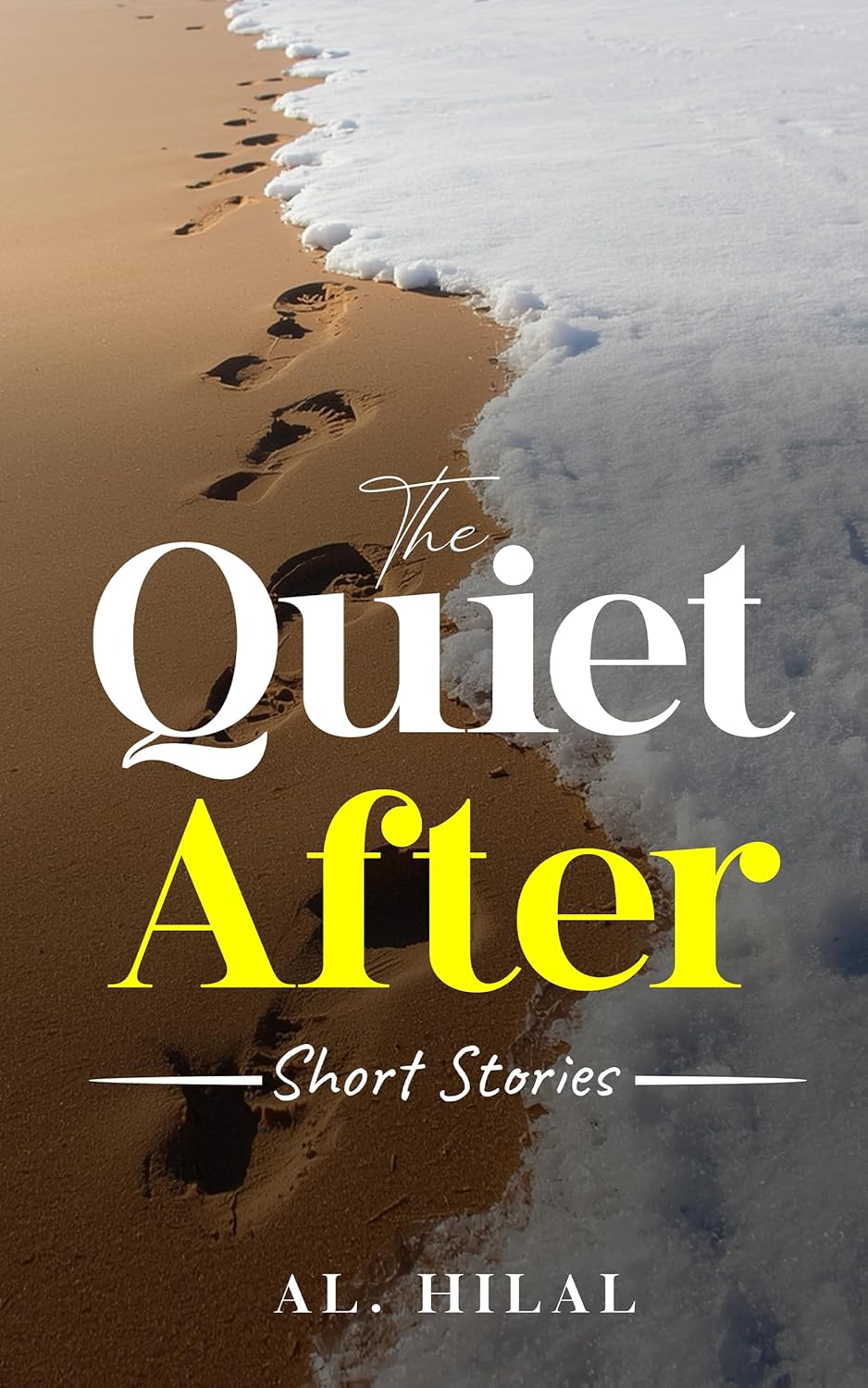


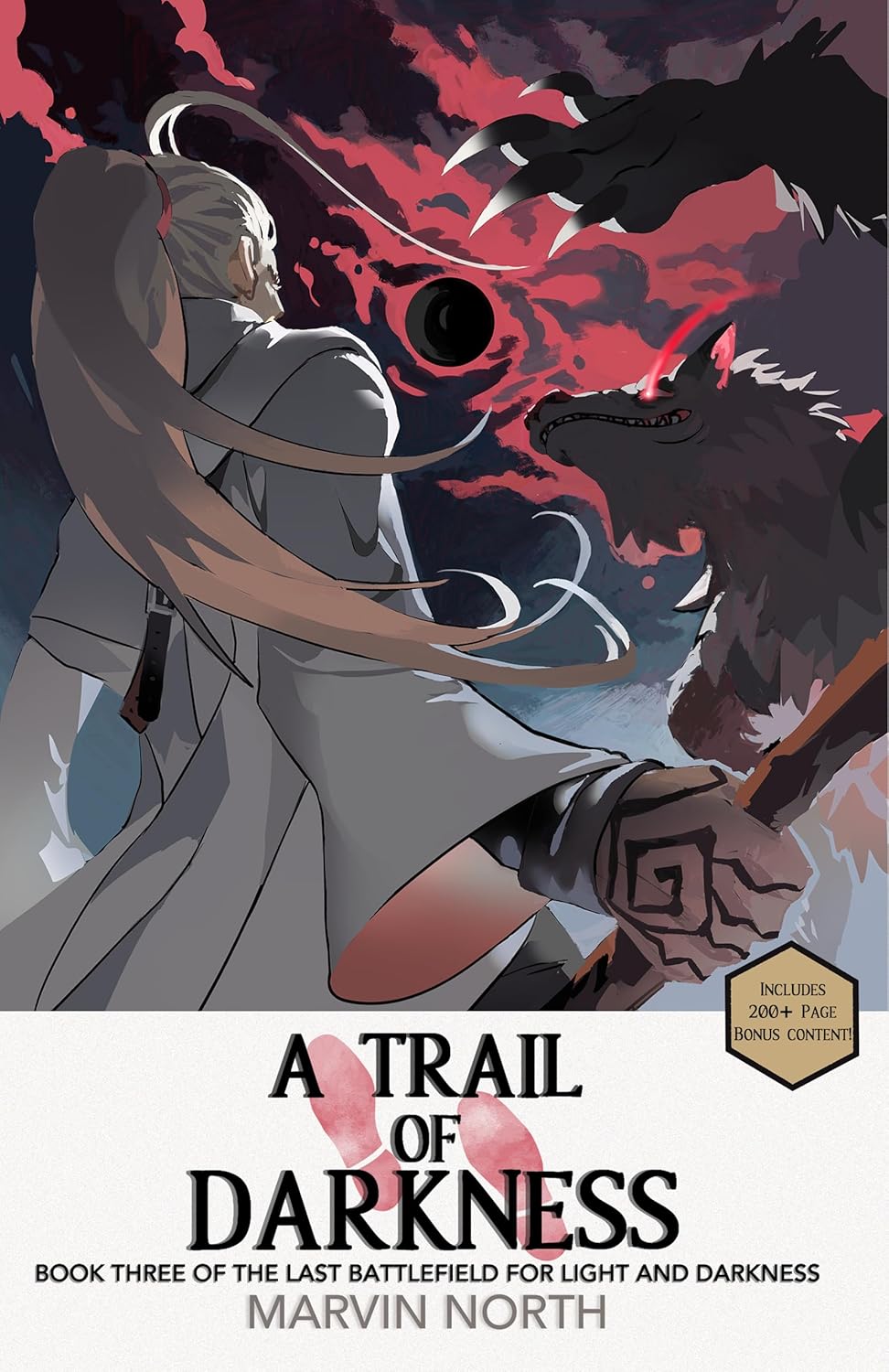

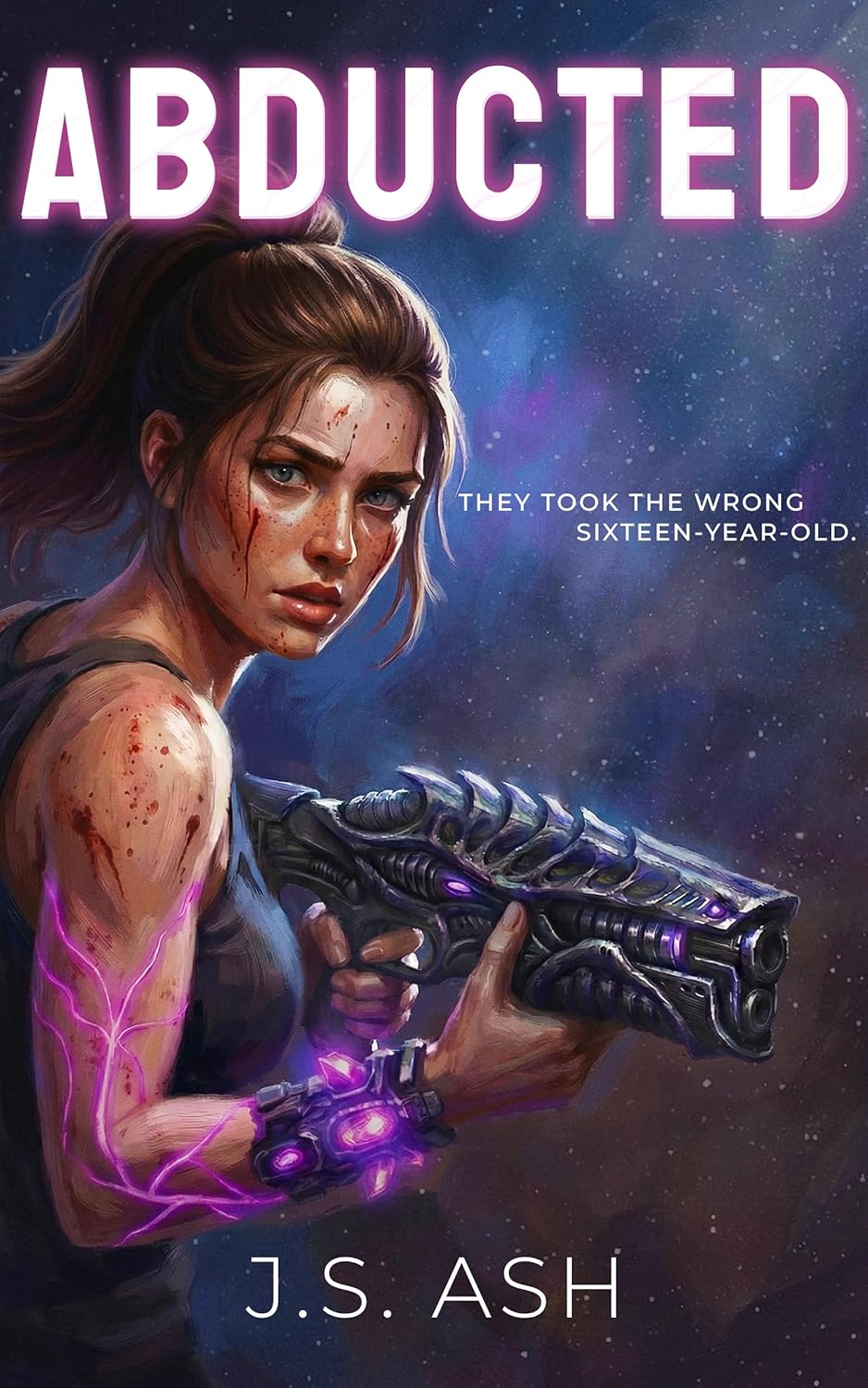


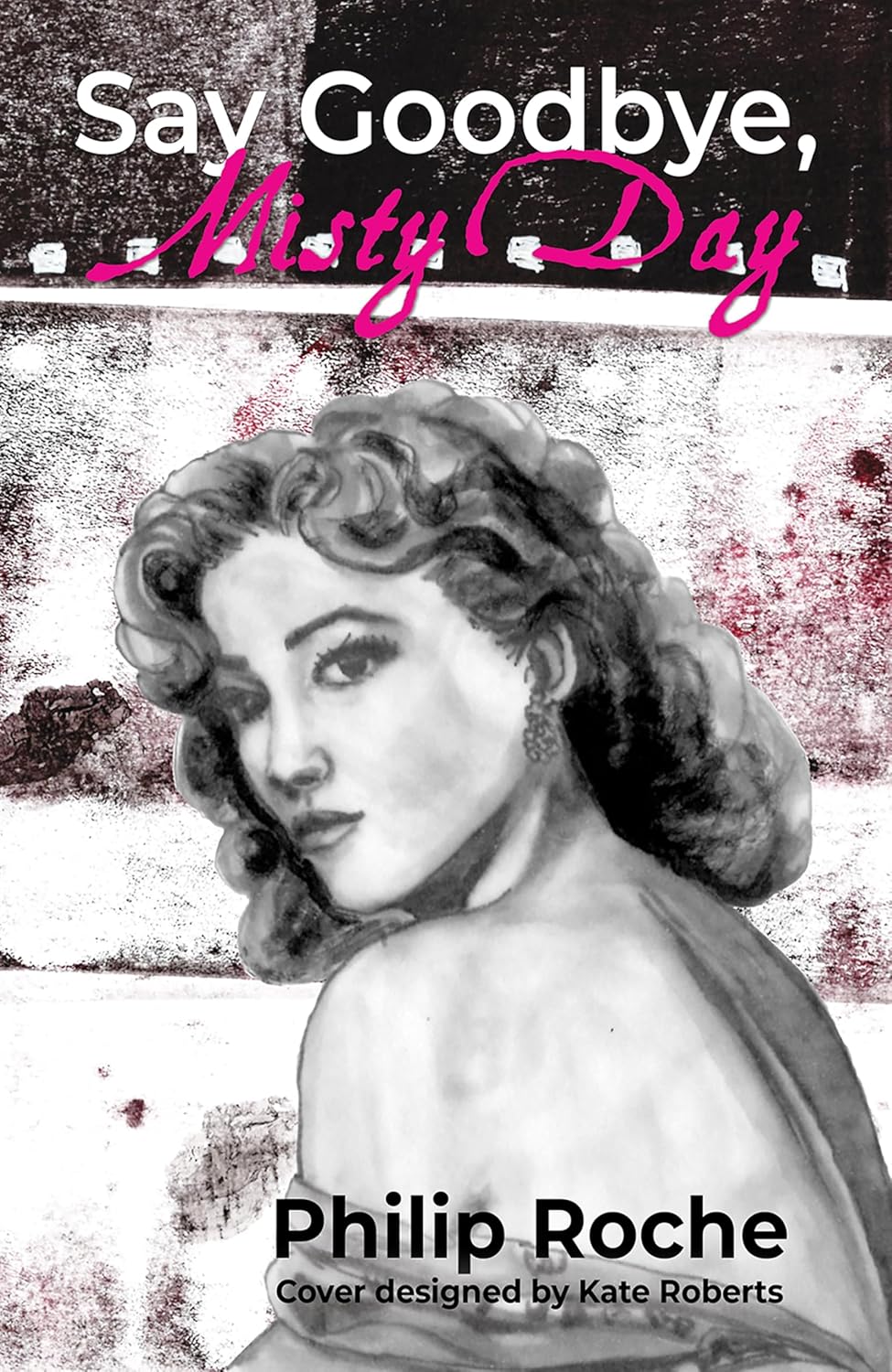










Visit the Literary Titan Book Awards page to see award information.
Literary Titan Silver Book Award

Celebrating the brilliance of outstanding authors who have captivated us with their skillful prose, engaging narratives, and compelling real and imagined characters. We recognize books that stand out for their innovative storytelling and insightful exploration of truth and fiction. Join us in honoring the dedication and skill of these remarkable authors as we celebrate the diverse and rich worlds they’ve brought to life, whether through the realm of imagination or the lens of reality.
Award Recipients

































Dying to Meet the Newcomer by Judith Fournie Helms
Visit the Literary Titan Book Awards page to see award information.
The Book of Unforgivable Sins


If you like stories that ask what “unforgivable” really means while still delivering car wrecks, library heists, and small-town apocalypses, you’ll enjoy this book. The Book of Unforgivable Sins throws an immortal woman who has spent five thousand years sealed in a tomb together with a stressed-out archaeology student, then sends them racing from Egypt to Dublin to Chicago and small-town Iowa to find a legendary volume and stop an ancient sorcerer’s followers from using a death ritual to wipe out entire populations. Ricky Crowe, still cursed with immortality after an earlier showdown over the Scroll of Life and Death, is freed from Shendjw’s hidden mastaba by Jabari, a young Egyptian American on his first big dig, and the two of them chase clues to Marsh’s Library in Dublin, where The Book of Unforgivable Sins holds a handwritten version of the ritual that can strip Shendjw of his power and potentially save the world.
This one is fast and loud and sometimes a little wild, and I enjoyed that vibe a lot. The opening in Tarkhan grabbed me straight away, with Jabari’s mixture of awe and petty academic misery, and the whole sequence of him sneaking back into the tomb, cracking the ghost door, and finding “the mummy” in the sarcophagus had that great horror-movie energy that made me grin and wince at the same time. Once Ricky enters the story, the tone shifts into this snarky, bruised, found-family thriller that really worked for me. Her voice is sharp and funny, and the banter with Jabari, Adams, Green, and the others kept scenes from getting too grim even as bodies turned to ash in places like Marksville. The book leans on exposition about the earlier adventure with Cessair and the Scroll, though. There are chunks where characters sit and explain the previous novel and the metaphysics of the ritual, and every so often, that slowed the pace for me, even if the information was needed.
What I enjoyed was the mix of big ideas under all the chases and shootouts. The story keeps coming back to what immortality really costs and what people will do when they believe their cause is holy enough to excuse anything. Ricky’s five thousand years in the dark is not treated like a cool superpower; it feels like trauma and boredom and madness and survivor’s guilt, and the book is pretty blunt about how that messes with her. In the end, there is justice, a kind that left me uncomfortable in a good way, and I liked that the novel lets that sit instead of pretending it is simple.
By the time I turned the last page, I felt like I had gone through a whole season of a dark, pulpy TV show with these characters. The prose is straightforward and punchy, the jokes land more often than not, and the set pieces feel cinematic, even when the plot occasionally sprawls, and the mythology gets dense. I would happily recommend The Book of Unforgivable Sins to readers who enjoy contemporary fantasy thrillers with ancient magic, cults, and a bit of gallows humor.
Pages: 321 | ASIN : B0GQ6R7BD4

“a couple of suspicious deaths”

The Judas Saints follows an FBI Agent and a Park Police Sergeant whose cases overlap, and what begins as a couple of suspicious deaths slowly unfolds into a coordinated campaign of silencing, corruption, and cover-ups. What was the inspiration for the setup of your story?
The inspiration came from watching how easily institutional authority can mask wrongdoing when people assume those in power are acting in good faith. I was drawn to the idea of two law enforcement officers, each discovering pieces of a puzzle that neither could solve alone. The setup with FBI Agent Saville and Park Police Sergeant Pritchard allowed me to explore how suspicious deaths can be dismissed as suicides when the right people control the narrative. What fascinates me is that moment when patterns emerge, when “a couple of suspicious deaths” reveals itself as something coordinated and deliberate. The overlapping cases create natural friction between jurisdictions, which mirrors how conspiracies often survive. Not through elaborate planning, but through bureaucratic disconnection and the assumption that someone else must be handling it.
Saville operates outside Bureau approval. Pritchard risks her badge. What draws you to characters who push against their own institutions?
I’m drawn to these characters because they face consequences most thriller protagonists avoid. Saville operates outside Bureau approval knowing his career already hangs by a thread after Miami, and Pritchard risks her badge pursuing a case that’s been officially closed. What interests me isn’t rebellion for its own sake, it’s the moral calculus these characters make. Saville has promised a grieving mother he’ll find her son’s killer; Pritchard sees evidence of murder that everyone else dismisses. They’re not revolutionaries. They’re professionals who realize the system they serve has been corrupted in this specific instance. The tension comes from their loyalty to the institution’s ideals conflicting with its reality. Pritchard still wants that FBI Behavioral Science Unit position even as she investigates federal crimes. Saville still believes in the Bureau even as he works unauthorized. These contradictions feel authentic to me. Good people trapped between conscience and career.
The novel questions how power justifies itself in the name of national security. Why is that theme important to you?
This theme matters because “national security” has become the phrase that ends conversations rather than starts them. In the novel, the SAINTS surveillance program represents technology that could serve legitimate security needs but gets weaponized for profit and power. What troubles me is how easily the phrase “national security” provides cover for actions that have nothing to do with protecting anyone. Victor Farnsworth, Ken Burton, and others in the conspiracy use national security rhetoric while actually serving their own interests: financial gain, political survival, personal revenge. The theme explores how those words create a kind of moral immunity, where questioning becomes unpatriotic and oversight becomes obstruction. I wanted to show that the greatest threats to security often come from those claiming to protect it. When power can justify anything by invoking national security, we’ve lost the ability to distinguish between genuine threats and convenient excuses.
Will this novel be the start of a series, or are you working on a different story?
I’ve designed The Judas Saints to work as both a standalone thriller and as the foundation for a potential series. Saville and Pritchard’s partnership could continue, though their trajectories by the novel’s end suggest different paths. Saville’s unauthorized investigation and the conspiracy’s reach leave plenty of unresolved threads, while Pritchard faces decisions about her future in law enforcement. If I continue with these characters, I’m interested in exploring how their choices in this case haunt them professionally and personally.
That said, I’m also developing other projects. My next novel, Aftershock, is an espionage thriller that takes place during the heyday of the Cold War and is a prequel to my first novel, Devil’s Brew, featuring CIA agent David Jourbet.
Whether Saville and Pritchard return depends on whether readers connect with their struggle, and whether their story demands continuation or stands complete on its own.
Author Links: GoodReads | X | Facebook | Website
FBI Agent Mike Saville is already on thin ice with the Bureau when investigative journalist Davy Clough walks into his office with an impossible story. Clough claims he’s uncovered evidence of massive government corruption, but he’s killed before he can provide proof. The local medical examiner rules it suicide. Case closed.
Except Saville doesn’t believe it.
In Washington, D.C., Park Police Sergeant Lowri Pritchard is asking dangerous questions about another apparent suicide: Deputy White House Counsel Victor Farnsworth, found dead in West Potomac Park. The evidence doesn’t match the official story, but when Lowri pushes for answers, she’s told to back off. The case is closed. Move on.
She won’t.
What connects these deaths? A revolutionary software program called SAINTS that can track anyone, anywhere. Stolen from its creator and weaponized by government agencies, the program is worth hundreds of millions. People will kill to protect it. People have killed to protect it.
As Saville and Pritchard’s unsanctioned investigation intensifies, they uncover a network of staged suicides, corrupt officials, and a conspiracy that links a small-town sheriff, an Israeli intelligence operative, and Washington’s political elite. But someone is always one step ahead. A decorated detective with a taste for torture. A grieving widow with secrets of her own. And somewhere in the shadows, the person who orchestrated it all.
The deeper they dig, the deadlier it gets.
Saville is operating without Bureau approval, burned by past mistakes and running out of second chances. Pritchard is risking her badge, her career, and ultimately her life. When their investigation threatens the wrong people, the conspiracy strikes back with brutal efficiency. Partners die. Evidence disappears. And the two investigators find themselves hunted by the very system they swore to serve.
Perfect for fans of political thrillers that don’t pull punches, THE JUDAS SAINTS delivers a relentless story of corruption, conspiracy, and the cost of seeking truth in a city built on lies. With authentic procedural detail, morally complex characters, and a plot that twists through the dark underbelly of government power, this thriller asks a chilling question: What happens when the people sworn to protect us are the ones we need protection from?
From covert Israeli operations to White House intrigue, from torture chambers to the highest corridors of power, THE JUDAS SAINTS is a brutally realistic political thriller that exposes the machinery of conspiracy and the price of justice in modern America.
If you love the political intrigue of Brad Thor, the procedural authenticity of Michael Connelly, and the conspiracy depth of David Baldacci, THE JUDAS SAINTS delivers a pulse-pounding thriller that will keep you reading late into the night.
Justice isn’t blind in Washington. It’s for sale. And some truths are worth killing for.
The Man in the Dam


Andrea Barton’s The Man in the Dam is a contemporary cozy-style mystery set around Mansfield and Lake Eildon in Victoria’s High Country, where journalist Jade Riley is meant to be writing a feel good arts piece about a local production of The Importance of Being Earnest. Instead, she wakes after a tense night with her partner Brett, spots a body in the property’s paddock dam, and the week turns into a knot of interviews, small-town suspicion, and a mystery that widens beyond that first death into family history and hidden motives.
What I liked most is how Barton anchors the book in everyday texture before letting the plot accelerate. The opening has that sharp, slightly painful intimacy of real life: Jade replaying a relationship argument, noticing mess on the counter, trying to steady herself, and then the sudden wrongness of seeing “something” in the water that becomes a person. The writing is clean and easy to move through, with lots of forward motion. And I enjoyed the author’s playful structural choice to use song titles for chapters, plus the nod to a playlist, which fits the creative-arts thread without turning the novel into a gimmick.
Barton’s bigger swing, though, is the way she braids “performance” into everything: the literal theatre production, the public masks people wear in a small town, and the private selves they protect when grief and money and reputation start pressing in. That theme lands because it shows up in character choices, not speeches. Jade is a journalist, so she has a believable reason to ask questions, notice tells, and keep pushing even when it gets uncomfortable. I also appreciated that the story doesn’t stay simple. It adds layers of family backstory and a second mystery that turns the book into something closer to a puzzle box, where one answer opens the next door and you start wondering how far back the damage really goes.
I’d recommend The Man in the Dam to readers who like character-driven mysteries with a strong sense of place, a community cast, and an investigation that feels like it’s happening over cups of coffee and awkward conversations rather than car chases. If you enjoy amateur-sleuth stories, theatre and arts settings, and mysteries that mix present-day danger with long shadows from the past, you’ll have a very good time with The Man in the Dam.
Pages: 310 | ASIN : B0GGWHFPY9
Dead Drop in Lily Rock
Bonnie Hardy’s Dead Drop in Lily Rock drops me into town alongside Avery Denning, sunburned, scruffy, and freshly unmoored after a Palos Verdes fire burns her house down and shoves her onto the Pacific Crest Trail. She’s looking for nothing more complicated than a safe bed for the Fourth of July weekend when she collides with Stella Rawlins’s death at a bright-blue little free library: a rustle in the hedge, a flash, the sulfur bite of a firecracker, and then Stella’s terrible, sudden nothing. What starts as shock hardens into a question Avery can’t put down, especially once the town’s book-obsessed social web (including the Switchback Syndicate, devotees of “older classics” for new readers) begins to look less quaint and more… curated.
I enjoyed the book’s comfort-layering: the setting is cozy, like a mug you can wrap both hands around. Hardy lets the town charm do real work, Mayor Maguire isn’t just “a dog,” he’s a small-time celebrity labradoodle politician on Stella’s bookmarks, a detail so specific it feels lived-in rather than staged. And the dialogue has bite. Officer Janis “Jets” Jets is the kind of cop who’d rather arrest you, eat lunch, and get back to crowd control than listen to anyone emote, and her sarcasm becomes its own local weather system. I was smiling at the brusque tenderness underneath it all: people in Lily Rock needle each other the way families do, affection disguised as a shove.
The second thing that hooked me was how the book treats “a book” not as decoration but as evidence. The recurring children’s title Are You My Mother? isn’t a cute motif. It’s a bruise Stella keeps being forced to touch, tied to adoption and a past she thought she’d settled. When Avery starts finding multiple copies scattered through Stella’s house, it lands as genuinely eerie, like someone has been trying to speak in a language made of paper and repetition. The late-stage revelations snap satisfyingly into place: surveillance footage, a sabotaged “shower deck,” and, finally, an unambiguous face in the after-flash, Cordelia Pratt, firecracker in hand. It’s a clean kind of catharsis, made sharper because the motive lives in obsession and secrecy rather than moustache-twirling villainy.
If you like your mysteries with warmth in the margins, and you don’t mind a little darkness under the bunting, this one’s for you: cozy mystery, small-town mystery, amateur sleuth, bookish mystery, murder mystery. The series framing is right up front (Avery Denning, Lily Rock, Book 1), so it reads like an invitation as much as a standalone case. In spirit, it sits closer to an Agatha Christie village puzzle than a gritty procedural. Dead Drop in Lily Rock shows that a murder mystery can be comforting when the clues feel human, and the town feels real.
Pages: 302 | ISBN: 1954995520


