Blog Archives
River Town: Wellsville Ohio
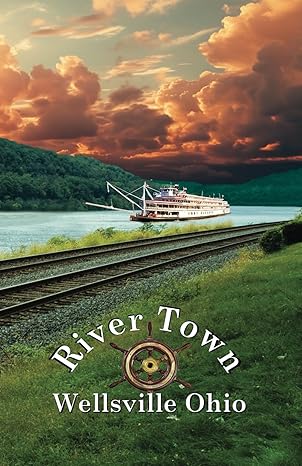

River Town: Wellsville Ohio, by David Navarria, is a multi-generational historical narrative set in a small industrial river town that was essential to America’s growth. Based on his mother’s memoirs, diaries, and dictations, Navarria chronicles the lives of various families in Wellsville, Ohio, with a focus on themes of survival, war, and humanity’s darker side. The book spans pivotal moments in American history, from the town’s contributions to two world wars to the struggles of settlers and immigrants. The story moves between personal accounts, romance, crime, and war, shedding light on the human condition and the costs of building a nation.
What stands out to me is the sincerity and passion Navarria pours into recounting his family’s history. The writing, especially in the early chapters, does an excellent job of capturing the grim realities of life in a small industrial town, with vivid descriptions of Wellsville’s growth, its atmosphere, and its people. For example, in the opening scene, the fog-covered streets and the interaction between Pip and the towering Irishman McElhenny evoke an eerie, mysterious mood. Navarria’s style can be heavy at times, but the detail adds richness to the setting, pulling readers into the life of this river town.
Navarria shifts between narrative styles, sometimes diving into lengthy historical exposition, then moving to personal anecdotes, like Luigi Massaro’s escape from a vengeful duel in Sicily. While the historical context is interesting, I found myself more drawn to the personal, emotional stories of individual characters than the broader history of Wellsville.
One of the book’s strongest aspects is its portrayal of complex characters and their moral struggles. The violence, especially in the context of war and survival, is unflinchingly depicted. Navarria doesn’t shy away from showing how brutal life could be for both men and women, as seen through the brutal duels and raw family conflicts. I appreciated that the author remained true to his mother’s accounts, not sugarcoating the harsher aspects of life. While the book is filled with darkness and hardship, there is also a strong undercurrent of redemption and resilience, particularly in the characters who are fighting for survival.
River Town: Wellsville Ohio is a heartfelt and dense historical account that would appeal to readers interested in American history, family sagas, and personal stories of redemption. The historical accuracy combined with the emotional weight of the personal narratives makes this book particularly meaningful for anyone with a love of family history or small-town America.
Pages: 562 | ASIN : B0DBKJ9719

Literary Titan Gold Book Award: Fiction

The Literary Titan Book Award honors books that exhibit exceptional storytelling and creativity. This award celebrates novelists who craft compelling narratives, create memorable characters, and weave stories that captivate readers. The recipients are writers who excel in their ability to blend imagination with literary skill, creating worlds that enchant and narratives that linger long after the final page is turned.
Award Recipients



















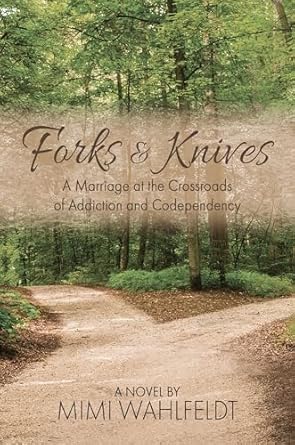

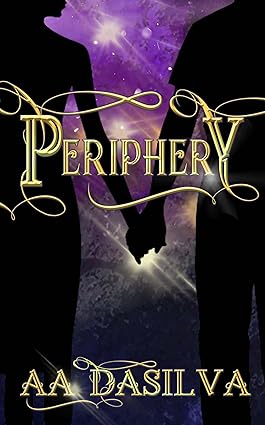

The Toe Killer by Mike Slavin
When Canaries Die
Visit the Literary Titan Book Awards page to see award information.
Literary Titan Silver Book Award October 2024
Celebrating the brilliance of outstanding authors who have captivated us with their skillful prose, engaging narratives, and compelling real and imagined characters. We recognize books that stand out for their innovative storytelling and insightful exploration of truth and fiction. Join us in honoring the dedication and skill of these remarkable authors as we celebrate the diverse and rich worlds they’ve brought to life, whether through the realm of imagination or the lens of reality.
Award Recipients


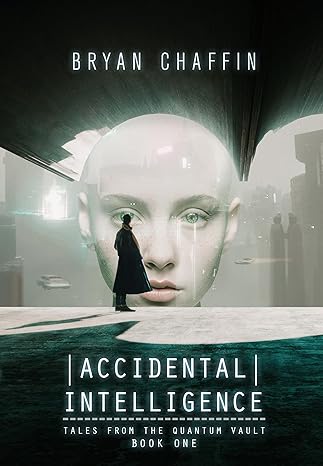





















Visit the Literary Titan Book Awards page to see award information.
Difficult Times

Difficult Times by R.A. Wright delivers an emotionally charged historical fiction set in the turbulent 1860s, centering on Thomas, an ambitious eighteen-year-old farm boy. Driven by dreams of heroism and honor, Thomas eagerly anticipates war as tensions between the Confederate states and the Union escalate. When the Confederate attack on Fort Sumter sparks President Lincoln’s call to arms, Thomas, alongside his friend Simon, eagerly enlists in the Union army. Leaving behind his anxious parents and his girlfriend, Elizabeth, Thomas embarks on a harrowing journey that will test not only his courage but also his endurance and faith. Wright takes readers straight to the front lines, painting a vivid picture of brutal battles, harsh camp life, and the emotional weight Thomas must carry. Through rich detail, the novel captures everything from the camaraderie between soldiers to the psychological trauma of war, drawing readers deeply into one of America’s most defining conflicts.
Difficult Time’s historical authenticity is so meticulous that it could rival actual historical accounts of the Civil War. Wright’s deep research is evident in every detail, from battlefield tactics to the cultural nuances of the era, making the story not only believable but profoundly immersive. The seamless integration of real events and personal narratives breathes life into the era, offering readers a chance to step into the shoes of those who lived through the American Civil War. The characters are richly developed, each unique yet deeply relatable. Through engaging dialogue and thoughtful introspection, Wright reveals the characters’ fears, hopes, and ambitions, making it easy for readers to connect with their individual journeys. The emotional toll of war is laid bare, with Wright exposing the fragile humanity behind the façade of bravery, allowing readers to truly grasp the sacrifices and emotional scars left by the conflict.
Difficult Times is more than just a war story—it’s an emotional coming-of-age tale set against the backdrop of America’s most defining internal conflict. With its blend of historical depth and emotional resonance, this novel is a must-read for any fan of historical fiction, and I highly recommend it to adult readers seeking a gripping, immersive experience.
Pages: 290 | ASIN : B0D3BRY7MM
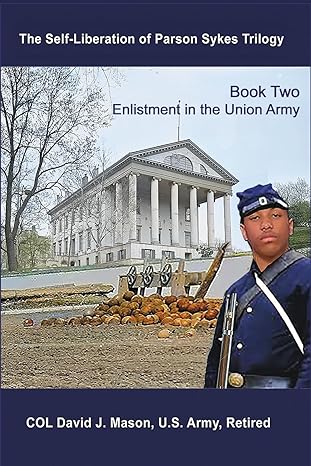
The Self-Liberation of Parson Sykes | Enlistment in the Union Army
The Self-Liberation of Parson Sykes by David Mason is a gripping historical novel that vividly brings to life the journey of Parson Sykes, a former slave from Southampton County, Virginia. Sykes, after enlisting in the Union Army, trained at Camp Hamilton, where he was transformed from a man in bondage to a soldier fighting for freedom. As part of the Union’s contingent of soldiers of color, Sykes’ personal stakes in the war were unmatched, the outcome could mean his own liberation. Mason, a descendant of Sykes, uses his ancestral connection to craft an intimate portrayal of this pivotal moment in history.
This book, the second in a trilogy, delves deep into Sykes’ time in the army, continuing through the aftermath of President Lincoln’s assassination. It captures not only Sykes’ external experiences but also his inner struggle as he strives to embody the belief that slavery is fundamentally wrong, a principle that, though considered radical then, is now seen as an undeniable truth. The vast body of literature on the Civil War is the profoundly personal lens through which the story is told. Reading about Sykes being trained as a soldier and facing the brutality of combat is particularly poignant, knowing that the battle’s outcome could decide his very freedom. Mason masterfully weaves rich period details into the narrative, pulling readers into the harsh realities of both the war and the dehumanizing institution of slavery, seen through Sykes’ eyes. The novel’s strength lies in its ability to connect Sykes’ individual experiences with the larger arc of the war. While the story focuses on one man’s journey, it paints a broader picture of how contributions from countless brave soldiers like Sykes helped turn the tide in favor of the Union. This victory reshaped the nation, pushing it toward a future that promised greater equity for all. The book not only tells the story of one man’s fight for freedom but also evokes a broader struggle that echoes into the present.
Mason’s portrayal of this chapter in history is both powerful and emotionally resonant, making The Self-Liberation of Parson Sykes a compelling read that leaves a lasting impact.
Pages: 264 | ISBN : 0999133179
Calling Tsela
Calling Tsela is a rich blend of historical fiction, spiritual exploration, and modern-day crime drama, centered around the Navajo Nation and its people. The book weaves together two narratives: one of a silver mine in 19th-century Navajo country, full of mysticism and legend, and the other of a Navajo cop in the present day dealing with visions, crime, and his cultural roots. Tsela, the protagonist, finds himself drawn into a spiritual journey that connects the past to the present, as he uncovers the mysteries surrounding Navajo traditions, crime on the reservation, and his own haunting visions.
I was immediately captivated by the vivid descriptions of the Navajo landscape and the seamless way the author brings historical context into the story. The opening chapter drops you right into the 1800s with a gripping tale of Mortimer Cade’s quest for a lost silver mine, setting the stage for the entire novel. Thompson’s ability to contrast this historical narrative with the present-day struggles of Tsela is one of the book’s greatest strengths. The way he uses the landscape as a backdrop for both eras creates a sense of timelessness. I found myself emotionally invested in Tsela’s internal struggle as he tries to reconcile his duties as a cop with his connection to his Navajo heritage.
Thompson’s writing shines brightest in the personal moments, especially during Tsela’s peyote ceremonies and visions. The surreal, almost hallucinogenic quality of these passages was mesmerizing, yet it still felt deeply rooted in the spiritual realities of the Navajo culture. Tsela’s encounter with the zebra-man and his subsequent vision of a murdered woman were particularly powerful. These moments brought an intensity and urgency to the story that had me questioning what was real and what was part of Tsela’s spiritual journey. The balance between reality and the supernatural was handled with finesse, never feeling over the top but always keeping me on edge. The crime drama element was intriguing, though at times it felt a bit disconnected from the more mystical parts of the novel. While Tsela’s role as a Navajo police officer grounds the story in the real world, I did feel like the pacing slowed down during the investigation scenes. The gritty reality of gang violence, drugs, and murder was well-portrayed, but I found myself more drawn to the spiritual and cultural aspects of the book. Still, I appreciated how Thompson did not shy away from depicting the harsh realities faced by the Navajo community today. The loss of culture, crime, and economic hardship gave the novel a layer of depth that enhanced Tsela’s personal struggles.
Calling Tsela is a multi-layered novel that seamlessly blends Navajo history, spirituality, and modern-day issues into a compelling narrative. Thompson’s evocative writing, combined with a unique storyline, makes this a book that will resonate with readers interested in indigenous cultures, mystical storytelling, and crime fiction. I’d highly recommend it to those who enjoy stories that challenge the boundaries between the seen and unseen, and anyone who appreciates a deep dive into cultural heritage.
Pages: 372 | ASIN : B0B2TPRS6P
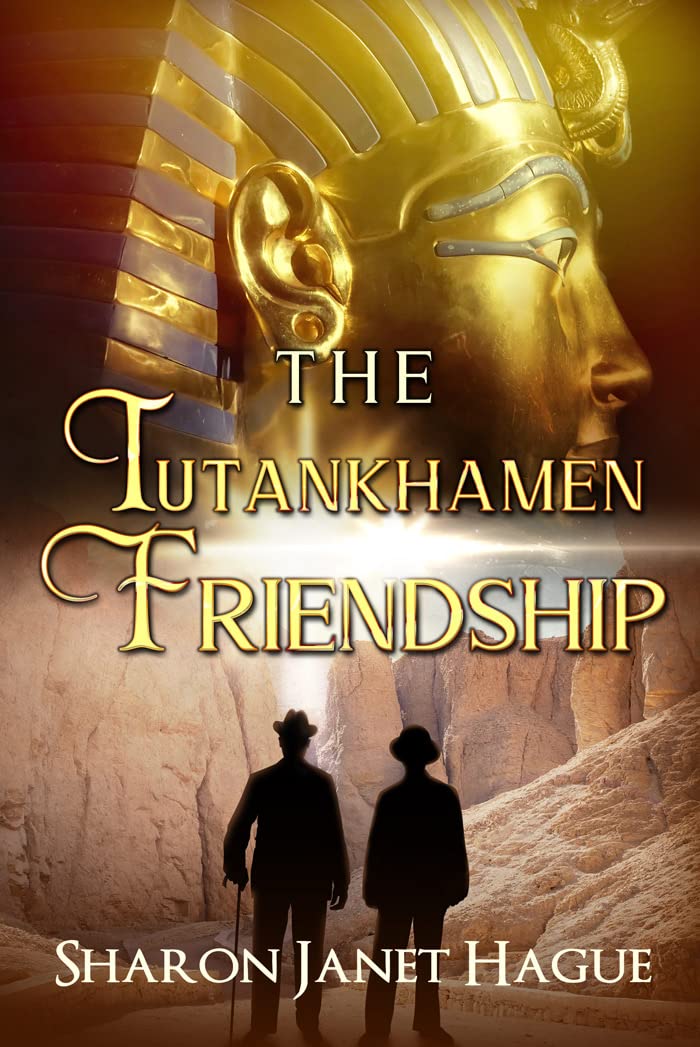
The Tutankhamen Friendship

Sharon Janet’s The Tutankhamen Friendship brings to life the captivating story of Howard Carter, the archaeologist behind the discovery of Tutankhamen’s tomb, and Lord Carnarvon, his steadfast companion. Set in the early 1900s, the novel delves into the evolving friendship between these two men as they navigate the highs and lows of their groundbreaking work in Egypt. Despite the skepticism of many experts, Carter and Carnarvon, both considered outsiders, unearthed one of history’s most significant archaeological treasures. Carter, a self-taught archaeologist who thrived on the extraordinary, developed his skills under the guidance of wealthy aristocrats, and their shared discovery ignited a global fascination with ancient Egypt that forever enshrined their names in history.
The book offers a fascinating blend of historical depth, adventure, and powerful themes of friendship and endurance. The author vividly reimagines the lives of Carter and Carnarvon, portraying their unlikely bond with great skill and nuance. The imagery was particularly striking to me as it immerses readers in the dusty landscapes of Egypt and captures the tension and excitement of their discovery with evocative prose.
The historical setting is richly detailed and transports readers back to the time of this monumental find. The story captures the thrill and intrigue surrounding one of the most remarkable archaeological discoveries in history while also allowing readers to experience the personal struggles of those involved.
Although the story can be difficult to get into at first, the overall experience is one of stepping into history. Janet successfully turns a historical lesson into a living and breathing world that gives readers the chance to see through the eyes of real people. This book is a fantastic way to experience the past. The balance between historical accuracy and fiction is carefully maintained which makes the story informative and emotionally engaging.
The novel’s blend of history and storytelling makes it a compelling read for anyone interested in Egyptology and adventure. The Tutankhamen Friendship is a thoughtful exploration of the personal dynamics that fueled one of history’s most significant archaeological finds, making it a worthwhile read for lovers of historical fiction.
Pages: 277 | ASIN: B0BTGRYQ9B
The Deaths at Jonestown

Paradise Undone is a powerful and deeply unsettling exploration of one of the most tragic events in modern history, the Jonestown massacre. Where did the idea for this novel come from?
In 2004, I gave a reading at the U. of N. Dakota Writers Conference to a crowd of 600, where I was a master teacher in residence. In the story, about the intersection of 9/11 and a Jewish family I knew back in New York, the parents go to a deprogrammer in an attempt to rescue their daughters (based on two friends) from a nameless cult in the Southwest. The programmer tells them he lost his daughter in Jonestown four years earlier. That was the sole mention of Jonestown in the story excerpt, which went on to win some prizes and be published in Sequestrum and Glimmer Train .
Afterward, a friend came up to me in tears, telling me of his colleagues who had lost family — siblings and nephew — in Jonestown. A powerful and unexpected response to my story. A month later, preparing for my sabbatical, in which I planned to write Hippie Ruins, a novel about the communes in Southern Colorado where I would spend the year ahead, I perused the shelves at Powell’s City of Books in Portland, OR, passing from COMMUNES to CULTS, where I discovered dozens of books about Jonestown. Thus, my bookstore aisle epiphany: remembering my friend in tears, I decided to write my book about Jonestown instead. The hippies could wait, while the story of an unscrupulous charismatic man leading altruistic souls to their demise felt urgent. Twenty years later, in this election year, my book just published, that urgency pulses with even greater danger.
Did you find anything in your research of this story that surprised you?
When I began researching, the most basic facts concerning the deaths at Jonestown — about which I knew little, like most Americans alive in 1978, when I was 18 — stunned me. The dead were 2/3 female, 80% African American, and 1/3 of those 900+ bodies were children. The media of the day, and even now, present those dead human beings as brainless, drugged-out zombies, led by a crazy man to “drink the Kool-Aid,” a salacious and sensationalized portrait so misleading. The dead of Peoples Temple were families, a third of them elderly, and the group as a whole comprising idiosyncratic individuals. It was not a mass suicide; it was murder, an example of coercive control gone ballistic.
What was one of the hardest parts of Paradise Undone for you to write?
I chose to narrate Nov. 18, 1978, from the first-person perspective of Marceline Baldwin Jones, Jim Jones’s wife of nearly 30 years, a founding member of the altruistic work of Peoples Temple in 1950s Indianapolis, who witnessed its decline in Jonestown’s final years, as her husband became an addict and monomaniac. The only fact we know about her demise that day is that she was one of the 900+ who died from poison. Two people died of gunshot wounds: Jim Jones and his nurse, Annie Moore. I wanted to give her a voice, a will, and a longing to stand up to her husband. However, she is human and weak and does not prevail. Living inside her consciousness for hours while the poison is dished out by others in cups and syringes in varying doses measured for infants, toddlers and adults, resonated with pain. She loves these hundreds of people who call her Mother. But there are armed guards surrounding her, guarding the vat of Flavor-Aid (not, in fact, Kool-Aid), and the crowd rises up against the one woman, Christine Miller, who argues with Jones not to go forward with his plan of so-called “Revolutionary Suicide.” Paralyzed with fear, Marceline does not act.
What is the next book that you are working on, and when will it be available?
My next book will be linking short stories about other members of Peoples Temple, including characters I wanted to write about in my novel but could not include due to narrative constraints. I plan to have it published on the 50th anniversary of the massacre in 2028. However, PARADISE UNDONE was ready for the 30th anniversary in 2008, with a NY agent who tried his best but, despite two close calls, returned it to me. Fifteen years later, despite hundreds and hundreds of rejections, in addition to being a finalist 17 times in various contests, I finally found a UK publisher, by chance, who eagerly snapped it up. Am hoping for a pub date closer to my goal this time around, with fewer years on my biological clock remaining!
Author Links: GoodReads | X (Twitter) | Facebook | Website | Instagram | Threads | Amazon
Imagine a community full of rainbow families where everyone comes together in the spirit of equality and fraternal love.
Shy pastor’s daughter Marceline and her new husband Jim Jones found Peoples Temple in the face of rampant hostility and aggression in 1950s segregated AmeriKKKa.
They give hope to the poor, the miserable, the alienated and disenfranchised of all colors, and build a commune in the jungle of British Guyana.
But this Eden too has its serpent. One who is also jealous of God, and where he goes, everyone must follow, even to the grave.



 LITERARY TITAN