Blog Archives
“even gods have flaws”

The Shape of Angels follows an immortal man haunted by a curse who must travel back in time and across dimensions to confront his former self to prevent the universe’s destruction. What was the inspiration for the setup of your story?
My inspiration came from the desire to create something that did not exist. Imagination was strongly encouraged in my household while growing up, as both my mother and my father were very creative. Mom once worked for Sysco Foods as a graphic designer and designed their penguin mascot, Sysco Sydney. Dad was a storyteller, a so-called professional liar. He ‘made up things’ for a living, which is what we do as writers. Imagination came easily to me, and I aimed to create a series that did not resemble others. There are many time-travel books out there, but not many, if any, that feature multidimensional time travel. As per my theory of ‘Dimensional Distinction’, the past, present, and future co-exist at the same time. This allows me to shift readers between timelines by using dimensions to explain a Napoleonic Europe with advanced technology—an entirely new concept and theory with much to explore.
I find the world you created in this novel brimming with possibilities. Where did the inspiration for the setting and the supernatural elements come from, and how did it change as you were writing?
The supernatural elements of my story were inspired by real mythology, and I had always admired Napoleon Bonaparte, who was superstitious himself. To reference mythology, we can examine Napoleon’s imperial eagle, which closely resembles Caesar’s Aquila, including the lightning bolts in its talons—the sacred emblem of Jupiter (and Zeus). I conducted extensive research the six inventors, incorporating the elements and cultures of the real people they represent. Throughout my trilogy, I will introduce and delve into the roles of each inventor, as all six dimensions matter.
What were some themes that were important for you to explore in this book?
The Shape of Angels explores a primary theme of “even gods have flaws”, and those flaws can either destroy or empower, depending on the individual. It is a story that examines limits, but also shows how life can be molded beyond what is possible. Identity is another theme TSOA explores, including what it may look like in the eyes of others.
What will your next novel be about and what will the whole series encompass?
The next novel in my series will be titled The Probability Machine. In TPM, we will learn more about Adreian’s past and how he came to bear Sil’nei’s heart. TPM will lean more on hard science fiction and the coalition wars. Let’s say there might be a shift in protagonists…
Author Links: GoodReads | Facebook
The universe is crumbling. Its fate depends on a child (Adreian Bayne) with a magical heart and a broken body—whose very existence threatens the balance of its six dimensions, time and space.
As the organ propelling Adreian’s blood bears a terrible hex—devised by its original host—and, mighty demigod, Sil’nei.
Tasked with preventing the universe’s destruction, Sil’nei must shed his guise as Physics Professor Giovanni Romano—and confront Adreian in the past (1804) to silence his (own) beating heart. Thus, destroying himself.
Giovanni realizes the complexity of his assignment after undergoing inter-dimensional time-travel. Upon arriving in the third dimension, he meets a grand opportunity—tempting Giovanni to cement his former empire—and mentor his former incarnation, Napoleon Bonaparte, while exploiting Adreian.
As expected, Giovanni receives opposition from his fellow ‘Inventors’, who seek to arrest his conquests—waging a war between gods and mortal men, with Adreian at the epicenter.
Literary Titan Book Award: Fiction

The Literary Titan Book Award honors books that exhibit exceptional storytelling and creativity. This award celebrates novelists who craft compelling narratives, create memorable characters, and weave stories that captivate readers. The recipients are writers who excel in their ability to blend imagination with literary skill, creating worlds that enchant and narratives that linger long after the final page is turned.
Award Recipients
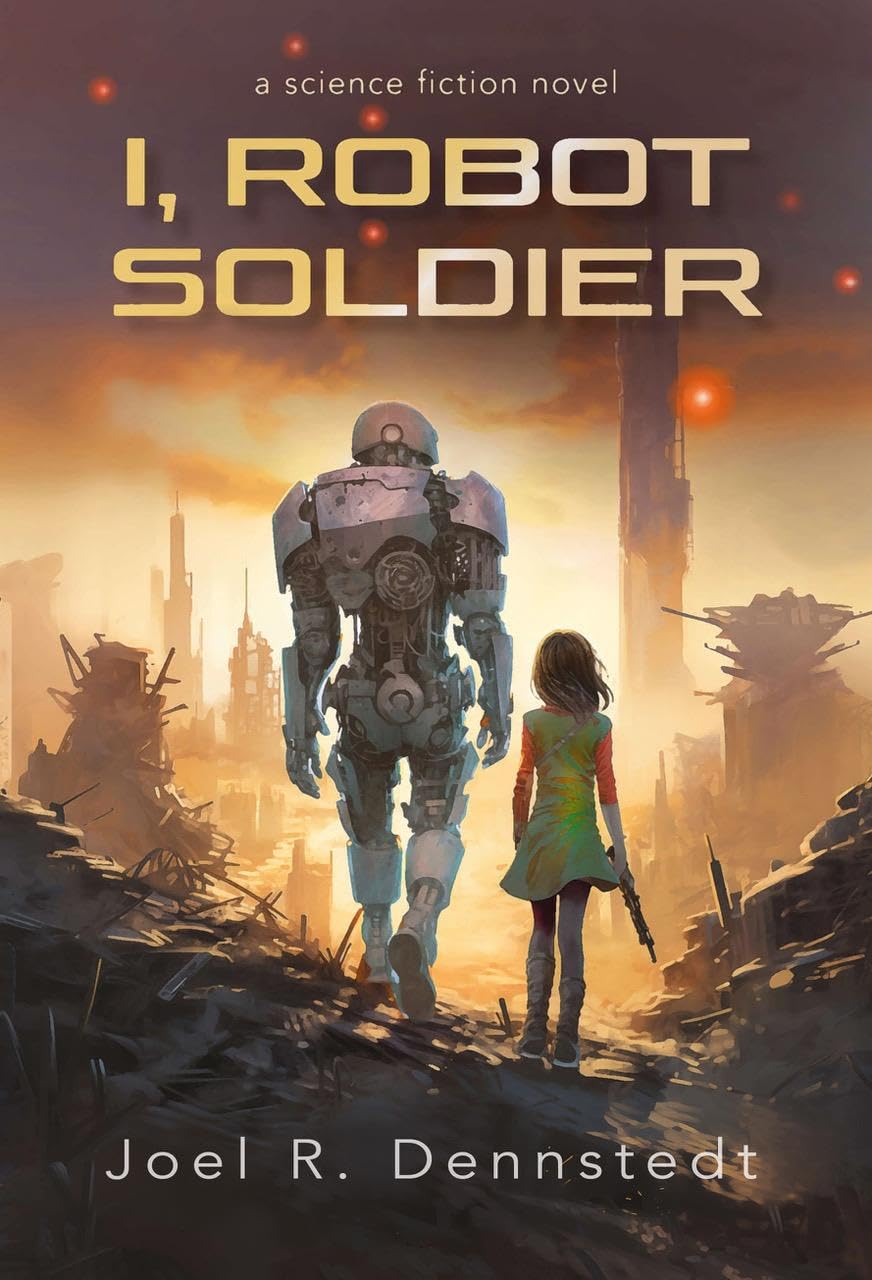


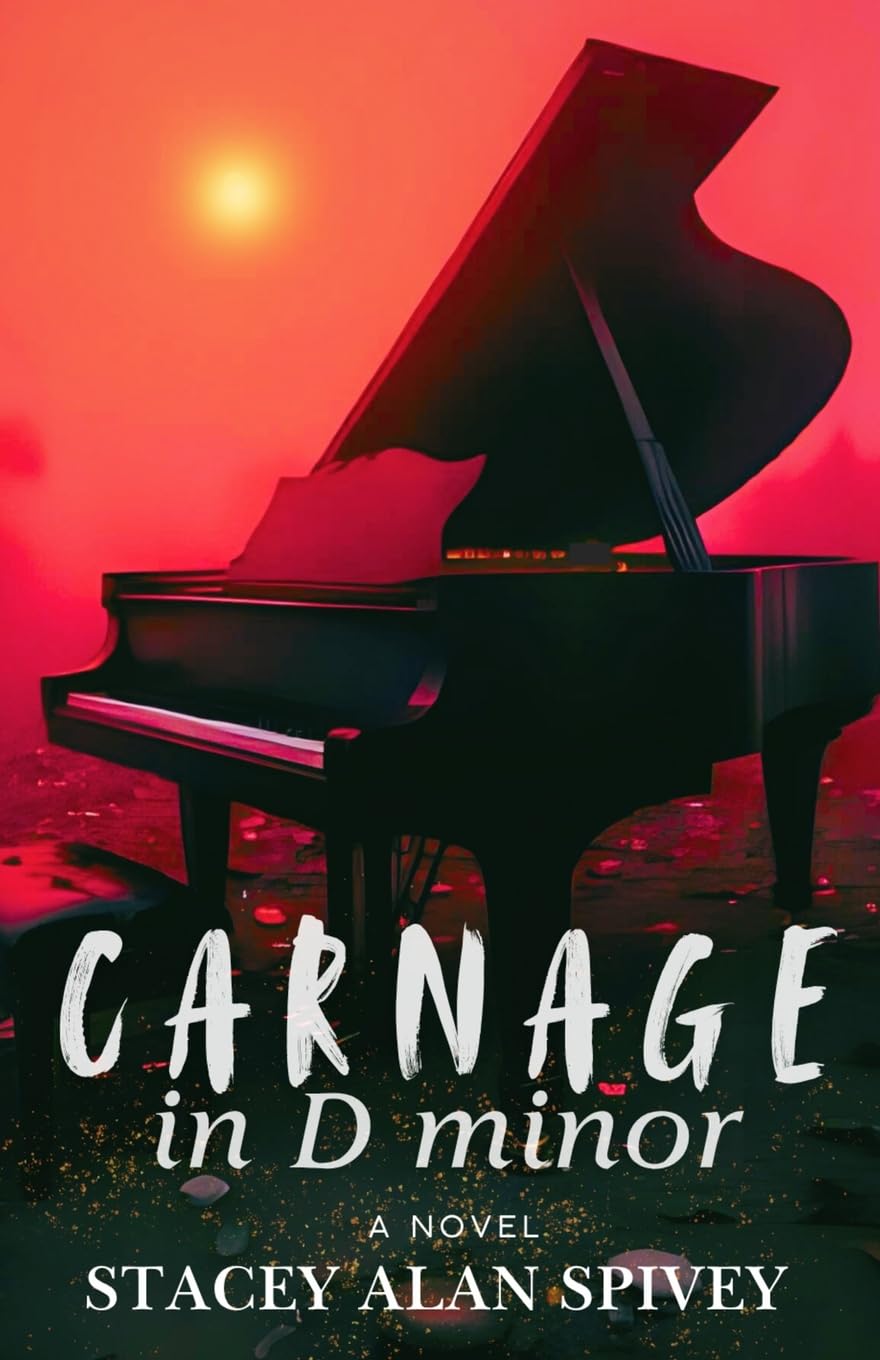
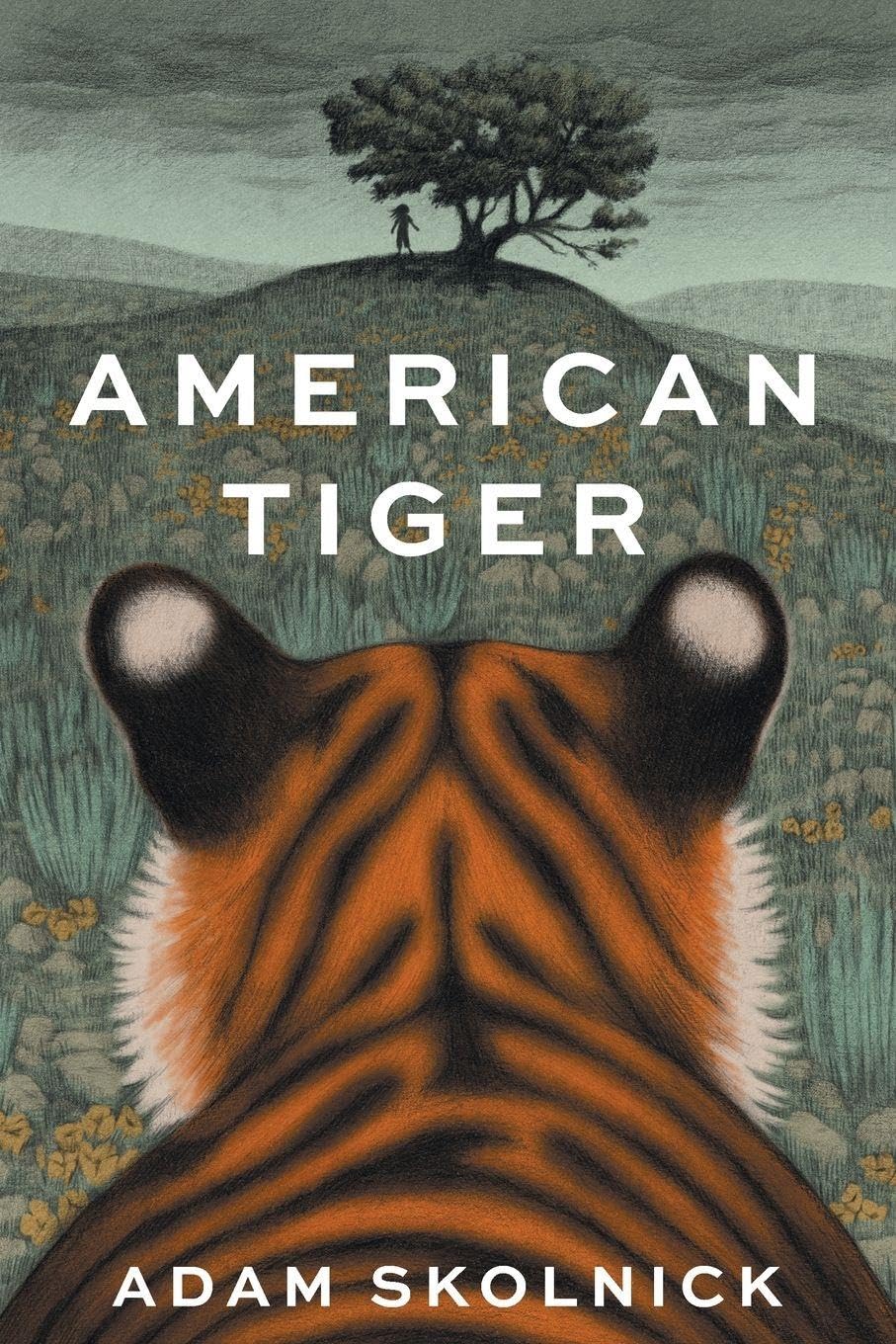

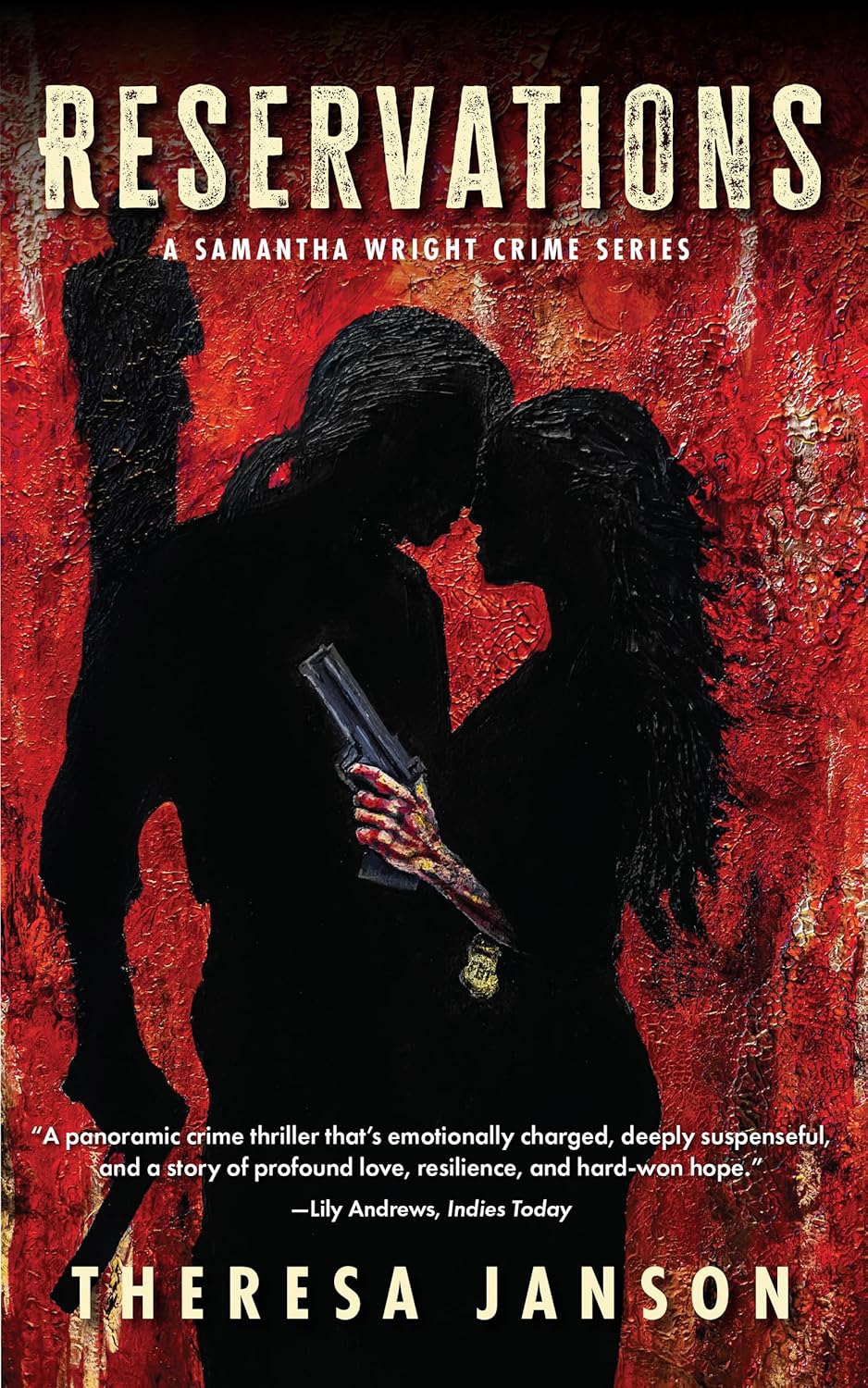











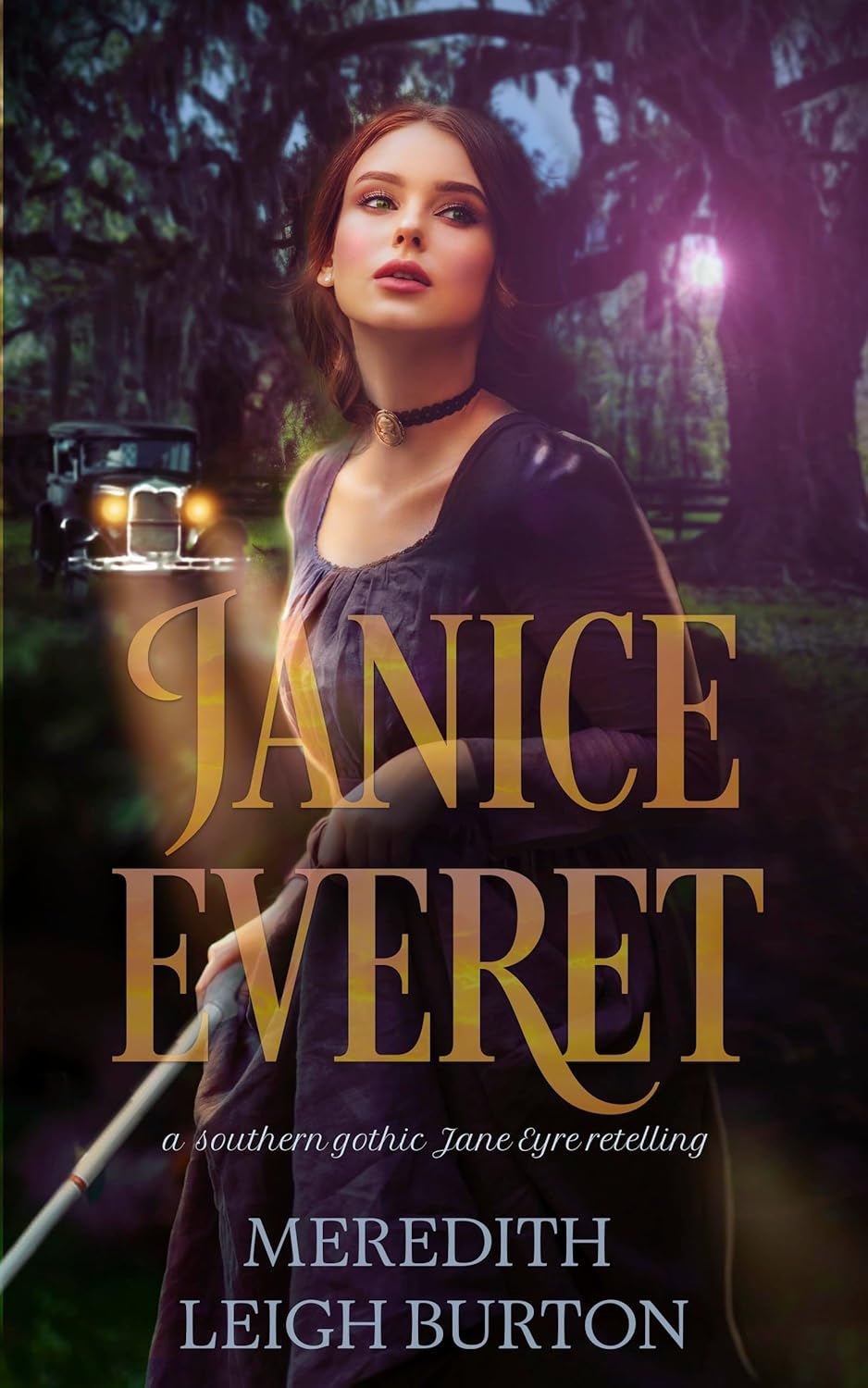

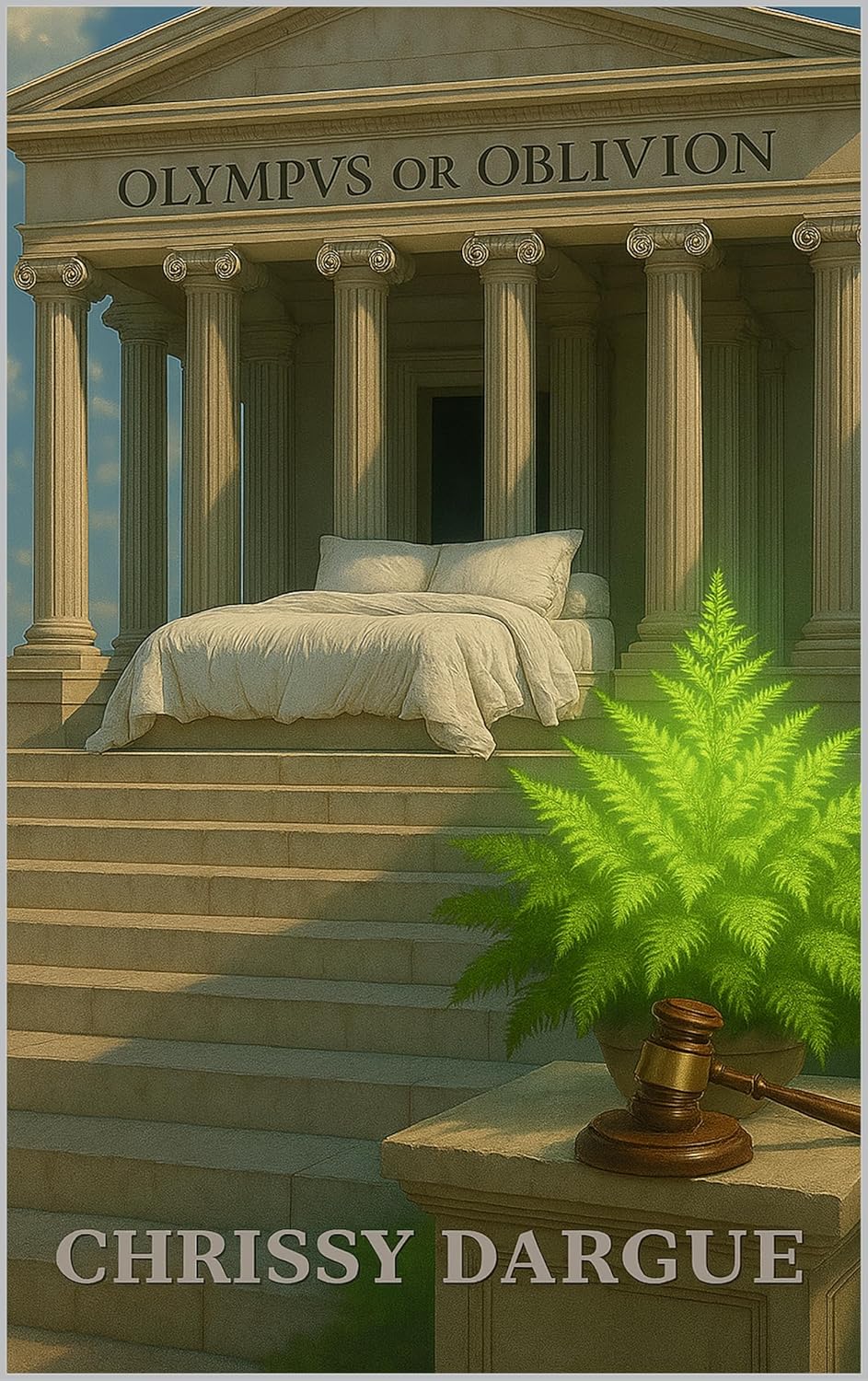


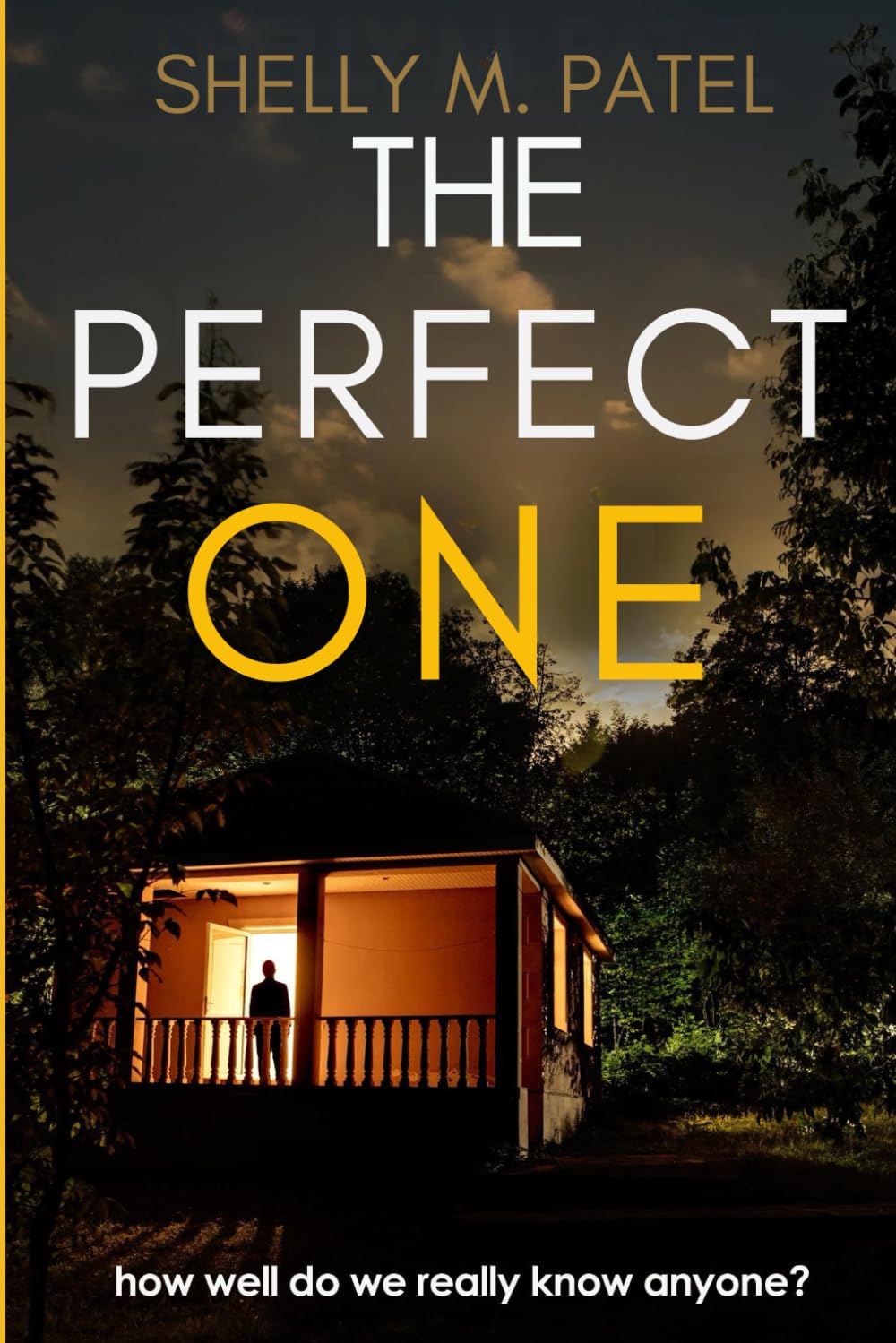


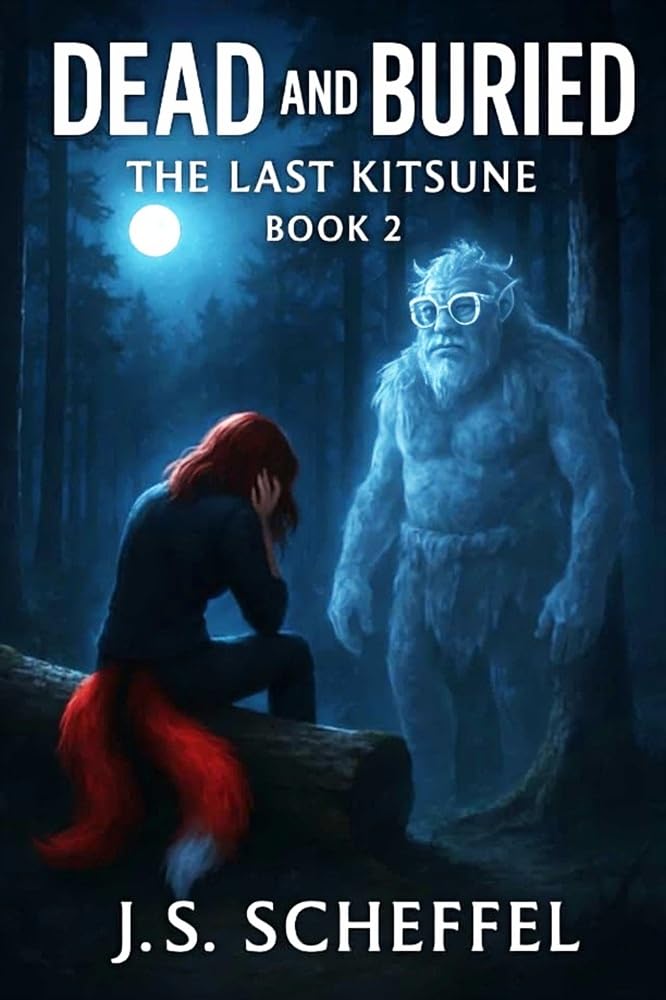

Visit the Literary Titan Book Awards page to see award information.
Literary Titan Silver Book Awards
Celebrating the brilliance of outstanding authors who have captivated us with their skillful prose, engaging narratives, and compelling real and imagined characters. We recognize books that stand out for their innovative storytelling and insightful exploration of truth and fiction. Join us in honoring the dedication and skill of these remarkable authors as we celebrate the diverse and rich worlds they’ve brought to life, whether through the realm of imagination or the lens of reality.
Award Recipients























Losing Mom by Peggy Ottman
This Is For MY Glory: A Story of Fatherlessness, Failure, Grace, and Redemption
Toil and Trouble by Brian Starr
Visit the Literary Titan Book Awards page to see award information.
Soul of the Saviour

Soul of the Saviour drops you into a wild mix of brutal training grounds, smoky alleys, ancient magic, and the strange heat of Hell itself. The book follows Saxon Payne as he crawls back into life after years in a mystical retreat. It weaves through his past, the rise of lethally gifted assassins, demonic lovers, grim prisons, tender memories, and the looming clash between Heaven, Hell, and everything in between. It moves fast and swings between action, horror, and raw intimacy. Sometimes it feels like half spiritual odyssey and half grindhouse myth. I found myself swept up in the momentum because the story rarely slows down enough for you to catch your breath.
The writing goes for broke. Scenes in Hell’s kitchens shimmer with disgusting brilliance, and scenes of training in the mountains bristle with physical grit and stillness. There is a real commitment to showing bodies under strain and souls under pressure. The prose jumps from grim to tender in a heartbeat, and it gave me that sense of watching someone flip through different emotional filters just to see what hits hardest. The violence is bold. The sensuality is bold. The humor sneaks in with a wink. I liked how messy it all felt, because it made the characters feel lived-in and not staged.
The whole thread around becoming more than human through suffering made me uneasy and fascinated at the same time. I found myself rooting for characters who should have terrified me and shaking my head at choices that were obviously doomed. The story loves duality. Hope beside despair. Faith beside hunger. Love beside something darker and stranger. Sometimes it veers into excess, and sometimes the emotional beats come so fast I had to take a moment to reorient. But even then, I felt drawn along by the sheer confidence of the storytelling. It feels like the author trusts you to surf the chaos, and I liked that.
By the end, I felt satisfied and also curious because the book leaves a lot of questions humming under the surface. I would recommend Soul of the Saviour to readers who enjoy high-energy dark fantasy, intense character arcs, sharp edges, and worlds that bend myth with modern grit. If you like stories that mix heart with horror and beauty with brutality, this one will keep you turning pages long after you planned to stop.
Pages: 325 | ASIN : B0FCDT2J11

A Personal Challenge

The Manglers of Carraig centers around a boy fighting to protect his mother and sister and a jeweler known for her grim designs, both living in a world split by wealth and riddled with monsters. Where did the idea for this novel come from?
Believe it or not, the idea came from Brandon Sanderson’s writing course. I was in a bit of a literary slump, so I decided to check out the free creative writing course Brandon Sanderson posted on YouTube. In one of the classes, he asks students to come up with a setting or plot for a horror story. One of the students suggested “economic,” which stumped Sanderson. However, as an economics teacher, I took it as a personal challenge. Not long after, the idea hit me: what if a nation’s currency was not only a medium of exchange but also something people needed to keep the monsters away at night? I immediately took that concept and layered it over Hemingway’s To Have and Have Not—and voilà, my masterpiece was born.
What intrigues you most about the horror genre?
Definitely the characters. All genres need compelling characters, of course, but there is something about horror that requires very human and flawed people. I think this is why Stephen King is so successful. His plots are powerful, but it’s his characters that keep people invested for hundreds and hundreds of pages. To be honest, I would consider The Manglers of Carraig more dark fantasy than horror, but I knew I needed compelling characters if I was going to get readers invested in the setting.
What was your favorite scene in this story?
The scene with the Finger Baron. The chapters set in the Hen House, in general, are some of my best writing. I remember when I finished those chapters, I felt tremendous pride in how they turned out. Normally, I’m nervous after finishing a chapter because I worry the writing wasn’t as clear as it felt while it poured from my fingertips. But I had so much fun writing those chapters that they required almost no revisions in later drafts. The interaction with the Finger Baron was especially fun, and I actually laughed out loud at the madness I had created—or, more accurately, the madness the characters created for themselves, as sometimes happens when they take over the narrative. Hopefully, readers will find the same horror, humor, and suspense that I felt while writing the scene.
Can we look forward to more work from you soon? What are you currently working on?
I have quite a few books waiting to be discovered on Amazon, but for now, I’m working on a seafaring fantasy with pirate orcs and sea monsters. It’s in the early stages, but I’m happy with where it’s headed and hope to be finished by the end of 2026.
Author Links: GoodReads | Website | Amazon
Coffee, Murder, and a Scone: A Mystic Brew Cafe Novel

Coffee, Murder, and a Scone is a paranormal romance mystery wrapped in the everyday life of Violet Blueblade, a sarcastic, introverted mystic who would rather hide behind a cup of coffee than deal with people. The story follows her quiet routines being shattered when vivid visions begin showing her a dangerously handsome man, murdered women, and her own death. As Violet tries to avoid the stranger who seems woven into her fate, she instead becomes tangled in a real haunting, a string of killings, and the sudden awakening of her nieces’ mystical abilities. What starts small in her cozy café grows into a full-on supernatural murder investigation that tests her gifts, her boundaries, and her heart.
The writing has this unfiltered, candid energy that makes Violet’s voice stand out right from the start. She’s funny without trying to be. She’s blunt in ways that feel real. And she never falls into the stereotypical “mystic woman” trope, which I appreciated. Even when the story plays with paranormal romance expectations, Violet keeps everything grounded through her tired sighs, her love of coffee, and her constant attempts to stay out of the spotlight despite literally seeing the future. The genre mix of paranormal romance and cozy mystery works better than I expected, especially because the author lets Violet’s anxiety, humor, and reluctant hopefulness steer the tone.
The story moves from slow daily life to emotional intensity quickly. The visions are vivid, the stakes high, and Steven walks the line between romantic interest and potential danger in a way that keeps the tension humming. There’s a nice thread about intuition, trust, and the cost of being someone who “sees too much.” The way Violet’s nieces slowly discover their own abilities added warmth and levity. Even the side characters, like chaotic Daisy and ever-present Reggie, bring texture to this small town where magic hides in plain sight. When the murder mystery deepens, the shift toward darker images surprised me, but it felt earned because Violet never stops narrating with that same blend of honesty and exhaustion.
By the end, what stuck with me wasn’t just the plot but Violet herself. She doubts, she jokes, she panics, she cares deeply, even when pretending she doesn’t. The paranormal elements give the book spark, but her relationships give it weight. If you like stories that fuse supernatural suspense with character-driven romance and a dash of cozy small-town charm, this book will land well. Fans of paranormal romance, witchy mysteries, and quirky-voiced narrators will probably enjoy it most. If you’re looking for a reflective, funny, slightly chaotic journey with heart, then pick up Coffee, Murder, and a Scone.
Pages: 254 | ASIN : B0FPQG2F2G

Etched Into the Magic User’s Flesh
Bathed in Ink and Blood follows two threads: the Butcher of Greenlake’s desire for revenge, and twin siblings, as they undergo the Test that reveals their signamantic abilities. What was the inspiration that drove the development of the world the characters live in?
A large inspiration for me was Brandon Sanderson’s Mistborn and its magic system. I had an idea for a hard magic system built around symbols etched into the magic user’s flesh and took that idea into Dave Wolverton’s Advanced Story Puzzle course, and Bathed in Ink and Blood was born. A caste system grew around the magic system, one that would lend itself well to the darker world I was attempting to craft. Then, I dove into how this magic system would impact the world as whole, and found myself asking a variety of questions. How could the magic users be used for benefit or detriment? How would technological advancement be different with the presence of this magic? This basically a long way of saying, Signamancy was born and the world grew around it.
I felt that your novel delivers the drama so well that it flirts with the grimdark genre. Was it your intention to give the story a darker tone?
I always planned for Bathed in Ink and Blood to be darker. I wanted to explore if a character was pushed too far, what they would do in response. You can call it a spectrum, each of the characters, Brist, Dacre, and Raya, are at different spots at the start of the novel, and move across that spectrum throughout it. For example, with Brist, easily the most morally gray character in the story, he’s on the far side of the spectrum. His objective is all that matters, no action too brutal if it takes him a step closer to his goal. Having a character like that, the darker tone seemed the only choice. Then you are provided the opportunity to push your other characters and explore questions like “What is too far?” or “What will I lose if I do this?”.
What were some themes that were important for you to explore in this book?
The main themes I explored were revenge, coming of age, found family, and belonging/acceptance. Of course, there are other themes, but there were the big four, each one mainly applied to one of the three POV characters. Brist’s main theme was revenge and that is what he becomes, it is his singular focus and he blocks everything else out. With Dacre it is coming of age and found family; we have a teenager with a new found power that destroys his family. He has to navigate a new power and finds himself with Brist and his team. What starts as a need, turns into a family. For Raya it is belonging/acceptance. She wants her father’s approval, but to him, her only use is to form a relationship with a former king through a marriage, a marriage she does not want.
What will your next novel be about, and what will the whole series encompass?
My next novel will be the sequel to Bathed in Ink and Blood and will start directly after the events of the first novel. Readers will find certain characters on a similar path they were previously on, while other characters start new ones. The main theme that will be explored in the sequel will be “war”. The series, Ink, Brand, and Knife, is a planned trilogy and will include at least two novellas, one of which I’m actively working on, before I move to the sequel.
Author Links: GoodReads | Facebook | Website | Instagram
Signamancy opens a world of possibilities for a low-born teen. However, a power that gives can also take away. Dacre Caeinn finds himself in the company of the Butcher of Greenlake. Will the most wanted man in Camoria help Dacre save the one he loves most or will he be another victim buried in the Butcher’s trail of revenge?
The life of the standard noblewoman was one Raya Adan never wanted despite her father’s insistence. Now, she finds herself betrothed and the idea of being shipped across the sea as little more than a commodity does not sit well with her. To gain her father’s approval and show her worth as more than a bargaining chip, she dives into the investigation of recent attacks on the family’s ventures. However, not all is as it seems and Raya slowly unravels truths that will upend the world she knows.
It Became Much Darker

Dark Threads tells three haunting dark-fantasy stories where desperate survivors endure brutal magic and impossible choices in worlds crumbling under their own shadows. What sparked the initial idea for Dark Threads, and did one story come first?
The Breath Borrower was the first dark-fantasy story I’d ever written. I wrote it specifically for the Writers of the Future contest about five years ago. When I first had the idea, I don’t think it was dark, per se, but as the story developed, the weight of it grew, and it became much darker.
It received a Silver Honorable Mention in the contest, and I really loved the story, but after trying for a few years to get it published—and receiving a few quite nice rejection letters—I decided to share it with readers on my own. The other two stories in this volume had also received HM’s in the contest, and since they were also rather grim and dark, I thought they’d work well together.
I plan to continue the series, since I enjoy dwelling dark occasionally, but their release may be erratic since I write across multiple genres, and these types of stories can be emotionally intense to create.
The magic systems are uniquely brutal. How did you approach designing magic that feels both inventive and emotionally costly?
I think because of the depth of magic involved in these stories, the giving or receiving of something from inside the characters themselves, it made the cost automatically become greater and more intimate. Very personal. And because of that, it became a choice for each character. Risking their own life for others. Even in the case of Vapors of Misuse, the twins are seeking revenge, but also an end to the misery their lives are a part of, either for each other, or for the community after they’re gone.
Your characters often operate in moral gray zones. How do you balance empathy with their harsher decisions?
Once I started coming up with the ideas, the characters themselves took over. That often happens in my writing. They flesh themselves out. They become very real, and real people often have far more gray in them than edging toward black or white. And the gray is interesting to explore.
It goes back to the choice thing. Under “normal” circumstances, the main characters would be ordinary people, but I’ve thrown them into some type of chaos, and they have to react while trying to still keep part of themselves…well, themselves.
The endings are powerful but intentionally not tidy. How do you know when a story with this much darkness has reached its conclusion?
Life isn’t very tidy. A lot of my short stories feel like vignettes of the character’s life to me. You know things were happening before this moment, which are sometimes alluded to, giving the reader more background, but you also get the feeling something else will probably come after the story, though perhaps not with the central character.
The vignette ends at a pause, like the end of an exhale. The flow of that particular moment narrows until you break away. It’s not always a clean break. Something might not be fully resolved. It’s a bit like ending on a discordant note in music. It might leave you feeling a little disturbed, but glad it’s fading away at the same time.
Author Links: GoodReads | Facebook | Website | Instagram
In this collection of haunting dark fantasy tales, mortals and spirits alike wrestle with destiny, sacrifice, and the cost of power.
In The Breath Borrower, a sacred thief of breath must choose between duty and mercy in a city where life and death hang on a whisper.
The Withering follows a lone scholar through the dream-infested Underland, seeking a cure for a dying world—even as her own body fades.
And in Vapors of Misuse, a cursed twin races against time to use forbidden magic against a ruthless tyrant—before he is consumed by the very power he wields.
These are not stories of easy victories or neat endings. They are stories of survival, of sacrifice, and of what lingers when hope is gone.



 LITERARY TITAN