Blog Archives
Maud and Pearl: The Matriarch and the Odyssey
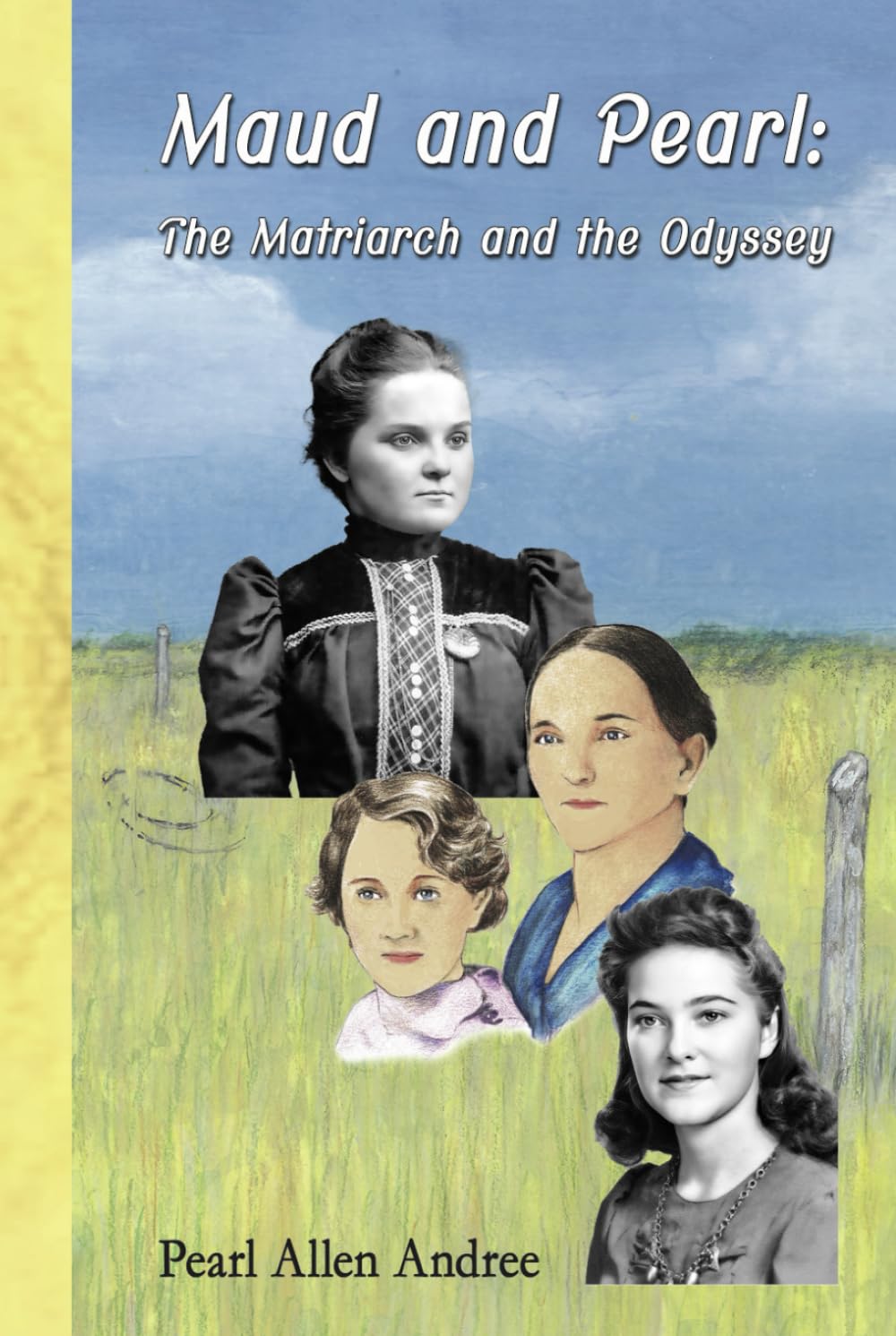

Maud and Pearl: The Matriarch and the Odyssey is a sweeping family memoir that follows several generations of the Allen and Hall families, anchored in the bond between Pearl Allen Andree and her mother, Stella Maud. It starts with great-grandparents on both sides, then moves into Maud’s marriage to Ezekiel, their harsh homestead years on the Oklahoma plains, and the way faith and hard work shaped their eight surviving children. From there, the story shifts into Pearl’s own coming of age during the Depression, her college years in Arizona, her first marriage to fighter pilot Jimmy Goggin, widowhood, a second marriage to Bill Andree, and an unexpected later-life adventure in Australia. Woven through are stories of poverty and small windfalls, tragedies and reunions, church life, and Maud’s steady spiritual presence. Quilts, hymns, and family dinners become recurring motifs that tie the generations together and turn this long narrative into a single, textured portrait of a family trying to live out its faith in everyday ways.
I found the book surprisingly lively for such a detailed family chronicle. The voice is plainspoken, and that fits the material. I liked the way Pearl moves between anecdote, family lore, and short bursts of reflection. The structure is loose, almost rambling in spots, and sometimes I lost track of who was whose cousin or uncle. Still, the repetition of certain stories, like the homestead years or Maud’s quiet strength, builds a strong rhythm that pulled me along. I especially enjoyed the scenes that lean into dialogue and humor, because they show the family as a group of full, complicated people, not just “ancestors.”
Pearl centers Maud’s faith without turning her into a saint on a pedestal. Maud works, worries, laughs, gets tired, and keeps going, and that makes her spiritual life feel grounded instead of sugary. The long thread about quilts and how they hold generations together really stayed with me. Those passages made me picture Maud at the frame, piecing scraps into something warm and strong, and it felt like a quiet metaphor for the whole book. The sections on grief and loss, especially the early deaths in the family and Pearl’s widowhood, are handled with a matter-of-fact sadness that I respected. The story never cheapens those moments with easy answers. It just shows people carrying on, leaning on each other and on God as best they can.
I would recommend Maud and Pearl to readers who enjoy family memoirs, Christian life stories, or American pioneer and Depression-era history told from the inside out. It will speak to anyone curious about how ordinary people faced poverty, migration, war, and heartache while trying to keep their faith and their sense of humor. It is not a fast read, but if you like to sit with a long, layered story that feels like listening to an older relative at the kitchen table, this book will be a fantastic read for you.
Pages: 446 | ISBN : 1950481476

Life after Narcissists
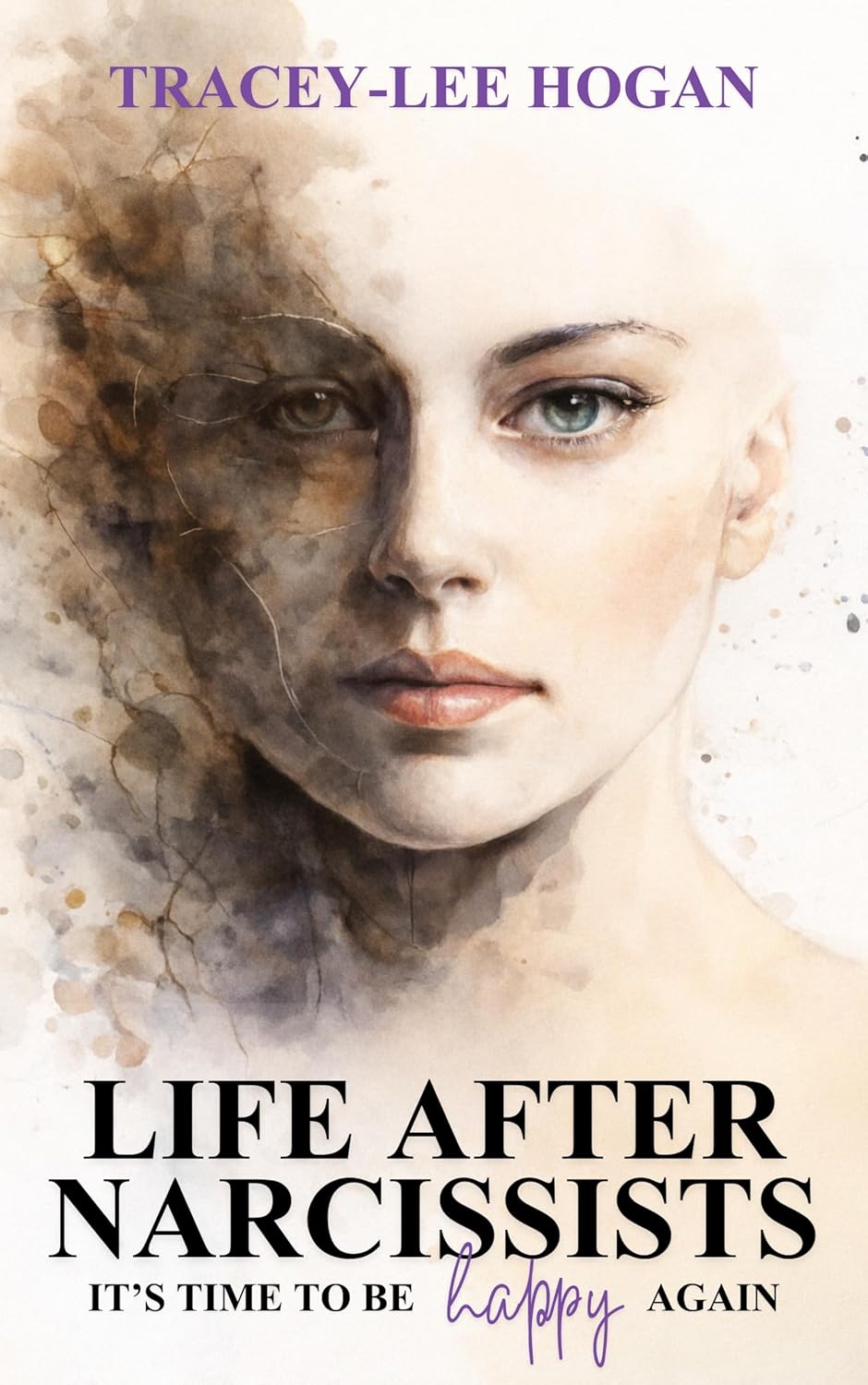
Life After Narcissists is a three-part blend of memoir, psychoeducation, and practical recovery guidance. Author Tracey-Lee Hogan begins with her own story of growing up in a house filled with violence, fear, and silence, then moves into composite portraits of women entangled in narcissistic dynamics at home and at work. From there, she explains how narcissistic behaviour operates as a pattern, how it affects the nervous system and decision-making, and why clarity only really arrives with distance. The final section lays out what she calls the Hogan Method, a staged approach to healing that mixes trauma-informed education, nervous system and gut support, nutrients and herbal medicine, lifestyle shifts, and a slow reconnection with self.
This is an emotional book. The early chapters that describe her childhood, the domestic violence, the constant scanning for danger, and the way school became both a refuge and another risk landed very hard for me. The writing is direct and clear, no fluff, and that made the cruelty and confusion even more stark. I appreciated how often she pauses the story to explain what was happening in her body at the time, then ties that into trauma research in the “Reflections” sections. It felt like sitting with someone who can say, “This is what happened to me, and here is what the science says about kids in that situation.” That mix of heart and head gave the book a lot of credibility in my eyes and kept me engaged, even when the material was confronting.
On one hand, I liked how systematically she breaks down narcissistic behaviours, the bonding and destabilising patterns, and the way abrupt disengagement hits the nervous system. Her language stays very grounded, and she avoids sloppy labels, which I respect. On the other hand, the detail in the naturopathic and herbal sections sometimes felt a bit dense to read straight through. As a reference, it is strong, and you can tell she has years of clinical practice behind it, but at times, I wanted more stories or practical moments. I still valued the clear warnings about self-prescribing and the repeated reminder to work with qualified practitioners, which kept that section from feeling like a quick-fix wellness pitch.
I came away feeling that Life After Narcissists is best suited to women who have already recognised that something was very wrong in a relationship and are now trying to make sense of the emotional and physical fallout. It will especially help readers who appreciate both personal stories and evidence-based explanations, and who are open to complementary medicine as part of their recovery. If you are looking for a breezy pop-psych book, this will feel too serious and too detailed. If you are tired of vague advice and want a compassionate, clinically informed guide that validates your nervous system as much as your feelings, this book will probably feel like someone turning the lights on in a dark room.
Pages: 336 | ASIN : B0GCC62Z3D

Literary Titan Gold Book Award: Fiction

The Literary Titan Book Award honors books that exhibit exceptional storytelling and creativity. This award celebrates novelists who craft compelling narratives, create memorable characters, and weave stories that captivate readers. The recipients are writers who excel in their ability to blend imagination with literary skill, creating worlds that enchant and narratives that linger long after the final page is turned.
Award Recipients

















Visit the Literary Titan Book Awards page to see award information.
Literary Titan Gold Book Award: Nonfiction
The Literary Titan Book Award recognizes outstanding nonfiction books that demonstrate exceptional quality in writing, research, and presentation. This award is dedicated to authors who excel in creating informative, enlightening, and engaging works that offer valuable insights. Recipients of this award are commended for their ability to transform complex topics into accessible and compelling narratives that captivate readers and enhance our understanding.
Award Recipients





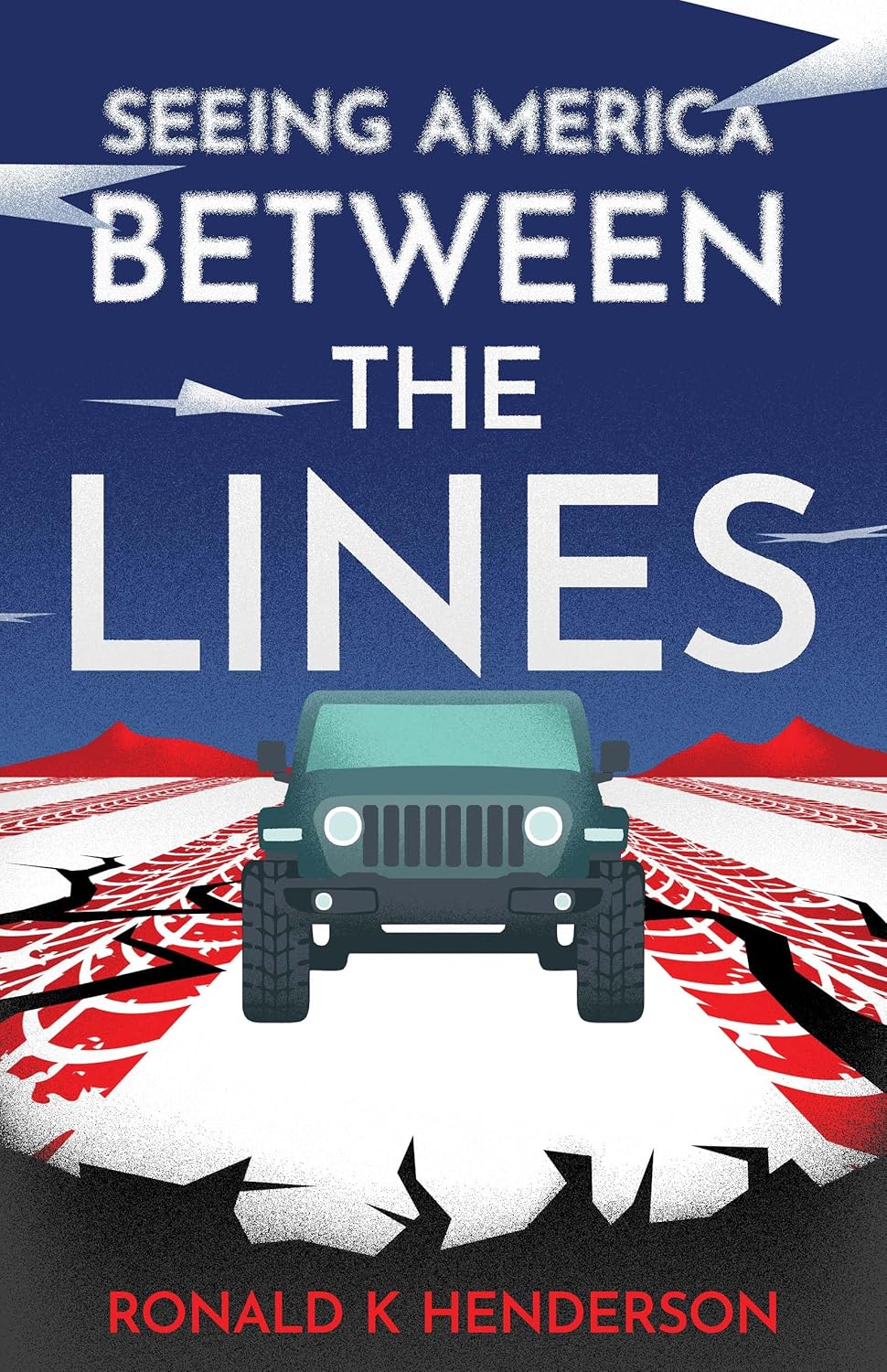


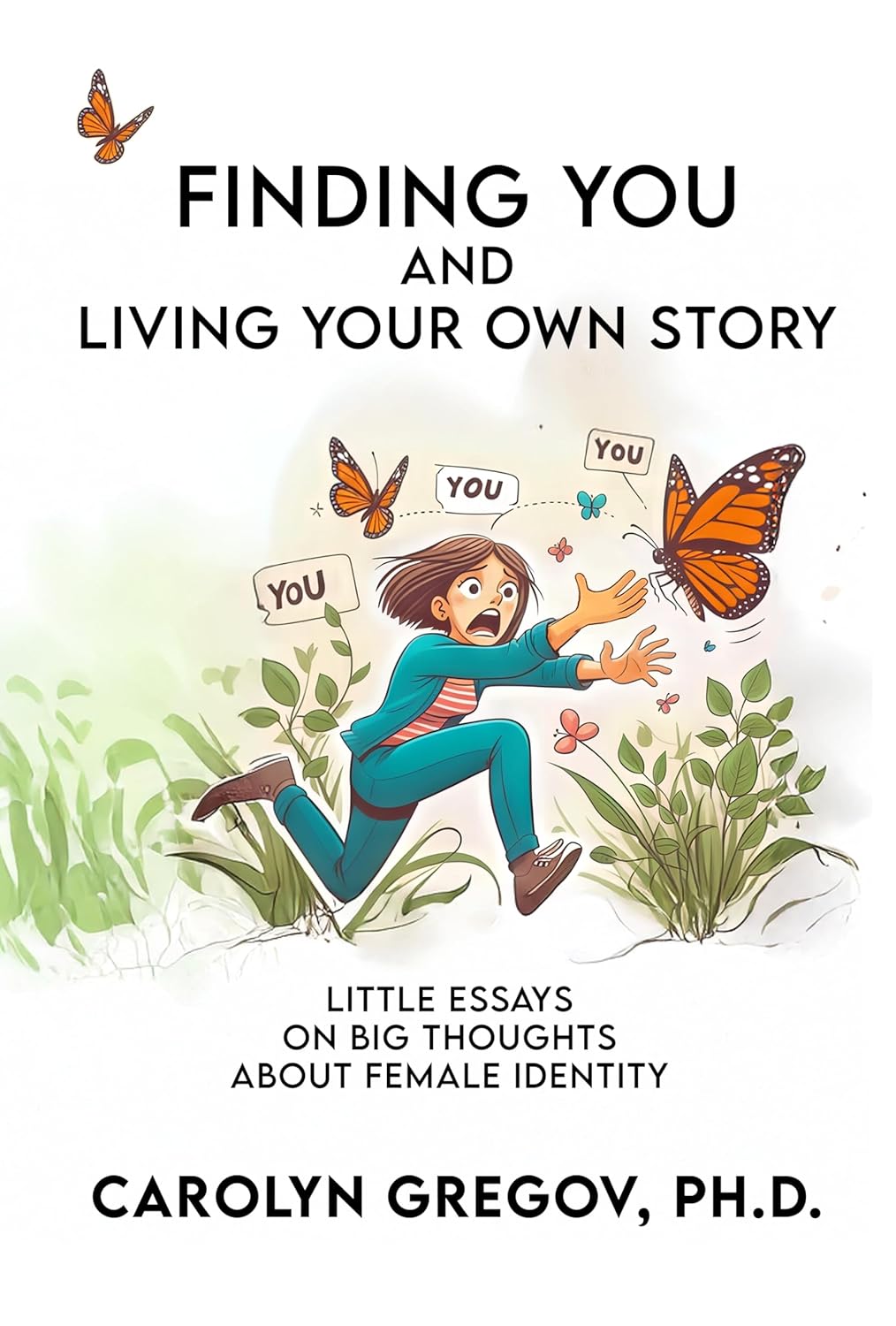




Visit the Literary Titan Book Awards page to see award information.
Literary Titan Silver Book Award

Celebrating the brilliance of outstanding authors who have captivated us with their skillful prose, engaging narratives, and compelling real and imagined characters. We recognize books that stand out for their innovative storytelling and insightful exploration of truth and fiction. Join us in honoring the dedication and skill of these remarkable authors as we celebrate the diverse and rich worlds they’ve brought to life, whether through the realm of imagination or the lens of reality.
Award Recipients


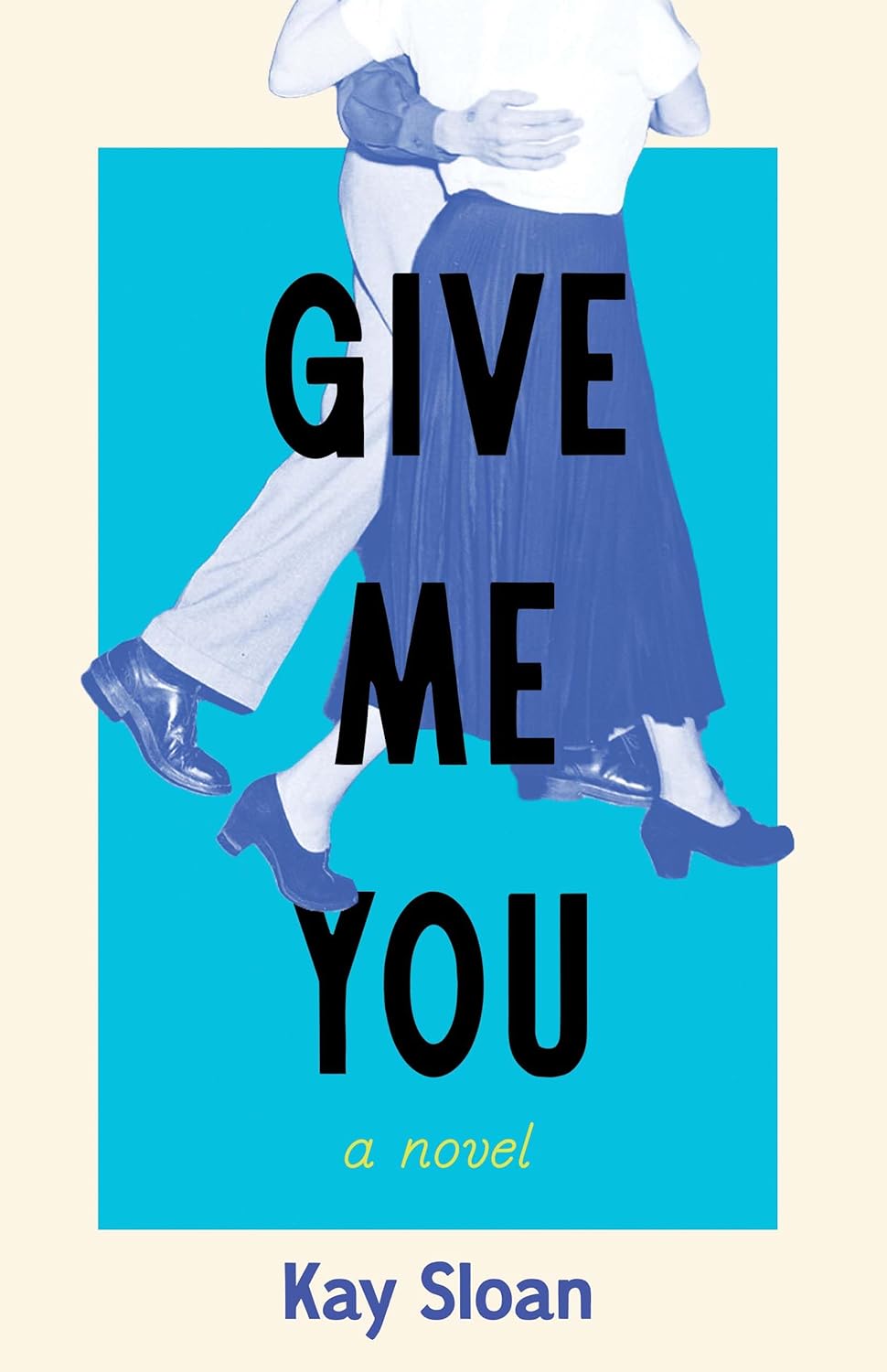


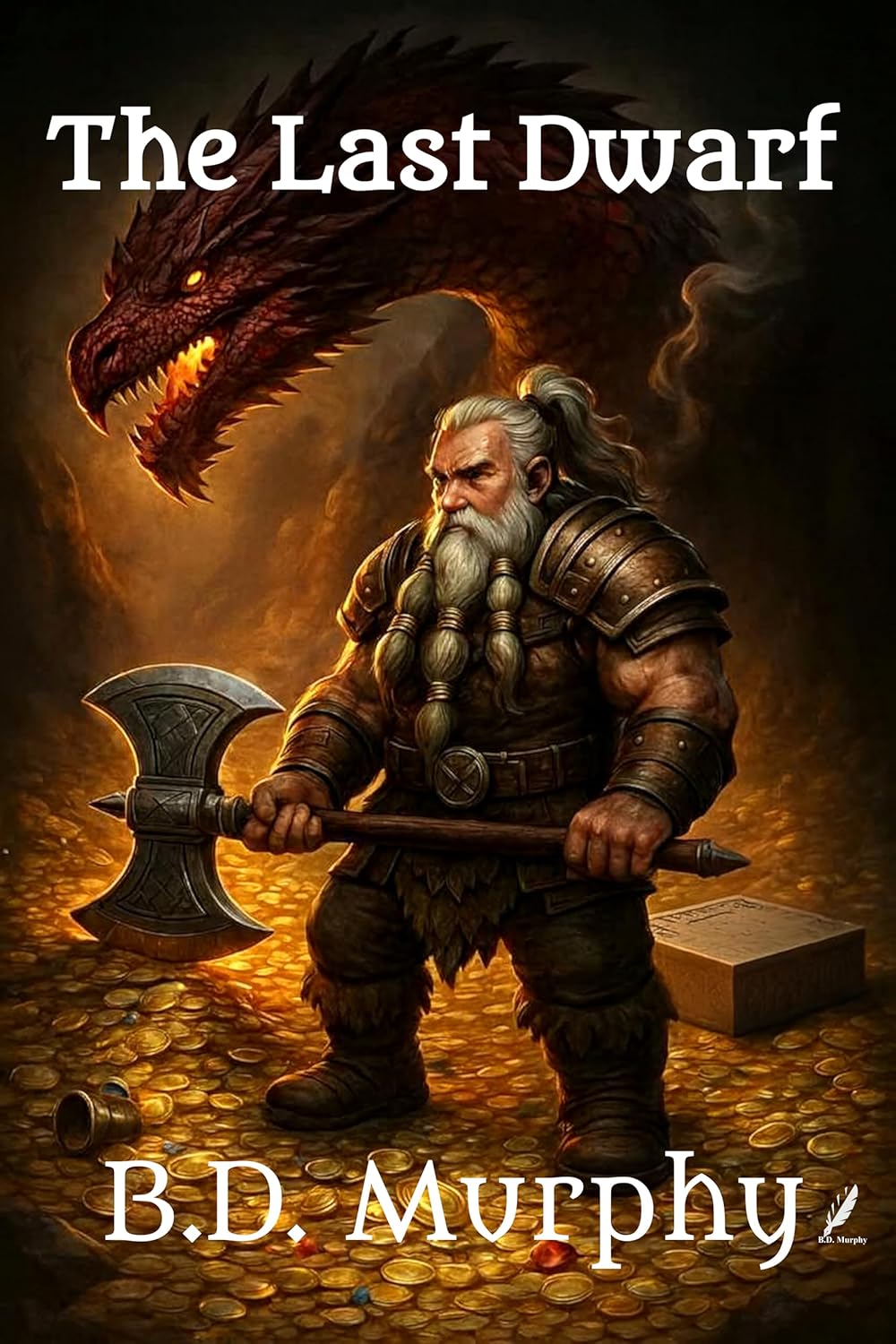


Hug whispers Between Worlds by William Klenk
Cover Up by John Wendell Adams
Visit the Literary Titan Book Awards page to see award information.
The Quiet After
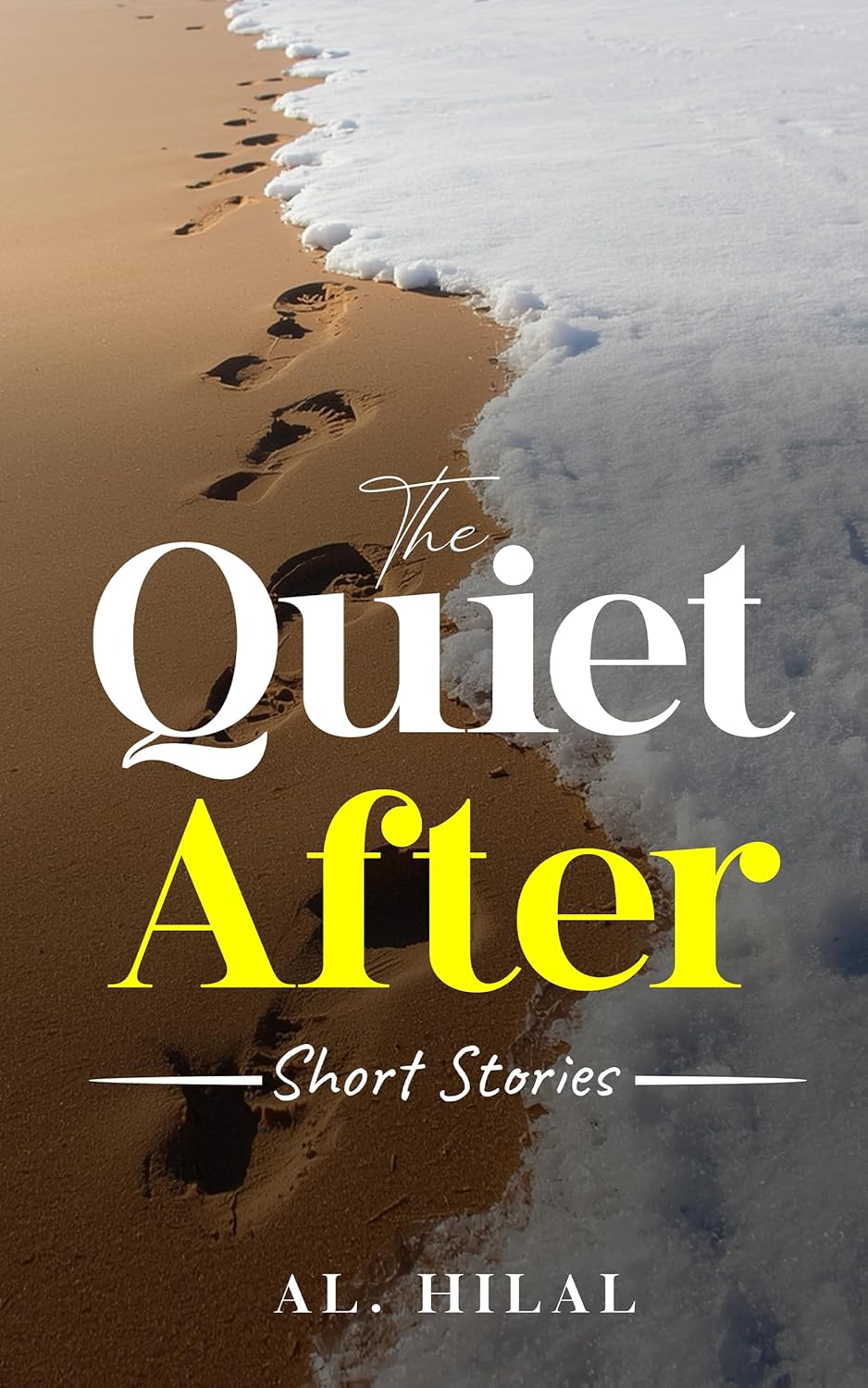

The Quiet After is a collection of linked creative nonfiction stories that trace an Iraqi man’s journey from Baghdad through war, displacement, and finally to a fragile, hard-won peace in the American Northwest. The pieces move between barbershops, markets, kitchens, churches, border crossings, and battlefields, and they circle the same core questions again and again. What does it mean to belong. How do you father a child while carrying a history full of ghosts. Where does faith sit after the bombs stop falling and the paperwork starts. The book calls itself creative nonfiction, and it reads that way. Memory on the page. Crafted scenes and dialogue. A steady thread of reflection on war, migration, and the slow, quiet work of rebuilding a life.
This is an emotionally stirring book. The prose feels careful and musical without drifting into showoff territory. I kept noticing how concrete the images are. Hair falling like snow in a barbershop. A kitchen so overdesigned it has everything but a knife. A boy’s name bumping against a school hallway that does not yet know how to pronounce it. The sentences lean on repetition, rhythm, and simple words, and that choice makes the hard moments land even harder. A few passages stack metaphor on metaphor, and I would have liked one plain line, just for contrast. But then a scene like “Loofah” or “The Intruder” arrives and the language feels exactly right for the horror and tenderness it carries, so I forgave the occasional excess without much struggle.
I laughed in some of the lighter pieces, like the confusion over “showers” in a church or the culture shock around silent car horns in Idaho. Those stories have a dry, self-aware humor that kept me from drowning in grief. Then I would turn a page and land in something brutal. The assault and killing in “Loofah” is one of those scenes that I almost wanted to look away from, yet the author refuses to sensationalize it. He stands close, he names the harm, he lets the consequences sit. Later stories that move toward adoption, fatherhood, and small gestures of kindness in American kitchens and barbershops softened me in a very different way.
The book keeps circling the tension between being Arab and being American, between being seen as a threat and trying to live a quiet, decent life. It speaks to the aftershocks of war more than the explosions themselves. Identity, exile, and belonging sit at the center, but they are grounded in very ordinary moments, not speeches. A kid asks his father if they are terrorists. A grieving widower snaps at a barber, then cracks open in the chair. A man misreads the word “hard” on a bottle of lemonade and stumbles into a lesson about grace and fine print. The faith in these pages feels earned and complicated, not neat. God appears in silence, in survival, in paperwork, in the choice to adopt instead of hate. The author is clear about political violence and betrayal, yet he refuses to flatten Americans into villains or Iraqis into saints. That nuance felt honest and rare.
The Quiet After is a deeply humane and powerful book. I would recommend it to readers who like literary memoir, creative nonfiction, or short story collections that sit close to real life. It will speak strongly to people from immigrant or refugee backgrounds, to veterans and aid workers, to anyone who has tried to build a new life in a place that once met them with fear. It would also be a rich read for book clubs, faith communities, and therapists who want to understand the lived texture of war’s aftermath. The stories are short enough for a busy schedule, but the echoes stay.
Pages: 204 | ASIN : B0G4KY1ZDL
Hostage: A Memoir of Terrorism, Trauma, and Resilience

Hostage tells the true story of a young American woman who survives the 1970 Dawson’s Field hijackings and the brutal weeks that follow. The book moves through the terror inside the plane, the suffocating days in the desert, the chaos of the civil war around Amman, and the long stretch of waiting that wears people down. Nichter looks back on the ordeal with the sharper eyes of the person she became later. She uses her journals and memories to pull the reader into each moment of fear, confusion, and small hope that kept her going. The narrative follows her from boarding the plane in Tel Aviv to her release many days later, and the story feels both intimate and historical at the same time. I felt the heat inside the grounded plane, the sting of sand in the air, and the strange mix of stillness and danger that marked every hour.
This was a very emotional book for me. I found myself leaning in, almost holding my breath, because the writing feels so honest. The way she describes the hijackers pacing the aisles or the passengers tearing up passports hit me hard. Her voice is calm at times, almost steady, and then it wobbles in a way that made me feel the shock and disbelief with her. I could sense how young she was, how much she wanted to keep a grip on normal life, and how that life slipped further away each day. The details she notices, like the smell of sweat in the cabin or the way a baby’s crying cut through everything, felt strangely tender to me. The story is frightening, yes, but I also felt a deep sadness that sits underneath her words. She had to grow up fast. The world forced it on her.
What I found most interesting was how she carries her identity through the ordeal. She writes about being one of the Jewish passengers who were kept behind while others were freed, and I felt the weight of that moment. Her fear rises and falls in waves, but she never stops thinking, never stops trying to understand the people holding her. She lets us see her anger, her doubts, her guilt, and even her dark humor. That honesty shaped my reaction more than any single event. The writing feels grounded and human. There were moments when I wanted to reach into the book and tell her she wasn’t alone.
By the end, I felt tired in the best way, like I had walked alongside her. The story is gripping and painful and strangely hopeful. I would strongly recommend this book to anyone who wants a survivor’s view of political violence and its emotional aftershocks. It is not a dry historical account. It is a personal journey written with clarity and courage. Readers who like memoirs that face trauma directly will find a lot here. Students of history, psychology, or Middle Eastern politics will gain insight, too. And anyone who wants to understand what it means to hold on to yourself when the world becomes unpredictable will find something worth remembering.
Pages: 232 | ASIN : B0FWPGVP4M
Home: A Memoir of Family, Forgiveness, and Healing from Complex PTSD

Home follows Amy Smyth Miller from a present-day crisis in a Bellingham ICU back through a childhood marked by poverty, neglect, and intergenerational trauma in the Midwest. The book opens with her husband’s heart attack and her spiraling panic, then moves into three arcs, “Roots,” “Rootless,” and “Transplanted,” tracing a line from her great-grandmother’s steady care, through her parents’ addictions and constant moves, to her later work as a teacher and her search for effective trauma therapy. Along the way, she threads in clear explanations of complex PTSD, especially the idea of it as a problem of how memory is stored, and she shows how lifespan integration and other somatic approaches help her piece her life into a coherent timeline and finally feel at home in herself.
The writing is gripping. The scenes are built with simple images that stuck with me. The plastic seat covers in the Buick, the smell of Pond’s cold cream and peppermints in Granny War Bonnet’s room, the dragonflies over the pond, the housekeeper ironing a floral dress on the night of a suicide. These details felt precise, not decorative, and they kept pulling me back to the emotional core of each chapter. The structure works well, too. The prologue sets a very tense, contemporary problem, and then the book steps backward into childhood and returns again to the present with more context. Sometimes the metaphors pile up, and the prose becomes lush. Overall, though, the voice is steady, kind, and unflinching, and I trusted it.
I appreciated that Miller does not turn her parents into simple villains, even when she describes clear neglect, hunger, and frightening behavior. She sits in the mess of loving them and being hurt by them at the same time, and she lets that tension stand. I liked how she shows what grounding or timeline work actually feels like in the room, and how she owns her missteps, including the painful texting episode with her husband. There were moments when the interplay of narrative and research slowed the pace, but I felt grateful for the educational layer. It made the book feel useful as well as moving.
Miller is very clear on the notion of complex PTSD as a long shadow cast by many smaller and larger wounds, and she keeps returning to the question of meaning. Not in a tidy, everything-happens-for-a-reason way, more in a “I refuse to let this be pointless” way. Her focus on protective figures and small stabilizing rituals, especially her great-grandmother’s stories and “angel crowns,” pushes back against the common narrative that survival is purely individual grit. I also liked her insistence that healing is not erasing the past but putting it in order so it stops crashing into the present. As someone reading this as a memoir rather than a clinical text, I appreciated how accessible the psychological parts felt. She explains concepts in plain language and grounds them in specific episodes from her life, so I never felt lectured at.
I would recommend Home to readers who come from chaotic or painful families, to people living with complex trauma, and to therapists, teachers, and caregivers who want a lived-in portrait of what CPTSD can look like from the inside. It is not a light read, and there are frank depictions of suicide, emotional abuse, and neglect, so I would be cautious recommending it to someone in a very raw place without support. For readers who can hold that weight and are looking for a story that blends honest hurt with genuine hope, this memoir feels like a companion, not just a case study.
Pages: 301 | ASIN : B0G5TCG9KJ


