Blog Archives
MENtal Health: Take It “Like a Man”
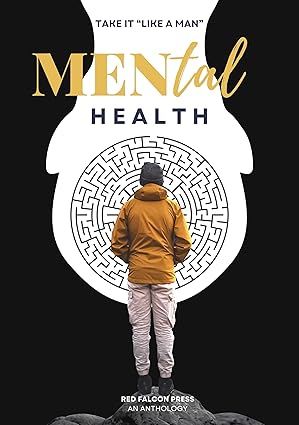

MENtal Health: Take It “Like a Man,” brings together a wide range of voices, social workers, therapists, coaches, veterans, writers, and everyday men who share deeply personal accounts of their struggles with masculinity, silence, trauma, and healing. The book is less about solutions and more about testimony. Each chapter feels like a window into a different man’s life, revealing how cultural expectations, family systems, addiction, sexuality, grief, and love shape the ways men understand themselves. The foreword frames the project as a bold act of truth-telling, and the stories that follow hold nothing back. They are raw, painful, and at times surprisingly tender.
What struck me most while reading was the honesty. These stories feel unfiltered, which made me lean in closer. I found myself pausing often because the emotions resonated with me. The book reminded me of late-night conversations that don’t come easy but stick with you long after. Some chapters were almost too heavy to read, yet that heaviness was part of the point. It made me think about how much men keep hidden and how damaging that silence can be.
Contributors offered beautifully crafted narratives that flowed like memoirs. Men’s mental health isn’t neat or orderly. It’s complicated, jagged, and layered. The diversity of voices actually reinforces that truth. Chapter 6, “You Are Not Alone,” was one of my favorites because of the way it spoke directly to the reader with warmth and reassurance. I liked how the chapter cut through the stigma and reminded men that isolation is not the answer, even when shame or fear makes it feel that way.
By the time I finished, I felt moved and hopeful. MENtal Health is not an easy book, and it isn’t meant to be. I would recommend it to anyone who wants to understand the invisible burdens men carry. It’s especially powerful for those who work with men in counseling, education, or leadership, as well as partners, siblings, or friends who want to listen better. What you’ll find is an open invitation to break the silence and begin healing.
Pages: 226 | ASIN : B0FNKMTFKF

Living While Dying
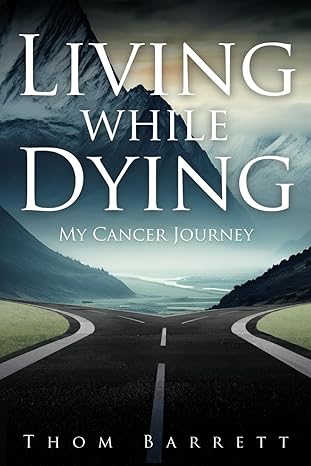
Living While Dying is a personal and often raw memoir chronicling Thom Barrett’s journey through prostate cancer—from diagnosis to treatment, and ultimately, acceptance. It spans nearly a decade of his life, including stints of remission, relapses, surgeries, radiation, hormone therapy, and the emotional toll all of it takes. But more than that, it’s a book about living—about pushing forward, finding meaning, chasing moments of joy, and learning to navigate life even when the road turns brutal and uncertain.
Right off the bat, Barrett’s voice hits you. It’s not polished in the way some memoirs are; it’s better. It’s real. In the Preface, he writes, “I call this book Living While Dying for a reason—that is what I have been doing without fully realizing it.” There’s something powerful about someone realizing they’ve been surviving all along, even when they thought they were just coping. The way he pulls passages straight from his journals adds an immediacy that makes you feel like you’re right there with him—whether it’s in the sterile discomfort of a biopsy or the aching silence of a sleepless night on Cape Cod. You’re not just reading. You’re witnessing.
What struck me hardest, though, was how open he was about the emotional stuff—especially the way cancer tore into his relationships. When he talks about telling his wife about his diagnosis late, and the tension that followed, it hit a nerve. He admits, “Unfortunately, I didn’t handle her concerns well.” That’s not something people usually own up to, especially in memoirs like this, but Barrett does, and often. He reflects without blame, just honesty. And when he questions whether his testosterone treatments—done in good faith—might have worsened the cancer, it’s not with bitterness, but a kind of weary clarity. That mix of vulnerability and self-awareness gives this book weight.
Still, it’s not all somber. Barrett finds light in woodworking, skiing, his dog Bailey, and especially his travels. Chapter 5, where he recounts road trips with friends and a season of skiing, almost reads like a travelogue tucked inside a cancer memoir. There’s a contagious energy in those stories—like when he describes building a camper or making rustic hickory cabinets. Even when his body fails him, he finds ways to build, to move, to dream. It reminded me how essential it is to make room for joy, even when the world says you should be miserable.
In the final chapters, as Barrett confronts his stage IV diagnosis and writes openly about his fears, purpose, and mortality, I found myself slowing down, not wanting to rush the words. His reflections in Chapter 20, Lessons Learned, felt like he was handing the reader a map—not to avoid the pain, but to navigate it. It’s not inspirational in the saccharine way. It’s brave, grounded, and unfiltered.
I’d recommend Living While Dying to anyone facing illness—directly or through a loved one. But it’s also a book for people who feel stuck, who wonder what it means to really live. Barrett doesn’t have it all figured out, and he never pretends to. But he writes like someone who’s wrestled with life, and who still—despite everything—believes in its beauty.
Pages: 243 | ASIN : B0CSZCR74R
A Tricky Topic

The Doctor’s Perspective unpacks the science of testosterone, performance-enhancing drugs, and men’s health, separating fact from fiction while offering practical, evidence-based insights into optimizing wellness. Why was this an important book for you to write?
I think writing this book gave me an opportunity to provide a physician’s viewpoint on these topics that combines real-world clinical experience with evidence-based reviews. Many times, interpreting the literature helps us provide guidance on what to do next. But often times the real-world clinical experience is what really can help someone make decisions, especially when there is a lot of subjectivity involved.
Another important point is that anabolic steroids and performance-enhancing drugs are truly a topic of their own and are essentially not really covered in medical textbooks or online medical platforms. There is simply a complete lack of familiarity with these topics in the medical world. My book helped bridge that gap and provides a useful reference to other physicians.
I provide expert guidance to other physicians on a daily basis on the eConsult platform in Ontario and this really helps build on that.
What was the biggest misconception about testosterone that you wanted to clear up in this book?
I would say that knowing it’s a tricky topic without black-and-white answers. Every person is different and we should really personalize the approach on when or when not to use it.
In your research, what was the most surprising fact you discovered about TRT or PEDs?
Over the years I’ve discovered two very interesting facts.
One is that I’m surprised by the level of side effects some patients see even at low doses whereas others use incredibly high doses yet never experience any side effects and maintain fully normal blood work. The variability is very interesting.
Second, many PEDs have such novel and unique side effects that need to be picked up on early to prevent long-term harm.
How do you think social media and fitness influencers have shaped public perception of testosterone and supplements?
By far the biggest perception is that the term “TRT” has become simply another term for low-dose testosterone use. I think it’s important to distinguish these two topics. TRT is by definition the replacement of low testosterone. That is completely different than supplementation of low-dose testosterone for someone who has normal levels. Social media has definitely been the driving factor in this.
Author Links: GoodReads | Website | Instagram | Amazon
Beat Your Weight Beat Your Fat
![Beat Your Weight Beat Your Fat: How To Lose Our Weight with Weight Loss Mastery (Body & Soul Series, Book 2) by [Ian Breaker]](https://m.media-amazon.com/images/I/51E8e9Fo2fL.jpg)

Beat Your Weight Beat Your Fat provides readers with dozens of useful tips for eating healthy and keeping fit. While writing, the author considered different kinds of eaters, diets, and food groups. What I liked about author Ian Breaker’s guide is that he offers solutions for everyone. While listing the downsides of certain food groups, Ian Breaker gives alternatives for people to use. Beat Your Weight Beat Your Fat is one of the best dieting and health books I’ve read so far this year. Ian Breaker understands the struggle people have with both weight gain and weight loss, and so he gently breaks down what should be done for each group.
How do you properly lose fat? Can you lose fat and not your weight? Is excess intake of water good? How does your body respond to certain proteins? Ian Breaker has answers to this and many other questions. The author extensively writes about dieting, the methods people choose, and why it is important to learn your body before choosing a particular dieting method. I like how Ian Breaker is raw and factual when talking about certain food trends. He does not sugar coat things and only lists helpful facts. Is it possible to lose weight without dieting? It is, and the author writes in detail why this is one of the best methods to use.
Beat Your Weight Beat Your Fat is a book that you want to keep throughout your fitness journey. Readers should keep this book even after achieving their desired body weight. This is because reading the authors refreshing words often will push one to stay fit and not relapse. This book has helped improve my relationship with food and even helped change my bad eating habits. The author will not only boost your confidence but also help you improve your interactions with others. There is a lot of positivity in the book which makes this an inspiration and motivational book as well as a health and dieting book.
One of the major lessons I learned in this book is that anything is possible if you are focused. You can have that hot body you dream of and still enjoy your favorite foods. All you need to do is be disciplined, eat right, and exercise. Ian Breaker is also sensitive when touching on delicate topics. At the end of the book, the reader feels satisfied with the information provided. I recommend Beat Your Weight Beat Your Fat to anyone conscious about their body, or anyone that just wants to eat healthy. This is an enlightening book that both encourages you and transforms you in more ways than one.
Pages: 142 | ASIN: B088D4P41S

A Problem in Need of a Solution
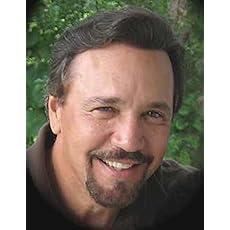
Gustavo J. Gomez Author Interview
Hair Loss: Options for Restoration & Reversal educates readers on the variety and effectiveness of hair-loss treatments. Why was this an important book for you to write?
Hair loss is a pervasive problem affecting both men and women, and it can have profound psychological effects on the afflicted, especially women. Hair loss is currently experienced by more than 80 million people worldwide, which encompass 50 million men and 30 million women. It is a problem in need of a solution.
I became interested in the causes of hair-loss related issues twenty-five years ago, when I began to experience some hair thinning. In search for a possible solution to ameliorate or reverse my thinning hair, I began an empirical journey of discovery that continues to this date. I’ve experimented with a multitude of balding prevention recommendations; some were effective, and others were a complete waste of time and financial resources.
My objective for writing this book is to educate the consuming public about the effectiveness of the many available hair-loss treatments and restoration modalities available in a very deceiving industry. It was important to write this book because I believe that anyone experiencing hair loss will save a considerable amount of time and money by reading this comprehensive and detailed guide about hair loss. This book will educate the consumer on what works and what doesn’t, and this along makes this writing project important. It provides the reader with a historical perspective regarding hair-loss, as well as its causes, treatments, and promising future trends. In fact, we are living in a very exciting and promising time for hair-loss research.
What is a common misconception you find people have about hair-loss and restoration?
A common misconception about hair loss is that it is caused by a genetic predisposition inherited from the mother’s side. Other myths are that sexually active men become bald sooner, which implies that a hormonal component is the catalyst, or that only older men go bald or that wearing hats and wigs makes you lose your hair.
The fact of the matter is that currently, there is no conclusive evidence that explains all the causative factors that lead to male and female pattern hair loss or androgenetic alopecia. The cause is a multivariate problem that can encompass a hormonal component, a disease process, stress exposure, medications, hygiene, and even nutritional deficiencies. Therefore, education is the key to mitigate the risk of been duped by a deceiving industry. Moreover, education will place you in the right path to a worthwhile solution.
What type of research did you undertake to write this book?
I performed a comprehensive literature review of the field of hair loss research. I basically analyzed the majority of worthwhile research studies to bring forth only the information I believed to be crucial to understanding this topic. Additionally, I also interjected my own personal experiences with this topic since I’ve been afflicted by this condition also. However, through my personal education and initiatives, I have been successful in mitigating and ameliorating my hair loss significantly.
What is the next book that you are working on and when will it be available?
I have begun to research the literature on the topic of Diabetics with emphasis on type 2 diabetes.
I believe type 2 diabetes is a lifestyle disease process that is preventable and reversible.
However, it is a very unforgiving disease if the discipline to adhere to a regimented eating plan is not meticulously maintained until a physiological reset (re-balanced) is achieved between the liver and the pancreas.
My goal is to have this book ready by December of 2019 or possibly early 2020.
Author Links: GoodReads | Website
![Hair Loss: Options for Restoration & Reversal by [Gomez, Gustavo J.]](https://images-na.ssl-images-amazon.com/images/I/51Kt4eTDwXL.jpg)
The condition of hair loss is a topic of significant public interest, and understanding the pathophysiology and treatment of the different types of alopecia (hair loss) will surely have an impact on the men and women afflicted by this condition. Hair loss is a pervasive problem affecting both men and women, and it can have profound psychological effects on the afflicted. It is a problem in need of a solution. The author’s interest in the causes of hair-loss related issues surfaced twenty-five years ago when he began to experience some hair thinning. In a search for a possible solution to ameliorate his thinning hair, the author began an empirical journey of discovery. He experimented with a myriad of balding prevention recommendations, which led to the creation of Hair Loss: Options for Restoration and Reversal.
The objective of this award-winning book is to educate the consuming public about the effectiveness of the many available hair-loss treatment and restoration modalities. It is an important, comprehensive, and valuable tool for both men and women who are afflicted with hair-loss problems. It provides the reader with a historical perspective regarding hair-loss, as well as its causes, treatments, and promising future trends.



 LITERARY TITAN