Blog Archives
The Sole Sisters, Formerly known as The Widows Club.
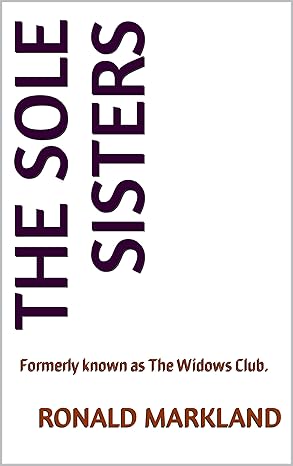

R.E. Markland II’s The Sole Sisters is a cozy crime novel wrapped in the warmth of community and the grit of old-school detective work. It’s a story about Kate Elder, a retired defense attorney whose peaceful life is shattered when her husband, Tom, is shot on a golf course by an unknown sniper. What begins as a tense crime mystery soon blossoms into a charming narrative about friendship and second chances, as Kate teams up with a quirky group of women who call themselves The Sole Sisters. Each member brings her unique talents to the table, forming an unofficial, wine-fueled investigative team determined to crack the case that law enforcement has all but given up on.
The pacing here is tight. Markland wastes no time in throwing us into the heart of the action, and the emotional shock Kate experiences is palpable. What I really appreciated was how grounded the story felt despite the high stakes. The details, Kate’s sarcastic internal dialogue, the way her friend Jackie tries to keep her calm, even the ambulance tearing through sleepy neighborhoods, all felt painfully real and wonderfully human.
As the story unfolds, the true heart of the book is revealed in the bond between the women. The Sole Sisters are hilarious, heartfelt, and so authentically drawn that I felt like I’d known them for years. Their decision to start investigating on their own is both noble and chaotic, there’s this brilliant scene where they’re drinking wine and renaming their club, and it had me laughing. But there’s more than humor here. Crystal, the forensic psychologist, brings genuine insight, while Rita’s cop instincts give the group backbone. These women aren’t caricatures, they’re layered, vulnerable, and brave. Watching them work around Lt. Brady’s constraints, using everything from AI tech to homemade tip lines, felt like watching a master class in amateur sleuthing with heart.
The writing can be overly expository at times, especially during flashbacks. And sometimes the dialogue veers into the melodramatic. Still, the charm of the characters and the clever layering of clues pulled me right back in every time. By the end, I found myself completely attached to these women. I cheered when they got closer to the truth, and I worried for their safety. Markland balances suspense with warmth, crafting a story that’s not just about solving a crime, but about reclaiming purpose after loss. That’s what stayed with me the most: the emotion, the friendships, and the quiet strength of women who refuse to be sidelined.
I’d recommend The Sole Sisters to fans of cozy mysteries, especially those who love character-driven stories with strong female leads. Think The Thursday Murder Club meets Golden Girls, with a little more heart and a lot more sass. It’s not just a mystery, it’s a reminder that it’s never too late to matter, to make a difference, or to find your tribe.
Pages: 338 | ASIN : B0CGQ5SL2B

Collective Memories
Last of the Pops is the story of a rising musician who vanishes and leaves behind a timeless body of work that inspires and unites long after his mysterious disappearance. Where did the idea for this book come from?
Music is something that has really shaped a lot of aspects of my life, from helping me understand the world and connect with it, to shaping the relationships I form with people, even my writing process leans heavily on music. I build out soundtracks to help me set the tone and in some cases even get inside characters’ heads. But despite it being such a big part of my life, I’ve actually never written about music – it’s always just something that’s tangentially connected to what I write about. So, with Last of the Pops, I really wanted to dive in and explore my connection to music, and how a lot of different people connect to it.
Like, if you think about your favorite songs, they can be very personal things. You have this history tied to them, whether it’s some kind of emotional response or memory, but at the same time, these songs are a shared cultural experience. The songs don’t exist just for you (even if they can feel like that). So they end up carrying with them the collective memories of all the people who listen to them over the years. And I really wanted to play with what that could mean – especially now – at a time when streaming and the internet has made it so that pretty much all music is literally right at our fingertips.
What inspired you to take this story to the next level and create a graphic novel?
Last of the Pops really became a graphic novel for a couple of reasons. For starters, comics have always been kind of my default when it comes to writing. Most of my books are graphic novels. But, when I sat down to write Last of the Pops, I didn’t know what it was going to be. Initially I just really loved the name Last of the Pops, as a take on the old Top of the Pops show. I couldn’t believe no one had used it before and I just really wanted to be the one who did. So for a long time, I just had a Google Doc titled Last of the Pops on my phone and I’d jot down different ideas or musings about music. Every once in a while I’d go back to it and see if anything jumped out at me. For a long time, it was just a bunch of ideas. Over time though, I started to see different characters taking shape – different personalities in bits and pieces. And the more I started to hone in on that, the more a story started to build up. It wasn’t a clean narrative though, in a way it was taking shape more like an epistolary novel. All these ideas could be different character’s journal entries and you could piece together the story within the context of the letter.
As I worked on that though, I realized the book was missing something. It was a book about music, a book about the personal soundtrack to all these different people’s lives. In a way, it was like a mix tape I was writing, but there were no actual songs or lyrics. That’s when I realized why not play with that idea a little. I started thinking about all those old music videos where they were basically mini-movies with the song playing in the background and you had these two different experiences: the visual storytelling and the lyrical storytelling. It seemed like it would be something fun to try with sequential artwork. Each scene could be like a music video with part of the story playing out in the panels of the comics, with the other part told through these different narrative devices – like journal entries or podcast transcripts, interviews, letters – all the standard epistolary storytelling devices.
I tried doing some research on this kind of thing, find examples of stories that have merged sequential and epistolary storytelling, and with the exception of a few single-issue comics, it hasn’t really been done before. Especially not as a full-length graphic novel (though if anyone knows of any examples, I’m open to being proven wrong). But this just made me want to try it out even more – to see if it was possible. As it turned out, the format really clicked. Getting to play with these two different storytelling methods helped bring the story together in a totally unexpected way – especially exploring the harmony and dissonance between them – how sometimes they were completely aligned in what they were telling the reader, and sometimes not – it ended up adding a new layer to the entire storytelling experience that was so much fun to work with, and added to the musicality of the book using harmony and dissonance the same way a songwriter might.
The images in this novel are fantastic. Can you share with us a little about your collaboration with illustrators Dr. Demus and Dapit Jamur?
Sure! Initially, it was just Dr. Demus and I. We found each other online and I really loved his art style. It was completely his own, yet it had elements of all these great comic artists like Jamie Hewlett, Dan Hipp, the Hernandez brothers – all these artists who had done comics about music in the past. Which I thought would be a nice homage.
His style worked perfectly for the book, but as we were going through it, we couldn’t crack what to do with the one character, Penny. Everything I did for her felt forced and didn’t fit her character. It wasn’t till I took a step back and thought about where she was in the story. She’s closed off, she’s stuck in this situation she doesn’t want to be in. She’s not really going to open up. She wouldn’t be the type to keep a diary or be writing letters to someone. But she’s an artist, and artists keep a sketchbook.
Once we realized this, it really opened up opportunities for us to tell her story in a very different way. I always refer to the sections of the book as the instrumental tracks, cause they’re no narrative like the other chapters. But we figured, some we’re already doing something different but her, we could switch things up and give Penny a style all her own to really let her stand out. That’s when we found Dapit. His artwork really brought a new level to the book. Penny was a seventeen-year-old wannabe street artist, and his style really brought her voice to life. It also opened the door for us to think about instances where maybe we could stretch the form a bit more – like the email newsletters from 45s on Main that helped to tell the part of the story we didn’t even think to include in the beginning but really helps add this very different layer to the mythos of Skylar Chase both in how we’re able to think about him and his music, but also I’m how it’s presented to the reader.
What is the next book you are working on, and when will it be available?
At the moment, I’m teaming up again with S. Atzeni for a new anthology Disco Fries & Scenic Drives which is the third volume in the Life in the Garden State series we created to celebrate the untold stories about our home state of New Jersey. New Jersey is one of those places that often gets pigeonholed into very specific perspectives. But as people who have lived here all our lives, there’s something special about New Jersey. It’s completely one-of-a-kind while at the same time being incredibly universal and relatable to people from all over. So this anthology is designed to celebrate that. We’ll finish accepting submissions at the end of June and then the book will be hitting shelves in October.
After that, I have a new graphic novella I’ve just started writing for Read Furiously’s One ‘n Done series. It’s still in the very early stages, but it’s inspired by the band Good Luck who recorded two different versions of the same song on their album Into Lake Griffy. They’re both about stars falling from the sky with the same lyrics and chord progressions. But done in different styles with different singers. It’s not about the band or the songs though, but takes inspiration from some of the lyrics and more importantly, how there are two very different versions of the song. That one will take some time to get going though, so details on that are forthcoming. But I’m excited about it.
Author Links: GoodReads | Amazon
2025 Winner – Firebird International Book Awards for Comics and Graphic Novels
Not many people noticed the day the airwaves went silent. Thousands of radio stations across the country powered down for the last time. Twenty years on, even fewer noticed the day the towers came back to life, broadcasting on repeat, a handful of songs that don’t exist.
An experiment in sequential and epostolary storytelling, Wilson, Demus, Paratone, and Jamit present the soundtrack of a wannabe podcaster, a teen graffitti artist and her estranged brother, a former disc jockey, the newest owner of a vinyl legacy, and a tortured singer on the cusp of greatness.
Literary Titan Gold Book Award: Fiction

The Literary Titan Book Award honors books that exhibit exceptional storytelling and creativity. This award celebrates novelists who craft compelling narratives, create memorable characters, and weave stories that captivate readers. The recipients are writers who excel in their ability to blend imagination with literary skill, creating worlds that enchant and narratives that linger long after the final page is turned.
Award Recipients
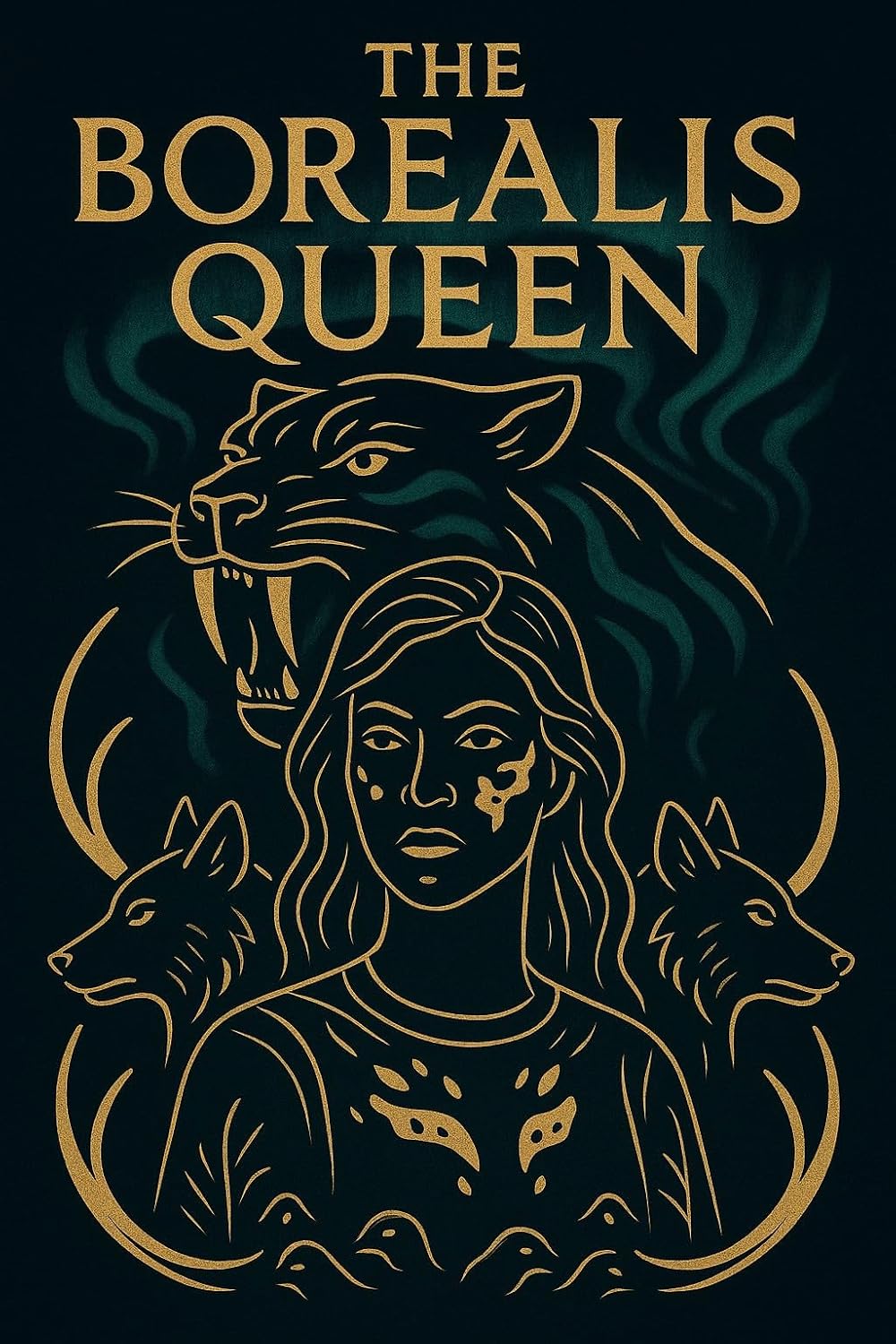
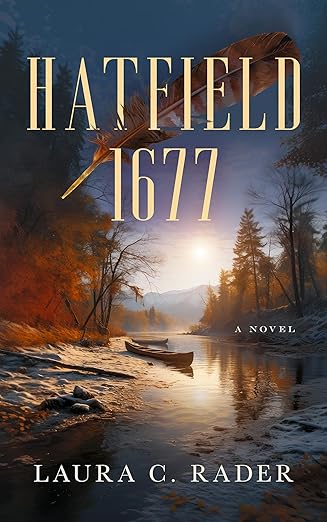




















Survive an Ancient Sorrow by Michael Greenwald
Native Arcana by C.J. Caughman
Visit the Literary Titan Book Awards page to see award information.
Literary Titan Silver Book Award
Celebrating the brilliance of outstanding authors who have captivated us with their skillful prose, engaging narratives, and compelling real and imagined characters. We recognize books that stand out for their innovative storytelling and insightful exploration of truth and fiction. Join us in honoring the dedication and skill of these remarkable authors as we celebrate the diverse and rich worlds they’ve brought to life, whether through the realm of imagination or the lens of reality.
Award Recipients




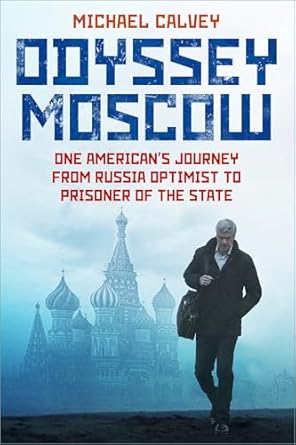

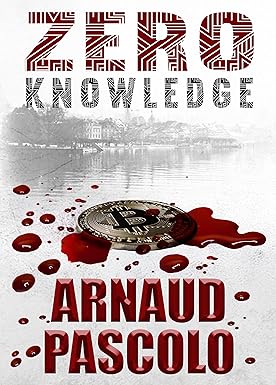
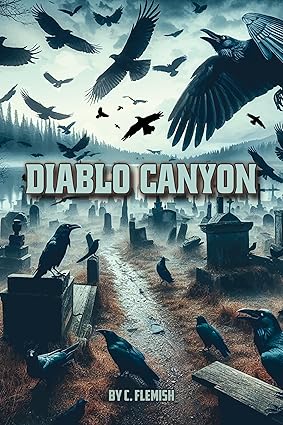














THE MYTHOLOGIES OF THE AMERICAS – A BOOK TRILOGY by Roberto Jimenez
Fleeting Moments, Eternal Memories by Manmohan Sadana
Visit the Literary Titan Book Awards page to see award information.
One Bad Decision
The Wife’s New Maid follows a woman who marries a wealthy man to create her perfectly crafted life, which begins to fall apart when her new maid, desperate to escape a violent boyfriend, enters their lives. What was the inspiration for the setup of your story?
It’s a story about how one bad decision can change everything in a person’s life journey. How chasing the wrong dream can turn one’s life upside down.
The main character, Linley, ignored the warning signs in her rush to escape the grind of corporate life and marry the man who promised her a fairy tale life in the suburbs. But the dream soon turned into a nightmare. Her instincts whispered truths she didn’t want to hear, because she was dazzled by the prospect of marrying a rich, handsome man, ignoring red flags by drowning out reason. By the time her husband’s true nature came to light, she was already trapped. To protect her family, she made choices she’d never imagined—morally questionable actions that felt justified only because her husband’s betrayal had forced her into a dark corner.
What were some of the emotional and moral guidelines you followed when developing your characters?
I made sure that each character’s choices, even the questionable ones, were rooted in believable desperation and a longing for survival. That love and survival often force people into making morally gray decisions and how people, especially when pushed into a corner, rarely make clean choices.
I wanted to show how loyalty, betrayal, and the hunger for freedom can twist even the best intentions. My intention when developing the characters(except for Ana’s abusive boyfriend, Hector) was to avoid painting someone as purely good or evil but defined by their circumstances and desires.
I wanted the characters’ moral dilemmas to feel personal, raw, and inevitable. And how every major choice must cost the character something emotionally, so the stakes always felt real.
Do you think there’s a single moment in everyone’s life, perhaps not as traumatic, that’s life-changing?
Sure. Here are a few that come to mind(I’m sure there are plenty more!)
There’s falling in love and the visceral sensations that come with feeling that powerful connection with another human being. Or heartbreak, which can have devastating consequences and cause a profound form of depression that is hard to shift. Or feeling profoundly humiliated in a way you never forget. A medical diagnosis that forces a big career change. Moving home. A major act of courage. Meeting someone who helps you see things in a new light. A spiritual awakening through art or nature. Realizing you’ve been chasing the wrong dream all along, which was Linley’s epiphany.
What is the next book that you are working on, and when can your fans expect it to be out?
Though The Wife’s New Maid is a stand-alone, I’m writing a sequel called, The Maid’s New Husband. Hopefully, it will be out around October this year.
Author Links: GoodReads | X | Facebok | Website
Linley had crafted the perfect life— a dazzling home, an elite social circle, and a wealthy, handsome husband who promised her everything.
Marrying Dorian Gunn should have been a dream.
But not all fairy tales end well…
Three years in, Linley’s marriage is a hollow shell reduced to icy silences and a cruel prenup demanding an heir she can’t seem to produce. Then comes the new maid—young, beautiful, and with dreams of her own.
And she’s not only there to clean. She’s here to survive.
Desperate to escape a violent boyfriend, the maid sets her sights on the one man who can save her—the rich husband—and she’ll do whatever it takes to claim him. After all, morality is a luxury she can’t afford.
In this house of whispered betrayals, no one’s hands are clean. Everyone is hiding something, and when the truth finally comes out… someone won’t make it out alive.
A Stand-alone Domestic Thriller
Zero Knowledge
Zero Knowledge is a gripping novel that blends human drama with cyber intrigue in the heart of Switzerland’s “Crypto Valley.” It begins with a deeply emotional story about Duan Ripa losing his wife, Mina, to cancer, and shifts into a fast-paced mystery surrounding the sudden death of Luc Starck, a controversial crypto entrepreneur. As the novel unfolds, a diverse cast—from grieving widows to obsessed bloggers—gets entangled in a web of secrets, danger, and betrayal, all orbiting the high-stakes world of cryptocurrency. The backdrop of sleek Swiss towns and the raw emotions of loss, desperation, and ambition are ever-present, driving a story that feels both personal and wildly unpredictable.
Pascolo’s writing is clean and crisp, with a real knack for emotional depth. The way he painted Duan and Mina’s final moments was heartbreakingly real. I found myself needing a break to gather my thoughts. On the flip side, the novel’s pivot into a more thriller-like, corporate conspiracy felt abrupt to me. While the second half is certainly exciting, it sometimes lost the intimacy that made the early chapters so powerful. Still, Pascolo’s portrayal of the fragile, flawed humanity in every character kept me hooked, even when the plot zigzagged faster than I expected.
What really stood out to me was how relatable Pascolo made grief, greed, and hope feel, despite all the high-tech talk of Bitcoin wallets and cyber heists. The dialogue never felt stuffy or overworked, and the characters, even minor ones, popped off the page with quirks and contradictions that felt so real. Pascolo clearly put a lot of thought into explaining the crypto concepts, and while it added depth and realism to the story, it sometimes made me slow down and really absorb the world he was building.
I would wholeheartedly recommend Zero Knowledge to readers who enjoy a mix of emotional storytelling and smart, high-stakes mysteries. If you like novels where love and loss crash headfirst into dark secrets and tech intrigue, this one’s for you. It’s a wild ride, sometimes heartbreaking, sometimes thrilling, but always full of heart. Just make sure you’re ready to have your emotions pulled all over the place.
Pages: 335 | ASIN : B0F4PPGMZV
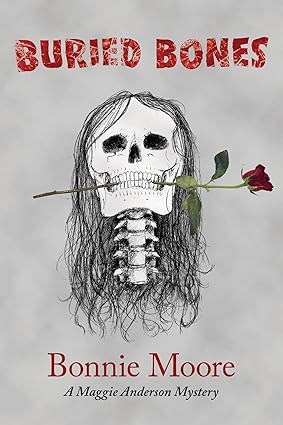
Buried Bones
Buried Bones is a slow-burn mystery wrapped in emotional complexity and carried by a deeply human cast of characters. It follows Maggie Anderson, a retired prosecutor who stumbles into the murder case of Audrey Stillman in a small Utah town. When the victim’s ex-husband, Ben, is immediately seen as the likely killer by locals, Maggie is pulled into a vigilante-charged atmosphere that drags her back to her prosecutorial past—and her ghosts. As she digs deeper, with a small, tight-knit investigative team, what unfolds is not just a whodunit but a layered tale of justice, loss, love, and second chances.
What I loved most about this book was Maggie herself. She’s 75, sharp, wounded, and resilient in a way that doesn’t feel performative or glamorized. The writing lets her age show—not in weakness, but in wisdom. When she confronts the vigilante threats against Ben in the opening diner scene, I felt her pulse pounding as mine did. That moment set the tone: this is a mystery where justice is messy and personal, not clean-cut or formulaic. I especially appreciated how Moore doesn’t just give Maggie a case to solve—she gives her something to heal. That backstory about the wrongly accused Trevor broke me. It’s one of the rawest, most emotional moments I’ve read in a mystery novel in a long time.
I also found the writing charmingly old-school in a way that works for this story. The pacing is deliberate—some might call it slow, but for me, it mirrored the dusty, insular Utah setting perfectly. There’s a quiet beauty to how Moore describes Maggie’s time at the cabin with Robert, Gwen, and Peter. The lavender garden behind the cabin where Audrey’s body was found sticks in my mind—it was eerie, yes, but also strangely peaceful. And then there’s the ghostlike vision Maggie has of Audrey in her old home—subtle, quick, and never overplayed. That scene gave me chills. Moore walks a fine line between realism and something just a little more haunting, and she does it well.
In early exposition scenes characters sometimes explain themselves a bit too neatly. And while I enjoyed the romantic undercurrent between Maggie and Robert, it leaned a little Hallmark for me at times. Still, the emotional honesty always pulled it back. When Maggie finally lets herself be vulnerable with Robert after sharing her past failures, I teared up. It felt earned. Real. Not just romance for the sake of it, but something deeper—companionship that comes from surviving life’s worst parts and still choosing connection.
Buried Bones isn’t just a mystery—it’s a story about reclaiming faith in yourself when you’re not sure you deserve it. It’s for readers who want their crime fiction to have heart, for people who don’t need nonstop action but crave characters who feel like real people. If you liked Louise Penny or early Sue Grafton, or if you’ve ever wanted to see what happens when justice is served by someone who’s lost faith in the system, then this book is for you. I’m so glad I read it.
Pages: 428 | ASIN : B0F2SHXVV4
Favorite Fantasy Series
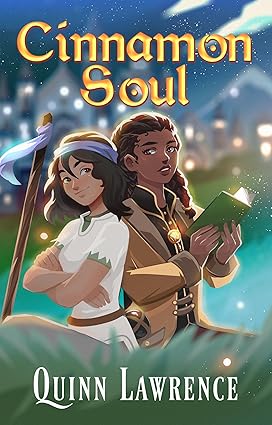
Cinnamon Soul follows a private investigator and her elven assistant who take a case to find a missing princess and wind up tangled up with royal secrets, ominous knights, and magic. What was the inspiration for the setup of your story?
The most basic premise of the story was inspired by Dungeons & Dragons campaigns I was in between 2018-2021, with the two main characters Cinna and Hokuren originating there. (Anyone who plays D&D might know which class Cinna was). However, beyond the tight bond between Hokuren and Cinna and the name of the ultimate villain, very little of the campaigns ended up in the book. What works in a D&D campaign doesn’t always work in a novel! The story came together over the course of multiple drafts as I had a beginning and ending in place first, then built the middle up to make the two meet.
I find the world you created in this novel brimming with possibilities. Where did the inspiration for the setting come from and how did it change as you were writing?
I like big melting-pot fantasy cities, so that’s where I started. Velles is this big city where everyone’s just trying to get by and they don’t care so much who you are or where you came from as much as what you’re doing now. One of the biggest inspirations for Velles is Ankh-Morpork of Terry Prachett’s Discworld novels, one of my all-time favorite fantasy series. Velles certainly grew as I was writing, with one or two of the neighborhoods only being brought into existence after a few drafts. It’s the sort of place that’s big and disparate enough that I can keep growing it out (to an extent) in future novels. It’s a lot of fun to create the various neighborhoods in the city. Another thing that changed as I was writing was the feeling of decline that lingers in the background of the novel. Magic is weakening while at the same time, monsters are practically eradicated, negating the need for adventurers. There’s this whole past world that no longer exists, and at the time this novel is set, everyone is still trying to figure out how to proceed going forward.
What were some themes that were important for you to explore in this book?
The most important are the themes of found family and friendship exemplified in the relationship between Cinna and Hokuren. They are very different people and react to it differently, but they are both lonely. Particularly with Cinna, I also wanted to explore the idea of it not mattering where you come from. One of her goals early in the book is to find her birth parents, who abandoned her when she was an infant. I won’t spoil it, but she does learn the truth of her parentage and has to grapple with how much it matters considering the life she now has with Hokuren, and does her heritage matter at all. Finally, one of my favorite themes, which is that the people with power are so frequently among the least deserving of it, and how those without power must navigate that sort of world.
When will book two be available? Can you give us an idea of where that book will take readers?
My plan is to make book two available in 2026. It’s in the middle of the first draft, and I don’t have a title yet. What I will say is that while Cinnamon Soul ends up with a heavier focus on Cinna and her past, the second book will flip to more of a focus on Hokuren. She will have to return to Fondence, the town she grew up in, and deal with the ramifications of her decision to leave as an eighteen-year-old to forge her own life in Velles, while leaving her widowed father behind. Expect more heartfelt scenes of introspection as well as plenty more playful banter between Cinna and Hokuren as Cinna goes to a small town for the first time in her life (hint: she’s not initially impressed).
Author Links: GoodReads | Facebook | Website | Amazon
Her private investigation office’s rent is past due. Her sterling success rate applies mostly to finding lost cats. And she should really pay her overworked elven assistant, Cinna, with more than just slices of blueberry pie. So when the Prince asks Hokuren to find his daughter, she hopes this will be the break she needs.
But there is more to this case than a mere missing princess. Hokuren soon finds herself chasing after the monstrous villain behind an elf kidnapping scheme and tangling with magic said to no longer be possible (never trust the wizards). She’s determined to uncover every secret, no matter how heart-wrenching, until she solves the case—because she always solves the case. Yet as she and Cinna dig deeper into the conspiracy, Hokuren starts to suspect that the hunter has become the hunted. And the biggest secret of them all might be hiding within her unassuming assistant . . .
A lighthearted and fast-paced fantasy adventure full of action, mystery and sly humor, Cinnamon Soul is also the heart-warming exploration of an unbreakable bond of friendship forged between two women as they struggle against the forces of the elite and powerful.


 LITERARY TITAN