Blog Archives
Women Trying to Find Solutions

We Should Not All Be Feminists follows two women traveling to India with feminist aspirations who learn the real meaning of feminism from the people they meet there. What was the inspiration for the setup of your story?
First let me thank you for giving me the privilege of addressing the readers of Literary Titan through this interview.
Even though no Western feminists, to my knowledge, came to India with feminist aspirations, my interest in the lives of literary theorists like Kate Millett, Rebecca Walker, and others was probably a reason why I constructed such a story. I had read that under the influence of Western feminism, groups such as the Women’s India Association (WIA) and National Council of Women in India (NCWI), West-educated Indians thought in terms of helping Indian women after World War I. This could have been an additional reason for the initial idea of the story.
I have not said that the women who travel to India learn the real meaning of feminism here, but perhaps the reader sees a distinction between fake and genuine feminism because of their visit to India.
Your characters go on a journey of self-discovery in this novel. Were you able to achieve everything you wanted with the characters in the novel?
The two women find what they want in India. Emelia finds Neville, who had deserted her in America. When she comes to India, she also learns a great deal about rebirth, something she was always interested in. Clarissa finds a woman who she takes to England to help her in more ways than one, both professionally and personally.
A London literary agent once said that my novel was the reverse of A Passage to India. In that novel, the two women who came to India go back without finding what they had come here for. But in my novel, the two women do get what they have longed for.
I tried my best to create characters who would be both types and individuals in different parts of the novel. I wanted them to provide humor, seriousness, wit, and satire. I think I achieved those aspects for my novel.
What were some themes that were important for you to explore in this book?
I have always loved to write about women. All my earlier books are intimately connected with women’s experiences. I have felt that knowing what a man would feel in a given situation is not enough. It is more important to know what a woman would feel when faced with problems. Similarly, women must know the same regarding men. It is only then that society will be a positive institution.
The novel reveals the emotional side of two entirely different women, one Brit and the other American. A third woman, an Indian, places herself between these antipodal positions. She escapes from an unpleasant home and finds a kind of freedom that most women would not want. But then that is her fate, the best option she has. A central theme is women trying to find solutions to their problems.
Another theme results from the magical realism supporting the novel. It relates to lives beyond this present birth in which we are placed.
[This novel will be an audiobook too by the end of this year.]
What is the next book that you are working on and when can your fans expect it to be out?
My next book is From a Writer’s Blog: Facets of the Novel Today. I hope to publish it by the end of 2024, if not earlier. I have compiled my blog posts on fiction or related topics for the decade.
Writers and students of fiction, which could number millions, are still trying to discover the finer points that cannot be ignored when writing or studying fiction. There are so many books on the theory of the novel and novelists for professors. However, there is quite a void when you think of novelist professors explaining the art and craft of fiction. It is like saying what is shown cannot be stated. Here is a novelist-professor showing what goes on in his mind. This book contains theory, criticism, and the creative process concerning the novel. It also focuses on reading, writing, and publishing the novel today.
Author Links: GoodReads | X | Facebook | Website | Book Review
In this novel, humor and high seriousness take you through the literary tourism of India.
Literary Titan Silver Book Award November 2024
Celebrating the brilliance of outstanding authors who have captivated us with their skillful prose, engaging narratives, and compelling real and imagined characters. We recognize books that stand out for their innovative storytelling and insightful exploration of truth and fiction. Join us in honoring the dedication and skill of these remarkable authors as we celebrate the diverse and rich worlds they’ve brought to life, whether through the realm of imagination or the lens of reality.
Award Recipients
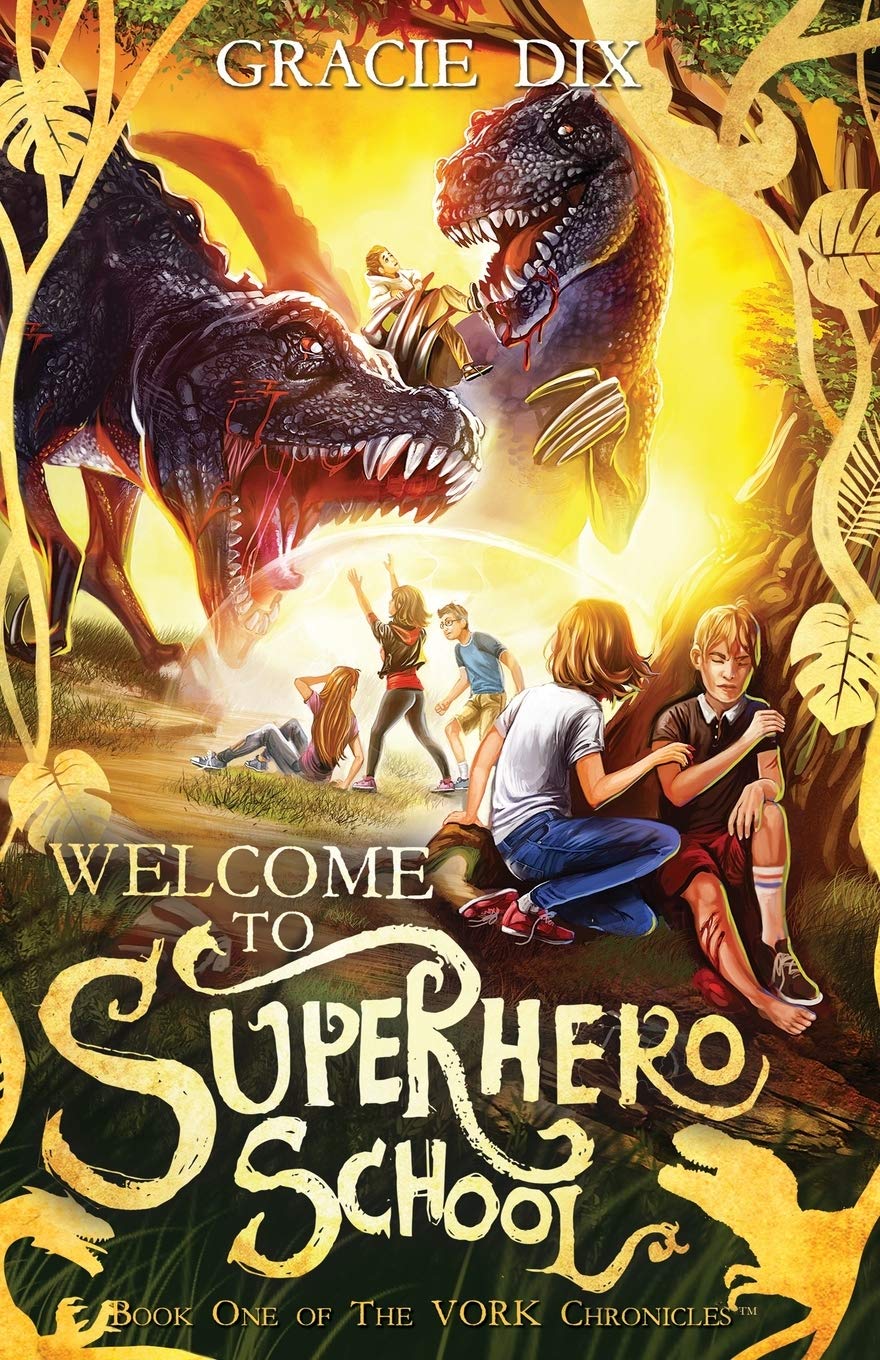

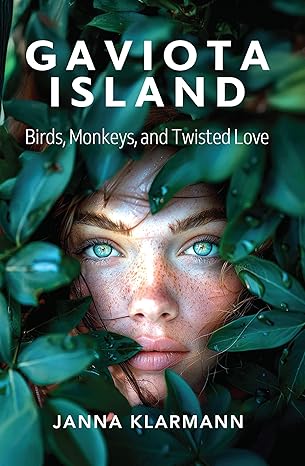


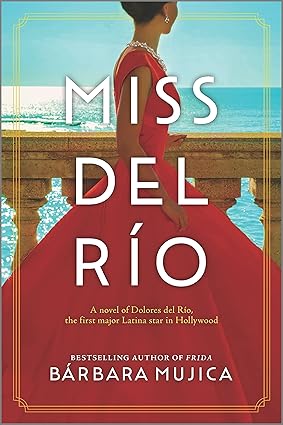

















The Stanton Falls Mysteries – Undercurrents of Betrayal by Susan Reed-Flores
Ravenswwod by Anthony James
Justified Homicide by Kelly Marshall
HARD ROAD TO FREEDOM by Stephen Carter
Visit the Literary Titan Book Awards page to see award information.
Easter At The Three Coins Inn


Easter at the Three Coin Inn, by Kimberly Sullivan, is a delightful and heartwarming novel that immerses readers in the serene beauty of the Italian countryside. The Three Coins Inn, tucked away in the tranquil village of Umbria, serves as a sanctuary for both its owners and guests. The inn, lovingly maintained by Emma and her husband Mark, offers not only breathtaking views and rich history but also the opportunity for relaxation and renewal through its peaceful ambiance and spa. As the season’s guests begin to arrive, Emma and Mark hope to continue their tradition of offering a haven where visitors can rediscover themselves.
For guests Grace, Kathryn, Heike, Chris, and Madison, the two weeks they spend at the inn become transformative in ways none of them could have predicted. Throughout the novel, Sullivan masterfully captures the restorative power of the inn’s setting, and while the characters drive the plot, it’s the enchanting surroundings that work their quiet magic. Sullivan writes with evident affection for the Italian landscape, effortlessly weaving together the journeys of the diverse group of visitors, each of whom is grappling with their own life challenges. Chris and Madison, both reeling from relationship troubles, come to the inn seeking solace, Chris to reflect and Madison to hide from her problems. Grace and Heike, two widows brought together by their shared grief, find comfort in each other, though their friendship is tested as long-buried secrets emerge. Meanwhile, Kathryn, Grace’s granddaughter, is on the cusp of adolescence, struggling to define herself amid her parents’ expectations. Each character arrives at the inn for different reasons, yet all leave transformed, having gained something invaluable from their stay.
Themes of healing through introspection, the power of honesty, and the possibility of second chances resonate throughout the novel. Even Emma and Mark, the innkeepers, embody the spirit of perseverance and love, setting the tone for the personal growth their guests experience.
In Easter at the Three Coins Inn, Kimberly Sullivan crafts a beautiful narrative of personal growth, healing, and second chances, all set against the idyllic backdrop of the Italian countryside. The charm of the inn, coupled with the journeys of its diverse characters, makes for a captivating and heartwarming read. While some plot points may feel familiar, the novel’s emotional depth and vivid setting more than make up for it. This is a story that celebrates the power of introspection, connection, and the restorative magic of a peaceful retreat. Readers will be left hopeful and eager for more from Sullivan’s world.
Pages: 348 | ASIN : B0DBMFD989

WE SHOULD NOT ALL BE FEMINISTS
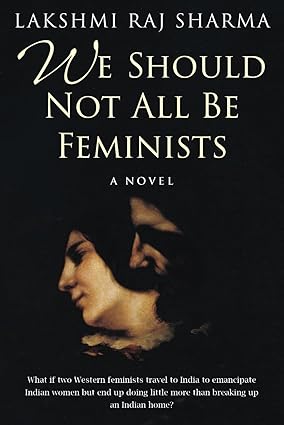
We Should Not All Be Feminists by Lakshmi Raj Sharma explores the lives of several women and their complex relationships with men, their personal struggles, and the societal expectations imposed on them. The story revolves around Emelia, a thoughtful and introspective woman navigating her identity, personal losses, and ideas of feminism. The novel also introduces Rajni, Vibha, and Clarissa, among others, each representing different facets of womanhood, relationships, and the feminist movement. Through their interconnected lives, the novel delves into themes like empowerment, love, and the often contradictory expectations placed on women.
The emotional depth with which Emelia’s inner thoughts are portrayed really draws you in, especially as she contemplates her relationship with Neville and her self-worth. Her reflections, like those following her dreams or the loss of her mother, feel raw and real. Emelia’s journey as she tries to reconcile her romantic life with her growing political awareness is incredibly engaging, particularly her thoughts on Lady Jane Grey and her budding feminist outlook.
What stood out the most for me was the novel’s handling of relationships and power dynamics. Emelia’s relationship with Neville, Vibha’s marriage, and the tumultuous connection between Rajni and his wife all reveal different aspects of the struggle for balance in love and autonomy. For example, Rajni’s attempts to reconnect with his wife after arguments are portrayed with a painful realism. It’s awkward, uncomfortable, and relatable. Similarly, Vibha’s struggle within her oppressive marriage and her attempts to find solace and solidarity in the Women’s Emancipation Cell poignantly reflect the real-life frustrations many women face. The contrast between Vibha’s personal challenges and Emelia’s internal battle between her past with Neville and her feminist awakening made me feel like I was exploring a mosaic of modern womanhood.
I would recommend this book to anyone interested in nuanced depictions of women’s inner lives and the complexities of relationships. I think it’s especially suited for readers who enjoy exploring feminist themes without wanting a straightforward or preachy narrative. We Should Not All Be Feminists offers rich insights into the lives of women trying to find themselves in a world that often seeks to define them.
Pages: 244 | ASIN : B0DCVFVQTJ
Every Good Story Needs Conflict

The Unexpected Guests follows a recently divorced woman trying to piece her life back together who reconnects with a successful author in hopes of finding a second chance at love. What was the inspiration for the setup of your story?
When I was partway through writing My Year of Casual Acquaintances, the first book in the South Bay Series, my critique partner suggested I eliminate the character of the narrator’s mother, Gwendolyn. I can swear I heard Gwendolyn yelling, “Bloody hell!” (She’s English.) “You’re not getting rid of me so fast!” So you might say that Gwendolyn inspired me to write a sequel, one that would have a more substantial role for her. It’s true that fictional characters sometimes take on their own lives.
Once I decided there would be a sequel, I wrote Casual Acquaintances with an open-ended finish. Some reviewers call it a cliff-hanger, but I think that may be a bit of an overstatement. Hopefully, though, there is enough suspense for readers to come back for the second installment.
What was your inspiration for the characters’ interactions and backstories?
I love stories that deal with new beginnings and second chances, especially among middle-aged and older characters. I started exploring this topic in the first book and took it a step further in Unexpected Guests—which deals not only with midlife issues but also, to a lesser extent, with the elderly condition. I think there’s a big audience for this subject, when you consider the popularity of recent works like Elizabeth Strout’s novels and also (in a different vein), the Thursday Murder Club series by Richard Osmon. You’re never too old for adventures and love!
I also like to explore the nature of family and the idea that the people in one’s family” are not always relatives. The three main characters in this book are not related, but their close ties to Margaret form a common bond that causes their lives to intersect in ways they never would’ve expected.
What are some things that you find interesting about the human condition that you think makes for great fiction?
Most of us are social beings who crave interaction, but we constantly manage to screw up and sabotage our relationships, hurting the people we care about the most. Every good story needs conflict, and dysfunctional relationships are rife with conflict and drama. I also think real-life people are complex, so I like my characters to be complicated too. I find them so much more interesting than cookie-cutter heroes and villains.
I hope the series continues in other books. If so, where will the story take readers?
I’ve made a lot of notes for a third book in the series; but with two books publishing so close together, I haven’t had a moment to spare for any actual writing. I am hoping things will settle down before long.
Author Links: Website | Instagram | Facebook | Bookbub
The Pendant & The Prophecy

The Pendant and the Prophecy by Sam Withrow and Amelia Pinkis picks up where the supernatural chaos of Ruled by Fate left off, thrusting Brie and Cameron into a whirlwind of new challenges. After the harrowing events at Daya Memorial Hospital and the near-death experiences of their friends, Brie has accepted the existence of Elysian beings. Now, she faces the difficult task of revealing this truth to her childhood friend, Sherry. Summoned to Elysium to recount their experience to King Enoch, Brie soon realizes that larger, darker threats loom on the horizon. At the heart of her journey lies the mystery of her pendant and its connection to an ancient battle between good and evil. Withrow and Pinkis deliver a fast-paced fantasy romance that keeps readers hooked from the first page. In this second installment of the Forbidden Tears series, the stakes are higher, the danger more palpable, and Brie’s journey becomes even more complex. As she and Cameron search for the origin of her powers and unravel the prophecy tied to her, new characters join the quest, adding depth and fresh dynamics to the story.
The authors skillfully build upon the momentum of the first book, seamlessly transitioning readers into a world where suspense, humor, and romance coexist. A highlight of The Pendant and the Prophecy is the evolving relationship between Brie and Cameron. Their romance, while not the central focus, remains a vital thread that enriches the emotional core of the story. Withrow and Pinkis continue to strike a balance between moments of humor and the increasing tension surrounding the characters’ perilous mission, keeping the narrative engaging without losing its edge. The cliffhanger at the novel’s conclusion expertly sets the stage for the next installment, leaving readers eager for what’s to come. While the authors do a commendable job of building tension, their frequent use of foreshadowing may feel a bit heavy-handed at times. Hints dropped at the end of chapters sometimes reveal too much, making certain plot twists predictable rather than surprising. Still, this approach doesn’t detract significantly from the story’s enjoyment, and many readers will appreciate the clear direction in which the plot unfolds. Perhaps one of the most compelling aspects of this sequel is the continued world-building. With their creative spin on biblical mythology, Withrow and Pinkis breathe life into a fantasy realm teeming with lore and unique characters. Their vivid descriptions and intricate history add richness to the world of Elysium, making it easy for readers to immerse themselves in its complexities.
The Pendant and the Prophecy is a strong continuation of Brie and Cameron’s adventure, successfully expanding the scope of the series while maintaining the excitement and charm of the first book. Fans of Ruled by Fate will be eagerly awaiting the next chapter in this gripping saga.
Pages: 357 | ASIN : B0DB2JWSSR



 LITERARY TITAN