Blog Archives
A Global Icon

Edward de Bono: Love Laterally is a biography that paints a vivid and layered portrait of the man who coined and championed the concept of lateral thinking. What inspired you to tell Edward de Bono’s story?
It is a zeitgeist story. It was a timely and important story to tell. We need to teach our children how to think not what to think in schools – and this book explains why and how. It’s more than a biography. Edward de Bono led the world of thinking for over half a century, encouraging people to think about their thinking. His ideas and views are even more relevant now than they were in the 1960s when he started to write the first of his sixty-six books. He resisted autobiography and biography because he didn’t want to get in the way of his ideas. He did not want to become the focus of attention, and journalists frustrated him, as he believed they (largely) focus on human angles, gimmicks, and attack, and often quoted him out of context. This is a shame as his ideas, as many of those I interviewed over the seven years, worked in real-world scenarios and made a lot of people very rich, both in their professional and personal lives.
He lived life to the full and was a global icon before it became relatively easy to be so, thanks to the internet. He dominated the world of ‘thinking’ and encouraged people to think about their thinking for over half a century. And he left behind him some very strong feelings. I knew him for the last ten years of his life, and I felt his passion for introducing lateral thinking lessons into schools was even more timely now that it was when he first suggested the idea back in the sixties. That is why I launched the book at the House of Lords, in front of distinguished guests, including Lord Bilimoria, Sir Anthony Seldon, Lord Woolley, Huw Levinson, Baroness Helena Kennedy as well as others interested in the thinking process, including Dr Alison Wood of Cambridge University and founder of Changemakers, Karen Chetwynd CEO Montessori Global, Nicola Tyler, who worked with Edward for years, advertising guru Dave Trott, and Dr Tara Swart who has written about the thinking process in her best-selling book as well.
What were some ideas that were important for you to share in this book?
Edward resisted a biography and autobiography as he didn’t want to get in the way of his ideas. He was a charismatic man, who was able to hold the attention of schoolchildren, and CEOs, politicians, and creatives alike. He achieved so much in his life, his bibliography is a chapter in its own right, but when I asked him how he wished to be remembered he replied ‘as a writer, and for doing good’. As Baroness Helena Kennedy states in the excellent foreword, he was a visionary, who’s ideas have yet to be fully appreciated.
Did you find anything in your research of this story that surprised you?
So many things. Some trivial, others more significant.
For example, I didn’t know during the sixties, he was at one point the most travelled person (by air) on the planet (with BA at least) and that you are told by BA when you have clocked up enough air miles.
There were also so many people from diverse backgrounds I didn’t realise who had been influenced by his ideas. Fashion icon, Sir Paul Smith, is a huge fan, and so is author and illustrator Shaun Tan, as are the Eurythmics (who thanked him on the cover of their Sweet Dreams album), and I only discovered this in the process of researching the book.
I also noted how many reports differed in the number of books he had written. Edward himself wasn’t sure, but I referred to his family and they said ‘sixty-six’.
What is one thing that you hope readers take away from Edward de Bono: Love Laterally?
I would like them to buy one of his books – perhaps a couple – which will make them think about their thinking. Everyone has a favourite that relates to their way of thinking, or the people they work with. Mine was the 1990 ‘I am Right You are Wrong’ which clearly identifies why critical thinking, argument, confrontation, and ego, get in the way of identifying solutions and lead to and encourage conflict, while lateral thinking encourages connection, collaboration, and communication as a way to identify solutions. Edward explains how and makes it fun and playful.
Author Links: GoodReads | Instagram | X (Twitter) | Facebook | Sarah Tucker | Website | Amazon
Adored by advertising agencies, misunderstood by the media, and mistrusted by academia, De Bono became a household name dominating the field of creative thinking for half a century.
With contributions from de Bono’s former wife, Josephine de Bono, Sir Tony Blair and many others who knew de Bono – plus rare photographs from his family.
We Can Do Better: Setting the Pace for the Next Generation


D. Jomo’s We Can Do Better: Setting the Pace for the Next Generation is a reflective dive into the human experience during the COVID-19 pandemic and its broader societal implications. Framed by the author’s personal journey and observations, the book seeks to inspire community engagement, compassion, and self-improvement. Jomo’s narrative weaves through topics like honoring essential workers, supporting the elderly, and balancing individualism with collectivism, all with an undercurrent of hope for a more unified society.
One thing I appreciated about this book was how Jomo tied big ideas to real-life experiences. Her retelling of the early days of the pandemic, from witnessing a quarantined cruise ship to navigating personal fears of exposure, was vivid and relatable. The chapter on essential workers, for instance, shone a necessary spotlight on those who kept the world running, from janitors to grocery clerks. Jomo shares her own awakenings, like realizing the indispensable role of local shopkeepers. It made me reflect on how often I overlook everyday heroes in my own life.
The writing is engaging and heartfelt, though it occasionally revisits similar points, especially when highlighting societal gratitude and the importance of taking action. However, this earnestness works to drive home the book’s central themes. In the chapter on the elderly, Jomo’s personal anecdotes, such as befriending a senior during her teenage years, are both touching and motivational. Her practical suggestions for improving elder care, like designing more senior-friendly housing, feel actionable rather than idealistic. That said, I did wish for a deeper exploration of some solutions rather than a broad sweep across many issues.
The discussion of individualism versus collectivism stood out as particularly thought-provoking. Jomo’s balanced view of both perspectives felt refreshing. Her call for integrating collectivist empathy into individualistic societies resonated, especially as she framed it against the backdrop of the pandemic.
We Can Do Better is a heartfelt and optimistic guide for anyone looking to contribute to a more compassionate world. It’s especially suited for readers reflecting on their role in their community or grappling with the lessons of recent global events. The book’s sincerity and focus on actionable kindness make it a worthwhile read. I’d recommend it to those who enjoy introspective works with a call to action, especially fans of socially conscious memoirs.
Pages: 96 | ASIN : B0C385Z82K

Ice and Fire: Thawing a Murderer’s Heart
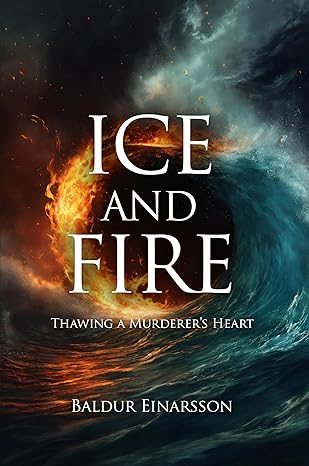
Ice and Fire: Thawing a Murderer’s Heart is a riveting memoir that navigates the tumultuous life of Baldur Einarsson, a man whose odyssey from chaos and violence to redemption captivates and inspires in equal measure. Set against the stark and icy landscapes of Iceland, the narrative opens with Baldur’s harrowing childhood, a period scarred by abuse, neglect, and despair. These formative years propel him into the shadowy abyss of Iceland’s criminal underworld. Baldur’s descent into addiction and crime unfolds with haunting clarity.
The memoir paints a stark portrait of a life spiraling into darkness, punctuated by moments of brutal violence and profound loss. Yet, it does not linger in despair. Instead, the focus shifts to Baldur’s astonishing transformation, chronicling his rise from the depths of hopelessness to a life filled with purpose, healing, and an unshakeable belief in the possibility of change. Grace, love, and faith emerge as unexpected yet powerful catalysts in his journey toward redemption. Through raw, unvarnished storytelling and vividly drawn scenes, Baldur invites readers into his fractured world. He bares his pain, his struggles, and his triumphs with remarkable candor. This openness not only sheds light on the enduring scars of trauma but also underscores the resilience of the human spirit and its boundless capacity for renewal. From the first page, Baldur Einarsson plunges readers into a visceral world of fear and survival. The icy backdrop of Iceland is brought to life in prose that is both clear and hauntingly evocative. The depiction of his abusive childhood is unflinching yet never gratuitous, laying the foundation for the extraordinary redemption that follows.
Baldur’s honesty as an author is striking. He confronts his past without embellishment or self-pity, allowing readers to fully grasp the weight of his struggles while maintaining an unrelenting sense of authenticity. The turning point in Baldur’s life—his path toward redemption—is as gripping as the chaos that preceded it. Love and faith are central themes, seamlessly interwoven into the narrative without veering into sentimentality or preachiness. As Baldur’s story shifts from despair to hope, the writing evolves, mirroring his emotional journey. What begins as stark and unyielding prose transforms into something warm and introspective, a reflection of his healing and self-discovery.
Despite its emotional intensity, Ice and Fire ultimately leaves readers with a profound sense of hope. It reminds us that redemption is always within reach and that even the most broken lives can be pieced back together. The memoir transcends its genre, becoming an invitation to believe in the transformative powers of love, faith, and perseverance. Baldur’s story resonates deeply, lingering in the heart and mind long after the final page is turned. For readers who appreciate true crime, tales of personal transformation, or deeply human narratives, Ice and Fire is a must-read. Baldur Einarsson’s journey is a haunting, uplifting, and unforgettable testament to the enduring strength of the human spirit.
Pages: 292 | ASIN : B0D3WW21DM
Edward de Bono: Love Laterally

Sarah Tucker’s Edward de Bono: Love Laterally paints a vivid and layered portrait of Edward de Bono, the man who coined and championed the concept of lateral thinking. Tucker delves into de Bono’s life with warmth, wit, and curiosity, offering a narrative that oscillates between his intellectual brilliance and personal quirks. From his early days in Malta to his global influence as a thinker and educator, the book captures the essence of a man who reshaped the way we approach creativity and problem-solving.
What struck me most was Tucker’s ability to weave anecdotes that showcased de Bono’s humor and humanity. One instance that stood out was when, as a young student, de Bono circumvented bullying by inventing a secret passageway at his boarding school, demonstrating his knack for innovative problem-solving even as a child. These moments are sprinkled throughout the book, making de Bono relatable, even to readers who might not be familiar with his academic legacy.
Tucker doesn’t shy away from exploring de Bono’s professional controversies. The criticism he faced for his theories lacking empirical support is discussed with nuance. Yet, the narrative also highlights the testimonies of countless professionals who credited de Bono’s methods for their success. The juxtaposition of detractors calling his work “pseudoscience” against admirers who saw him as transformative makes for a fascinating read. It’s clear Tucker admires her subject, but she’s also unafraid to question his more outlandish ideas, like his proposal to become the “King of Australia,” which borders on self-parody.
What I loved most were the glimpses into his creative philosophy. De Bono’s belief that education should encourage collaboration rather than competition resonated with me. His Six Thinking Hats methodology, which encourages diverse perspectives in problem-solving, exemplifies this ethos. Yet, Tucker’s coverage of de Bono’s struggles with institutional recognition and his complicated relationships with academia left me pondering the systemic rigidity that stifles innovation.
Edward de Bono: Love Laterally is a compelling read for anyone intrigued by creativity, psychology, or education. Tucker’s conversational tone and her ability to balance respect for de Bono with critical observation make this biography accessible and engaging. I’d recommend it to readers who appreciate stories of unconventional thinkers or those seeking inspiration to approach problems differently.
Pages: 256 | ISBN : 1913641465

Improbable and Extraordinary: A Transformation of Mental Illness and Addiction
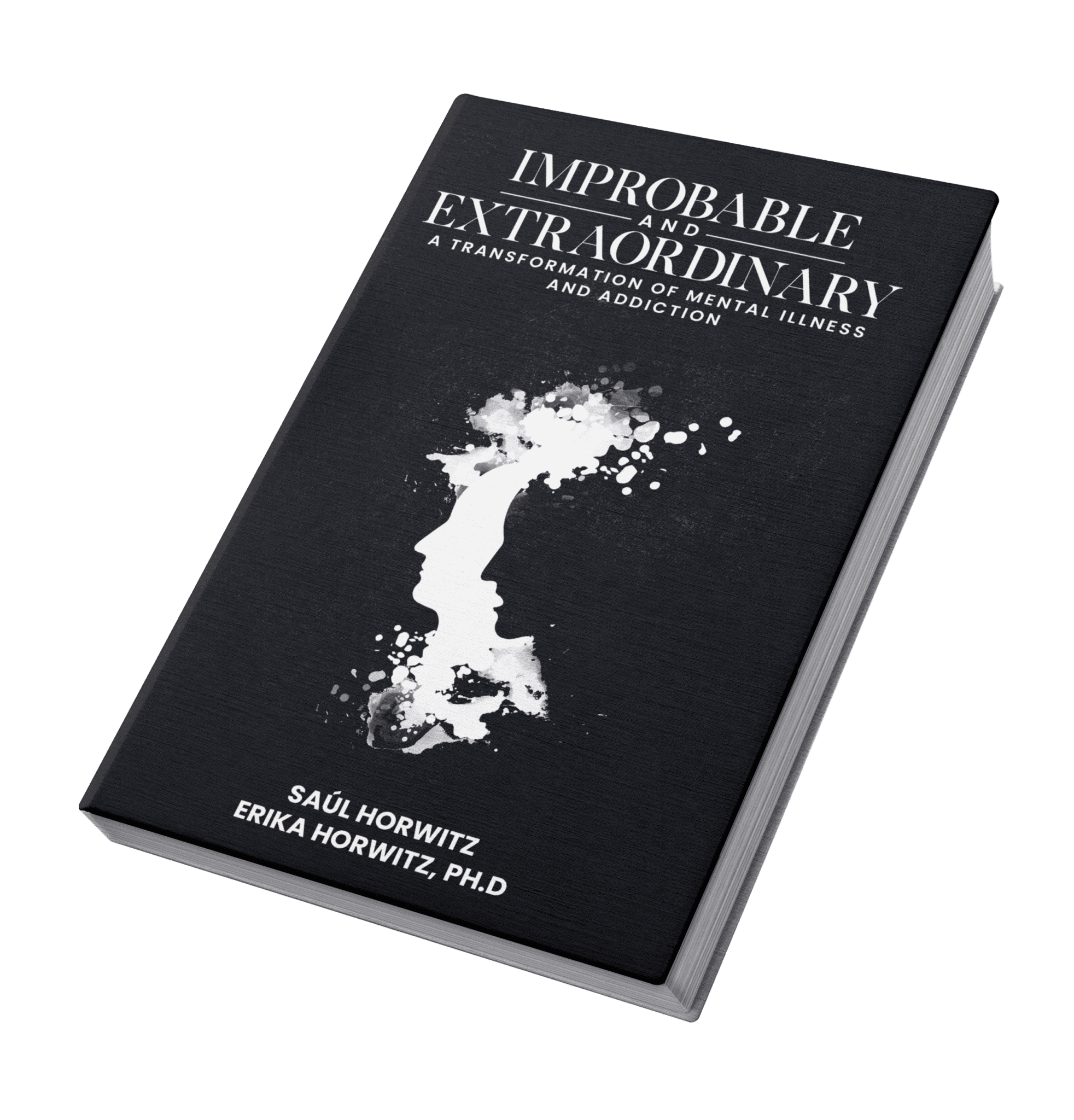
Improbable and Extraordinary is a raw, heart-wrenching memoir that navigates the turbulent waters of Saul Horwitz’s life, shaped by mental illness, family dynamics, and personal transformation. Co-written with his sister Erika, the book delves into Saul’s struggles with bipolar disorder and his journey toward recovery, offering an unflinching portrayal of his darkest moments and the flickering hope that guided him toward light. Spanning decades of emotional highs and lows, this story is as much about healing as it is about understanding and resilience.
What struck me first was the brutal honesty with which Saul recounts his experiences. The opening chapter vividly describes recurring suicidal ideations, setting the tone for a narrative steeped in pain but striving for clarity. Saul’s vivid descriptions, like his withdrawal from baseball—a childhood obsession abandoned mid-game due to a crushing wave of apathy—were especially poignant. These moments highlight how mental illness can abruptly hijack even the most joyful or driven endeavors, turning triumphs into fleeting mirages. As someone who has often heard sanitized versions of similar struggles, this unapologetic candor felt like a brave and necessary invitation to empathize with a reality many shy away from acknowledging.
The book is also deeply reflective. Saul doesn’t shy away from dissecting his childhood trauma, including his father’s harsh disciplinary methods and the emotional aftermath of his parents’ divorce. Yet, he resists the temptation to solely blame others for his plight. For instance, while he shares heart-wrenching accounts of being beaten and emotionally neglected, he also acknowledges the genetic and biochemical facets of bipolar disorder. I found this balance refreshing; it allowed the book to transcend the realm of grievance and step into the space of accountability and growth. His revelation about the impact of his mood swings on his loved ones, particularly his children, was both heartbreaking and enlightening.
One of the most impactful sections is the exploration of Saul’s recovery process, notably his involvement in 12-step programs and group therapy. The “Miracles That Saved Me” chapter is a standout for me. These reflections are laced with humility and wisdom, showcasing how Saul transformed his pain into tools for survival and, eventually, service to others. It reminded me that recovery is not a straight road but a winding path dotted with small, often imperceptible victories.
Improbable and Extraordinary is a stirring account of survival and self-discovery. Saul’s journey reminds us of the resilience of the human spirit, even when confronted with unimaginable odds. This book will resonate with those battling mental illness, their loved ones, and anyone seeking inspiration from real-life transformations.
Pages: 311
Starving for Acceptance: One Man’s Journey with Anorexia and Bulimia
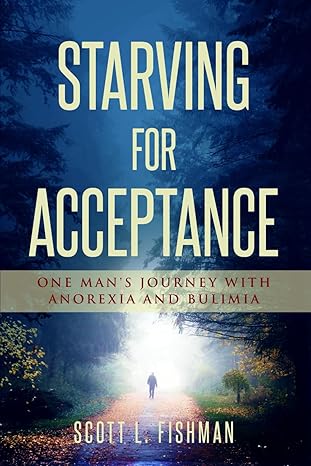
Starving for Acceptance is a raw and honest memoir that delves into Scott Fishman’s decades-long struggle with anorexia, bulimia, and body image issues. The memoir chronicles Fishman’s life from childhood to his eventual steps toward recovery, offering a rare and necessary perspective on male eating disorders. His journey is told with unflinching candor, shedding light on a topic often shrouded in stigma and misunderstanding.
What struck me first was how relatable Fishman’s early insecurities felt. His yearning for athleticism and approval from his father is heartbreakingly detailed in chapters like “The Concert,” where his father’s lateness to a pivotal performance underscored a recurring sense of neglect. That pain resonated deeply with me and set the stage for understanding how Fishman’s self-esteem eroded over time. His vulnerability is palpable, and it’s hard not to root for him, even as he describes the darker moments.
Fishman’s writing shines in its ability to balance the deeply personal with the universal. In “The Scale,” his obsession with weight is both alarming and sadly familiar in a world fixated on appearances. He describes sneaking onto bathroom scales with such detail that I could feel his anxiety through the pages. This isn’t just a story about numbers or calories. It’s about control, self-worth, and the lies our minds tell us. The intensity of his inner conflict, likened to a battle with an alter ego named “Ed,” makes the memoir unforgettable.
The structure of the book, with its focus on moments that shaped Fishman’s relationship with food and his body, is effective. One standout is the chapter “The Basketball Game,” where a casual compliment about his physique becomes a pivotal moment, shifting his identity toward his body’s appearance. His excitement, paired with the foreshadowed tragedy of obsession, had me simultaneously cheering and cringing. This blend of triumph and heartbreak encapsulates the emotional rollercoaster Fishman navigates.
Fishman emphasizes hope, albeit hard-won, and stresses the importance of addressing eating disorders early. His ability to reflect on his journey with humility and humor makes his story as inspiring as it is informative. The memoir doesn’t shy away from its darker moments, but it also never loses sight of the possibility of recovery.
I’d recommend Starving for Acceptance to anyone looking to understand the complexities of eating disorders, especially as they relate to men. It’s a must-read for educators, therapists, and families, but also for anyone who’s ever felt unseen or unworthy.
Pages: 264 | ASIN : B0DNJ5KQ5N
A Life Lived on Three Continents
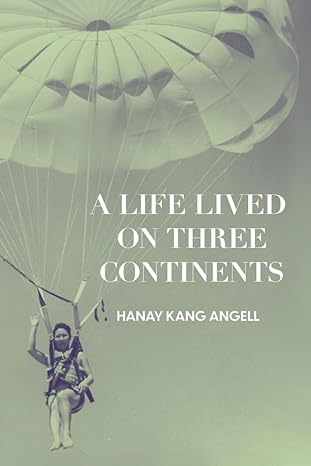

A Life Lived on Three Continents is a heartfelt journey through Hanay Kang Angell’s experiences growing up in Korea, adapting to life in the United States, and exploring a new world in the United Arab Emirates. The book captures the universal struggles of identity, resilience, and belonging, weaving them with Angell’s unique perspective as a woman navigating life across vastly different cultures. Her story is deeply personal yet universally relatable, a testament to the human spirit’s capacity to endure and grow.
What struck me most was Angell’s poignant storytelling, particularly in recounting her early life in Korea. Her vivid descriptions of family dynamics, such as the pressure on her mother to produce a male heir or the challenges posed by her father’s absence, offer an intimate glimpse into traditional Korean culture. I felt a pang of empathy as she narrated her struggles as the overlooked child in a large family. One of my favorite moments was her depiction of her grandfather, whose saintly presence and love of calligraphy became an anchor of warmth in her otherwise tumultuous childhood. Moments like these showcase Angell’s ability to blend personal and cultural history seamlessly.
The second section of the book, detailing her immigration to the United States, felt both inspiring and raw. Angell doesn’t sugarcoat the difficulties of adapting to a new country while wrestling with feelings of alienation. I admired her candor in discussing the double-edged sword of being an immigrant. Her narrative about meeting her husband on a flight and later navigating an interracial marriage in a predominantly Caucasian community was heartfelt and eye-opening. I found her reflections on balancing her Korean heritage with American expectations to be some of the most moving passages in the book.
Her life in the United Arab Emirates, the third continent in her journey, brought a burst of color and adventure to the narrative. I was enchanted by her descriptions of desert landscapes and the fascinating cultural crossroads she experienced there. However, the shadows of personal struggles, such as her husband’s career challenges and her own feelings of inadequacy, kept the story grounded. Angell’s reflections on motherhood during this period were particularly touching, capturing the joy and sacrifices that come with raising children while chasing personal aspirations.
Angell’s writing is honest and introspective, often leaving me feeling as though I were sitting with her, sharing a cup of tea as she unfolded her life’s tapestry. Her decision to embrace her imperfections and find peace with her past felt like a gentle nudge to do the same in my own life. While Angell’s detailed descriptions add richness to her narrative, there are sections, particularly those that delve deeply into historical or familial context, that I feel are prolonged and detract from the emotional momentum of her personal journey.
I’d recommend A Life Lived on Three Continents to anyone who enjoys memoirs steeped in cultural exploration and personal growth. It’s perfect for readers who value stories of resilience, identity, and the ever-evolving search for belonging. Angell’s journey left me feeling reflective, inspired, and grateful for the resilience within us all.
Pages: 268 | ASIN : B0DK8966YD
Literary Titan Gold Book Award: Fiction

The Literary Titan Book Award honors books that exhibit exceptional storytelling and creativity. This award celebrates novelists who craft compelling narratives, create memorable characters, and weave stories that captivate readers. The recipients are writers who excel in their ability to blend imagination with literary skill, creating worlds that enchant and narratives that linger long after the final page is turned.
Award Recipients
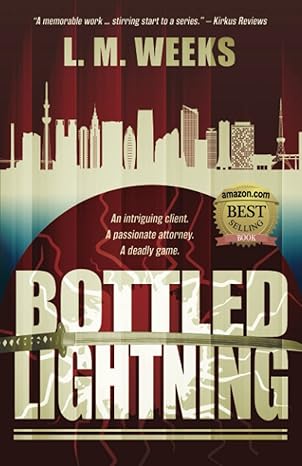


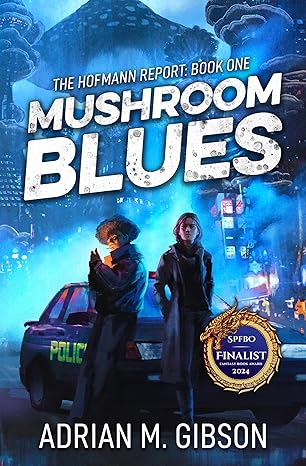
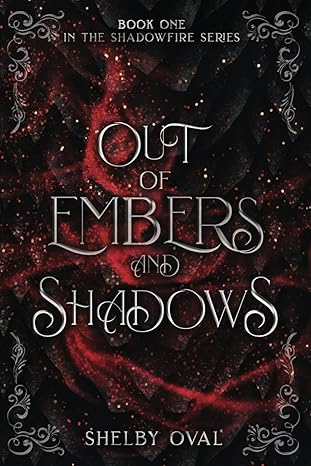
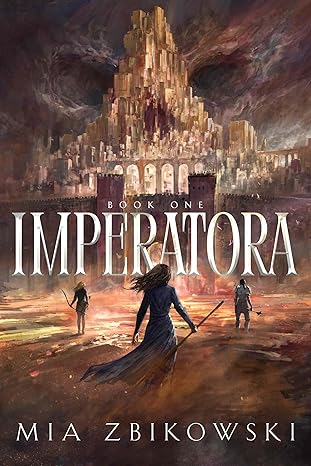













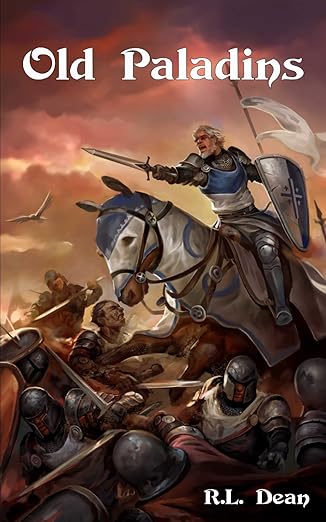
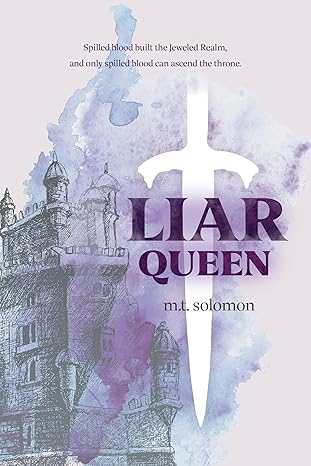



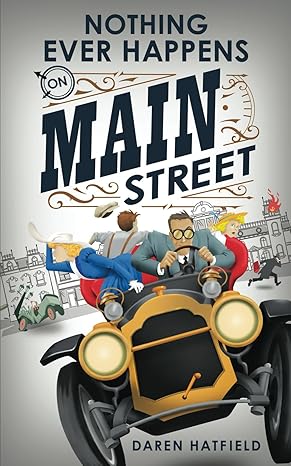





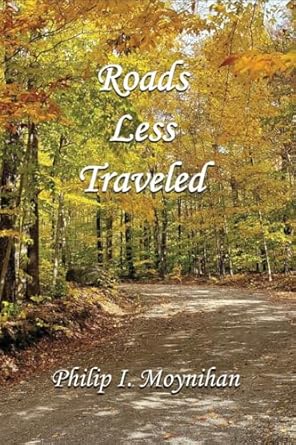


Visit the Literary Titan Book Awards page to see award information.



 LITERARY TITAN