Blog Archives
Literary Titan Silver Book Award
Celebrating the brilliance of outstanding authors who have captivated us with their skillful prose, engaging narratives, and compelling real and imagined characters. We recognize books that stand out for their innovative storytelling and insightful exploration of truth and fiction. Join us in honoring the dedication and skill of these remarkable authors as we celebrate the diverse and rich worlds they’ve brought to life, whether through the realm of imagination or the lens of reality.
Award Recipients
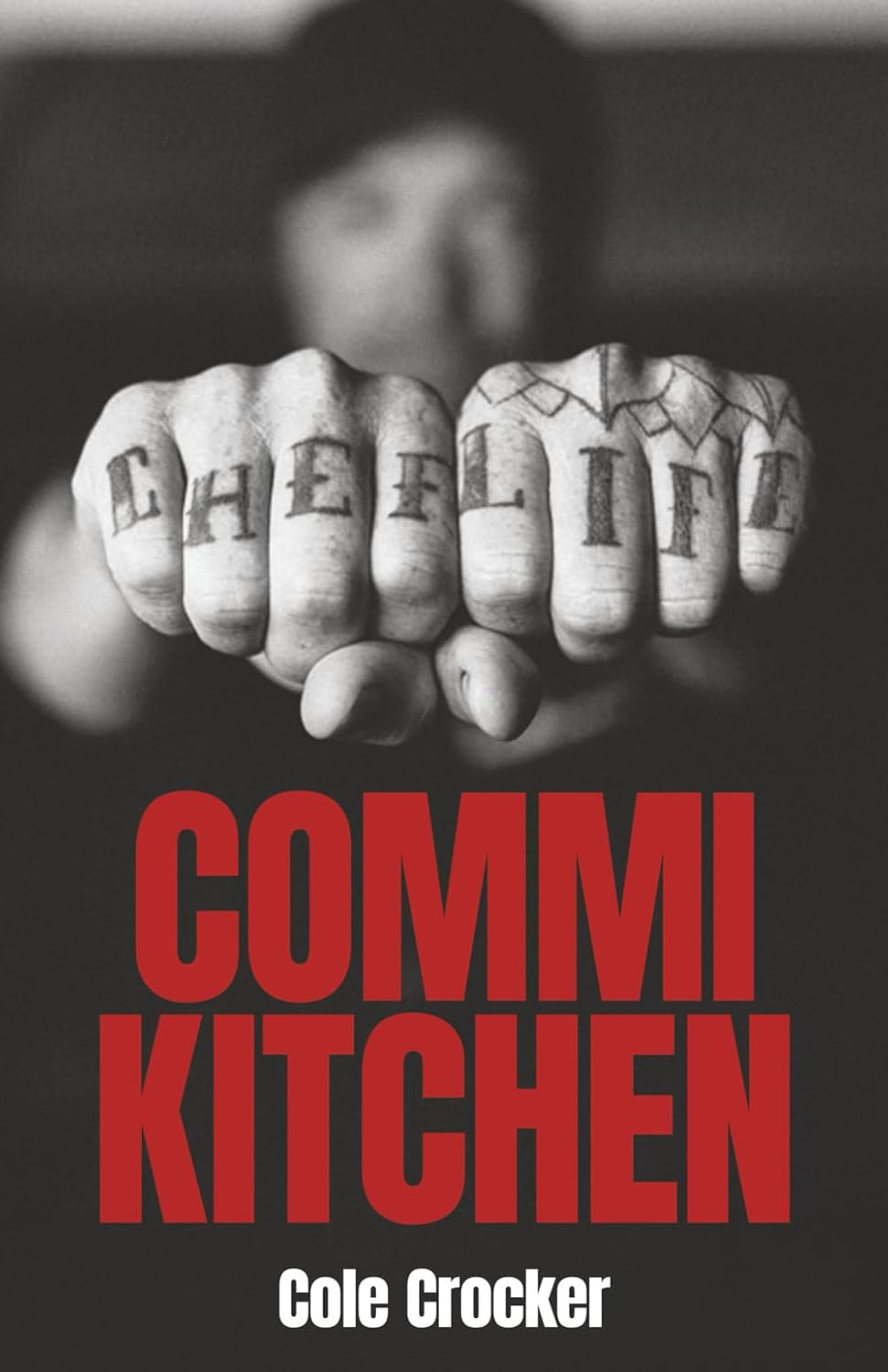
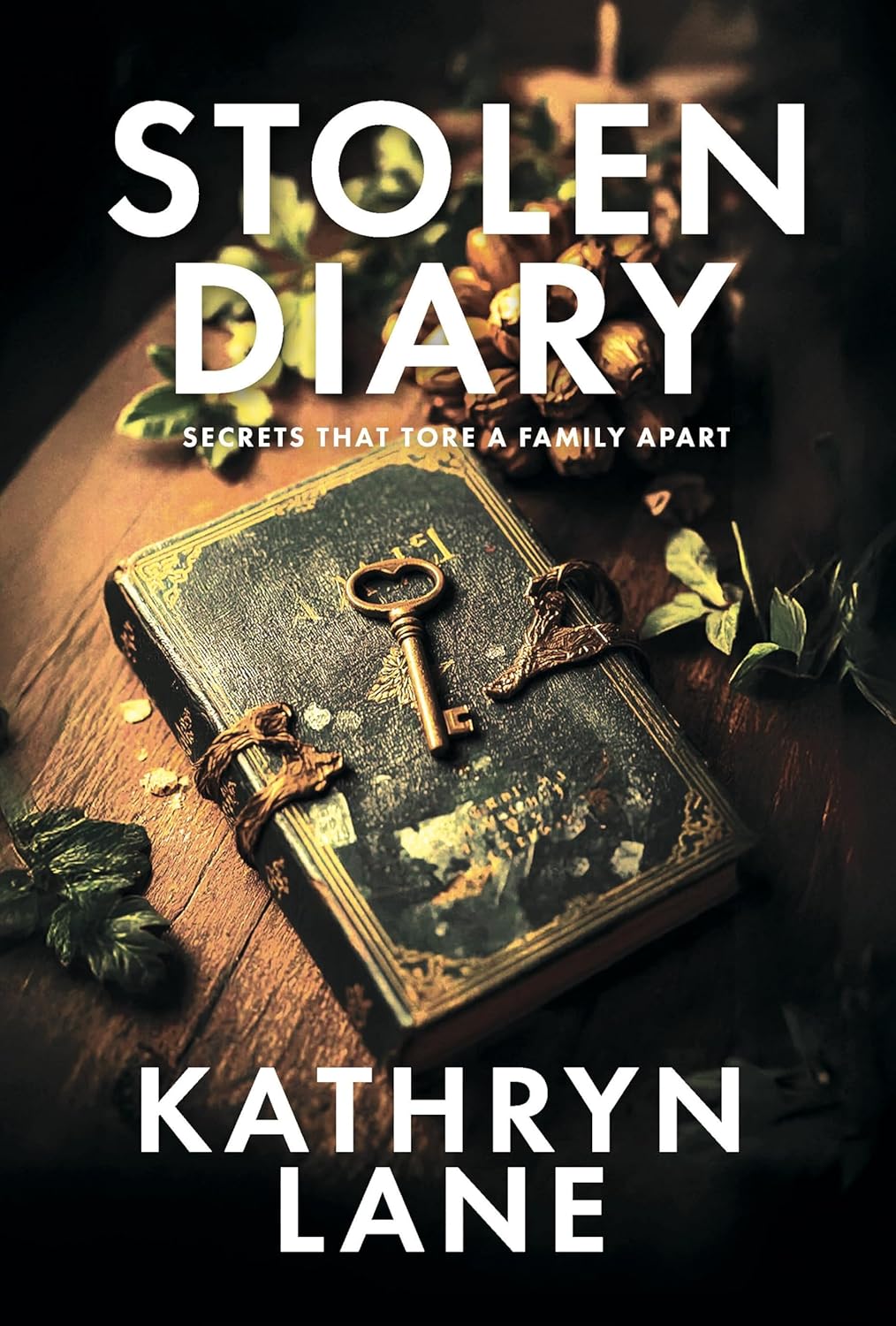
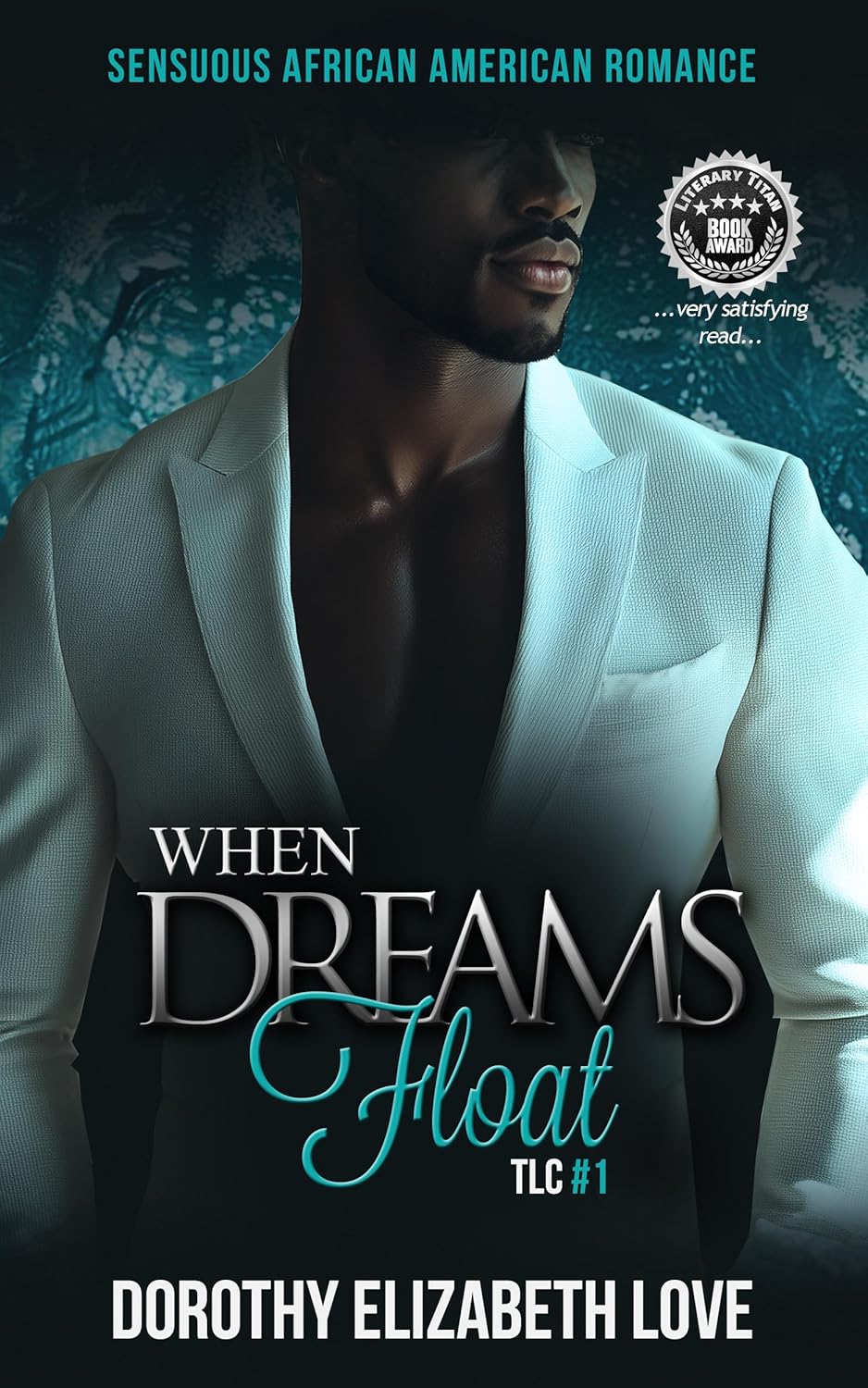






















The Moments Between Choices by Harris Kamal
Secretos De Familia by Diego Uribe
Once Upon A Time In The Big Easy: Down On The Bayou by Wilson Jackson
Visit the Literary Titan Book Awards page to see award information.
The Knight at the Top of the Stairs


The Knight at the Top of the Stairs is an unsettling and emotionally resonant piece of psychological horror masquerading as a classic coming-of-age story. Set against the turbulent backdrop of 1968, the novel centers on nine-year-old David, a boy whose world, already fractured by historical tragedy, becomes increasingly governed by mythic struggle. His childhood home in Pine Hill, Massachusetts, becomes a metaphysical battleground, haunted by the rigid, silent vigilance of the ‘Knight at the Top of the Stairs’ and actively threatened by the ‘Buzzing Man,’ a creature of sickening, honey-sweet temptation that seeks to corrupt loyalty and exploit fear, particularly through David’s older brother, Steven. The narrative intricately weaves real-world chaos with deep-rooted occult evil, forcing David to discard the safe, simple rules of childhood for the complex, brutal code of knighthood, compelling him toward a final confrontation where he must determine the price of protecting the helpless.
My strongest emotional response stems from the author’s ability to juxtapose the cosmic horror with such tangible, domestic fear. The novel’s central theme, that historical trauma and moral failure do not fade but become inherited burdens, is articulated through the question, “Will you stand, or will you kneel?” It is a choice that hangs over every character, particularly David, whose journey from naive fear to resolute courage is genuinely moving. The inclusion of real-life upheavals, such as the distant, televised horrors of the Vietnam War and national assassinations, anchors the internal, supernatural dread, suggesting that the true source of evil is not the entity in the cellar, but the willingness of men to be whispered into betrayal. I felt a palpable sense of dread build throughout the middle chapters, not just because of the encroaching monster, but because of the agonizing realization that David’s own family history is intrinsically bound to this ancient conflict, leaving me utterly immersed in the moral weight of his inheritance.
The craftsmanship of the writing itself is exceptional. The prose possesses a rare lyrical intensity that elevates the narrative beyond typical genre fare. Author Brett Bacon employs an effective rhythm, utilizing both sharply concise sentences and sweeping, descriptive passages to maintain an almost unbearable tension. The voices of the children are rendered with startling clarity. David’s attempts to form new “rules” to govern the terrifying unknown, Kevin’s wide-eyed innocence and subsequent psychic sensitivity, and Steven’s rapid, chilling descent into malevolence, all felt tragically real. I found myself sympathetic to David’s father, whose own buried wartime experiences mirror the ancient knight’s legacy, adding layers of sorrow to the final, necessary fight. It is a text that demands, and rewards, careful reading.
The Knight at the Top of the Stairs is a dark and philosophical powerhouse that successfully merges the psychological depth of a domestic drama with the existential threat of epic fantasy. I highly recommend it to readers who appreciate character-driven horror that focuses less on jump scares and more on the slow, corrosive influence of evil, particularly fans of Stephen King’s early, atmospheric works (like It) or those who enjoy stories about inherited guilt and the cost of moral vigilance.
Pages: 225 | ASIN : B0FVP5KP5L

Dark Threads: A Gathering of Dark Fantasy Tales, Vol.1

Kat Farrow’s Dark Threads is a collection of three short, dark fantasy stories. Each one explores a different, gloomy world full of desperate people. “The Breath Borrower” is about a holy thief who steals breath from the living to give to the dying. “The Withering” follows a scholar trying to save her world as it, and she, fade away. The last story, “Vapors of Misuse,” is a bleak tale of two twins bound by magic and a thirst for revenge against a tyrant. All three stories are tied together by themes of sacrifice, grim choices, and magic that costs way too much.
Farrow builds these worlds that feel incredibly heavy and real. You can almost smell the back alleys in “The Breath Borrower” or feel the chill of the Underland in “The Withering.” It’s not flashy writing. It’s solid and direct, and it uses that simplicity to hit you hard. I felt a real sense of dread and hopelessness seeping from the pages. These stories are not about heroes. They are about survivors, and the writing makes you feel the weight of that survival. It’s an impressive feat, making things feel so gloomy yet so compelling.
What really stuck with me were the ideas. The magic systems are brutal. The whole idea of a third lung for borrowing breath was new to me, and it was wrapped up in so much guilt and duty for the main character. The final story, “Vapors of Misuse,” was just a gut-punch of an idea. The magic, the blood ritual, the twin-bond, the “Seizing,” it was all so tangled and dark. I found myself thinking about the characters long after I finished. They aren’t always likable, but their motives are powerful. They are driven by things like revenge or a desperate, fading hope, and that felt incredibly human, even in these dark fantasy worlds.
Dark Threads is a heavy read, and I mean that as a compliment. The stories are tough, and the endings are not neat, tidy bows. They’re bloody, and they’re sad, and they feel earned. I would definitely recommend this book. If you love your fantasy truly dark, and you like stories that make you feel something real and gritty, you should pick this up.
Pages: 79 | ASIN: B0FM6DD3ZR
Bloodless We Go Buried: An Earth Mother Horror

Bloodless We Go Buried unfolds as an Earth Mother horror story that blends myth, ancestral memory, and a feeling of something old waking beneath the everyday world. The book moves through dreamlike scenes where the natural world feels alive and watchful. Its language carries a poetic rhythm, and the Proto Celtic threading through the chapters adds a strange and ancient pulse. The story works like a long walk through dark woods where every shadow seems to breathe, and where the characters find themselves caught between fear, kinship, and something that feels like a summons from the deep past.
The voice of the book has this raw and intimate quality that made me feel like I had stepped into someone’s private ritual. The writing style is bold and emotional. It plays around with language in ways that sometimes made me pause and reread, not because it was confusing but because it felt like I had stumbled into a hidden doorway. I liked that the horror leans more toward mood and spirit than monsters. It creeps instead of jumps. Every time I thought I knew where the story was going it would slide sideways and make me rethink what I thought I understood about the characters and the land.
At times, the prose leans into its own intensity, and I found myself both loving it and wanting to come up for air. Some passages feel almost like a personal journal or a field notebook. That mix made the book feel alive. I appreciated that the author was not afraid to be weird or tender or blunt. There is humor tucked between the shadows, too. A kind of self-awareness that kept me grounded while the story tried to lift me into stranger places.
In the end, I walked away feeling stirred and a little haunted. I would recommend Bloodless We Go Buried to readers who enjoy literary horror, mythic fiction, poetic language, and stories that feel more like a dream you carry with you afterward. If you like books that make you slow down and sink in, this one might be exactly what you are looking for.
Pages: 324 | ASIN : B0F463PNKY
Literary Titan Book Award: Fiction

The Literary Titan Book Award honors books that exhibit exceptional storytelling and creativity. This award celebrates novelists who craft compelling narratives, create memorable characters, and weave stories that captivate readers. The recipients are writers who excel in their ability to blend imagination with literary skill, creating worlds that enchant and narratives that linger long after the final page is turned.
Award Recipients


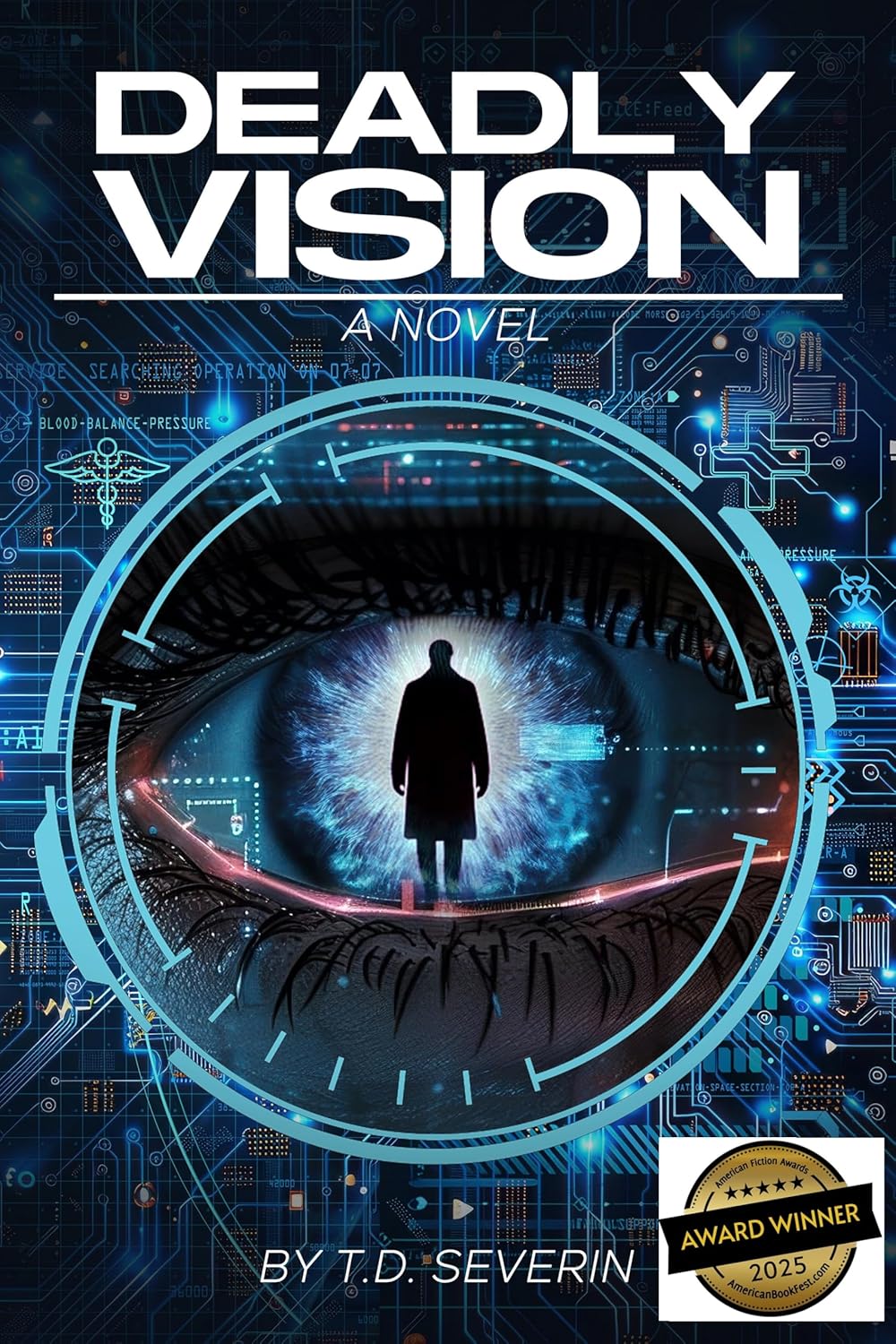

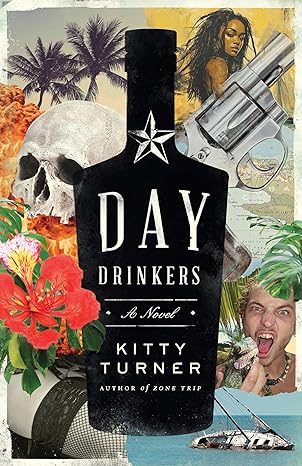
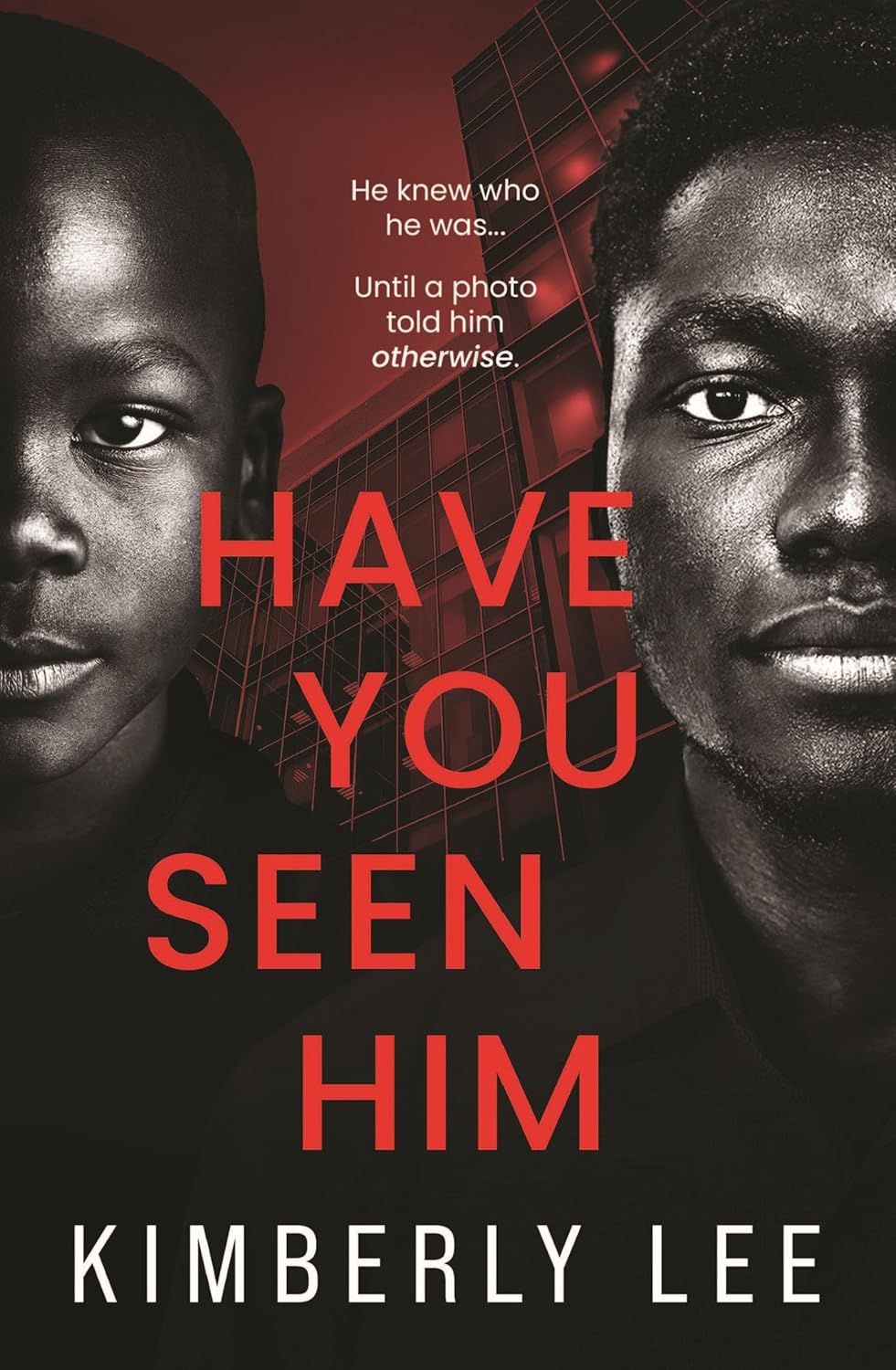
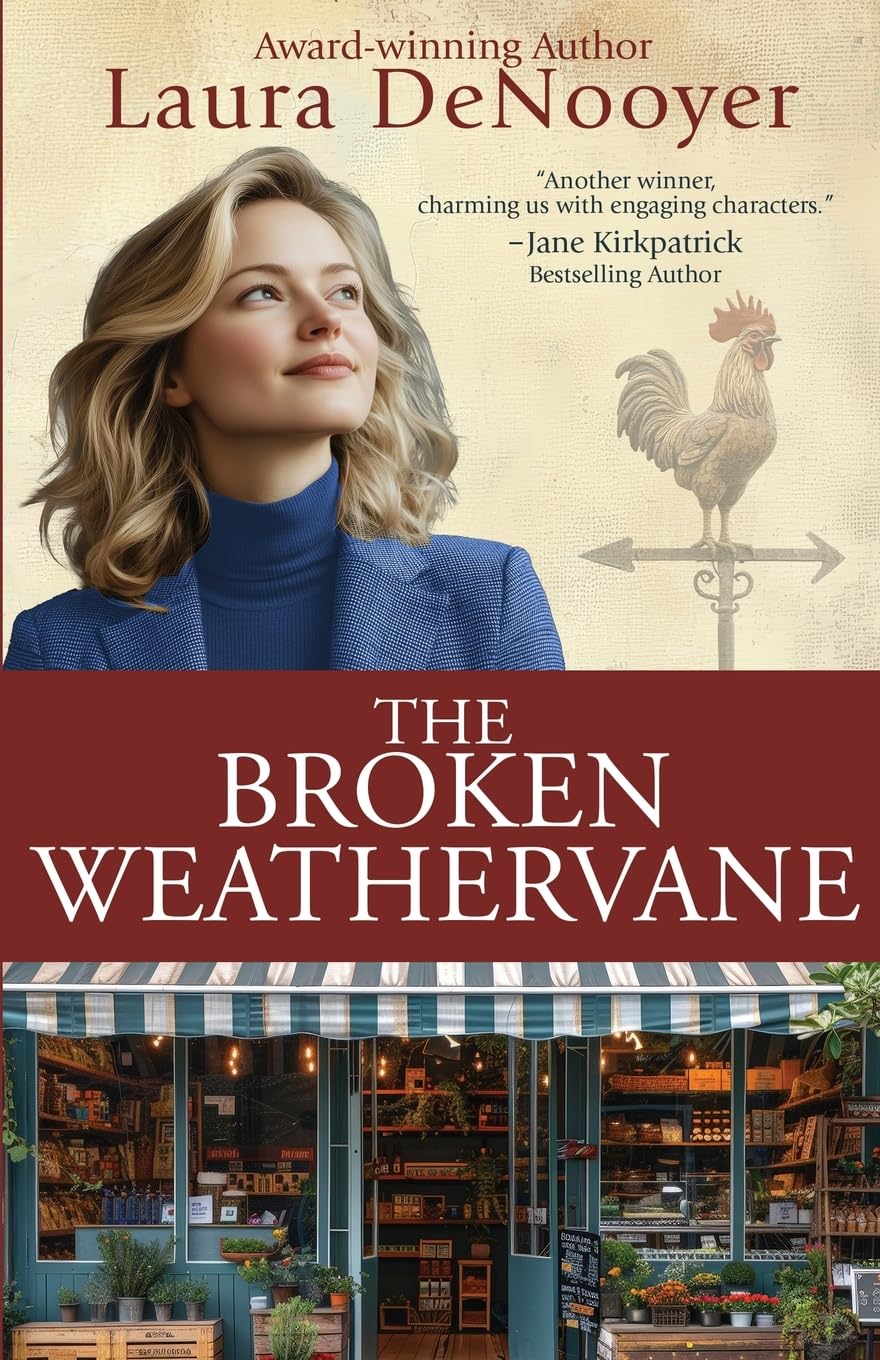




















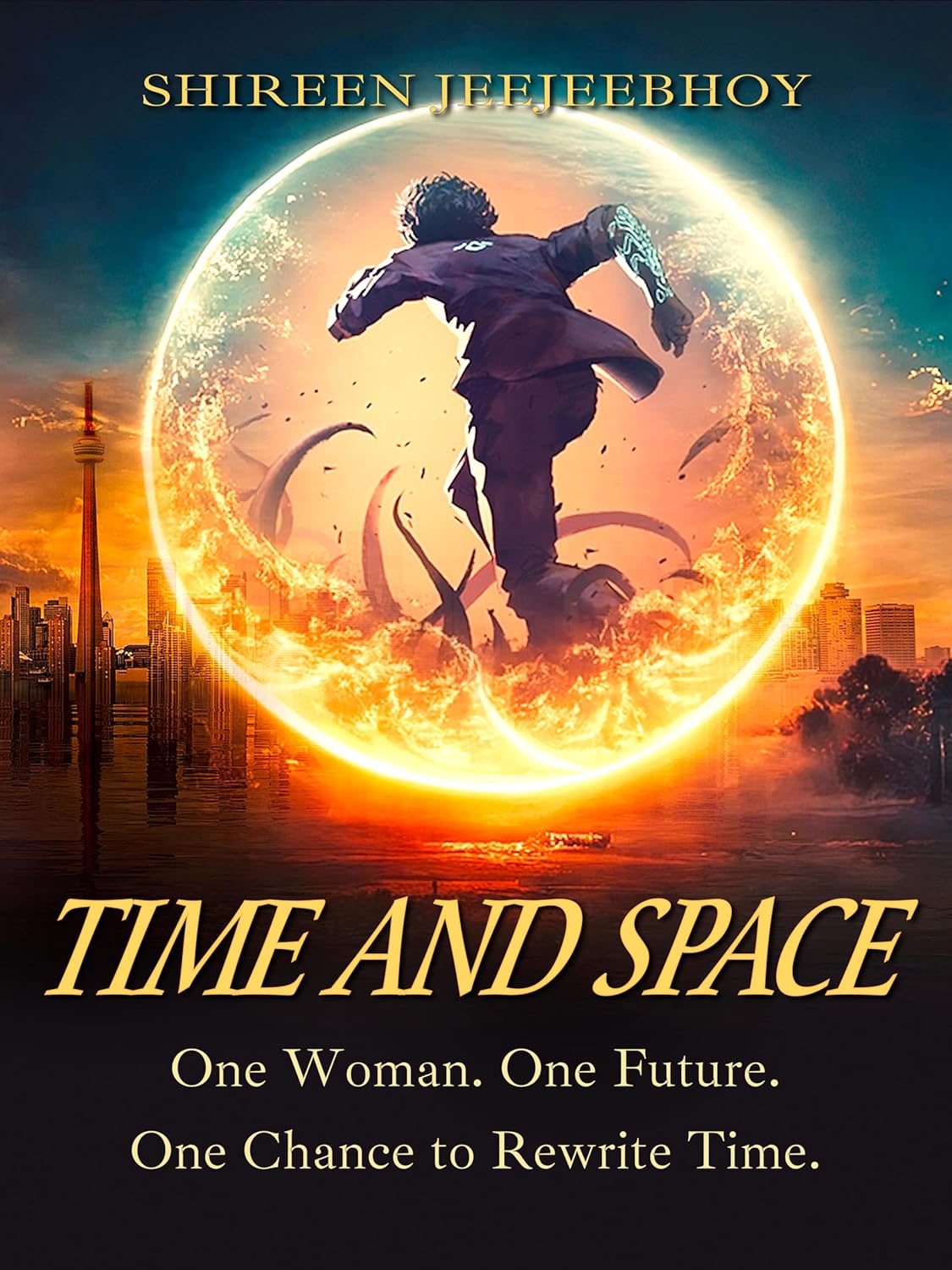
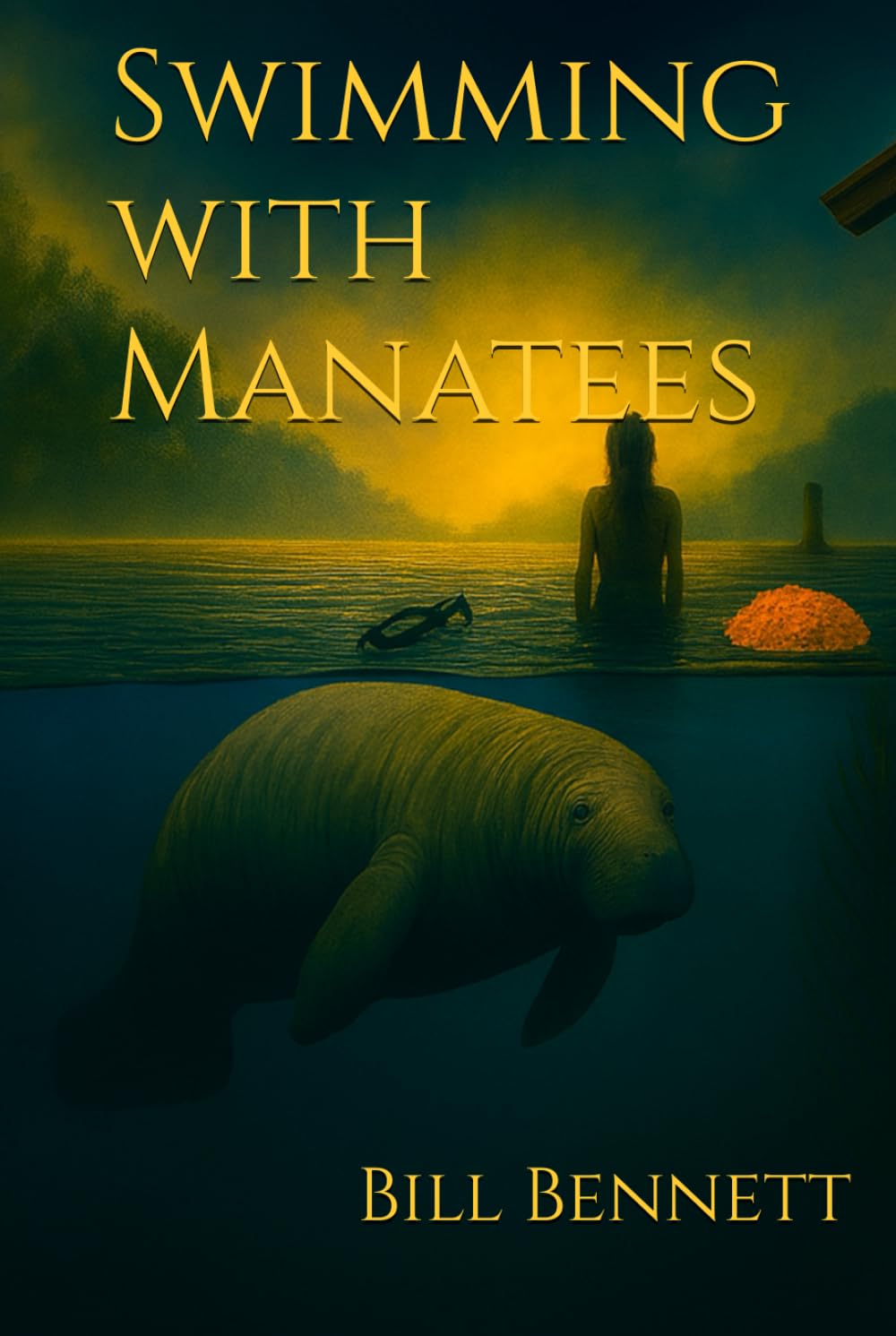


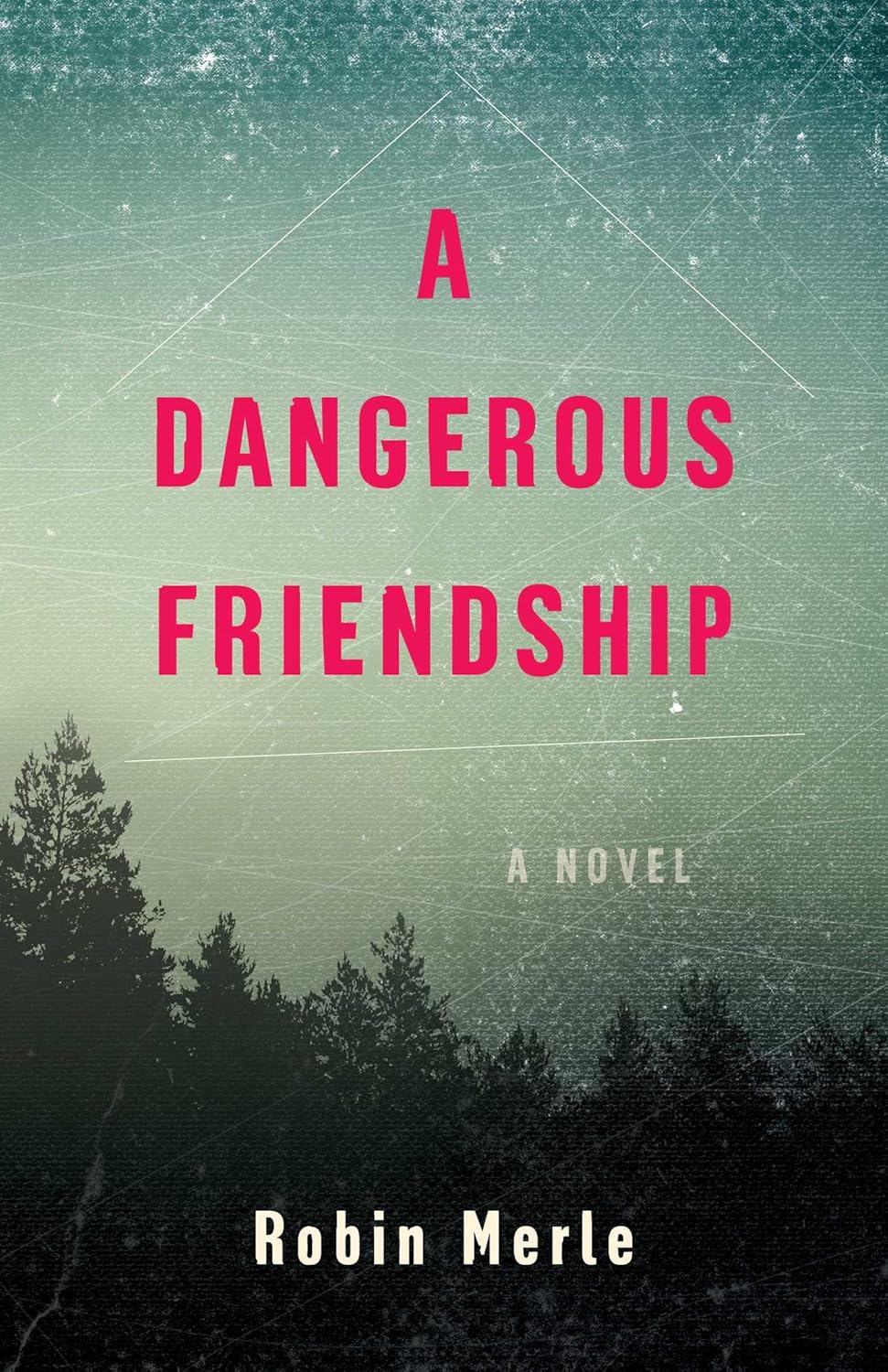
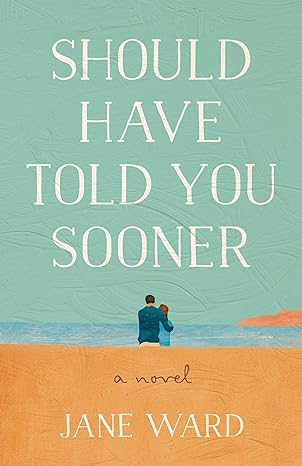



Childhood’s Hour: The Lost Desert
Visit the Literary Titan Book Awards page to see award information.
Literary Titan Silver Book Award
Celebrating the brilliance of outstanding authors who have captivated us with their skillful prose, engaging narratives, and compelling real and imagined characters. We recognize books that stand out for their innovative storytelling and insightful exploration of truth and fiction. Join us in honoring the dedication and skill of these remarkable authors as we celebrate the diverse and rich worlds they’ve brought to life, whether through the realm of imagination or the lens of reality.
Award Recipients
























Filaments by KZK Zuganelis Kasling
Visit the Literary Titan Book Awards page to see award information.
CRIMSON BLOODLINES The Rise of King Musa Africa’s First Vampire

Crimson Bloodlines tells the story of Emma Woodford, a passionate genealogist whose quest to uncover her family roots leads her to a shocking discovery, she is descended from King Musa I of Mali, the famed ruler of the 14th century. Her curiosity takes her from the quiet hum of city life to the scorching heart of Africa, where history, myth, and horror collide. The story starts like a historical mystery and slowly turns into a supernatural thriller, blending the grandeur of West African history with the dark myth of vampirism. The book pulls readers from scholarly research tables to ancient ruins and secret cities hidden beneath the desert sands, creating an atmosphere thick with tension and wonder.
I didn’t expect a vampire story to weave so neatly into African history, but author Aubin Jack makes it work. His writing has a cinematic feel. You can almost hear the hiss of the desert wind or see the gleam of a gold-encrusted citadel rising from the dunes. At times, the prose is lush and descriptive, even indulgent, which slows the pace but also deepens the mood. I found myself swept up in the worldbuilding, the Tuareg warriors, the sacred baobab trees, the mystery of Old Mali, though I occasionally wished for a tighter focus. Still, the book’s heart beats with genuine curiosity about ancestry, identity, and power. I felt Emma’s excitement, her fear, her awe at discovering she might be part of something ancient and monstrous.
Underneath the fantasy and bloodshed is a sharp commentary on legacy and climate change, a surprising but fitting connection, given the author’s background in public safety and activism. Some passages veer into lecture territory, but they come from a sincere place. What stood out to me most was how human this story feels despite its supernatural premise. The vampire lore isn’t just for thrills; it’s used to explore how power, greed, and immortality twist even noble intentions. By the time King Musa’s transformation unfolds, the horror feels earned. It’s not just about monsters feeding on blood, it’s about humanity feeding on the planet and on each other.
Crimson Bloodlines is part adventure, part history, part warning. I’d recommend it to readers who like their historical fiction with a bite of the supernatural, especially those drawn to African mythology, lost civilizations, or climate-driven allegory.
Pages: 150 | ASIN : B0DTRL2D52

The Hunger of the Dragon
The Hunger of the Dragon is a brutal and immersive plunge into a grim world of Norse myth reborn in shadow. The story follows Märren, a haunted warrior mother carrying her daughter’s skull through rain-soaked mountains, hunted by trolls and later captured by the Sea Serpent clan. Her desperate quest to find the Dragon people, to claim a god’s scale, intertwines with Caëtin, a Raven berserker navigating shifting alliances and divine magic. It’s a saga thick with loss, myth, and raw survival, where every battle feels like it was written in blood and mud. The book draws from the bones of Norse legend but rebuilds the myth into something darker, stranger, and heartbreakingly human.
Author R.M. Schultz writes with a grim beauty that’s almost hypnotic. The language is visceral, heavy with texture and sound. It’s not a kind story. There’s no bright hero or warm victory, only people scraping meaning from ruin. Still, the characters burned themselves into me. Märren especially. She’s hard, bitter, tender in private moments. Caëtin feels carved from ice and fire, both ruthless and weary. I found myself pulled between them, torn by their choices.
By the time I finished, I felt wrung out. The book leaves you raw, sitting in silence for a while after closing it. Schultz doesn’t flinch from horror or grief. There’s love here, too, but it’s buried deep, found in loyalty and defiance more than tenderness. I liked that honesty. The pacing runs hot and cold, slow scenes steeped in myth and madness, then sudden violence that makes you jump. It’s harsh, yet beautiful. The kind of writing that crawls under your skin and stays there. I didn’t love every choice, sometimes the lore weighed down the emotion, but the ambition is staggering. The world feels ancient and endless, as if Schultz unearthed it rather than invented it.
I’d recommend The Hunger of the Dragon to readers who want their fantasy rough and full of heartache. If you like sagas that smell of smoke and iron, if you want women who fight and bleed and curse the gods, this is for you.
Pages: 574 | ASIN : B0FSYM7GK3



 LITERARY TITAN