Blog Archives
You Can Overcome the Obstacles

In Dark Agent, you share with readers your extensive military experience ranging from your time in military school to your 22-year career in the Diplomatic Security Service. Why was this an important book for you to write?
I have always felt a calling to share my personal experience with those, especially who have come from challenging upbringings to show that with hard work, diligence and perseverance that you can overcome the obstacles that have been placed in your path.
I appreciated the candid nature with which you tell your story. What was the most difficult thing for you to write about?
Writing about the abuse that my mother suffered was particularly painful. It was such a dark time in my life and in my family’s life, and I had largely suppressed those uncomfortable memories. But in writing Dark Agent, those memories returned vividly and the emotions of those events are still very real.
Is there anything you now wish you had included in Dark Agent?
My grandparents, on both my mother and father’s sides, led lives that were so incredibly fascinating and successful and I believe I could have fleshed out there stories a little bit more as their influence on me has been evident in my journey.
What is one thing you hope readers take away from your experiences?
The importance of service and country over self and personal gain, and the understanding of the tremendous unknown contributions that peoples of color make to the security of our nation everyday.
Author Links: Instagram | Website
Casselle was a young Army captain on 9/11 and then became a special agent with the U.S. Department of State’s Diplomatic Security Service (DSS). His service spans over twenty-five years and over eighty countries around the world. From saving lives under fire in Baghdad, to defending his compound in Afghanistan and hunting down international fugitives in Belize, his compelling story leads all the way to his selection to the National Security Council at The White House.
DARK AGENT, The Memoirs of L.W. Kwakou Casselle is a hard hitting, action-packed, and intensely personal part of a Black American family’s legacy of service that first began in The Civil War and will continue with the next generation of Casselles.
Finding YOU and Living Your Own Story: Little Essays on Big Thoughts about Female Identity
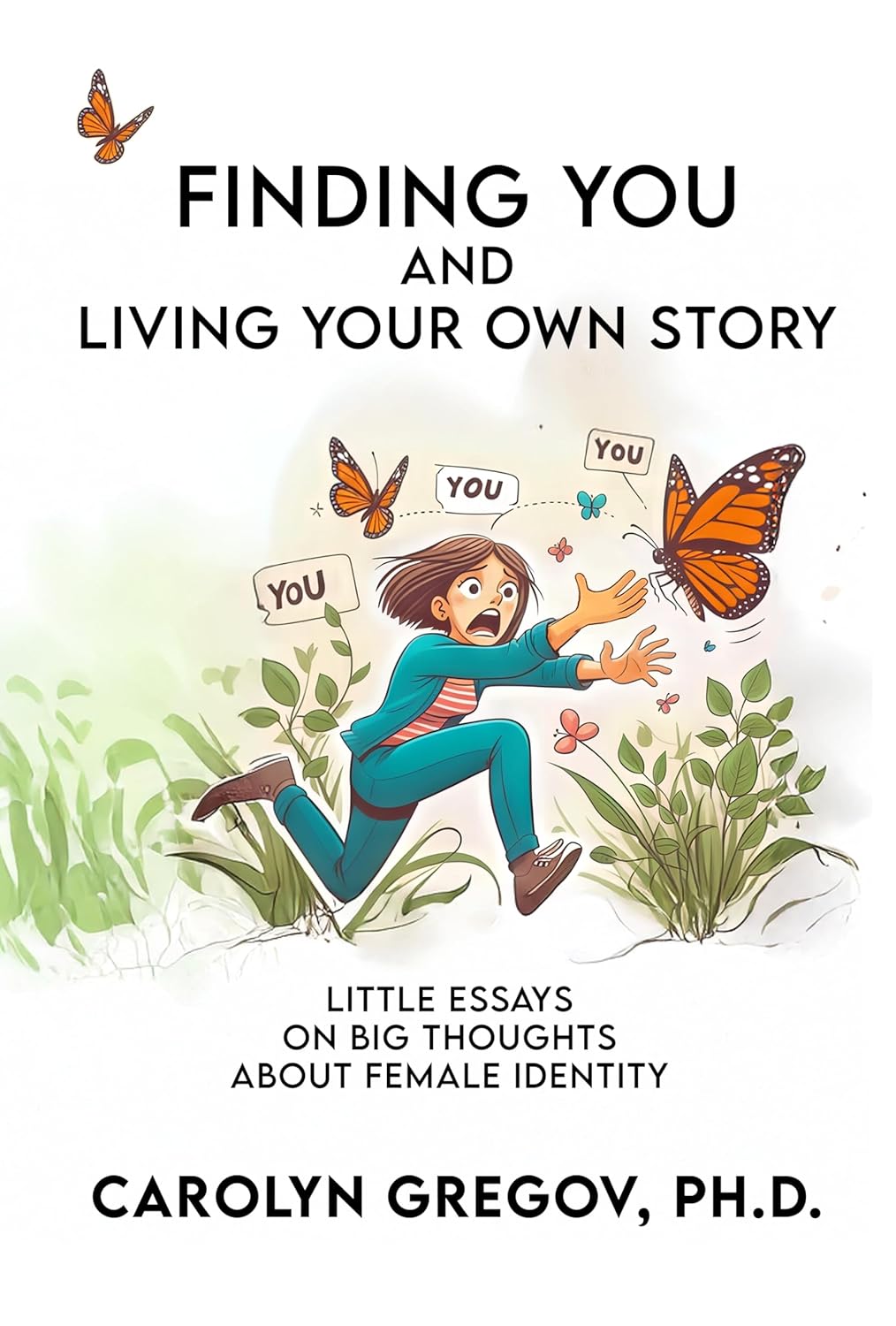

Finding YOU and Living Your Own Story is a collection of short essays that explores what it means for women to search for identity, push back against cultural expectations, and claim a life that feels truly their own. Author Carolyn Gregov Ph.D. blends personal stories, social critique, humor, and reflection as she moves through themes like authenticity, patriarchy, shame, relationships, agency, biology, and the complicated legacy of religion. Across chapters, she pulls readers through her own experiences, from convent life to marriage to academic study, and uses them to highlight how hard and how necessary it is for women to define themselves in a world that insists on defining them first.
I was pulled in by her voice. It’s direct and warm and sometimes almost mischievous, like she’s telling you the truth she wishes someone had told her decades ago. I found myself reacting emotionally to her stories, especially when she described the conflict between wanting to remain obedient to the structures that shaped her and wanting to honor the questions that arose inside her. I saw courage in her willingness to say she didn’t believe what she had been taught to accept. I also felt real frustration, because so much of what she recounts about patriarchal norms and expectations still echoes loudly today. There were moments when her honesty was very emotional, and other moments where her humor made me laugh, even though the subject was painful.
What struck me most was how she positions identity not as a fixed truth waiting to be uncovered, but as something alive and shifting. Her stories show how identity is shaped by culture, family, power, shame, and biology. They also show how identity breaks open when a woman finally says, “Enough.” Her writing made me think about my own assumptions and how much of what women are asked to carry isn’t really theirs at all. I loved how she challenges big systems without drowning the reader in theory. She stays grounded in real life. Her language is clear and relatable.
Carolyn Gregov doesn’t pretend the world has changed as much as we wish it had. But she still urges women to claim their agency, their story, and their voice. I would recommend this book to women who are wrestling with self-definition, to anyone questioning old beliefs, and to readers who appreciate memoir mixed with reflection. It’s also a meaningful read for men who want to understand the inner landscape women navigate every day. It’s honest, sharp, funny, and heartfelt, and it invites you to rethink what it really means to live your own life.
Pages: 113 | ASIN: B0FPNPHFPD

Stateless in Paradise: A Stranded Soul’s Fight for Freedom

Stateless in Paradise tells the true story of Mikael Okuns, whose ordinary holiday trip turns into a year and a half of involuntary exile in American Samoa. The book moves from his childhood in Soviet Azerbaijan through his awakening identity, his escape from collapsing political structures, and his eventual entanglement in the American immigration system. It settles into a gripping account of what it means to have no legal country at all, no embassy to rely on, and no way home. The memoir blends family history, personal struggle, and a long fight for recognition. It becomes a record of survival and resilience inside a system that rarely sees the individual behind the paperwork.
When I first started reading, I expected a straightforward immigration story. Instead, I found something raw and relatable. Okuns writes with a kind of steady honesty that caught me off guard. He describes Soviet childhood scenes in warm detail, like the tiny library in the woods where he borrowed books or the crowded apartment where seven people shared two bedrooms. He also shares unsettling moments, like the political pressure he faced after writing to Margaret Thatcher as a schoolboy or the tightening fear that grew as war pushed his family from their home. His voice feels calm on the page, yet the emotion underneath builds quietly. I felt myself leaning in as he described life in exile in American Samoa, clinging to McDonald’s Wi-Fi to contact anyone who might help. The writing is simple and clear, and that simplicity gives his pain and confusion even more weight.
Okuns refuses to flatten his life into a neat arc. He shows messy parts of himself. He talks about desire, fear, and identity with a sort of brave directness. He brings forward the parts of coming-of-age that many memoirs rush past, and he does it without apology. I appreciated that vulnerability. It gave the whole book a pulse. Some chapters feel almost like small confession rooms. Others feel like travel logs written by someone who never meant to travel this far. And there were stretches where I sat with a tight feeling in my chest, especially when he describes what it is like to be truly stateless, to watch the world decide whether you belong anywhere at all. It is rare to read a memoir that mixes political reality with such personal tenderness, but this one does it.
Stateless in Paradise would be a strong fit for readers who want more than a travel story or a political drama, because it offers a deeply personal look at what it means to lose your place in the world and fight to find it again. It is especially good for people who enjoy memoirs rooted in resilience, LGBTQ+ identity, immigration challenges, and the complicated mix of family, culture, and selfhood. I would also recommend it to anyone who wants to understand statelessness on a human level rather than a legal one, since Okuns brings that reality to life with clarity and heart.
Pages: 470 | ASIN : B0FDYGFHS7
Bridges and Connections

In The Book of Oded, Chapter 2, you share with readers your most personal moments from love and loss to spiritual acceptance. Why was this an important book for you to write?
Why was this an important book to write, or why did I need to share my story? Well, when I first started writing this story, I didn’t actually feel a need to share it. I was working as an animator in a big Hollywood studio, and I felt like something was missing. After a few weekly meetings with a life coach, who was also my friend, I realized that what was missing from my life was ‘creativity.’ Being creative. I was working 12-hour days with a 2-hour commute each day, so when I’d get home, I was already too tired to do anything. My coach suggested writing. I had written a little when I was younger, but nothing serious, and so when I sat down to write, I still really didn’t know what to write about. I had a notebook and a pen, and I sat by my desk and stared at the blank page. A few moments passed, and suddenly, I picked up the pen and started writing. I wrote one sentence and stopped. I had no idea where that came from, but I knew EXACTLY what I was writing about. In the next few months, as I was writing the story, I was sure I was writing it for myself and myself only. I didn’t even share it with my husband of, then, 20 years.
Cut to about 4 years later. At the request of my acting teacher, I brought my unfinished story to class, and I was ready to read about 5 minutes of it and discuss the topic of one-actor-shows.
I was convinced that what I wrote wouldn’t resonate with anyone in class. Not just because there were very few openly gay students there, but also because, as my thoughts were telling me, “Who’s gonna want to hear about your troubles and issues? They probably have some of their own…” But I did it anyway. I stepped up to the stage, sat down, and started reading. I read and read until I finished all that I had written so far. I looked up. The class was still, and someone shouted: “And then? What happened next?” Apparently, I was reading for about 20 minutes, and I had everyone closely following me, and they, obviously, were finding my writing interesting.
This was my first discovery that what I wrote, as a personal and unique story, was indeed touching and resonating with others.
Cut again to about 2 years later. My husband and I produced my one-man-show with the story that, by then, was finished and polished into performable material. The show ran in a small theater in Hollywood for 9 weeks, had great reviews, and above all, showed me, again and again, how universal and relatable it was, even with a diverse and eclectic audience.
I understood that my story, more than changing me, has the power to help and improve the lives of others. I also realized that I cannot keep performing it because, emotionally, it was too hard. Time passed, and about 10 years after the show was over, the idea of making a book out of it came up. Somewhat ironic, since the name of the show is “The Book of Oded”…
So why did I need to share my story? Because I know that learning about what others have been through, what they were thinking, and how they got over the challenges in their lives, helps them with their own difficult life situations. As the viewers or readers resonate with the story, bridges and connections are being created, communities become more powerful, and the feeling that we are all closer, more than we think, becomes stronger.
I appreciated the candid nature with which you share your story. What was the most difficult part for you to write?
The difficult part of writing the book, since I was writing about real-life experiences and challenges that I went through, was reliving some of these events. Some that I, unknowingly, hid deep inside, trying not to have to deal with again. As I was writing and remembering or sometimes realizing new facts about what and why I acted the way I did, it was challenging to face that. At the same time, I found it cathartic, and I felt relieved that I could come to terms with those emotions.
What advice would you give someone who is considering writing their own memoir?
When I was writing what eventually became my book, I was not aiming to write a book, or a memoir, or anything specific. I was just following an inner urge to write. To spill onto the page a story that wanted to be revealed. I listened to that urge, and I answered it. Since then, I do my best to write in the same way. I don’t want to push anything, to force anything. I write with a flow that comes naturally. Recently, I started writing fiction, and I am not saying, “I’m writing a book.” I’m just writing. I’m giving myself the space and the ease of not knowing until I know. That is my advice. Write with ease. Enjoy the process.
Be kind to yourself.
What is one thing you hope your readers take away from The Book of Oded, Chapter 2?
I hope something they read in my book touches their heart. What I mean by that is simple: something that makes them feel. It can be anger, sorrow, hope, any kind of feeling. I believe that our feelings are like a compass, helping us navigate through life. If anything makes us feel, and we pay attention to it, we get to take some steps on our life path and get more clarity about our life goals and life purpose.
Author Links: GoodReads | Website | Amazon
This real-life memoir follows Oded Kassirer’s journey through love in its many forms—love that comforts, love that tests us, and love that stays even when people are gone. With honesty and openness, Oded shares moments from his own life, weaving together memory, relationships, and the everyday search for meaning.
Each part begins with an image, creating a rhythm of words and photos that invite the reader to pause, reflect, and connect. The book moves gently between joy and loss, humor and sorrow, offering a window into how love shapes us over time.
The Book of Oded, Chapter 2 is both deeply personal and universal—a reminder that behind every story of one life, there is also the story of love itself.
Literary Titan Book Award: Nonfiction

The Literary Titan Book Award recognizes outstanding nonfiction books that demonstrate exceptional quality in writing, research, and presentation. This award is dedicated to authors who excel in creating informative, enlightening, and engaging works that offer valuable insights. Recipients of this award are commended for their ability to transform complex topics into accessible and compelling narratives that captivate readers and enhance our understanding.
Award Recipients










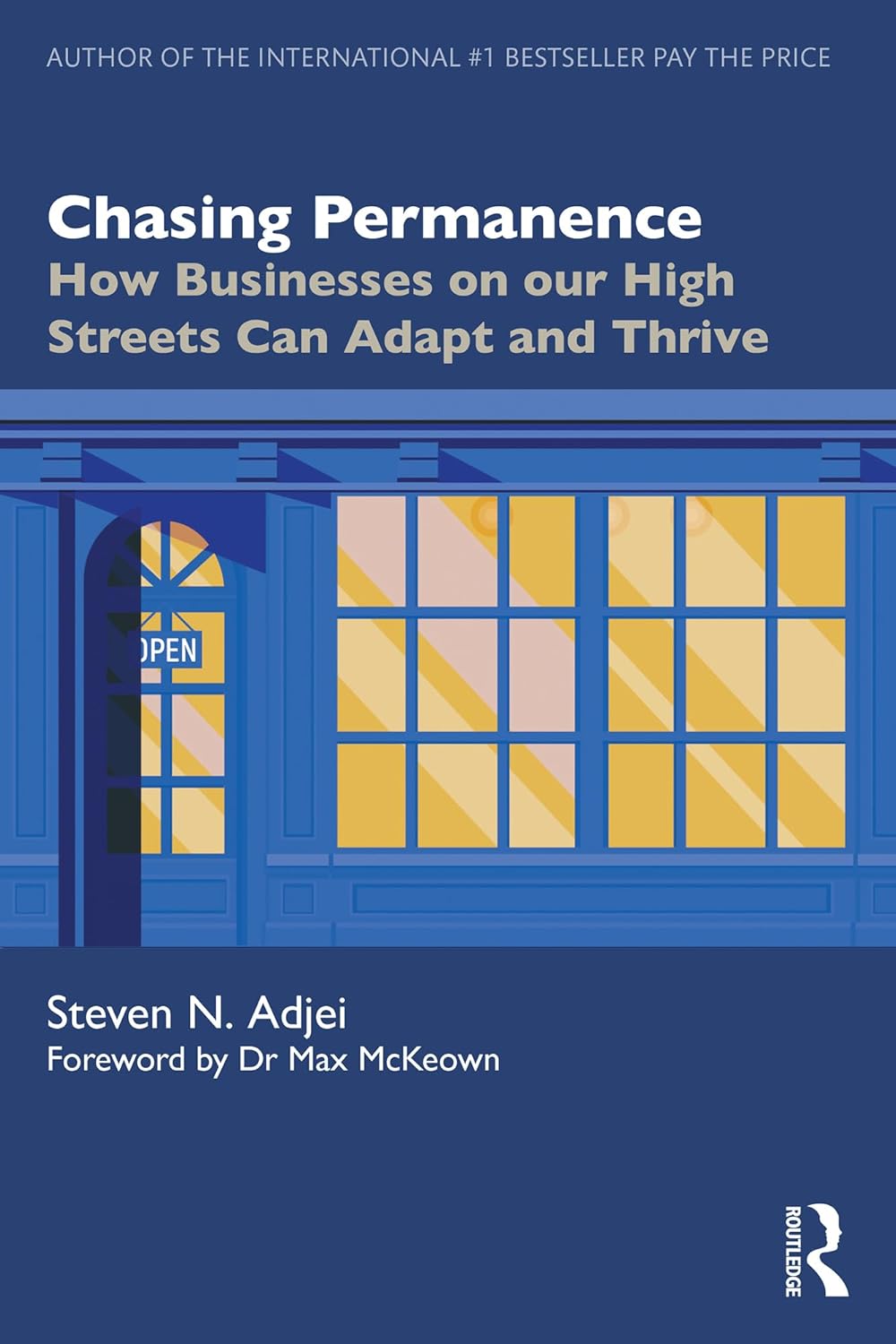

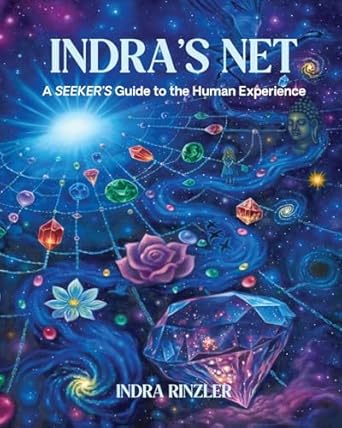

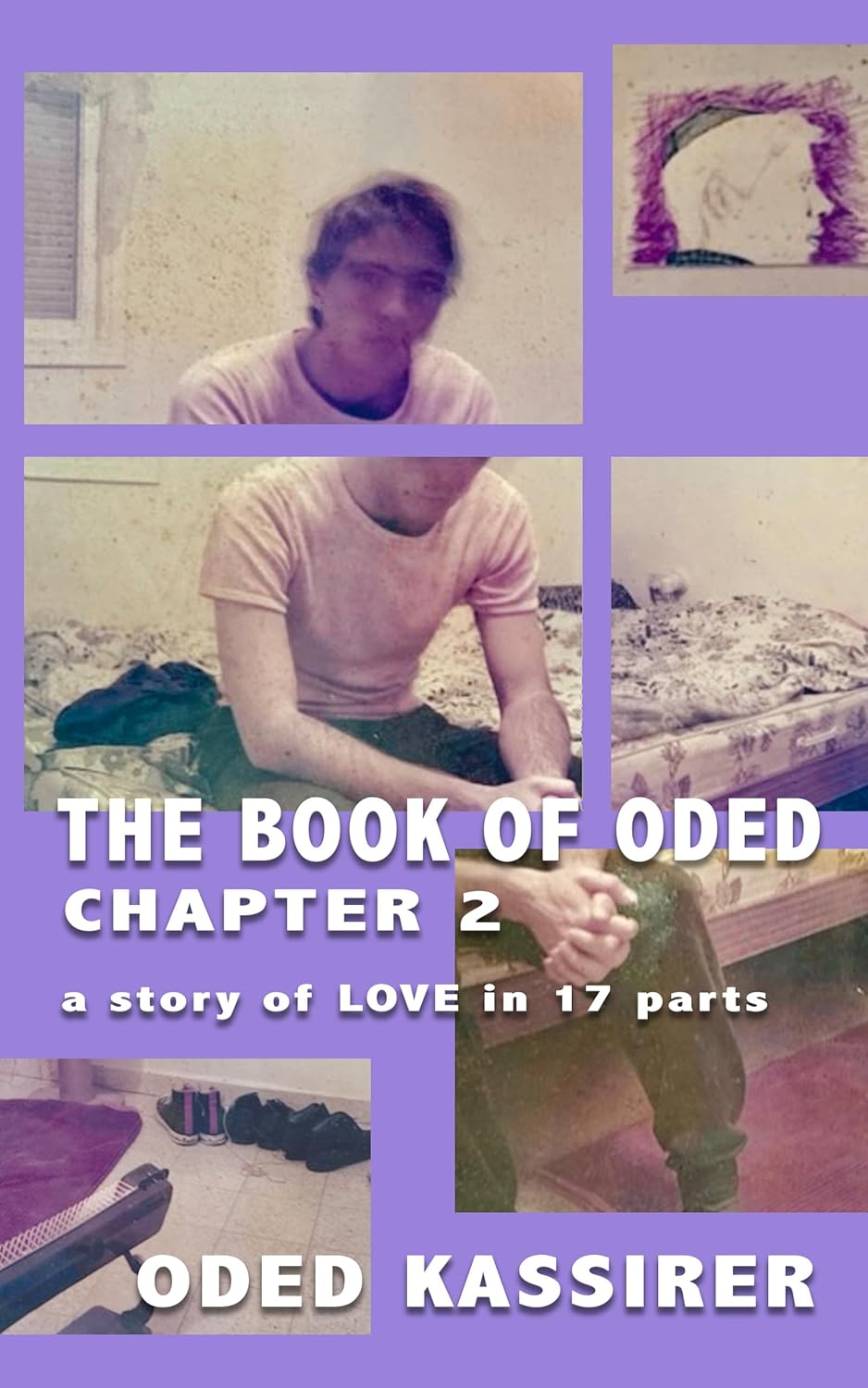
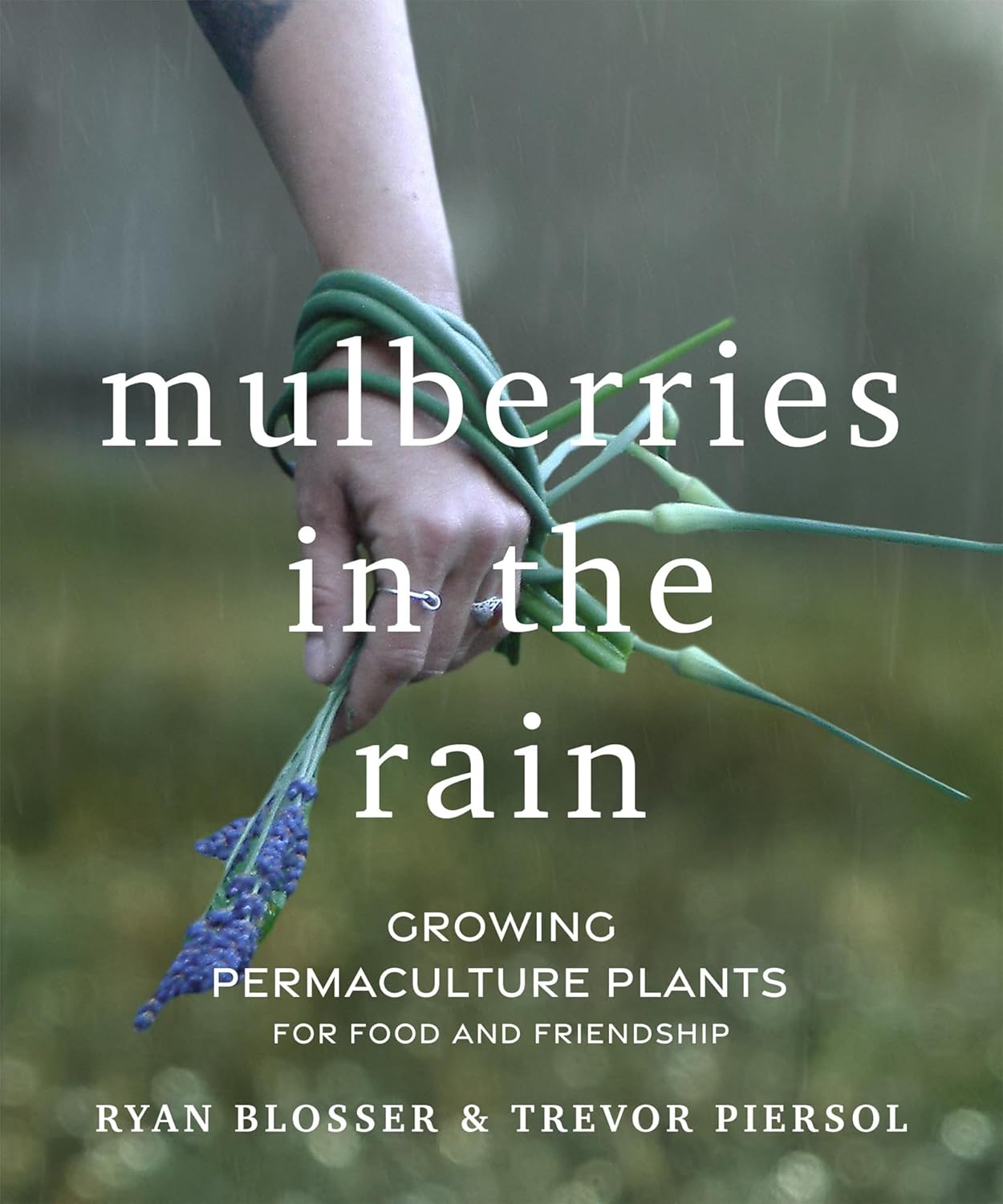


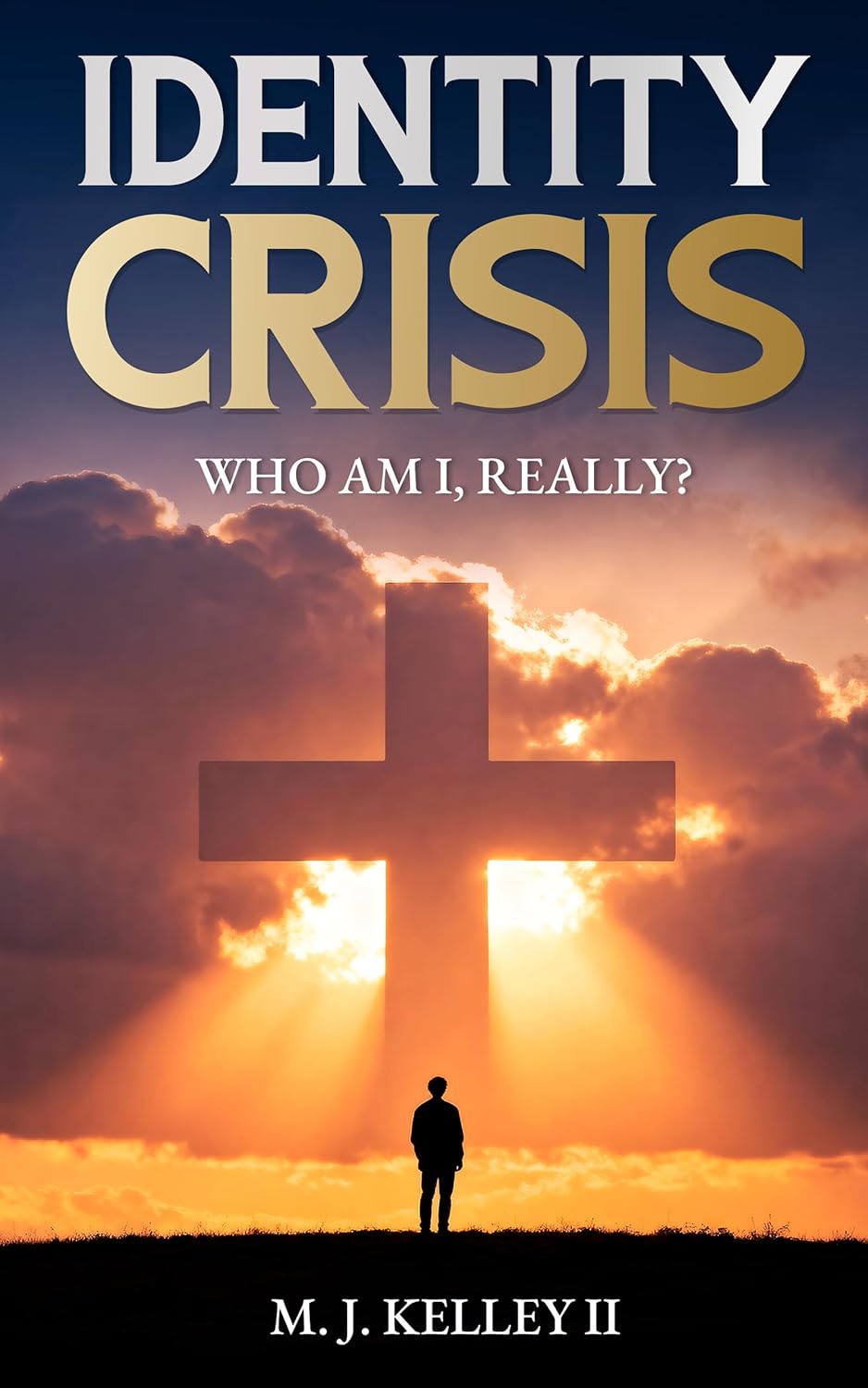
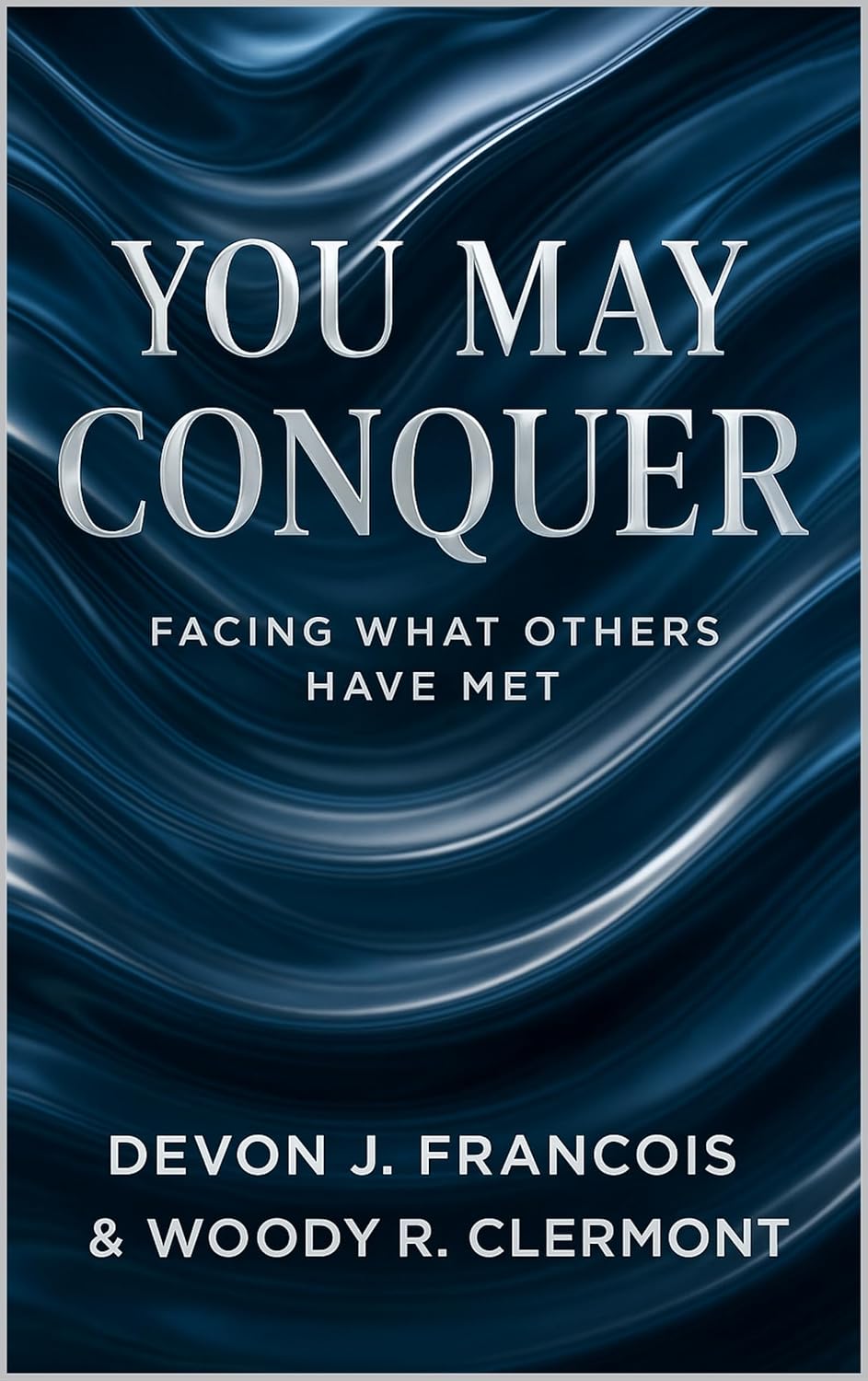

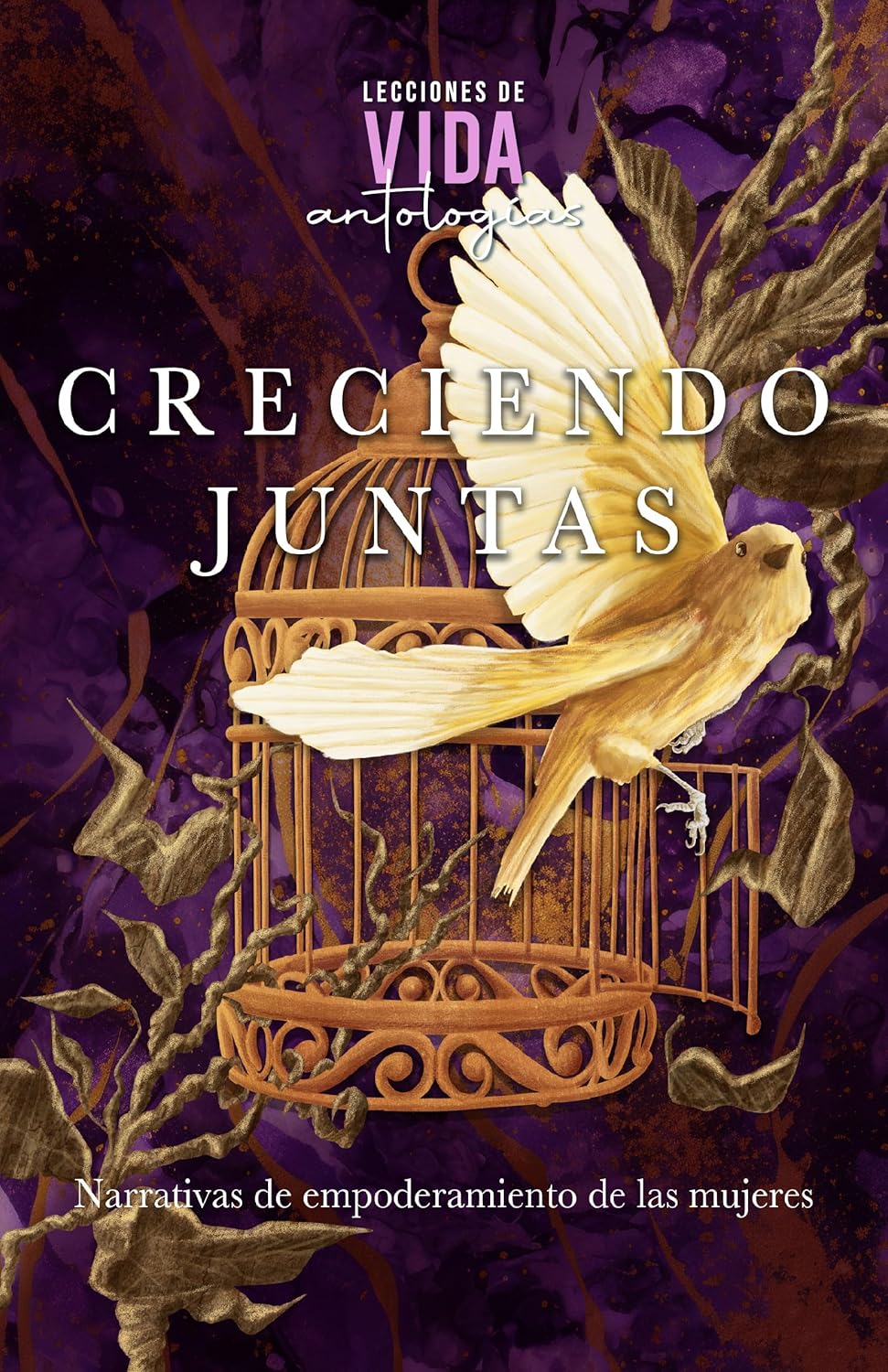

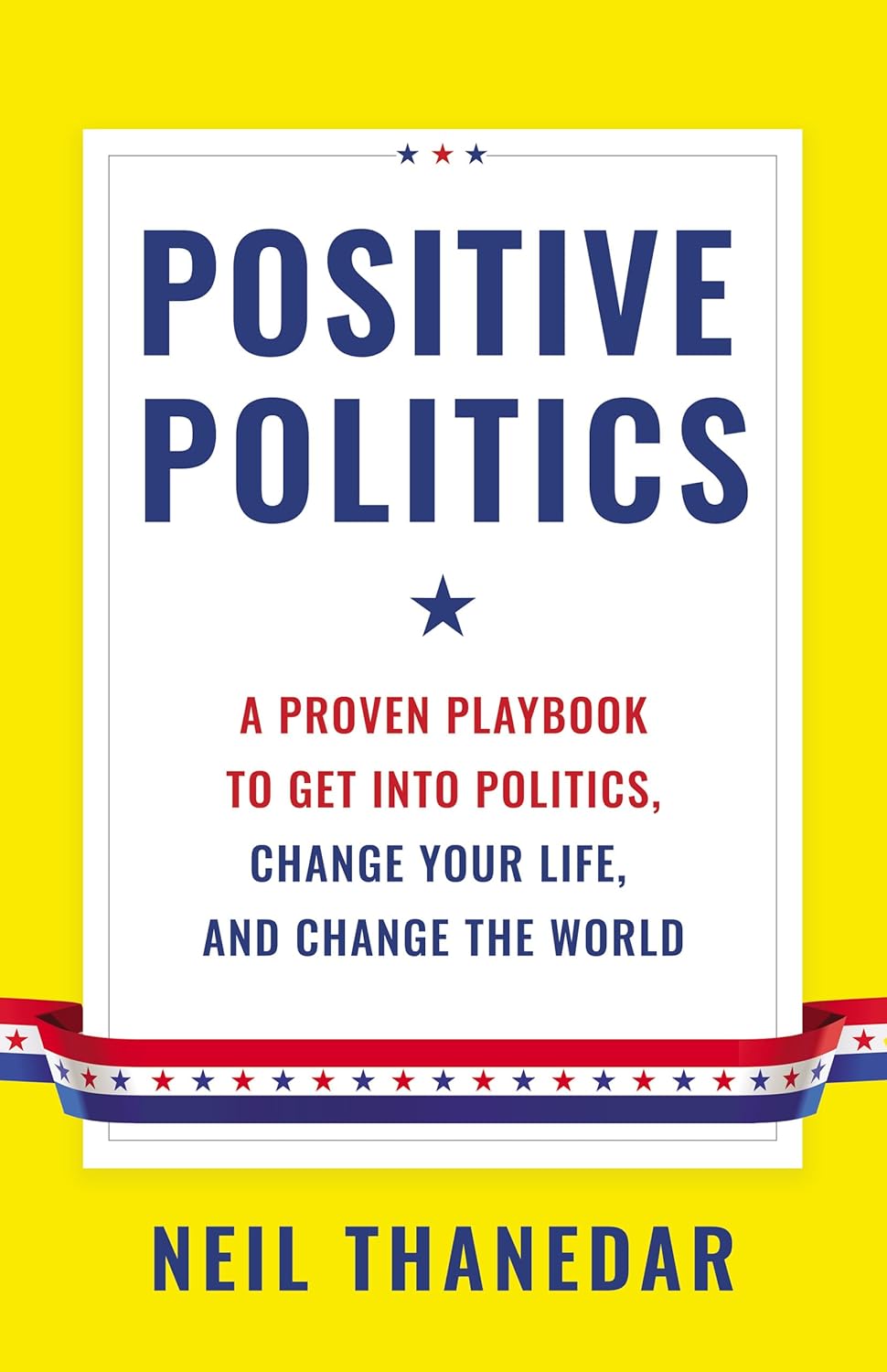


Visit the Literary Titan Book Awards page to see award information.
Literary Titan Silver Book Awards
Celebrating the brilliance of outstanding authors who have captivated us with their skillful prose, engaging narratives, and compelling real and imagined characters. We recognize books that stand out for their innovative storytelling and insightful exploration of truth and fiction. Join us in honoring the dedication and skill of these remarkable authors as we celebrate the diverse and rich worlds they’ve brought to life, whether through the realm of imagination or the lens of reality.
Award Recipients






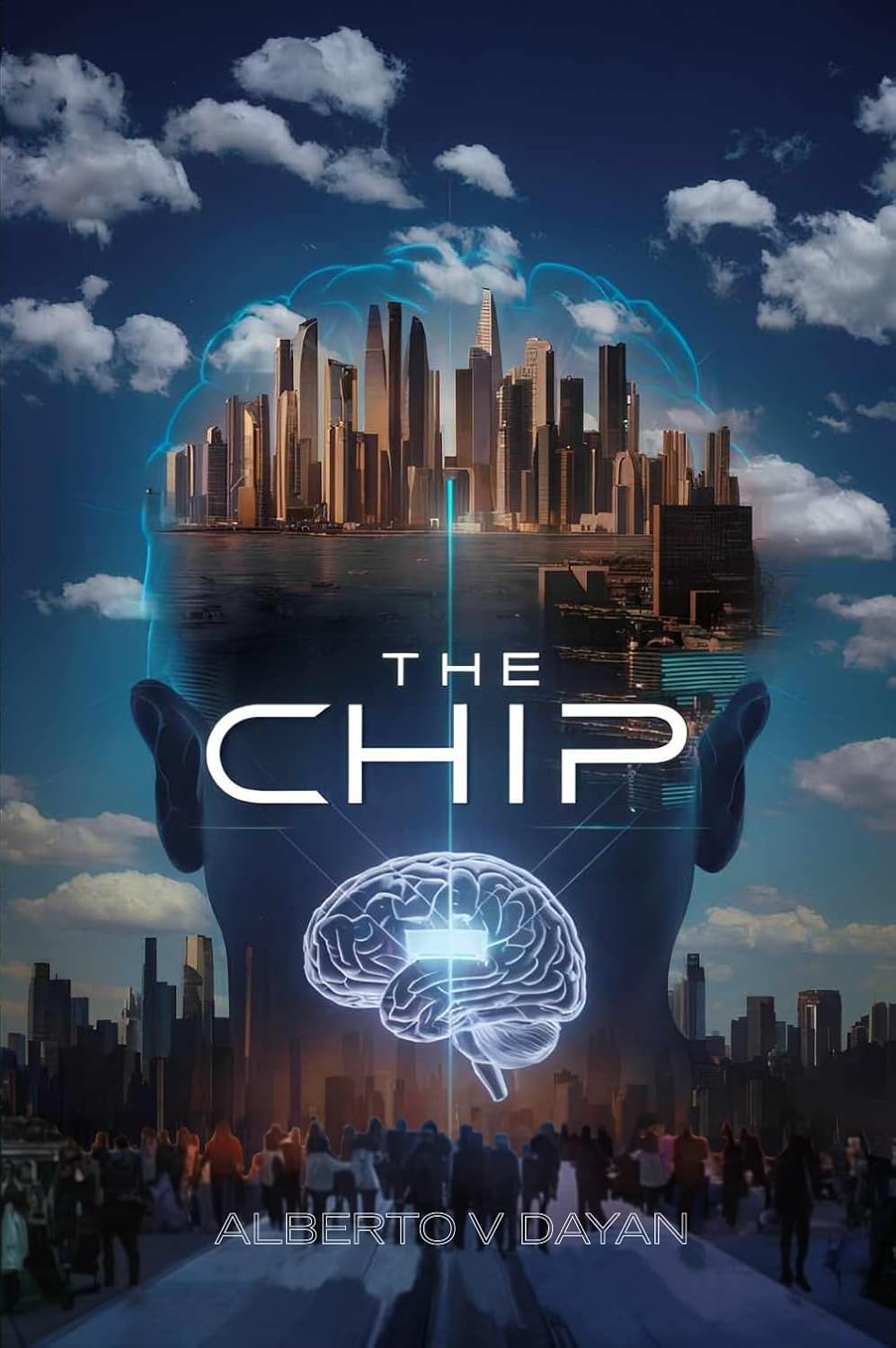


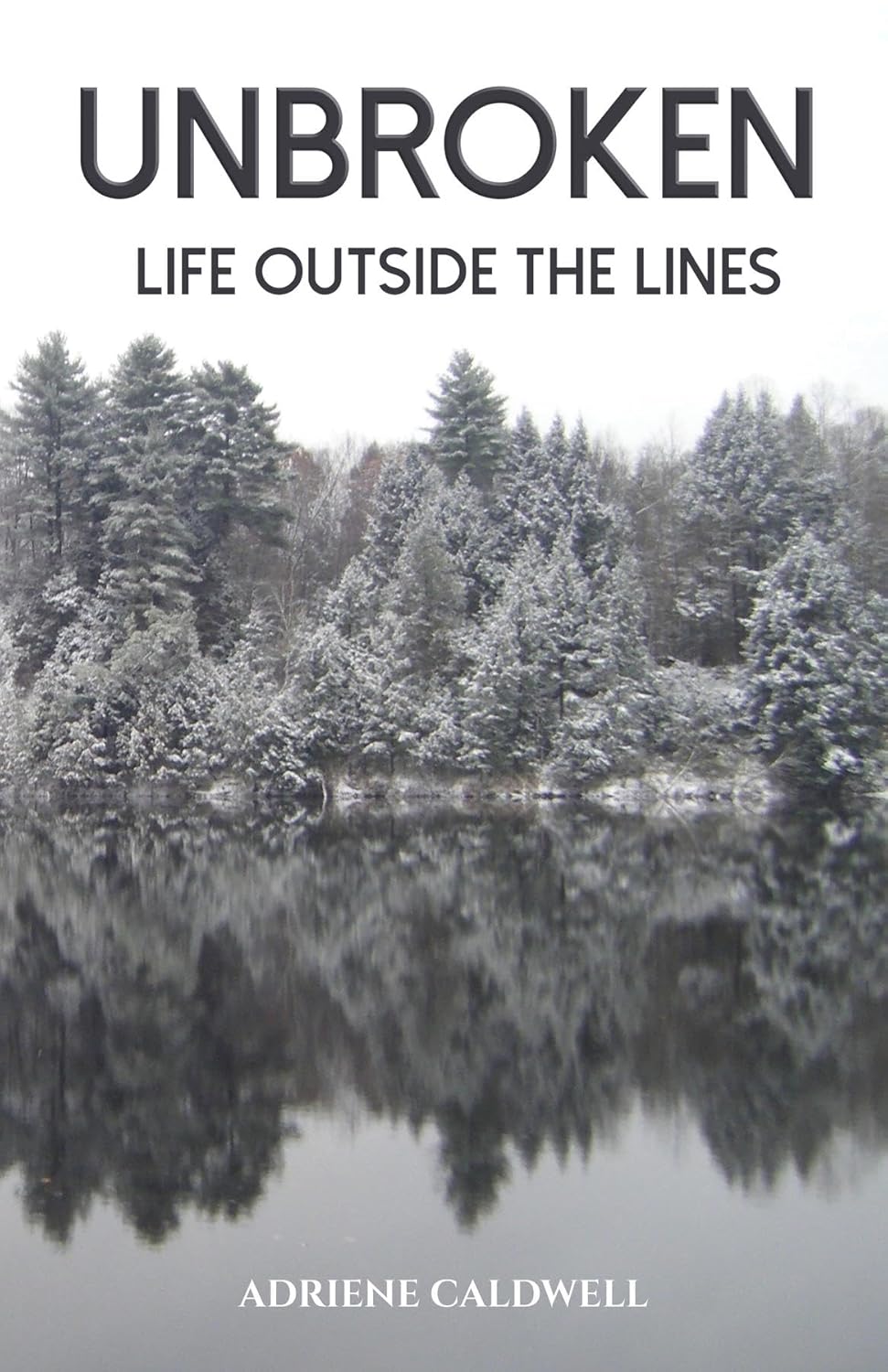


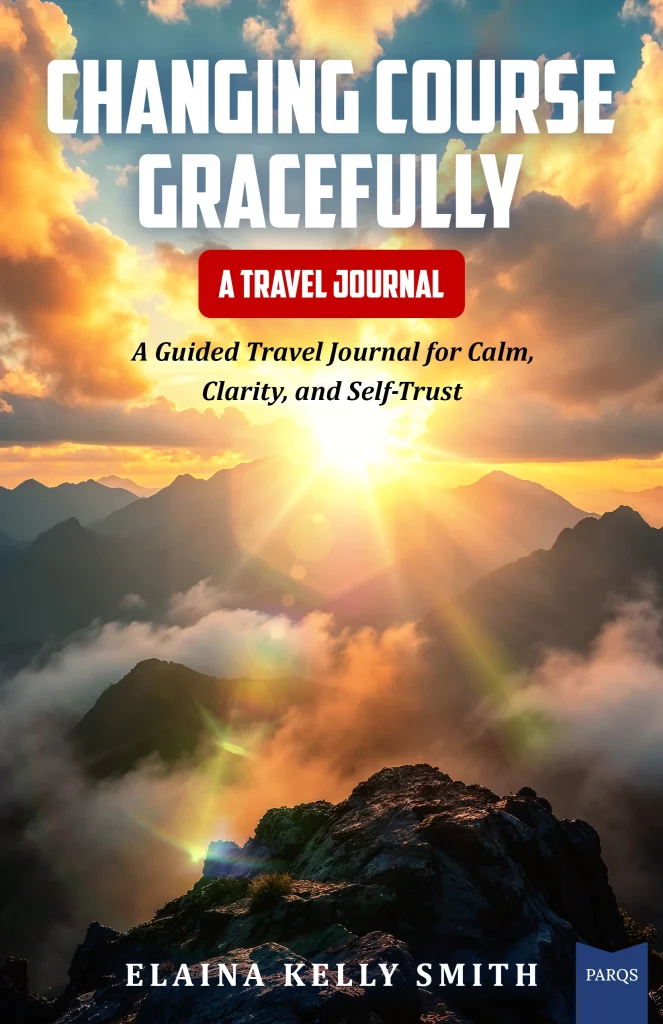


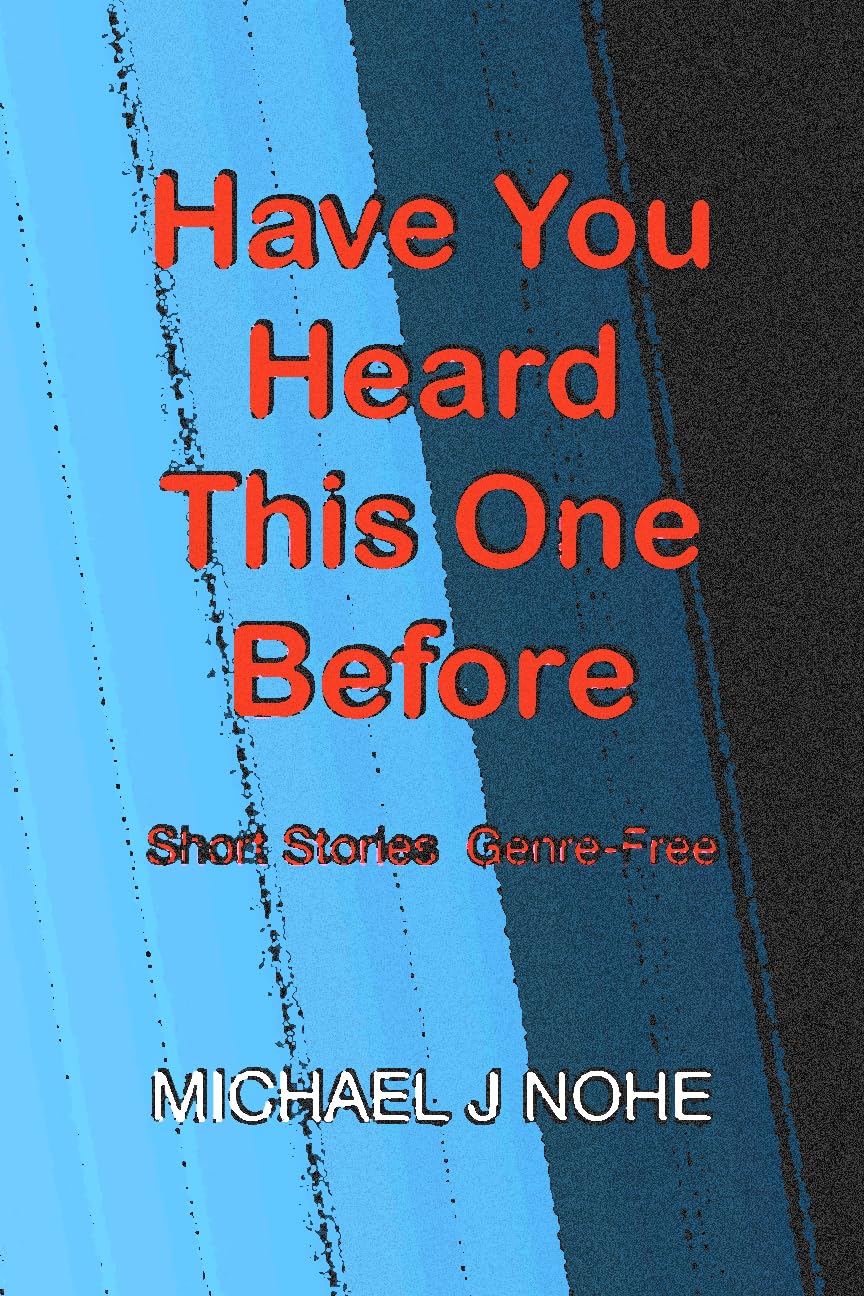












Losing Mom by Peggy Ottman
This Is For MY Glory: A Story of Fatherlessness, Failure, Grace, and Redemption
Toil and Trouble by Brian Starr
Visit the Literary Titan Book Awards page to see award information.
Letters From the Sand

Letters From the Sand, by Scott G. A. Metcalf, feels less like a traditional memoir and more like sitting across from someone who’s quietly telling you what deployment was really like, no bravado, no Hollywood gloss, just honest moments layered with dust, heat, and reflection. From the opening pages, the writing pulls you straight onto the tarmac, letting you feel the weight of the environment and the emotional whiplash of leaving home behind. Metcalf’s descriptive style is immersive without being overdone, making it easy to visualize each scene and feel grounded in the reality of military life.
What really stands out is how much attention the book gives to the small, everyday details like mess hall food, cramped tents, patrol routines, and the quiet rituals soldiers use to stay sane. These moments give the story its heart. Instead of focusing solely on danger or action, Metcalf spends time on camaraderie, boredom, humor, and exhaustion, which makes the experience feel incredibly authentic. You get the sense that these “in-between” moments are just as important as the missions themselves.
The tone throughout the book is thoughtful and grounded, with an undercurrent of respect for both fellow soldiers and the families back home. There’s a strong sense that this story isn’t just about one person’s deployment, but about shared sacrifice and the invisible support systems that make service possible. The chapters on holidays and daily routines are especially poignant, reminding you how strange and heavy time can feel when you’re far from home and living in a completely different world.
Letters From the Sand is an engaging, quietly powerful read that doesn’t try to impress; it just tells the truth. It’s the kind of book that stays with you not because of dramatic twists, but because of its honesty and humanity. Whether you have a military background or not, it offers a meaningful glimpse into a life most people never experience, told in a way that feels personal, respectful, and real.
Pages: 201 | ASIN : B0G2335VNQ
Weeds To Wishes: Blossoming into the Leader You Are Meant to Be

Weeds to Wishes follows Sheryl Brown’s journey as a teacher and principal who learns to lead through listening, healing, encouraging others, and growing through hardship. The book moves through eight “keys” to leadership that blend personal stories, school memories, emotional turning points, and practical activities that teams can use to connect and communicate. The mix of stories and reflections creates a guide that shows how leadership rises from real life and not from titles or rules.
While reading this book, I felt pulled in by the author’s warmth and honesty. The stories hit hard because they feel like moments pulled straight from a life lived fully in service to others. I kept thinking about the scene with the bomb threat evacuation and how she steadied herself in chaos. I could almost feel the cold air and the fear and the fierce need to protect people. Her writing style is simple and easy to fall into. There were times I stopped and thought, wow, she really went through that, yet she still chooses hope. I liked that. Her voice feels like someone sitting with you at a table, talking softly, telling you the truth. It got to me more than I expected.
The ideas in the book made me think about leadership in a more human way. She focuses on trust, grace, listening, and being present. Those are not flashy things. They are small habits that change everything over time. I caught myself reflecting on my own tendencies to jump to solutions instead of hearing what people are really saying. Her chapter on “Whispering” resonated with me because it showed how leadership grows in quiet rooms, on long car rides, and in moments when your heart is breaking but you still choose to show up. I loved the activities she built into each chapter. They felt practical and playful, which made the leadership lessons feel less heavy and more doable.
I would recommend Weeds to Wishes to new leaders, veteran educators, and anyone who wants to lead with more heart and less noise. The book is especially good for people who are burned out or doubting their path. It feels like a gentle hand on your shoulder, reminding you that you are allowed to grow, stumble, try again, and still make a difference.
Pages: 203 | ASIN : B0G1CSM2GG



 LITERARY TITAN