Blog Archives
A Second Chance

Lunch Tales: Teagan follows a woman grieving the loss of her husband and adapting to being a single parent who, through this crisis, is reunited with her first love, and dares to think she could find love again. What was the inspiration for the setup of your story?
The inspiration for the setup of Lunch Tales: Teagan started with her best friend Suellen’s book, where we first meet Teagan. The inability to have children and the financial burden of fertility treatments were causing problems in Teagan’s marriage. She didn’t think she could ever get over not being able to have a child, while her husband Mike, said that she was enough for him, and thus began a clash in their marital partnership. Eventually, Mike gets on board with Teagan’s wish to adopt, and just as their threesome has blossomed in the best way, Mike is killed in a car accident, and Teagan finds herself a single parent at the start of her story. Since I write realistic fiction, many of my themes come from real-life stories. Teagan’s story is a blend of several occurrences I pondered, and I wanted to give it the respect I would give anyone in a similar scenario. The purpose of my stories is to inspire and instill hope.
There was a lot of time spent crafting the character traits in this novel. What was the most important factor for you to get right in your characters?
I had a head start because Suellen’s book included Teagan’s work friends, which gave me a basis to build upon. As for Teagan’s family, I have Irish friends who helped me with the particular traits of an Irish family. Our closeness, coupled with several interviews, gave me confidence that I would get it right.
What were some themes that were important for you to explore in this book?
Teagan’s experience highlights the strength found in the backing of friends and family, while I also explored adoption as a positive option. The most uplifting and charming theme is a romance that offers a second chance.
Will there be a third book in the Lunch Tales series? If so, who will the story focus on?
The third installment of the Lunch Tales series will feature Carol and is currently in early development.
Author Links: GoodReads | X (Twitter) | Facebook | Website | Amazon
Pushing her son’s stroller on a summer day, thirty-six-year-old Teagan Quinn has no reason to think a big change is looming-the kind that happens in a mind-blowing instant. Nothing could prepare her for a shocking heartbreak.
Gripped by the trauma and grief of suddenly becoming a single parent, Teagan leans heavily on her lunch friends and lively Irish family for support. But when something ends, something usually begins-and Officer Luke Pisani walks back into Teagan’s life. Not just any old friend, he was her idealistic first. The man who got away.
As the grieving months go by, Luke is there at every turn, and gradually, old attraction reignites. But as ambivalent feelings challenge Teagan’s new beginning, a series of hurtful anonymous notes arrive, each angrier than the one before it.
With grit and urgency, Teagan must summon her inner sleuth before the letters poison one of the best things that could happen to her-learning to love again.
Essential Human Longings

Valor, Book Two, follows a young woman of Druidic blood who flees her past and confronts prophecy, peril, and the awakening of her own fierce magic as she steps into a destiny shaped by sacrifice, love, and rebirth. What ideas did you want to introduce in this book that were different from Book One?
In Book One, Sacrifice, Ena—also known as Catherine—is a young woman caught between duty and desire, shaped by the rigid expectations of noble birth and Christian decorum. Her understanding of herself is narrow, inherited, and heavily prescribed. She moves through the world reacting to forces around her.
In Valor, I wanted to explore what happens when that same young woman chooses to step outside every boundary that once defined her. This book shifts the tone from repression to autonomy. Ena sheds the identity that never fit and takes responsibility for forging her own path, even when that path is treacherous, lonely, or morally complex.
So the new ideas I wanted to bring forward are rooted in personal sovereignty; claiming one’s freedom, and experiencing the profound, often painful unfolding of selfhood. Valor is more about becoming. It’s the story of a woman who confronts both the darkness behind her and the light rising within her, and discovers the courage required to inhabit her true self.
The book balances sudden bursts of violence or magic with quiet, sacred moments; how did you approach crafting that rhythm in your storytelling?
Crafting is an interesting term here. Because these quiet pauses that occur—mostly after some intense rising action—occur more organically than by any attention to planning. After scenes filled with danger, magic, or emotional upheaval, both the reader and I need a breath! I write from inside the characters’ bodies, minds, and hearts, so those quieter moments feel instinctive—almost like a spiritual exhale. They become sacred spaces within the narrative where meaning can settle, and where transformation can take root.
Mysticism and dreamlike imagery play a strong role in the book’s atmosphere. What mythologies or symbolic traditions influenced your vision for this world?
That’s a great question!
For most of my life, I’ve been fascinated by the worlds that existed before organized doctrine—mythology, symbolism, and forgotten religions, especially the Druidic traditions. Valor draws heavily from years of exploring these ideas. One major influence for this book is Hermeticism, attributed to Hermes Trismegistus, a figure who bridges Greek and Egyptian wisdom traditions. The Hermetic axiom “as above, so below,” and its counterpart “as within, so without,” form a subtle backbone in the series.
Other contributing traditions include the I Ching, Vedic wisdom, and Christian mysticism. On the surface, readers will see the conflict between paganism and the rising Holy Roman Church. But beneath that lies a deeper theme: that across cultures, religions, and mythologies, we share the same essential human longings—to understand ourselves, to find meaning, to feel love, and to experience the sacred.
What can readers expect in Book Three of The Evensong Enchantments series?
Well, lots more magic! In Book Three, Truth, Ena’s gifts continue to evolve and ultimately reach their apex. The stakes intensify when a powerful bishop sets his sights on her young son—heir to the throne—for his own personal and spiritual ambitions. This threat strikes at the core of Ena’s beliefs and forces her into a battle on multiple fronts: political, mystical, and deeply personal.
The narrative carries readers to some of the most evocative settings in medieval Europe, including the sacred crypt beneath Chartres Cathedral and the enchanted Valley of No Return within Brittany’s magical Forest of Broceliande.
Truth blends gritty medieval reality with liminal, mythic spaces where Druidic magic, Celtic lore, and Christian dogma collide. Ultimately, Ena must rely on her heritage, her allies, and her awakening powers to secure her son’s destiny and usher in a new era grounded in enlightenment, understanding, and true fellowship.
Author Links: GoodReads | X (Twitter) | Facebook | Website | Amazon
Escape to the Middle Ages with the fierce heroine of this series, as her inherited gifts come to life on a perilous journey to the Middle East.
In distant lands, Ena must confront her darkest shadows to face an ancient force that still covets her powers, while Philip, now king of the Franks, struggles with the weight of his new regime—and his undying love for her—as the First Crusade threatens to consume them both.
As her path intertwines with Bernard Ato, the enigmatic Viscount of Nîmes, his loyalty to the Church and the campaign of the Holy War is a harsh reminder of Philip’s vexing blind faith. Will Ena’s growing attraction to Bernard hinder her journey—or ignite her purpose as an instrument of the Divine Feminine?
For those who love magical realism, profound romance, and historical fiction, Valor is a must-read. If you are captivated by enchanting worlds and gripping medieval tales, you will not be able to put down this riveting blend of history, chivalry, romance, and fantasy.
Buy your copy today and be swept away in the immersive world of Valor, Book Two of The Evensong Enchantments.
Elemental Magic
Sacred Sites
The First Crusade
Slow-burn Romance
Druidic Prophecy
Strong Heroine
Potential Triggers: killing, death, war, violence, trauma, loss and grief, famine and plague, attempted rape, demonic possession, religious persecution, graphic childbirth, near death experience.
Spice level = 1 out of 5 (no smut)
Parents: This book is suitable for ADULTS ONLY.
Always Bravery

The Broken Coil follows a grizzled wanderer dragged into rescuing a mysterious girl, confronting ghosts of his past, and surviving a world of desert peril, pilgrim legends, and a broadsword with a mind of its own. What was the inspiration for the setup of your story?
The inspiration came from two sources: the mythology of the American West and the tradition of the great films depicting that very mythology, particularly the hero (the cowboy) roaming the land, interacting with characters, righting wrongs, and finally, moving on to the next location.
Chloe’s eerie humor and calm presence are striking. How did her character evolve during your writing process?
Ha! Chloe was so much fun to write. She started off as sweet, innocent, and so frustratingly impetuous. By the end of the story, she had revealed her talent for dance and mysticism, integral to the plot. She took a step toward adulthood while keeping her girlish charm.
What were some themes that were important for you to explore in this book?
Themes that drove the story are sacrifice, faith, corruption, family, and above all, bravery. Always bravery.
The world is rich with religions, legends, and threats. Which part of the worldbuilding came first, and which was the hardest to weave together?
Most often, I start with a character idea and develop the world from there. Character takes priority over worldbuilding. Mother Endelyn and the deity named ‘The Noman’ were created first, followed by their backstory. When designing lore, logic, and simplicity are two essential elements. Funny thing about logic and simplicity; they are hard to “weave together!” Once certain threads become too complicated and entangled, they are tossed aside.
Author Links: GoodReads | Amazon
Such as Mother Endelyn, who suddenly appears back in my life decades later, desperate for my help. I give her my solemn vow to escort her and her band of pilgrims as they travel across a landscape of high desert and jagged mountain; to protect her from the feral beasts and cutthroats who want her treasure; to guide her past the giants from long ago and into the arms of her god at the other side of the dimensional coil. My haunted broadsword Wilma and I will fulfill that oath.
Unless a vengeful prison warden gets in my way. Warden Murvel Meacham and her mercenary named the Far Reaper long to hunt me down and take me “back home”. I would rather fall to the Reaper’s unearthly weapon than endure another minute of agony on the warden’s rack.
One woman needs my help: the other needs me dead. The third, Wilma, urges me to kill every enemy in my path.
Will I ever satisfy the women in my life?
God’s Saving Grace

Bethesda is a collection of poems that moves through faith, pain, identity, womanhood, and longing with a voice that is raw and unguarded. What inspired you to write this particular collection of poems?
I would have to say that my inspiration came from Christ and the state of the Church. I remember watching someone preach online and the topic of the sermon was John 5: 1-12 in the Bible. As I watched, the name “Bethesda” came to me, and it was in these moments that I knew the title/subject matter of a new collection would be Bethesda. This was back in 2021, and the work was about 4 years in the making. At the time before seeing the sermon, I had been experiencing a dry season and hit a bit of a writer’s block. When the concept for the new work came, the inspiration to write set in, and the drought lifted. Along the way, life happened, and the writing stopped for a little while. There was, however, a time in 2024 when revisiting the work that I had done, and this is when I decided to follow through on compiling the pieces, writing two-thirds of the work to completion. Looking back, I understand that it took me that long to live through the questions I had been carrying. It took time to build the resolve to have the confidence to be honest and forthcoming in the pieces.
I was also inspired by my heroes – those that I know in real life, like my mother, my father, my siblings, my elder cousin, and members of my church community. I was inspired by how they handled pain, discouragement, stagnation, and defeat. Using my own observations about how these folks managed life’s struggles, I was able to paint the picture of a speaker who was a conglomerate of these figures, including myself. This force moved through the pieces on a journey of redemption to liberation. Dr. Maya Angelou’s work, life, and testimonies were also places I frequented during this excavation of soul. I am truly standing on her shoulders as I work to become a better writer and person in this existence. If I can dare to be so unguarded in my work, it is because she paved the way and showed first that there was nothing to fear – that if anything, it was the world that should fear the storm within me.
How did you decide on the themes that run throughout your poetry book?
It was twofold, really. For the most part, in the first drafts of the collection, I just wrote about what was important to me and what I saw being issues in mankind. I turned to sermons that I had attended, in person and online, over the years, as well as to topics/issues that were socially and culturally relevant. I wanted the work to be encompassing, inclusive, and reflective of the journey a person takes when contemplating a walk with Christ in this modern day.
As the narrative builds through the pieces of the work, different themes become apparent in the topics the speaker decides to pursue: themes of wrestling with God, despair, redemption, heartbreak, self-loathing, longing, faith, belief, the dismal state of the world, and God’s saving grace. The middle of the work is dedicated to exposing and fleshing out issues with which the speaker must face a confrontation, like heartbreak and longing. The ending of the work is dedicated to the resolve that comes with the acceptance of God’s saving grace and confrontation.
The messages transferred on a Sunday morning inspired me to be reflective about the current soul condition of mankind, and the urgency communicated, instilled, and awakened within me, inspired the stark honesty in the lines. I wanted the collection to be a gathering place for those who did not quite have it right yet but were still unrelentingly trying. The themes came together on their own, really, as I set out with the intention to have the reader confront themselves in the lines. I knew a transformative collection meant that I had to be vulnerable if I wanted the Lord to shine through my testimonies.
Did you write these poems with a specific audience in mind, or was it a more personal endeavor?
My intention with these poems was to be as inclusive as possible. I wanted to appeal to the heart, soul, and conscience of the reader. The journey was simultaneously a personal endeavor and one that ambitioned the collective, universal heart.
I found that the transformation that I had experienced through confrontation and deconstruction for the
sake of these pieces (and for my own sake, if I’m honest) would be made available to the reader as they
journeyed from the beginning of the work to its end. This made it even more imperative to be honest and
unrelenting because there is a lot at stake: being an example of the power of the Grace of God and
exemplifying the transformative power of faith. I strongly believe that the audience will reveal themselves to be those who are open to letting the Lord into their problem areas and those who are searching for and
genuinely seeking a relationship with the Most High.
Bethesda, this house of Grace built by words, was constructed to be a gathering place for those who find
themselves ill at ease in today’s world order. Under its covering, one may find the opportunity to secure their redemption and begin the process of true liberation. At the crux of Bethesda is a journey to the increased intimacy with God that results from a genuinely contrite heart looking for God. Walking through the shadow of doubt, the reader is a witness to the perils of the world and the bravery of faith that comes as a result of persisting through the questions.
How has this poetry book changed you as a writer, or what did you learn about yourself through writing it?
I really had to fight with myself to believe that the reader would care about the issues I was bringing to light. I had to push myself to be what I requested of the reader: vulnerable. And then came the question of impact: how would the audience be affected?
These battles forced me to come to terms with the power of testimony. Using the example of testimonies I experienced in the Church, I saw firsthand that people may or may not see themselves in my story. The power comes in that somewhere in existence, my act of daring to be true and sharing would take our collective soul to another level of liberation in the current scheme of universal oppression gripping the heart of mankind. I walked so that someone else can run, even if that is just one person, and even if they have never heard of my book(s). It is a testament, testimony, and witness to the Grace of God on a whole other level, and I realized that these are things that matter most to me.
Though I abstracted and amplified certain things in the pieces, I had to evolve to a place where my own journey and past and present and all the things don’t shame me anymore. In full transparency, it’s a journey that I am still on, but I was obedient to the call to model what I saw to have transformative power in the world/Church. Bravery really does look different in the eyes of the brave.
Author Links: GoodReads | Amazon
Rendered from the Biblical porch where the sick, blind, deaf, and ailing were said to have lived and found reprieve, Bethesda frees the reader to a celebration of life, even in the places where it hurts the most. It explores what it means to be whole and moving as well as broken and stuck. Stuck in helplessness. Stuck in mercy. Stuck in hopelessness. It is a journey of the wondering of how one can give birth to the sometimes elusive tongue of healing. Bethesda is the victory of small steps away from the porch of heartbreak, longing, confusion and suffering.
In this barren womb of world order, we the lost, losing, finding and found, are a nation – an army. Take this journey through a fractured mind on the proverbial porch – that gathering place we now call Bethesda.
Literary Titan Book Award: Nonfiction

The Literary Titan Book Award recognizes outstanding nonfiction books that demonstrate exceptional quality in writing, research, and presentation. This award is dedicated to authors who excel in creating informative, enlightening, and engaging works that offer valuable insights. Recipients of this award are commended for their ability to transform complex topics into accessible and compelling narratives that captivate readers and enhance our understanding.
Award Recipients












Visit the Literary Titan Book Awards page to see award information.
Literary Titan Book Award: Children’s Books
The Literary Titan Book Award recognizes children’s books that mesmerize audiences with incredible narratives, vibrant illustrations, charming characters, and fresh ideas. Offering well-earned accolades, we salute the imagination and exceptional skill of authors who create tales that spark curiosity and delight in young minds.
Award Recipients


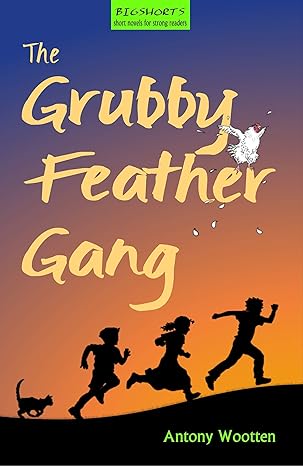


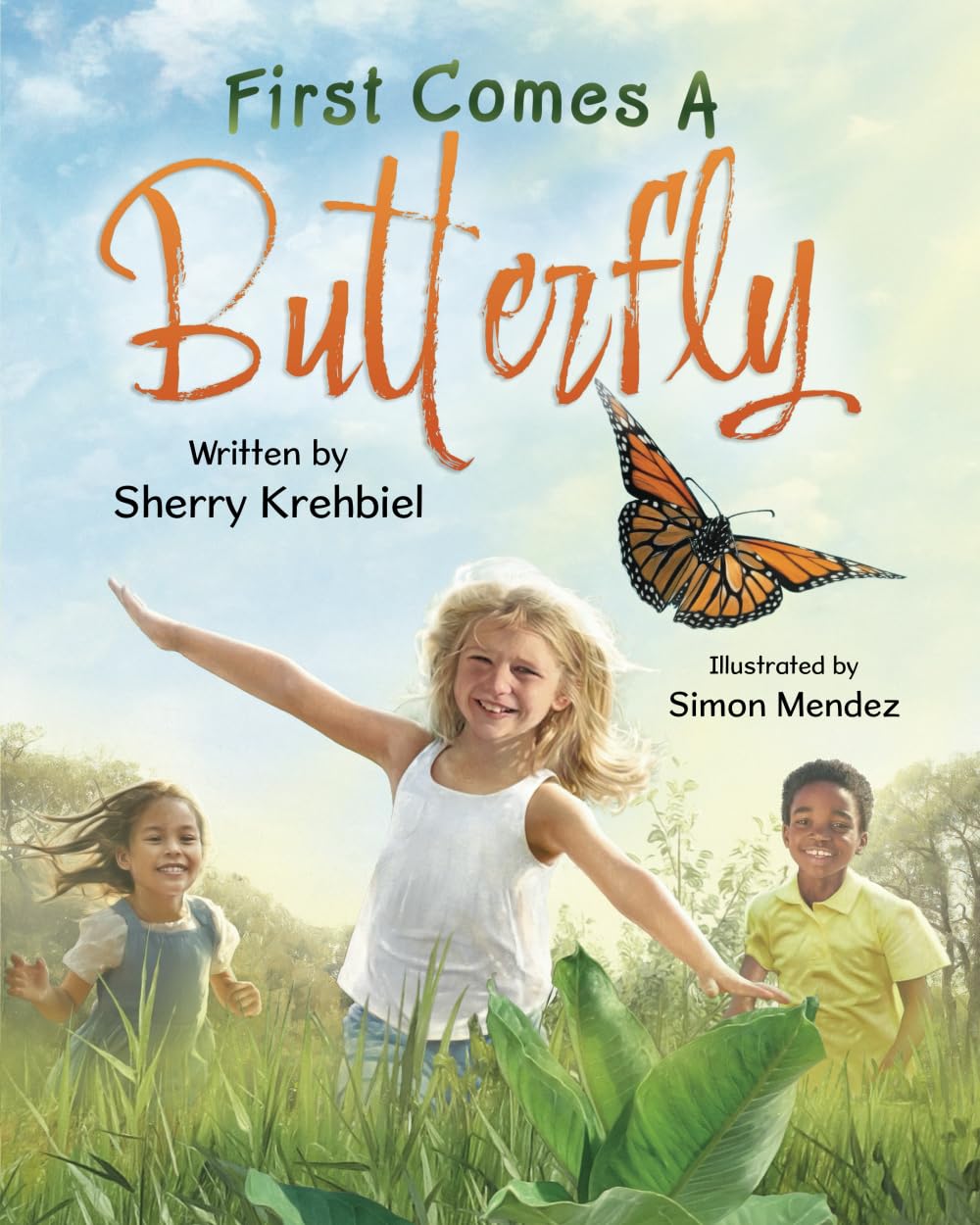

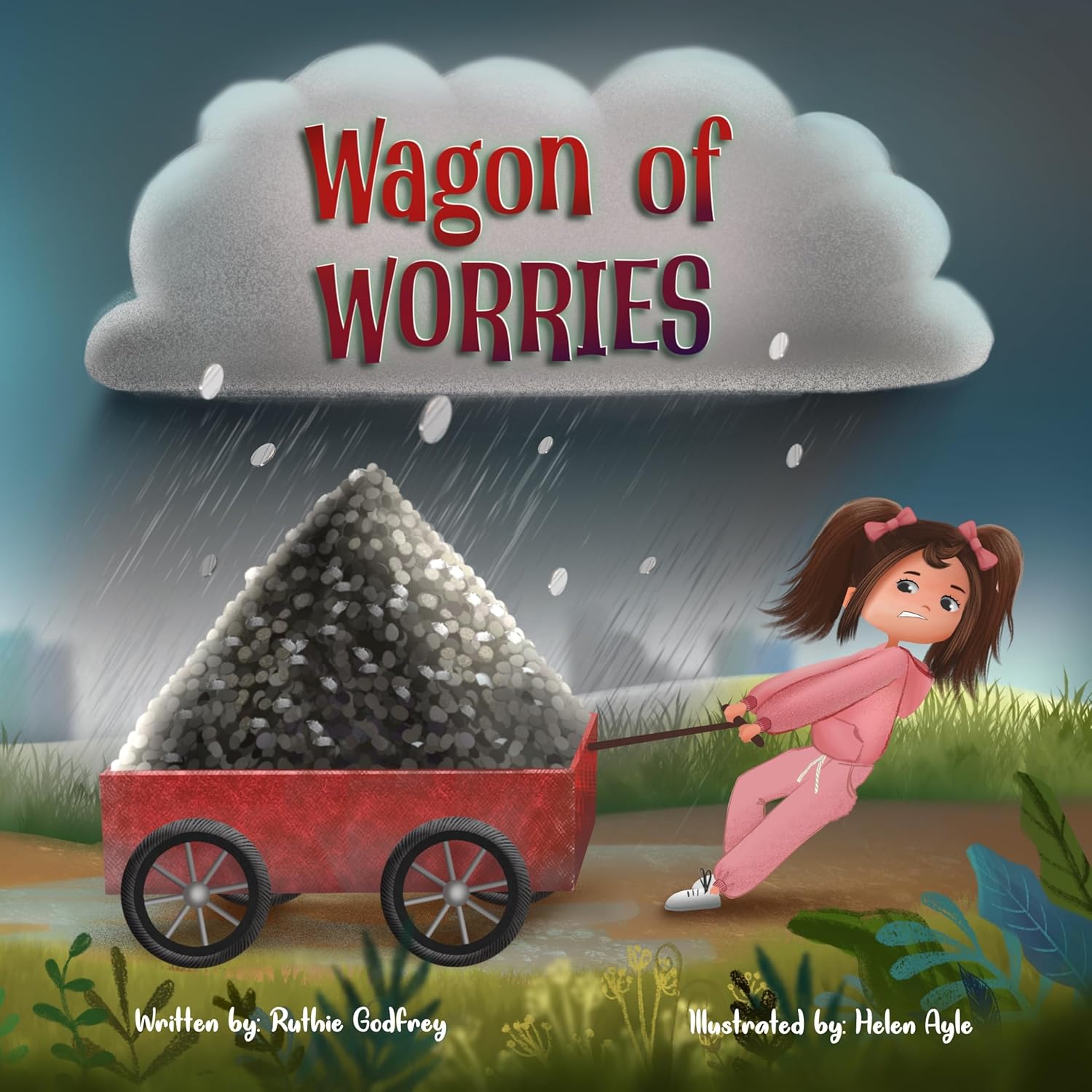
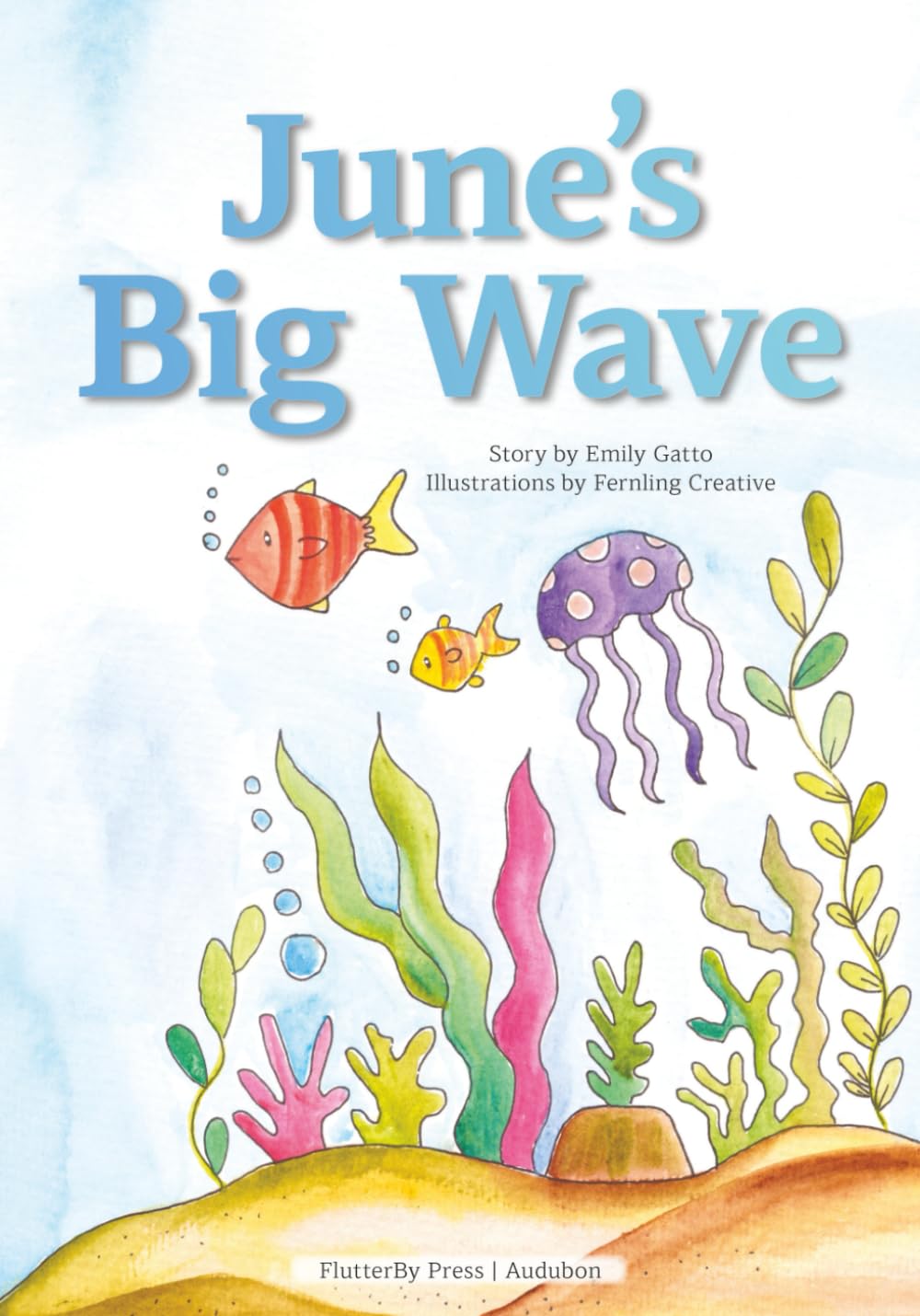


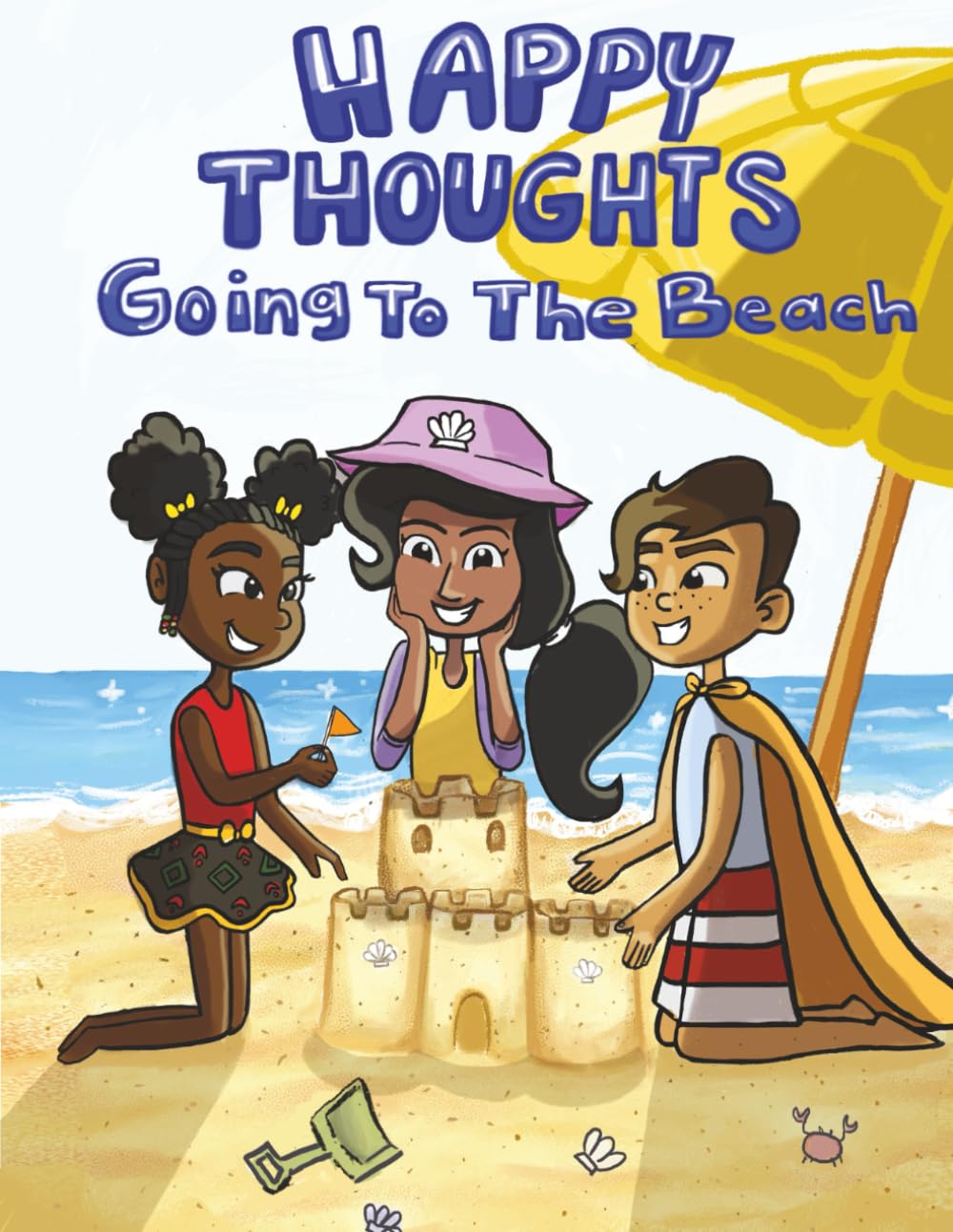


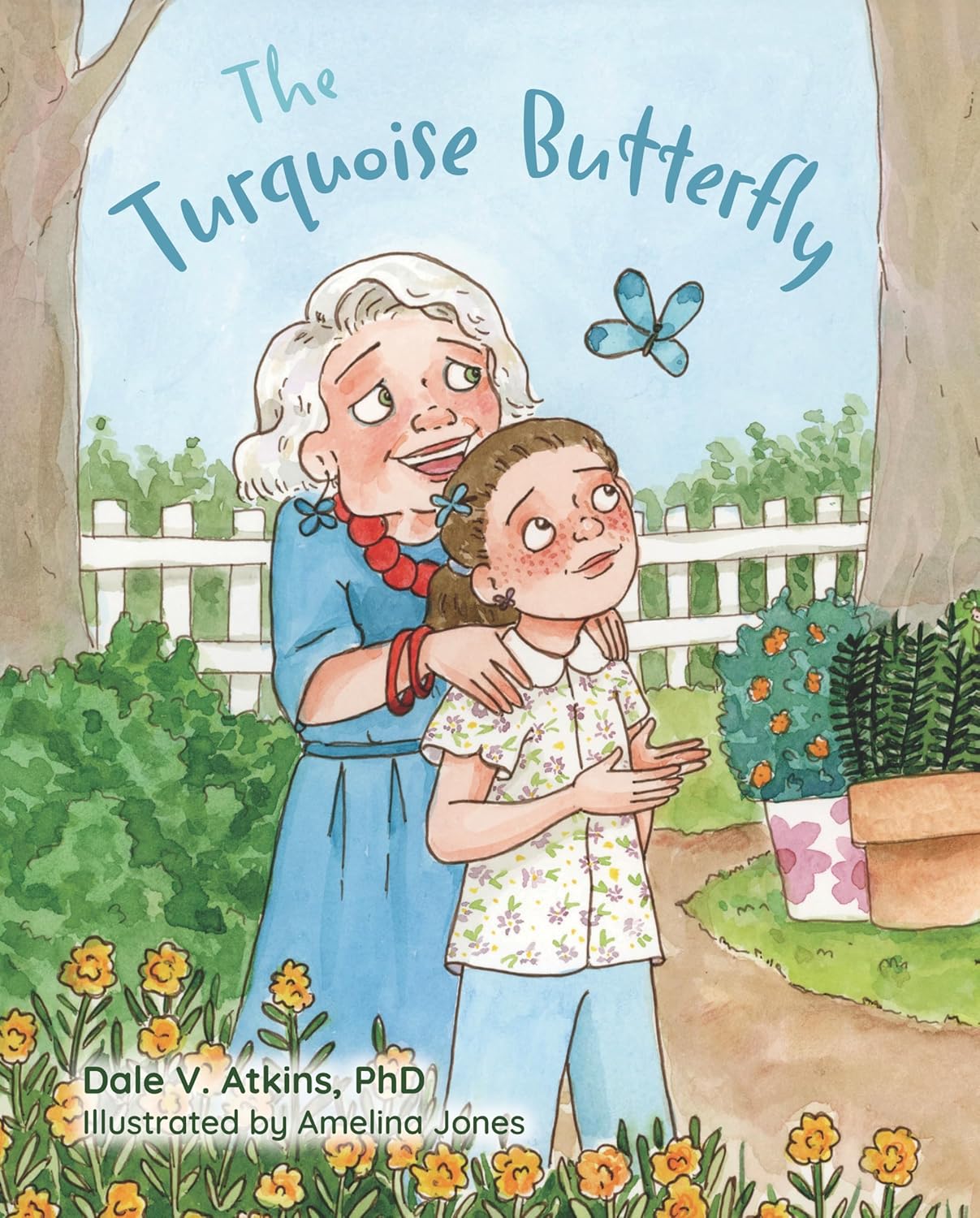


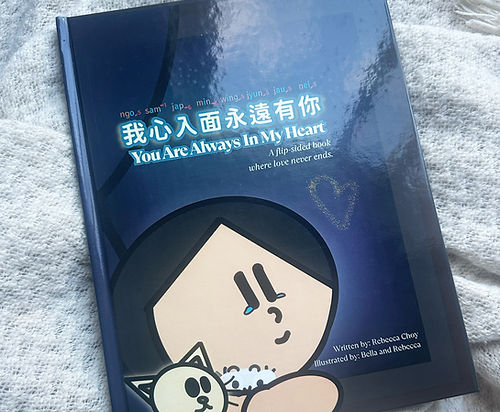





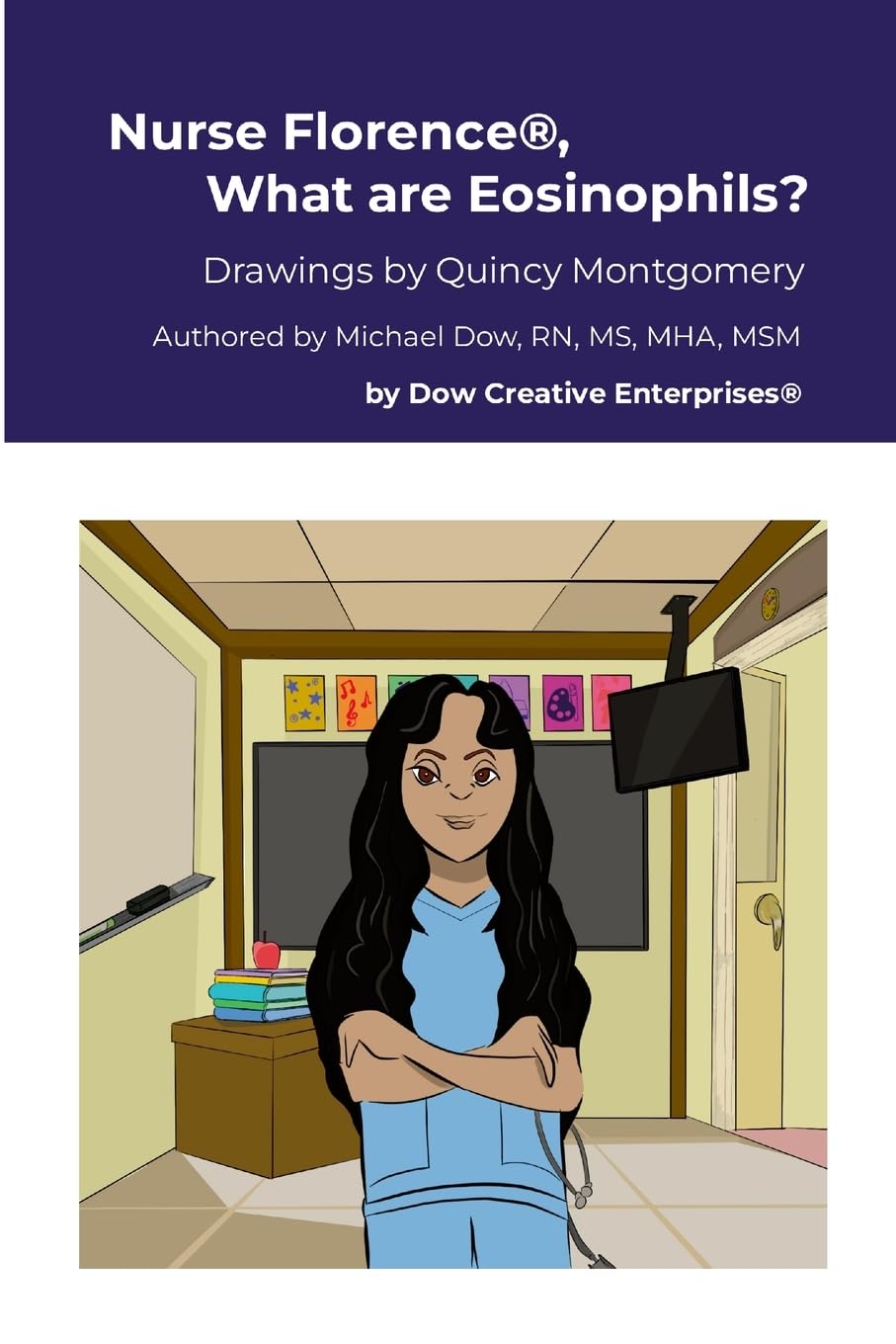




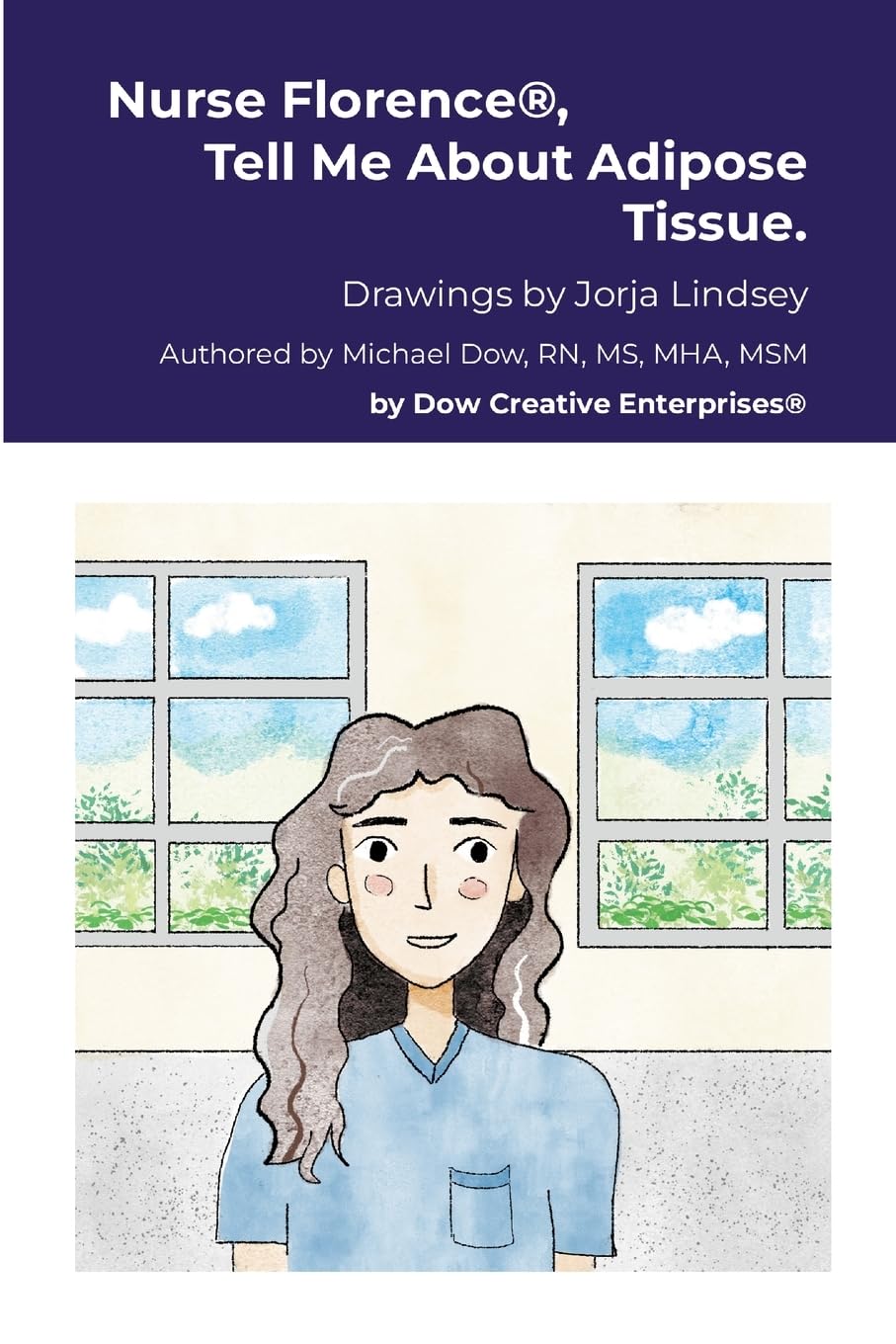


Visit the Literary Titan Book Awards page to see award information.
Literary Titan Silver Book Award
Celebrating the brilliance of outstanding authors who have captivated us with their skillful prose, engaging narratives, and compelling real and imagined characters. We recognize books that stand out for their innovative storytelling and insightful exploration of truth and fiction. Join us in honoring the dedication and skill of these remarkable authors as we celebrate the diverse and rich worlds they’ve brought to life, whether through the realm of imagination or the lens of reality.
Award Recipients






















The Moments Between Choices by Harris Kamal
Secretos De Familia by Diego Uribe
Once Upon A Time In The Big Easy: Down On The Bayou by Wilson Jackson
Visit the Literary Titan Book Awards page to see award information.


 LITERARY TITAN