Blog Archives
Literary Titan Gold Book Award: Nonfiction

The Literary Titan Book Award recognizes outstanding nonfiction books that demonstrate exceptional quality in writing, research, and presentation. This award is dedicated to authors who excel in creating informative, enlightening, and engaging works that offer valuable insights. Recipients of this award are commended for their ability to transform complex topics into accessible and compelling narratives that captivate readers and enhance our understanding.
Award Recipients


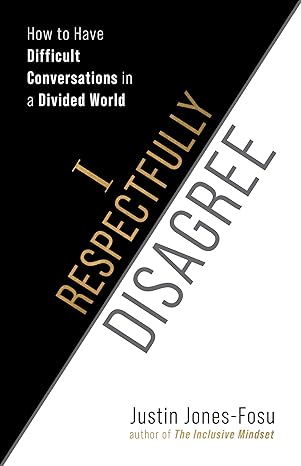
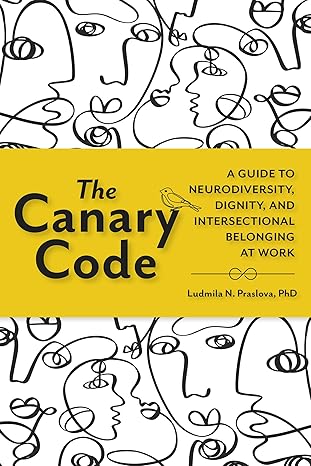
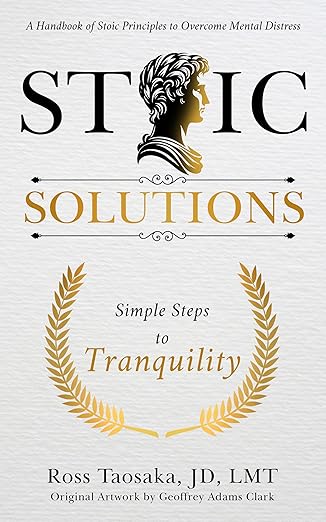


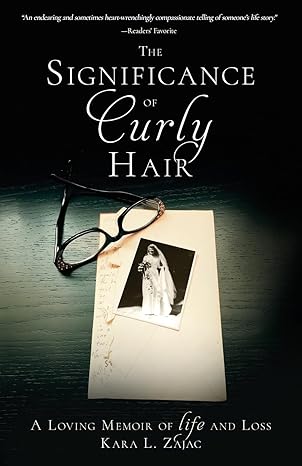












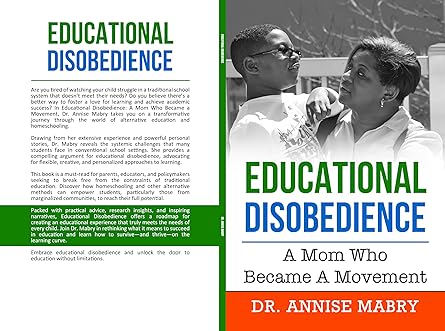



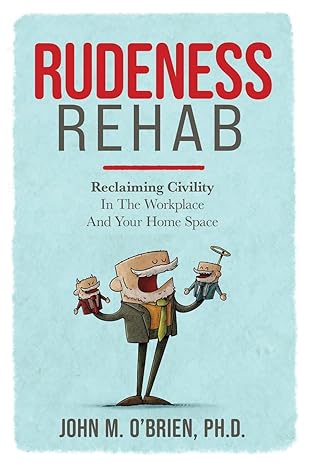


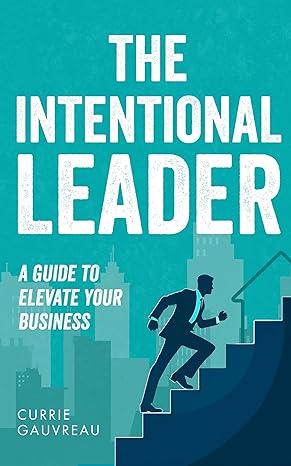
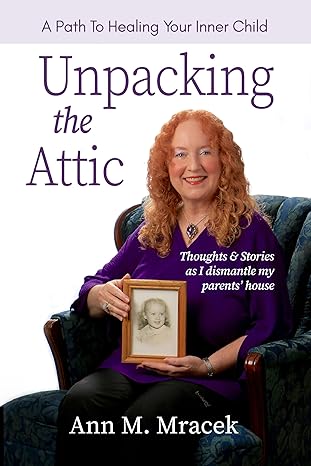


Visit the Literary Titan Book Awards page to see award information.
Literary Titan Silver Book Award January 2025
Celebrating the brilliance of outstanding authors who have captivated us with their skillful prose, engaging narratives, and compelling real and imagined characters. We recognize books that stand out for their innovative storytelling and insightful exploration of truth and fiction. Join us in honoring the dedication and skill of these remarkable authors as we celebrate the diverse and rich worlds they’ve brought to life, whether through the realm of imagination or the lens of reality.
Award Recipients


















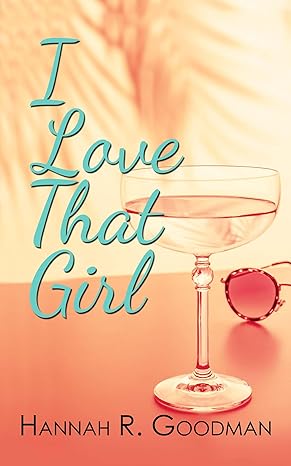
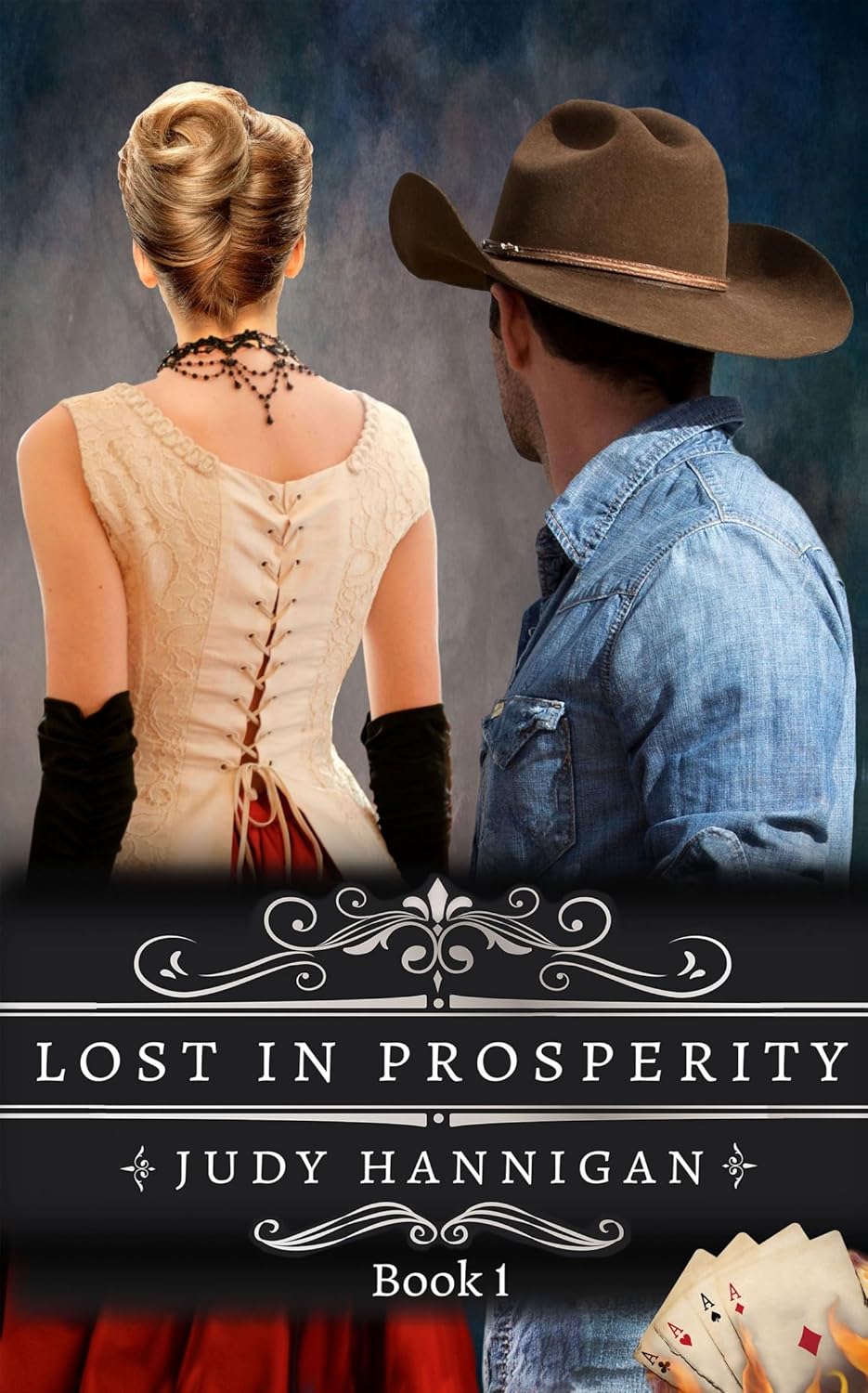




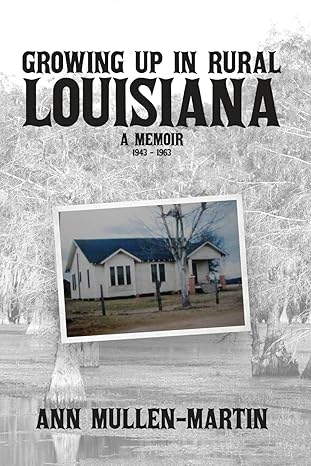
A Haunting Deception by Micah Briarmoon
Harpazo: Book One of the Trib Trilogy by Nathalie Bujold Ryan
Walk a Mile in My Shoes Surviving Life’s Challenges by Paul Bradford
Visit the Literary Titan Book Awards page to see award information.
Conscientious Objector – A Journey of Peace, Justice, Culture, and Environment
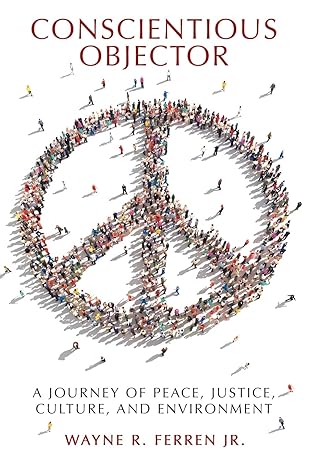

Wayne R. Ferren Jr.’s memoir, Conscientious Objector, is a deeply personal and multifaceted exploration of one man’s stand against war, interwoven with his journey through a rapidly changing world in the 1960s and 70s. The book chronicles Ferren’s life from his formative years in Camden, New Jersey, to his eventual recognition as a conscientious objector during the Vietnam War. Alongside this personal journey, Ferren reflects on cultural shifts, his passion for environmental conservation, and the broader implications of his ethical beliefs. It’s a memoir that feels both intimately human and profoundly universal.
What struck me most about Ferren’s writing was his ability to make history deeply personal. His account of discovering the story of Jerry Wayne Ferren, a young soldier who shared his name and tragically died in Vietnam, was haunting. This discovery becomes a poignant touchstone throughout the book, reminding readers of the fragility and randomness of fate. Ferren’s descriptions of his upbringing, complete with vivid details about family dynamics and summers spent exploring the Pine Barrens, transported me to a bygone era. Yet, amid these nostalgic reflections, he doesn’t shy away from grappling with heavier themes like racism, generational trauma, and the personal cost of standing by one’s convictions.
The book’s heart lies in Ferren’s struggle to be recognized as a conscientious objector. His arguments before Local Board No. 8 are compelling, blending philosophical reasoning, historical context, and deeply personal convictions. What amazed me was his meticulous preparation and unwavering resolve despite societal pressures. These moments made me reflect on the courage it takes to stand against the grain, especially during such a divisive era. That said, the memoir isn’t just about resistance; it’s a celebration of passion and discovery.
Ferren’s love for paleontology and environmentalism is infectious. Chapters detailing his fossil hunts and his work at the Academy of Natural Sciences are filled with a childlike wonder that contrasts beautifully with the book’s heavier moments. I loved how he connected these scientific endeavors with his broader ethical stance, arguing that understanding nature deepens our obligation to protect it. This connection between science and morality felt both logical and inspiring.
Conscientious Objector, by Wayne R. Ferren Jr., is more than just a memoir—it’s a testament to the power of personal conviction, intellectual curiosity, and compassion in shaping a meaningful life. Ferren’s prose is honest and reflective, with a warmth that draws you in even when he tackles difficult subjects. I’d recommend this book to anyone interested in the Vietnam era, environmental ethics, or the philosophical challenges of living a principled life. Whether you’re a history buff, a pacifist, or just someone who appreciates a well-told life story, this book has something valuable to offer.
Pages: 538 | ISBN : 978-1480897052

Don’t Walk Away, A Care Partner’s Journey
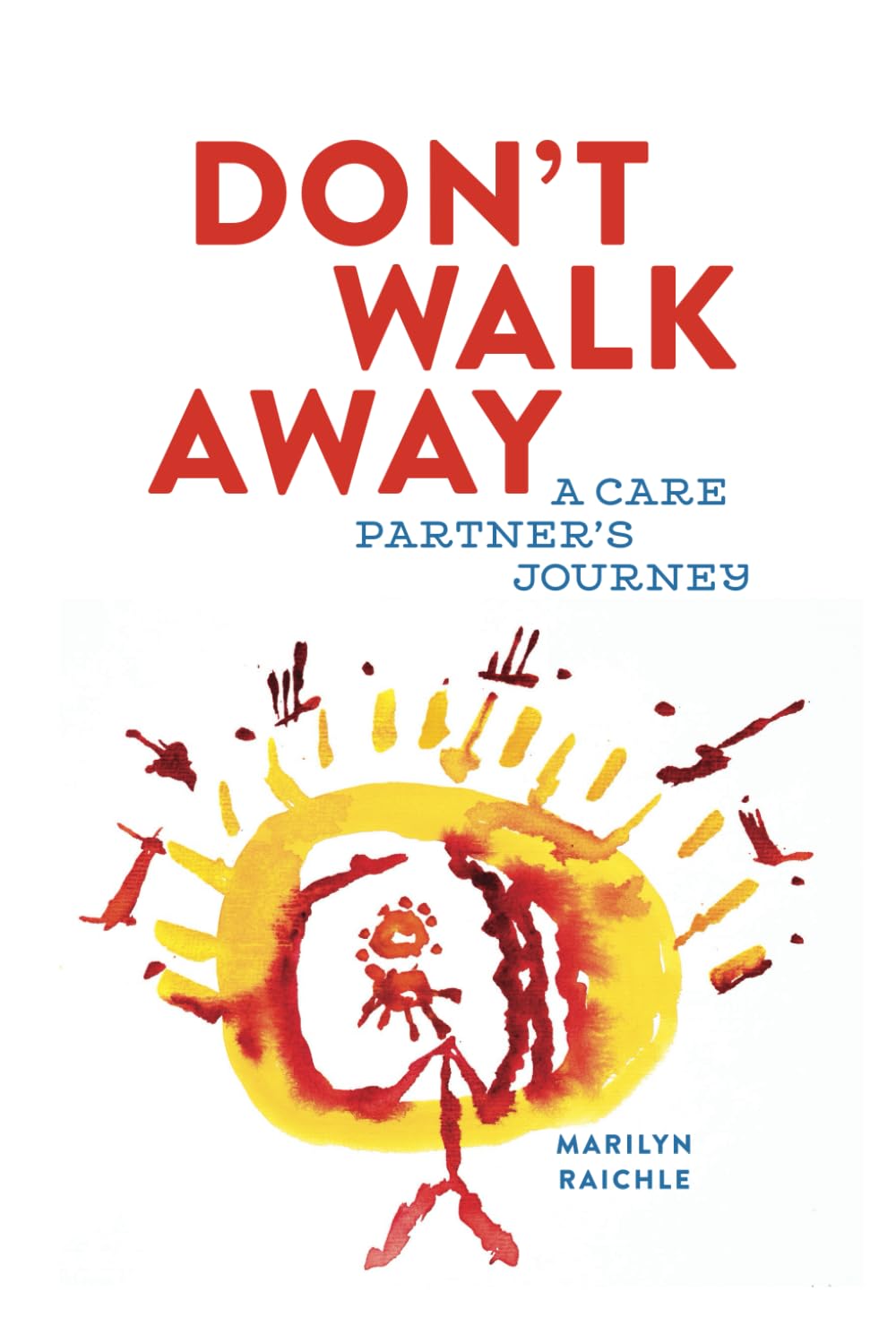
Marilyn Raichle’s Don’t Walk Away is a touching memoir and guide, chronicling her experiences caring for her mother as she navigates life with dementia. The book vividly explores the unexpected joys, the heartbreak, and the growth that come from staying present through the ups and downs of caregiving. Raichle’s narrative combines personal anecdotes with her mother’s artwork, illuminating a deep and hopeful perspective on living with dementia. At its heart, it’s a love letter to a woman who defied stereotypes about the disease by embracing creativity, humor, and connection.
Reading this book was a deeply emotional journey for me, especially as someone with a mother living with dementia. The writing felt raw and personal. Raichle doesn’t shy away from admitting her initial reluctance and struggles as a caregiver. Her transformation begins with her mother’s unexpected discovery of painting in an Elderwise class. I was captivated when Raichle described the vibrant, imaginative artwork her mother created. Paintings like “The Orange Meanie,” which brought her family joy, also offered a window into her mother’s thoughts and feelings when words failed. These moments made me reflect on how I might better interpret my mom’s nonverbal expressions.
Raichle’s ability to find joy in the small things resonated deeply. Her depiction of Scrabble games and their shared humor was particularly touching. There’s a scene where her mother, despite often forgetting basic words, managed to play “quiet” on a triple word score, surprising everyone. This mix of nostalgia, frustration, and laughter feels like my own caregiving experience. Her mother’s persistent humor and curiosity shine through in moments like joking about her age or imagining a future cruise with her late husband. These scenes remind us that even in loss, the essence of our loved ones remains.
I also appreciated how Raichle challenges societal narratives about dementia. She shares her frustration with the common view of Alzheimer’s as a life void of dignity and value. Her mother’s continued engagement in her assisted living community, forming friendships with “The Ladies of Assisted Living,” paints a different picture. For example, Raichle beautifully recounts her mother’s bonding with Phyllis over spontaneous singing sessions, a scene that left me both teary-eyed and inspired to nurture my mother’s remaining interests.
This book is not just for caregivers but also for anyone who wants to better understand life with dementia. It’s hopeful without glossing over the hard parts, offering reassurance to those just starting their caregiving journey and recognition for those who are deep in it. Raichle’s reflections, paired with her mother’s beautiful artwork, make Don’t Walk Away a unique and uplifting read.
Pages: 178 | ASIN: B0DCBMQNDB
Widen the Lens of Perspective

In Falling from Disgrace, you share with readers the complexities of growing up in the Mormon faith and your experiences with forced conformity. What inspired you to share your story?
To be perfectly honest, initially I was inspired by an urge to expose, particularly the sexism, of what is otherwise glossed over as a “squeaky clean” community. Social rejection leaves a lasting sting, one that I perceived as unfair. As the project unfolded, inspiration increasingly came from readers and peers with whom the narrative unexpectedly resonated: people struggling with gender or sexual identity, people estranged from their families for a variety of reasons, people pushed out of other oppressive religious communities, and even people with deep religious faith who found the story worthy of reflection. The more I received feedback that the tale had universal appeal, the more my inspiration shifted from achieving personal satisfaction to helping others find peace or perspective.
I appreciated the candid nature with which you told your story. What was the hardest thing for you to write about?
It’s a tie between writing about youthful sex and writing about shoplifting. As a young person, I had been trained to treat youthful sex with such seriousness that it still makes me blush, even while snickering at the silliness of this prudishness. I found writing about it equal parts embarrassing and silly. Writing about shoplifting was also humiliating but not in the same silly way as sex. Sexual activity was not a character flaw, even if I believed it was. Stealing, however, was a character flaw, even if I believed it was not. I know this now, of course. Writing about one’s genuine flaws is never easy. I had to force myself to do it because I knew how much it served the story. I owed that to my readers.
Did you learn anything about yourself while writing your memoir?
Most certainly. I learned I could find forgiveness and tolerance through empathy. When writing a memoir, one absolutely must show readers scenes from a wide angle, not simply a narrow and self-centered view. When you widen the lens of perspective, you let empathy in. You simply can’t keep it out when the lens is wide enough. And as soon as empathy enters your perspective, so does tolerance and acceptance. I now believe perhaps almost everything is forgivable. Even the deepest of hurts can heal with empathy. It is a self-reparative gift from nature.
What is one thing you hope your readers take away from the experiences you shared and lessons you learned?
I hope that readers will absorb and internalize the harms and dangers of misogyny so that perhaps there will be a little less of this damaging worldview flowing through humanity. I am not so naive as to believe it can ever be wiped out. We may even be “wired” to believe sexism is fundamental for the survival of our species. But times have changed. The world has changed. We have changed it. And now, minimizing sexism has become fundamental. I also hope readers see and feel the type of feminism that is as sympathetic toward men as it is to women. The men in my story are not better off because they were treated as superior. Unfair, unequal, and lopsided expectations harm both genders. Equality benefits us all.
Author Links: GoodReads | Amazon
Tammy Dietz grew up committed to her family’s Mormon faith, a profoundly patriarchal hierarchy that declares men superior and women subordinate, that demands devotion, purity, and chastity. But when the dogma of the Church of Jesus Christ of Latter-Day Saints clashes with the forces of a changing world, Tammy’s destiny transforms.
Patriarchy provides order but also chaos in a family with a depressed mother and a hoarding father. Set in the affluent Bay Area, Tammy’s coming-of-age story is one of poverty amid wealth and a desire for status, recognition, and inclusion, both inside the Church and out. But when Tammy breaks the most serious of rules, her once certain path falters, her once protective community turns intrusive, and she finds herself on an unexpected journey.
An Intrinsic Disconnect
The Noiseletting details your life in the music industry from the lows of life on the road to your experiences working with legendary musicians. Why was this an important book for you to write?
The world needs a depiction that’s accurate, and fun to read. I’ve long seen musicians and their loved ones struggle to come to terms with the realities of a life in music, and there’s an intrinsic disconnect between what that reality actually is, versus the expectations. Schools don’t teach that reality; magazines, TV shows, and Films invariably depict a life in music as something glamorous and diamond-studded. I wanted to provide not so much a memoir as a fun, entertaining means of giving musicians and their loved ones the actual lay of the landscape, and hopefully, a sense of humor, to get them through the absurdities they’re letting themselves in for. Also, I just love to write.
I appreciated the candid nature with which you told your story. What was the hardest thing for you to write about?
The hardest aspect of this book was, for me, knowing where to draw the line. For one thing, I’m actually a fairly private person where I really live. For another, it was difficult to know what this book is actually about, as opposed to what it’s not about. For every story that’s in it, there are a thousand more that aren’t. That said, I knew I’d have to go outside of my comfort zone to write the uncomfortable truths that are needed, so I pushed myself to do that.
What is one piece of advice you wish you had been given as a musician just starting on your journey?
Believe in yourself and your abilities, believe in your capacity to succeed, and don’t sell yourself short. You’ll be surrounded by people who are less able, who kick your butt in competition simply because they have no problem engaging in shameless self-promotion. Also, choose a specific musical discipline. Don’t spin doughnuts.
What do you hope readers take away from your experience?
A feeling that the read was enjoyable and time well spent, as well as an appreciation for what a life in the service of music actually looks like. And of course, a sense of humor about it all; without the ability to laugh at the darkest stuff, the ride will just be too bumpy–for musicians as well as for their loved ones.
Author Links: GoodReads | Amazon
His journey is a dizzying study of how many hats one person can wear, and he places each of them on your head. Incredible stories and adventures range through dozens of strikingly different musical disciplines and worlds, delivering priceless tips and perspectives from every strata of the food chain.
From playing the seediest dives and living on potato buds to riding in motorcades and working with multi-grammy-winning artists alongside world-famous musicians, Byron’s bumpy trajectory navigates musical training, poverty, alcoholism, life-changing injuries and relationships, a beautiful collision with fatherhood, and validation. The story is one of friendship, healing, adaptation, love, and the most important thing for any musician:
An unflinching, sardonic sense of humor.Noiseletting, An editorial review by JD Shipton
Most of us normies have little more insight into the music we listen to than that we stream it online, maybe add it to a playlist, and maybe go see the live show if we like it well enough. Sometimes the lyrics and the sound really speak to us, and we become a little more attached to the song or the artist, but rarely are we able to see beyond the surface of this auditory pond to witness the splendor and the carnage beneath.Fry’s book hands you a snorkel and some goggles.
Whether you’ve never even picked up a recorder, or you’re out there on the road with your own band of misfits, this book has a great deal to offer on the music industry and the battles of an artist through his storied career, all presented by a musician who should not have had time to become so clever a writer.
Falling From Disgrace

Tammy Dietz’s Falling from Disgrace is an evocative memoir that delves into the complexities of identity, belonging, and personal redemption. Dietz narrates her life with honesty, tracing her journey through a childhood steeped in Mormon traditions, her struggles with family dynamics, and the quiet yet seismic moments that reshaped her worldview. The book’s episodic structure, with chapters reflecting pivotal memories, provides readers with an intimate lens into her spiritual, emotional, and social experiences.
One of the book’s most striking aspects is its unflinching portrayal of religious rigidity and the consequences of enforced conformity. Dietz’s exploration of growing up in the Mormon faith, highlighted by vivid recollections such as her family’s reverence for the Salt Lake Temple or the revelation about Brigham Young’s multiple wives, illustrates her inner conflict. These moments are rendered with rich detail and childlike curiosity, making them relatable yet poignant.
I found myself deeply moved by her observations about gender roles and the burdens of expectation placed upon women within the community. Dietz’s voice—both sharp and tender—adds layers to these reflections, creating a narrative that is both specific to her life and universally resonant. Dietz captures the turbulence of adolescence with a rare authenticity, particularly in chapters like “I Love Twinkies,” where her struggle with modesty and the tension between personal identity and religious orthodoxy take center stage. These stories are both heartbreaking and humorous, reflecting the contradictions of youth. Her honesty about her mother’s depression and her own doubts about faith—captured vividly during their harrowing walk along the Grand Canyon—left me pensive long after I closed the book. Her prose, though straightforward, often surprises with its poetic undercurrents, particularly in moments of introspection.
Falling from Disgrace is a courageous and captivating memoir that will resonate with anyone who has ever questioned their place in the world. Tammy Dietz’s story is a testament to the resilience of the human spirit and the power of self-discovery. I recommend this book to readers interested in coming-of-age narratives, religious critique, or memoirs that balance humor and heartbreak. It’s a journey worth taking, one that lingers long after the final page.
Pages: 248 | ASIN : B0CJ13VY14
Keep Pushing Forward

In My Journey as an Author, you share your experiences navigating the many obstacles on your way to becoming a published author. Why was this an important book for you to write?
It started out as a way to track my accomplishments. To be able to go back and review where I started to where I ended up. My own positive reinforcement to keep pushing forward even when self-doubt whispered, I didn’t have what it takes. Writing is also therapeutic. It allows me to voice my inner voice. I had a lot of material to work with and one day it struck me, why not just write a memoir? The most important aspect of my memoir was being able to voice my thought process into crafting each of my fiction novels in The Dark series.
I appreciated your willingness to share the low points you endured. What was the hardest thing for you to write about?
The hardest thing I wrote about was my personal life. I’m generally a private person and don’t like to go into too much personal detail, but it was necessary to add because it was very much a part of my writing journey that layers did get incorporated into my fiction stories.
What is one piece of advice you wish you had been given at the outset of your journey to becoming published?
I wish I had been more aware of how reviews work in the publishing world, and how others profit off of reviews using it to their benefit for financial gain in order to “sell” more books. It’s appalling. Reviews can either make you or break you. If someone has a vendetta against an author or a business, no matter how big or small that business is, they can write a bad review as a way of manipulation.
What do you hope readers are able to take away from your experiences?
I hope readers take away that, if you have a dream, no matter what dream that is big or small, never give up on it. Push through the self-doubt. Push through all the voices telling you that you can’t do something. Dare to bend the rules. Dare to be the original you.
Author Links: GoodReads | X (Twitter) | Facebook | Instagram | TikTok | Website | Amazon
This book provides insight into everything authors will need to know about publishing, the good, the bad, and the ugly.



 LITERARY TITAN