Blog Archives
A Figurative Shadow

Zephyr Trails follows a young woman living in Southern Missouri in 1866 who finds herself grappling with her own burgeoning interests, a developing epidemic, and rumors that her father, thought to be lost, may still be alive. Where did the idea for this novel come from?
I have always loved Westerns: books, movies, TV shows. I wanted to write a Western with a strong female protagonist who knew her horsemanship. There weren’t a lot of those around. I came to realize most Westerns were based in or around the Civil War. I was not a Civil War buff, but my research uncovered so many interesting and obscure facts about the war: women’s roles during and because of the war, the times leading up to the war, families separated by war, and the reconstruction era. The simple Western I meant to write took on a more literary bent. Though it’s technically Historical Fiction, I like to call it a “Literary Western.” Zephyr Trails is the second book in the Ellis River trilogy. The protagonist, Ellis Cady, started her journey in Tennessee. Life at the time could be very different from one side of the Mississippi River to the other. The more I learned, the more I became involved with my characters and their stories and how war affects people and families. At some point, the characters led the way.
Why choose this place and time for the setting of the story?
A lot was happening historically in this setting. During the Civil War, Missouri was considered a “border state.” It never officially took sides in the war. This statewide internal conflict added to my character’s internal conflict. Ellis was raised in a Quaker community (in Tennessee) that taught patience, peace, and acceptance. I imagined the difficulty of reconciling those beliefs with the reality of slavery and war. The setting of post-Civil War Missouri contributed a figurative shadow over the characters and their attitudes and loyalties. I think it helped provide an interesting tension. Also, I was born in St. Louis, raised across the Mississippi River in Illinois, and stumbled upon so much of that area’s history never taught in school. At least it wasn’t taught while I was listening. St. Louis, Missouri, was the starting point for much of the migration west, so it had to play a major role in this story. There were actually two cholera pandemics that hit the area because of the influx of people and inadequate water and sewage systems. One hit in 1849 and one in 1866 when Zephyr Trails takes place. The Pony Express originated in St. Joseph, Missouri, and though it had been out of service for four years by the end of the war, it made sense that its fictional re- establishment might start there.
What character did you enjoy writing for? Was there one that was more challenging to write for?
Picking a favorite character is a bit like picking a favorite child. I enjoy writing them all for different reasons. I’ve always had a love for horses and have been lucky enough to own and work with them through the years. They are characters in my books, and I thoroughly enjoy writing for them. All the horses in Zephyr Trails are based on actual horses I’ve known. I truly believe writing a character-driven novel is a collaboration with the characters, whether horse or human. I birth them, and they take on a life of their own. I try to guide them, but they sometimes come up with their own ideas. The more challenging ones to write for are those who don’t open up to me as much or need more coaxing to do so. Lou and Tory are rather quiet but complex men. They may have been more affected by traumatic life experiences than some, and I wanted to be as respectful as possible to their Indigenous heritage, as well.
I find a problem in well-written stories, in that I always want there to be another book to keep the story going. Is there a second book planned?
I’m delighted that Zephyr Trails can be read and enjoyed as a stand-alone, though it is the second book of the Ellis River trilogy. And, yes, there is a third book in the works. The first book, Ellis River, was meant to be a one-off, but it developed into more. Not until I finished Zephyr Trails did I know it would be a trilogy.
Author Links: GoodReads | Facebook | Website | Amazon
After waiting out winter at the Cady ranch in southern Missouri, hope blooms in the Spring of 1866. Ellis receives news of a mysterious man arriving in St. Louis. Will she find her father alive and well, or finally put his memory to rest?
Grasping at the illusive promise of her father’s whereabouts, Ellis is distracted by the intrepid trick rider, Jimmie, a woman who rides with Levi Jack’s Wild West Exhibition. Then, talk of reinstating a messenger service akin to the Pony Express rekindles a faded dream. Since the war’s devastation, important letters and messages still need to get through a Western landscape governed by Indians and outlaws. When an untimely epidemic threatens, Ellis finds herself back in the saddle, a young woman and her horse on a perilous trail.
Passion in the Bone


Passion in the Bone, by AL Falcon, plunges readers into the grimy underbelly of 1860s England. At the heart of the story is Louisa, a determined nurse at St. Thomas Hospital, who secretly dissects corpses to expand her forbidden medical knowledge. Her quiet defiance of societal norms takes a chilling turn when she and her friend Ellery uncover a shocking pattern: an alarming rise in the number of unidentified female corpses. Their pursuit of answers unveils a dark web of murder, sex trafficking, and an illegal trade in human remains, all orchestrated by a ruthless figure willing to kill to protect his secrets. As the danger escalates, Louisa and Ellery are left questioning whether justice for these women is even within their reach.
Falcon excels in crafting characters that linger long after the last page. Agnes, in particular, stands out. Her transformation over the course of the narrative is nothing short of mesmerizing. She feels startlingly real, her growth both compelling and authentic. Watching her navigate the chaos of her world added an emotional depth that anchored the story. Beyond the characters, the plot itself is masterfully constructed. Each twist tightened the tension, keeping me engrossed until the shocking conclusion. The novel also shines in its exploration of societal issues. Falcon doesn’t shy away from exposing the harsh double standards of the Victorian era. The constraints placed on women, contrasted with the unchecked power of men, are laid bare in ways that feel both frustrating and true to the time.
The commentary is subtle but powerful, enriching the story without overshadowing its suspenseful core. Admittedly, the opening chapters left me somewhat perplexed. It took a little time for the story threads Falcon introduced to begin to weave into a literary tapestry. However, as the narrative progressed, the payoff was worth the initial disorientation. Once the pieces fell into place, the layered storytelling became one of the book’s greatest strengths.
For readers drawn to mysteries set in historical backdrops, Passion in the Bone is a gripping and thought-provoking read. Falcon’s ability to blend vivid characters, intricate plotting, and social commentary makes this a standout addition to the genre. It’s a story that challenges and captivates in equal measure, leaving a lasting impression long after the final page.
Literary Titan Gold Book Award: Fiction

The Literary Titan Book Award honors books that exhibit exceptional storytelling and creativity. This award celebrates novelists who craft compelling narratives, create memorable characters, and weave stories that captivate readers. The recipients are writers who excel in their ability to blend imagination with literary skill, creating worlds that enchant and narratives that linger long after the final page is turned.
Award Recipients
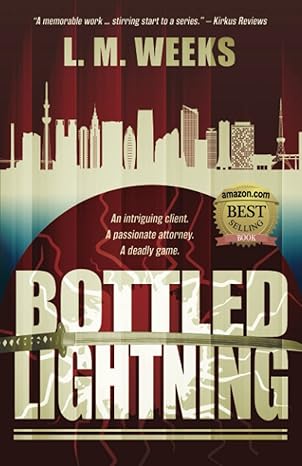


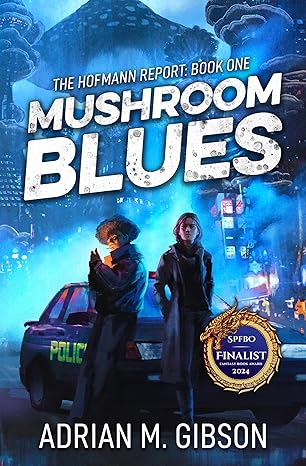
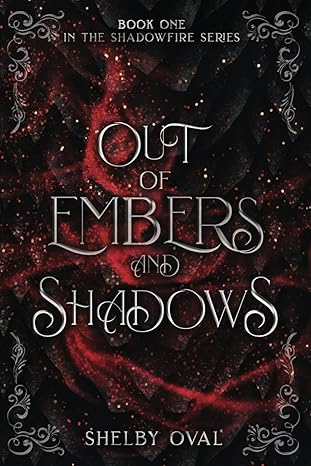
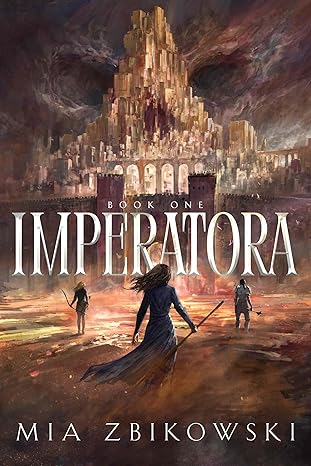
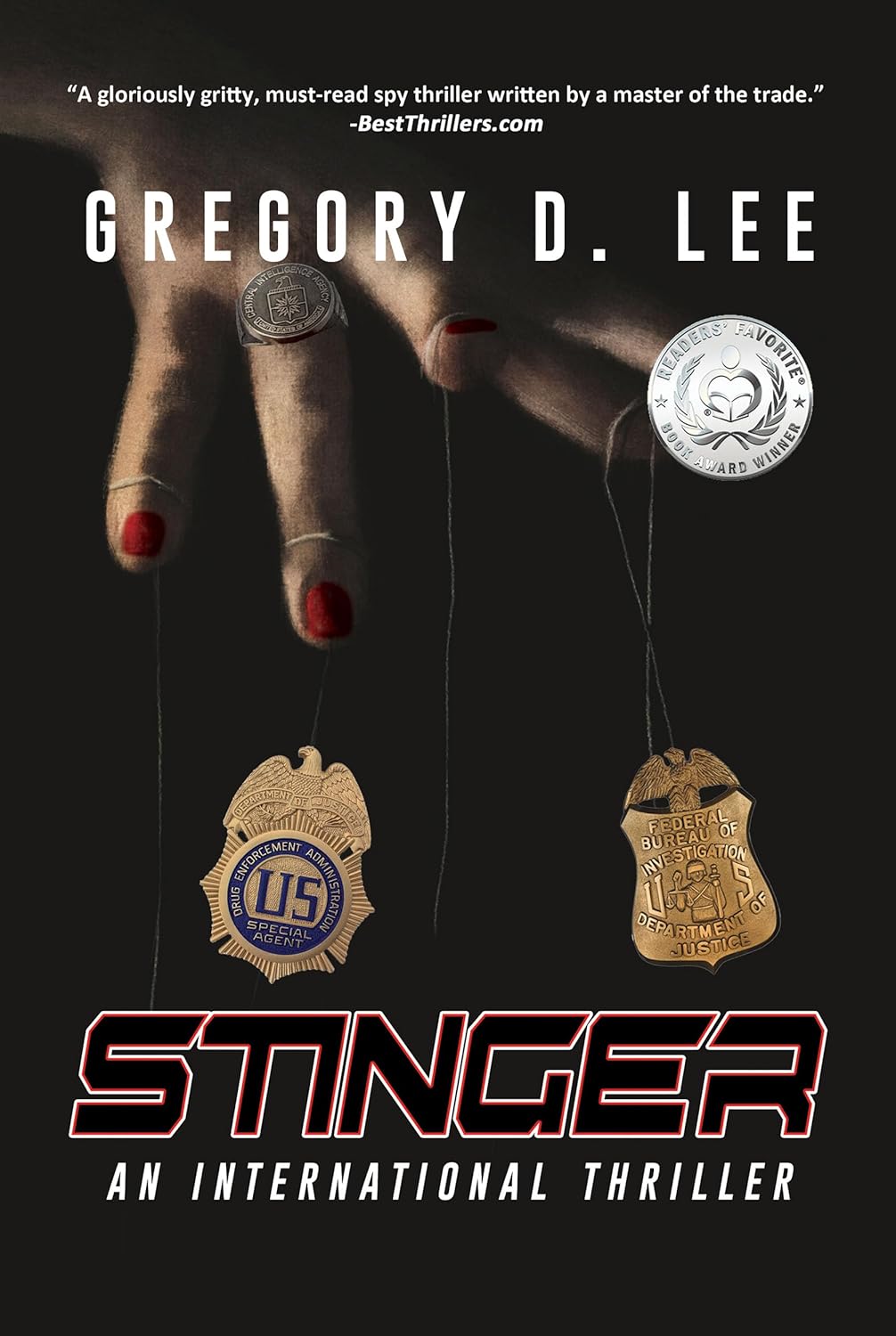


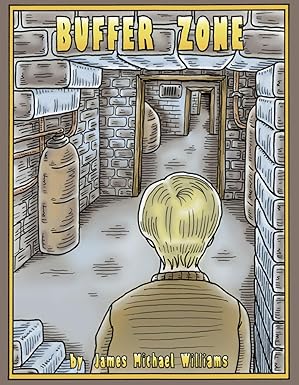
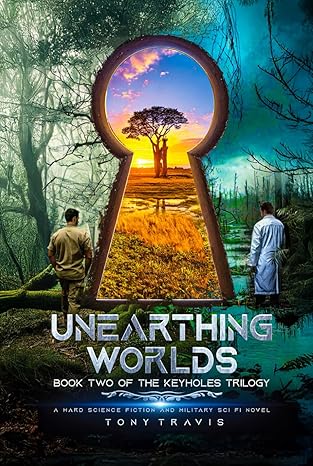




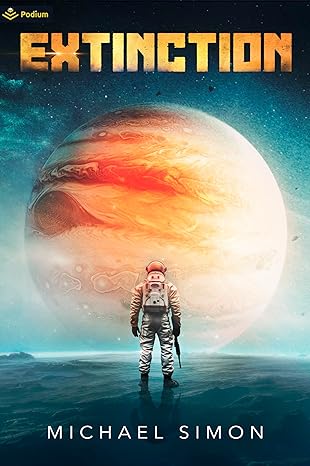




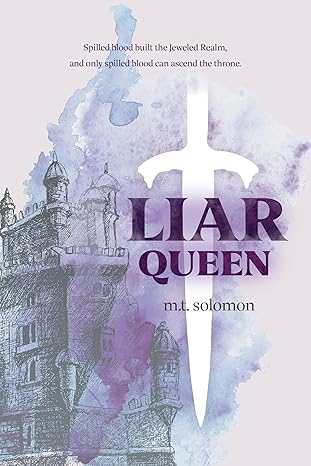
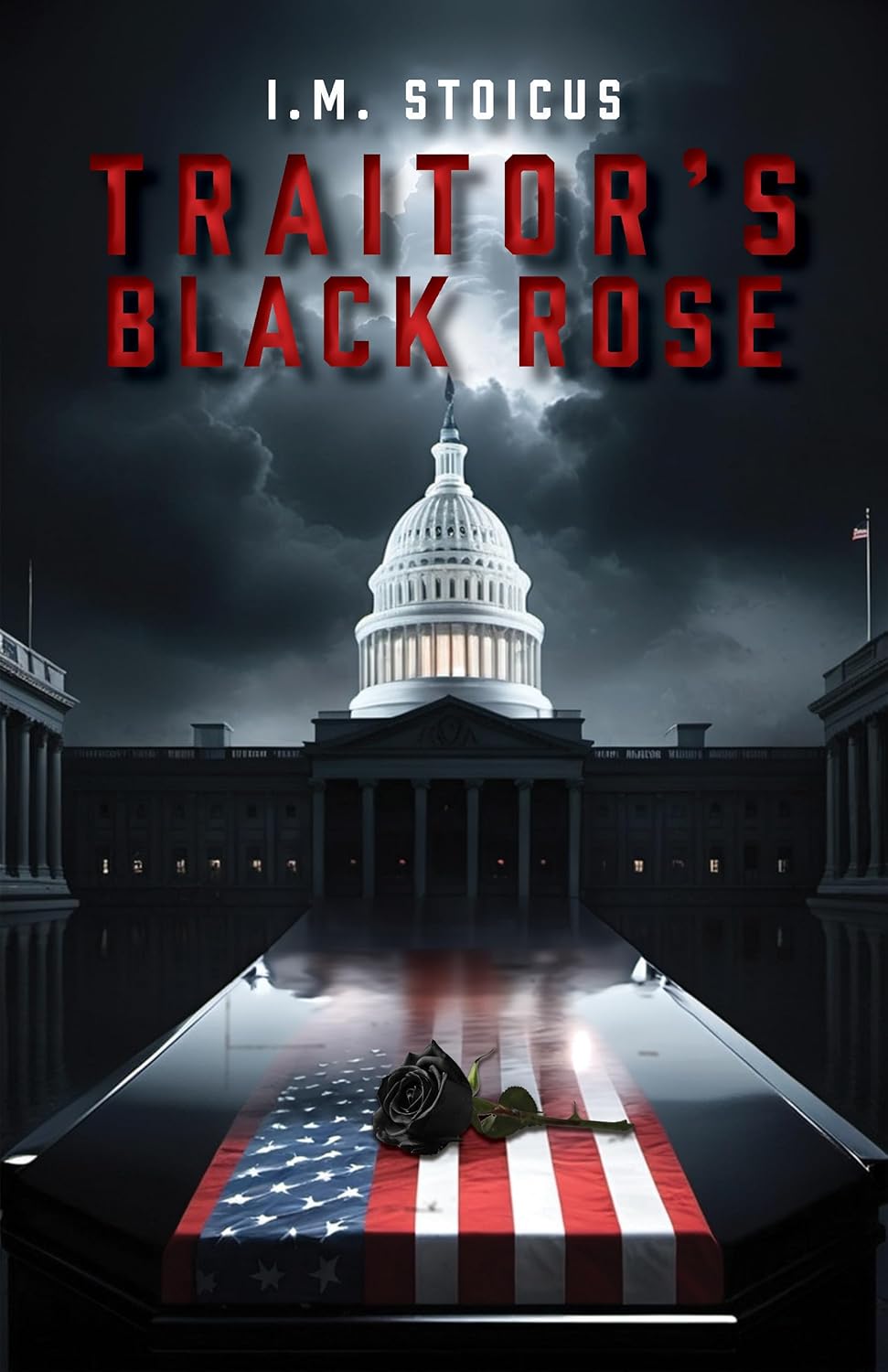

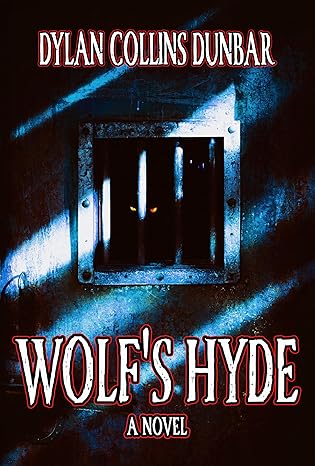
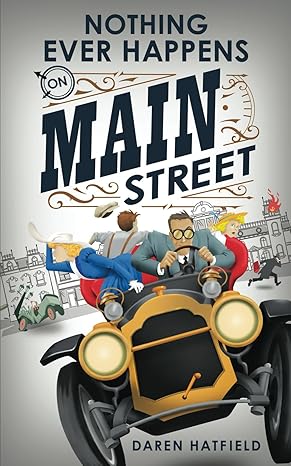




Visit the Literary Titan Book Awards page to see award information.
Literary Titan Silver Book Award January 2025
Celebrating the brilliance of outstanding authors who have captivated us with their skillful prose, engaging narratives, and compelling real and imagined characters. We recognize books that stand out for their innovative storytelling and insightful exploration of truth and fiction. Join us in honoring the dedication and skill of these remarkable authors as we celebrate the diverse and rich worlds they’ve brought to life, whether through the realm of imagination or the lens of reality.
Award Recipients














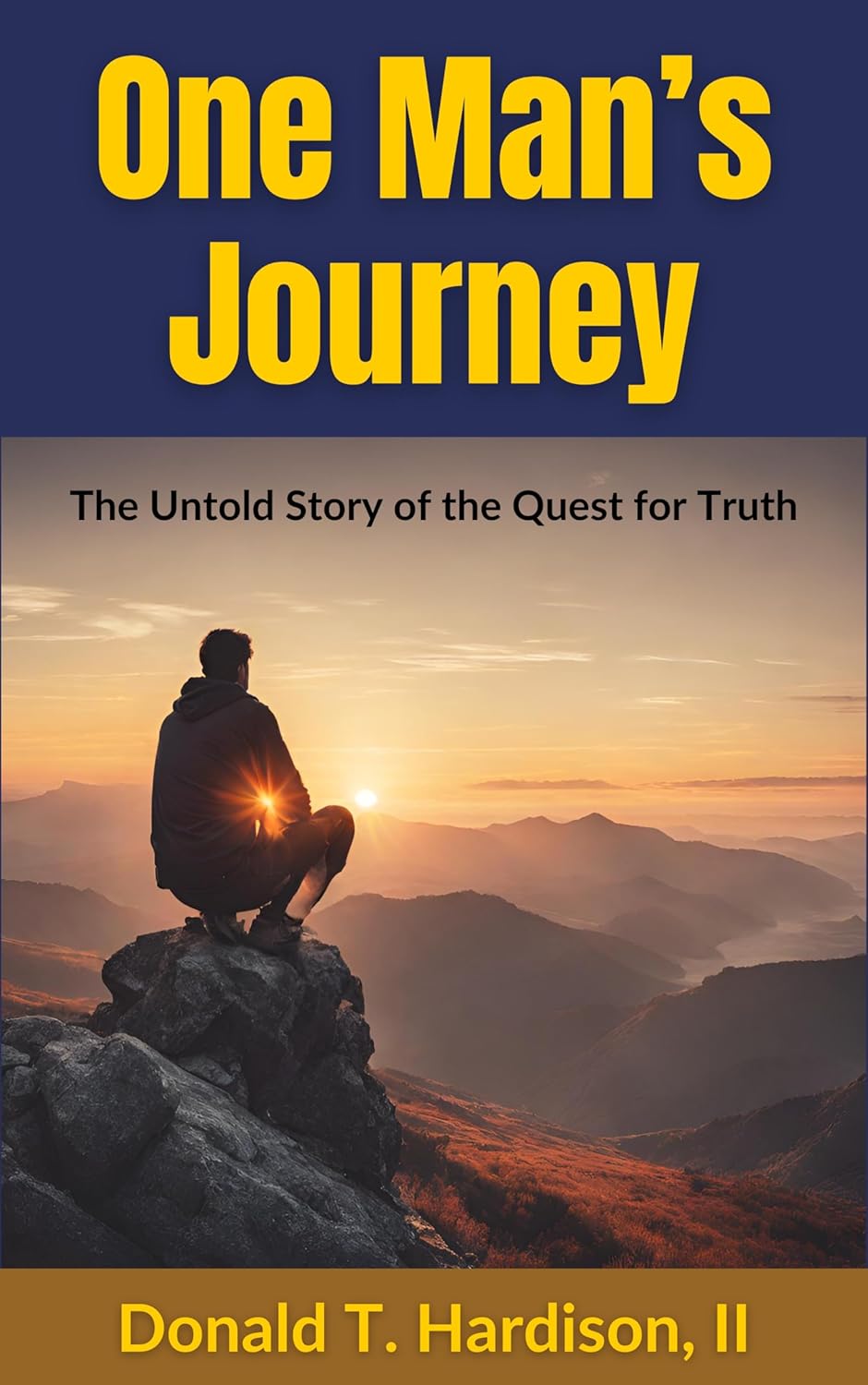
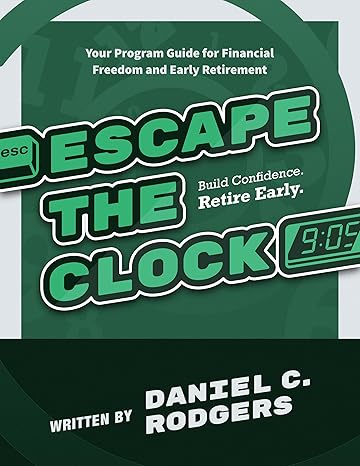

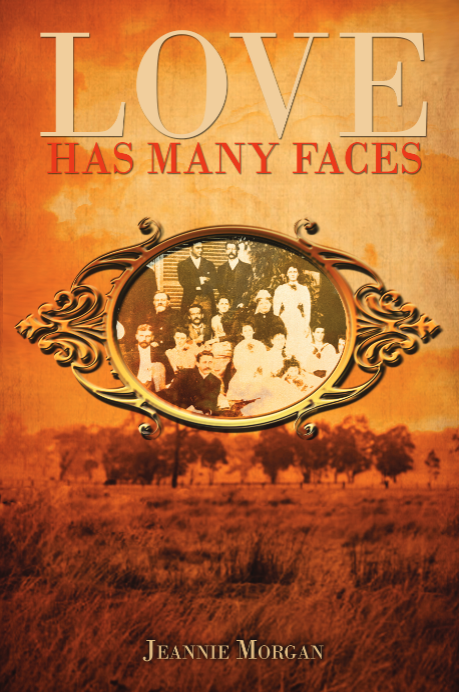


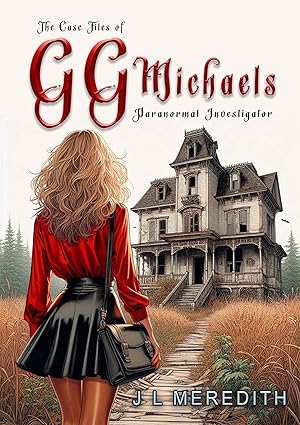




A Haunting Deception by Micah Briarmoon
Harpazo: Book One of the Trib Trilogy by Nathalie Bujold Ryan
Walk a Mile in My Shoes Surviving Life’s Challenges by Paul Bradford
Visit the Literary Titan Book Awards page to see award information.
Nuggets of Insight
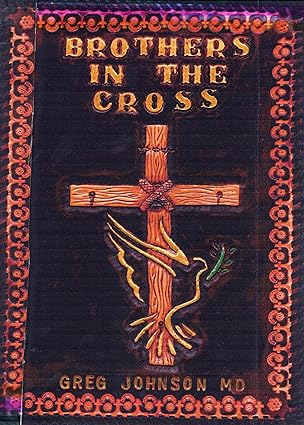
Brothers in the Cross follows an archaeologist who, while investigating a murder in the West Bank, unearths a clue that leads his team to the Cross of Jesus. What was the inspiration for the setup of your story?
Finding that I have terminal diseases convinced me to rethink my understanding of faith. I had never been comfortable in talking religion. Somehow I sensed that my characters could, if we had something meaningful to say. I had read an article about the Ein Gede scroll and subsequently was musing about the Dolly the Sheep cloning, when the idea of cloning Christ exploded into my brain. I had to write that story!
Brothers in the Cross is my introduction to publishing to the public, and my only work of historical fiction. It is my second book, though my first, Tales from Bedside Manor, a non-fiction memoir of the most memorable cases in my fifty year medical career, was written for my family and close friends and not released for sale or distribution.
I wrote Tales from Bedside Manor to preserve in short stories the ironies and bittersweet memories of life as an Internist (Internal medicine: a pediatrician for adults). It was to leave to my family an understanding of what those experiences had been like. My health was faltering, major irreversible coronary disease intruded soon overlaid by cancer. I could see the light at the end of the tunnel drawing closer and wanted to leave my mark. That was in 2010, Obamacare was passed and physician-directed primary care medicine began to die.
Writing Brothers in the Cross was different. Since childhood, I held a fascination with stories of the Holy Land. I was the questioning sort and the glib answers of true believers were never quite convincing enough for me. I wanted to believe, but I wanted to be convinced by something beyond blind faith. So I cocked my ears for discoveries that evolve with time and was rewarded by nuggets of insight that arose in random fashion over the years.
And then the threads collided. I was musing one evening and recalled the story of Dolly the Sheep and her cloning in Scotland. Furthermore, there had been articles about rogue doctors cloning human children in Korea and Mainland China. That was the epiphany that sparked my leap to consider what would happen if The Holy Cross of Jesus was found. What men with technology would do was never in question.
How much and what kind of research went into putting this novel together?
The book would write itself. Research required only confirming the facts that had accumulated over time. The closest distance between two points is a straight line. The closest hiding place for the Cross was near Jerusalem. Simon of Cerene was the man who carried it to the crucifixion. The most obvious source of Christ’s genes was the fatal Cross. The surrogate Mother would be Mary (Mariam is the Arabic translation). The Bible’s Revelations would suggest the other character, the Anti-Christ. Armageddon would pre-suppose a nuclear end. And the death of my primary care physician practice relegated me to the role of Chief of Occupational Health at White Sands Missile Range where I became acquainted with the nuclear accidents including the Demon Core incidents at Las Alamos Laboratory. Fate mixed with reason, so I wrote the book.
What is the next book that you are working on, and when will it be available?
I don’t have any plans to write another but stranger things could happen.
Author Links: GoodReads | Amazon
In the mid 1900s archeological studies unearthed the Dead Sea Scrolls, and then the Ein Geli scroll. Technologies brought to bear on the latter revolutionized the study of ancient artifacts and allowed scenarios like the one in this book to be achieved. Jesse, the archeologist gets roped into a murder investigation in the West Bank. The ‘clue’ is found. When it is deciphered the treasure hunt is on.
The trio that collaborate to solve this riddle becomes ensnared in the emotions of their discovery. That they find the Cross of Jesus seals their belief. But will anyone else believe them? Dr. Craig Carpenter is a fertility specialist on sabbatical and quite naturally wants to see if the blood of Jesus is in the Cross. He reasons that the chromosomal patterns will be unique because the male components were supplied by GOD, not man. His hypothesis is confirmed. Now the fertility specialist holds the genes of Christ. What could possibly go wrong?
Myriam is the key. Thanks to the technology of Dolly the Sheep, she becomes the surrogate mother for the blood of the Lamb. The “reincarnate Christ” is born and his life evolves. The admonition of the Book of Revelations looms heavily over this story now, and the possibilities expand.
Eventually the question arises: How does one eliminate undesirable genes in this day of GMO’s?
Real-World Discovery
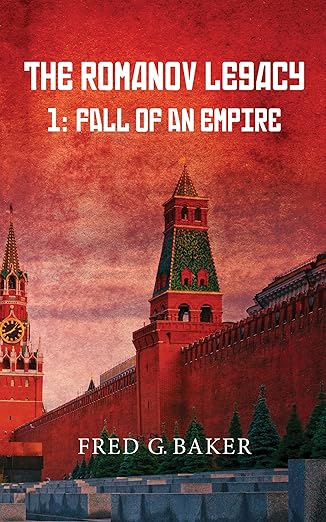
In The Romanov Legacy: Fall of an Empire, we follow a jeweler who has been tasked with the Romanov’s wealth out of their crumbling empire. What was the inspiration for the setup of your story?
Initially, I wondered if it was possible that any of the Romanov children could have survived the assassination at Yekaterinburg. This was made possible by the real-world discovery of one burial site in 1979, with the excavation of the bodies in July 1991. Two of the children were not there. What if? And the story grew.
Is there one scene that proved especially difficult to write? One that you had to reimagine before perfecting it?
I added the prologue at the end to frame the beginning and end of the story together, emphasizing the romantic thread. I had originally written it as a short story about how a small object like a silver flask could save someone’s life and change the course of history. Cutting the story down to act as the frame required several rewrites.
What intrigues you about the historical fiction genre?
History itself is fascinating and this genre is fertile ground to ask all the what-if questions. In this case, what if the entire Romanov family was not killed? In Europe during the 1920s, there was a woman who claimed to be Anastasia, raising questions about her possible survival.
What is the next book that you are working on, and when will it be available?
I have written the other two books of The Romanov Legacy trilogy. They should come out next year. They are The Romanov Legacy: 2 Ahead of the Storm, and The Romanov Legacy; 3 Return of the Tsar. Other novels are also in process. Please see my author page on Amazon or my website for other works.
Author Links: GoodReads | Facebook | Website | Amazon
Will Russia and its people survive?
Our protagonist Maxim Petrov rises to the challenge to secretly assist the tsar and his family. He gives his oath to take on the herculean task to preserve the Tsar’s legacy in spite of insidious forces of evil and the overwhelming horror of civil war. There are those who can help him, the secretive White Guard organization, a loyal prince, a heroic cavalry officer, and a few selfless patriots. They fight to save the tsar’s family from the evil clutches of Lenin’s Bolshevik horde.
Maxim must carry out the promise he made to his nation. The story unfolds with dramatic certainty in this, the first volume of The Romanov Legacy.
Truth is Fundamentally Important

A Remembrance of Death follows a young man navigating loss, physical limitations, and the British Empire’s complex legacy in the aftermath of WWI. What was the inspiration for the setup of your story?
I wanted to write a story where the main protagonist is not an obvious hero. He is kind, courteous, and principled; he will not lie and understands right and wrong. At the outset, he is an observer of the events around him. He watches as his friend is thrown into a river and is helpless as his marriage falls apart. At the lowest point in his life, he goes to Nuremberg rather than stay with his wife because this is required of him. After Nuremberg, he must make a choice between loyalty to his country or exposing the truth. My inspiration for this story came about because I believe there is a growing trend for our news and history to be manipulated and that the truth is fundamentally important, no matter how uncomfortable it may be.
How did your research into historical events like the Mau Mau uprising and the Nuremberg Trials shape the narrative?
The two events are closely linked for the purposes of the story. My main protagonist, Basil Drewe, is shocked when confronted with the horrors of Dacau and Nazi atrocities and helps with the prosecution of Nazi War Criminals. Nine years later he must look into the Mau Mau uprising, where he learns that the British have closed their eyes to the torture of detainees and that nearly a million natives of the Kikuyu tribe have been resettled forcibly. Until this point in the novel Basil has mainly been a passive observer and now must make a choice as to whether to tow the British establishment line or not. From this point in the narrative Basil changes as does his life, particularly the trajectory of his relationship with his wife.
Laxman Choudhury is a memorable character. What motivated you to include his perspective and cultural experiences?
I was motivated to include Laxman’s perspective and cultural experiences to give a different perspective to the novel. Throughout the novel, there are instances of how foreigners, who are culturally different, are treated. For example, the Chinese workmen who built the railway across America, ‘The Dunera’ boys who were transported to Australia, the Kikuyu who were forced into unsanitary villages, and the detention and killing of Jews during WWII. Laxman Choudhury’s experiences show what it is like to be a foreigner in a time when a country does not respect someone else’s culture. He then returns to India where the tensions between the Hindu and Muslim communities are at breaking point. While he sees the faults of the British, he struggles to see what it is like being a Muslim in a Hindu-dominated society.
If readers take away one lesson or emotion from A Remembrance of Death, what do you hope it will be?
To learn from your mistakes and not to repeat them.
Author Links: GoodReads | X (Twitter) | Facebook | Website | Amazon
As he arrives at Oxford in 1917, Basil Drewe is coming to terms with the recent death of his brother Adrian in the Great War. Meanwhile at Ojai in America, Celia Lutyens and her illegitimate son Robert struggle to find their place in a foreign country. On returning to England, Celia renews her acquaintance with Basil and finds she must deal with the mistakes of her past and the constraints placed upon her by society and its expectations. Their journey takes them to India, Vienna, London, Nuremberg and Kenya. Finally, they return to Castle Drogo, the place where they first met, however, the castle no longer represents the ideal it once did for Celia but is now a mausoleum.
A Remembrance of Death was short-listed for the Yeovil Literary Price and received a high commendation. It was described as, “prose with a classic sensibility … evoking a clear and present time and place, the characters lifting effortlessly from the page with authentic dialogue and engaging set pieces.”
Zephyr Trails

Ellis Cady, a spirited young woman, navigates a world fraught with uncertainty and change. Zephyr Trails opens in Southern Missouri, where she endures the harsh winter of 1866 on her family’s ranch. As spring breathes life back into the land, tantalizing rumors suggest that her father, presumed lost, may still be alive. Simultaneously, Ellis becomes captivated by Jimmie, a dynamic performer in Levi Jack’s Wild West Exhibition, and grows intrigued by whispers of a groundbreaking messenger service. Torn between her burgeoning interests and an unfolding epidemic, she finds herself grappling with the challenge of choosing the right path forward.
Zephyr Trails, by Nicki Ehrlich, weaves a stirring narrative of frontier life, blending a vivid historical backdrop with the inner turmoil of a compelling protagonist. Drawing comparisons to the Little House on the Prairie series and the works of Louis L’Amour, the novel expertly balances sweeping adventure with introspective character development. Ehrlich’s prose stands out as a hallmark of the book. Her distinctive style alternates between poetic lyricism and sharp immediacy, pulling the reader seamlessly through Ellis’s journey. This fluctuation mirrors the protagonist’s inner contradictions: a deep love for the wild beauty of horses and expansive landscapes tempered by the constant awareness of the era’s many perils. Ellis is a multifaceted character, torn between the quest to uncover her father’s fate and the pursuit of her own ambitions. Yet, like many young people, her aspirations remain tantalizingly undefined. The colorful and engaging characters she encounters, such as the fiery and unpredictable Jimmie, offer glimpses of the possibilities that lie ahead. Ellis understands that the resolution of her father’s mystery is essential before she can fully embrace her own future.
The novel’s charm lies in its ability to resonate with younger readers, especially those enchanted by stories of horses and the untamed West. While danger looms on the horizon, the narrative’s buoyant tone ensures that it never becomes overly dire. Like Ellis herself, the story brims with vitality, imbuing even the gravest moments with a sense of resilience and hope.
Nicki Ehrlich’s Zephyr Trails offers an enthralling journey through the rugged frontier, anchored by a protagonist whose courage and curiosity make her an unforgettable guide. Readers will find themselves swept up in this vibrant tale, eager to follow Ellis’s path as it twists and turns through the uncertainties of the Wild West.
Pages: 321 | ASIN : B0D6X9DS4M




 LITERARY TITAN