Blog Archives
Discerning Reality From Illusion
In The Conspiracy of the Christ you examine your relationship with Christ through anecdotes, mysterious encounters, and childhood reflections. Why was this an important book for you to write?
My obsession with truth seems to have been innate from my earliest recollection, and it has always been a challenge to discern reality from illusion. When I became religious, my obsession centered around Jesus Christ.
Writing is for me a learning experience. It is an excuse to do more research, and I learned a lot in writing this book. For me, this book pulled together all the threads that I left hanging for so long. I almost feel satisfied.
Is there anything you edited out of this book that you now wish you had included?
The book is too long, and I was self-conscious about that; but the volume of source material was too great, and I had to gesticulate towards the sources as a guide might point out landmarks. Giving a total overview was important. I wanted to go into more detail, but the digressions would have interrupted the flow and the balance. Especially, I hope my readers will seek out the works of Dionysius the Areopagite, which were secretly foundational to Christianity. I am thinking about doing a book on the secrets of Christianity. Also, I wanted to spend more time on atheism and Christianity, but I did not know enough sources to support that. Maybe, that is another book.
I appreciated the candid nature with which you told your story. What was the hardest thing for you to write about?
The personal miracles and perhaps hallucinations could have made me appear unreliable as an author. It was a risk.
What is one thing you hope readers take away from your experiences?
We are magical beings in a magical world, and we should become humble to better appreciate our moment in time.
Author Links: GoodReads | X | Facebook | Website
Un-Adoptically Me — My story. My truth. My voice.


Elmarie Arnold’s Un-Adoptically Me is a raw and personal memoir told through 88 vivid “snapshots” that trace her journey as an adoptee navigating the complex and lifelong ripples of primal trauma. It dives into the bittersweet paradoxes of adoption, love wrapped in loss, gratitude clouded by grief, and identity tangled in silence. Through poetic, bold, and often gut-wrenching storytelling, Elmarie lays bare her emotional landscape, from her childhood innocence to adult reckoning, through motherhood, heartbreak, and healing. It’s not a straight line. It’s layered, messy, and brave.
There’s a section in “A Life Reborn” that just clung to my heart—Elmarie writes about holding her newborn son for the first time in the same hospital where she was born and later adopted. That moment wrecked me. She’s breastfeeding him, watching this new little life cling to her, and all she can think about is how she’ll never abandon him like she feels she was abandoned. I’ve had my arms around my own kids and thought those same fierce, protective things. Her writing is like that, so personal it feels like it echoes something unspoken in you. It’s poetic without trying too hard. Honest without being self-indulgent.
What stood out most to me, though, was her unfiltered rage and heartbreak when she finally receives that cold, clinical letter from the adoption agency. Just nine sentences about her birth mother. Not even a name. No warmth, no story. As a mother, that shattered me. The way she talks about the absence—not just of facts, but of acknowledgment—makes you see how trauma isn’t always what’s done to you but what’s never given. It made me want to hold my own daughter tighter. Elmarie doesn’t ask you to agree with her or pity her. She just wants you to witness her truth.
Her writing about motherhood is probably what resonated with me the most. “The Shadows We Keep” is a letter she wrote to her son after learning he had been molested for years under her roof while she was lost in trying to “find herself.” The pain in her words is unbearable. Grief, guilt, shame. She admits everything. Doesn’t hide behind excuses. I found that passage almost too painful to read, but also too important to skip. It’s a brutal, beautiful reckoning. And what’s wild is, despite all this trauma, Elmarie keeps showing up. For her kids, for herself. She breaks apart and pieces herself back together again, and then somehow, she writes it all down for the rest of us to read.
This book is for anyone who’s lived through loss or felt alone in a room full of people. It’s for mothers, daughters, and anyone who’s struggled to feel like they belonged. If you’ve ever tried to heal something that didn’t leave visible scars, you’ll see yourself in these pages. I cried, I got angry, and I paused more than once to just breathe. And in the end, I closed the book and felt like I’d made a friend.
Pages: 386 | ASIN : B0DV11GJ2N

The Conspiracy of the Christ: A Memoir of Gnosis, History, the Secrets of Christianity, and Carlos Castaneda
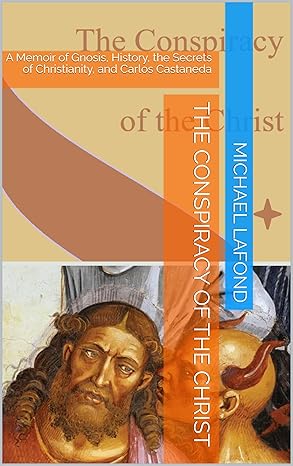

Michael LaFond’s The Conspiracy of the Christ is a memoir that defies easy classification. The book is a deeply personal exploration of mystical experiences, the nature of miracles, and a critical reexamination of Christianity. Through anecdotes from his own life—ranging from encounters with mysterious entities to reflections on childhood indoctrination—LaFond threads together theology, psychology, skepticism, and spirituality. He attempts to uncover not just the historical Jesus, but a deeper, internal experience of “Christ” as universal awareness. This is no ordinary religious memoir; it is part philosophical musing, part confessional, and part critique of organized religion.
I was immediately struck by LaFond’s openness in recounting intimate and often bizarre experiences, like the childhood encounter with what he calls the “bogeyman” in a tree—a shadowy, pulsing mass that disappeared upon his father’s denial of its existence. These stories are told with conviction and a sincerity which make them hard to dismiss. His writing has an offbeat cadence that feels both earnest and unpredictable, sometimes philosophical and other times oddly playful. It’s a rare voice—self-aware, but not self-important. I appreciated the vulnerability in passages like when he describes hearing a voice say “You will save the world,” and how, rather than embracing a messianic complex, he questions its origin and meaning. The way he balances belief and skepticism feels honest and relatable.
LaFond is clearly well-read and philosophically curious, yet his prose avoids academic pretensions. His critique of Christian doctrine, particularly miracle stories and the early church’s reliance on spectacle, is bold without being dismissive. He’s not trying to debunk belief entirely; instead, he’s trying to widen the definition. This book isn’t about theology in the institutional sense. It’s about how one person’s mind wrestles with experience, meaning, and the spiritual weirdness of life.
There are stretches of tangents and long personal digressions that don’t always circle back. It’s part of the charm, but also part of the challenge. At times I felt like I was eavesdropping on a very long, very personal monologue. But even when it wandered, the writing never felt false. His refusal to provide neat answers or a definitive worldview is what gives the book its authenticity. He lets contradictions stand—faith and doubt, science and mysticism, belief and disbelief—all jostling together under the same roof.
The Conspiracy of the Christ is a heartfelt and thought-provoking memoir. It’s not for someone seeking traditional apologetics or tidy theological conclusions. But if you’ve ever felt torn between reason and wonder, or if you’ve wrestled with religion and longed for a more personal, mystical experience of meaning, this book will speak to you.
Pages: 423 | ASIN : B0DS1KXWXS
Creating Community

In The Break, you share with readers your experiences battling addiction and codependency and offer an intimate look into the unraveling of your marriage. Why was it important for you to write this book?
It was important for me to write The Break and share my experiences with codependency as my ex-husband and I came to terms with his alcoholism because I remember how alone I felt as I looked for community and understanding. I found more stories of people becoming sober than I found of those caring for someone going through alcoholism. The examples of alcoholism that were readily available were stories of various forms of abuse, mood swings, police interactions, empty bank accounts and houses built on fear. None of that was my story and I wanted to show others what high functioning alcoholism can look like. As I looked for my community, I realized there were more programs to assist the individual going through addiction than there were to help guide the loved ones. Alcoholism is a full life disease – it affects family, friends, co-workers and acquaintances – so I found it very odd that there was not just as much support for those around the alcoholic. I wanted to add to that community and that conversation because we, the co-dependents, need a strong support system as well.
I appreciated the candid nature with which you told your story. What was the hardest thing for you to write about?
The hardest part for me to write about was our wedding and accepting the fact that I really didn’t want to get married at the age of 25. It wasn’t that I didn’t want to marry my now ex-husband, it’s simply that I felt like I was up against societal standards and I was behind. I felt like I needed to get married because it was the next right step. Yes, I loved my now ex-husband and I should not have gotten married. While it was the next right step based upon societal measures, it was not the next right step for me and I was too young and too scared to recognize that truth.
What is one piece of advice you wish someone had given you when you were younger?
There is a lot of advice that I wish my younger self had been told, however it does not mean I would have been ready to accept it. If someone had told me that I didn’t have to get married, that there is always another way and to make sure I take the time to listen to myself, I can’t say I would have fully listened to them or understood what they meant. Especially since all the women close to me modeled a very different belief system. Even the women in the news were heralded more for their looks and who they were dating, than the accomplishments they created on their own.
What is one thing you hope readers are able to take away from The Break?
The biggest take away that I hope readers carry with them after reading The Break,is to give that inner voice space. Take the time to listen to the quiet nudging and pulling that says Try this or Are you sure?. It can be scary to give that voice a chance to be heard, especially if she’s been quieted for so long, AND it will be very worth it.
Author Links: GoodReads | Websites
This quieting leads us towards a life out of alignment with our truest and most authentic selves. This leaves us feeling anger, exhaustion and constantly stuck. A life the author was too familiar with as she struggled to accept her then husband’s alcoholism and the part she played in the cycle.
The Break is a story of Brandee’s unlearning, seeking truth and finally allowing herself to trust her inner own knowing. The journey back to herself was not easy and it was completely necessary. This story is shared with the hope it will guide you back to your own inner knowing as well.
Themes in this book include:
Addiction
Separation
Learning to trust ones self
Strengthening your inner knowing
Order your copy today!
Women Making a Difference

Women Making a Difference is a stirring anthology spotlighting the voices of women across the globe who have transformed adversity into impact. Compiled by Peace Mitchell and Katy Garner, this collection features personal stories from trailblazers in tech, social justice, education, business, and healing, each chapter a testament to resilience and purpose. Through raw honesty and bold vulnerability, these women share what it truly takes to be a change-maker—not just in theory, but in practice and not without scars.
What stood out to me most was the way the book cracked open the illusion that making a difference is about big stages or perfect plans. Dr. Cara Lenore Antoine, in her chapter “Be the First,” writes with sharp clarity and warmth about being a woman in tech, often the only one in the room. She didn’t just show up—she redesigned the room. Her story of fighting for women’s PPE in male-dominated industries struck me hard. It was funny, frustrating, and deeply human.
Comfort Dondo’s chapter, “Transformative Healing and Proactive Advocacy,” pulled me into a different kind of storm—one made of trauma, community pain, and quiet, fierce courage. Her words are heavy with truth, like when she says, “I was trying to continue to offer a lifeline for other women, while my own was still shaky.” I felt that in my bones. She makes it clear that advocacy without healing is a path to burnout. The idea of healed healers reshaping the systems that once broke them resonated deeply.
The Silent Difference by Dr. Sarifa Alonto-Younes is a quiet storm of a chapter—calm on the surface but brimming with strength underneath. She writes about the power of leading with humility, compassion, and integrity, even when no one is watching. Her story, rooted in her Muslim faith and her experiences as an educator and global advocate, reminds us that dignity, patience, and purpose can move mountains in silence.
This book isn’t about polished resumes or highlight reels. It’s about messy, brave women who said yes to something bigger than themselves. It’s about pain, yes, but also purpose. If you’ve ever doubted your ability to make a difference, this book will call you out, lift you up, and push you forward. I walked away from it feeling seen, inspired, and more determined than ever to keep showing up—not because it’s easy, but because it matters.
I would wholeheartedly recommend Women Making a Difference to women leaders, aspiring changemakers, or anyone feeling worn down by the weight of trying. This book doesn’t give you permission to give up—it gives you a hundred reasons to keep going. And it reminds you, beautifully and powerfully, that you’re not alone.
Pages: 245 | ASIN : B0DNY75MZQ
Living While Dying
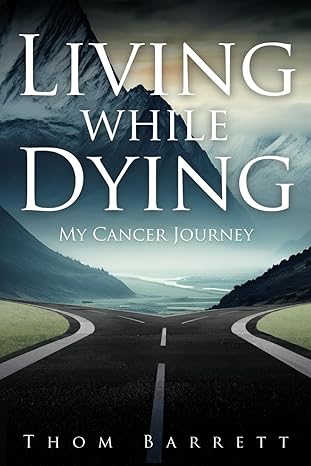
Living While Dying is a personal and often raw memoir chronicling Thom Barrett’s journey through prostate cancer—from diagnosis to treatment, and ultimately, acceptance. It spans nearly a decade of his life, including stints of remission, relapses, surgeries, radiation, hormone therapy, and the emotional toll all of it takes. But more than that, it’s a book about living—about pushing forward, finding meaning, chasing moments of joy, and learning to navigate life even when the road turns brutal and uncertain.
Right off the bat, Barrett’s voice hits you. It’s not polished in the way some memoirs are; it’s better. It’s real. In the Preface, he writes, “I call this book Living While Dying for a reason—that is what I have been doing without fully realizing it.” There’s something powerful about someone realizing they’ve been surviving all along, even when they thought they were just coping. The way he pulls passages straight from his journals adds an immediacy that makes you feel like you’re right there with him—whether it’s in the sterile discomfort of a biopsy or the aching silence of a sleepless night on Cape Cod. You’re not just reading. You’re witnessing.
What struck me hardest, though, was how open he was about the emotional stuff—especially the way cancer tore into his relationships. When he talks about telling his wife about his diagnosis late, and the tension that followed, it hit a nerve. He admits, “Unfortunately, I didn’t handle her concerns well.” That’s not something people usually own up to, especially in memoirs like this, but Barrett does, and often. He reflects without blame, just honesty. And when he questions whether his testosterone treatments—done in good faith—might have worsened the cancer, it’s not with bitterness, but a kind of weary clarity. That mix of vulnerability and self-awareness gives this book weight.
Still, it’s not all somber. Barrett finds light in woodworking, skiing, his dog Bailey, and especially his travels. Chapter 5, where he recounts road trips with friends and a season of skiing, almost reads like a travelogue tucked inside a cancer memoir. There’s a contagious energy in those stories—like when he describes building a camper or making rustic hickory cabinets. Even when his body fails him, he finds ways to build, to move, to dream. It reminded me how essential it is to make room for joy, even when the world says you should be miserable.
In the final chapters, as Barrett confronts his stage IV diagnosis and writes openly about his fears, purpose, and mortality, I found myself slowing down, not wanting to rush the words. His reflections in Chapter 20, Lessons Learned, felt like he was handing the reader a map—not to avoid the pain, but to navigate it. It’s not inspirational in the saccharine way. It’s brave, grounded, and unfiltered.
I’d recommend Living While Dying to anyone facing illness—directly or through a loved one. But it’s also a book for people who feel stuck, who wonder what it means to really live. Barrett doesn’t have it all figured out, and he never pretends to. But he writes like someone who’s wrestled with life, and who still—despite everything—believes in its beauty.
Pages: 243 | ASIN : B0CSZCR74R
Childhood Trauma’s Lifelong Impact

Dispatches from the Couch is a raw and fiercely intelligent memoir about the enduring scars of childhood sexual abuse and the intricate, often agonizing process of healing. Why was this an important book for you to write?
Writing the early drafts gave me permission to spend as much time as I needed to interrogate my memories and the intrusive thoughts they manifested. I was in such a dark place that I didn’t believe I deserved to talk to my therapist repeatedly about particular memories or challenges. I’d put myself on a healing schedule with a ridiculously short timeline. Writing suspended that clock. In later drafts, the editing process required I interrogate every description of my experiences that I was developing. It allowed me to revisit and reconsider what our therapy sessions revealed. Editing my manuscript with the goal that readers could better understand childhood trauma’s lifelong impact and perhaps identify how their or a loved one’s story might relate to mine ultimately allowed me to understand it and myself as well.
What was the most challenging part of writing your memoir and what was the most rewarding?
The most challenging part was deciding what to keep and what to cut. Therapy is a slow, repetitive process. One that sometimes was made even slower by my scientific mind’s penchant to step outside what I was experiencing and overanalyze things. We can feel stuck in the mud for weeks, even months. The two steps forward, three steps back, one step forward nature of the process is difficult to convey in a way that keeps a reader engaged. It was challenging but ultimately rewarding to retain the truth of what it feels like to slog one’s way through therapy that doesn’t read as a slog. This is where candid but gentle editors and beta readers are essential. My first developmental editor, author Tessa Fontaine, was vital to this effort. As was my ongoing relationship with Melissa Walker of HeyDay Coaching as my writing coach.
How has writing your memoir impacted or changed your life?
It answered a question I first articulated as a teenager: Who might I have been had the man I call Mr. Jay never been a part of my life? The six bouts of therapy prior to working with my current therapist, identified as Piper in the book, helped. They allowed me to process the trauma of child sexual abuse and keep going. However, working with Piper as I wrote out the dialogues of our sessions and later worked and reworked them into a coherent story created opportunities for us to revisit an issue until I felt I had exorcised it from my brain and body. It gave us the chance to think more critically about the more nuanced ways trauma shaped my understanding of the world and my place in it. We went from asking the question: What happened to you? to the question: What did it do to you? Today, I no longer see myself as damaged goods making the best of the scrap heap a pedophile left me to work with. I am a woman with a voice and the privilege of an education that allows me to understand trauma through a unique combination of scientific knowledge and personal experience.
What do you hope is one thing readers take away from your story?
Fight the unkind things your brain tells you, along with the sadness, fear, or frustration they bring. We live in an overwhelming world. Accept help. We so often feel like burying ourselves under the covers in isolation and loneliness. Whatever might cause you to think no one cares or no one could possibly understand, challenge those beliefs however you can. Give it everything you’ve got. Not one person whom I eventually reached out to averted their eyes or walked away. Had I written the Acknowledgements of my book before I wrote the book, I might not have needed to write it. (I am still glad I did!) There are people, whether through professional or personal relationships, who want to and can help you find your way through whatever your brain is telling you will be impossible to overcome.
Author Links: GoodReads | Instagram | Facebook | Website | Amazon
As Professor Hettes, her classes focus as much on neuroscience’s beauty and wonder as its facts and theories. Fellow faculty members see her as a fair but outspoken leader on a campus steeped in the blended patriarchies of academia and southern gentility.
At an emotionally charged forum on sexual violence, she takes a stand against a colleague’s reckless verbal assault, outing herself as a sexual abuse survivor in the process. Professor Hettes must continue her work even as Stacey finds herself resubmerged in the sights, sounds, and smells of her memories with Mr. Jay, a Pentecostal church deacon.
With exceptional candor, Dispatches from the Couch invites readers to take a seat beside her in the office of her new therapist, Piper. This debut memoir reveals the laborious, complex, but promising work of revisiting the past in order to extract its remnants of shame and loneliness from the present.
Literary Titan Gold Book Award: Fiction

The Literary Titan Book Award honors books that exhibit exceptional storytelling and creativity. This award celebrates novelists who craft compelling narratives, create memorable characters, and weave stories that captivate readers. The recipients are writers who excel in their ability to blend imagination with literary skill, creating worlds that enchant and narratives that linger long after the final page is turned.
Award Recipients
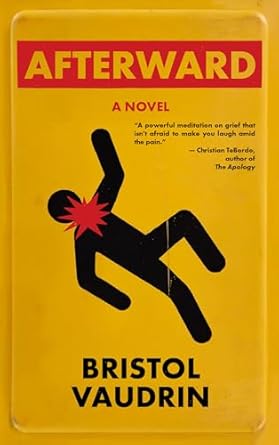

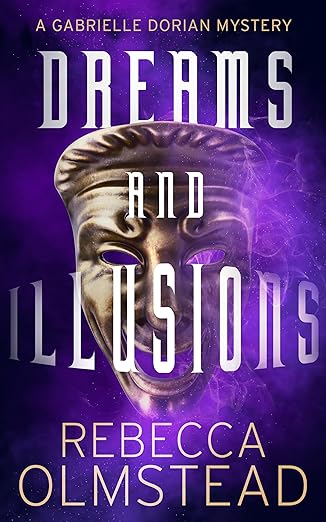

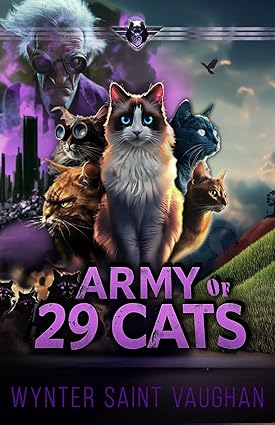
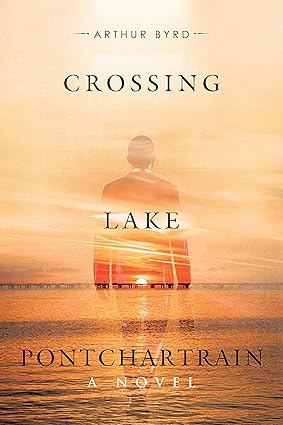


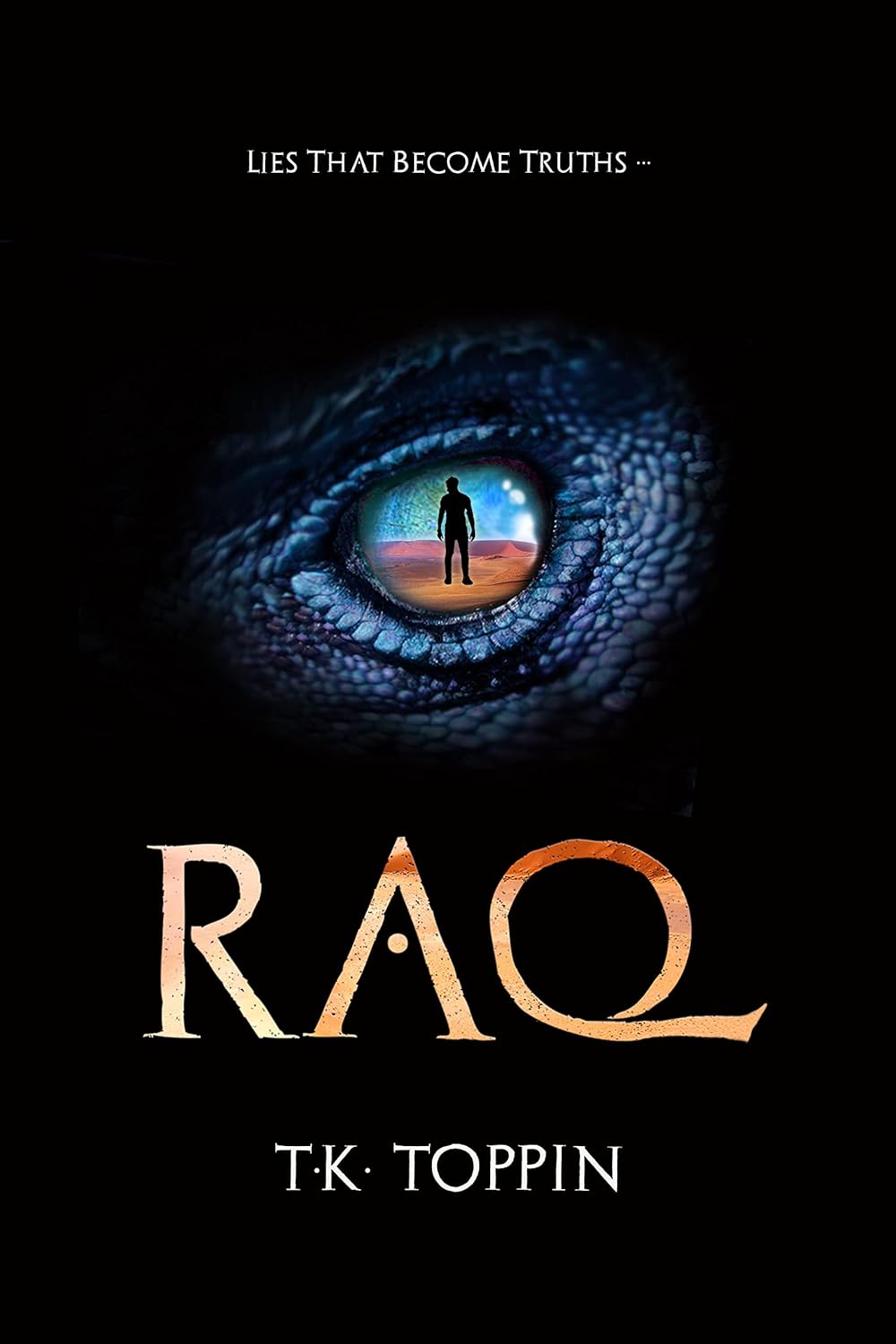














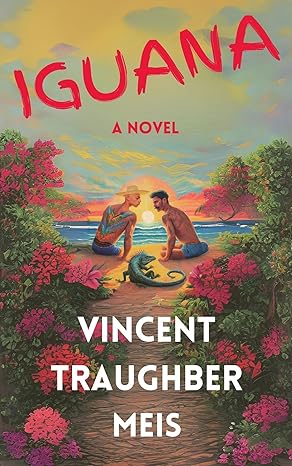

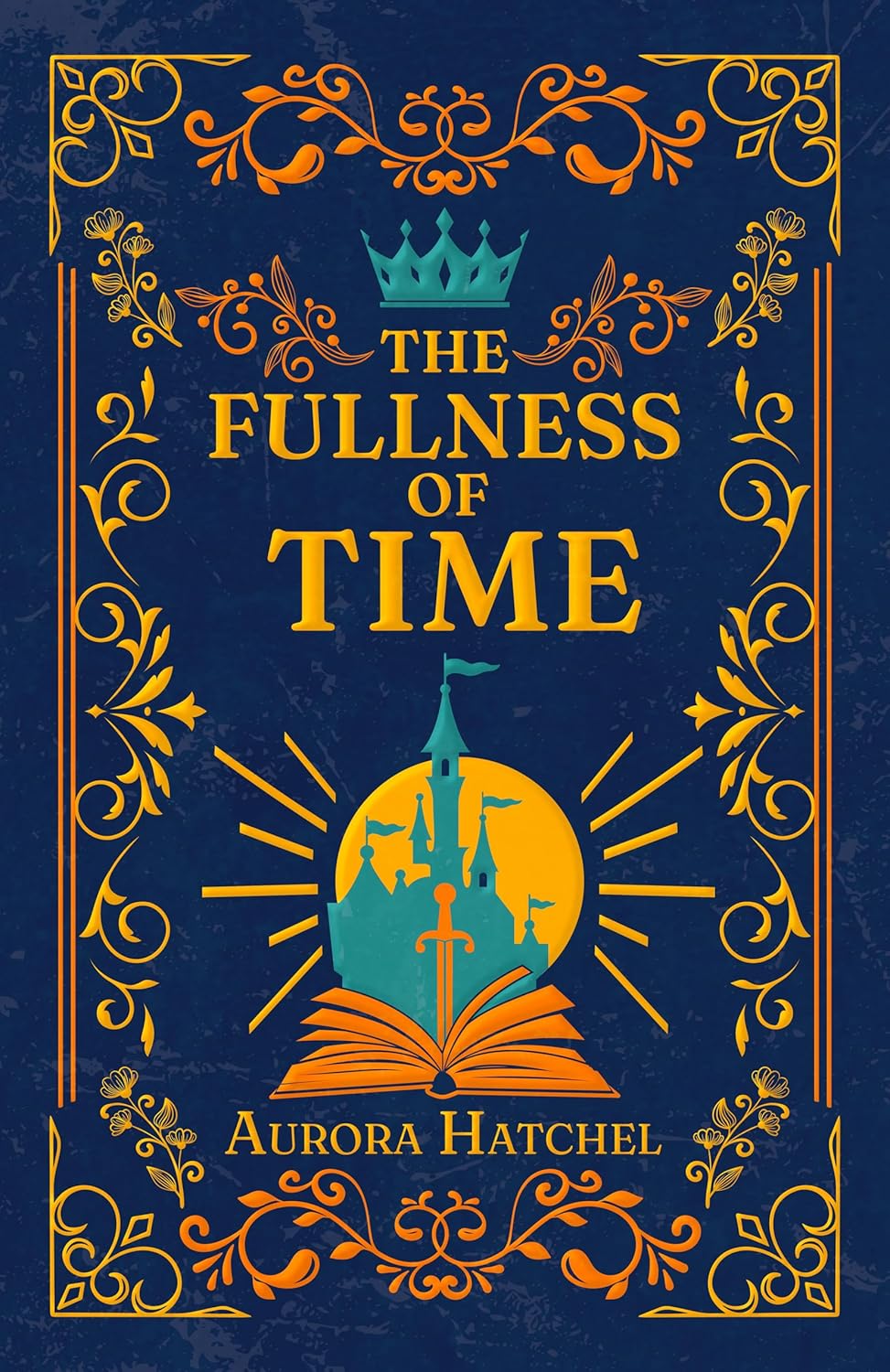

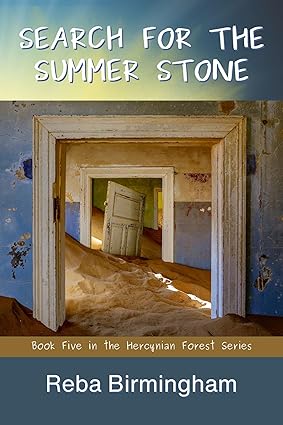

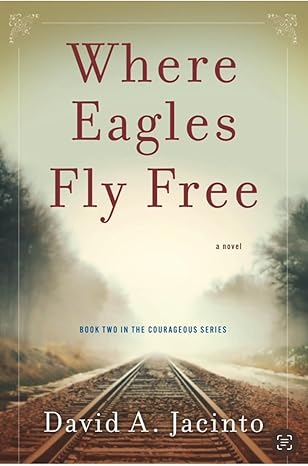



Visit the Literary Titan Book Awards page to see award information.



 LITERARY TITAN