Blog Archives
Moral Awakening
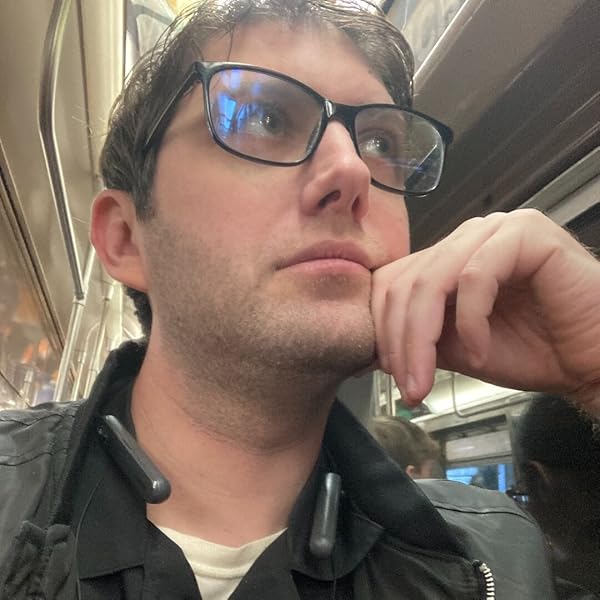
Switch and Blue Eagle is a coming-of-age superhero novel where a young sidekick battles villains, expectations, and his father’s outdated ideals in a world that no longer sees justice in black and white. What inspired you to explore the father-son dynamic at the heart of the story?
It’s actually an element from my worldbuilding. When I first started doing this, I was inspired by the TTRPG Masks. When me and a gaming group I was part of were preparing to start a campaign in that, I looked over the basic information and saw that the ages of comic book history–the Golden Age, the Silver Age, and so on–were canon as Generations in Masks. So I decided to follow suit with in-universe Ages of Heroism. I’ve always loved the contrast between more serious, darker takes on superheroes and their lighter, more kid-friendly takes of old. So Blue Eagle and Switch ended up being the first two characters I created–along with Queen Venus and one more character that you can likely guess who it is if you read the epilogue–as a contrast between the Silver Age and the Modern Age of Comics and Heroism.
So, in my larger world, I have Silver Age characters and their values, I have Dark Age characters and their values, and I have the younger Modern Age characters trying to find their place in the world.
I know that sounds like an answer to a different question, but the father-son dynamic in this story was actually built from worldbuilding rather than character exploration, at least in the beginning. Once that foundation was built, I started asking myself, “What would people from different Ages of Heroism disagree on when it comes to superhero-ing? What differences would a superhero from each era of comics have, like Superman of the 1950s and Rob Liefeld’s Youngbloods characters in 90s Image Comics, and today’s teen heroes like Miles Morales and Kamala Khan? What complications would those differences create when the people who have those differences also have a father-son and superhero-sidekick relationship? What are some real-life, dare I say political, equivalents to those disagreements?” And this was ultimately my answer.
Jack often questions what makes someone truly “good.” How do your own views on morality shape the story?
Haha, when I was a dumb, edgy 20-something, I really hated Superman (now that I have a fully functioning frontal lobe, I’m now a huge Superman fan). I thought he was way too powerful to have good stories with suspense and stakes, but I also hated how he was essentially a paragon of perfect morality. It was like being super strong allowed him to dictate what was right and wrong. One thing I always said was that, unless a hero possesses “super-morality” as an actual superpower, they have no more credibility on morality and ethics than anyone else.
I now see Superman in a different light, but Blue Eagle represents that part of the old me that was right. That feeling that those in power—churches, pundits, corporate compliance departments—shouldn’t get to dictate what is right and wrong just because they have societal power. A conservative media influencer has no grounds to determine that trans people are immoral while saying nothing about school lunch programs being defunded; a company shouldn’t be able to say an employee having outside income is a conflict of interest while it funds destructive pipeline construction on sacred indigenous land; an elected official shouldn’t be able to say that the presence of migrants is immoral criminal behavior while they take bribes and makes laws that help their rich friends at the expense of education, healthcare, and the environment.
Switch, on the other hand, represents in his teens the moral awakening I didn’t have until my thirties. That society has a real responsibility to lift up its “lowest” and give people real chances to succeed. People don’t succeed in life on their own. We all have support from family, friends, community, and institutions. And when those systems fail people, they are left with paths in life that we would never choose for ourselves. So instead of using force to punish those we deem to be immoral, rightly or wrongly, I believe there is a duty for society at large to ensure that we all have the tools to live happy, dignified lives.
It was that moral conflict that I wanted to place at the core of Blue Eagle and Switch’s disagreements. The father-son conflict and Switch’s desire for independence aside, there is a difference regarding the moral responsibilities that come with power.
The book blends superhero action with introspective realism. Did you set out to challenge typical comic tropes from the start?
Not really. This is another thing born from worldbuilding. This is not the first story I’ve written in this universe, only the first one that I’ve published. And even before I decided to write SWITCH and Blue Eagle, the Blue Eagle Universe, as I call it, was always a superhero universe played mostly straight. It certainly plays with, satirizes, celebrates, and challenges, as you say, comic tropes as well. But it also is one played straight, meant to exist alongside the Marvel, DC, Image, Astro City, Valiant, and other shared universes.
If anything, I would say that the world this book is set in is less “What if superheroes existed in the real world?” and more “What if realistic people existed in a superhero world?”
Jasper’s subplot humanizes the villains. Was it important for you to blur the line between hero and antagonist?
Not really. Not for this book, at least. That’s because I don’t really view Jasper as an antagonist, but one of the two main characters. He just works for the bad guys. The actual antagonists of this book—other than any high-minded literary concept like “Switch’s inner struggles” or something—are the villains. Queen Venus is the primary antagonist, which is fitting as she is the primary member of the Blue Eagle Rogues Gallery.
Actually, the idea for Jasper and the broad spot he sits between the two conflicting ideological positions presented was inspired by a movie I saw from 1990. It was a very high-brow, snooty, underground arthouse film you’ve probably never heard of, called Teenage Mutant Ninja Turtles. Haha. But seriously, in that movie, there are two characters in that film whose fate is really the thematic center point of the movie, and that’s Charles and Danny Pennington. Fatherhood and family are the central themes of that film, with the Turtles and Splinter representing a nurturing and loving family and Shredder and the Foot Clan representing harshness and distance. They present two sides of it, while the Penningtons are teetering on the fence. In the end, they fall into the Turtles’ side, reuniting and beginning the process to reconcile and become closer.
Broadly speaking, Jasper is the same as the Penningtons. Switch believes in societal responsibility and rehabilitation, while Blue Eagle touts personal responsibility and tough love. Jasper’s the case study to prove one of them right and one of them wrong.
Author Links: GoodReads | BlueSky | Facebook | Website | Amazon
Switch the Blue Eaglet is the son and teen sidekick of Blue Eagle, one of Herald City’s top superheroes. But being a sidekick isn’t all glory. Switch is tired of living in his father’s shadow, tired of his strict rules, and tired of being told he’ll never be strong enough to stand on his own.
Jasper Clemens is just another faceless villain henchman. All he wants is to get out of the criminal business. But his debts to the mob keep piling up, and he’s stuck taking the riskiest jobs in order to protect his family.
When a dangerous supervillain launches her deadliest scheme yet, it’s up to Switch and Jasper to stop her. Can Switch prove to the world he’s more than just a sidekick? Does Jasper have what it takes to be a true hero?
Or is Herald City doomed?
Perfect for fans of coming-of-age superhero tales, this short novel delivers action, heart, and a fresh twist on what it really means to be a hero.
Don’t miss this adventure of SWITCH and BLUE EAGLE!
SWITCH and Blue Eagle: A Superhero Sidekick Novel is a short prequel to my main series currently under development, SWITCH and the Challengers Bravo, and the introduction to my larger superhero world of Herald City. It has two focus characters. There is Switch the Blue Eaglet, the sidekick of Blue Eagle, who deals with the self-doubt that comes with the constant criticisms he gets from his father, as well as his unreliable powers. He wants to eventually become a superhero on his own, but he feels the need to prove his worth first. And then there is Jasper Clemens, a supervillain henchman who wants to get out of the business. But his debts to the mob keep piling up, and the only way to keep his family safe is to take on more and more dangerous jobs. And in the background of all of this, Queen Venus, the archenemy of Blue Eagle and Switch, is sprouting her deadliest plan yet and the whole world might be at stake.
Trigger warnings include fantasy violence, father-son family drama, and mob debt.
Who Doesn’t Dream of Escape?

Sitnalta follows a young princess trapped in a kingdom ruled by cruelty and fear, who becomes restless, yearning for freedom, and escapes her captivity to embark on a journey of self-discovery. What was the inspiration for the setup of your story?
Originally, Sitnalta began as a short story written for a school project. So, for all budding writers out there: don’t throw away old stories, and inspiration can strike in the most unlikely of places.
In grade seven, my English teacher put up a tic-tac-toe board on the chalkboard and said to make a line. In the line I chose were the words “coin, princess, escape”. From there, the story I was supposed to write should have been two pages. I handed in twelve. This short story just wouldn’t leave me alone. When I got into university, I pulled it out and reread it. Aside from the fact that I found the writing and some of the characterization a little juvenile (I was thirteen!), I felt that there was something there. I worked at it and eventually had a novel, and plans for five more.
Sitnalta was born at a time when most young people can feel trapped. I myself had issues with a bully at school, I didn’t know where I belonged. My friends and I were all figuring out who we were, who we wanted to be, and the character of Sitnalta was very much an extrapolation of that. Who doesn’t dream of escape?
In many contemporary coming-of-age fiction novels, authors often add their own life experiences to the story. Are there any bits of you in this story?
I am very much all over the story. The character of Aud is in many ways inspired by my grandmother who lived with me while I was growing up. Everyone used to say that she was a second mother to me. Aud’s nature, and her relationship with Sitnalta is very her. Sitnalta herself is an amalgamation of my childhood best friend, and characters from books I loved as a child. I used to say that she is my friend Marilyn superimposed on Anne Shirley. Sitnalta’s relationship with Najort, their time together, and how they speak with one another is something that came from every person’s desire to be seen, to be loved for who they are, and the need to be heard.
What were some themes that were important for you to explore in this book?
I wanted to convey the importance of choice. Sitnalta feels that she has hers taken from her continuously. She looks at the world from a place heavy with loss, however, when her back is to the wall, she finds that there is always a choice to be made. It may not always be the best one possible, but it always exists. Everyone has the ability to take their lives into their own hands and run with it. I found that to be an important theme, how even the smallest person can make a choice and better their world.
Can you tell us more about what’s in store for Sitnalta and the direction of the second book?
Well, I don’t want to give too much away, but that pesky coin still exists, and we see so much more of the world Sitnalta lives in, even beyond the shores of Colonodona. The next book is called The Kingdom Thief, and you can read into that title whatever you want to. It’s an adventure book, and may or may not have some hints at a burgeoning romance.
Author Links: Amazon | GoodReads | Website
But Sitnalta has other ideas. Before her father can come for her, she sneaks out of her bedroom window, scales the castle walls, and enters the magical forest that surrounds her kingdom. There she meets Najort, a kind-hearted troll, who was tasked by a wizard decades earlier to protect a valuable secret—with his life, if necessary.
But King Supmylo has vowed that nothing will stop him from returning his daughter to Colonodona, and forcing her to go through with the royal wedding. With the help of friends from both kingdoms, Sitnalta and Najort flee ahead of the rabid king. For if they are captured, Supmylo will become so invincible, no one could stand against him
The Tralls of Mundi
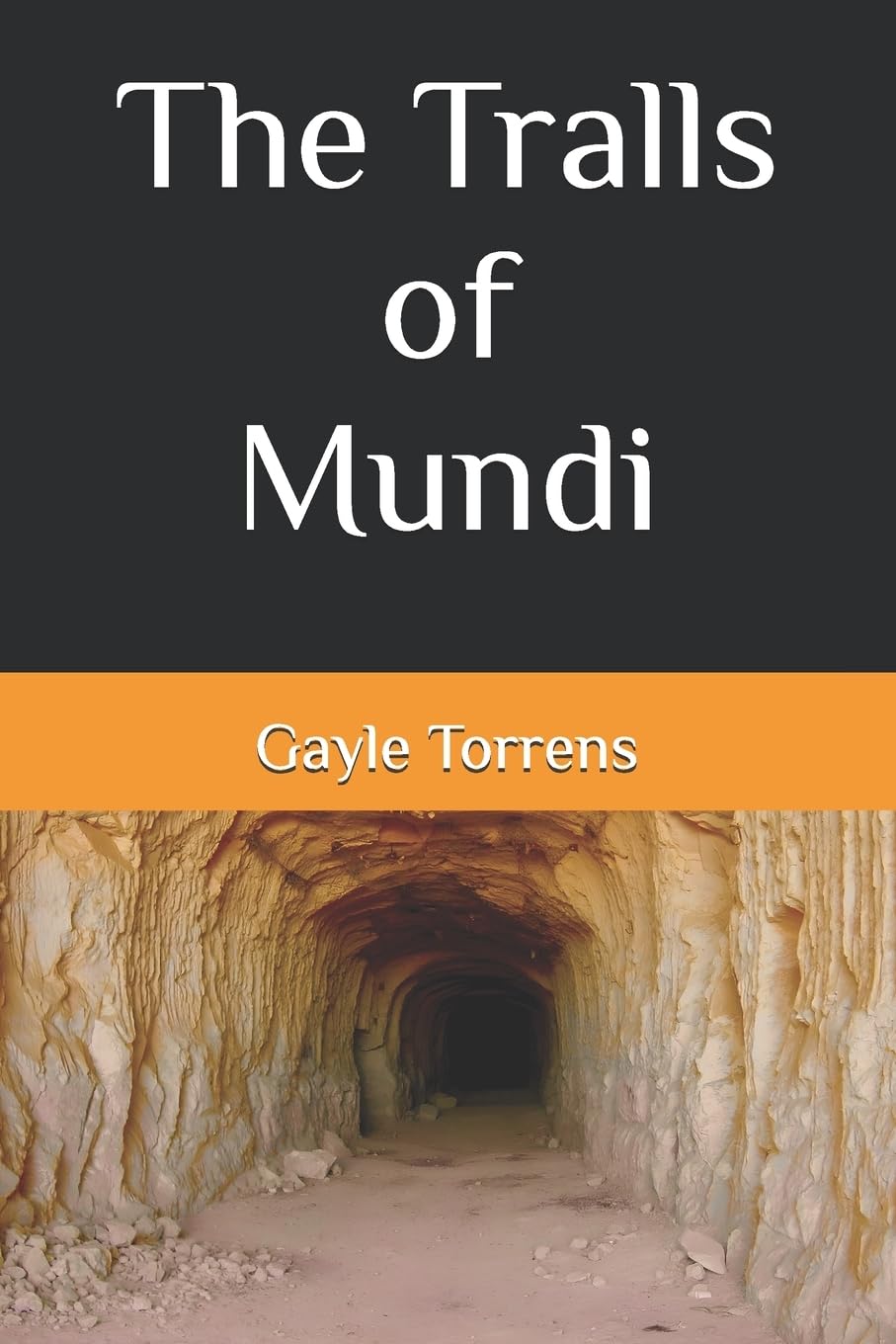

The Tralls of Mundi continues the imaginative world Gayle Torrens first opened in The Tralls of Nindarry. Set in a vividly Australian-inspired fantasy land, it follows Jete and his kin as they journey to the long-awaited “Coming Together” of the tralldoms. What begins as a joyful reunion quickly twists into an adventure full of danger, mystery, and courage. Torrens builds a realm both whimsical and meaningful, where talking creatures, magical plants, and mythical beings shape a tale about loyalty, bravery, and the strength of community. It’s a story for children and young teens but layered enough to keep adults engaged, too.
Reading this book felt like wandering through a sunlit dream in a forest filled with mythical creatures. The author’s writing has warmth and rhythm. It’s easy to hear the voice of a teacher who knows how to hold a young listener’s attention. Sometimes the descriptions stretch a little long, but the detail also makes the world feel alive and real. I found myself caring about Jete and his friends. Their courage felt honest and their fears familiar. The villains are satisfyingly nasty, yet the story avoids becoming too dark. The tone stays hopeful, grounded in the belief that good hearts and brave choices matter most.
What I loved most was how Australian it felt without being heavy-handed. You can almost smell the bushland and hear the kookaburras. The dialogue has a simplicity that works. It makes the story easy to follow and keeps the fantasy believable. There are moments where I wished the pacing moved faster. Still, the heart of the story, the lessons about friendship, resilience, and doing what’s right even when you’re scared, rings true. It made me think about how small acts of courage can ripple through generations.
The Tralls of Mundi is a heartfelt and imaginative read that blends adventure with a gentle sense of wisdom. It’s perfect for young readers who love fantasy with moral depth, or for parents and teachers who enjoy reading aloud stories that spark discussion about values and bravery. It’s not just a tale of magic and tralls, it’s a celebration of storytelling itself, and it left me smiling long after I turned the last page.
Pages: 306 | ISBN : 1543198619

The Magnificent Legend of the Steampunk Warrior
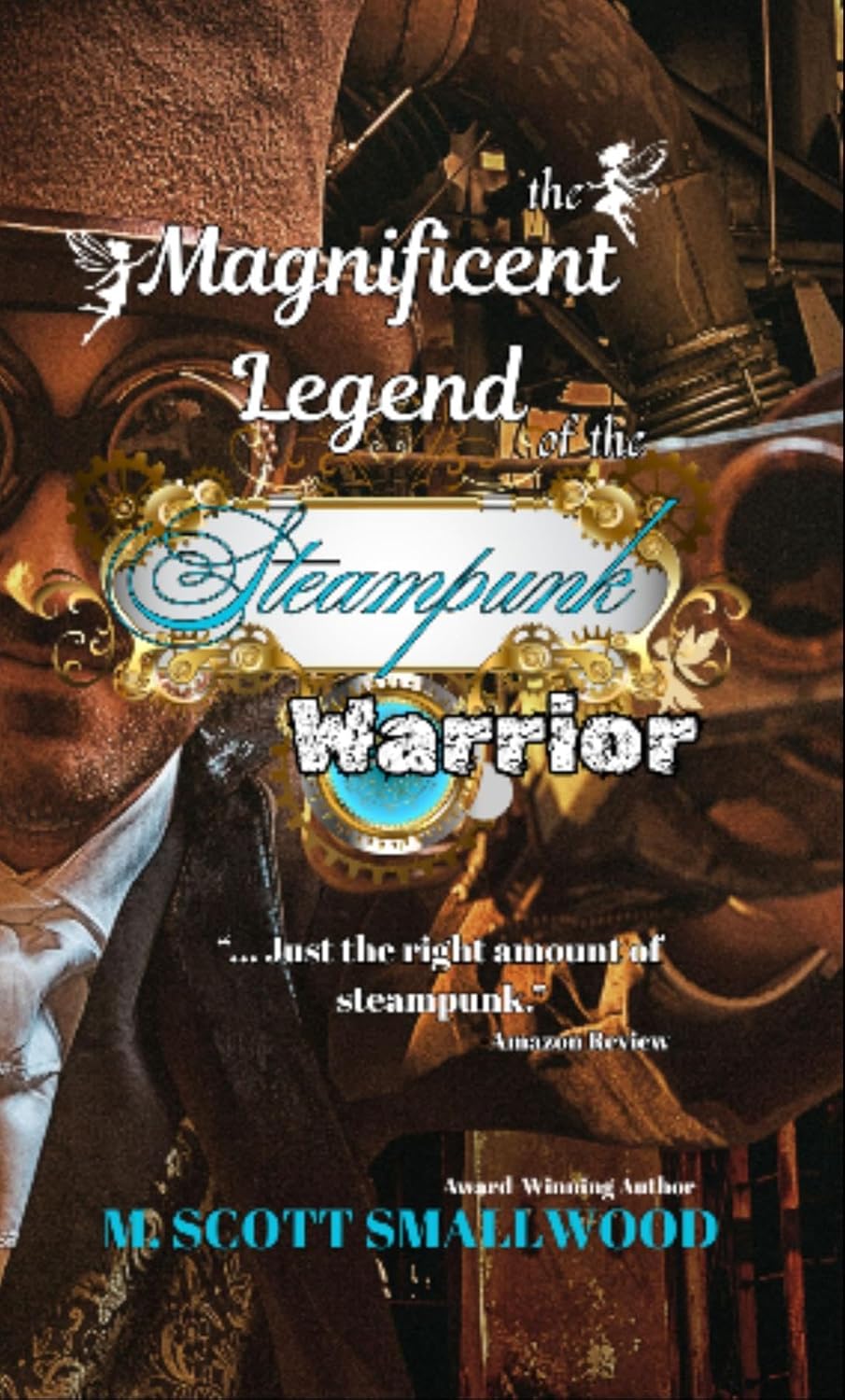
From the first page, The Magnificent Legend of the Steampunk Warrior feels like diving headfirst into a swirl of brass gears, magic dust, and heartbreak. It’s a strange and beautiful mix of time travel, friendship, and redemption. The story follows Thaddeus Might, a self-proclaimed Time Magician, along with Clyde, Arnold, Karl, and others as they tumble through centuries and worlds chasing after fragments of the fabled Golden Lion. The book blends steampunk invention with mystical lore and even a touch of science fiction, all while threading through themes of loss and second chances. It’s a wild, cinematic journey, jumping from Victorian England to alien worlds, filled with wit, wonder, and a surprising amount of emotion.
The writing is lush, full of rhythm and melody, almost poetic at times. Author M. Scott Smallwood clearly delights in language, spinning dialogue that feels both archaic and alive. Sentences twist and turn like clockwork spirals, sometimes dazzling, sometimes dizzying. Still, the characters kept me grounded. Clyde’s weariness and Arnold’s loyalty hit close to home. Thaddeus, with his tragic backstory and impossible hope, stood out the most. He’s eccentric and endearing, the kind of character who makes you smile even when he’s rambling about time’s cruel logic. What I liked most was how human it all felt beneath the fantasy, people clinging to purpose, trying to fix what can’t quite be fixed.
At times, I caught myself grinning. Other times, I found myself working to keep up with the story’s many threads. Yet, I never wanted to stop reading. There’s something earnest in the storytelling, something old-fashioned and heartfelt. You can feel the author’s joy and pain in every page, the same way you can hear a musician’s soul in the flaws of a live song. The mix of humor and heartbreak worked for me, especially when the story leaned into its quieter moments, those small pauses between battles where the characters actually breathe. That’s when the book shone brightest.
The Magnificent Legend of the Steampunk Warrior is an ambitious and oddly touching ride. I’d recommend it to readers who love sprawling adventures, old-school fantasy, and stories that aren’t afraid to get weird and sentimental. It’s messy, it’s moving, and it’s magnificent in its own peculiar way.
Pages: 268 | ASIN : B0FR2PMMPD

Powerful Tools for Storytelling

Wing Haven follows a fairy who finds herself queen after being betrayed by her sister, and along with some unlikely allies, enters into a dangerous adventure. Where did the idea for this novel come from?
I looked on Submittable for short story and flash fiction writing contests because I think it’s a good way to flex your writing muscles, and saw one which must have had a fairy or forest theme. I hit the word count limit and had so much more to say about Almond’s journey that I just kept going.
There was a lot of time spent crafting the character traits in this novel. What was the most important factor for you to get right in your characters?
I think archetypes are powerful tools for storytelling, and each character has a role: the hero, the sidekick, the love interest, the comic relief, the villain, the muscle, etc. In Wing Haven, the hero is a fairy, the sidekick is a chipmunk, the comic relief is insects—and they have motivations and quirks corresponding with their roles in the story that I hope draw the reader into a suspension of disbelief that allows them to go along for the ride.
What were some themes that were important for you to explore in this book?
Some of Wing Haven’s most important themes are self-reliance, chosen family, and acceptance. Almond must learn to live outside of the regimented Fairy Nook, where there are no rules or safety nets, but also learns to trust the creatures she befriends. They’re a ragtag group of very different creatures who accept each other as they are and appreciate each other’s strengths.
Can fans of Wing Haven look forward to more work from you soon? What are you currently working on?
I am excited to share that I’m working on my first closed circle murder mystery, but I also have ideas for more adventures for the Wing Haven crew, so sign up on my website for updates.
Author Links: GoodReads | Facebook | Website | Amazon
Literary Titan Book Award: Fiction

The Literary Titan Book Award honors books that exhibit exceptional storytelling and creativity. This award celebrates novelists who craft compelling narratives, create memorable characters, and weave stories that captivate readers. The recipients are writers who excel in their ability to blend imagination with literary skill, creating worlds that enchant and narratives that linger long after the final page is turned.
Award Recipients




























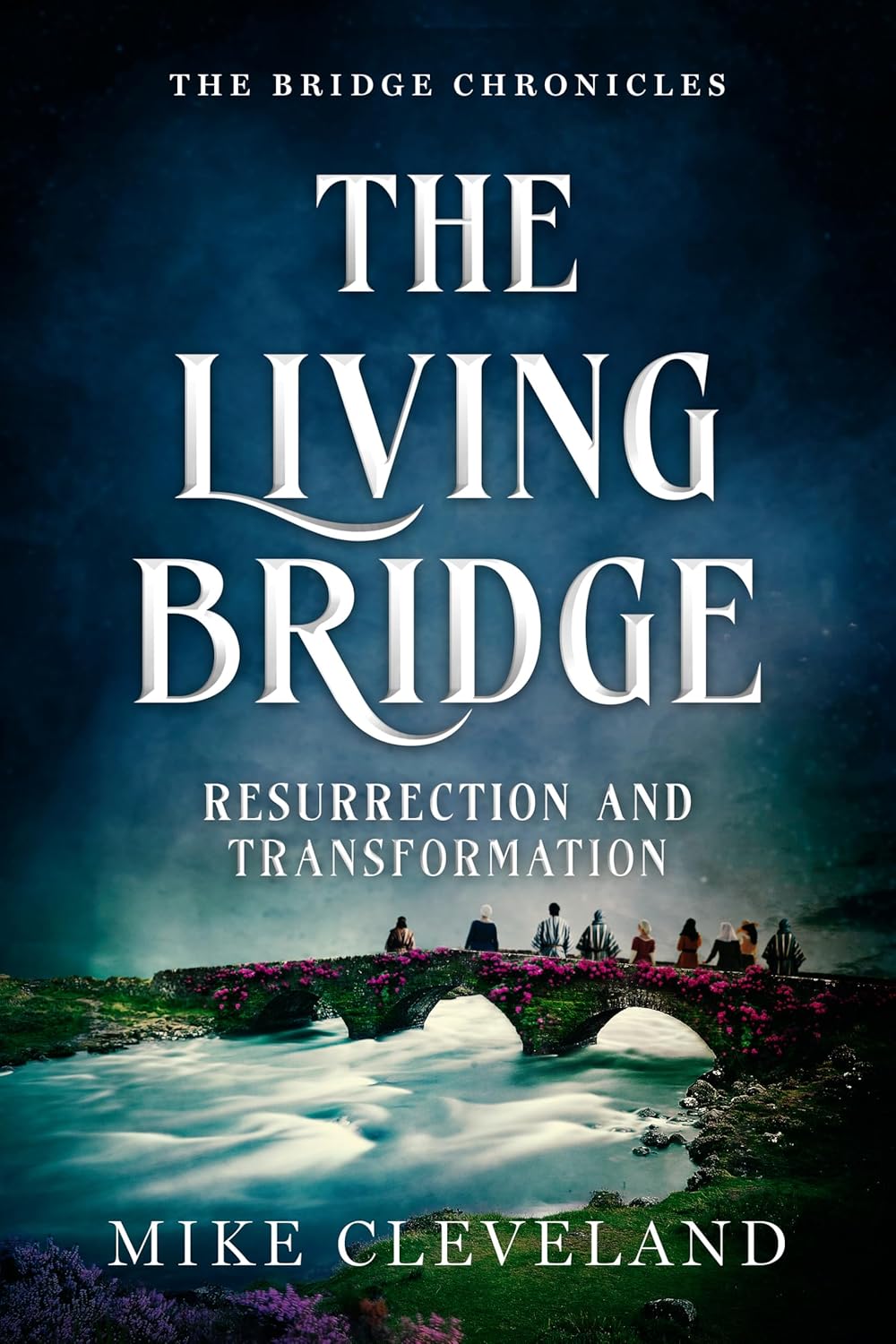
Childhood’s Hour: The Lost Desert
Visit the Literary Titan Book Awards page to see award information.
Literary Titan Silver Book Award
Celebrating the brilliance of outstanding authors who have captivated us with their skillful prose, engaging narratives, and compelling real and imagined characters. We recognize books that stand out for their innovative storytelling and insightful exploration of truth and fiction. Join us in honoring the dedication and skill of these remarkable authors as we celebrate the diverse and rich worlds they’ve brought to life, whether through the realm of imagination or the lens of reality.
Award Recipients
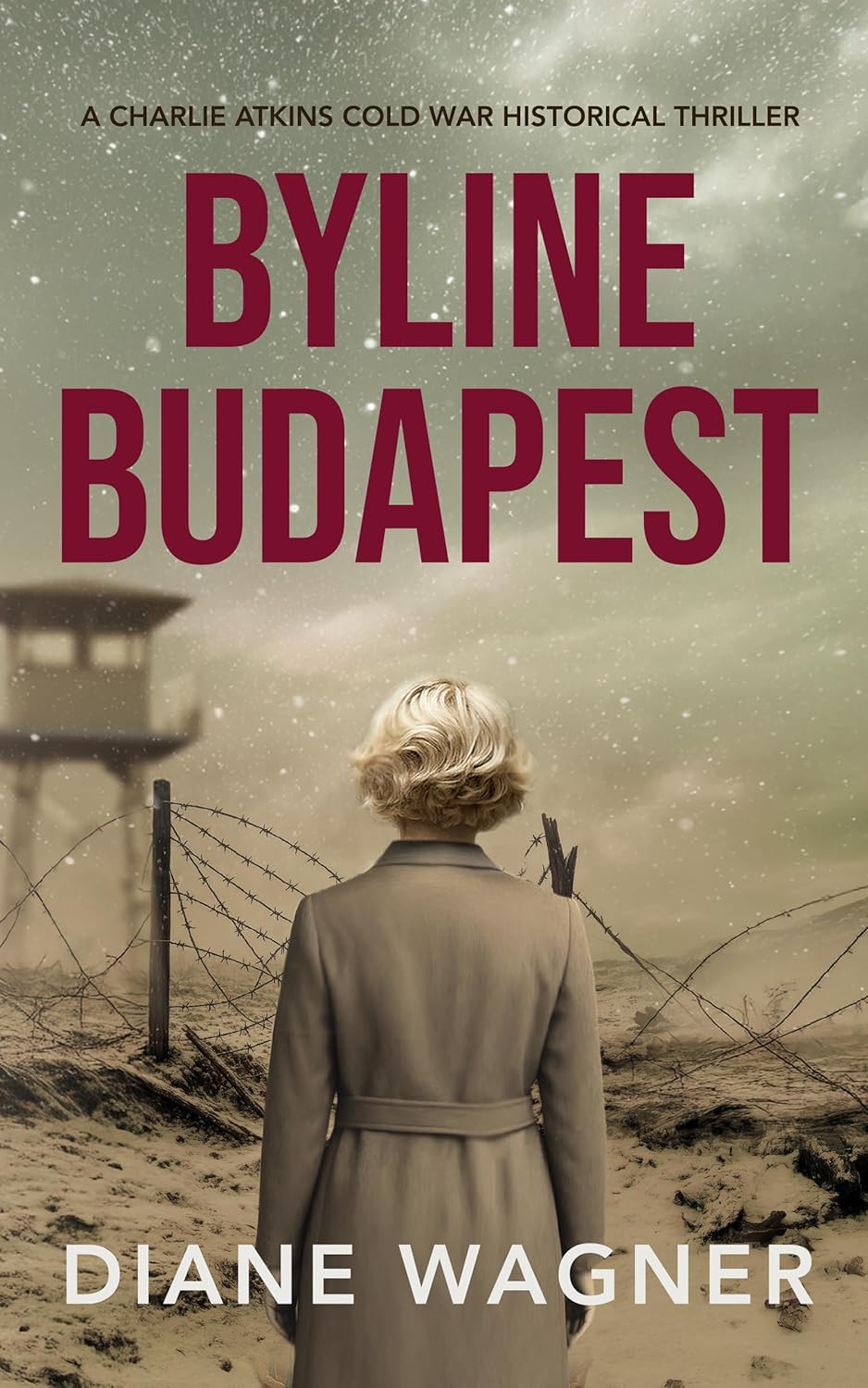
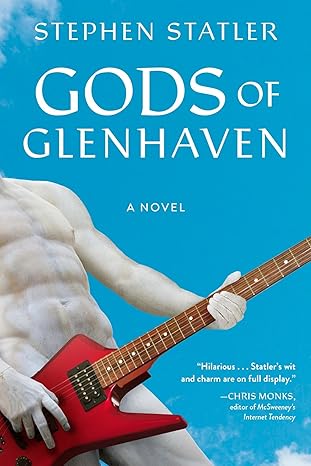
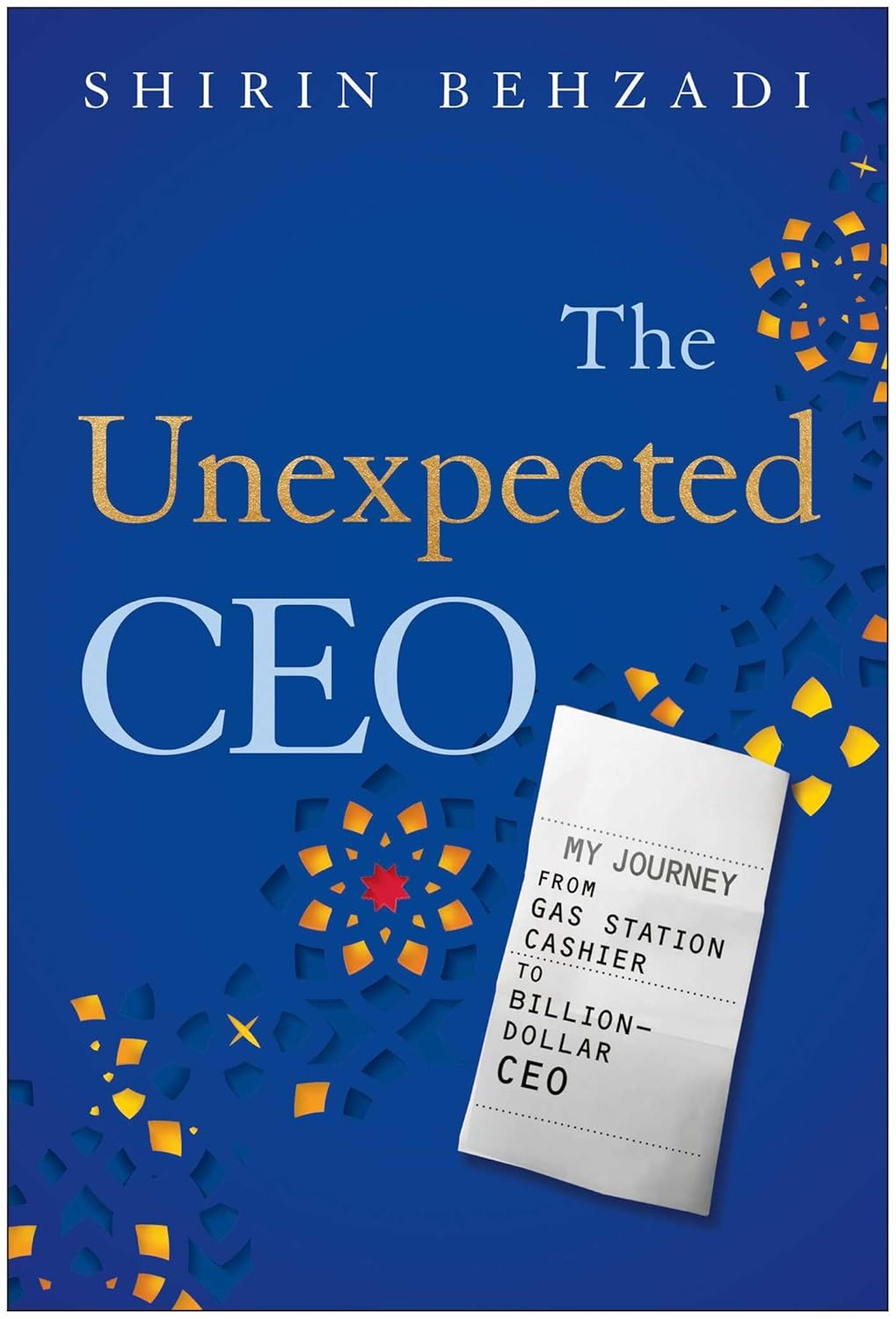


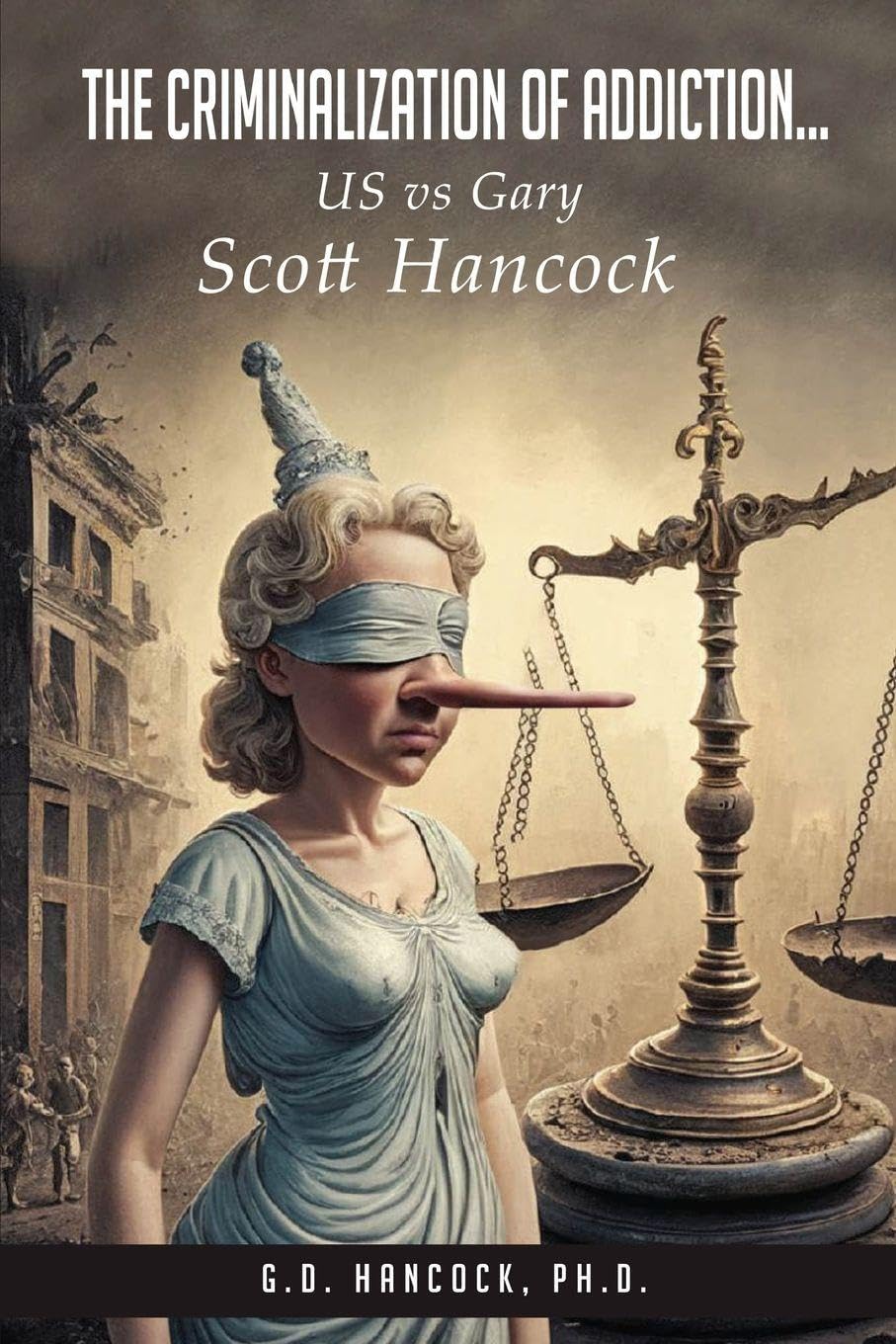
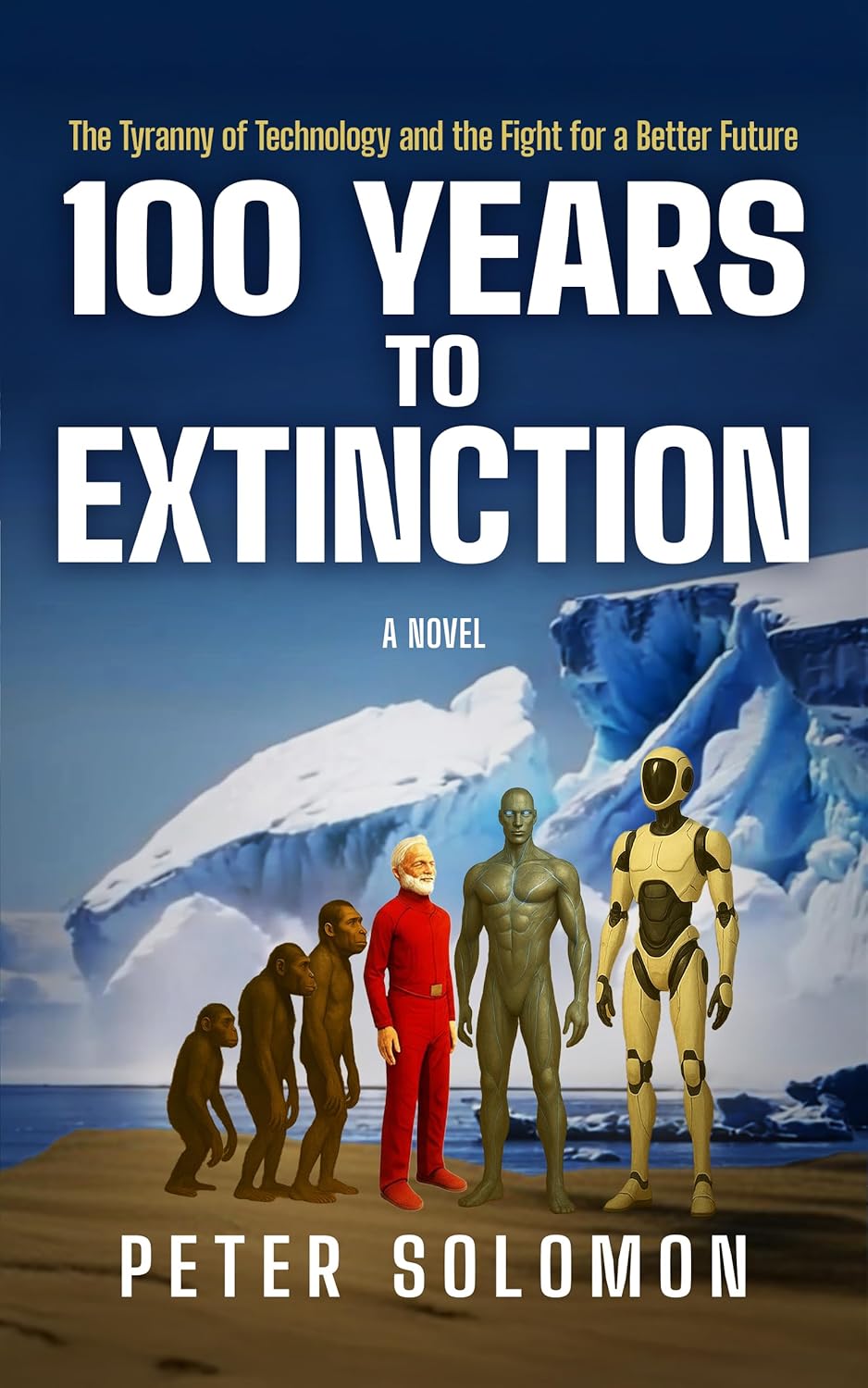


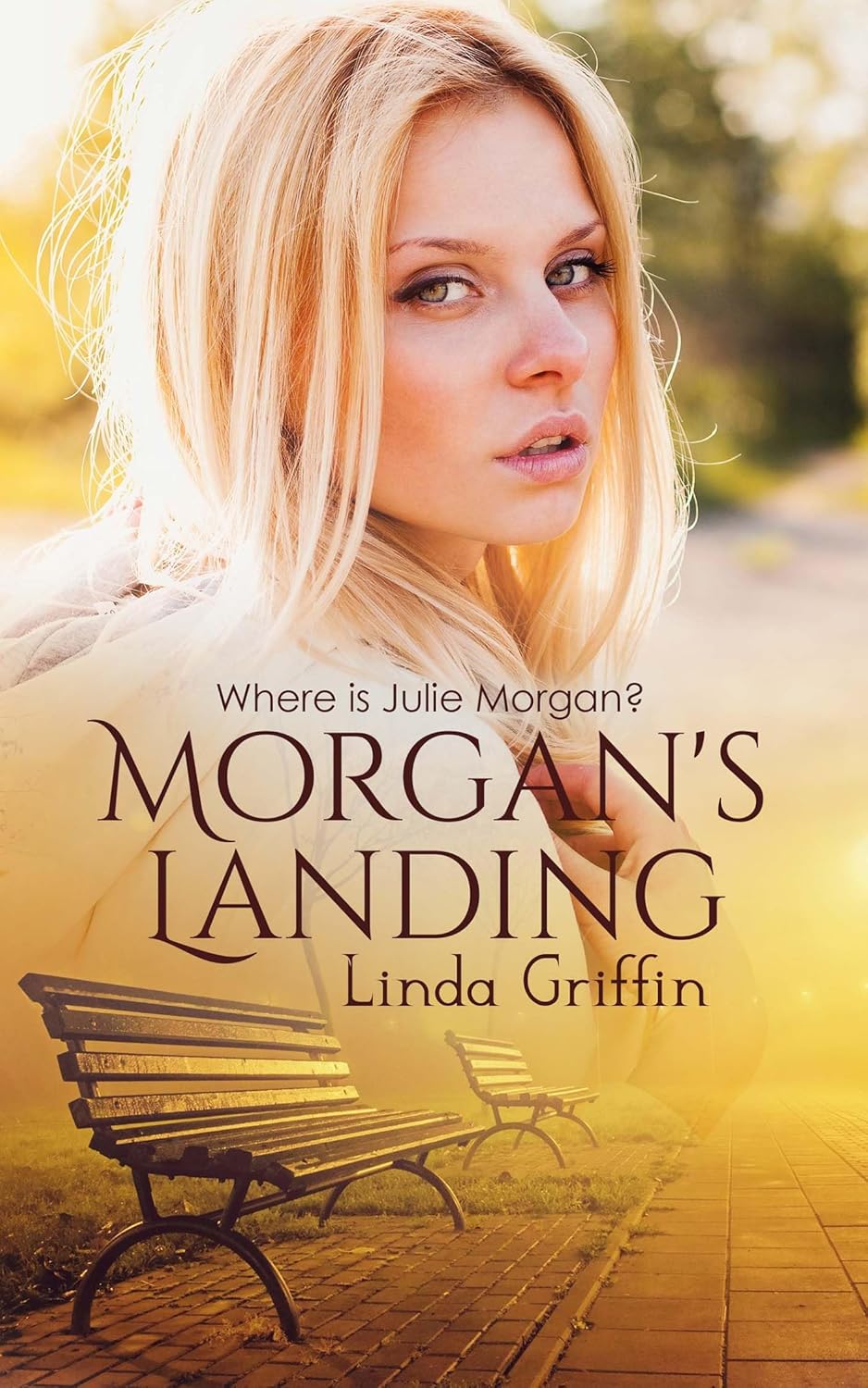

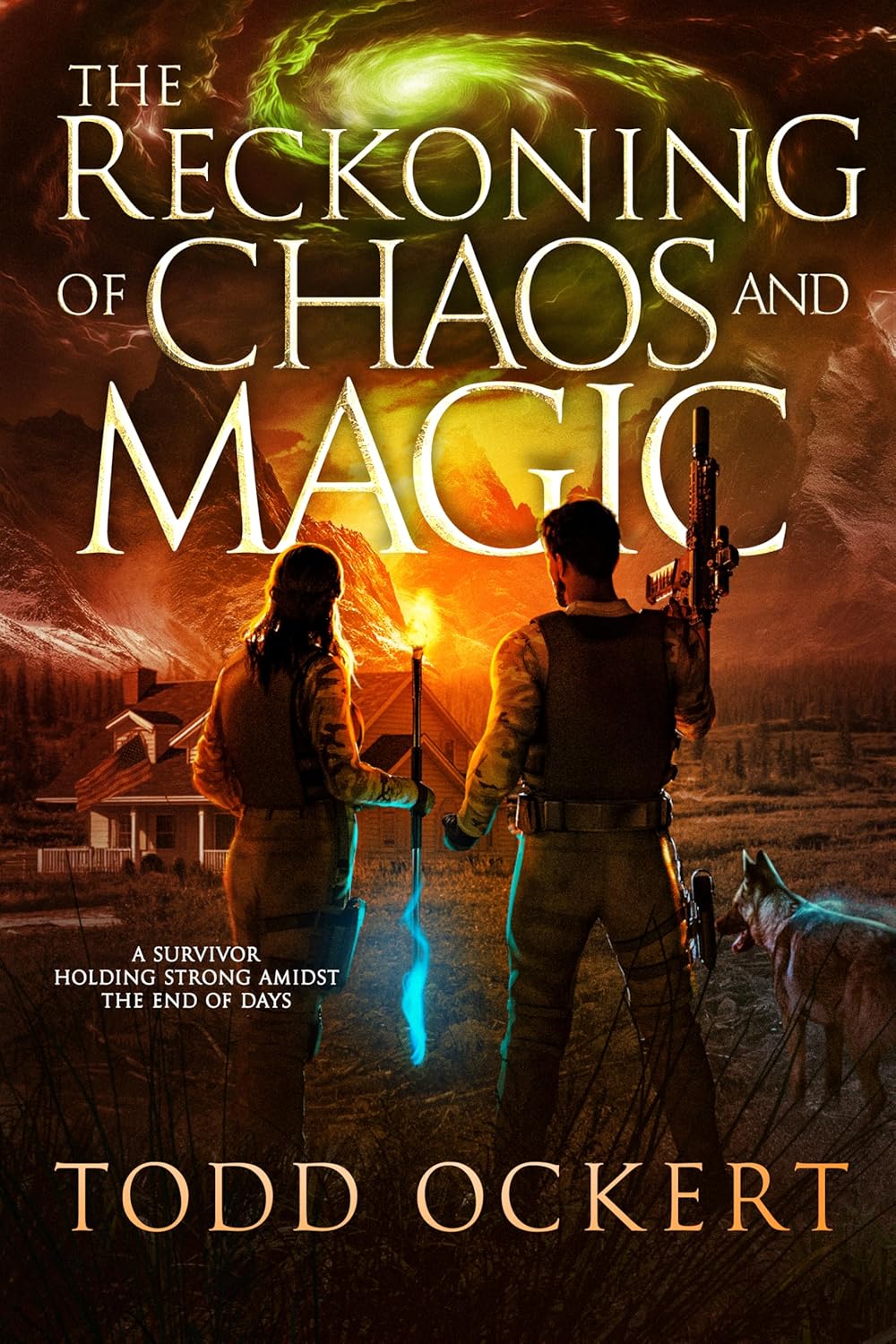


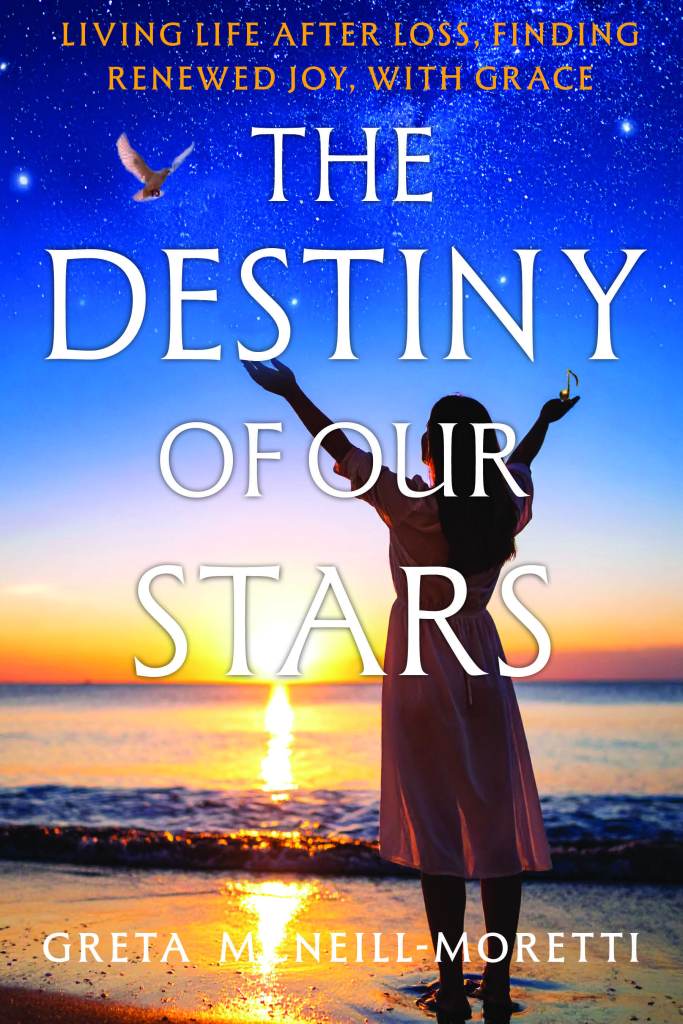
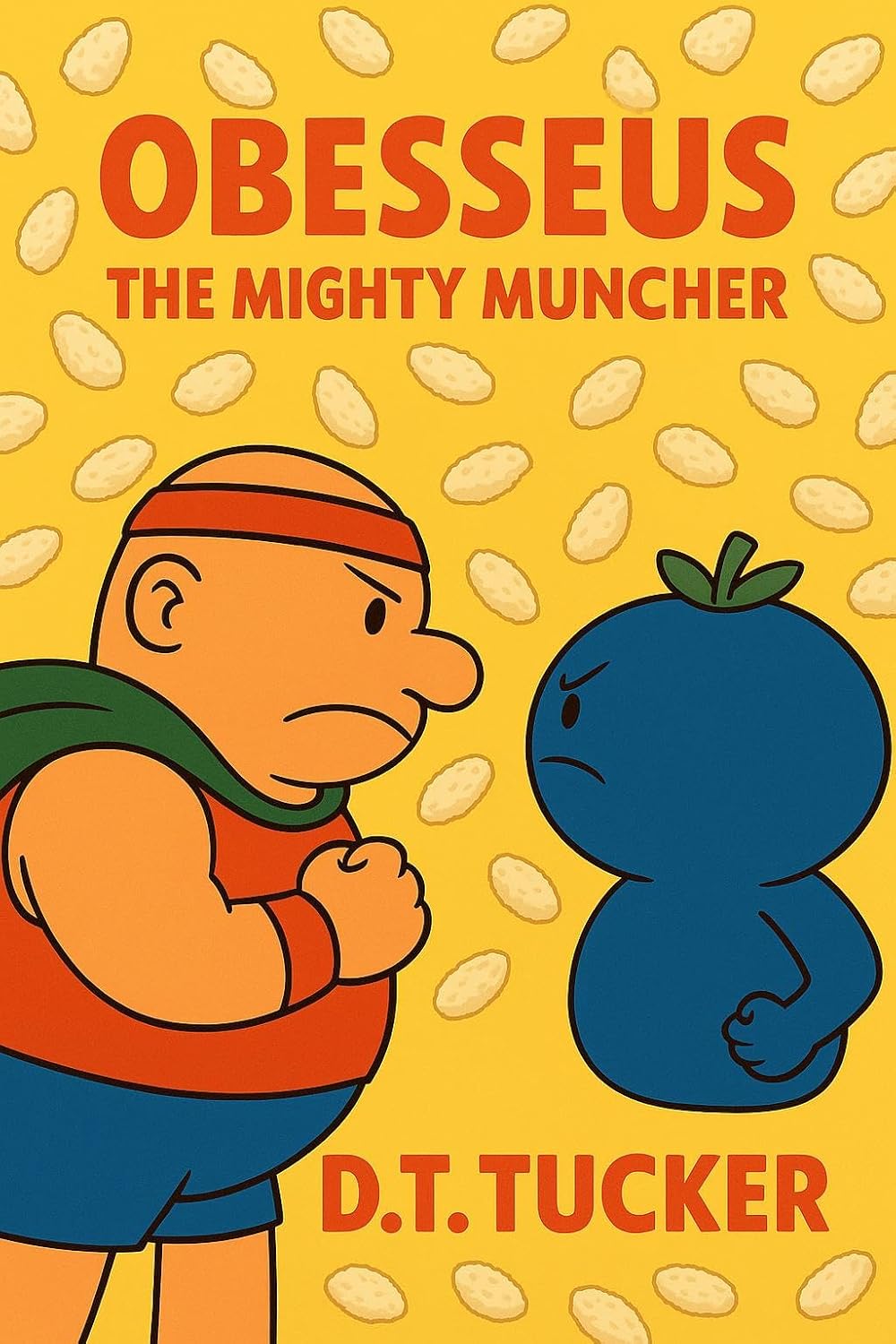
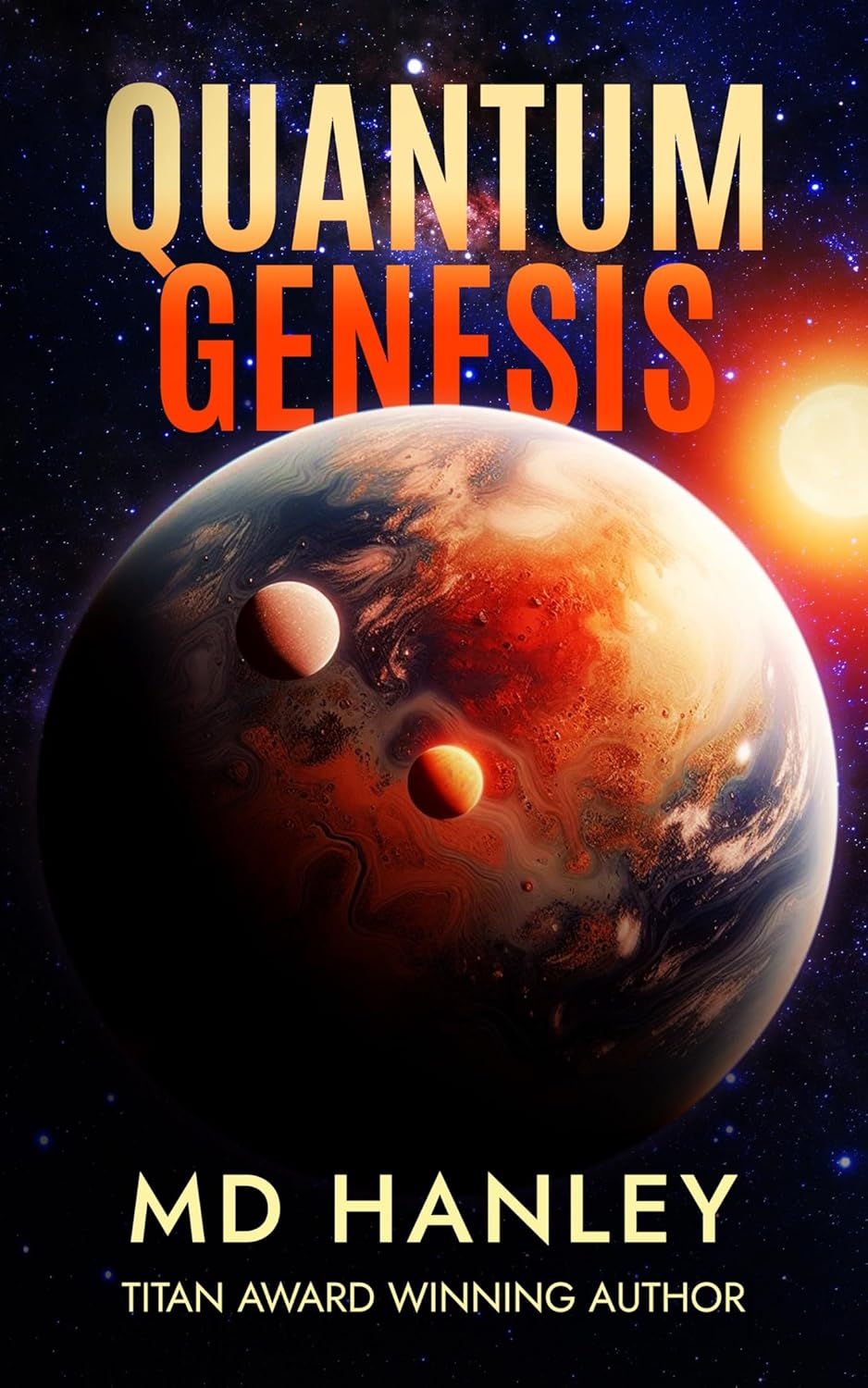

















Filaments by KZK Zuganelis Kasling
Visit the Literary Titan Book Awards page to see award information.
Redemption on a Cosmic Scale

Quantum Genesis follows a scientist on a distant planet whose experiment brings the planet to life, and reveals that an asteroid will destroy all life in ten months, and he must find a way to save everyone. What was the inspiration for the setup of your story?
The inspiration for Quantum Genesis came from my fascination with the intersection of science, consciousness, and the environment. I’ve always been intrigued by the idea that a planet itself could possess awareness and agency—what if the very ground beneath us could respond to our actions? That idea, combined with concerns about ecological balance and humanity’s responsibility toward nature, became the foundation for Ghia and its relationship with Ode. The story evolved into a what-if scenario about creation, consequence, and redemption on a cosmic scale.
One thing that stands out to me in your novel is the creativity embedded in this world. What was your inspiration for creating such an imaginative world?
I wanted to create a world that felt both alien and familiar—a reflection of Earth’s potential future if we continued down a path of unchecked experimentation and environmental strain. The planet Ghia is a canvas for exploring how life might adapt and evolve under extreme conditions, blending advanced technology with an almost spiritual symbiosis between humanity and nature. The visual and atmospheric elements of Ghia were inspired by a mix of astrophysics, quantum theory, and my love for cinematic world-building, similar to how films like *Avatar* or *Interstellar* immerse audiences in otherworldly yet believable settings.
What were some themes that were important for you to explore in this book?
Several key themes run through Quantum Genesis—sacrifice, faith versus fear, and humanity’s fragile relationship with its environment. I wanted to explore what happens when science reaches a point where it begins to blur with spirituality, and how people respond when their entire existence is threatened. Ode’s journey from scientist to reluctant savior mirrors a larger story about growth, humility, and trust in something greater than oneself. Ultimately, it’s a story about survival, connection, and the cost of both progress and redemption.
Will there be a follow-up novel to this story? If so, what aspects of the story will the next book cover?
Yes, *Quantum Genesis* kicks off this trilogy. The second book, *Quantum Mind*, is out now (https://www.books2read.com/quantummind). The third, *Quantum Entanglement*, is in the works, and will delve further into the future. The Quantum Guild of Planets is constantly pushing the boundaries of universal mysteries, and they encounter an alien race intent on severing the bond between planets and their dominant species. The Guild thrives on mutual cooperation, growing through the exploration of differences and individuality. This all culminates in a final showdown that could forever reshape the quantum limits of mind, matter, and destiny.
Here is a pretty good description of the books that are part of the Quantum Genesis Series. https://www.amazon.com/dp/B0CZLNJZN5?binding=kindle_edition
Author Links: GoodReads | X | Facebook | Website
With the clock ticking, Ode must rally humanity and guide them into subterranean caverns where stasis chambers offer their only hope of survival. Empowered by Ghia’s gift—quantum-infused stones with the power to heal, teleport, and manipulate the quantum fabric of reality—Ode faces impossible odds as he races to save his people. But with fear and faith dividing the population, and the planet’s very survival on the line, Ode and Ghia must work together to overcome the impending cosmic destruction.
As the asteroid approaches, the only certainty is this: if you want to survive, you need to go underground.
For fans of sci-fi thrillers filled with high stakes and unexpected twists, “Quantum Genesis ” is a must-read. If you enjoyed books like “The Martian” and “Enders Game,” then you’ll love this gripping tale of survival and sacrifice.


 LITERARY TITAN