Blog Archives
Literary Titan Silver Book Award

Celebrating the brilliance of outstanding authors who have captivated us with their skillful prose, engaging narratives, and compelling real and imagined characters. We recognize books that stand out for their innovative storytelling and insightful exploration of truth and fiction. Join us in honoring the dedication and skill of these remarkable authors as we celebrate the diverse and rich worlds they’ve brought to life, whether through the realm of imagination or the lens of reality.
Award Recipients


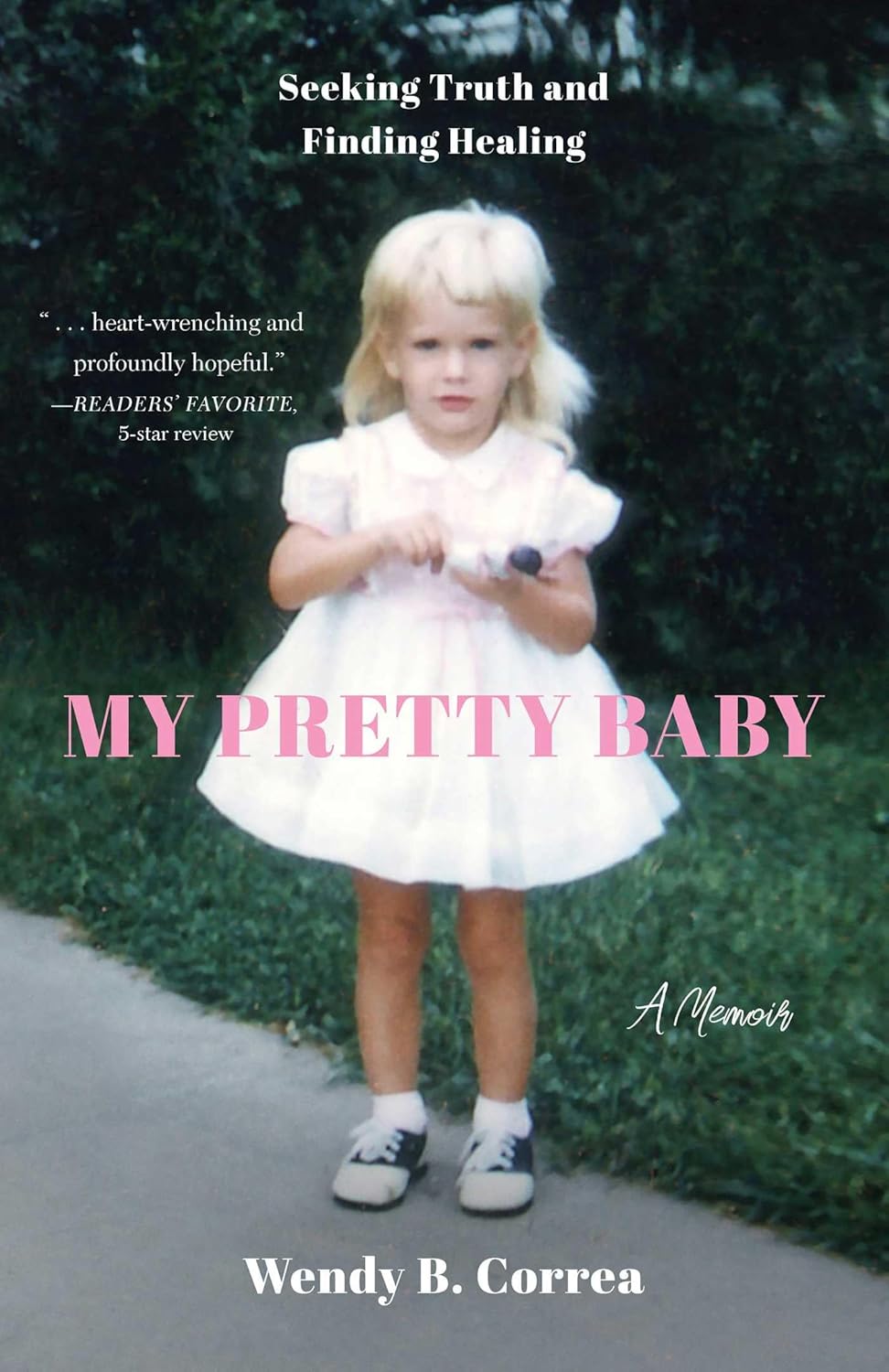


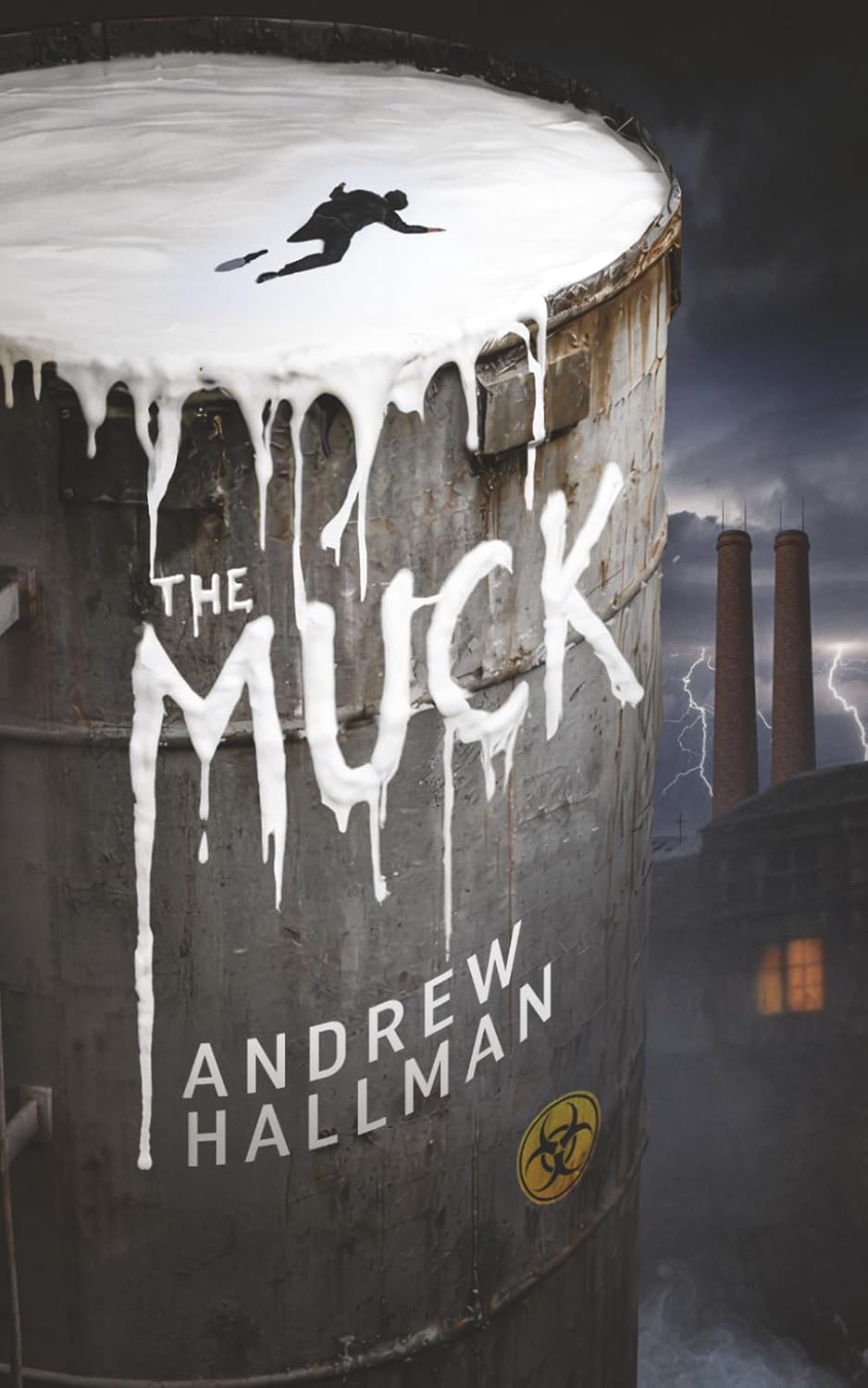


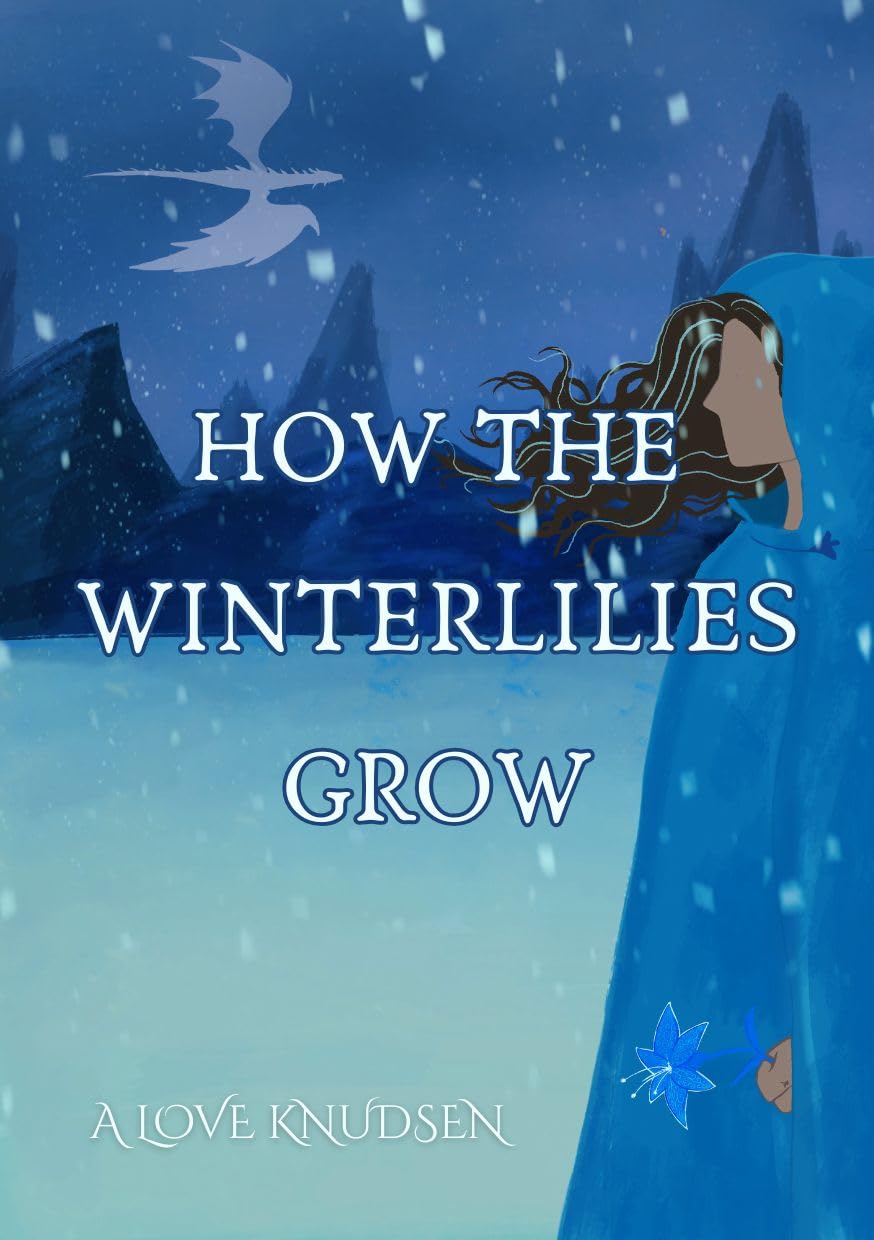


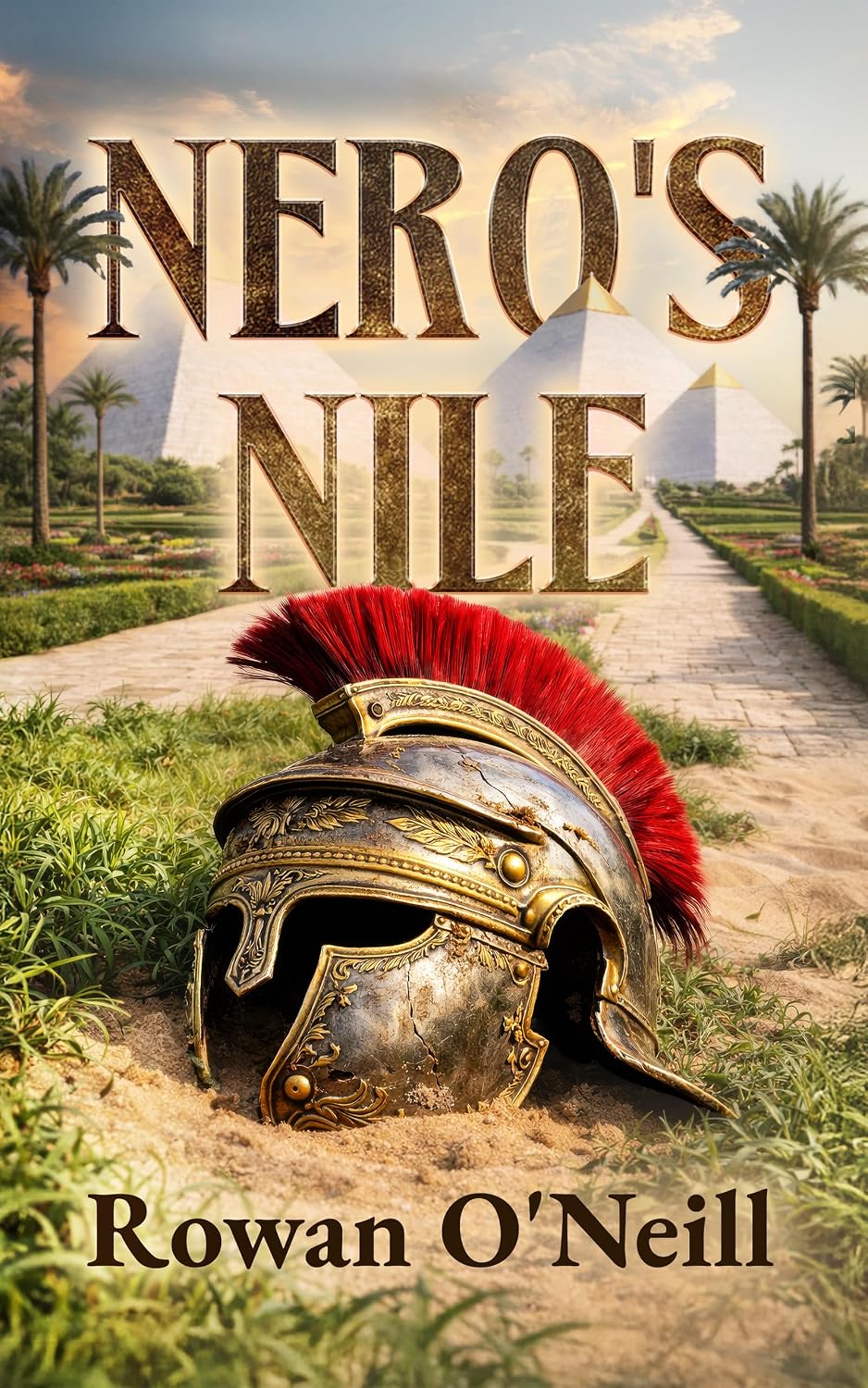









Blame the Devil by Joe Colicchio
Visit the Literary Titan Book Awards page to see award information.
Wild and Fierce

Wolf Magick centers around a man whose wolf legacy is preventing him from building a future with the woman he loves. What was the inspiration for the setup of your story?
Forbidden love is an old world trope, and because family legacies and family expectations often drive or destroy a romance, this storyline of Marc Sexton being threatened by his family’s past developed organically as I wrote the story. Especially since the drive of the wolf legacy had such a significant power for Marc, not only as a man, but as a descendant of the Sexton clan, and a shapeshifter.
Were there particular Celtic myths, legends, or spiritual traditions that influenced the novel?
The Irish history of destroying wolves played a significant role. I did a lot of research about wolves, their pack loyalty, and the wild and fierce beauty of wolves. Folklore of the Celts, yes, was a major part of my study to write Wolf Magick. The Celts are highly spiritual people and revere Nature as sacred. I personally view trees and flowers as having a level of consciousness, so the Celtic folklore and myths of spirituality fit the story quite well.
What aspects of Marc’s journey were the most challenging to write?
The shapeshifting scenes went through a number of rewrites to get them accurate. I loved writing the scenes, and that kept me sharpening the prose over and over. Writers need to love writing if it’s going to thrill the reader, and I wanted the shapeshifting scenes to be thrilling as well as mysterious.
What does “We are wolf” represent beyond the literal mythology?
At first, I wasn’t sure what it meant, but that mystery kept quivering throughout the discovery of the story. The wolves kept illustrating their identity and connecting themselves into Marc and eventually Charlotte. Nature has its own power in this story. This motif of “we are wolf” threaded itself through so many scenes and into all the living entities. I symbolically became wolf as I wrote the story. It was then that I realized the reader needed to feel deeply that we are all Nature; we all are wolf in family, love, loyalty, survival, and spirit.
Author Links: GoodReads | Instagram | Facebook | Website | YouTube | Amazon
When these shadow wolves begin hunting Marc, the beast within can no longer be controlled.
As Marc fights this transformation, he clings to his future with Charlotte Knight, a captivating artist whose own magickal powers draw her deeper into his dangerous world. Together, they battle ancient magick, soul-hungry shadow wolves, and impossible choices, or surrender to the dark legacy of Black Wolf Realm.
Wolf Magick is a stand-alone Gothic, contemporary dark fantasy thriller set in the world of Draakensky, A Supernatural Tale of Magick and Romance, winner of the Gold Medal for Gothic at BookFest Book Awards. For readers of Deborah Harkness and Anne Rice, Wolf Magick is a tale of ancestral magick and love tested in the shadows of the Otherworld.
The Way of Salmon Moon


The Way of Salmon Moon is a Paleolithic mythology that moves like a story told beside a fire, half remembered by the body and half carried by the stars. D. Firth Griffith frames the novel as a retelling of An Bradán Feasa, but the book’s heart belongs to Cairbre, the last clan-son of the kéleti, who carries his people’s stories after slaughter, exile, and almost unbearable loss. The opening promise, “Honour is an action. The gods are watching,” fits the whole book. Honour here isn’t an idea to admire from a distance. It’s something Cairbre has to drag through snow, blood, hunger, memory, and fear.
The novel is built around survival, but it’s just as much about storykeeping. Cairbre’s journey is physical, spiritual, and ancestral at once. He’s trying to stay alive, but he’s also trying to keep a people from vanishing into silence. His grief is never clean or decorative. It’s bodily, angry, tender, and often strange. The book keeps returning to one of its simplest and strongest ideas: “To keep the stories.” That line becomes a kind of pulse under everything Cairbre does.
Griffith’s prose is dense and ceremonial, full of repeated phrases, Proto-Celtic language, animal kinship, footnoted meanings, and images that feel dug out of soil, snow, hide, bone, and river mud. The language doesn’t just describe Cairbre’s world. It builds that world’s way of thinking. Horses, salmon, wolves, mushrooms, stars, rivers, and mothers aren’t symbols placed on top of the story. They’re participants in it. Rykati, the old mare, gives the book some of its most grounded warmth, and her bond with Cairbre turns the journey into a conversation between man and more-than-human kin.
What makes the book compelling is how it treats transformation. Cairbre doesn’t simply move from wounded survivor to mythic figure. He’s changed through ordeal, through relationship, through memory, and through contact with forces older than his own grief. The final part toward Bradán and the Salmon Moon brings together the book’s obsessions with death, knowledge, homecoming, and the body’s place in the sacred. By the end, Cairbre’s survival has become something larger than endurance. It has become metamorphosis.
The Way of Salmon Moon is a fierce, unusual, deeply rooted mythic novel about grief, kinship, language, and the duty of carrying memory forward. It asks the reader to listen closely, not only to plot, but to rhythm, repetition, and the living presence of the Land itself. Cairbre’s story is raw and often brutal, but it’s also intimate and strangely hopeful. This is a book about what remains after a people are broken, and about how stories, when carried with enough devotion, can become a way home.
ASIN: B0GWW556TH

I Wanted A War

A Shroud Undone follows a haunted hunter drawn back into an ancient war between humans and the Sylphar, where faith, grief, old gods, and impossible choices collide in a brutal struggle to end generations of bloodshed. What inspired the ancient conflict between humans and the Sylphar?
I wanted a war that had gone on so long nobody alive remembered why it started, and yet both sides were completely convinced they were right. The Stillight burns above the Mountain Temple, this double helix of red and gold, and both humans and Sylphar believe it validates their claim. Their entire faiths are built around it. Their cultures, their military structures, their sense of identity. So the war isn’t just territorial. It’s existential. If you stop fighting, you’re admitting that everything your people believed for a thousand years was wrong. That’s a harder thing to ask of someone than just laying down a sword.
The inspiration came from real history. Many of the longest and bloodiest conflicts in human history have had religion or ideology woven through them so deeply that the original cause gets buried under centuries of grievance and doctrine. I wanted to explore what happens when the thing both sides are fighting over turns out to be something neither side understood in the first place.
Theron carries a great deal of emotional weight throughout the story. What was most important to you when developing him as a reluctant warrior?
When we meet Theron, he’s not doing anything grand, and that was intentional. He’s wandering from village to village, feeding people who are starving, and asking for nothing in return. That was the foundation of his character for me. He’s not hiding because he’s afraid. He’s hiding because he failed, and penance is all he has left.
The most important thing was making sure his reluctance felt earned rather than passive. He doesn’t avoid the fight because he’s a coward. He avoids it because he knows exactly what it costs. He’s already paid that price once, and the world bled for it. So when he gets pulled back in, there’s this tension between a man who desperately wants to stay small and invisible, and a man who knows he might be the only one who can stop what’s coming. I didn’t want a brooding hero who sulks about his destiny. I wanted someone who had genuine reasons to stay away, and more importantly… genuine reasons he couldn’t.
The Stillight sits at the center of both faith and violence in the novel. How did you approach building its mystery and significance?
I knew from the beginning that the Stillight had to feel like something worth killing over. Not just politically, but spiritually. Both sides of this war have built entire belief systems around it, and if the reader doesn’t understand why, the conflict falls flat.
So I approached it in layers. On the surface, it’s a symbol of divine authority. Both humans and Sylphar look at it and see proof that their god or gods chose them. Beneath that, there are hints that the Stillight is doing something neither side fully grasps. And beneath that is the real truth, which I obviously won’t spoil here. But the key was making sure each layer felt complete on its own. A reader halfway through the book should somewhat feel like they understand what the Stillight is. A reader in the last chapter of the book should realize they were completely wrong. And a reader who has completely finished the book should understand that both sides were wrong from the very beginning. That line in the blurb on the back cover, “They were all deceived,” is the entire engine of the book.
A Shroud Undone has a bleak, grounded atmosphere where war feels exhausting rather than glorious. What themes do you hope readers take away from that portrayal?
I grew up on fantasy where battles were exciting and heroic, and I love those stories. But I wanted to write the version where you feel the mud and the fatigue and the weight of carrying a friend’s body off the field. War in this book is not glorious. It’s grinding and ugly and it breaks people in ways that don’t heal cleanly.
The theme I care about most is the cost of conviction. Every character in this book believes they’re doing the right thing, and most of them are paying for it with pieces of themselves. Theron is paying with years of guilt. Nyra is paying with the doubt that gnaws at her after every victory. The soldiers on both sides are paying with their lives for a war they inherited from people who are long dead. I want readers to walk away asking whether the causes we fight for are worth what we sacrifice to win them, and whether the people who started those fights had any right to ask that sacrifice of the generations that followed.
Author Links: Website | Facebook | Instagram | Goodreads
For over a millennium, soldiers have died at the Mountain Temple, believing the Stillight—a divine flame of red and gold—demanded their sacrifice.
They were all deceived.
Theron hides in a forgotten village, feeding the starving and asking for nothing. Atonement is all he has left for the choices that shaped the war. But when battle erupts at the Mountain Temple once more, his past drags him back.
Nyra commands the Sylphar legions with ruthless precision. Total victory is the only answer. Failure is not permitted. But the orders she receives from the gods themselves make no sense—and obeying them may cost her everything.
When their paths collide beneath six empty thrones, they uncover a truth the gods never wanted revealed.
The war was never about territory. The gods aren’t distant. And the light everyone worships? It’s been lying from the beginning.
Stopping the war means confronting what keeps the world alive. And some truths don’t set you free—they doom you.
A dark epic fantasy for readers who crave:Morally complex characters with no easy answers
Magic systems with brutal consequences
Gods who lie, manipulate, and hide in plain sight
War portrayed with weight and cost, not glory
Plot twists that reframe everything you thought you knew
Zara’s Gothic: A Thrilling Journey Into Adventure, Horror, Mystery, and Romance


Zara’s Gothic opens with a woman already half-shattered. Zara Wilander, a paramedic in upstate New York, is wrecked by guilt after a road accident kills a dog and nearly kills a pedestrian; when work, therapy, and ordinary housing all fail her, she ends up living in her handmade van on a secluded property dominated by a derelict Victorian house that seems less abandoned than watchful. From there, the novel widens from trauma narrative into Gothic haunting: a lonely, hyper-attuned protagonist, an eccentric real-estate man named Jenner Reid, and a decaying house whose pull may be supernatural, psychological, or some unnerving braid of both.
I found myself most taken with the book’s atmosphere and with the way it inhabits Zara’s consciousness. McRoberts doesn’t give her a clean, tasteful suffering; she gives her jagged perception, sensory overwhelm, intrusive memory, odd wit, and a genuine estrangement from the social world. That makes the novel feel intimate. The prose often leans baroque, but in this case, the excess is part of the weather system: rot creaks, trees thrum, sound wounds, silence has grain. When the book is working at full voltage, it feels less like reading a plot than like walking through a feverish interior architecture.
What I really liked, though, wasn’t just the haunted-house apparatus but the tenderness threaded through it. Zara’s bond with her van, her craftsmanship, her ache for solitude, and her unstable reliance on Jenner give the novel an emotional undercarriage sturdier than its melodrama. Some scenes sprawl, and some flourishes arrive in clusters. This book has a peculiar pulse. It wants grandeur, morbidity, vulnerability, and sentiment all at once, and more often than not, it earns that ambition.
I’d recommend Zara’s Gothic to readers of Gothic fiction, psychological horror, haunted-house novels, women-centered dark fiction, and literary supernatural suspense, or anyone who likes their genre work emotionally raw rather than mechanically slick. It reminded me, at moments, of Shirley Jackson by way of Mexican Gothic: not because it copies either, but because it understands that a house can become an accomplice to grief. This is a strange, bruised, haunted novel that turns damage into atmosphere and atmosphere into destiny.
Pages: 224 | ASIN : B0H6JL2WX7
Creature of Secret Sorrows

Creature of Secret Sorrows, by Dianne L. Hagan, returns to Cadence, New York, a town where history is never inert and the dead have unfinished claims on the living. When Randy Nichols disappears during a rockhounding walk, the search leads Marian Greene and her neighbors to a brutally lynched body in the woods. What begins as a murder investigation widens into a confrontation with ancestral violence, hidden family lines, supernatural guardians, and the damage passed down through the Hayward legacy. The mystery coils around Randy’s grief for his newly found mother, Madison’s fractured family, and the apparition of the asanbosam, a creature that seems less interested in terror than in justice.
I was struck by how Hagan refuses to separate the procedural from the spiritual. Cadence is full of police work, interviews, evidence, and old documents, but it is also a place where lake drums, bears, legends, and restless souls press against ordinary life. That mixture could have felt ungainly in a lesser book, but here it gives the story its pulse. The supernatural elements are not decorative fog; they are moral weather. They make visible what polite history tries to bury.
My strongest reaction was to the novel’s emotional density. Hagan writes community with breadth: meals, jokes, old resentments, marriages, griefs, and arguments all crowd the page. At times, the large cast demands attention, especially for readers new to the series, but the reward is a world that feels inhabited rather than staged. Randy’s tenderness, Madison’s jagged survival, and Marian’s weary courage give the horror a human temperature. I appreciated that the book is not content with simply exposing evil; it asks what repair might look like after truth has done its bruising work.
I would recommend Creature of Secret Sorrows to readers who enjoy supernatural mystery, psychological thriller, Black horror, historical suspense, ancestral trauma fiction, and community-centered crime novels. Fans of Stephen King’s small-town supernatural stories may recognize the sense that an entire place can become a haunted witness, though Hagan’s focus is more intimate, more reparative, and more explicitly tied to racial history. This is a dark, sinewy mystery with a conscience.
Pages: 320 | ASIN : B0GZK9V7MX
Wolf Magick: Secret Myseries of Draakensky

Wolf Magick: Secret Mysteries of Draakensky, by Paula Cappa, is a richly atmospheric supernatural romance built around inheritance, shapeshifting, old Celtic power, and the pull of a place that feels alive. Marc Sexton is trying to build a future with Charlotte Knight, but his family’s wolf legacy keeps breaking into the present. Charlotte, newly settled at Draakensky Windmill Estate, isn’t just moving into Marc’s world. She’s being claimed by it, spiritually, artistically, and emotionally.
What gives the novel its strongest identity is the way the everyday and the mystical sit side by side. Marc runs The Grackle Bar and Grill, deals with family pressure, wedding plans, work stress, and public scrutiny, while shadow wolves, ancestral guilt, Otherworld powers, and old blood covenants gather around him. Charlotte’s life as an artist matters just as much as Marc’s magickal inheritance. Her drawings, visions, and instincts make her more than a romantic partner; she becomes a participant in the mystery. When Marc tells her, “You, Charlotte, are Draakensky,” it feels like the heart of the book clicking into place.
Cappa’s prose leans into mood, texture, and ritual. The forest, windmill, river, ravine, owls, hares, crows, horses, and wolves all feel charged with meaning. Draakensky itself speaks in the interludes, and those sections give the estate a strange, watchful personality. The book is lush and sensory, with scenes that often feel painted rather than simply described. That fits Charlotte’s artistic point of view and gives the novel a romantic, gothic pulse.
The relationship between Marc and Charlotte is the emotional anchor. Their love is passionate, but it’s also tested by secrecy, fear, family expectations, and the terrifying question of what Marc’s wolf identity might cost them. The wolf mythology has a strong communal force, too. The cry “We are wolf” captures the book’s larger movement from private fear to shared power. This is a story about lovers, yes, but it’s also about lineage, belonging, sacrifice, and choosing what kind of inheritance deserves to survive.
Wolf Magick is best read as an immersive supernatural tale with a strong romantic core and a deep interest in old-world magick. It takes its time with meals, weather, art, family conversations, folklore, and landscape because all of those things are part of the spell. The result is a book that feels earthy, dramatic, and intimate, with wolves at its edge and ancestral secrets running beneath nearly every scene.
Pages: 380 | ASIN : B0GYXX9MMT
Blood Echoes

Aaron Ryan’s Blood Echoes follows Tracie Vossler, an ex-Marine turned prison security guard, as she becomes entangled in the horrifying mystery surrounding identical twins Elias and Gabriel Brickert. Set largely inside Airway Heights Corrections Center and told through shifting timelines, the novel begins with a murder that should be impossible and then widens into something far stranger: occult rituals, demonic possession, body-swapping, institutional panic, and a mother’s desperate fight to protect her daughter, Lela. What starts as a prison thriller curdles into supernatural horror, with blood evidence, security footage, and human memory all becoming unreliable witnesses.
I was most compelled by the novel’s atmosphere. Ryan gives Airway Heights a clammy, pressurized quality; the prison never feels like a backdrop so much as a sealed lung trying to breathe around something rotten. Tracie’s voice is brash, bruised, funny in the wrong places, and sometimes jagged enough to cut through the melodrama. Her fixation on burgers, cigarettes, nail appointments, and her daughter’s teenage moods keeps the story tethered to ordinary life even as the plot begins to levitate into the occult. That grounding matters because without it, the supernatural machinery could have felt too gaudy; with it, the horror feels personal, almost domestic.
The book also has a maximalist streak. It piles on murders, rituals, possessions, confessions, betrayals, legal fallout, and emotional wreckage with very little interest in restraint. The momentum is hard to deny. Ryan writes like someone determined to shove every locked door open, and the result is messy in a way that often feels alive. I especially appreciated how the novel refuses to let Tracie remain a clean heroine. Her love for Lela is luminous, but her choices grow morally murky, and the ending leaves a residue of grief rather than the neat click of a solved case.
I think this would be a great book for readers who enjoy supernatural horror, prison thrillers, demonic possession stories, occult suspense, body-swap horror, and psychological thrillers. Fans of Stephen King’s The Green Mile may recognize the charged prison setting and the sense that something otherworldly has slipped into a place already built for suffering, though Ryan’s novel is more lurid, more frantic, and more openly demonic. Blood Echoes is a grim and feverish book about blood ties, borrowed bodies, and the terrible cost of surviving evil.
Pages: 332 | ASIN : B0GXN2TMD5


