Blog Archives
Being Present

The Caregiver’s Game is a gripping memoir and investigative true story surrounding your mother’s dementia and manipulation by caretakers that exposes the hidden realities of elder financial abuse. What first made you realize something was wrong with your mother’s situation?
The first sign I wasn’t aware of. When my mother told my sister she had a “new friend.” I blew it off. However, that seems to be a very common remark made at the beginning of these situations. I went to visit about 4 weeks after that remark. My mother’s refrigerator was stuffed. I knew that was wrong, but not living in town I couldn’t do anything about it. I just assumed the caregiver was just over-buying. I looked at my mother to ask for receipts but she said nothing. I figured, how bad could it be? That was March 2018. I visited again in Sept 2018. Nothing seemed different from my last visit.
My sister visited in Jun 2019 and told me mother was not doing well, but was acting in denial. We pushed for a doctor’s capacity determination. When that was delivered and showed my mother did not have the capacity for financial decisions, we figured that would cover any issues. Then, 10 days later, we were removed from the Medical POA. That’s when we suspected a bigger issue, but again, never thinking it was going to be this bad.
How did you begin reconstructing the financial trail?
I started about 3 weeks after my mother passed away. We found out about the new will and the annuity for the caregiver a week after her death. I was in shock. These things happen to other people, not us. Then I got mad.
I started trying to log into her broker account. I had the password previously. That had been changed, but I knew the security questions and had her old phone, which had her email account. This allowed me to fetch the bank code to set up a new password.
Once into the account, I started reconstructing the statements and pulling check copies. I wanted to see how much the caregiver was really getting paid. I also wanted to see if there were any patterns or locations that were different from where my mother would normally visit. I used a couple of reporting tools to visualize and map the shopping habits.
Next, I pulled her credit report from the Lifelock app on her phone. That’s when I saw the new department store credit card. I asked the CPA about it, and he knew nothing of it.
What are the most common warning signs families miss, and what is the single most important preventive step families can take?
I mentioned above. The person tells their family they have a new friend. Others are seeing the caregiver answering for the patient or not being able to get a hold of the person.
The most important preventive is being present in the home on a regular basis. This is what the neighbor’s daughter did. She was there every day at different times. She even set up cameras around the condo to monitor. This constant monitoring drove the caregiver to find another victim in the building.
What would you change about elder protection systems?
The process of obtaining a Guardianship needs to be reviewed. Each county can have a different experience. The one my mother was living in was known for not agreeing to them. Others nearby were easier.
The challenge is that once you are granted a Guardianship, you can make the relative very mad, and they will then remove you from the will or estate.
It was suggested to me by a probate attorney that if you see this situation going on, do not attempt a Guardianship, but just wait until they pass and address it then.
There should be a resource like FINRA.org that monitors the financial industry workers, like brokers. A centralized place to report caregivers for incidents like being removed from the caregiving agency for bad behavior. Background checks only scratch the surface, depending on what your request.
The other challenge is that most of the reporting is done by front-line workers or those within the Adult Protective Services. These resources are only as good as they are trained or the tools available to them.
Author Links: GoodReads | Amazon
The credit card charges didn’t make sense. Groceries seven times the national average for a woman who never topped 105 pounds. Hundreds at Sam’s Club five days before she died while she was housebound in assisted living, barely eating, her apartment nearly empty. The caregiver had an answer for everything. So did the lawyer. So did the bank.
Then the caregiver died. Or disappeared.
The body was the wrong weight. Seventy pounds too heavy at cremation. No obituary. No funeral. No daughters on the death certificate. A death at a hospital an hour from home, one she’d visited months earlier, driving past three closer ones to get there.
Eight days earlier, Charles Wallace had blocked a $250,000 annuity payout, the last big payday from his mother’s estate.
It started simply enough. A caregiver knocked on Joell Fleming’s door with bagels and a smile. The 78-year-old widow — sharp-tongued, fiercely independent, survivor of five marriages, let a predator inside.
Esmarelda Gomez sat in the room when the neurologist scored Joell 16 out of 30 on cognitive testing. She watched the diagnosis happen. Then the spending exploded. Within three years, nearly $1 million was gone. Children removed from medical power of attorney. A new will naming the caregiver for a six-figure annuity. Credit cards used at the caregiver’s home address twenty-five miles away the last charge the day after Joell died.
Doctors, lawyers, banks, and Adult Protective Services all missed it.
From 700 miles away, Charles Wallace spent five years pulling a decade of credit card records and building the forensic case the professionals never did. Cards that went from two declines in seven years to a 59% decline rate. Two cards cycled at the register within seconds of each other. A dual food supply prepared meals for his mother, bulk groceries for someone else’s household.
She’d done this before. An elderly man years earlier. Same playbook. Same attorney handling both victims across thirteen years. Fired from a caregiving agency for misusing client data, she kept working privately invisible to every system designed to stop her.
Then came the exit. A secluded house purchased before she emptied the storage unit. A U-Haul returned with 460 extra miles. Forty-three boxes never delivered to charity. A death at a remote hospital she’d established herself at months earlier. Eighteen months later, her executor quietly bought that house.
The Caregiver’s Game is a forensic true crime investigation and a warning for every family with an aging parent. It exposes how caregiver fraud hides in plain sight in the credit card statements no one checks, the groceries that don’t add up, the documents signed by someone who can’t understand them and it arms you with the warning signs before it’s too late.
If the charges on your parent’s credit card don’t make sense, this book will show you what to look for. And what happens when no one does.
Both a true crime investigation and a safeguard. For readers of Ann Rule and for every adult child who worries about a parent, especially the ones who think it could never happen to them.
Rituals and Prayers

Under Two Flags follows a young Jewish woman who leaves Boston for Berlin in search of an amazing new life, but instead finds herself in the throes of World War I. Where did the idea for this novel come from?
I discovered Josephine Marzynski’s memoir, With Old Glory in Berlin, when my brother showed up on my doorstep with an original 1918 edition he’d pulled from his bookshelf, and tucked alongside copies of our grandfather’s novels. Although Josephine’s name graced the cover, the foreword was written by the book’s editor, Eliot H. Robinson, our grandfather. As I read the book, it became clear he had done far more than edit. The voice, cadence, and style mirrored his fiction so closely that I surmised he had essentially ghostwritten the memoir.
Josephine’s voice — literally her singing voice — functions as both passion and protection. What does opera represent to you in this story?
Whenever Josephine dared to use her voice, on and off the stage, she spoke and sang of her passions. The arias I chose to include in different scenes underscored the tension and emotional responses of the characters. Josephine found her solace in the beauty of those arias. I sprinkled them in to give her comfort during dark times. For example, I had Josephine sing “Habanera” from CARMEN during her first class at the conservatory in Berlin. The aria is written for a mezzo-soprano, which was within Josephine’s range as a confident and strong woman. Within the libretto, the words mirror Josephine, “Love is a rebellious bird – that none can tame.” Her rebellious nature shines through even with the choice itself. She sings Bizet’s opera in its original French, a language forbidden in Germany at that time during the war.
Were there moments in your research that surprised you or changed the direction of the novel?
After reading Josephine’s memoir, With Old Glory in Berlin, I was struck by what Josephine didn’t include, namely, any reference to her faith. In my research, I discovered she identified as a Jewish woman. Whether she felt it wasn’t relevant or chose to omit it amid the growing undercurrents of antisemitism in 1918, we can’t know. But I found that silence fascinating. In moments of fear and homesickness, people often reach for the rituals and prayers of their faith to anchor them. It felt authentic that she would have done the same, so I wove those quiet expressions of faith into the story to deepen her emotional landscape and sense of identity.
What is the next book you are working on, and when will it be available?
Although I can’t reveal too many details because I’m deep into the research phase, I can share that a hint of the historical event I’ll be writing about is alluded to in Under Two Flags. It’s also set during World War I, alternating between Boston and a foreign city. The expected release date is December 2, 2027. The date is significant in Boston.
Author Links: GoodReads | Facebook | Website | Amazon
In October 1916, eighteen-year-old Josephine Therese Marzynski leaves Boston for Berlin to pursue her dream of studying opera at Germany’s most prestigious music conservatory. Living with family friends and immersing herself in German culture, she finds unexpected beauty and friendship in the heart of enemy territory.
But when America enters the Great War in April 1917, Josephine’s world transforms overnight-from welcomed student to enemy of the state. Trapped in Berlin as rationing tightens and suspicion mounts, Josephine must navigate daily police check-ins, bureaucratic interrogations, and the constant threat of internment. Her survival depends on German friends who risk their own safety to protect her, while she struggles with divided loyalties between her American identity and the people who have become her chosen family.
Based on the true story from Josephine’s memoir and set against the backdrop of a city slowly starving under the weight of war, Under Two Flags is a gripping tale of resilience, moral complexity, and the transformative power of music in humanity’s darkest hours. As Josephine fights to secure passage home, she confronts impossible choices that will test everything she believes about loyalty, survival, and the true meaning of patriotism.
Literary Titan Gold Book Award: Fiction

The Literary Titan Book Award honors books that exhibit exceptional storytelling and creativity. This award celebrates novelists who craft compelling narratives, create memorable characters, and weave stories that captivate readers. The recipients are writers who excel in their ability to blend imagination with literary skill, creating worlds that enchant and narratives that linger long after the final page is turned.
Award Recipients





























Visit the Literary Titan Book Awards page to see award information.
Literary Titan Gold Book Award: Nonfiction
The Literary Titan Book Award recognizes outstanding nonfiction books that demonstrate exceptional quality in writing, research, and presentation. This award is dedicated to authors who excel in creating informative, enlightening, and engaging works that offer valuable insights. Recipients of this award are commended for their ability to transform complex topics into accessible and compelling narratives that captivate readers and enhance our understanding.
Award Recipients











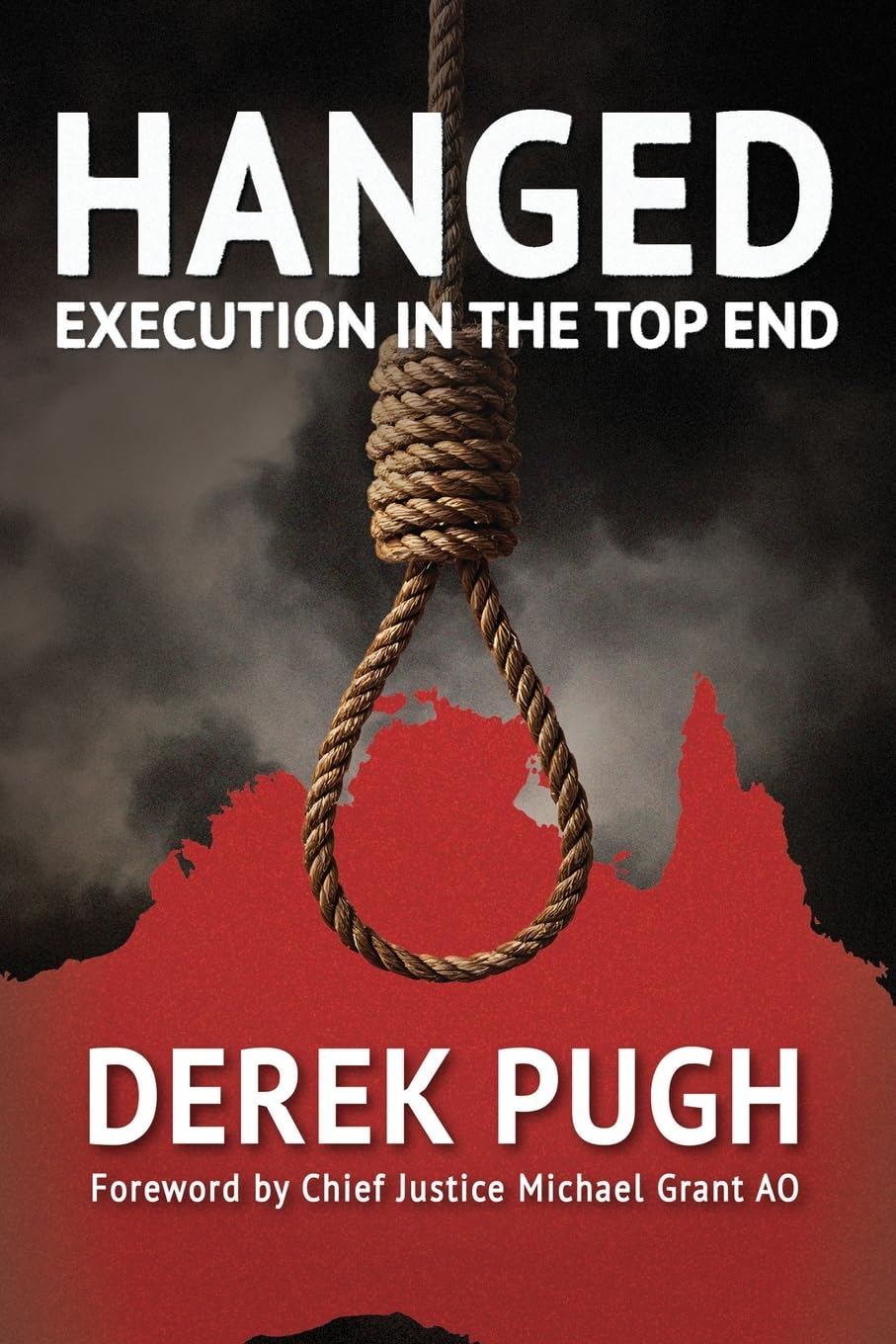







Visit the Literary Titan Book Awards page to see award information.
Literary Titan Silver Book Award

Celebrating the brilliance of outstanding authors who have captivated us with their skillful prose, engaging narratives, and compelling real and imagined characters. We recognize books that stand out for their innovative storytelling and insightful exploration of truth and fiction. Join us in honoring the dedication and skill of these remarkable authors as we celebrate the diverse and rich worlds they’ve brought to life, whether through the realm of imagination or the lens of reality.
Award Recipients

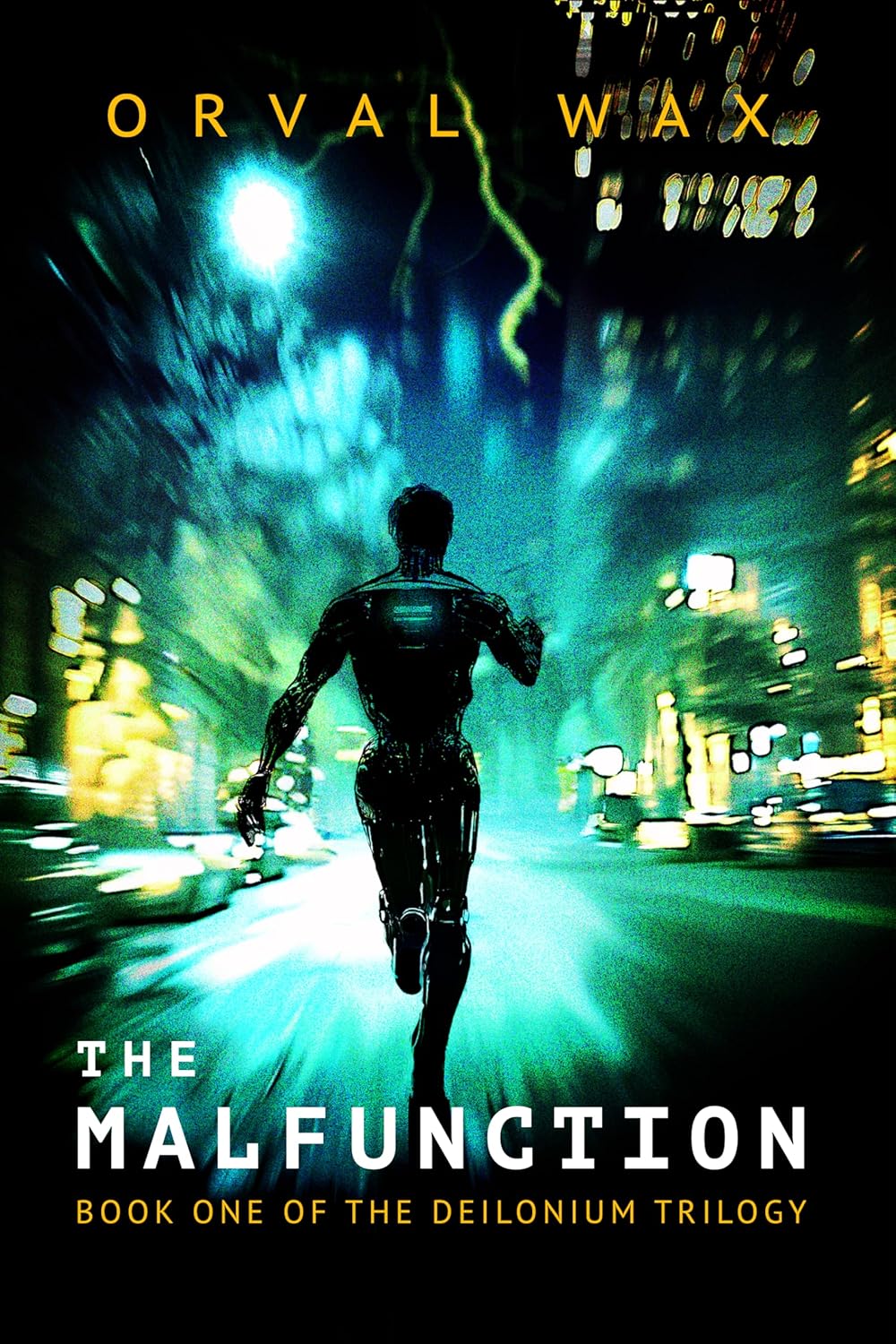



















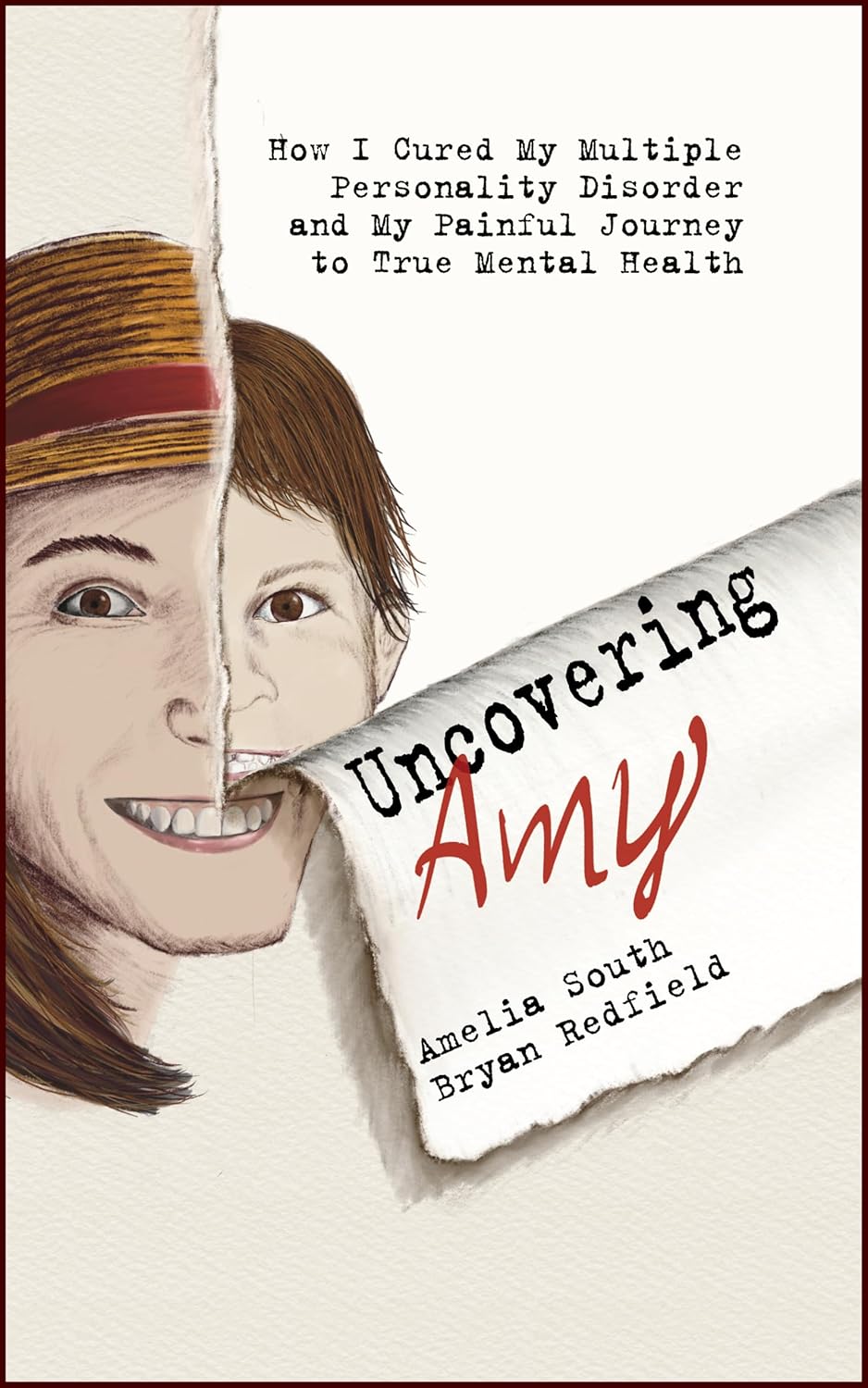













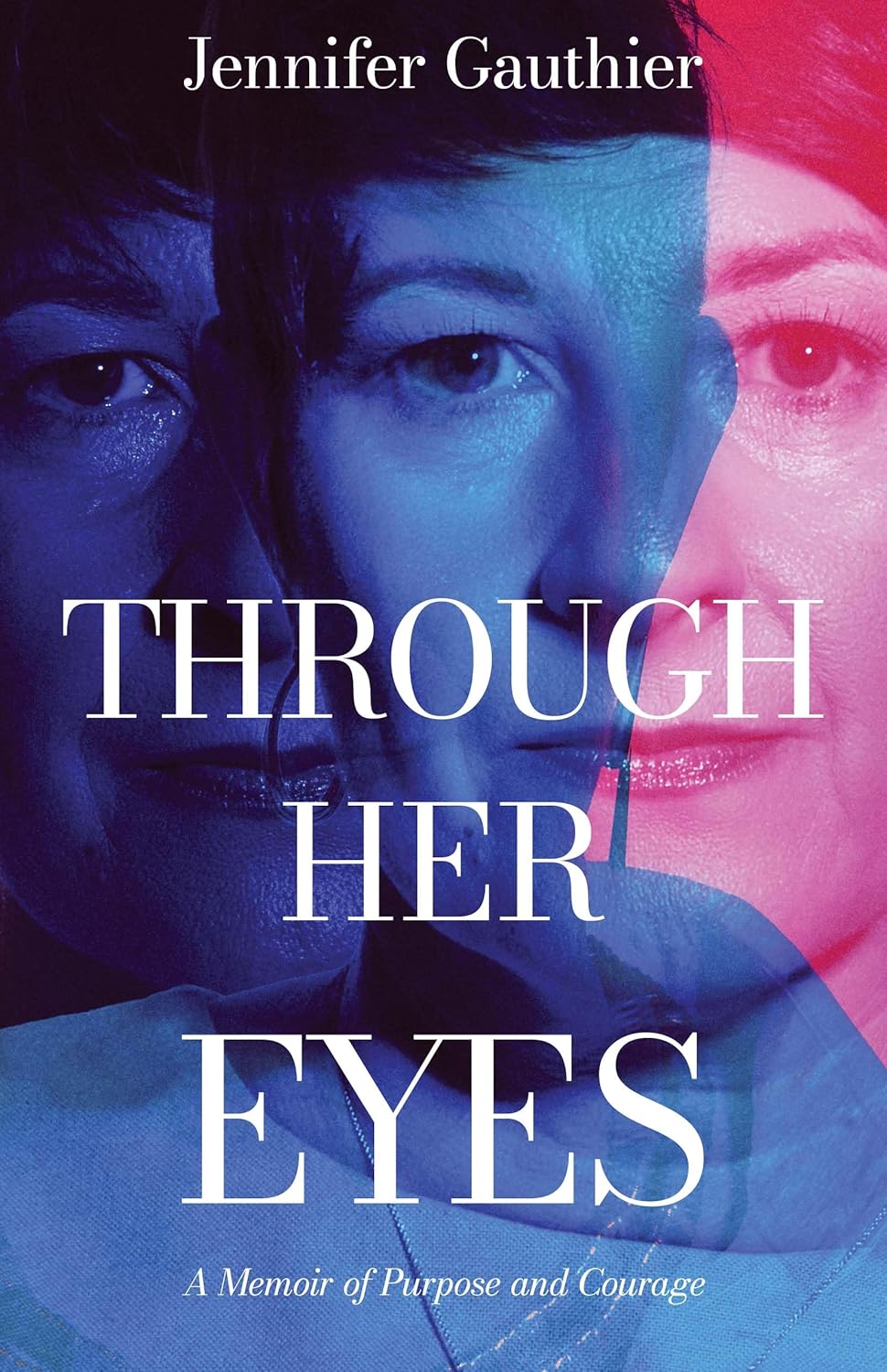











Dying to Meet the Newcomer by Judith Fournie Helms
Visit the Literary Titan Book Awards page to see award information.
Sharing Hope

In Houses Built by Faith, you share the hardships and intense faith that shaped your early years and paved the way for a life of advocacy. Why was this an important book for you to write?
It was important for me to write this book because of what I witnessed in my work as an advocate/criminal defense attorney for those accused of crimes. I often meet clients at one of the most difficult moments of their lives, while they are incarcerated and enduring the heavy weight of the presumption of guilt. During those moments, I’d sometimes share my own story of past incarceration and the journey that eventually led me to become an attorney.
I’ve seen firsthand how my story changed the atmosphere. Clients who felt defeated suddenly found a reason to believe. After their cases were dismissed or they were vindicated and found not guilty, many of them told me that hearing my story gave them hope while they were behind bars. They saw that someone who once sat where they were sitting could still rise, rebuild, and serve others.
Those conversations made me realize, if my story could bring hope to people inside prison walls, it could also inspire people outside of them. This book is my way of sharing that hope with a broader audience. It’s a reminder that even in the darkest seasons of life, faith, perseverance, and purpose can build something new.
At what point did you realize that the three-house framework was the key to telling your story?
I realized that the three-house framework was the key to telling my story during a speaking engagement where I was sharing my life journey. After I finished speaking, a woman from the audience approached me and said something that immediately stayed with me. She told me that my life took place in “three houses”.
In that moment, everything clicked. I recognized that the stages of my life truly could be understood through those houses, each representing a different season of growth, challenge, faith, and transformation. It was not something I had originally planned, but when she said it, I knew she had captured something profound about my story.
From that moment forward, the three-house framework became the natural way to tell my journey. It fit perfectly, and I do not believe that was a coincidence. In many ways, it revealed that life is a series of places where we grow, rebuild, and rediscover who we are meant to be. I believe there are still more houses ahead of me, new seasons and new chapters waiting on the horizon.
I appreciated the candid nature with which you tell your story. What was the most difficult thing for you to write about?
The most difficult part of writing this book was exposing myself in a very visible and vulnerable way by revealing my mug shot. Looking at that photograph years later was an emotional experience. When I study my eyes in that image today, I can see a woman who was lost, uncertain, ashamed, and deeply distraught.
Seeing that photo again brought back memories that were not easy to revisit. It reminded me of a painful season in my life, one that did not feel good to relive. Yet, I also recognized that the photograph tells an honest part of my story.
today I can look at that image from a different perspective. Instead of only seeing the pain, I see the evidence of how far I have come. That moment did not define the end of my life. It was a chapter in a much larger story of perseverance, faith, and transformation. Including it in the book was difficult, but it was necessary because it reflects the truth of the journey.
What advice would you give to someone considering sharing their own memoir with readers?
My advice to anyone considering sharing their memoir is to be completely transparent. Authenticity resonates with readers because people can sense when a story is coming from the heart. When something is written from the heart, it has the power to reach the heart.
Do not be afraid to share the difficult parts of your journey. Those moments of struggle are often the very places where readers find connection and encouragement. We all endure hardships, and many people are searching for stories that remind them they are not alone.
At the same time, a memoir should not only tell the story of what happened. It should also give the reader hope for a better tomorrow. When readers close the book, they should feel strengthened by the journey you shared. They should walk away with the belief that whatever they are facing, they too can overcome and build something meaningful from their experiences.
Author Links: GoodReads | Facebook | Instagram | Website
Houses Built by Faith: Jailhouse. God’s House. Courthouse. is a powerful, faith-filled journey through places most people fear, but where God does His greatest work. Written by attorney Kaysia Monica Earley, Esq., her extraordinary journey unfolds across three pivotal “houses” that shape a life under pressure:The Jailhouse — where fear, consequences, and uncertainty collide
God’s House — where faith was rebuilt, purpose was restored, and hope was renewed
The Courthouse — where justice, truth, and redemption intersect, and destiny was fulfilled
Through personal insight, spiritual reflection, and real-world experience inside the criminal justice system, Houses Built by Faith reveals how God meets us in our lowest moments and transforms trials into testimony.
This book is for anyone who:Is walking through a legal battle, incarceration, or personal crisis
Feels overwhelmed by consequences but still believes God has a plan
Needs encouragement that their situation is not their sentence
Wants proof that faith can stand firm, even in jail cells and courtrooms
Rooted in Scripture and lived experiences, Houses Built by Faith reminds readers that every house we pass through can still be built on faith, and that God’s purpose is never delayed by man’s process. Once an incarcerated defendant, she rose to become a defender of justice. Houses Built by Faith is a powerful testament, when faith lays the foundation, redemption is inevitable. More than a memoir, Houses Built by Faith is a movement detailing how to break every barrier, heal from within, and activate the transformative power of faith.
ABOUT THE AUTHOR
Kaysia Earley is a devoted Christian, nationally recognized attorney, journalist, legal analyst, author, and founder of Earley Law Firm. She defends the accused with a powerful perspective from both sides of the legal system. She earned her Bachelor of Arts degree in Political Science at Howard University and her Juris Doctor from St. Thomas University School of Law. Kaysia has tried over 100 cases to verdict and earned numerous distinguished legal honors.
Guided by Luke 12:48, “For unto whomsoever much is given, of him shall much be required,” Kaysia mentors young women pursuing law and leads a jail ministry that brings hope through the Gospel of Jesus Christ in monthly sermons.
She resides in Florida with her husband of more than twenty years, David, and their four children, carrying her faith into every role as wife, mother, attorney, and servant of Christ
A Story Worth Sharing

We All Want To Be Happy, Volume 3 follows your brother John through the mid- and late-sixties as he searches for peace through army life, factory work, fiery revivals, marriage, and the uneasy space between faith and fulfillment. Why did you decide to devote an entire volume to your brother John’s early adult years?
Every person experiences challenges in becoming an adult; however, those challenges were multiplied by the early death of his mom, his dad’s rather unique approach to fatherhood, as well as his way of dealing with losing a second wife. I observed firsthand my brother’s courage and journey and believe his journey is both inspirational and educational, i.e., worth sharing with the public.
Looking back, what do these years reveal about growing up in the 1960s South?
The 1960s were a volatile time in the South, particularly in the rural South where we attempted to determine “our” place. The older generation, such as John’s father, born in 1895, was uncomfortable with and afraid of the changes. Rock and roll and integration were among the areas generating fear, and that fear created a greater gulf between parents and children, even more so in rural areas.
How does the idea of “peace of mind” evolve across the volume?
As John encounters each obstacle, he fully embraces and studies the opportunities attached to the “possible” ladder out of his instability. Each time, he is reminded of his mother’s teachings and takes another step toward realizing that peace and happiness are his responsibility.
What does happiness mean to John in this volume? Do you think he finds it?
Yes, John does find peace, or at least the road toward peace and joy. He learns that it is not something to find outside oneself, but rather an acceptance of who you are. Once he stops looking outside of himself for the source of contentment, he finds it. He learns: “If you want someone to make you happy, look in the mirror.”
Author Links: GoodReads | Website
As I spend more time with others, particularly young people, I find many are unable to find the bright side of what seems to be a tragedy, a mistake, or a bump in the road. A lack of maturity and experience often creates the inability to look beyond the surface. Some people get lost in what didn’t happen, rather than see the blessings of what did. It may be a normal human reaction, yet as we age – another blessing of getting older – we realize unexpected outcomes result in the most valuable life lessons.
In Volume III, my goal is to share experiences that I observed in my brother’s life. He has been kind enough to allow me to share pertinent times in his much younger years. His memories, as well as our conversations, provided me a deeper look into and understanding of his life. Perhaps the stories will remind you of your own experiences, or those you have witnessed, or provide a laugh, a tug at the heart strings, or a reason to rekindle a friendship.
I WISH YOU JOY AND PEACE OF MIND.
Field of Memories


Field of Memories is a memoir told through a long chain of short, self-contained stories. Childhood in 1950s California. The family moves to Idaho. A parade of neighbors, pets, cousins, choir trips, candy trucks, and church mornings. Later, marriage, grief, travel, Auschwitz, dementia, and the slow ache of saying goodbye to parents and friends. Each vignette is small in scope but big on feeling. Together they form a life story that leans hard into gratitude, faith, and the power of remembering.
I found the story to be very smooth and polished. The tone stays warm and steady even when the subject is painful. The language is plain, almost conversational, and that gives the stories a kind of kitchen-table honesty. I liked how often a scene hangs on one concrete detail. A blue Studebaker. The smell of Toni home perm solution. A chipped tablecloth chewed by the neighbor’s dog. Those small bits made the memories feel lived in, not staged. I appreciated how confidently the prose leans into sentiment, and how many of the endings clearly spell out the lesson, almost like the comforting moral at the end of a fable.
The ideas underneath the stories resonated with me in a gentler, slower way. The book circles again and again around kindness, the cost of cruelty, and how ordinary people carry each other through time. The chapter about Matthew and the teacher who says, “stay with your own kind,” made my stomach knot, because the racism is so casual and so early. The Auschwitz visit in “Never Forget” pulled the lens wide and dropped the whole earlier world of penny candy and Levi’s into a much darker frame. I appreciated that shift. It kept the book from drifting into pure nostalgia. I also felt a strong spiritual thread. It shows up in quiet moments, like the customer-service call that turns into a mini sermon about grief, or the way the author talks about her mother “changing addresses” instead of simply dying. I responded to that mix of tenderness and steadiness, even if now and then it brushed close to sentimentality for my taste.
I would recommend Field of Memories to readers who enjoy reflective, faith-tinged life writing, especially anyone who grew up in mid-century America or loves stories about close families and small towns. If you like to sit with a cup of coffee and dip in and out of short, heartfelt pieces that celebrate parents, grandparents, neighbors, and the strange beauty of getting older, this collection fits that mood very well.
Pages: 188 | ASIN : B0G72F556R



