Blog Archives
Born Again American Megan


Born Again American: Megan is one of those books that sneaks up on you. At first, it feels like a quiet, character-driven story about reconnecting with someone from your past, but it quickly turns into something much deeper and more emotional. The opening chapters set a vivid scene in Alaska and immediately pull you into Isaac and Megan’s shared history, making their unfinished high school bond feel authentic and unresolved. The writing is straightforward and easy to sink into, which makes the emotional moments hit harder because they don’t feel forced or over-polished.
Megan, in particular, is a raw and painfully honest character. Her struggles with grief, addiction, depression, and self-worth are portrayed in a way that feels uncomfortable at times, but that’s kind of the point. She isn’t written as a “fixed” or sanitized version of someone going through trauma. Instead, she’s messy, sarcastic, defensive, and deeply human. Isaac works well as a counterbalance to her chaos, bringing steadiness and patience without coming across as some unrealistic savior figure.
What really stands out is how the book handles healing. There’s no overnight transformation or miracle cure. Progress comes in small, uneven steps, going to the gym, sharing meals, and talking instead of running away. The relationship builds slowly, grounded in friendship and trust before anything romantic takes center stage. Even when the story leans into intimacy, it feels like an extension of emotional connection rather than the main attraction.
Born Again American: Megan is a heartfelt, sometimes heavy read that rewards patience. It’s not just a romance, and it’s not just a redemption story, it’s a mix of both, anchored by believable characters and emotional honesty. If you enjoy stories about second chances, personal rebuilding, and relationships that grow through shared struggle rather than perfection, this book is worth your time.
Pages: 145 | ASIN: B0G75T3YLD

A Personal Journey

In the Face of the Foe is a collection of three tales following British prisoners of war struggling with choices that could either end their lives or set them free. What was the idea, or spark, that first set off the need to write this book?
My grandfather endured the majority of the Second World War as a prisoner of war. As a child, my limited memories of him are of a quiet, withdrawn man, who spent a large part of the day either in bed smoking his hand-rolled cigarettes or absent down the local pub. Now an adult and novelist, with a better understanding of the past and the suffering that forged the man I knew, I wanted to ‘talk’ about the world he was unable to: celebrate his and all his fellow POWs’ bravery and endurance. Through no fault of their own, they found themselves confined and forgotten as the world focused on the combatants and battles, while those lucky enough to return home after the war received no hero’s welcome, carrying guilt and their trauma for the remainder of their lives. So, I wanted to write a series of character-driven adventures, which never shun the darker side of prisoner of war life, but afford the protagonists their moment in the sun, replacing the unrelenting boredom of confinement with a heroic burst: a fact-based framework, supporting some fantastical adventures. This was not about claiming some unwritten truth but manoeuvring through the bustling crowd of heroic men and women from this golden generation and ensuring the POWs are noticed amongst them too.
How much research did you undertake for this book, and how much time did it take to put it all together?
Like all my novels, there is a long gestation period as ideas form, and I develop my knowledge, laying the foundation upon which I build my characters and narrative. Understanding my grandfather’s military service was a personal journey, not driven by a desire to borrow for my writing, but it certainly inspired me. Within the UK, family members can request the service records of those in the military in WW2. The documents are all penned in a matter-of-fact manner, with entries like ‘missing in action 25 May 1940’ or ‘war crime witness’. It stirs more questions than answers and encourages the author to populate the holes. Fortunately, we also have excellent regimental museums, holding the official records of the actions of their battalions. I was most grateful to receive from one of the select paragraphs which told the sorry tale of my grandfather’s battalion and its short-lived role in the first year of the war. Combining this personal research with the benefit of wonderfully researched non-fiction books and memoirs of survivors gave me a hint at the world to implant my hero within. As an author of adventure tales, I occasionally utilized my artistic license to bend the historic facts, adjusting the scenery for the action, but keeping it within an accurate historic stage remained important, and this would have been impossible without the contribution of other sources.
What were some themes that were important for you to explore in this book?
War is abhorrent and not worthy of celebration. However, the individuals dragged into war always have a worthwhile story to tell. The human spirit is tested to the extreme: there is the worst of humanity and the best, and it’s often the case that one side or one individual carries elements of both. In these tales, choice has a small role; it is necessity with survival at stake that shapes the lives of the prisoners. How they react, pull together, break down, recover, ride their luck, or make it through tells us about their core character, the weaknesses, and strengths. The final story in the collection is very important because, although told after the war, it explores how the experience of war and imprisonment has shaped and scarred Jock. His fight to survive the war did not end in 1945, and on release from the stalags, it followed him and directed him until his death in 1984. I question the legitimacy of the old adage, what doesn’t kill you makes you stronger, but there is something admirable about finding the strength to survive what killed so many others.
What is the next book you are working on, and when will it be available?
From the past, I will return to the future and work to finish the third and final book in my Liberty series, a dystopian adventure that explores the meaning of freedom in a broken world. Previously, the novels looked at how fear and ignorance impinge on our liberty (Liberty Bound) and how lies and illusions can be confused for freedom (Where Liberty Lies). In this final work, I want to explore the fragility and endurance of liberty, delivering my protagonists into another maelstrom of danger and suspense. It could take a while to finish it, so I may also take a small diversion to write a children’s novel. Too many children’s books unsubtly preach today, and I have in mind an old-fashioned treasure hunt adventure, where the children succeed because they do what children do: make mistakes, cause mischief, but grow through friendship, role models, and experience.
Author Links: GoodReads | Facebook | Website | Amazon
After surrendering to the all-conquering Wehrmacht in France in May 1940, Jock faces five years of captivity in distant Poland under the brutal Nazis, and a lifetime of trauma and torment from his memories. Disarmed and forgotten, starved and mistreated, Jock and his friends have their own battles to fight; none greater than surviving the war and then rebuilding their lives.
Triumphant Where It Dares Defy (1941) – For those in the British army captured holding back the advancing Germans, allowing their comrades at Dunkirk to evacuate, things look grim. The Nazis have stolen their freedom and dignity, but after a year in captivity, it’s time to steal something back. Against his better judgement, Jock Mitchell finds himself at the centre of a brazen plan to give Hitler a bloody nose. To succeed, he needs to break out of the prison camp… and back in.
A Place More Dark (1945) – After five years of hell, it’s about to get worse for the prisoners of Stalag XXA. Pawns in a deadly World War endgame, victory for the starved inmates is surviving their brutal Nazi overseers and an unforgiving winter’s march across Europe. Weak and a shadow of the man he once was, Jock still finds the strength to rescue the most unexpected of companions from the dangers of war-torn Europe. (Literary Titan Gold Book Award winner, Finalist in the Independent Authors Network Book of the Year Award 2025)
For All the Treasures Buried Far (1948) – (exclusive to this edition) – Germany has surrendered, but for the survivors from Stalag XXA, their war never ends. Still a prisoner of the ghosts and demons from his time as a captive under the Nazis, Jock returns to Poland, where death offers a drastic means of escape from his internal torment. But a greater, more appealing prize awaits if he can survive one last adventure in a new type of war against an old ally turned enemy, the Soviet Union.
Defusing Theories

In Serial Obsession, a journalist-turned-cold case investigator discovers new information in the case of a serial killer and sets out to uncover the truth behind a wrongful accusation. How were you able to strike a balance between suspense and romance?
I always want my novels to be plot-heavy and use the sex and intimacy as just a part of what’s really going on. I want there to be purpose for the relationship, and that purpose will usually be that the main characters find it more advantageous and a lot more fun to work as a duo. Naturally, this arrangement creates depth in the relationship and helps it develop into something almost surreal. The danger and the unknown seem to pull the lovers in even closer, making their connection not only fiery but also a testament to mutual respect and loyalty. Serial Obsession is a great example of how a story creates the relationship, and the lovers’ romance enhances the story.
What do you find to be the most challenging aspect of writing a series? The most rewarding?
The Map Dot Series is different than most book series because the books are actually stand-alones. We call it a series because every book has a common thread—the action takes place in a little Midwestern map dot town. The town is real, and even the locations such as Whittle’s Pub and Grub from Serial Obsession are real, but the story and the characters are entirely from my overactive imagination. These books have no reading order and are only numbered to show the order of release. So, in this case, my challenges were minimal.
Honestly, I spend a lot of time defusing theories about who’s who because everyone thinks there’s a little truth woven into the plot and characters. But that’s just not the case. I just like to build my stories around the places I know best because it helps me visualize and keeps me from taking too many liberties with the flexibility of fiction. Most definitely, the most rewarding aspect of creating this series is going to the little towns, talking with the people there, and getting feedback on the books.
Can you give us a glimpse inside Book 3 of the Map Dot series? Where will it take readers?
Desperate Measures, Book 3 in the Map Dot Series, comes out this spring. This time, the unassuming little map dot town is Argenta, Illinois, and the location is partially the town pub, Bargenta. This book was inspired by my upcoming participation as an attending author on the Love Lit Cruise in February 2026. The main character is a romance novelist who suffers tremendously with the details of her own love life. And, yes, she is embarking on an adventure on the high seas aboard the Love Lit Cruise early in the book. But let me remind you, my characters are not based on anyone real, despite the fact that everyone will assume I am Poppy Wallcroft (sigh). This superficial description of the book might seem like I’m venturing into a more traditional romance subgenre; however, Desperate Measures contains my signature female power character, plot twists that will have your head spinning, and thrilling danger that makes you gasp. Words Matter Publishing and I are shooting for an April release.
Author Links: GoodReads | Amazon
“I’m so sorry, I just came out here half-dressed like I owned the place.”
“…please don’t apologize for making my day,” he said, flashing her a look from those sexy blue eyes. “I never knew that old t-shirt could look so good.”
Camille Hargrove is a serious cold case investigator. When a tip leads her to Lake of the Ozarks to reopen the Kelcee Meyer rape and murder case, Camille vows to find justice for Kelcee and her family. In the process, she encounters Ross Paine, the innocent man framed for the crime. The investigation heats up when Camille and Ross give in to their fiery attraction and become partners in more ways than one. When they expose Shane Simpson, the real killer, Camille becomes his target, and they discover that Shane’s connection to Ross is more complicated than they ever suspected. Unravel the mystery and catch a killer with this sexy duo in Serial Obsession, Marcy Bialeschki’s second stand-alone novel in the Map Dot Series.
No Redemption, No Recovery

Because of His Heart centers around the strained marriage between a journalist and a doctor, and the psychological maze that tests their limits. Where did the idea for this novel come from?
It is not uncommon for an author to find inspiration in a dream. This was the case with Because of His Heart. The dream, quite a few years ago, provided the basic conflict, sexual abuse in marriage, but also the overwhelming uncertainties that attend when strong emotions are present. Much like “the fog of war” that is often described, there are several characters who know each other to varying degrees, but invariably make critical errors of judgment as well as indulge in half-truths in communicating. No single character understands the whole, and the reader must bring it all together.
What were some of the trials that you felt were important to highlight your characters’ development?
I believe that a thoughtful, competent, successful individual (in this case, Erica Seames) would suffer profoundly if all that she worked for, all that she created for herself, was to steadily fall away, beyond her control. So much that we believe of ourselves hinges on a feeling of agency, that our choices and actions are efficacious. If this sense collapses, the alienation and sadness may be overwhelming. In Because of His Heart, Erica Seames’ loss of trust in her husband, in her work as a physician, and finally in her own body, is her trial. Erica’s reason does not fail her, but she is led by a malign influence to depression and resignation. Her recovery is achieved by regaining her world. It is, finally, a joyous thing. In contrast, Nathan Milo chooses pain in love and deception in his progress, leading to further evil choices, including the destruction of others as he rationalizes. He too loses agency, but as it was his choice, there is no redemption, no recovery. Unreliable narratives compound uncertainties. Secondary characters, Constable John Deuter, student poet Dale Jeffer, and arts promoter Dorothea Lunnery, add to the density of the interwoven community, and the continuing uncertainty in moral choices of the main characters.
When you first sat down to write this story, did you know where you were going, or did the twists come as you were writing?
I began writing Because of His Heart with the core conflict in mind. (see above)
Honestly, I can’t remember how or when the other characters emerged, though I outlined each one as I wrote. Elements and characters from two other proto-novels entered the plot over time as the three-part structure settled in. Note: Because of His Heart took almost ten years to write, not because of uncertainties, but because I was working as a classical musician and had limited time for writing. I cut over 30,000 words from the final drafts because the length and focus became too broad over the years of writing. Some of this material may have value in itself. I am considering publishing some extra segments on my website if there is interest in the future.
What is the next book you are working on, and when will it be available?
I am an older fellow, so I may not work on another new novel. However, I have another novel complete right now. Its title is: Francis. It is quite different in design, an adventure in northern Kenya (where I have spent some time over the years). The character, Philip Stroud, who is an important figure in Because of His Heart, makes his appearance in Francis as a young man. We get the back story on Stroud and his fiancée, psychologist Jaye Stevens, in what might be considered a prequel novel. Francis is ready for publication, but my plan is to promote Because of His Heart, which I call my magnum opus, for at least a year before moving to publish Francis.
Author Links: GoodReads | Substack | Facebook | Website | Amazon
Erica is losing her identity and purpose. How could she have been so wrong about her husband? Charles is shocked by this personal tragedy, but as a reporter who knows his beat, he is determined to understand. “I am not a bad man, I am not.” He had acted foolishly, even meanly, but as he considers his joyful marriage of eight years, he discovers that there is something vital he is missing.
As Erica flees New York for her childhood home in Toronto, an anonymous blog is her creation and refuge. She is never alone. Yet when Charles discovers Erica’s online diary, he no longer recognizes his wife or himself in her anguished assertions. To whom can he turn?
In this chilling psychological thriller, abuse, infidelity, psychological manipulation and calculated malice draw a group of near-strangers together to save Erica―in pursuit of elusive justice.
Literary Titan Book Award: Fiction

The Literary Titan Book Award honors books that exhibit exceptional storytelling and creativity. This award celebrates novelists who craft compelling narratives, create memorable characters, and weave stories that captivate readers. The recipients are writers who excel in their ability to blend imagination with literary skill, creating worlds that enchant and narratives that linger long after the final page is turned.
Award Recipients
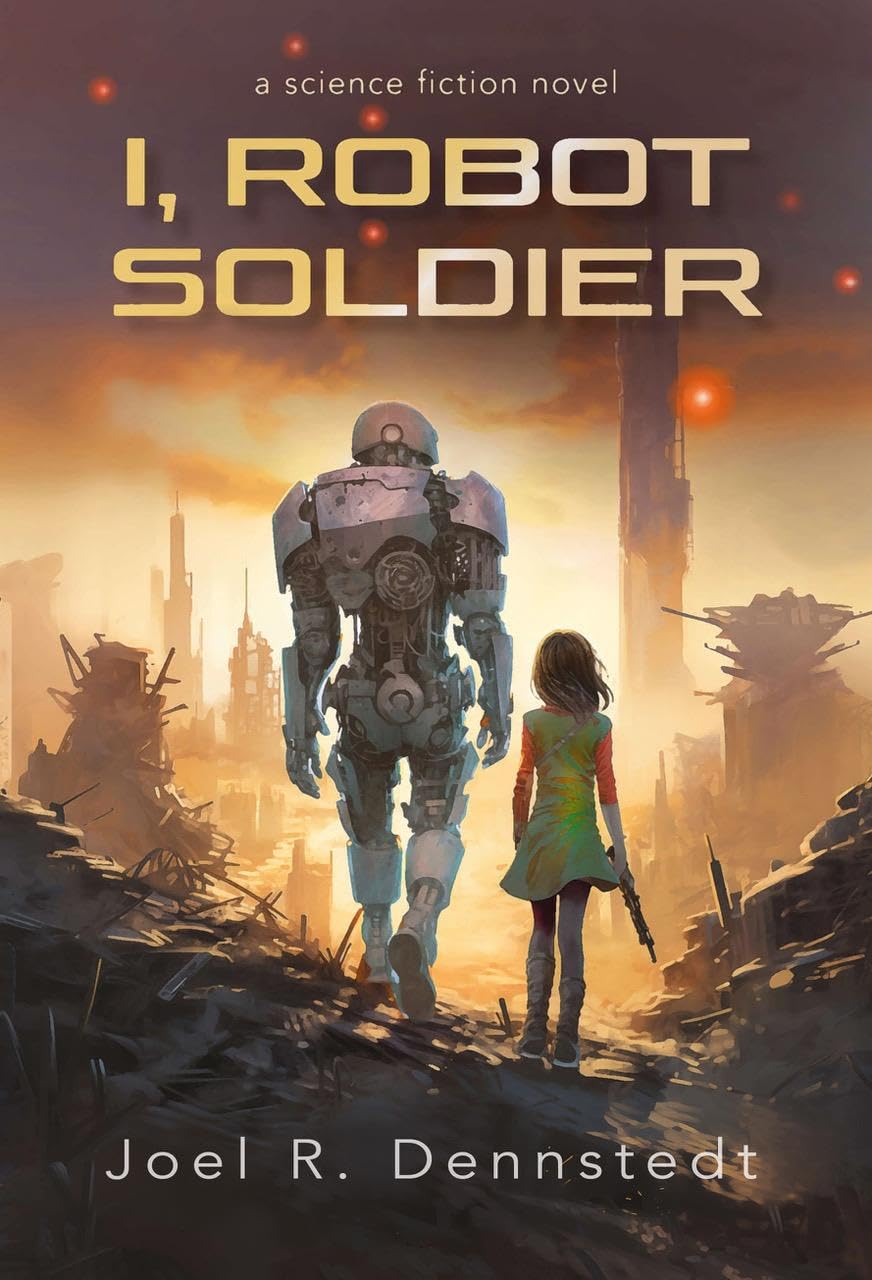


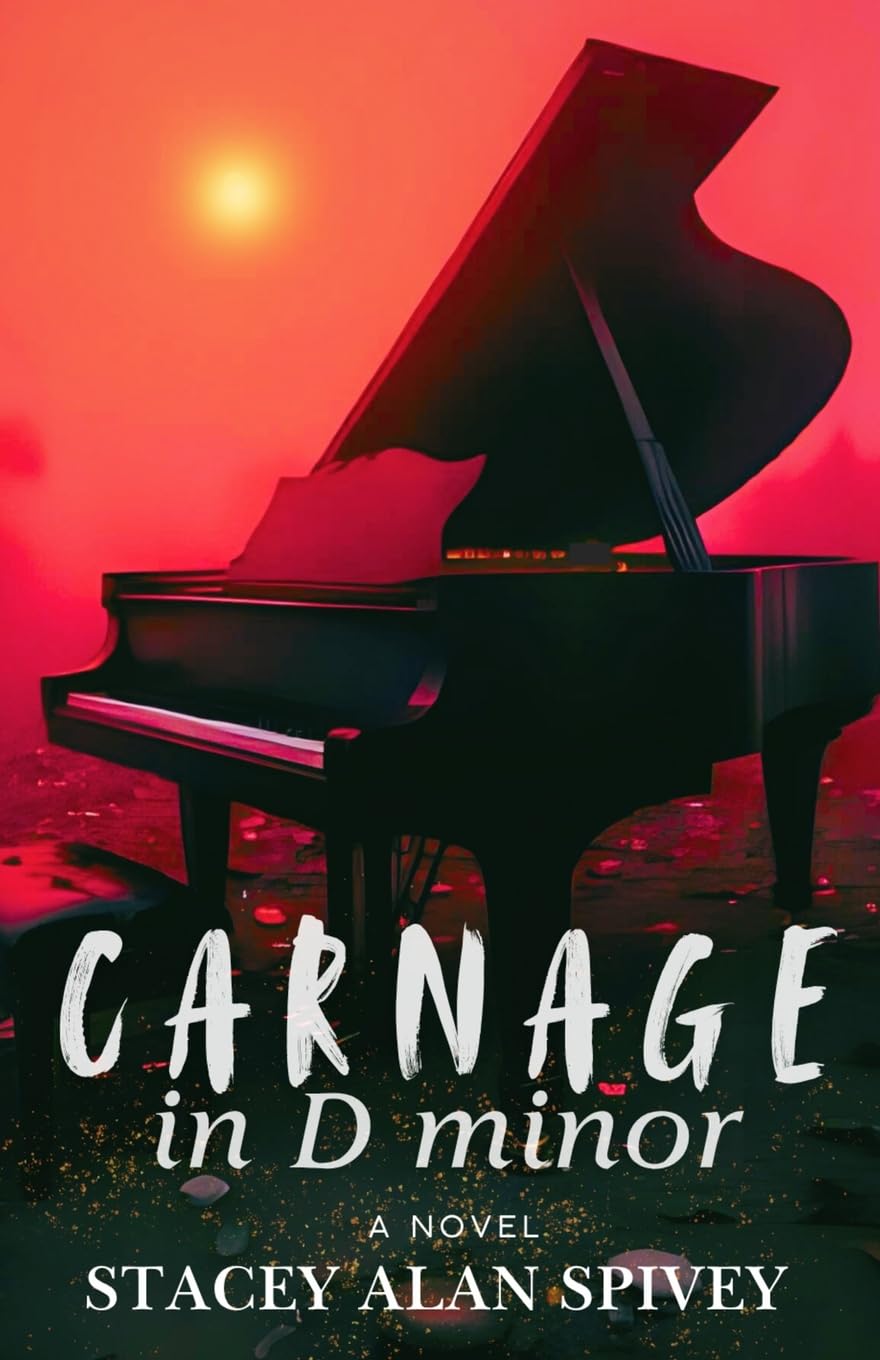
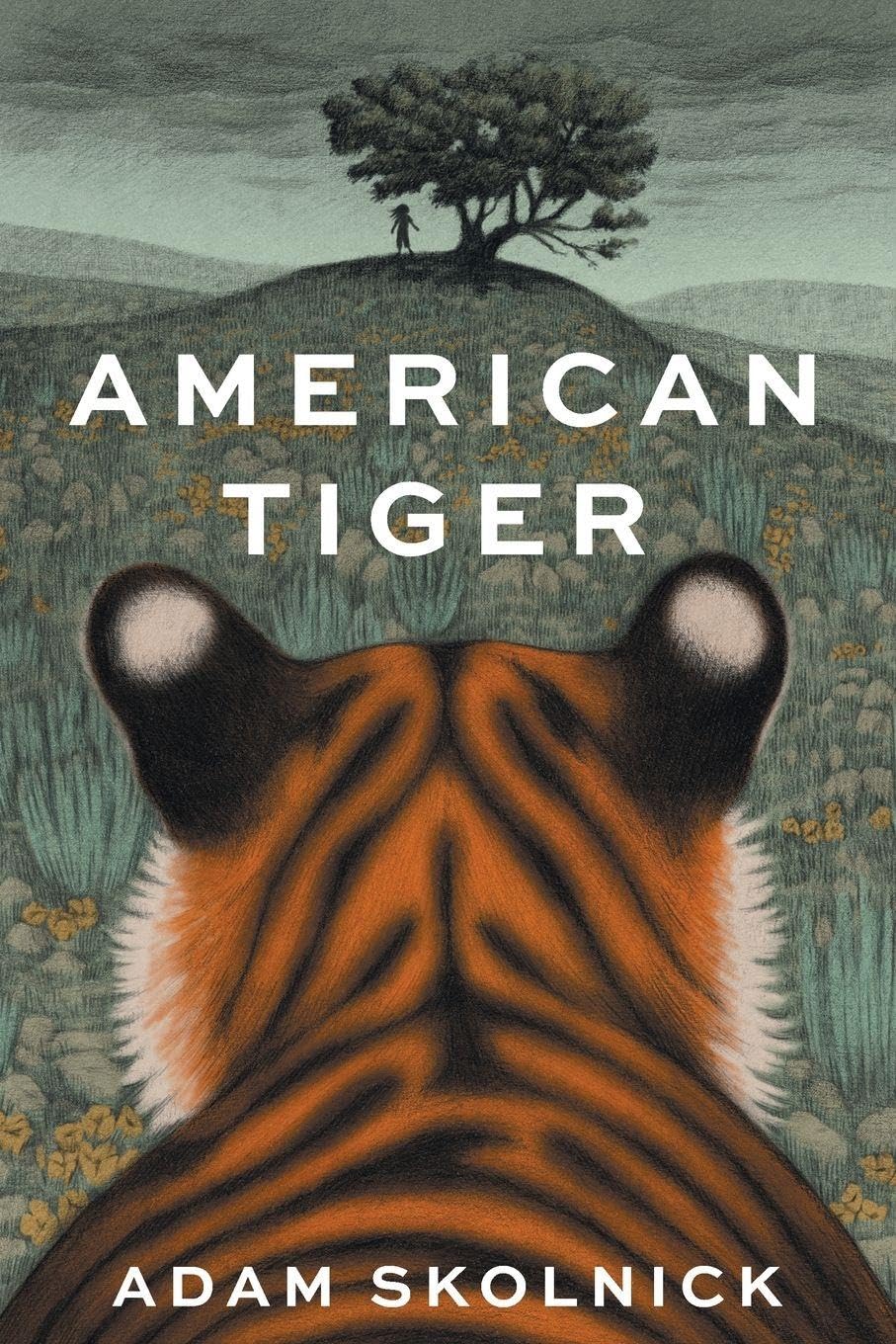

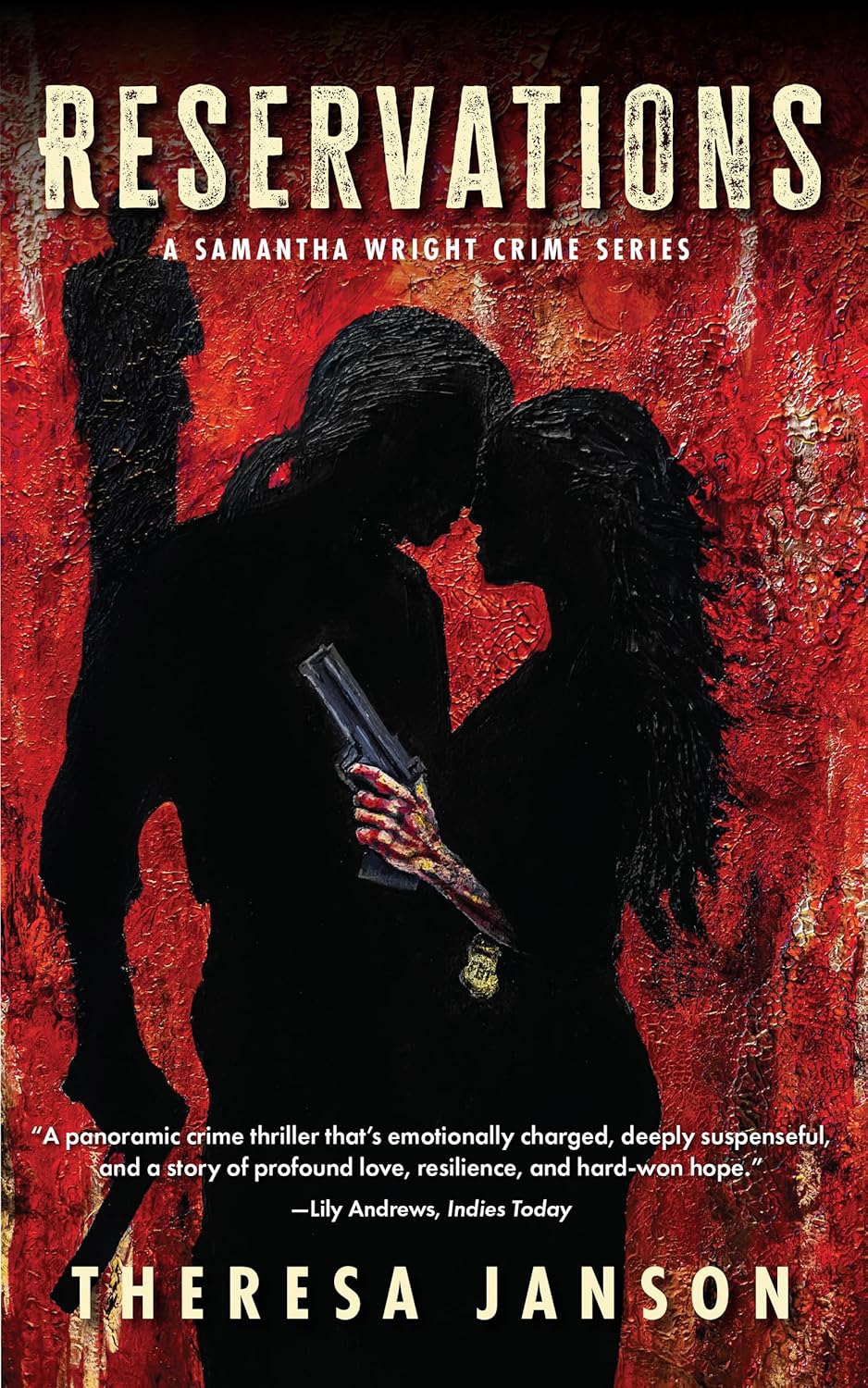

















Visit the Literary Titan Book Awards page to see award information.
Literary Titan Silver Book Awards
Celebrating the brilliance of outstanding authors who have captivated us with their skillful prose, engaging narratives, and compelling real and imagined characters. We recognize books that stand out for their innovative storytelling and insightful exploration of truth and fiction. Join us in honoring the dedication and skill of these remarkable authors as we celebrate the diverse and rich worlds they’ve brought to life, whether through the realm of imagination or the lens of reality.
Award Recipients























Losing Mom by Peggy Ottman
This Is For MY Glory: A Story of Fatherlessness, Failure, Grace, and Redemption
Toil and Trouble by Brian Starr
Visit the Literary Titan Book Awards page to see award information.
Ghost Brother
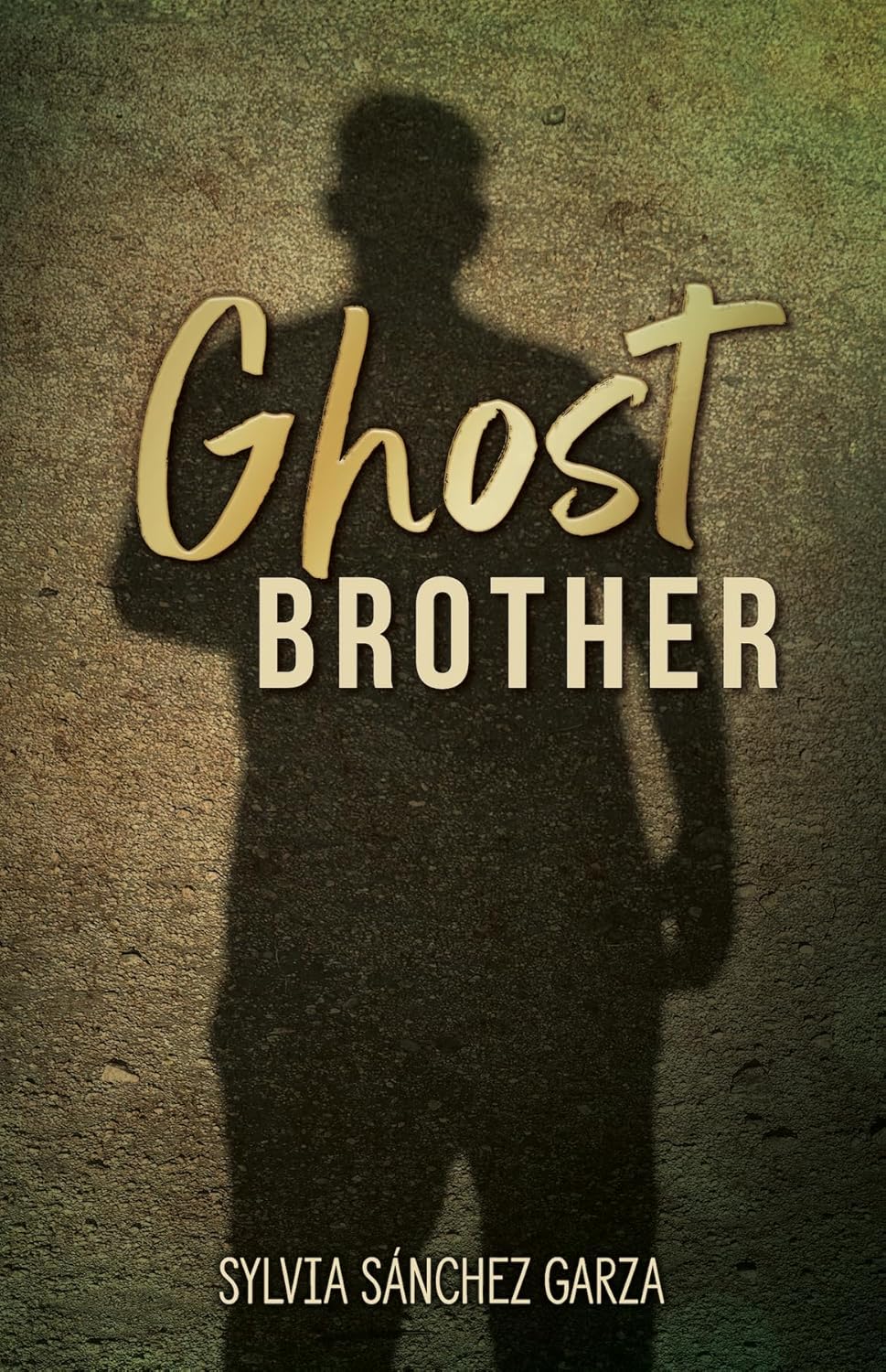
Ghost Brother is a young adult novel that opens with twin brothers, Cris and Carlos, heading to a school dance in South Texas, only for a violent storm, a pair of bullies, and a disastrous crash to shatter their lives. Carlos dies instantly. Cris survives. What follows is a story told in both of their voices, one alive and drowning in guilt, the other watching as a ghost who can see everything but cannot be heard. The book blends grief, memory, and mystery as the brothers struggle, separately and together, to face what happened and what it means for their family.
Reading it felt like sitting with someone who is trying to talk through the hardest moment of their life, stopping and starting, sometimes whispering, sometimes spilling over. The writing is simple and direct, which fits the teen voices. I liked that the author didn’t rush past the emotional fog after the accident. Cris moves through the world as though he’s wrapped in wet cotton, and Carlos drifts with this strange mix of clarity and longing. Their alternating chapters make the tragedy feel bigger and messier because you’re seeing it from both sides of the veil. Some scenes hit with sharp force, like the mother collapsing when she hears the news or Carlos watching her cry and being unable to touch her. Others move slowly, the way real grief does, circling the same memories again and again.
I was also drawn to the author’s choices around culture and community. The book is rooted in Mexican American traditions, beliefs, and rhythms that shape how the characters mourn and how they make sense of death. There’s a spiritual layer here that never feels like decoration. Carlos isn’t just a ghost for plot convenience. His presence echoes the stories their grandmother told, the prayers their mother whispers, the sense that the dead stay close. The supernatural moments glide in quietly, almost like a breeze shifting the curtains. At other times, they feel heavier, especially when Carlos tries to warn his family that the sheriff may twist the truth about the accident. The blend of realism and the supernatural makes the book feel like a hybrid of contemporary fiction and ghost story, but always grounded in teen experience.
By the end, I felt like I’d spent time with a family trying to hold itself together. The story doesn’t pretend grief is tidy or that answers neatly appear. It sits in the uncertainty, in the fear that justice may not come easily, and in the hope that love still stretches across impossible distances. If you like young adult fiction that honestly explores loss and adds cultural depth and a touch of the supernatural, this book is for you. It’s especially suited for readers who appreciate emotional stories that explore family bonds, healing, and the invisible threads that connect us even after death.
Pages: 182 | ASIN : B0CZPLPB7P
Too Complex: It’s a (Enter Difficulty Setting Here) Life
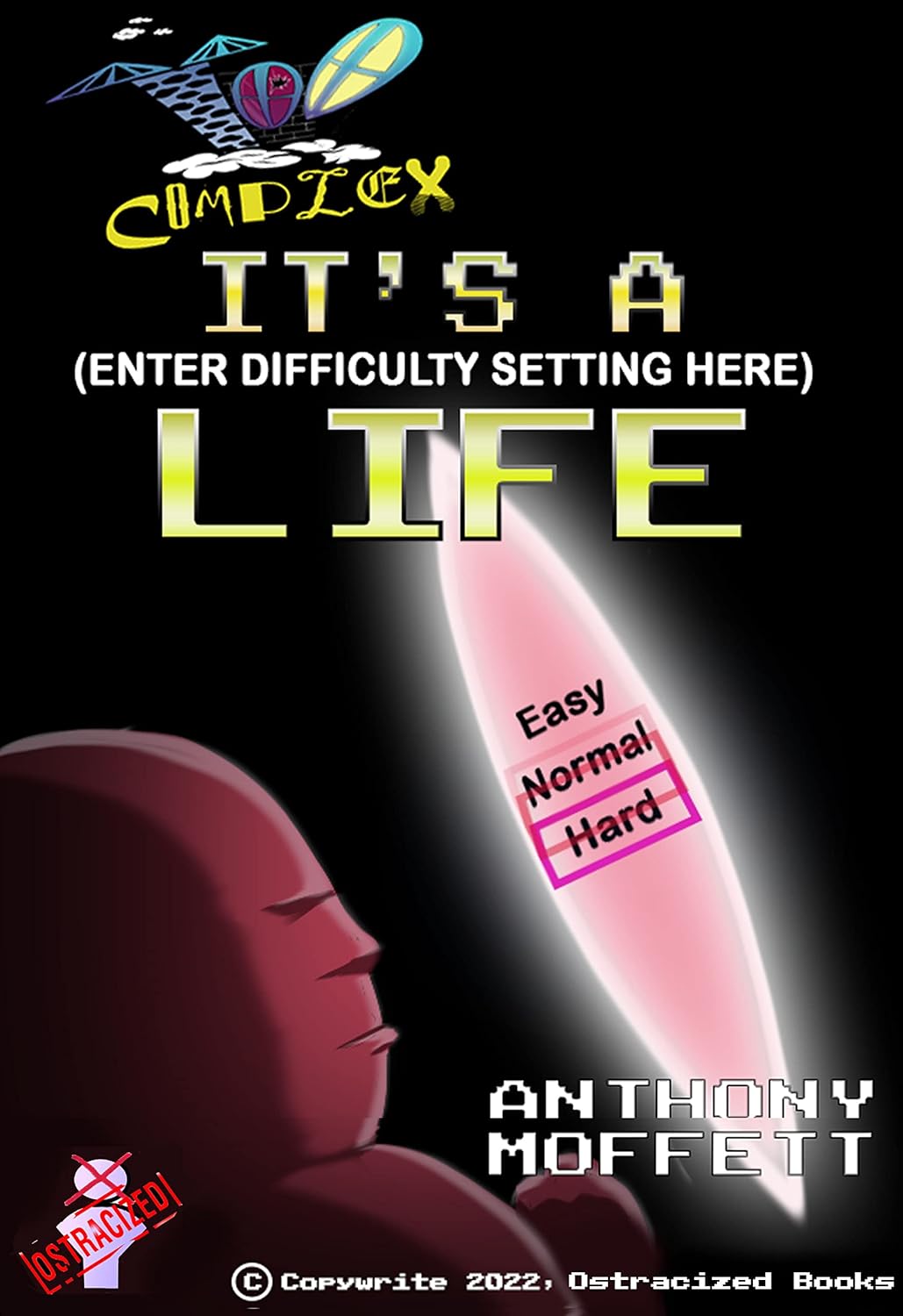
Cody Redbond lives to game. Addiction defines him. His fixation centers on Fantasy Estate, an online battle royale that consumes his days and erases everything else. Hours disappear. Priorities collapse. The game becomes his only reality, while the world beyond his screen loses all appeal. Employment slips away. Social skills erode. Eventually, eviction follows. Even then, Cody refuses to move on. He is too deeply embedded in the digital realm to disengage on his own.
Enter leasing agent Mavirna Holmes and property manager Corey Dwellen. Their task is simple in theory and nightmarish in practice: reach Cody and reclaim the apartment. Doing so requires navigating a living space that has deteriorated into absolute chaos, a physical manifestation of Cody’s inward retreat.
Too Complex: It’s a (Enter Difficulty Setting Here) Life, by Anthony Moffett, is a compact and sharply comic work that blends prose with illustrations. It occupies a space somewhere between novella and graphic novel, using visuals to punctuate its humor and heighten its absurdity.
At its core, the book is an absurdist adventure tailored to video game enthusiasts, but its reach extends further. It functions as a satire of modern adulthood, skewering burnout, disconnection, and the quiet despair that drives escapism. As Cody’s story unfolds, sympathy becomes inevitable. He has not merely abandoned reality; he has replaced it with something brighter, louder, and more responsive. Ironically, the so-called real world offers little incentive to return. It appears dull, unforgiving, and deeply uninspiring by comparison.
This contrast captures the enduring appeal of video games. They promise immersion without consequence, excitement without monotony. When everyday life feels hollow or exhausting, fantasy becomes irresistible. Mavirna and Corey, the unfortunate duo assigned to retrieve Cody, find themselves on a quest of their own, one that mirrors the very games Cody adores. The ultimate irony lies in the aftermath of his obsession. The artificial world he clung to has reshaped reality itself, transforming his apartment into a grotesque, pest-ridden dungeon.
The result is a book that is unabashedly fun. It is silly, unhinged, and gleefully excessive. Beneath the humor, however, lies a pointed warning. Too Complex entertains first, but it also lingers, offering a sharp and thoughtful reflection on escapism, avoidance, and the cost of choosing fantasy over life. I highly recommend this humorous and highly relatable tale to gamers and non-gamers alike.
Pages: 73 | ASIN : B0BR4J3L9Y



 LITERARY TITAN