Blog Archives
Mortal Revenge
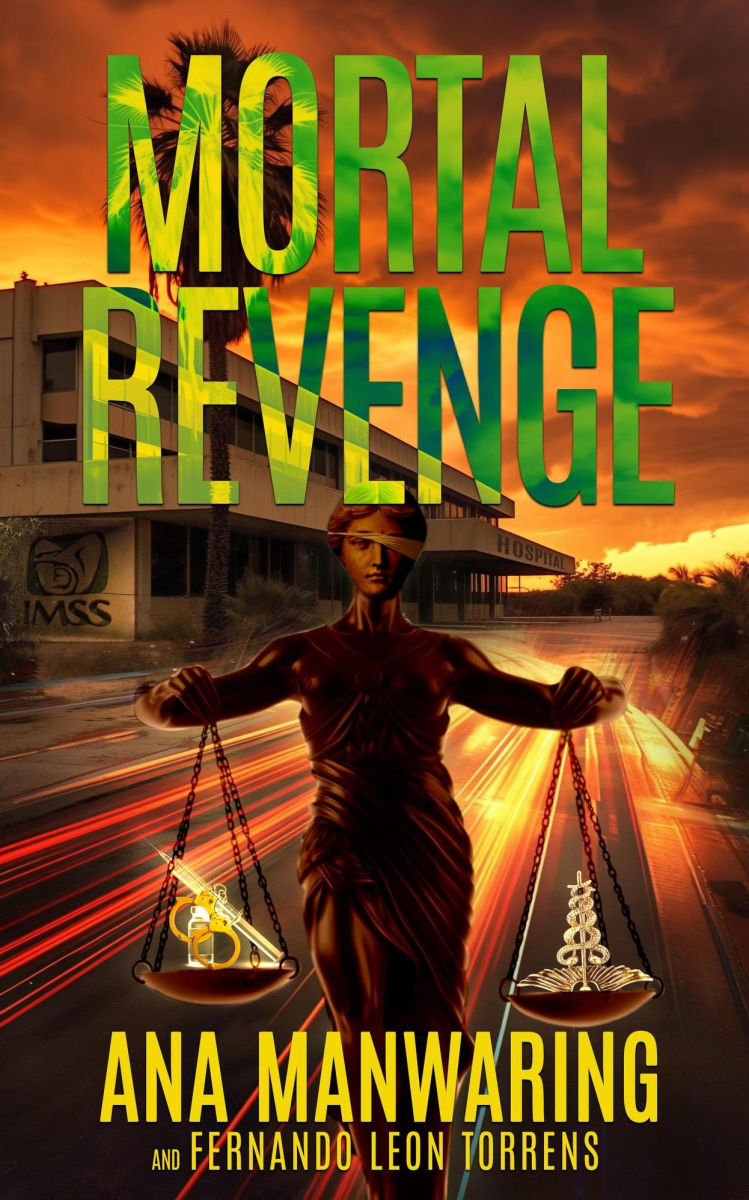

At its core, this is a crime thriller that blends family betrayal, corruption, and moral reckoning into a story driven by personal stakes. The book follows Alex Deltoro, a successful pharmaceutical executive in Mexico City, whose professional triumphs collide with a dark family crisis involving his mother, his brother, and a web of neglect, greed, and possible murder. Set against the early days of the COVID-19 pandemic, the novel moves between domestic abuse, corporate intrigue, and the broader rot of institutional corruption, all building toward a question that lingers throughout. How far can a decent person be pushed before justice turns into revenge?
What stayed with me most was how grounded the writing feels, even when the plot leans into high-stakes territory. The authors do not rush Alex’s inner life. We sit with his guilt, his exhaustion, and his instinct to care for others even when it costs him. The pacing reflects that choice. Some scenes stretch out, especially in hospitals or family spaces, and that patience pays off. It gives the story weight. The prose is clear and unflashy, which works well for a thriller rooted in realism rather than spectacle. Those details never feel decorative. They serve the story.
I also appreciated how the book handles power and corruption. No one twirls a mustache here. Harm happens through neglect, selfishness, and systems that reward the wrong behavior. The pandemic backdrop is especially effective. It adds urgency without feeling opportunistic, and it mirrors the novel’s larger concerns about who gets protected and who gets sacrificed. There were moments where I wished certain confrontations had been sharper or arrived sooner, but in hindsight, the slower burn fits the emotional logic of the story. Revenge, in this novel, is not impulsive. It is something that grows quietly, fed by love and frustration in equal measure.
Mortal Revenge felt less like a simple thriller and more like a meditation on responsibility. It sits comfortably in the crime thriller genre, but it also borrows from social realism and psychological drama. I would recommend this book to readers who like suspense grounded in character, especially those interested in morally complex stories set in real-world crises. If you enjoy thrillers that make you think about systems, family, and the cost of doing the right thing, this one is worth your time.
ISBN: 978-1-64456-875-0

Bluring the Line

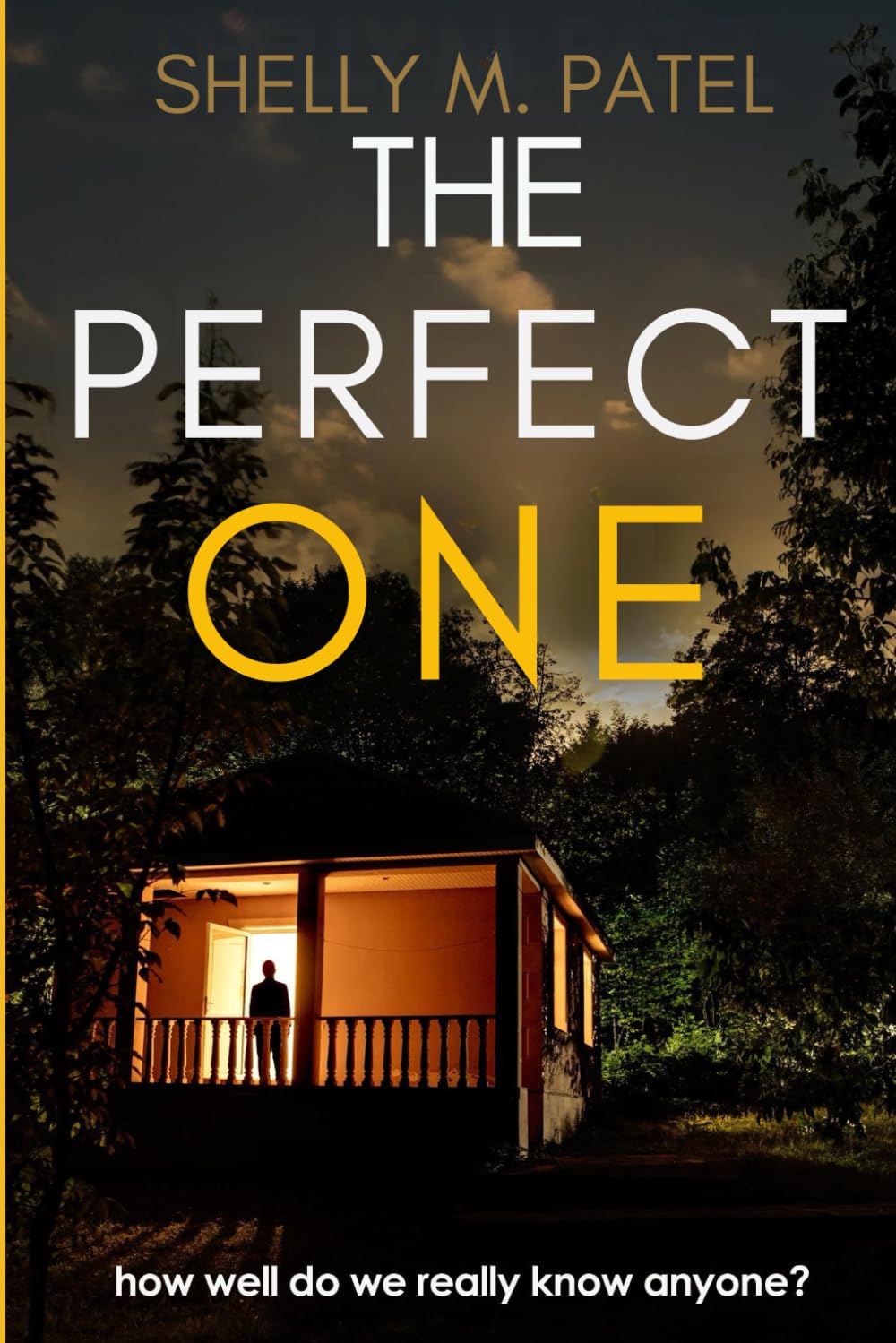
The Perfect One follows a formidable District Attorney accused of murdering her affair partner, who, with the help of her Sheriff husband, tries to prove her innocence. What was the inspiration for the setup of your story?
I wanted to explore the paradox of a woman who prosecutes the truth for a living, yet finds herself entangled in a lie so personal it blurs the line between guilt and innocence. The affair wasn’t just a plot device, it was a way to examine vulnerability in someone who is otherwise formidable, disciplined, and untouchable in the public eye. I wanted to explore the human emotions and unveil the vulnerability to show readers how imperfect we are even when we seem perfect to the outside world.
I feel that your characters are the real stars of your mystery; they are intriguing and well-developed. Who was your favorite character to write for?
Emma was my favorite character to write.
What drew me to her was the balance she embodies, strength without arrogance, empathy without blindness, and loyalty without submission. She’s deeply capable, but she never shuts off her instinct to question, especially when something doesn’t add up. That internal tension made her feel incredibly real to me.
Emma doesn’t move through the story assuming she’s right; she’s willing to pause, reflect, and reassess, even when it’s uncomfortable. That willingness to question herself, rather than blindly defend a narrative, is what gives her moral depth. She listens as much as she acts.
In many ways, Emma represents the best of what we can be when we choose integrity over convenience. She’s proof that strength doesn’t require hardness, and that empathy doesn’t mean weakness. Writing her felt like writing toward an ideal, someone who leads with conscience, remains open to truth, and refuses to ignore the quiet voice that says something isn’t right.
How do you balance story development with shocking plot twists? Or can they be the same thing?
I don’t see story development and plot twists as opposites; they’re most powerful when they’re the same thing. A shock for the sake of surprise never lasts, but a twist that grows organically out of character and theme deepens the story rather than derailing it. At times what the characters reveal is a shock to me as well.
For me, development comes first. I spend a lot of time building motivation, relationships, and emotional stakes so that when a twist happens, it feels both unexpected and inevitable. The best twists don’t introduce something new, they reveal something that was already there, hiding in plain sight.
What is the next book that you are working on, and when can your fans expect it to be out?
I am working on What Lies Next Door- Release Date is June 8, 2026.
What Lies Next Door
In this neighborhood, appearances matter, but reality is often hidden.
Seeking a quiet life, Sophia and Josh Miller moved to Edgewood Estates, known as one of the safest neighborhoods in Virginia Beach. With manicured lawns, a pristine cul-de-sac, and welcoming neighbors, it seemed ideal for starting a family.
Across the street, the Patels were polite but reserved. Next door, the Wilsons appeared ideal, especially Hana, who always arrived with fresh-baked cookies and cold lemonade. Yet behind Hana’s perfect smile, something unsettling remained.
Soon, unusual events occur.
Shadows appear outside the Millers’ windows. Doors open unexpectedly at night. Someone, or something, is watching.
Accusations arise, and neighbors turn against each other. Long-buried secrets begin to surface, leading to serious consequences.
When Josh’s co-worker and secret mistress disappears, suspicion falls on the Millers. Matters escalate when Hana’s husband, Brian Wilson’s body is discovered in his own backyard.
The once-tranquil neighborhood becomes a full-blown crime scene, with detectives circling like vultures and neighbors whispering behind drawn curtains. Sophia can’t shake the feeling that they were never truly welcomed in Edgewood Estates.
Someone wants to get them out of the neighborhood. But why?
How do you fight back when you don’t know who — or What Lies Next Door?
On the surface, Lyla and Jack Peterson are the golden couple. He, the respected Virginia Beach Sheriff, and she, the formidable District Attorney. But behind closed doors, their marriage is built on dangerous secrets.
When Lyla’s lover, a charismatic defense attorney, turns up dead, suspicion slams down on her. She was the last to see him alive, and every shred of evidence points her way. Then, a darker secret erupts: the body of her stepfather resurfaces after fifteen years, threatening to destroy what’s left of her world.
As Detective Aiden Blackwood untangles a web of betrayal and buried grudges, Lyla and Jack are forced into a deadly game to prove her innocence. Every ally could be an enemy. Every lie could be a weapon. And the deeper they dig, the more one truth becomes terrifyingly clear— Someone is setting her up… and they won’t stop until she’s behind bars for good.
Beneath The Rings

The Doha 2040 Summer Olympics promise spectacle and grandeur. That illusion shatters fast. Twelve Lebanese and Israeli athletes vanish, seized by a shadowy organization known as the Obsidian Hand. Their demand lands like a thunderclap: a ransom of $500 billion. Veteran journalist Nova Mendelsohn steps into the chaos, and the stakes spike with every passing hour. The Olympic Village becomes her launching point, yet the real peril lurks beyond its perimeter. The desert holds secrets. Vengeance brews. Lives hang by a thread. Unless Nova unearths the truth, the kidnapped athletes will not survive.
Beneath the Rings, by Joe Battaglia, evokes echoes of Argo while carving out its own identity. Set in a near-future landscape that feels disturbingly plausible, the novel imagines a world only a few steps removed from our present timeline.
At its center stands Nova Mendelsohn. Once the narrative machinery locks into place, the spotlight rarely shifts from her. Intelligent, relentless, and remarkably resourceful, she becomes the ideal guide through this pressure cooker of danger. Readers may catch glimmers of Dan Brown’s puzzle-laced adventures or the high-velocity grit of the Jason Bourne films, yet Battaglia builds a narrative ecosystem all his own, one defined by crisp storytelling and an inventive delivery of essential clues.
Momentum never lags. Once the plot kicks into gear, it drives forward with remarkable speed. The mystery elements hook the reader early, while the dialogue sharpens the tension. Mini cliffhangers pepper the chapters, each one engineered to tug the reader deeper into the story. Putting the book down becomes a challenge.
The Obsidian Hand also stands apart from typical thriller antagonists. As their identity and purpose come into focus, their motives, while extreme, gain a faint, unsettling logic. This complexity grants the novel an unexpected emotional undercurrent, prompting readers to consider where justice ends and fanaticism begins.
The result is a high-stakes thriller with international scope and literary ambition, a potboiler elevated by thoughtful execution. Battaglia delivers a gripping ride, and further stories featuring Nova Mendelsohn would be more than welcome.

Summer Fallout


Summer Fallout is a contemporary crime drama and family-centered thriller that follows a beach-town family still reeling from a violent hurricane season when their adult son is shot on his own front porch. The novel moves between moments of coastal calm and sudden brutality, focusing on the emotional fallout rather than just the crime itself. The book is about survival. Physical survival, yes, but more deeply the kind that happens in hospital waiting rooms, quiet kitchens, and the long stretch of time after trauma when life is supposed to go back to normal and refuses to cooperate.
Author Denise Ann Stock spends time letting scenes breathe. Long walks on the beach, family dinners, small conversations that feel ordinary. Those moments matter because when violence breaks in, it lands harder. The contrast is sharp but not flashy. The author clearly wants the reader to feel what it is like to live in a place that looks like paradise while carrying fear just under the surface. The point of view stays close to the mother, and that choice works. Her thoughts circle and spiral the way real fear does.
The book’s ideas are simple but heavy. Safety is fragile. Communities can look peaceful while hiding cracks. Trauma does not arrive once and leave politely. I appreciated that Stock does not rush healing or tie things up neatly. As a work of crime fiction, the mystery matters, but as a family drama, the emotional stakes matter more. The pacing leans toward reflective rather than propulsive, which may surprise readers expecting a fast thriller. For me, that slower rhythm felt honest.
By the end, I felt like I had spent time inside this family’s life rather than just watched a plot unfold. Summer Fallout will appeal most to readers who enjoy contemporary crime novels with a strong emotional core, especially those who like stories about resilience, family bonds, and the long shadow violence can cast over everyday life. If you like reflective crime fiction that lingers on aftermath and human cost, this book is worth your time.
Pages: 228 | ASIN : B0G4G349X2
Intricate Mysteries

Stolen Secrets follows a determined ranch manager with a deep-seated distrust of oil companies who reluctantly forms a partnership with a former special ops man when vandalism and murder show up on her doorstep. What was the inspiration for the setup of your story?
The book is a fictionalized mash-up of three separate situations that occurred in different parts of the state in different decades.
Down in South Texas in the late 1990s, I had the privilege of taking a lease from a severed mineral owner (only in this case, a very nice person). The surface owner and ranch manager was a super- smart, capable woman who was an ardent environmentalist and totally hated oil companies. She was not a happy rancher when I came along. She has since passed away, but I was lucky to have known both her and the person I took the lease from.
I spent a lot of time in West Texas in Menard County, Texas, where the annual festival is Jim Bowie Days. Everyone in the two counties in every direction has heard about the lost silver mine. I loved the story.
The terrible corruption comes from Duval County in deep South Texas, where George Parr, and later his son, Archer Parr, and Archer’s one-time henchman, Clinton Manges, ruled the county with horrendous corruption from the 1940s through the 1980s. George and, later, Archer were called the Dukes of Duval. Archer went to prison and then committed suicide. Clinton died penniless in a nursing home in San Antonio. One of my closest colleagues worked for the Trustee as the land manager for the Manges Liquidating Trust when the ranch was forced into bankruptcy and liquidated to pay Manges’s creditors.
I enjoyed the romantic enemies-to-lovers relationship between Sarah and Ethan. How did their relationship develop while you were writing it? Did you have an idea of where you wanted to take it, or was it organic?
I am not a pantser. I can’t imagine how mysteries can be written without clue maps, chapter outlines, scene details, etc. Every aspect of the story is planned to the nth detail before I ever start writing. I have a fantastic editor who helps me box the entire outline into shape, scene by scene, before I even write the first sentence.
How did you balance the action scenes with the story elements and still keep a fast pace in the story?
Pacing is not my strong suit. I rely on my editor, Laura Barth, to crack the whip on me for pacing. She’s a task master on story structure and keeping things moving. I tend to meandering wordiness without adult supervision.
When will Book Two be available? Can you give us an idea of where that book will take readers?
The whole trilogy is out. All three books are standalones featuring women in science, heroes who think they’re cool, and intricate mysteries inspired by events in my career or experiences of my colleagues. They can be read in any order. They are all enemies-to-lovers stories.
Book 2, Burning Secrets, is the story of a chemical engineer working to shut down a polluting paper mill in East Texas. To save the town, she is forced into an uneasy alliance with the undercover PI hired by the mill’s lawyer to stop her.
Book 3, Buried Secrets, is set in my hometown of San Antonio. It is the story of a straight- laced architect/city historic preservationist dealing with the discovery of old (and new) skeletons during excavation for new construction in the historic King William area of town. To identify the victims, she is forced to work with a disgraced homicide detective whose career is hanging on by a thread.
All three books are available individually on Amazon and as a box set.
The hero and the Deputy Chief of Police in Buried Secrets carry over to the new Iris Raines mystery series, and both appear in the series debut novel, Hell to Pay.
Author Links: GoodReads | X (Twitter) | Facebook | Website | Amazon
Her brother is missing. Her ranch is burning.
And the only man who can save her…is the one she swore she’d never trust.
🔥 Enemies-to-Lovers
🔥 Forced Trust
🔥 Romantic Suspense
When West Texas rancher Sarah Chandler finds herself battling an oilfield fire and the sudden disappearance of her brother, the last person she wants by her side is Ethan Tanner—a former special ops soldier turned oil company man with secrets of his own.
But when a murderer strikes on her land, Sarah and Ethan are forced into a dangerous partnership. Every step closer to the truth puts them deeper in the killer’s crosshairs—and every stolen glance ignites a passion neither can resist.
As the fires close in and the killer circles closer, will Sarah and Ethan uncover the truth before it consumes them both?
Love edge-of-your-seat suspense, enemies-to-lovers tension, and the rugged grit of Texas? Stolen Secrets delivers heart-pounding danger, fiery romance, and a story you won’t forget.
Dive into Stolen Secrets, Book 1 of the Deadly Secrets Texas Trilogy today—and discover a complete, standalone romantic suspense series you won’t want to put down.
🏆Award-Winning Finalist — Next Best Read Writing Contest, June 2025
🏆Gold Book Award — Literary Titan Book Award for Fiction, December 2025
Defusing Theories

In Serial Obsession, a journalist-turned-cold case investigator discovers new information in the case of a serial killer and sets out to uncover the truth behind a wrongful accusation. How were you able to strike a balance between suspense and romance?
I always want my novels to be plot-heavy and use the sex and intimacy as just a part of what’s really going on. I want there to be purpose for the relationship, and that purpose will usually be that the main characters find it more advantageous and a lot more fun to work as a duo. Naturally, this arrangement creates depth in the relationship and helps it develop into something almost surreal. The danger and the unknown seem to pull the lovers in even closer, making their connection not only fiery but also a testament to mutual respect and loyalty. Serial Obsession is a great example of how a story creates the relationship, and the lovers’ romance enhances the story.
What do you find to be the most challenging aspect of writing a series? The most rewarding?
The Map Dot Series is different than most book series because the books are actually stand-alones. We call it a series because every book has a common thread—the action takes place in a little Midwestern map dot town. The town is real, and even the locations such as Whittle’s Pub and Grub from Serial Obsession are real, but the story and the characters are entirely from my overactive imagination. These books have no reading order and are only numbered to show the order of release. So, in this case, my challenges were minimal.
Honestly, I spend a lot of time defusing theories about who’s who because everyone thinks there’s a little truth woven into the plot and characters. But that’s just not the case. I just like to build my stories around the places I know best because it helps me visualize and keeps me from taking too many liberties with the flexibility of fiction. Most definitely, the most rewarding aspect of creating this series is going to the little towns, talking with the people there, and getting feedback on the books.
Can you give us a glimpse inside Book 3 of the Map Dot series? Where will it take readers?
Desperate Measures, Book 3 in the Map Dot Series, comes out this spring. This time, the unassuming little map dot town is Argenta, Illinois, and the location is partially the town pub, Bargenta. This book was inspired by my upcoming participation as an attending author on the Love Lit Cruise in February 2026. The main character is a romance novelist who suffers tremendously with the details of her own love life. And, yes, she is embarking on an adventure on the high seas aboard the Love Lit Cruise early in the book. But let me remind you, my characters are not based on anyone real, despite the fact that everyone will assume I am Poppy Wallcroft (sigh). This superficial description of the book might seem like I’m venturing into a more traditional romance subgenre; however, Desperate Measures contains my signature female power character, plot twists that will have your head spinning, and thrilling danger that makes you gasp. Words Matter Publishing and I are shooting for an April release.
Author Links: GoodReads | Amazon
“I’m so sorry, I just came out here half-dressed like I owned the place.”
“…please don’t apologize for making my day,” he said, flashing her a look from those sexy blue eyes. “I never knew that old t-shirt could look so good.”
Camille Hargrove is a serious cold case investigator. When a tip leads her to Lake of the Ozarks to reopen the Kelcee Meyer rape and murder case, Camille vows to find justice for Kelcee and her family. In the process, she encounters Ross Paine, the innocent man framed for the crime. The investigation heats up when Camille and Ross give in to their fiery attraction and become partners in more ways than one. When they expose Shane Simpson, the real killer, Camille becomes his target, and they discover that Shane’s connection to Ross is more complicated than they ever suspected. Unravel the mystery and catch a killer with this sexy duo in Serial Obsession, Marcy Bialeschki’s second stand-alone novel in the Map Dot Series.
Literary Titan Book Award: Fiction

The Literary Titan Book Award honors books that exhibit exceptional storytelling and creativity. This award celebrates novelists who craft compelling narratives, create memorable characters, and weave stories that captivate readers. The recipients are writers who excel in their ability to blend imagination with literary skill, creating worlds that enchant and narratives that linger long after the final page is turned.
Award Recipients





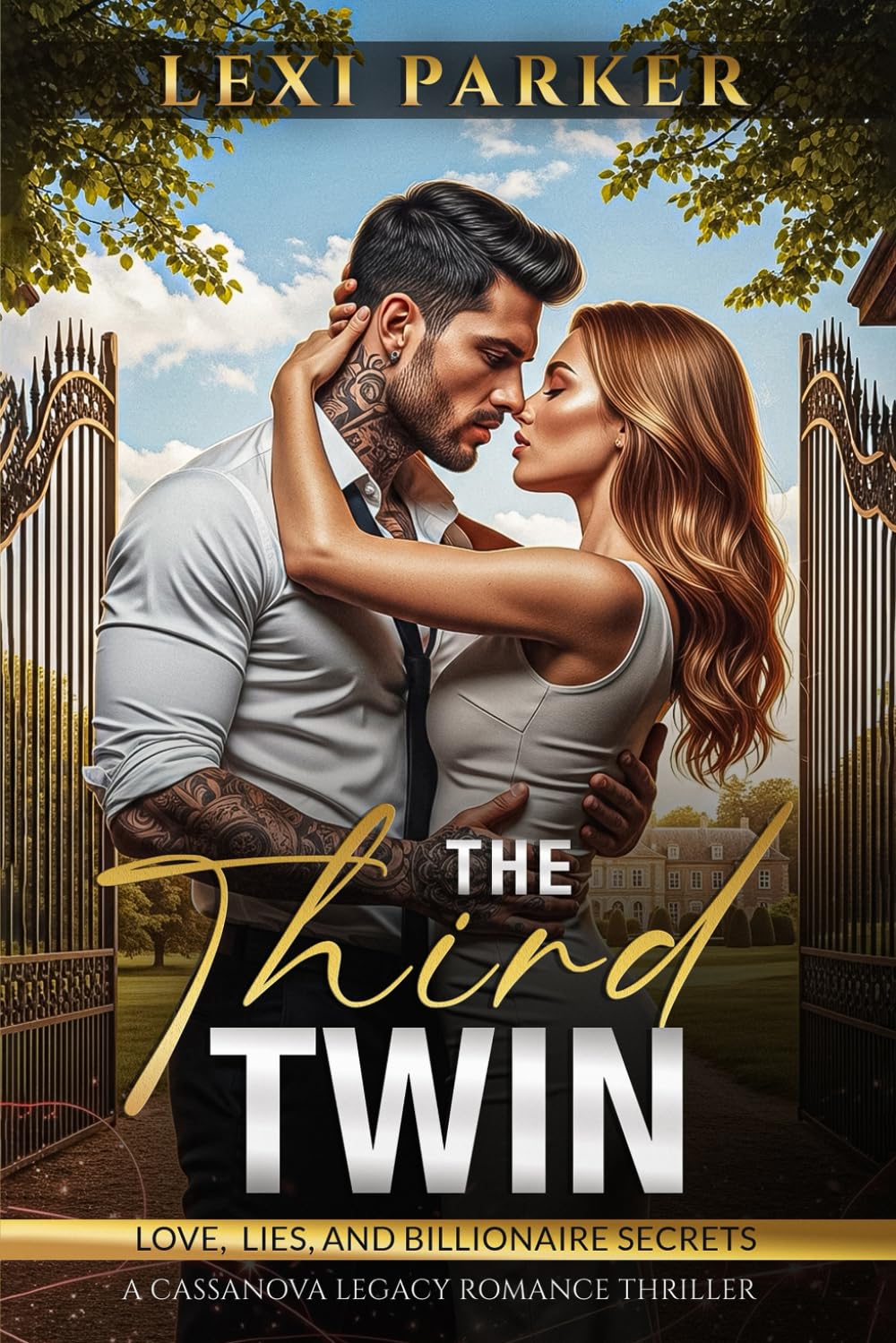
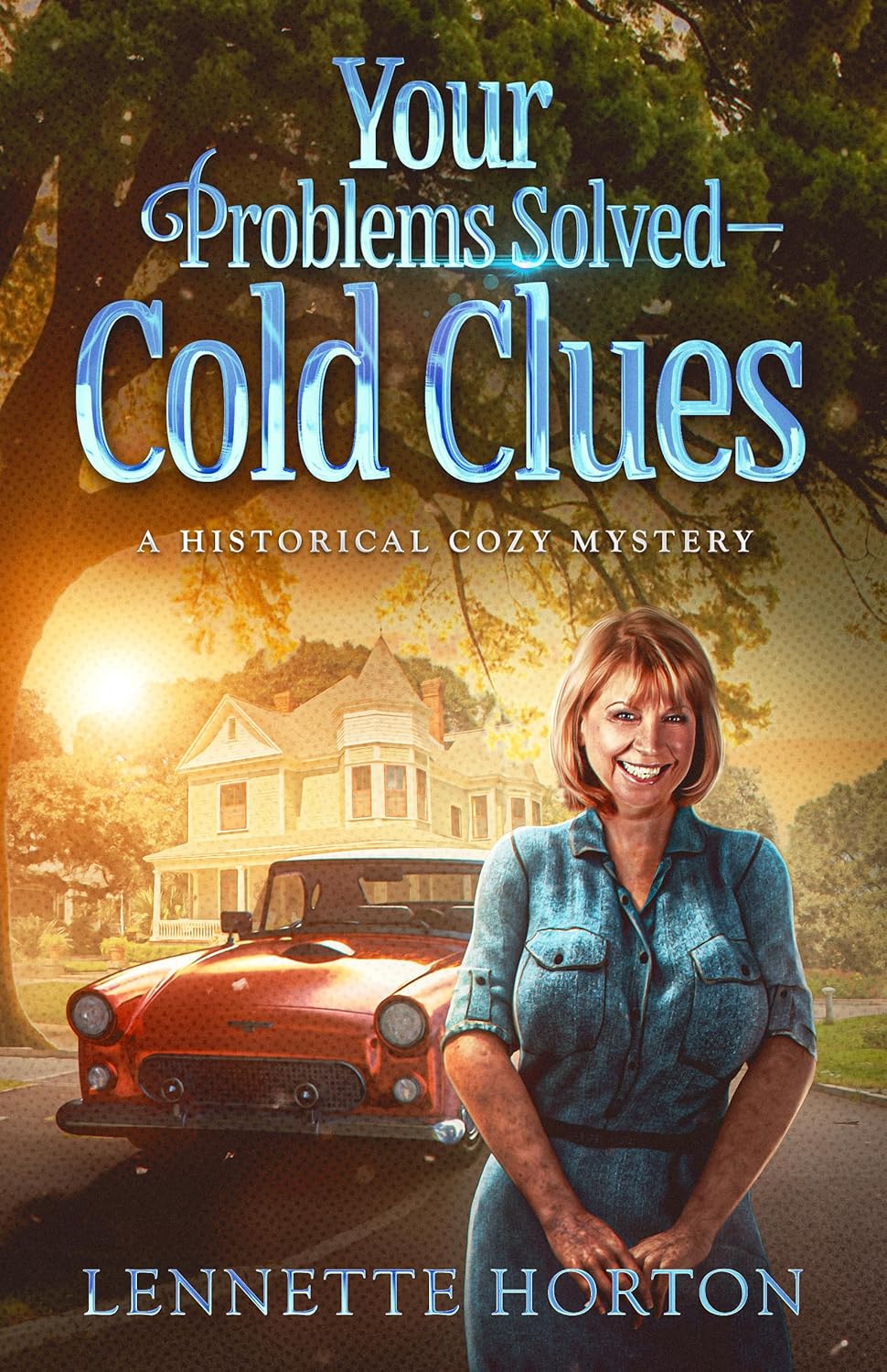

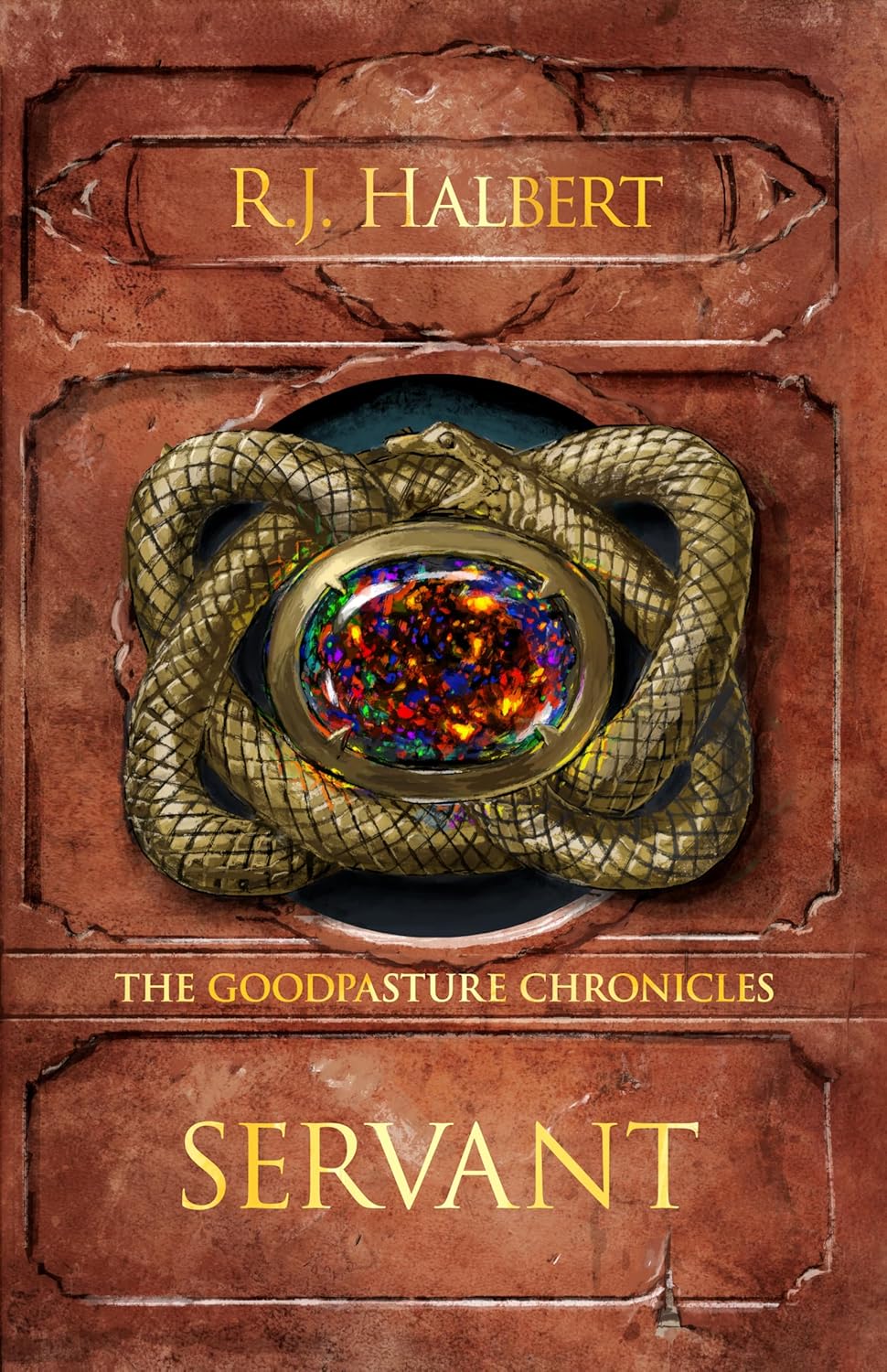



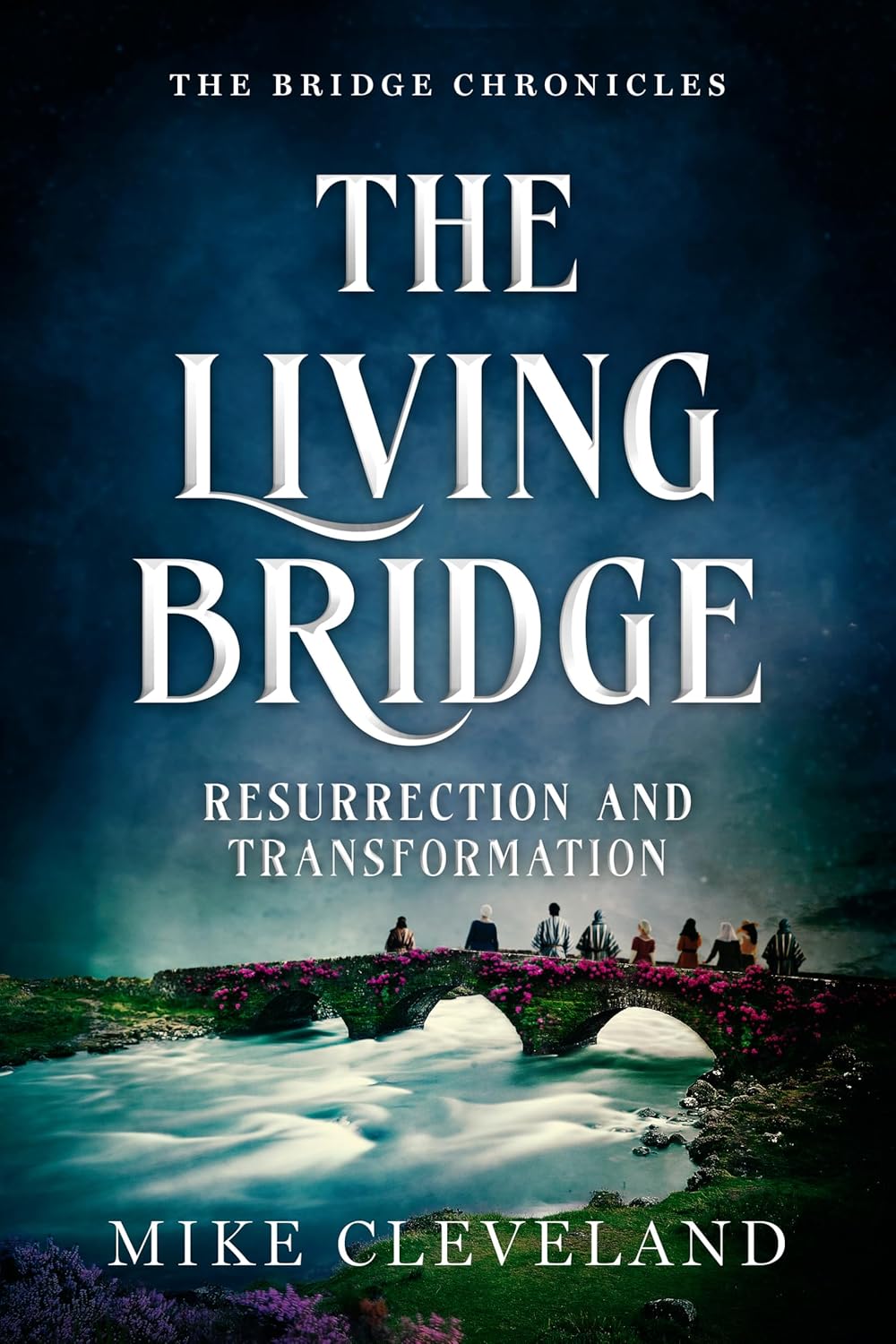


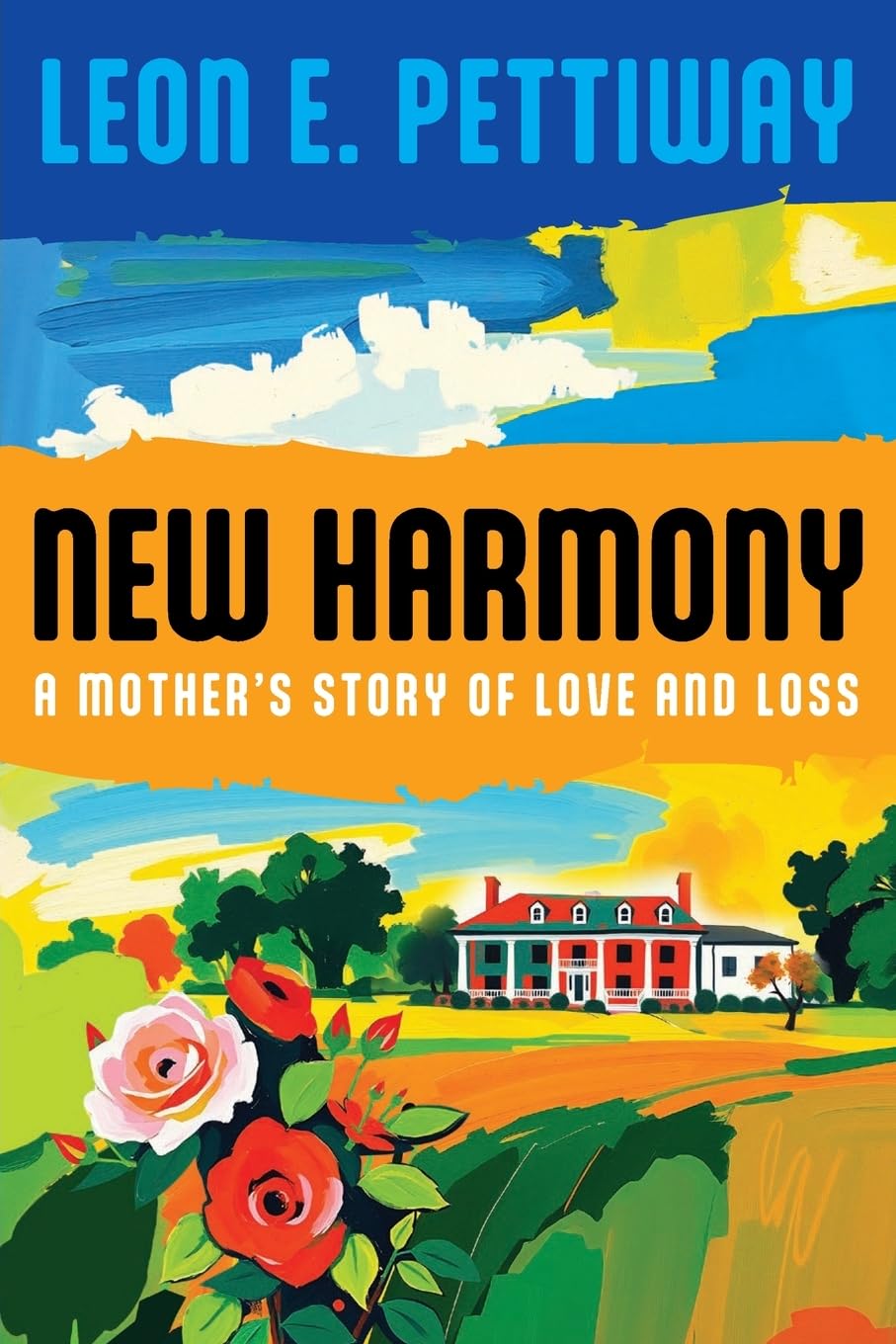


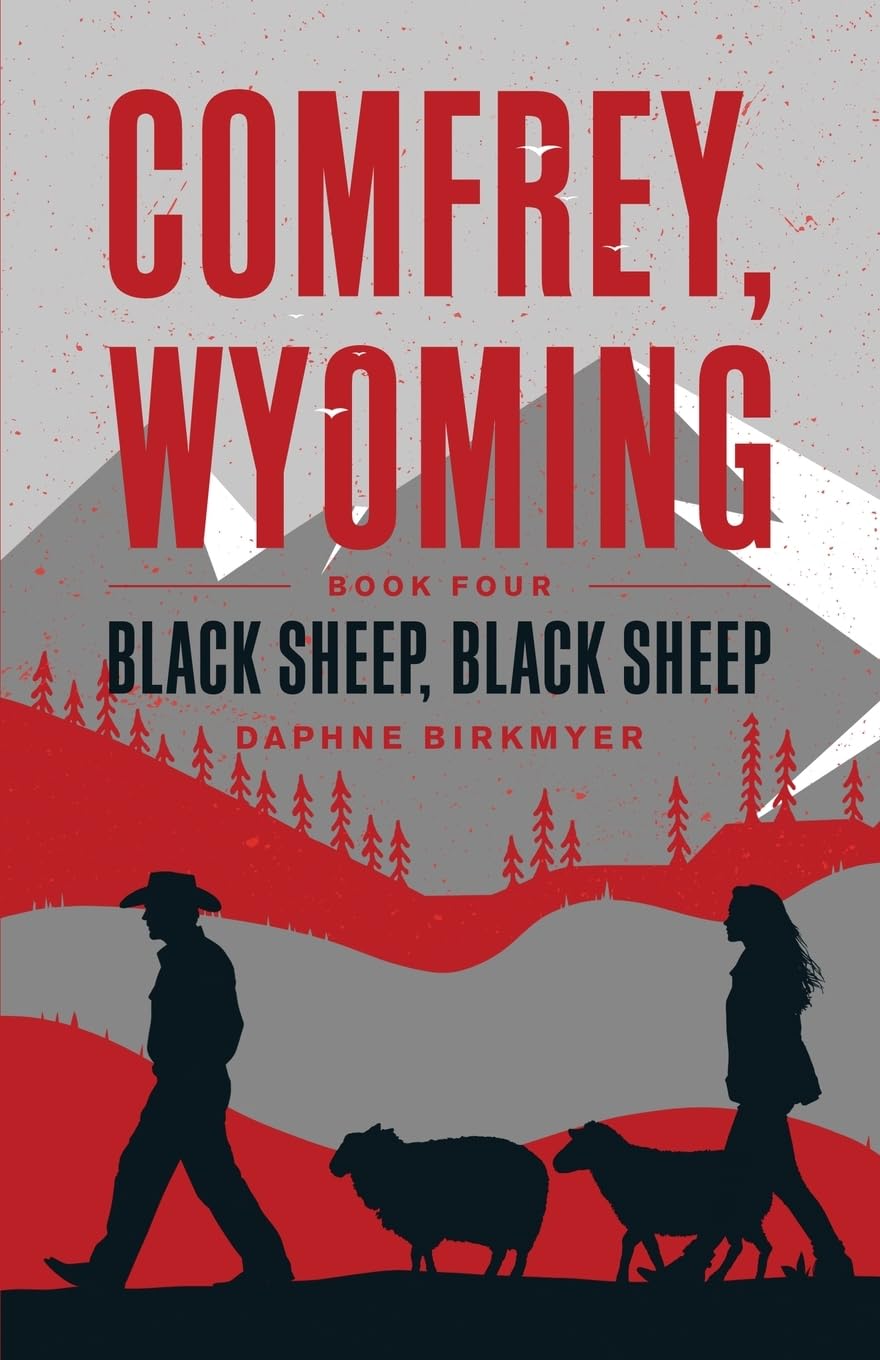
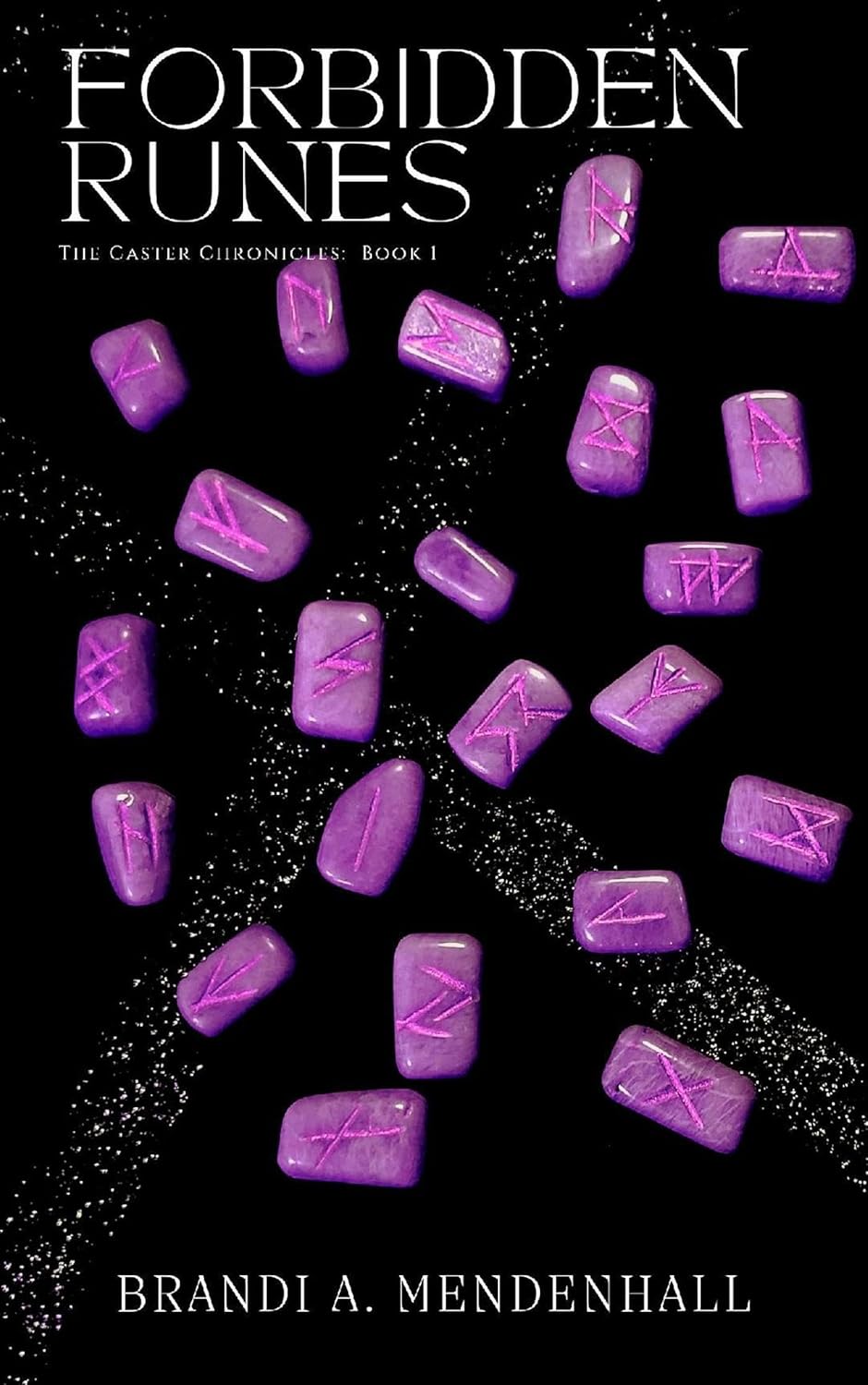







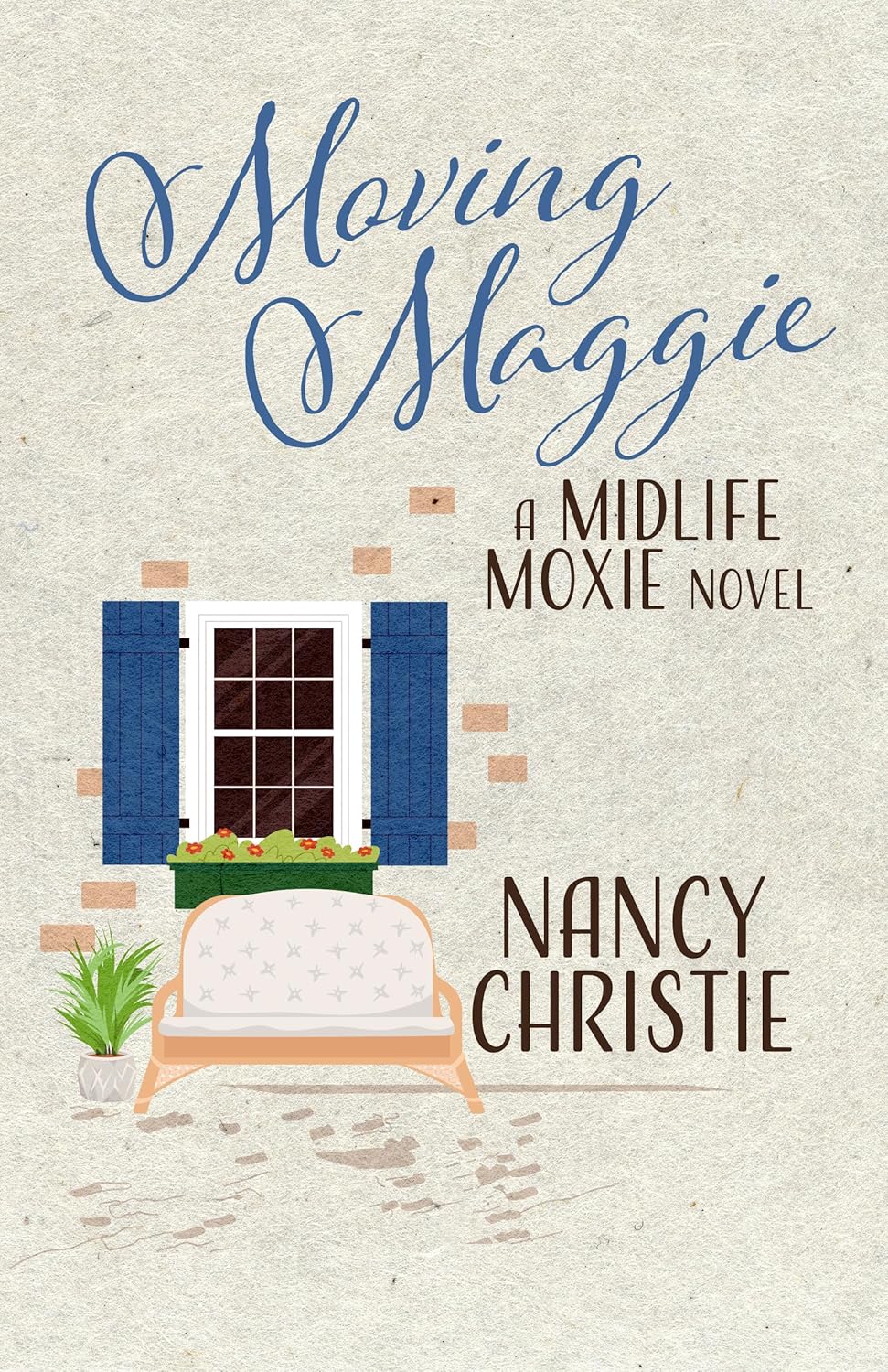

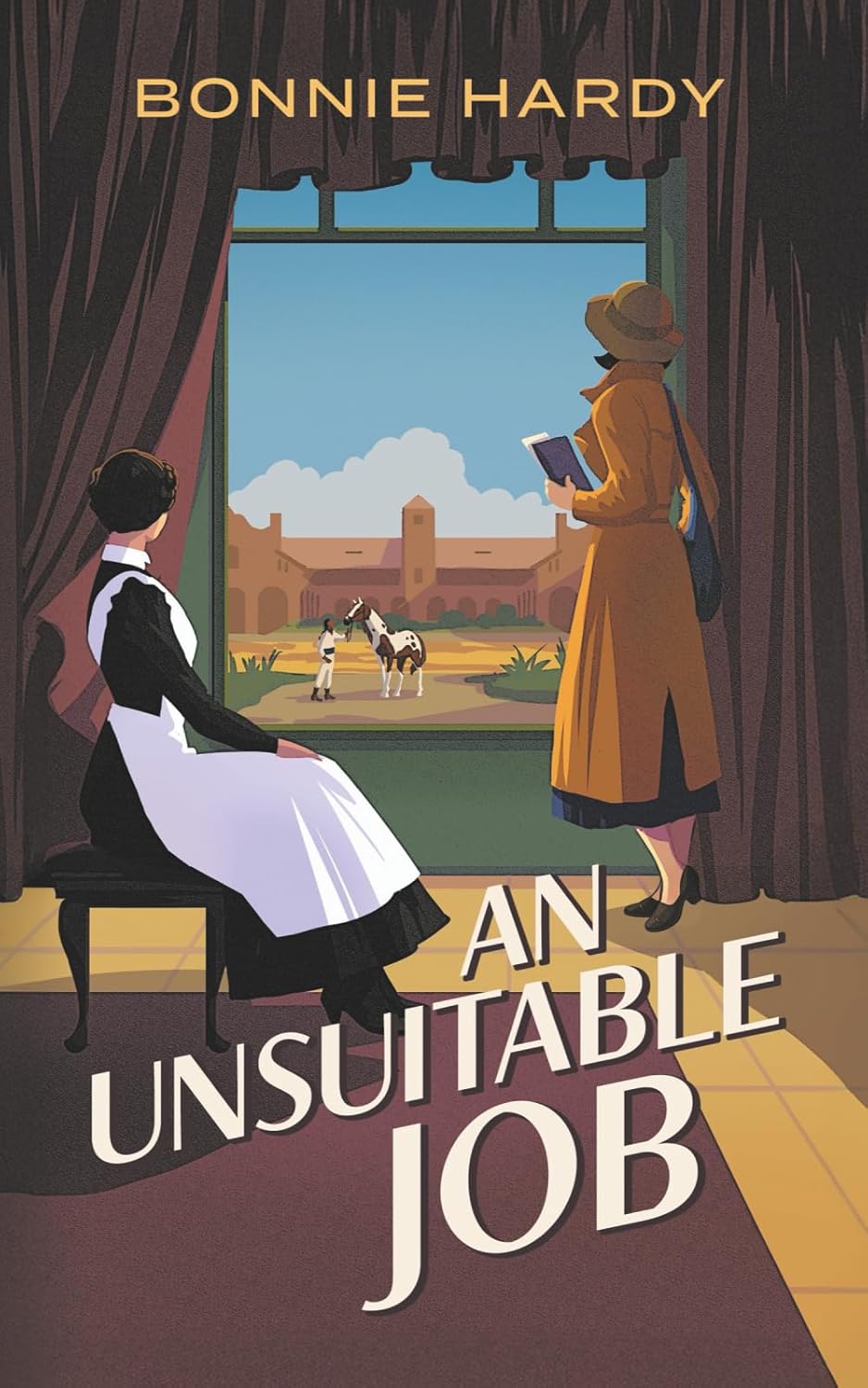
Visit the Literary Titan Book Awards page to see award information.
Literary Titan Silver Book Awards
Celebrating the brilliance of outstanding authors who have captivated us with their skillful prose, engaging narratives, and compelling real and imagined characters. We recognize books that stand out for their innovative storytelling and insightful exploration of truth and fiction. Join us in honoring the dedication and skill of these remarkable authors as we celebrate the diverse and rich worlds they’ve brought to life, whether through the realm of imagination or the lens of reality.
Award Recipients
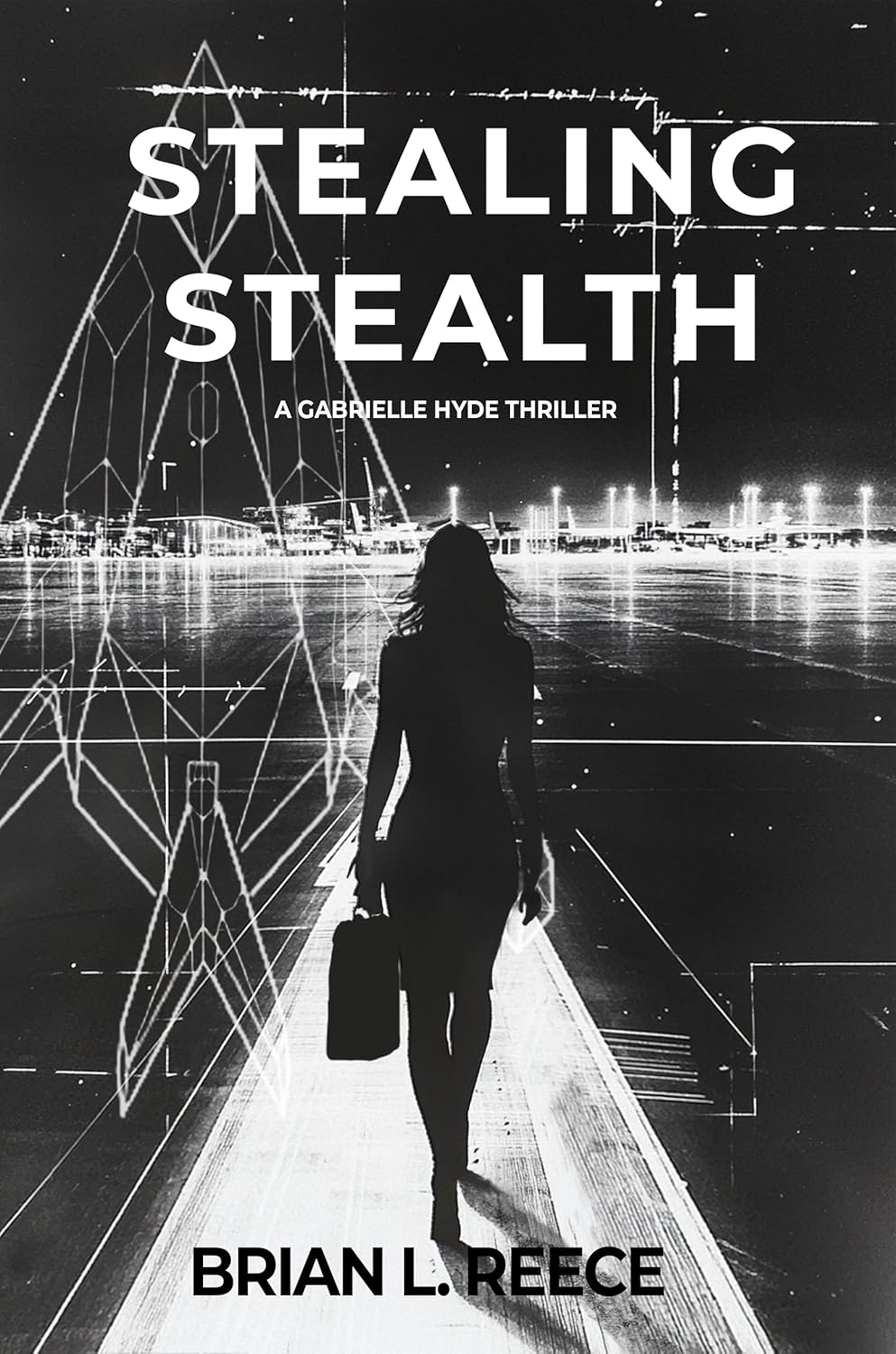

























Losing Mom by Peggy Ottman
This Is For MY Glory: A Story of Fatherlessness, Failure, Grace, and Redemption
Toil and Trouble by Brian Starr
Visit the Literary Titan Book Awards page to see award information.



 LITERARY TITAN