Blog Archives
In the Mountain’s Shadow
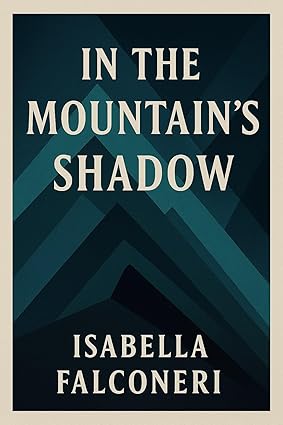

Isabella Falconeri’s In the Mountain’s Shadow is a raw and unrelenting tale of a grandmother’s survival in a post-collapse world stripped of kindness, certainty, and comfort. The story follows Park, an old woman who sacrifices everything to give her remaining family a chance at life. She ventures into the unforgiving wilderness, slowly transforming from a desperate exile into a formidable, self-sufficient survivor. Over the years, Park navigates starvation, isolation, trauma, and violence, encountering both animalistic kindness in a wolf and horrifying brutality in other humans. The novel is told in stark, evocative prose that drags you through the mud, snow, and blood with its protagonist.
I didn’t expect to feel so personally connected to Park, but her voice stayed with me after the story ended. Falconeri’s writing is brutal, but there’s also a surprising grace to it. Sentences don’t linger on the poetic, but every word carries weight. The pacing is unflinching. You’re never coddled as a reader. Themes like dignity in ruin, the desperation of hunger, and the hollow shape of grief are explored with honesty that sometimes borders on painful. It’s not just Park’s physical suffering that hit me. It’s the quiet moments: her silent talks with a wolf named Ripple, the way she touches the bullet in her shoulder like a worry stone, the reverence she shows a stranger’s grave.
That said, there were moments I had to put the book down and walk away. Not because it was badly written, but because it was emotionally relentless. There are scenes of violence, especially involving the intruder known only as the Deserter, that made me feel dread. Yet, Falconeri never writes for shock. Even the darkest scenes serve a purpose in shaping Park’s evolution. She doesn’t ask for pity. She claws forward. She adapts. I admired the way the book doesn’t try to force redemption or healing. Not everything can be fixed. Some things can only be endured. Still, I found myself holding my breath, waiting for just one moment of softness. And when it came, in the form of a small act, a brief connection, it meant everything.
This book is heavy. There’s grief, cannibalism, cruelty, and survival stripped to its bones. But if you want a story that grabs you by the gut and drags you somewhere real, if you want to feel deeply and question what you’d do when everything else is gone, In the Mountain’s Shadow delivers. I’d recommend this to readers who appreciate stories like The Road by Cormac McCarthy or Room by Emma Donoghue.
Pages: 63 | ASIN : B0F6W4NMDL

Literary Titan Gold Book Award: Fiction

The Literary Titan Book Award honors books that exhibit exceptional storytelling and creativity. This award celebrates novelists who craft compelling narratives, create memorable characters, and weave stories that captivate readers. The recipients are writers who excel in their ability to blend imagination with literary skill, creating worlds that enchant and narratives that linger long after the final page is turned.
Award Recipients
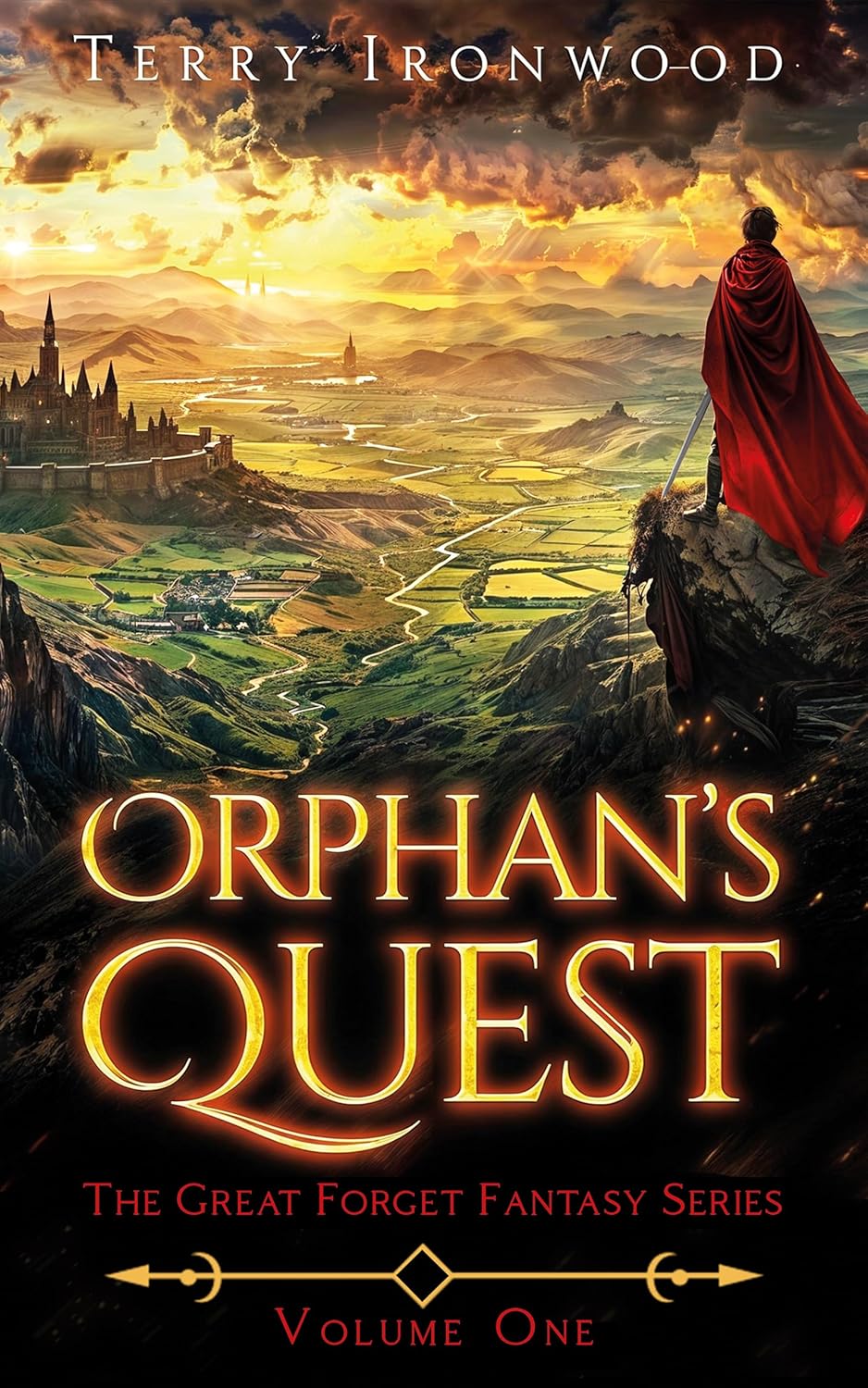
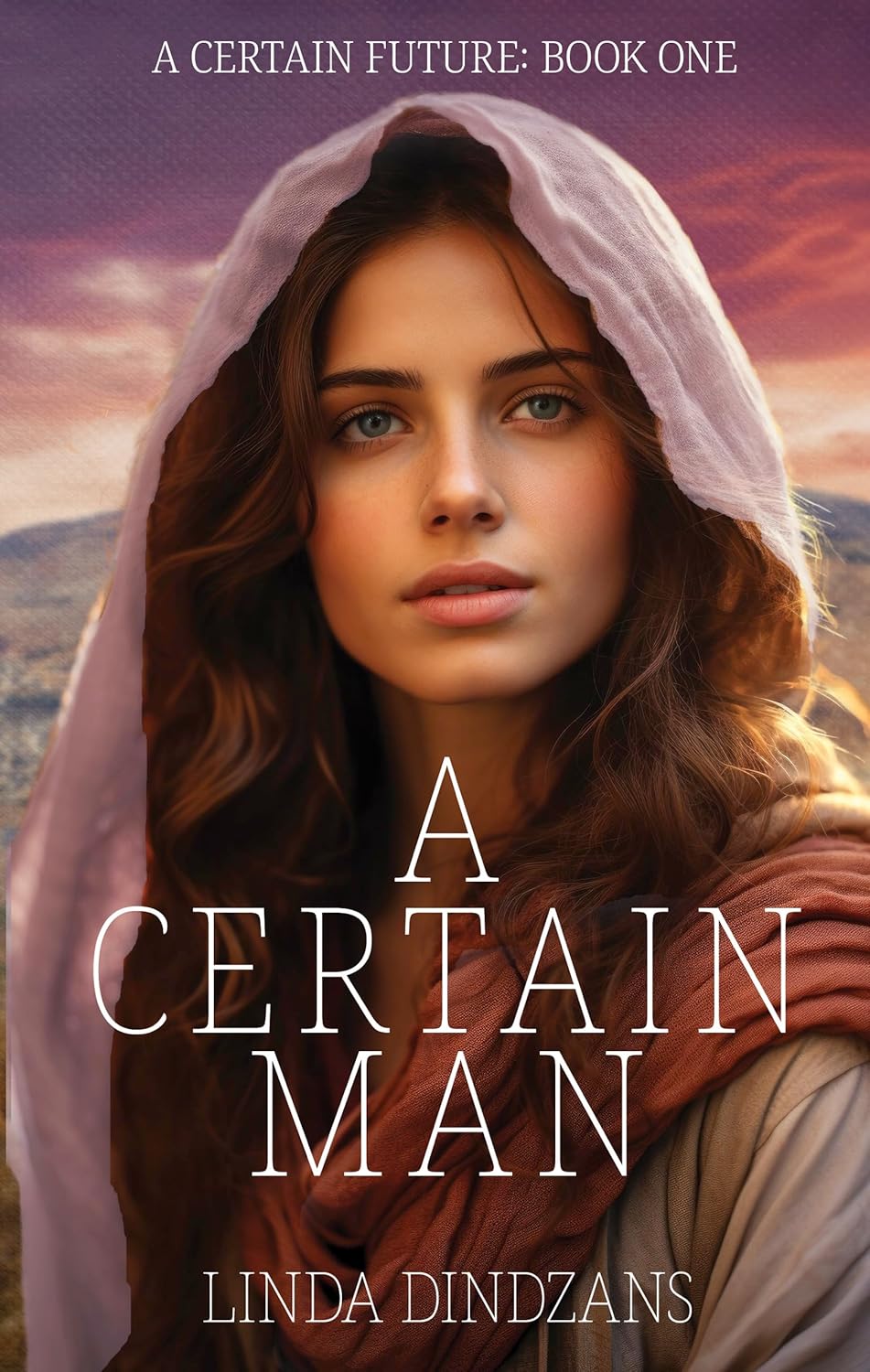
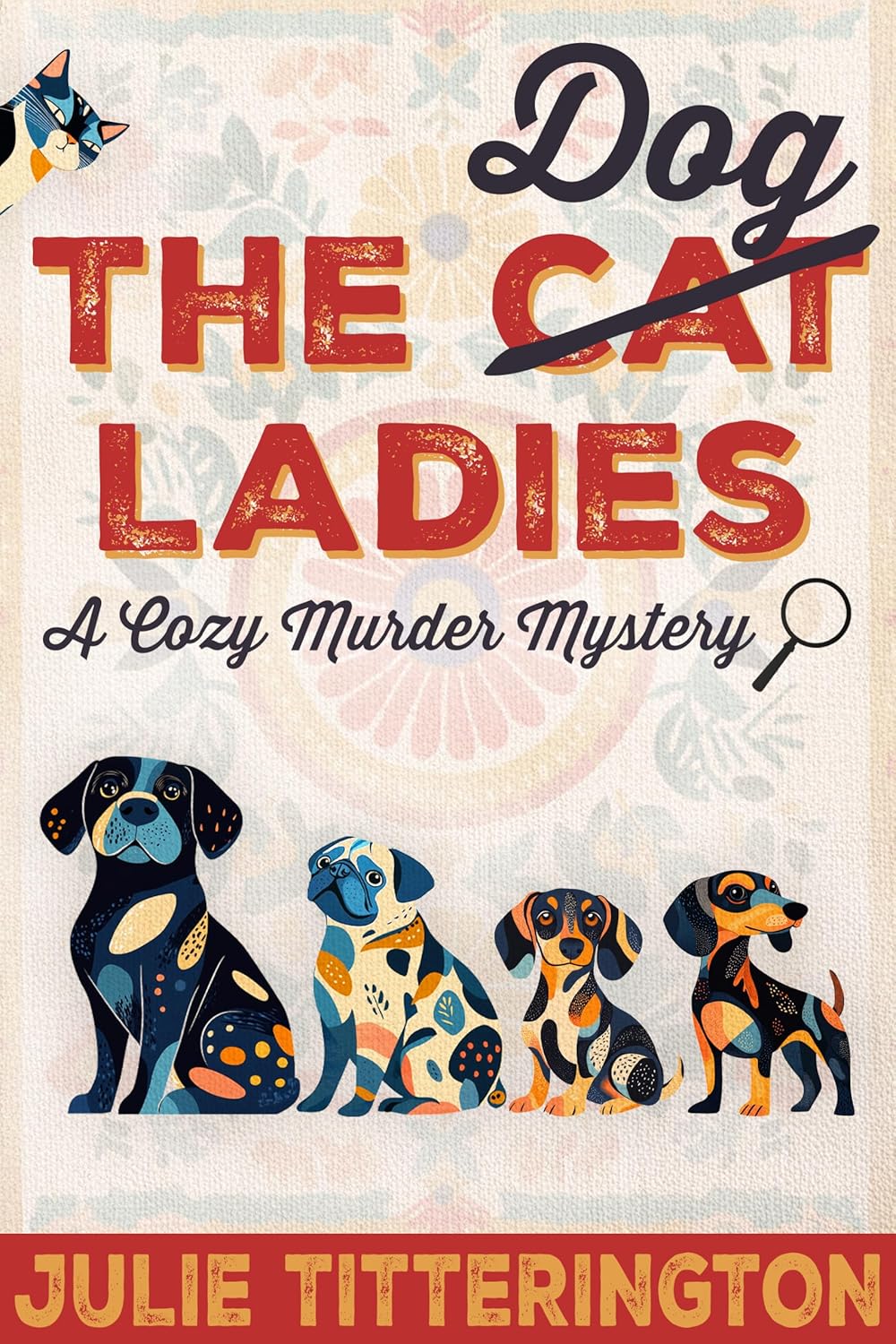
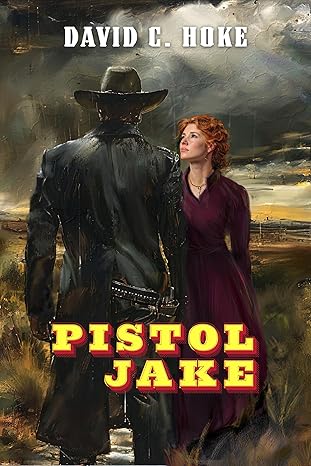

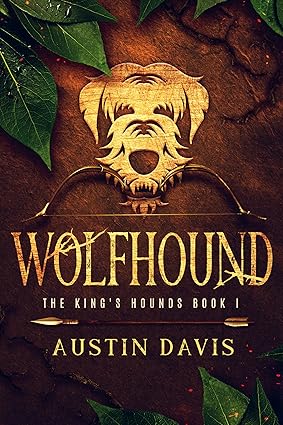
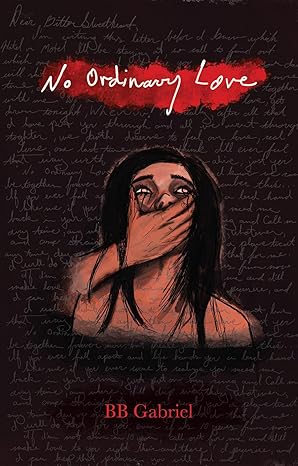
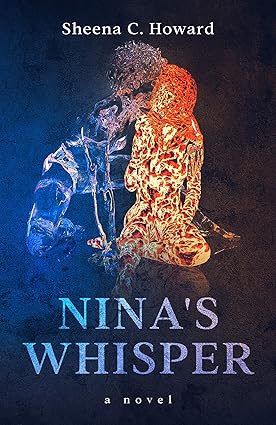




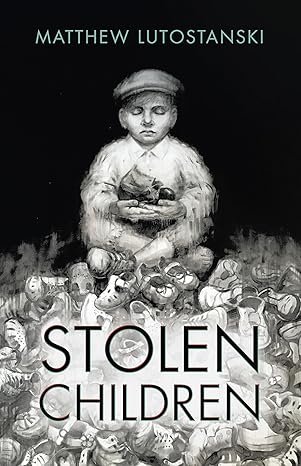

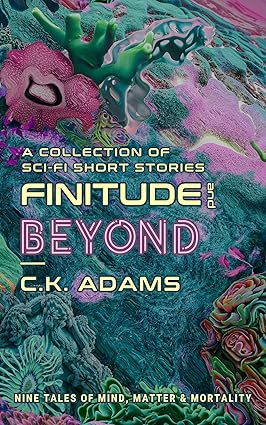
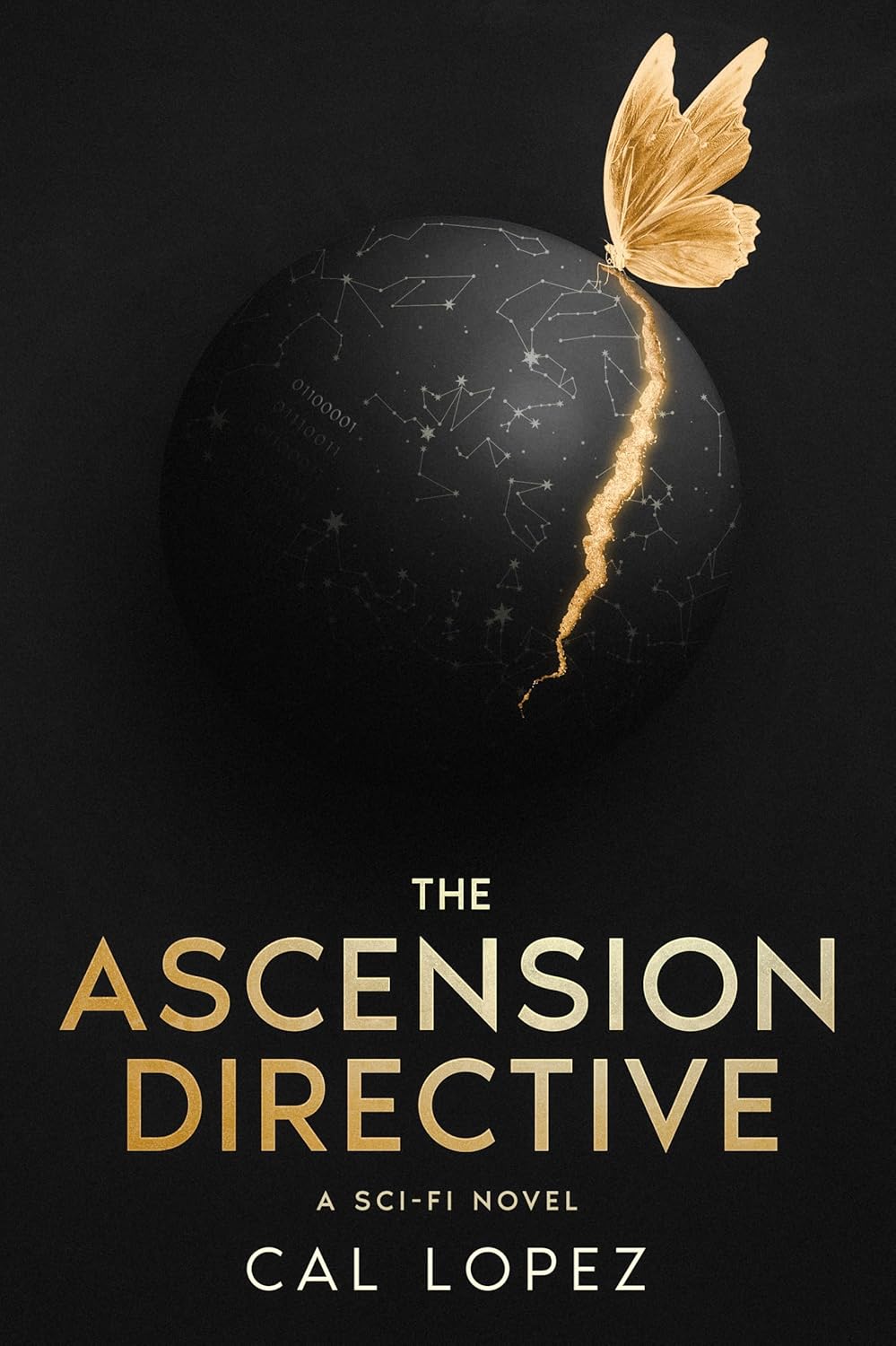
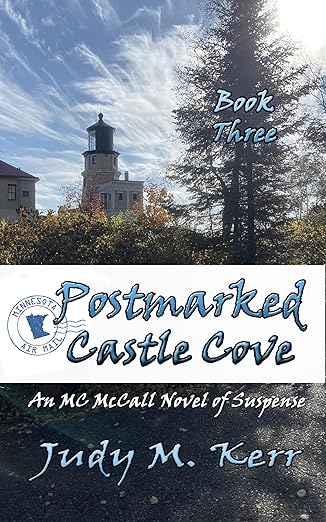

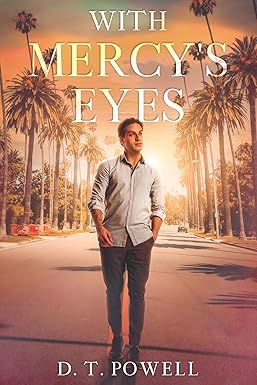

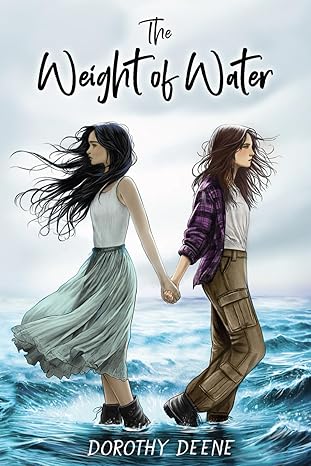

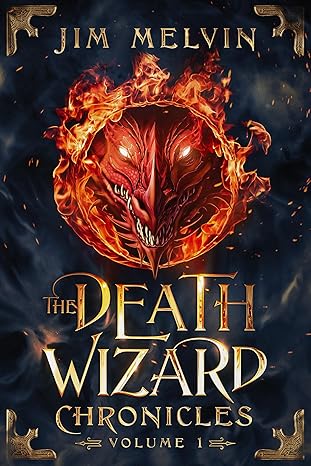

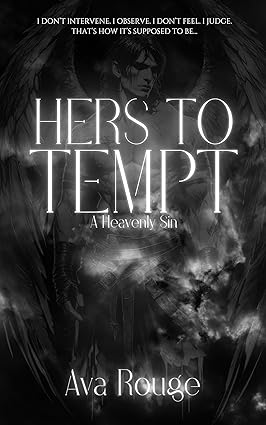
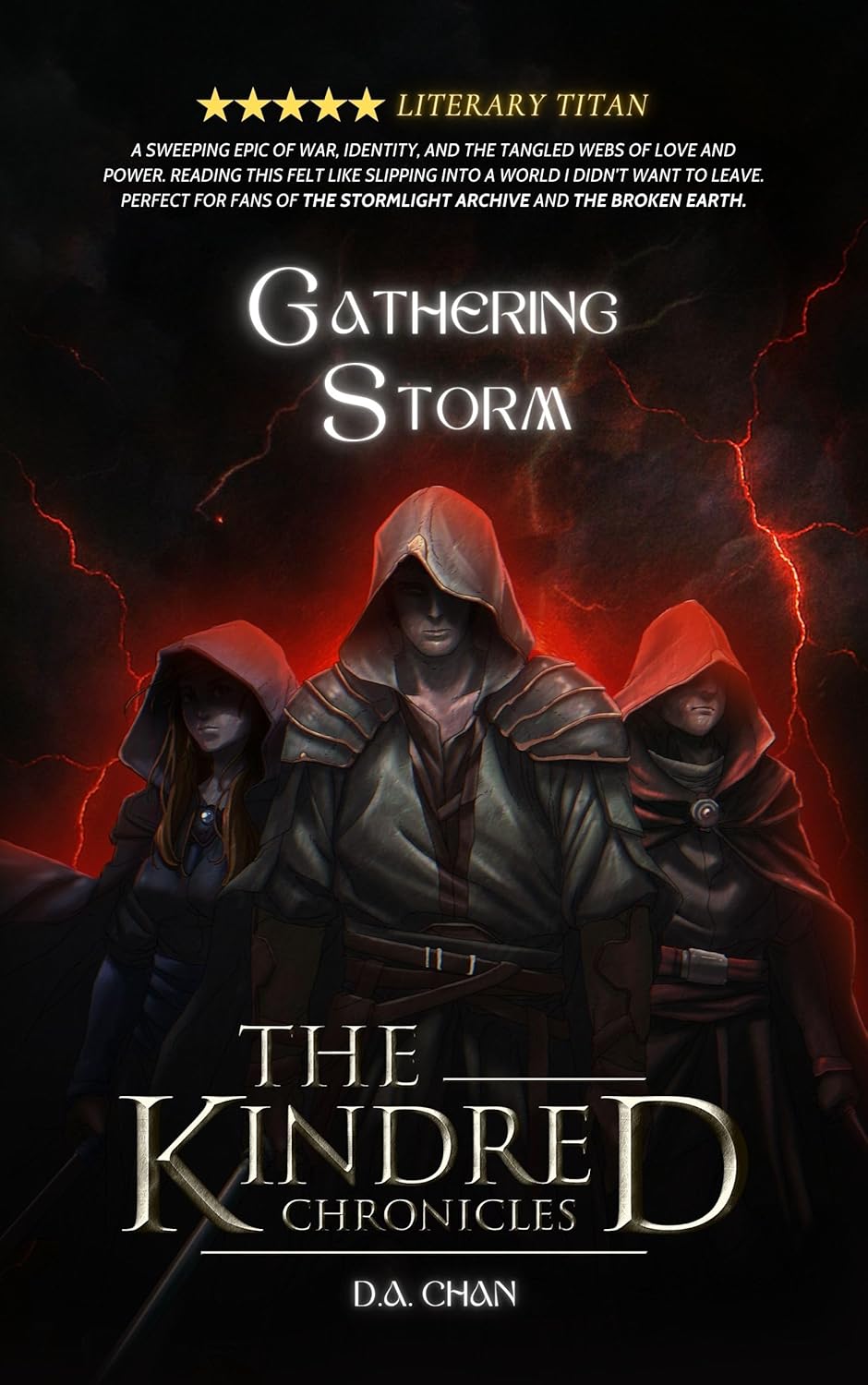
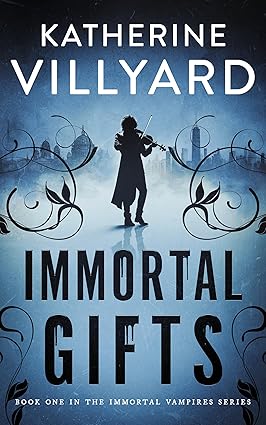
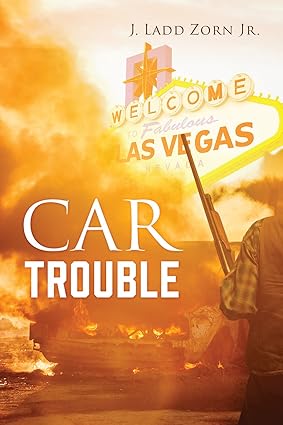
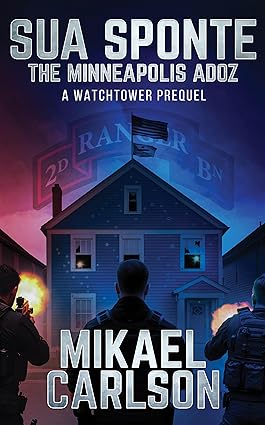
Visit the Literary Titan Book Awards page to see award information.
Literary Titan Silver Book Award
Celebrating the brilliance of outstanding authors who have captivated us with their skillful prose, engaging narratives, and compelling real and imagined characters. We recognize books that stand out for their innovative storytelling and insightful exploration of truth and fiction. Join us in honoring the dedication and skill of these remarkable authors as we celebrate the diverse and rich worlds they’ve brought to life, whether through the realm of imagination or the lens of reality.
Award Recipients
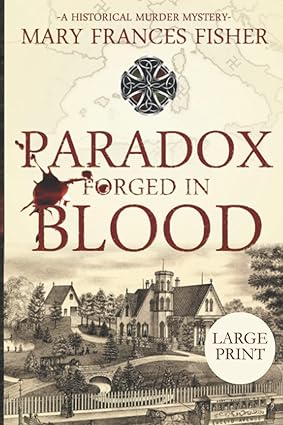


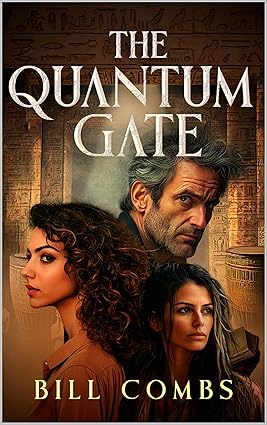

















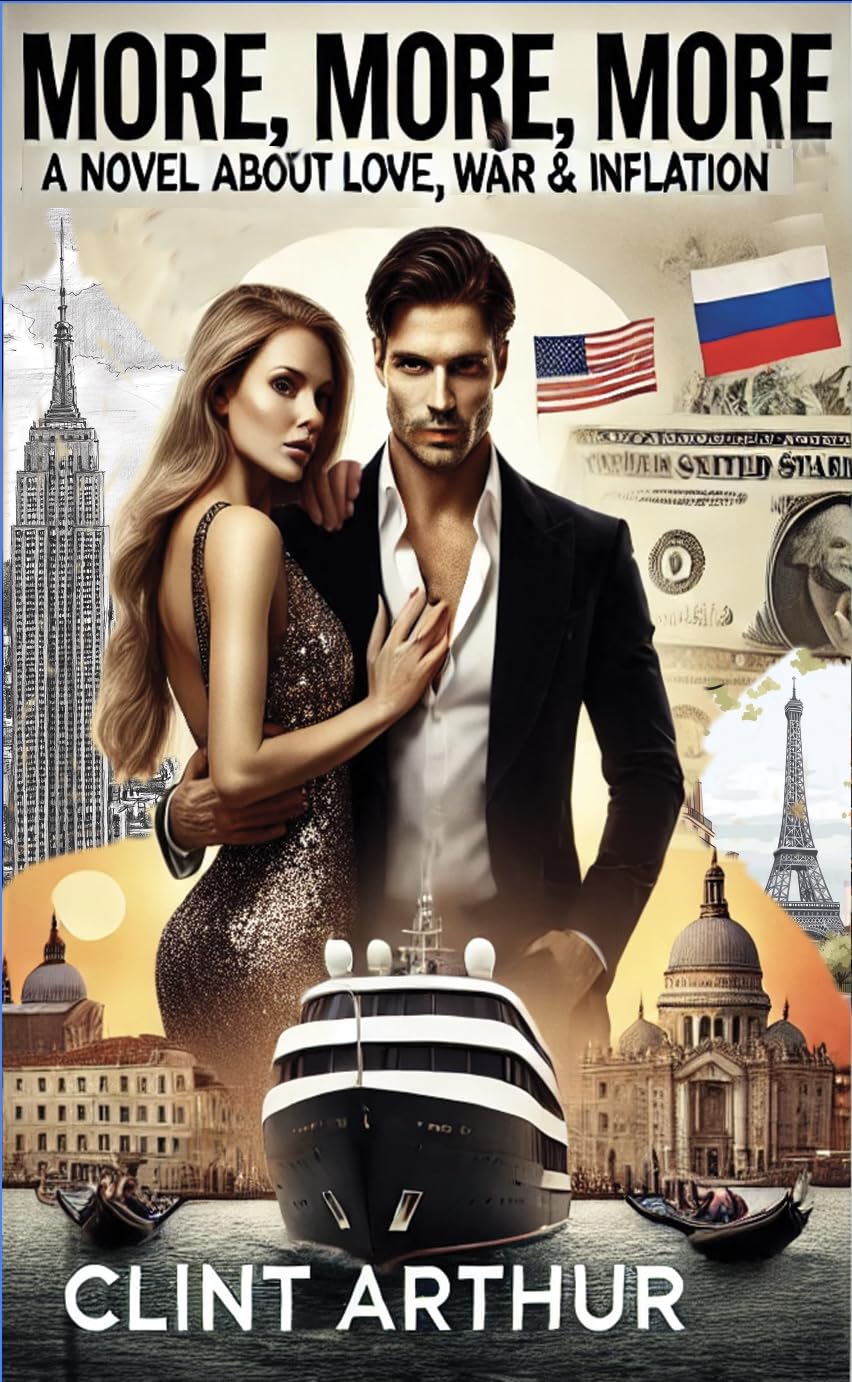
Crimson Hearts by Susan Reed-Flores
Visit the Literary Titan Book Awards page to see award information.
The Gestalt in the Machine
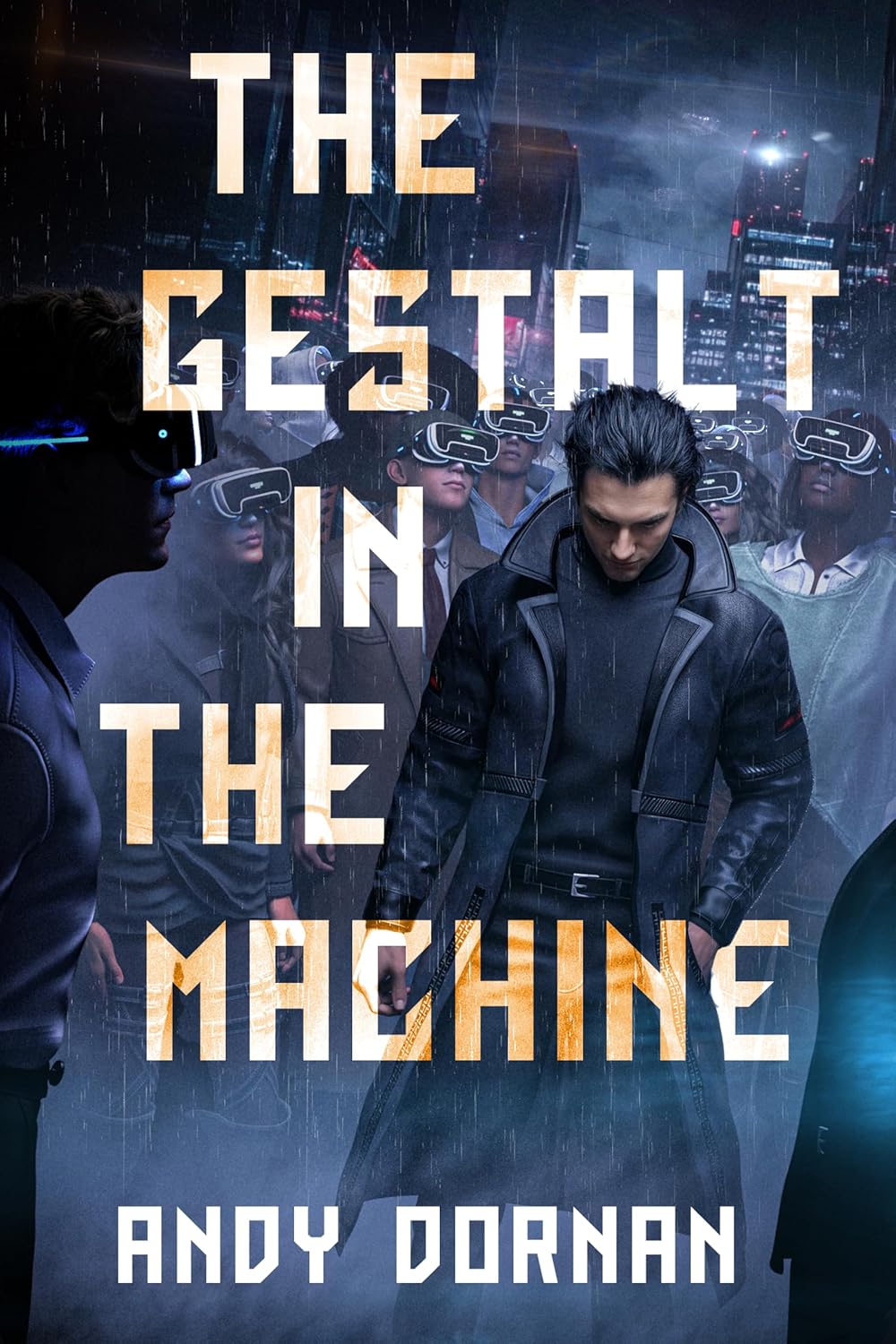
The Gestalt in the Machine is a sharp-witted techno-thriller that follows Adam Arrowman, a tech journalist reluctantly thrust into a deadly web of intrigue after witnessing a bombing at a Silicon Valley conference. What starts as a routine puff piece on a flamboyant billionaire’s AI announcements quickly escalates into a sprawling mystery involving murder, media manipulation, political corruption, and the philosophical implications of artificial intelligence. With a cast of rebels, reporters, moguls, and a robot or two, the book weaves a narrative that interrogates the direction of modern technology and whether it’s pulling us toward a utopia or a cliff.
This book floored me. It’s not just the plot, though, that’s plenty twisty and loaded with surprises. It’s the writing. Andy Dornan has a gift for mixing satire with sincerity in a way that feels real and raw. The characters have edges, contradictions, and actual voices. Adam isn’t your typical hero; he’s flawed, insecure, sometimes petty, and often overwhelmed, but he feels honest. The pacing is relentless in a good way, and I was laughing one minute and holding my breath the next. Even the exposition, normally the death of a good thriller, feels alive here, crackling with tension and humor. And the dialogue sings. Fast, funny, and always revealing more than what’s said out loud.
Dornan doesn’t just poke fun at Silicon Valley hype, he goes deeper, asking what it means to be human in a world where every gesture, thought, and feeling is data to be sold or shaped. The critiques of surveillance tech, algorithmic romance, and digital immortality hit hard without getting preachy. I couldn’t stop thinking about the idea that everyone’s out there curating a digital self to outlive them, while their real lives shrink. It’s scary, familiar, and sad. This book made me laugh, wince, and nod a lot. It’s fiction, sure, but it’s hitting nerves that are painfully nonfiction.
I’d recommend The Gestalt in the Machine to anyone who likes fast-paced fiction with brains, guts, and something to say. It’s for fans of Cory Doctorow, William Gibson, and even people who’ve never touched sci-fi but wonder why their phone knows what they want before they do. Techies will get the jokes, cynics will get the vibes, and anyone who’s ever been ghosted by a dating app will definitely get the message.
Pages: 318 | ASIN: B0FGSD2J6J
The Reclusive Chimp

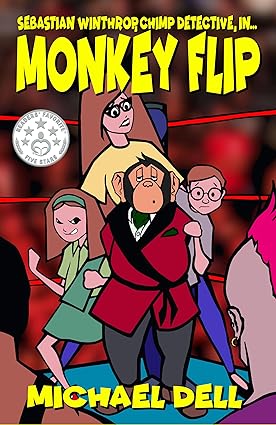
Monkey Flip follows a pair of precocious kids whose father is accused of murder, so they call in a reclusive and grumpy, yet brilliant, talking chimpanzee detective to find the real killer and clear their father’s name. What was the inspiration for the setup of your story?
The book is set in the world of professional wrestling, and many wrestling personalities and storylines inspired the central mystery. Originally, the father was going to be a firefighter, but I love wrestling, almost as much as I love monkeys, so making him a wrestler felt natural. However, it wasn’t until CM Punk held a now-infamous press conference that the mystery truly came together. For the other themes, such as grief and overcoming loss, I drew on my own experiences, as I can be quite the reclusive chimp.
I enjoyed your characters, especially Sebastian Winthrop. What was your favorite character to write for and why?
I actually created Sebastian, the book’s chimp detective, when I was a teenager. Back then, he was Sebastian Winthrop, Millionaire Chimp, and I intended to turn him into a comic strip. Nothing came of it, but I never forgot about him. Writing Sebastian is easy because he’s just an exaggerated version of myself. I also really enjoyed writing Addie, the little girl. I tried to make her like a character in an old Bugs Bunny cartoon. Her interactions with Sebastian were always fun to write, and their love/hate relationship is the heart of the story.
How did the mystery develop for this story? Did you plan it before writing, or did it develop organically?
When I earned my MFA in Writing Popular Fiction from Seton Hill University, one of my mentors was Victoria Thompson, who wrote the Gaslight Mystery Series. Vicki was the best and taught me everything I know about plotting a mystery. Monkey Flip is my third novel, and I always start with the victim, the suspects, the suspects’ motives and secrets, and the key clues. From there, I structure a loose plot outline, where I know the beginning, the end, and about five “tent pole” scenes that have to be there. That provides the backbone, and then I still have the freedom to discover things along the way. I do a more detailed outline before each chapter, noting the characters’ motivations, obstacles, and goals.
I find a problem in well-written stories, in that I always want there to be another book to continue the story. Is there a second book planned?
Yes, a second book is in the works. This time, the story will take place at a comic book convention. Still ironing out the details, but the actual writing will commence soon. With luck, it should be out next summer.
Author Links: GoodReads | X (Twitter) | Facebook | Website | Amazon
When Addie and Bennett Pajakowski learn that their father, the fearsome Bonecrusher Brannigan, is accused of murdering one of his fellow professional wrestlers, they seek the help of Sebastian Winthrop, the world’s greatest detective. So, imagine their surprise when they discover that the reclusive Sebastian is a talking chimp!
Monkey Flip chronicles Sebastian’s investigation into the death of Mitch Mayhem, the heavyweight champion of a local independent wrestling federation. Along the way, Sebastian teaches Addie and Bennett what it takes to be good detectives while they show him that life should be lived and not mourned. The book takes a comedic, satirical look at the fanatical world of professional wrestling and touches on such themes as grief, acceptance, and the importance of family.
Some are already calling Sebastian one of the best detectives in fiction. Others call him the best. Just don’t call him a monkey.
Brick and Marrow: Death and Love in the Gutters of New York
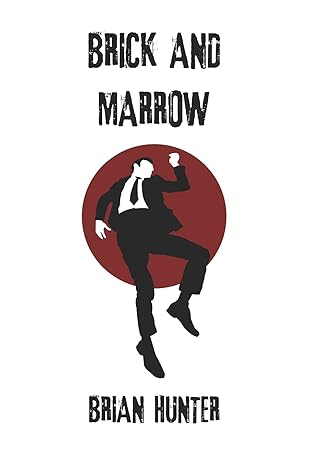

Brick and Marrow, by Brian Hunter, is an atmospheric and character-driven novel set in the aftermath of World War II. It follows Gabriel Marshall, a weary and wounded veteran trying to find purpose and stability in the gritty sprawl of postwar New York. The book opens with Gabriel losing his factory job after a traumatic workplace accident, then spirals into a quiet yet powerful meditation on loss, guilt, identity, and the grinding weight of survival in a hostile city. As Gabe roams from one job to another, meets kind souls like Lindy the diner waitress, and is haunted by memories of war and family, a larger mystery of grisly murders unspools in the background, adding a sinister layer to this already bleak world.
The writing is lyrical and haunting, full of rich sensory details. Hunter paints a world of rust, smoke, and fading dreams with such care that you can practically smell the burnt coffee and machine oil. Gabe’s internal monologue reads like a man walking around with an open wound. I felt for him deeply, but I also found myself frustrated. He drifts, avoids confrontation, and lets the world toss him around like flotsam. Still, that might be the point. This isn’t a story about glory or redemption. It’s about damage and the quiet, sometimes unremarkable courage it takes to keep living when everything feels broken. The prose sometimes lingers in Gabe’s head, but when it hits, it hits hard.
What struck me most wasn’t just the melancholy but the tenderness hidden beneath it. The moments of connection, however fleeting, between Gabe and the people around him, especially Lindy, shine like little candles in the dark. And the city itself becomes a character: loud, dirty, dangerous, but never boring. The murder subplot simmers in the background and adds an ominous hum to everything. It’s not a twisty thriller; it’s more like a pressure building in the distance, slowly infecting the reader with dread. I appreciated that restraint. It made the violence, when it did appear, feel real and earned.
I’d recommend Brick and Marrow to readers who enjoy character-first stories with grit and soul. It’s a slow burn, sure, but it rewards patience. Fans of noir, historical fiction, or just stories about lost people trying to find their footing will find a lot to love here.
Pages: 443 | ASIN : B08R8ZD9H4
Inspired by a Dream
Harbinger follows a princess whose prophetic nightmares lead her to make a forbidden connection with an imperial rook. What was the inspiration for the setup of your story?
It all started with a dream I had when I was 17. I knew that I didn’t have the writing experience or life experience to do the story justice, so I sat on the idea until I was 25. When I did sit down to write, I thought that, since this was inspired by a dream, having my MFC’s conflict start in dreams seemed appropriate. Sadly, her dreams were not as enjoyable as mine.
Were you able to relate to your characters while writing them?
I did! We have all had moments of fear that we have to overcome, and I personally believe all fear is a benchmark. Something to tell us what we need to overcome. Be it to improve a skill or recover from a trauma that we experienced, that is stopping us from moving forward. Keira doesn’t have the tools to combat her fears, but she has the determination to find them. I also resonated with the imperial family; they reminded me of how my own family rallies around each other when we are in need. Their love for one another is a mirror of the love I have for my family. Then there is Cyrus’s commitment to finding the truth, which made me determined that he would get his answers because I needed them too!
How did you come up with the idea for the antagonist in this story, and how did it change as you wrote?
In the beginning, I had several possible villain choices, but it wasn’t until I wrote the Club Deviant scene that V appeared. As I wrote him, I was appalled by how callous and depraved he was but had to admit he was the perfect villain. His evolution from cunning strategist to obsessed deviate is a direct response to how many blood bonds he has had. With each bond, his need to have sex grows, and his obsession with Keira becomes twisted, as do his goals.
Can you give us a glimpse inside Book 2 of this series? Where will it take readers?
Lines will be crossed. Revelations will blow up preconceived notions of facts. And my 4 little female moiohs (children) will be hard at work influencing everyone. A little more will be revealed about the enemies from the stars, and everything will be decided by a desperate gamble. There will be some answers, but not all. The real revelations happen in book 3 (yes, it’s written).
Author Links: GoodReads | Amazon
The return of a particular imperial rook changes the tone of her dreams, providing her with much needed relief. But this too is perplexing, for he is a rook and she an elite. The law strictly forbids a union between the two.
Yet four little female moiohs scheme to bring them together, providing the path to secure their future, a future threatened by traitors who would use the princess as a way to steal her father’s throne.


 LITERARY TITAN