Blog Archives

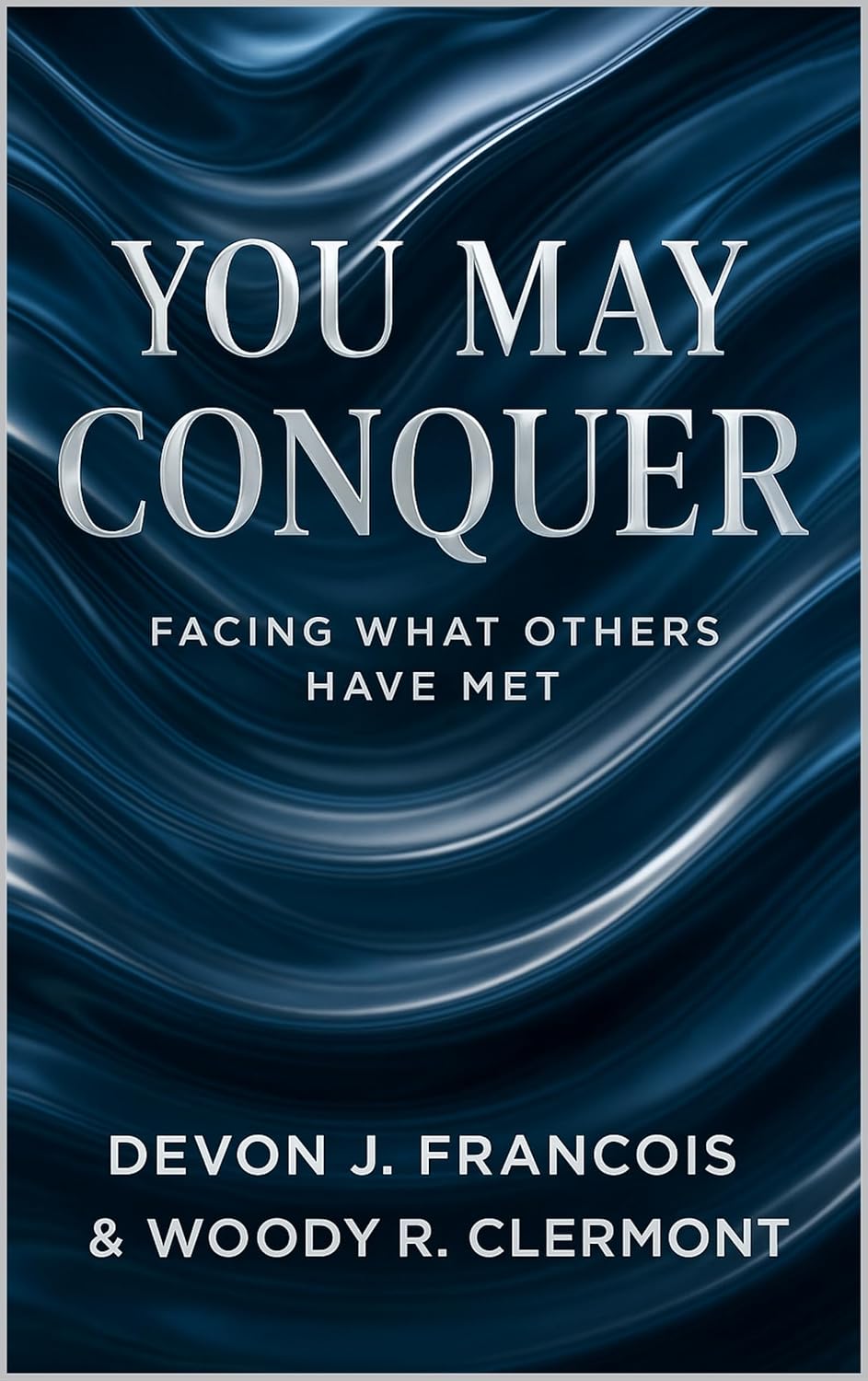
You May Conquer: Facing What Others Have Met

You May Conquer tells story after story about people who faced hardship that could have crushed them, yet they rose anyway. The book moves from biblical figures to modern leaders and shows how adversity becomes a teacher rather than a punishment. It blends faith, history, and personal reflection in a way that feels steady and grounded. The whole message circles one big idea. We gain real authority only when we walk through fire and come out changed.

As I read, I felt myself pulled into the rhythm of the writing. It is direct. It is serious. It carries a calm confidence. Sometimes I wanted more softness. Other times, the sharp edges felt right because the stories themselves carry weight. I liked how the authors didn’t try to polish hardship into something pretty. They just showed it for what it is and let the lessons rise from the ashes. The mix of scripture and history worked for me. It gave the book a wide lens and made the message feel universal.

I also found myself reacting to the ideas more than the prose. The writing is clear and steady, but the ideas hit like steady waves. The book pushes you to look inward, sometimes more deeply than you expected. It doesn’t yell its point. It just keeps nudging you to ask better questions about pain, about response, about what shapes character. I appreciated that. It made me feel both challenged and comforted. And honestly, it reminded me that authority is something we grow into. It is not a badge. It is a scar that healed well.

I’d recommend it to readers who want strength more than inspiration, readers who enjoy reflection, readers who welcome faith-based themes, and readers who appreciate stories that stretch across centuries to show a single truth. If you’re carrying something heavy and want a book that doesn’t pretend life is easy but still believes you can rise, this one is for you.

Pages: 207 | ASIN : B0FXJ9941M

Buy Now From B&N.com

Recovery is Possible

Mitchell D. Miller Author Interview

Where Did My Brain Go? tells your story about being involved in a car accident that left you in a coma, how you went nine years with an undiagnosed traumatic brain injury, and the long road to rebuilding your life. Why was this an important book for you to write?

I started writing this memoir in 2007 because I was angry. For nine years, I wandered around confused, asking friends if they thought I’d changed. They laughed. I got drunk to stop wondering what was wrong with me. When a specialist finally diagnosed my traumatic brain injury in 1995, I learned that a note in my ICU chart had said “Patient is confused. Someone should check his head.” My physician wife read that chart. She checked me out of two hospitals before anyone examined me.

I needed to write this book because every brain injury memoir I found featured helicopter evacuations, loving families, and treatment teams fighting for the patient’s recovery. Mine featured an angry wife who didn’t want a brain injured husband, a charlatan psychiatrist who prescribed legal speed, and years of stupefying drugs that kept me profitable and dependent.

The book took 18 years to finish. Confronting these memories was harder than learning to walk again. But I kept writing because professionals wanted me drugged and living in supervised housing. A charming employment counselor encouraged me to work on a factory assembly line for $3.50 an hour with her other disabled clients. Slick salespeople described the joys of “clubhouse” parties.

One exceptional surgeon gave me back my ability to walk. One dedicated social worker helped me escape the system. But most professionals wanted to keep me dependent. I said no. I found a job and relinquished my disability benefits.

This book is proof that recovery is possible even when nobody’s helping. Even when the person who should protect you is the one who betrays you. I wrote it for people in pain who need to know they can reclaim their lives outside the system designed to keep them trapped.

What is a common misconception you feel people have about Traumatic Brain Injuries?

One day, while overmedicated and feeling hopeless, I remembered reading that people only use half of their brain. At that moment I realized I had to ignore medical advice, stop taking stupefying pills, and rejoin the world.

Most professionals don’t know how to help brain injury patients. Others don’t care. They support themselves by keeping people dependent on pills and living in supervised housing. There’s more profit in dependency than recovery.

The common misconception is that the medical system wants you to recover. It doesn’t. Professional athletes get unlimited physical therapy until they’re healed. Regular people get cut off after a few sessions and sent to pain clinics for legal narcotics.

Two professionals helped me recover. One surgeon restored my ability to walk without requiring health insurance. He provided unlimited physical therapy for over a year. One social worker helped me escape the disability trap when others wanted me working on a factory assembly line for $3.50 an hour.

Recovery isn’t about finding the right pill. It’s about finding the right people, learning acceptance, and refusing to accept dependency as your only option.

What was the most challenging part of writing your memoir, and what was the most rewarding?

The most challenging part was confronting my wife’s betrayal. She saved my life after the accident. She found the surgeon who fixed my ruptured diaphragm and kept me breathing in the ambulance. But she also checked me out of two hospitals before anyone examined my head. She watched me struggle with memory and confusion every day. Instead of seeking treatment, she helped me stay drunk. She brought me extra long hospital straws to suck vodka through my wired jaws while I played computer games in the basement.

Writing about that took 18 years. I had to accept that the same person who saved my life also sabotaged my recovery. She didn’t want to be married to a brain-injured husband. She wanted a software developer to help her retire early. I was demoted to babysitter.

Every chapter forced me to relive moments I’d rather forget. The confusion. The screaming in my sleep. The nine years of wondering what was wrong with me while friends laughed when I asked if I seemed different. Getting drunk to stop caring. It was harder than learning to walk again.

The most rewarding part is hearing from people who recognize the system I’m exposing. Several readers have praised me for writing a book that shows how the medical system wants to keep people with brain injuries overmedicated and useless. They see what I saw: there’s more profit in dependency than recovery.

Medical professionals are especially delighted to hear that one person actually relinquished disability benefits. They rarely see anyone escape the system. Most of their patients stay trapped, overmedicated in supervised housing, shuffling through medication lines twice a day.

I wrote this book to describe the awful medical treatment I received, my wife’s awful behavior, and to show that I escaped the disability trap. That’s the story I needed to tell.

What do you hope is one thing readers take away from your story?

Trust your abilities. Measure your progress. Don’t trust people who ruin your judgment with stupefying drugs or want to limit your freedom.

The system profits from keeping you dependent. Psychiatrists promise to “fix” you with pills that make you too calm to get dressed. Once you’re overmedicated, employment counselors cheerfully suggest factory assembly lines for $3.50 an hour. Once you’re working, salespeople describe the joys of supervised housing and “clubhouse” parties where your salary goes directly to the facility. You lose your salary, your freedom and your ability to make rational decisions.

Recovery means refusing to accept dependency as your only option. You might not recover completely. I lost 32 IQ points and most of my impulse control. But I escaped the disability trap. You can too.

Author Links: GoodReads | X | Facebook | Website

In 1986, a broken traffic signal sent Mitchell Miller into a five-day coma with multiple life-threatening injuries. A note in his hospital chart read: “Patient is confused. Someone should check his head.” His physician wife signed him out before anyone examined him for brain injury.

For nine years, Miller struggled with memory problems and confusion without understanding why. When a specialist finally diagnosed traumatic brain injury, Miller faced a choice: accept lifelong disability and medication, or find his own path to recovery.

This memoir chronicles Miller’s 39-year journey from accident to independence. Unlike conventional recovery narratives, his story includes minimal family support, inappropriate medical treatments, and pressures toward dependency rather than rehabilitation. His recovery came through friendship, personal achievement, and ultimately rejecting the disability system that kept him medicated and isolated.

Miller recounts his experiences with psychiatric medications that left him unable to work, employment counselors who suggested factory assembly lines at below minimum wage, and social service systems designed to maintain dependency. He also describes the healthcare professionals who made a difference: the surgeon who provided unlimited physical therapy without requiring insurance, and the social worker who helped him escape supervised housing and reclaim his independence.

Where Did My Brain Go? examines the intersection of traumatic brain injury, medical system failures, and the disability industry. It raises questions about treatment approaches that keep patients overmedicated in chemical fogs and supervised housing. The system prioritizes profit over patient recovery and independence.
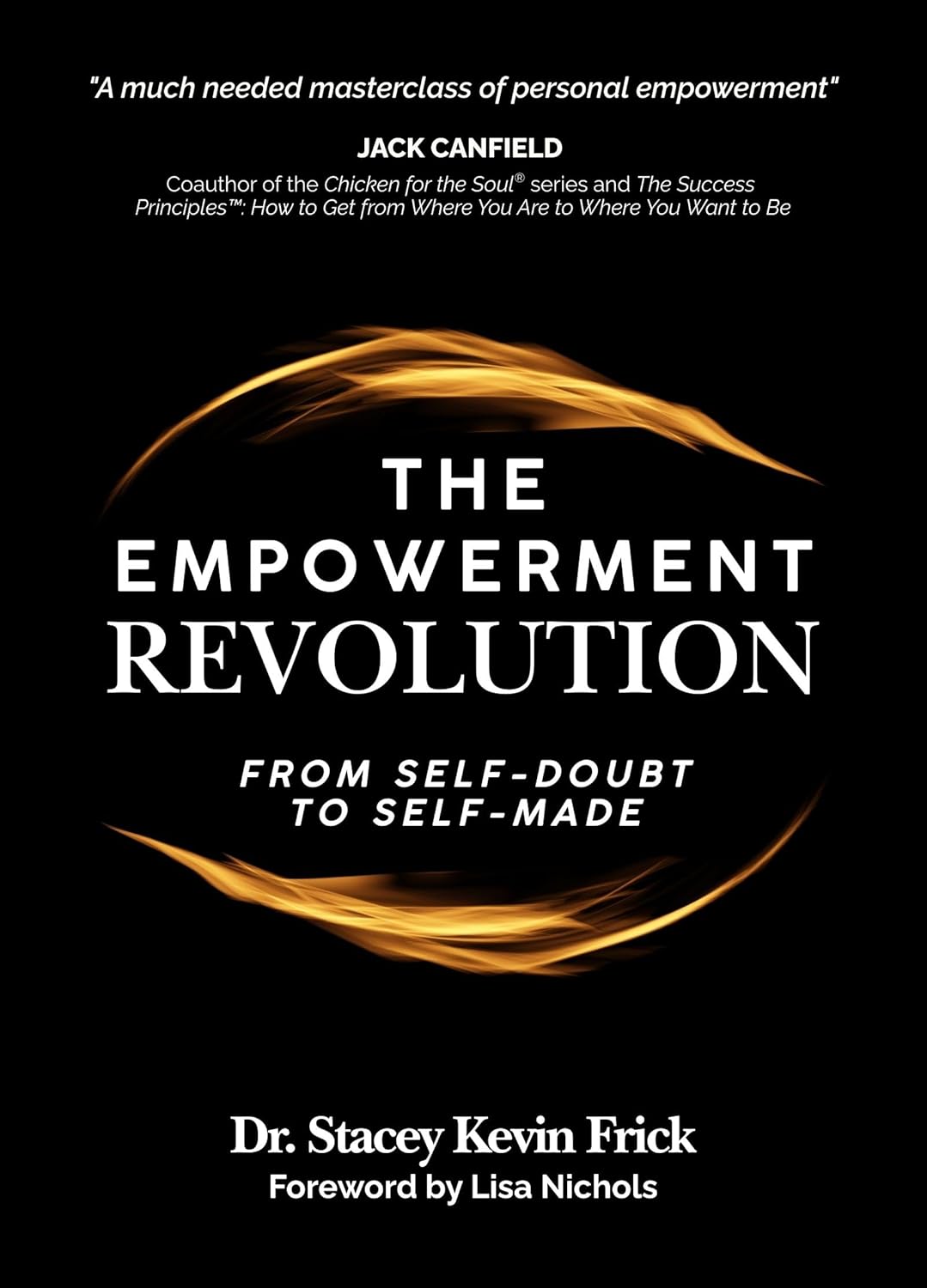
Where Did My Brain Go? is for readers interested in brain injury memoirs, healthcare system failures, and recovery against the odds. Mitchell Miller found a job and rejoined the world. He relinquished disability benefits and chose independence over dependency.

Franchise Businesses

Carol Niemeyer Author Interview

Limited Partnership Basics & More! is a practical guide to understanding how limited partnerships work, how they are structured, and how they can help finance a new company. Why is this information important to those looking to enter the entrepreneurship market, and how can it help them?

There are three ways to finance a start up a business: savings accounts, loans, and, equity investments (LPs, LLCs, stock). The lesson that we see here is that start-ups are about the high price of money. And this is an important issue in the REAL business world. Because one group of people, in the US, wants to act like a limited partner investor is really a person making a “loan”. And, of course, equity investors are not making loans. They are investors. My point? My point is this. The business world is tough. Really. And starting up a business is expensive. And if you don’t have the money to start up a business, your business idea is going to go nowhere.
Next, according to the IRS.gov website ‘over 28.4 million Americans registered their tax filings as either that of a general partner, limited partner, or member of an LLC’. What that means is that a lot of Americans are running franchise businesses. It also means that a lot of Americans are investing in local area businesses and franchise businesses – cash cows! So, my book shows people who need to raise “equity” start-up money how the limited partnership ecosystem works. The limited partnership business eco-system matches limited partner investors with limited partnership developers and franchise developers, and doing this helps local communities grow!

What is a common misconception you feel people have about Limited Partnership relationships? 

    Limited partnership people, in the US, are sort of like people who belong to a club. LP people like the way things work. They like stakes and cash cows, and prefer stakes to stock, quite a bit. And, they like fellow LPs a little bit.

    What is the “Friendship Formula,” and how can readers make this formula work for them to achieve their goals?

      The “friendship formula” is an old 1930s-40s business formula. This formula worked like this. Best friends created businesses together, and then their wives networked with their friends to secure business clients. Also, Americans were supposed to know between 200-800 people, personally, in the 1970s, too.

      What is one thing that you hope readers take away from your book?

        If 28.4 million Americans can do it, so can you! Give it a try. Read my book. Research things. Prepare, and then go for it. Really, if you want to be a millionaire, then you gotta GET IN – you gotta GET IN the MONEY GAME! And why not? If your attempt to start up a business fails, then you can always go back to reading the ‘want ads’ section twice a week.
         
        Author Links: GoodReads | Facebook | Website | Amazon

        “Limited Partnership Basics & More!” will provide readers with information on how the limited partnership business structure can be used to finance a new company; and how the partnership business structure simplifies the managing and marketing of a company. 20th century Americans loved partnership and limited partnership businesses; and for good reason! Partnership businesses are about “people power”, friendships, networking, and developing land. And the system that they developed worked in a incredible way! So, partnership businesses abounded in the 20th century! Creating a business, in the 21st century, is expensive – very expensive. Limited partnership businesses are cash-flow businesses. And limited partner investors love cash-flow businesses! So, read my book; and find out how to do it all. And get in the MONEY GAME, today!

        Ida Chatfield

        The book follows the life of Ida Chatfield and tells her story from childhood on the Missouri River to her disappearance in Aspen in 1886. It mixes historical records with imagined moments that fill in the spaces between the facts. It feels like a full life unfolding, even though her real life ended at only eighteen. The book also weaves in real news articles that reported her missing and later confirmed her death. The mix of truth and imagination gives the whole thing a strange and lingering weight.

        While reading, I often felt pulled into Ida’s voice. The writing felt warm at times and then cold in a way that mirrors frontier life. I found myself caring for Ida as if she were someone I’d once known. Her memories of Nebraska and Colorado felt vivid and earthy. The sadness around the deaths in her family hit me harder than I expected, especially the loss of her sister Jennie. The author sits close to Ida’s emotions and lets her tell the story in a plain and honest way. That plainness worked on me. It made the mystery of her final night feel personal.

        The book pushes you to think about how people in the past were misunderstood, especially women. It shows how easily a person’s life can be shaped and misshaped by the stories others tell. The newspapers tried to fit Ida into neat explanations that never felt right. Reading those old clippings frustrated me. They felt careless and quick to judge, and it hurt to see how little room she had to define herself. At the same time, the fictional pieces brought her back to life with softness and patience. I loved that contrast because it made me think about how we all want to be remembered for who we were, not for the blur of a headline.

        By the end, I felt a quiet ache for Ida and for every forgotten person whose life was cut short or brushed aside. The book works for readers who enjoy historical nonfiction but want more heart in the telling. It also works for readers who crave a mystery that will never be perfectly solved yet still offers something meaningful. I would recommend it to anyone who loves frontier history, family stories, and character-driven tales filled with emotion.

        Pages: 280 | ASIN ‏ : ‎ B0FHJVCV7V

        Buy Now From Amazon

        An Emotionally Action-packed Odyssey

        Elaina Kelly Smith Author Interview

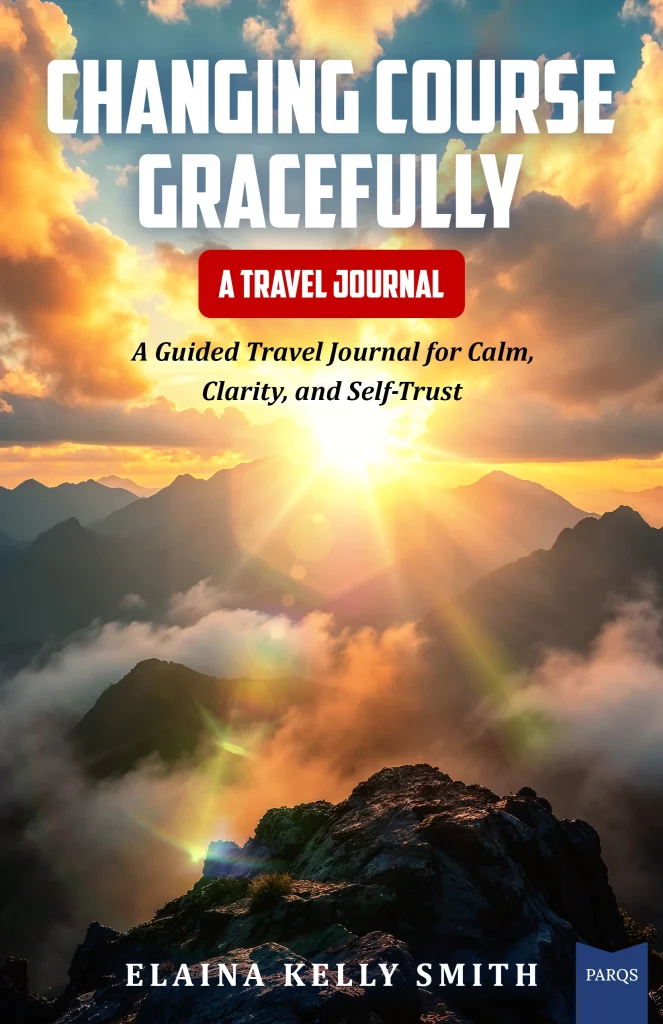
        Changing Course Gracefully is a reflective travel journal that uses the PARQS Method to guide readers through emotional waves, cultural challenges, and moments of self-discovery with warmth, practicality, and calm. Why was this an important book for you to write?

        Changing Course Gracefully is a reflective travel journal that uses PARQS™ to guide readers through emotional waves, cultural challenges, and moments of self-discovery with warmth, practicality, and calm.

        For a long time, my life didn’t feel like a gentle “journey.” It felt more like an emotionally action-packed odyssey. I grew up in a highly restrictive religious environment, very cut off from the wider world. Travel wasn’t on the radar at all. When a wrong number led me to Joseph, who later became my partner and guide, my world cracked open. Traveling with Joseph and on my own, I went from my small neighborhood to all seven continents over the course of thirty years. On paper, that sounds glamorous—and it was many times—but more often I was moving through those countries with old “remote-control” beliefs still running the show.
        Travel became my laboratory for self-trust. I noticed how often I overrode my own preferences to keep the peace, how quickly I went into autopilot in unfamiliar situations, and how long it took—usually after the trip—for the lessons to sink in. Even after building successful businesses and doing years of spiritual work, I still found myself unsure how to support myself in the very moments when I needed self-trust the most.

        Changing Course Gracefully is my answer to that question—for myself first, and then for anyone who recognizes themselves in that pattern. I wanted a practical companion I could tuck into my day bag, open in a crowded airport, and actually use. PARQS and the prompts in this journal are distilled from years of lived experience across cultures, airports, hotel rooms, and honest conversations.

        It was important for me to write this book because I know what it’s like to appear “put together” while feeling disconnected inside. I wanted to offer readers a way to pause, hear themselves more clearly, and begin building a quieter, steadier self-trust that travels home with them when the suitcase is unpacked.

        What personal experience first sparked the creation of the PARQS Method, and when did you realize it could help others as much as it helped you?​

        PARQS™ didn’t arrive as a neat five-step framework. It grew out of a long stretch of feeling like I was constantly reacting—saying yes when I meant no, overriding my needs to keep the peace, and then feeling resentful or exhausted afterward. After one particularly draining season, I sat in my therapist’s office, and she asked me a simple question: “What do you want?” I opened my mouth and realized I didn’t have an answer. I could list what other people needed, what I “should” want, and what would keep things calm—but not what I actually wanted.

        That moment shook me. It made me see how far I’d drifted from my own preferences, and how automatic my responses had become. From there, I started asking myself very basic questions in real time, especially while traveling: What do I prefer here? What am I aware of in my body? What is one right action I can take? What am I honestly asking myself? Can I meet myself with some level of self-acceptance instead of criticism?

        Over time, those questions were organized into the five anchors that became PARQS: Preferences, Awareness, Right Action, Questions, and Self-Acceptance. I used them first as my own private checklist when I felt overwhelmed or disconnected. I realized PARQS could help others when people I shared it with started repeating it back to me—telling me they’d tried the “next right action” idea or had written down their preferences before a trip and felt completely different. That’s when I knew this wasn’t just my private scaffolding; it was a way other people could gently interrupt their own autopilot and come back to themselves, too.

        How do you hope readers will integrate the PARQS Method into their everyday life, not just their journeys abroad?​

        I’d love for PARQS to become less of a ‘special occasion’ practice and more of a quiet companion readers can reach for on a Tuesday afternoon, not just on a flight to somewhere beautiful.

        On the most practical level, I’d love for readers to use PARQS in small, ordinary moments: before they say yes to another commitment, while they’re sitting in the car outside a difficult appointment, or when they realize they’re scrolling their phone instead of resting. Taking sixty seconds to ask: “What are my preferences? What am I aware of right now? What is one right action I can take?” can change the tone of a day in ways that don’t look dramatic from the outside, but feel very different on the inside.

        I think of PARQS as one way to build self-trust, a way to stay in conversation with yourself. Once readers are familiar with the prompts in the journal or digital companion, they don’t have to be sitting with the book to use them. They can jot a few lines in a notes app, check in mentally while making their morning coffee, or use a single letter—maybe “A” for Awareness—as a touchstone in moments of stress.

        If readers walk away feeling empowered to pause, notice what’s true for them, and choose their next right actions with a bit more kindness and clarity, then PARQS has done its work far beyond the airport gate or train station

        If you could add one new story or prompt based on your recent travels, what would it explore and why?​

        If I added a new prompt today, it would probably explore what I think of as “micro-course corrections”—those tiny, in-the-moment adjustments that don’t look like big decisions but quietly change the whole experience of a trip.

        Recently, I’ve been paying more attention to the moments when I override myself in small ways: pushing through hunger because I don’t want to inconvenience anyone, skipping a quiet morning because I feel like I “should” see one more sight, or staying in a conversation that feels draining out of politeness. None of those choices are catastrophic, but they add up.

        The prompt might ask:
        Where did I override myself today?
        What would a small course correction have looked like?
        If I could replay one moment with more self-trust, what would I choose?

        I’d want that story and prompt to remind readers that we don’t need a dramatic plot twist to “change course.” Often, it’s as simple as choosing to rest instead of rushing, saying “that’s enough for today,” or honoring a quiet preference that no one else will ever see but us. Those are the moments where self-trust is quietly built.

        Author Links: X | Facebook | Website

        Finally Make Time For Fitness

        Jeffrey Weiss Author Interview

        Racing Against Time follows your journey from a defeated teenage runner to a 56-year-old endurance athlete, revealing how relentless effort, humility, and heart can reshape the aging curve and one’s sense of purpose. Why was this an important book for you to write?

        In the first years after I got started in endurance sports, I read everything I could about running and triathlon.  I especially enjoyed fitness memoirs.  I found these to be a source of inspiration – convincing me that I could take on challenges that had always seemed out of reach.  They were also filled with good practical advice, which was important to me during those early years when I was still so inexperienced.  

        Now, 15 years after I started on this fitness journey with a first 10K at age 48, I look back with amazement at how endurance sports have enhanced my life.  They turned the decade of my 50s into one of discovery and adventure.  And I credit my exposure to the world of ultramarathons and Ironman for much of my success in the challenging world of start-ups.  

        Writing Racing Against Time was my way of trying to do the same for others who are just getting started.  Especially because I started so late (I ran my first 10K at age 48) and because I am not an especially fast runner, I hope my story can persuade others who are approaching mid-life and are concerned about their fitness to give endurance sports a try. I would love to see others experience the things I have in recent years – to surprise themselves, to gain confidence, and to find the joy in climbing new mountains in all spheres of life.  

        What finally pushed you to confront the sting of that first failed 10K after letting it simmer for thirty years?

        It was a combination of things.  My father had passed away the year before and that caused me to think about my own health and well-being.  Before that, I had, like a lot of us, always pushed off to the future thoughts about getting serious about fitness – telling myself that I would start once I had more time.  At age 48 and with my father’s passing still fresh in my mind, I decided that this was not something that I should put off any longer.  

        Around that same time, I met Jason Schwartz, who was only a few years younger than me and had recently started running.  He had already progressed to the marathon and had really been transformed by the experience.  That planted the idea that I should specifically consider making running a centerpiece of my effort to finally make time for fitness.  

        You write openly about fear, ego, and self-doubt. Was there a particular race or training cycle where those emotions almost stopped you?

        I found the prospect of taking on a full Ironman race (2.4 mile swim, 112 mile bike, and 26.2 mile run) to be extraordinarily intimidating.  For years I had entirely ruled it out as impossible for someone like me.  When I did finally decide to take one on, it was only after years of training (including multiple marathons, my first two ultras, and a number of shorter distance triathlons) – and even then, I set the goal for some two years later so that I would have ample time to build up to it.  For the entire period of training I was anxious about my ability to finish the race – yet at the same time excited and energized that I was chasing something that was challenging and that would have the potential to redefine me as an athlete and change me as a person.  

        If someone in mid-life feels stuck and overwhelmed, what is the smallest, most doable first step you hope they take after reading your book?

        I would recommend taking the crucial mental step of deciding that the time to begin is now, and to make the firm commitment to yourself that you will train a specified number of days per week virtually no matter what – and to start today.  The ideal number of days per week to train is 6.  You can start with fewer if absolutely necessary (for example 3 or 4 days) – you should never let the perfect be the enemy of the good – but you need to start now and to be consistent.  Over time you should try different fitness activities to find the one(s) that work best for you.  It will take some amount of experimentation and you don’t need to have all the answers at the beginning.  

        Author Links: Facebook | Website

        “An engaging and reflective life journey that captures the grit, grace, and quiet triumphs of endurance sports.”  “The memoir’s honest reflections on physical challenges and mental resilience resonate alongside classics like Haruki Murakami’s What I Talk About When I Talk About Running, blending the physical demands of sport with introspective growth.”-Kirkus Reviews

        “Weiss’ work is a raw and honest commentary on the human condition and the need to squeeze everything out of life while pushing past perceived limits to live life as it’s meant to be lived—an adventure.”-US Review of Books

        “A motivational sports memoir, Racing Against Time chronicles grueling endurance running accomplishments achieved in midlife.”-Clarion/Foreword Reviews

        Winner, Gold Book Award – Literary Titan

        The Way I Saw Myself And The World

        Adriene Caldwell Author Interview

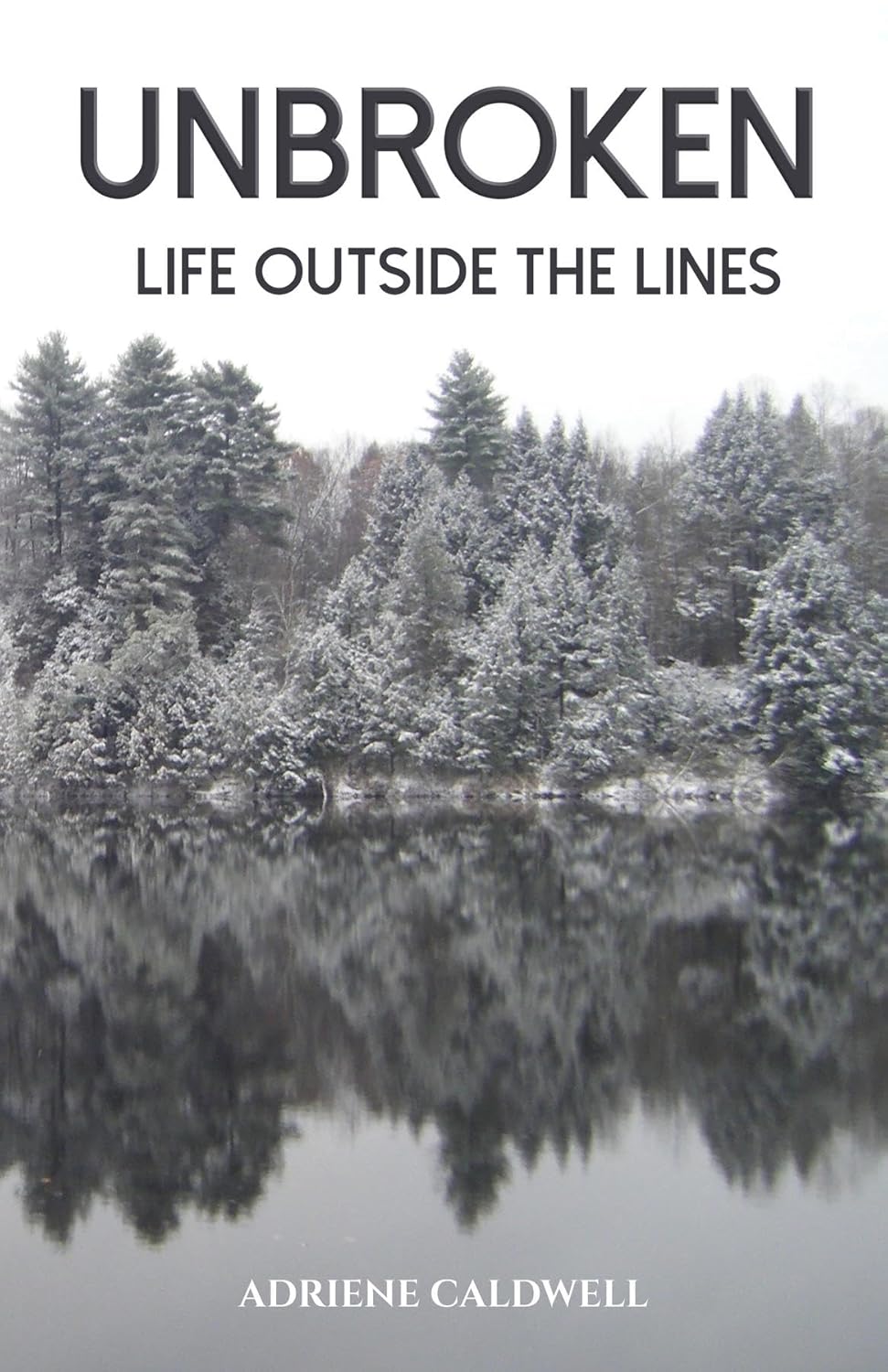
        Unbroken: Life Outside the Lines is your memoir, about surviving a childhood shaped by violence, poverty, mental illness, and constant upheaval, and how you continue to work each day to live and love despite it. What was the inspiration for the setup of your story?

        I wanted the setup to feel like inviting the reader to sit beside me at the kitchen table while I finally say the things I was never allowed to say out loud.

        The inspiration really came from two places: my younger self and my present-day self. As a child, I lived inside the chaos—violence, poverty, mental illness, constant moving—and I didn’t have language for any of it. As an adult, I finally do. The setup of the story grew out of my desire to honor that little girl’s confusion and fear, while also letting the woman I am now gently guide the reader through it. I didn’t want the book to be just a list of painful events; I wanted it to show how those early rooms, those sounds, those secrets shaped the way I saw myself and the world.

        I also structured the opening around a simple but honest truth: the past doesn’t stay in the past. I wanted readers to meet me not only as a child in survival mode but as a grown woman still learning how to live and love with everything I’ve carried. So the setup moves between then and now—between the immediacy of what happened and the quiet work of healing that continues. My hope was that, from the very beginning, readers could feel both the weight of what I survived and the possibility that a different life is still being built, day by day.

        I appreciated the candid nature with which you told your story. What was the hardest thing for you to write about?

        There were three kinds of pages that nearly broke me:

        1. Writing about the people I loved who also hurt me.
          Putting certain family members on the page was excruciating. I grew up in an environment where we didn’t “tell family business,” and breaking that unspoken rule felt like a betrayal, even as an adult. I had to constantly walk the line between telling the truth and not turning anyone into a monster. Most of the harm in my story came from people who were wounded themselves, and holding both of those realities at once—“this hurt me deeply” and “you were not only your worst moments”—was incredibly hard.
        2. Admitting the ways the trauma shaped my own behavior.
          It was one thing to write about what was done to me; it was another to be honest about how I carried those wounds forward. The moments where I shut down, pushed people away, ignored red flags, or repeated unhealthy patterns in my own relationships were very painful to face. Those chapters forced me to look at myself with the same unflinching honesty I used on my past, and that was humbling and raw.
        3. Going back into the child-mind.
          Some scenes required me to re-inhabit my childhood body—the sounds, the smells, the confusion, the terror. I didn’t write them as an observer; I wrote them as if I were back there. After those writing sessions, I was often wrung out. I’d have to walk, cry, or sit in silence before I could rejoin “normal life.” It took a lot of emotional and physical grounding to go back, and then come back.

        In a way, the hardest thing to write about was not one single event, but the ongoing impact—the way those early experiences still echo in my marriage, my parenting, my self-talk. Putting that on the page meant admitting that healing isn’t a neat before-and-after story. It’s daily work. Letting readers see that unfinished, imperfect process was terrifying… and also, I hope, the most honest gift I could offer.

        How did you balance the need to be honest and authentic with the need to protect your privacy and that of others in your memoir?

        I thought about this constantly while writing. For me, “tell the truth” and “do no unnecessary harm” had to sit side by side.

        A few things guided me:

        1. I kept the focus on my experience, not other people’s secrets.
          I tried to stay in the lane of what I saw, what I felt, what I carried, rather than exposing every detail of someone else’s life. If a piece of information belonged more to another person than to me, I either left it out, softened it, or hinted at it without giving identifying specifics.
        2. I changed or obscured details where it didn’t weaken the truth.
          Names, locations, certain timelines, and identifying characteristics were altered to protect privacy. The emotional truth and the impact stayed the same, but the “tracing paper” over the real people got thicker. If a reader can feel what happened without being able to easily recognize who it happened with, that’s a good balance for me.
        3. I gave myself permission to have boundaries.
          There are things that happened that are not in this book. Not because I’m hiding, but because some stories are still tender, or they belong to a future version of me who’s more ready—or they simply don’t need to be on public display to validate my pain. I reminded myself often: You owe the reader honesty. You do not owe the reader your entire self.
        4. I wrote the raw version first, then edited with care.
          In early drafts, I didn’t censor myself. I needed to know the real story on the page. Later, I went back and asked:
          • “Is this necessary for the reader to understand my journey?”
          • “Does this cross a line into someone else’s private life?”
          • “Am I telling this from a place of healing, or from a fresh wound?”
            If something felt like a wound still bleeding, I either reframed it or removed it.
        5. I tried not to punish or vindicate anyone on the page.
          Even when I wrote about harm, my goal wasn’t to get even. It was to bear witness. That helped me keep the tone grounded in my humanity and theirs, instead of in revenge. I can say, “This hurt me deeply,” without turning the book into a public trial.

        In the end, the balance looked like this: the reader gets the truth of my interior world—the confusion, the terror, the resilience, the ongoing healing—but not a roadmap to track down every person who ever hurt me. The story is mine. The people inside it are real, but they are not mine to expose.

        How has writing your memoir impacted or changed your life?

        Writing Unbroken: Life Outside the Lines has changed me in ways I felt in my body first—before I could even explain them.

        A few of the biggest shifts:

        1. I stopped arguing with my own story.

        For a long time, I minimized what I went through:
        “It wasn’t that bad.”
        “Other people had it worse.”

        Writing the memoir forced me to sit with the facts. Seeing them on the page—clear, ordered, undeniable—made it much harder to gaslight myself. I don’t have to keep re-litigating whether it “counts” as trauma. It happened. It shaped me. That simple acceptance has been huge.

        2. It changed how I talk to myself.

        When I wrote scenes from my childhood, I had to look at that little girl closely—how hard she tried, how alone she felt, how much she carried. It softened something in me.

        Now, when I’m harsh with myself, I picture her. It’s harder to call myself “too sensitive” or “weak” when I’ve just spent months honoring her survival on the page. Writing the book made self-compassion less like a buzzword and more like a daily practice.

        3. It rearranged my relationships.

        Telling the truth has a way of shaking the tree.

        • Some relationships have gotten closer. People in my life understand me better now. They see why I react the way I do, why certain things are hard for me, why I need boundaries. There’s more context and, sometimes, more grace.
        • Other relationships have become more distant or more defined. Putting things on paper meant I had to stop protecting certain illusions. That’s painful, but it’s also cleaner. I’m not working as hard to pretend.

        Overall, it gave me permission to let my inner reality and my outer life match more closely.

        4. It turned my pain into something useful.

        Before the book, a lot of my story felt like random debris—memories hitting me out of nowhere. Writing gave it shape. Now, when I talk to someone who’s navigating their own trauma, I’m not just speaking from the middle of the fog. I’ve walked through it intentionally, sentence by sentence.

        It’s changed how I show up:

        • I’m more open about my history without feeling like I’m oversharing.
        • I feel less ashamed and more… equipped—like, “Yes, this happened, and here’s one way I’ve learned to live with it.”

        There’s a strange relief in knowing the worst things you survived can now sit in a book and maybe help someone else feel less alone.

        5. It taught me the power of boundaries and pacing.

        Writing this memoir forced me to learn:

        • when to stop for the day,
        • when to ground myself,
        • when to say, “I can’t talk about that right now.”

        Those skills didn’t stay on the page. They bled into my daily life. I’m more aware of my limits, more protective of my energy, and more willing to say no—even to “good” things—if my nervous system is tapped out.

        6. It gave me a different kind of courage.

        Surviving my childhood was one kind of courage.
        Choosing to lay it out for others to read is another.

        Now, other risks feel a little less terrifying:

        • Sharing my work.
        • Speaking honestly in conversations.
        • Naming what I need in relationships.
        • Letting myself be seen as I actually am, not as the “together” version I used to present.

        Once you’ve told the hardest truths in print, small everyday truths get easier to say out loud.

        In short: writing Unbroken didn’t “fix” my life. I still have triggers, hard days, old patterns that flare up. But it reorganized my inner world. It gave me language, loosened shame’s grip, clarified my relationships, and reminded me that my story is not just what happened to me—it’s also what I choose to make of it now.

        Author Links: InstagramFacebook | Website

        Born into a military family bound by loyalty and silence, Adriene grows up beneath the shadow of her mother’s untreated schizophrenia and violent instability. Her early years in Houston are marked by physical, emotional, and sexual abuse, as well as deep poverty and neglect. Through a child’s eyes, the world becomes a labyrinth of danger and yearning – a place where love and terror are indistinguishable and where survival depends on invisibility.

        As her mother’s delusions intensify, Adriene and her younger brother are swept into a cycle of instability: temporary relatives’ homes, decrepit apartments, shelters, and the bureaucratic indifference of Child Protective Services. Her life becomes a study in adaptation. Teachers, social workers, and therapists appear as both saviors and spectators, their well-meaning interventions undercut by a system that cannot see the full truth.

        Amid this chaos, Adriene discovers a sanctuary in learning. Books become her escape and her mirror, a means of constructing identity from fragments. Her intelligence and resilience earn her entry into gifted programs and, later, a transformative scholarship through the Duke University Talent Identification Program’s ADVANCE Camp – a rare space of belonging and recognition. Yet even moments of promise are shadowed by trauma’s lingering grasp; her mind remains both brilliant and haunted.
        Foster care, meant to save her, instead subjects Adriene to new forms of cruelty. The “Bitch from Hell,” her abusive foster mother, wields authority with sadism cloaked in righteousness. Still, Adriene’s intellect and adaptability allow her to navigate this world – and, in small acts of defiance, reclaim pieces of her agency.

        College becomes both a milestone and a reckoning. Having survived the unimaginable, Adriene graduates with honors in International Business, only to find herself unprepared for the invisible toll of trauma in adulthood. Depression, self-sabotage, and a string of hollow relationships bring her to the brink of despair once more. The memoir crescendos with a raw confrontation of suicidality – and the awakening that follows.

        In one of the book’s most powerful sections, Adriene revisits her own CPS case files, psychiatric evaluations, and therapy notes. Reading herself through the cold lens of institutional language, she confronts the staggering disconnect between documented “stability” and lived abuse. This duality – the official record versus the inner truth – forms the heart of Unbroken. The narrative closes with a reclamation: survival not as triumph over pain, but as the deliberate act of continuing to live and love despite it.

        Blessings Abound: Awaken to the Gifts at Hand

        Blessings Abound is a short and sweet guide designed to help us spot the good things in life. Katherine Scherer and Eileen Bodoh wrote this book to help readers wake up to the gifts they already have. The authors break the content down into three main buckets. These are blessings we receive. There are blessings we ignore. And there are blessings wearing masks. The pages are packed with quotes from famous folks like Rumi and Abraham Lincoln. It explores how nature and music and friendship make life rich. The main goal is to shift your mindset from complaining to appreciating. It acts as a roadmap to peace and wonder.

        I honestly felt a wave of calm washing over me while reading this. It is not trying to be a hard textbook. It feels like a warm hug. I really liked the way they used so many quotes. It felt like a greatest hits album of wisdom. Sometimes self-help books try too hard. They use big words to sound smart. This one keeps it real. It is simple. That is its superpower. The section on nature really resonated with me. I felt lighter after finishing it. It pushes you to use your heart more than your head.

        The authors talk about blessings in disguise. This part made me think. It is hard to see the good when things go wrong. But they make a solid point. They mention people like Edison, who failed but kept going. That was inspiring. I also noticed the book gets pretty spiritual near the end. It talks about God and the Bible. They included Native American prayers, too. It felt like they wanted to welcome everyone. The focus on gratitude as a tool to fix a bad attitude is smart.

        I think this book is a solid pick for anyone feeling a bit burnt out. If you need a mental reset. It works well as a coffee table book. You can pick it up and read a page or two. It does not demand a lot of your time. It just asks for an open heart. I would gift this to a friend going through a rough patch. It reminds you that the world is actually pretty cool if you look closely. Give it a shot if you want to smile more. It is a quick read with a long-lasting impact.

        Pages: 58 | ASIN : B0FBSTLR27

        Buy Now From Amazon