Author Archives: Literary Titan
Literary Titan Book Award: Poetry

The Literary Titan Book Award recognizes poets who demonstrate exceptional artistry and proficiency and push the boundaries of language and expression. The recipients are poets who excel in their technical skills and evoke deep emotional responses, challenge thoughts, and illuminate new perspectives through their work. The award honors those who contribute to the literary landscape with their unique voices and powerful words.
Award Recipients
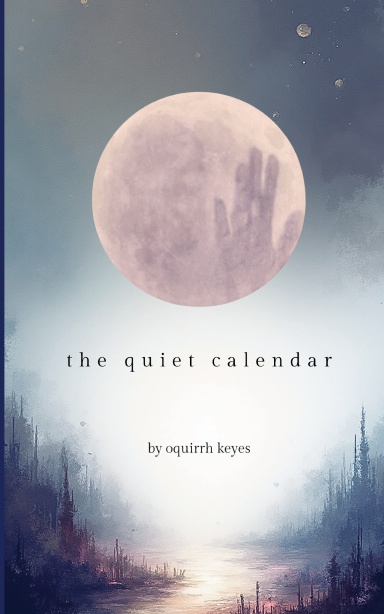
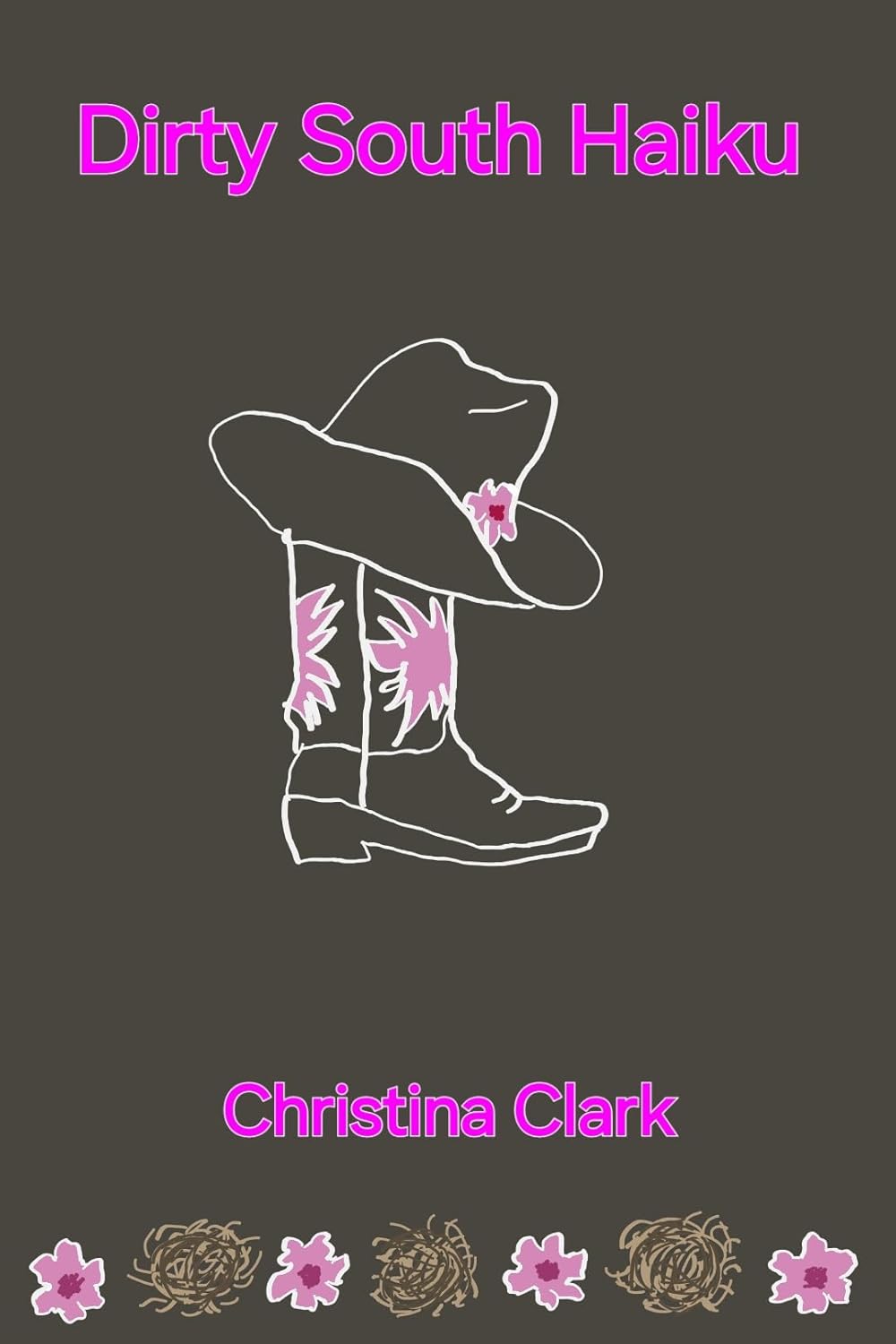


Visit the Literary Titan Book Awards page to see award information.
Literary Titan Silver Book Awards
Celebrating the brilliance of outstanding authors who have captivated us with their skillful prose, engaging narratives, and compelling real and imagined characters. We recognize books that stand out for their innovative storytelling and insightful exploration of truth and fiction. Join us in honoring the dedication and skill of these remarkable authors as we celebrate the diverse and rich worlds they’ve brought to life, whether through the realm of imagination or the lens of reality.
Award Recipients
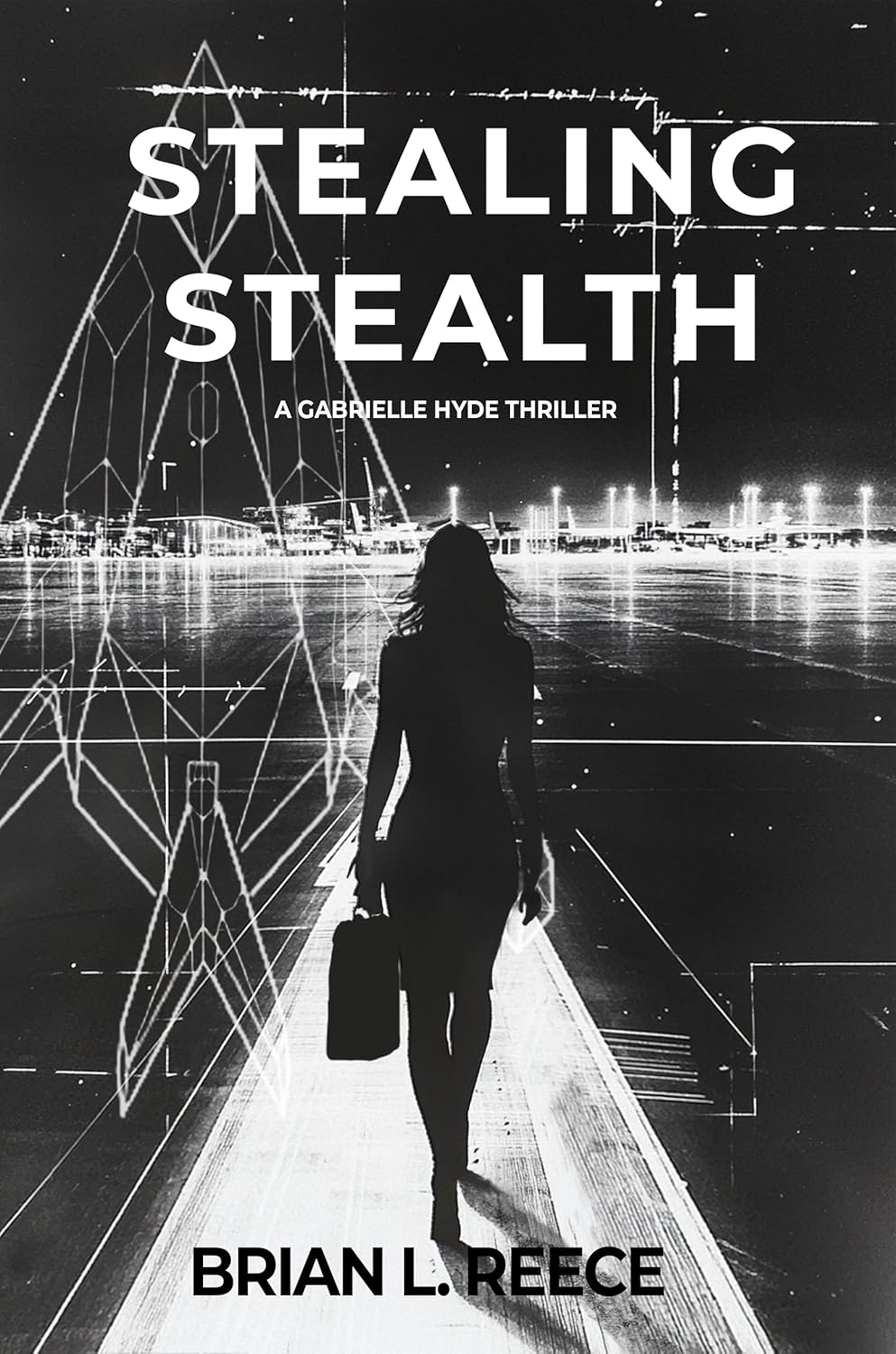

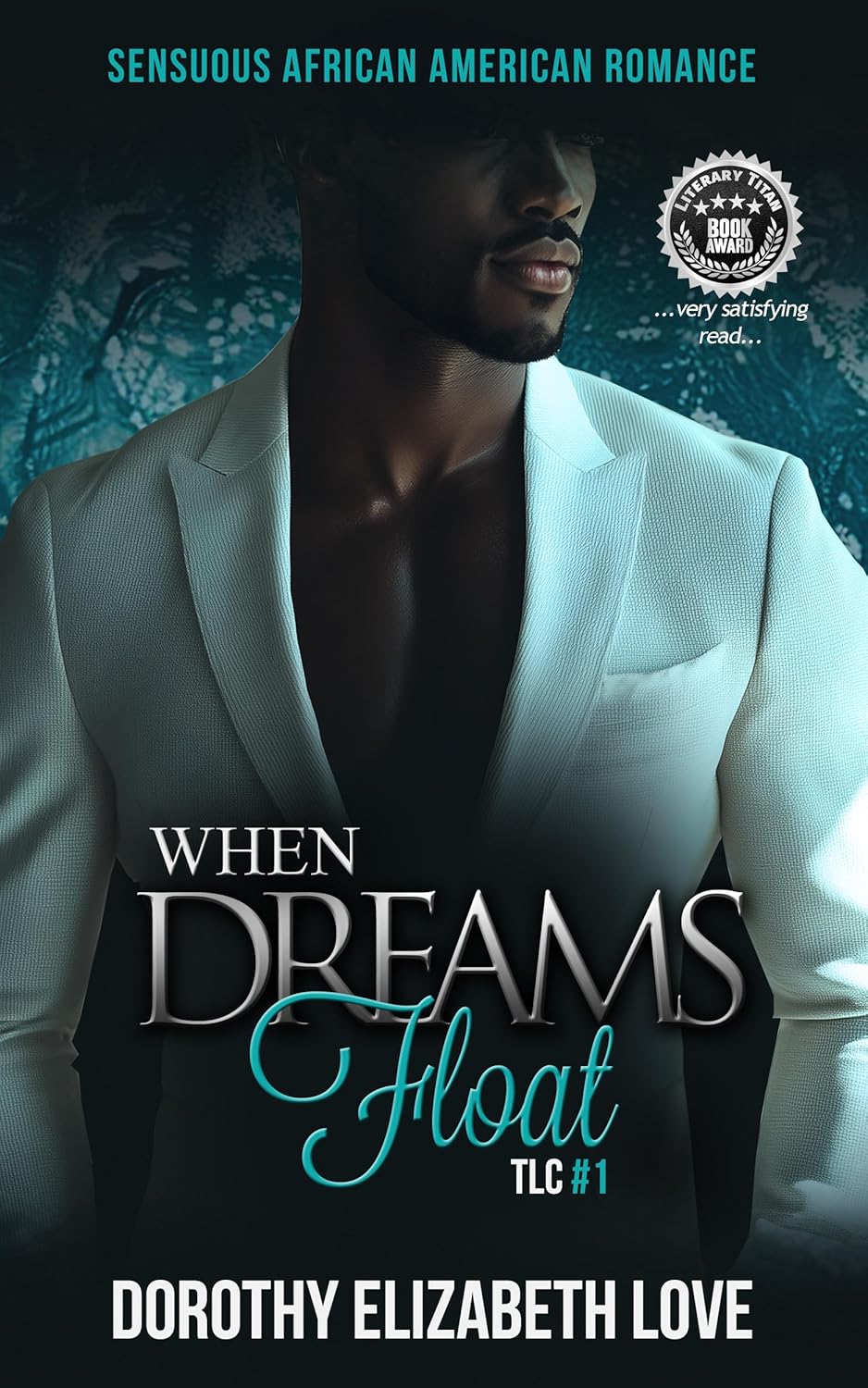


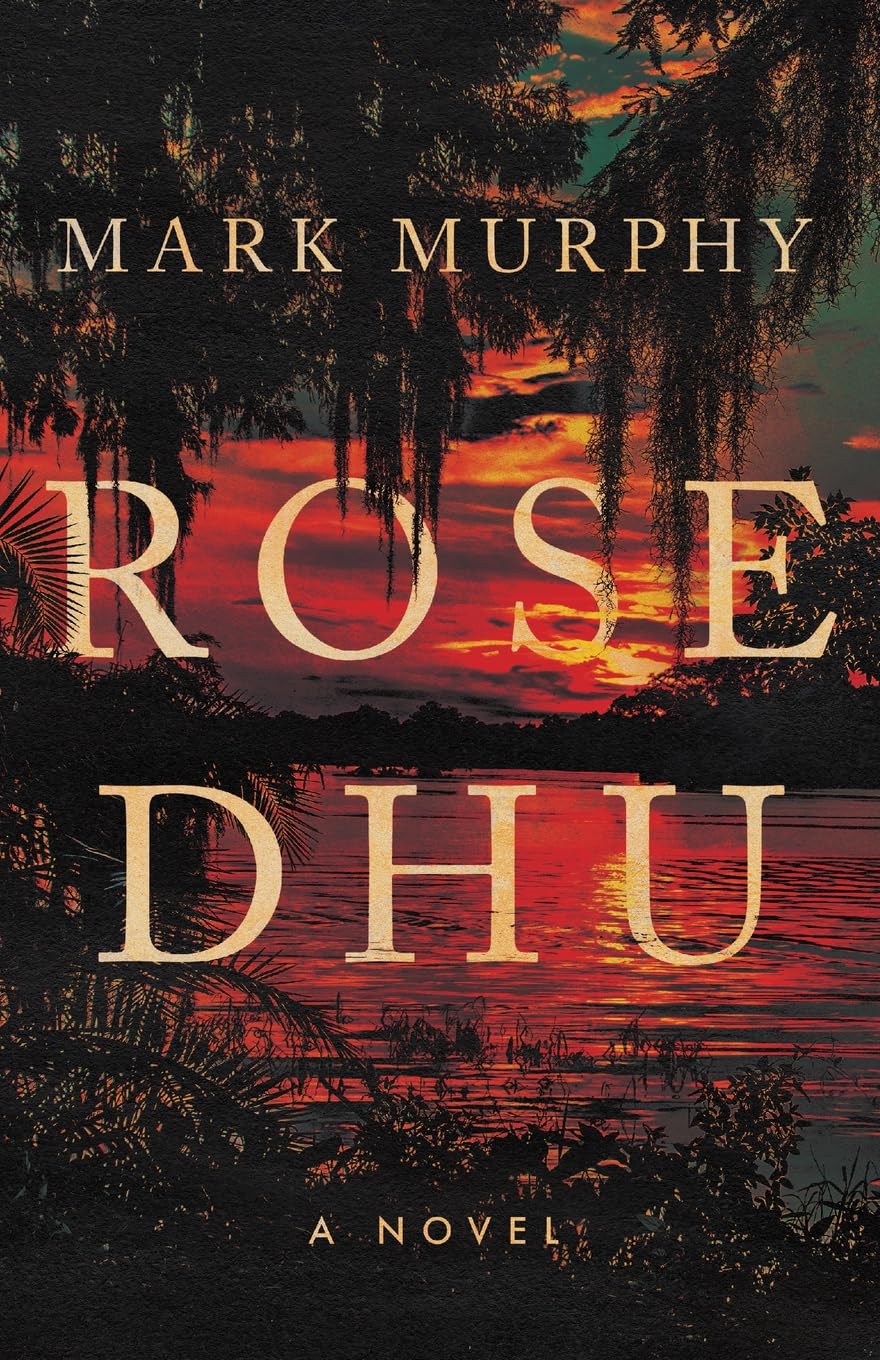
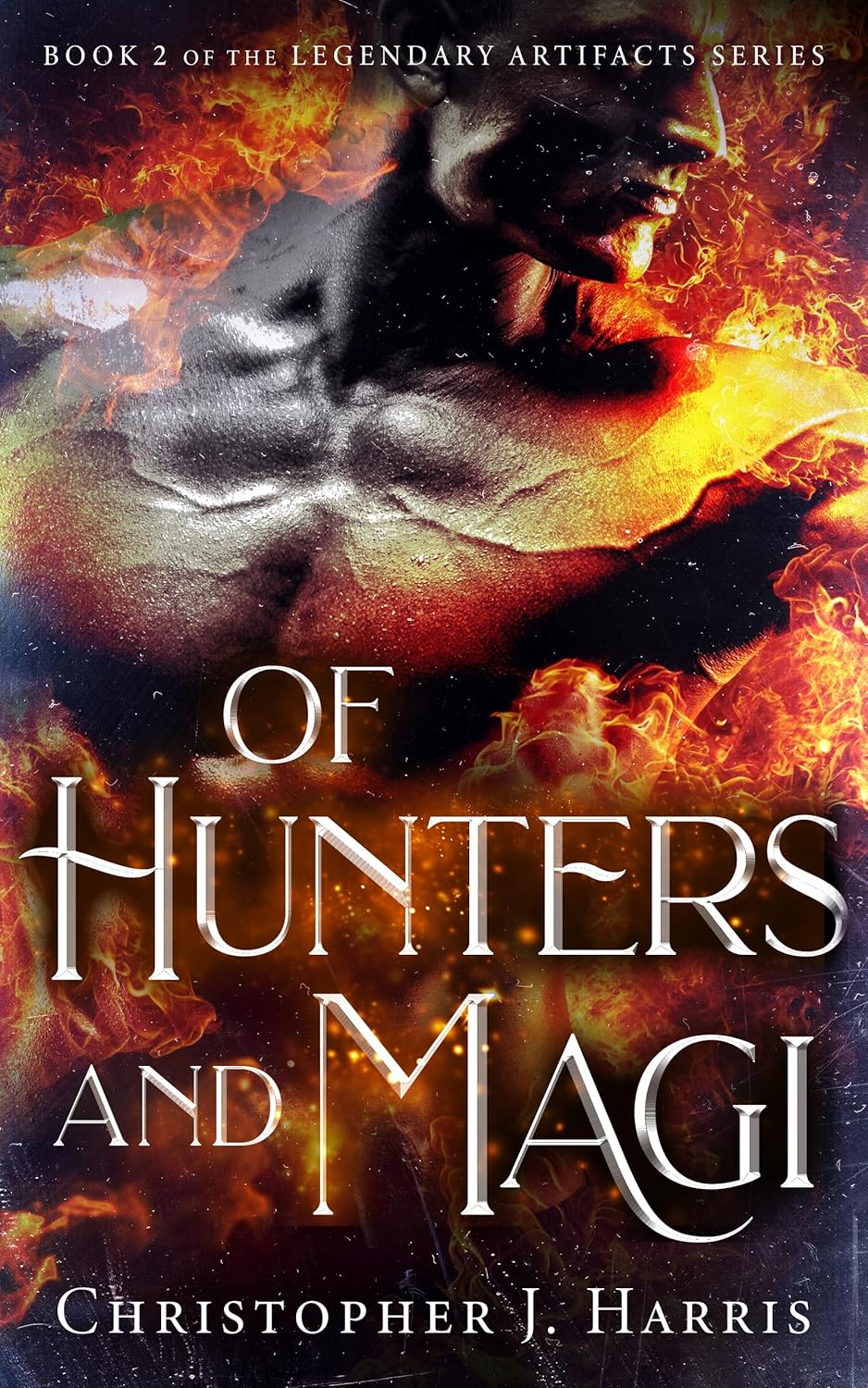


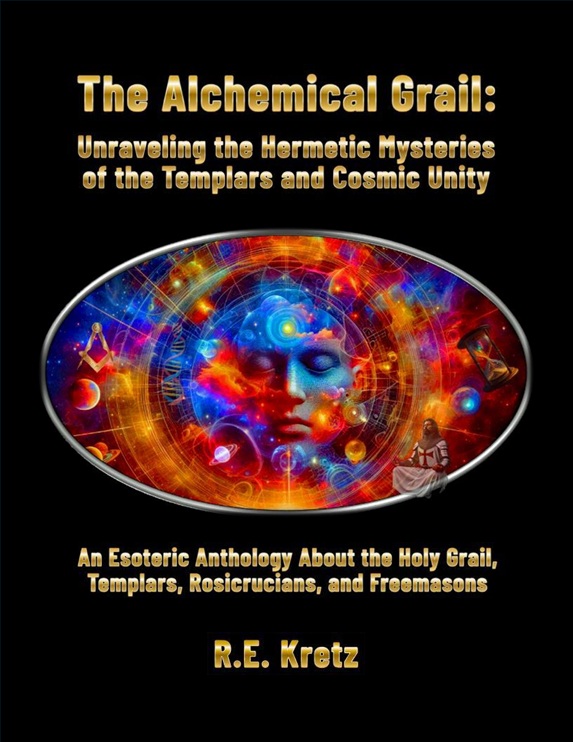


















Losing Mom by Peggy Ottman
This Is For MY Glory: A Story of Fatherlessness, Failure, Grace, and Redemption
Toil and Trouble by Brian Starr
Visit the Literary Titan Book Awards page to see award information.
Ghost Brother
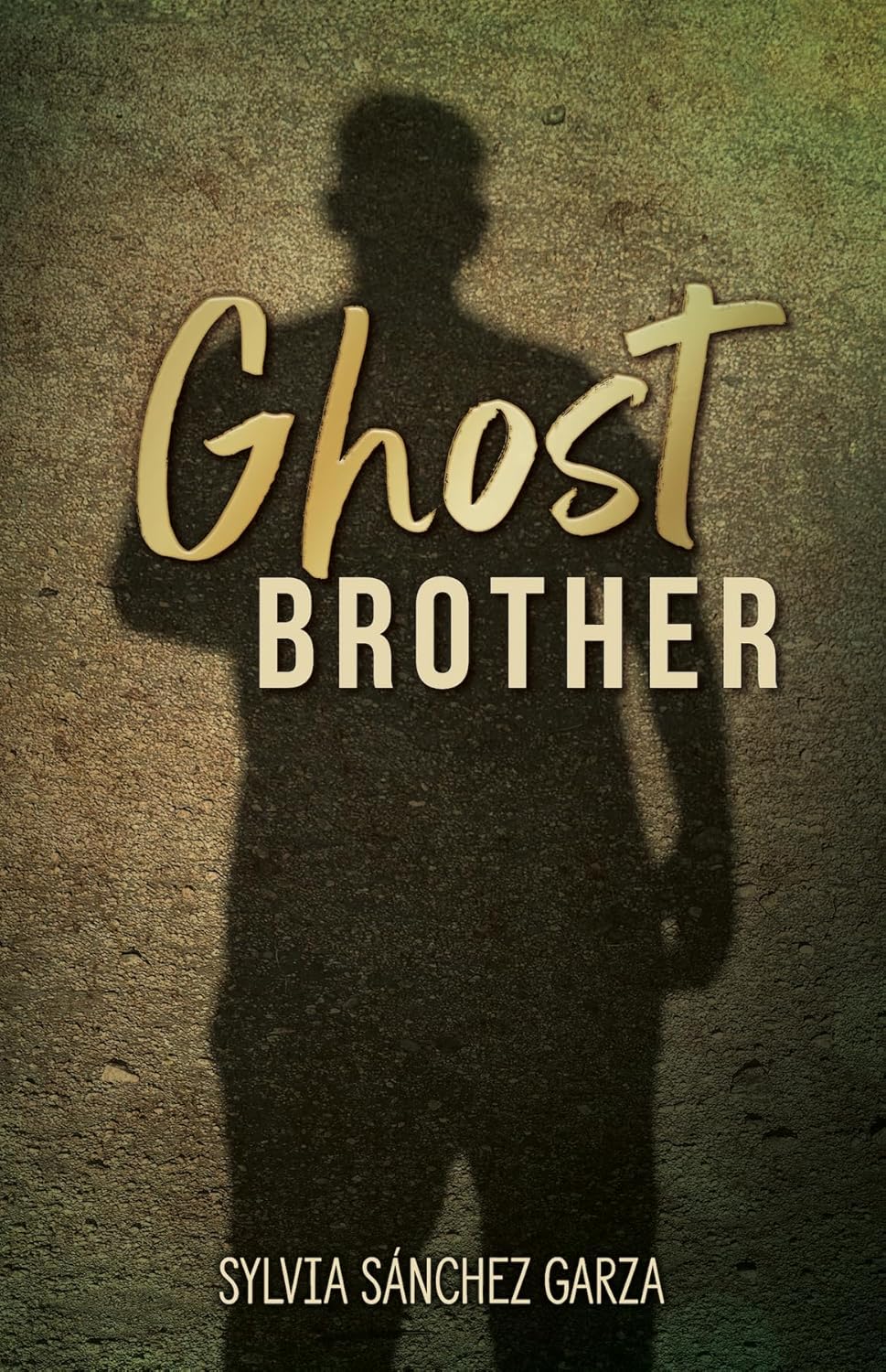

Ghost Brother is a young adult novel that opens with twin brothers, Cris and Carlos, heading to a school dance in South Texas, only for a violent storm, a pair of bullies, and a disastrous crash to shatter their lives. Carlos dies instantly. Cris survives. What follows is a story told in both of their voices, one alive and drowning in guilt, the other watching as a ghost who can see everything but cannot be heard. The book blends grief, memory, and mystery as the brothers struggle, separately and together, to face what happened and what it means for their family.
Reading it felt like sitting with someone who is trying to talk through the hardest moment of their life, stopping and starting, sometimes whispering, sometimes spilling over. The writing is simple and direct, which fits the teen voices. I liked that the author didn’t rush past the emotional fog after the accident. Cris moves through the world as though he’s wrapped in wet cotton, and Carlos drifts with this strange mix of clarity and longing. Their alternating chapters make the tragedy feel bigger and messier because you’re seeing it from both sides of the veil. Some scenes hit with sharp force, like the mother collapsing when she hears the news or Carlos watching her cry and being unable to touch her. Others move slowly, the way real grief does, circling the same memories again and again.
I was also drawn to the author’s choices around culture and community. The book is rooted in Mexican American traditions, beliefs, and rhythms that shape how the characters mourn and how they make sense of death. There’s a spiritual layer here that never feels like decoration. Carlos isn’t just a ghost for plot convenience. His presence echoes the stories their grandmother told, the prayers their mother whispers, the sense that the dead stay close. The supernatural moments glide in quietly, almost like a breeze shifting the curtains. At other times, they feel heavier, especially when Carlos tries to warn his family that the sheriff may twist the truth about the accident. The blend of realism and the supernatural makes the book feel like a hybrid of contemporary fiction and ghost story, but always grounded in teen experience.
By the end, I felt like I’d spent time with a family trying to hold itself together. The story doesn’t pretend grief is tidy or that answers neatly appear. It sits in the uncertainty, in the fear that justice may not come easily, and in the hope that love still stretches across impossible distances. If you like young adult fiction that honestly explores loss and adds cultural depth and a touch of the supernatural, this book is for you. It’s especially suited for readers who appreciate emotional stories that explore family bonds, healing, and the invisible threads that connect us even after death.
Pages: 182 | ASIN : B0CZPLPB7P

Letters From the Sand

Letters From the Sand, by Scott G. A. Metcalf, feels less like a traditional memoir and more like sitting across from someone who’s quietly telling you what deployment was really like, no bravado, no Hollywood gloss, just honest moments layered with dust, heat, and reflection. From the opening pages, the writing pulls you straight onto the tarmac, letting you feel the weight of the environment and the emotional whiplash of leaving home behind. Metcalf’s descriptive style is immersive without being overdone, making it easy to visualize each scene and feel grounded in the reality of military life.
What really stands out is how much attention the book gives to the small, everyday details like mess hall food, cramped tents, patrol routines, and the quiet rituals soldiers use to stay sane. These moments give the story its heart. Instead of focusing solely on danger or action, Metcalf spends time on camaraderie, boredom, humor, and exhaustion, which makes the experience feel incredibly authentic. You get the sense that these “in-between” moments are just as important as the missions themselves.
The tone throughout the book is thoughtful and grounded, with an undercurrent of respect for both fellow soldiers and the families back home. There’s a strong sense that this story isn’t just about one person’s deployment, but about shared sacrifice and the invisible support systems that make service possible. The chapters on holidays and daily routines are especially poignant, reminding you how strange and heavy time can feel when you’re far from home and living in a completely different world.
Letters From the Sand is an engaging, quietly powerful read that doesn’t try to impress; it just tells the truth. It’s the kind of book that stays with you not because of dramatic twists, but because of its honesty and humanity. Whether you have a military background or not, it offers a meaningful glimpse into a life most people never experience, told in a way that feels personal, respectful, and real.
Pages: 201 | ASIN : B0G2335VNQ
Too Complex: It’s a (Enter Difficulty Setting Here) Life
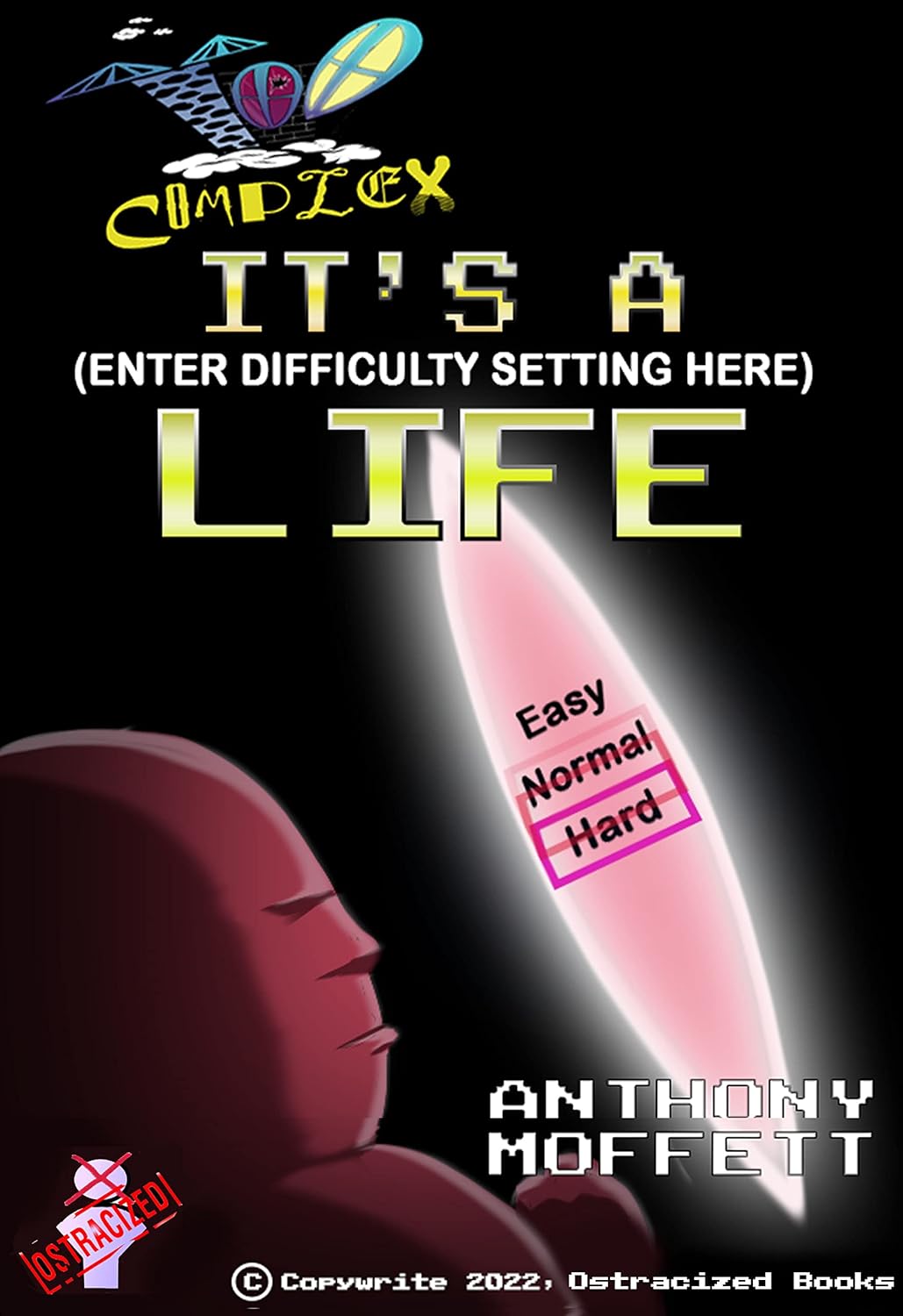
Cody Redbond lives to game. Addiction defines him. His fixation centers on Fantasy Estate, an online battle royale that consumes his days and erases everything else. Hours disappear. Priorities collapse. The game becomes his only reality, while the world beyond his screen loses all appeal. Employment slips away. Social skills erode. Eventually, eviction follows. Even then, Cody refuses to move on. He is too deeply embedded in the digital realm to disengage on his own.
Enter leasing agent Mavirna Holmes and property manager Corey Dwellen. Their task is simple in theory and nightmarish in practice: reach Cody and reclaim the apartment. Doing so requires navigating a living space that has deteriorated into absolute chaos, a physical manifestation of Cody’s inward retreat.
Too Complex: It’s a (Enter Difficulty Setting Here) Life, by Anthony Moffett, is a compact and sharply comic work that blends prose with illustrations. It occupies a space somewhere between novella and graphic novel, using visuals to punctuate its humor and heighten its absurdity.
At its core, the book is an absurdist adventure tailored to video game enthusiasts, but its reach extends further. It functions as a satire of modern adulthood, skewering burnout, disconnection, and the quiet despair that drives escapism. As Cody’s story unfolds, sympathy becomes inevitable. He has not merely abandoned reality; he has replaced it with something brighter, louder, and more responsive. Ironically, the so-called real world offers little incentive to return. It appears dull, unforgiving, and deeply uninspiring by comparison.
This contrast captures the enduring appeal of video games. They promise immersion without consequence, excitement without monotony. When everyday life feels hollow or exhausting, fantasy becomes irresistible. Mavirna and Corey, the unfortunate duo assigned to retrieve Cody, find themselves on a quest of their own, one that mirrors the very games Cody adores. The ultimate irony lies in the aftermath of his obsession. The artificial world he clung to has reshaped reality itself, transforming his apartment into a grotesque, pest-ridden dungeon.
The result is a book that is unabashedly fun. It is silly, unhinged, and gleefully excessive. Beneath the humor, however, lies a pointed warning. Too Complex entertains first, but it also lingers, offering a sharp and thoughtful reflection on escapism, avoidance, and the cost of choosing fantasy over life. I highly recommend this humorous and highly relatable tale to gamers and non-gamers alike.
Pages: 73 | ASIN : B0BR4J3L9Y
Chika’s Mysterious Phone


Chika’s Mysterious Phone follows an eleven-year-old girl who receives a birthday phone from her grandmother in Japan and starts to wonder how voices and pictures travel through it. That simple question turns into a dreamlike journey inside the phone itself. Chika shrinks, meets living digits, an avatar version of herself, and faces digital dangers while trying to understand technology, imagination, and what feels real versus what feels imagined.
I found the writing playful, bold, and full of heart. The rhyme gives the story a steady beat that feels almost like a song read out loud. It felt like listening to a curious child who cannot stop thinking. I liked how the author talks directly to the reader. I smiled at the mix of wonder, humor, and gentle chaos.
The ideas in this book stuck with me more than I expected. I loved how it mixes technology with dreams and feelings. The phone is not just a gadget. It becomes a doorway into questions about the mind, the soul, and learning itself. I felt a little nostalgic while reading it. It reminded me of late-night thoughts as a kid, when big questions felt exciting rather than scary. Some explanations get heavy, yet the curiosity behind them feels honest and sweet.
I would recommend this book for curious kids who like thinking, asking questions, and imagining strange worlds. It also feels great for parents or teachers who enjoy reading aloud and talking about ideas afterward. This is not a fast bedtime book. It is better for children who like to stay in a story for a while rather than rush through it, and for adults who still like to wonder how things work and why we dream.
Pages: 76 | ISBN : 978-0645143041
Don’t Be a F*cking Idiot

The book lays out a straight-talking guide for men who want to understand their own emotional messes and stop tanking their relationships. It mixes attachment theory, love languages, and daily rituals with stories that bounce between funny and painfully honest. Hill explains his ideas through wild metaphors like Golden Retrievers, Chihuahuas, and Cats, and he folds in pieces of his own journey through divorce, heartbreak, and personal rebuilding. The message is simple. If you want to be loved well, you’d better figure out your patterns and step up.
The writing hits fast. It rarely softens the blow, and that worked for me. It made the ideas feel human instead of clinical. I liked the mix of raw emotion and humor because it turned something heavy into something you could actually digest. I also appreciated that he doesn’t pretend to be perfect. He shows his avoidant streak, his panic, his screw ups. It made the whole thing feel more real. At times, the tone gets a little abrasive, but honestly, that seems to be the point. He wants men to wake up, not tiptoe.
The ideas themselves make sense, and the way he frames them kept me hooked. Attachment styles are usually presented in some dry classroom voice, yet here they’re brought to life through dogs and cats, storms and ships. The stories he shares about couples are goofy but strangely accurate. I’ve seen versions of those people in real life. His approach to rituals also hit home. The notion that small, repeated behaviors can shape a relationship for better or worse is something lots of books mention, but Hill says it in a way that sticks. Sometimes he leans into silliness, and sometimes he goes philosophical. The mix kept me guessing.
By the time I finished, I felt like the book works best for men who know they need to grow but don’t want to wade through academic sludge. It is for guys who can handle blunt honesty and want advice that feels lived in, not polished in a lab. If you want a kick in the ass wrapped in humor and heart, this is your book.
Pages: 53 | ASIN : B0G8RY5KTL



 LITERARY TITAN