Blog Archives
Literary Titan Gold Book Award: Nonfiction

The Literary Titan Book Award recognizes outstanding nonfiction books that demonstrate exceptional quality in writing, research, and presentation. This award is dedicated to authors who excel in creating informative, enlightening, and engaging works that offer valuable insights. Recipients of this award are commended for their ability to transform complex topics into accessible and compelling narratives that captivate readers and enhance our understanding.
Award Recipients
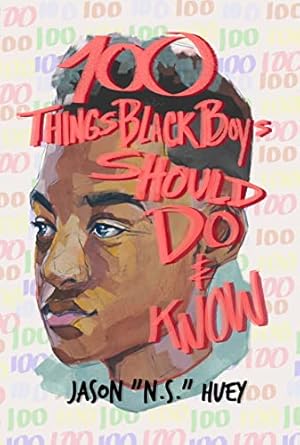
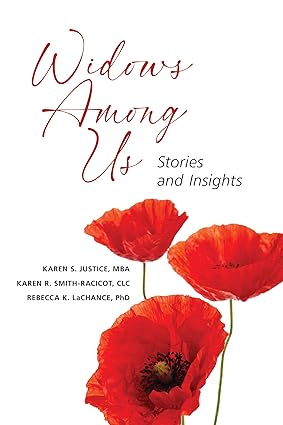
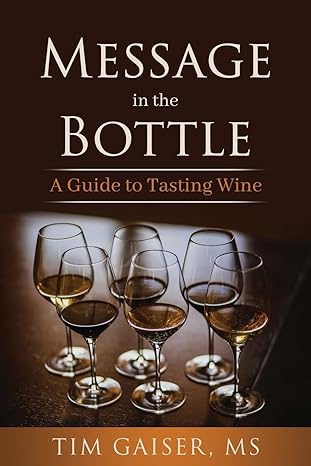

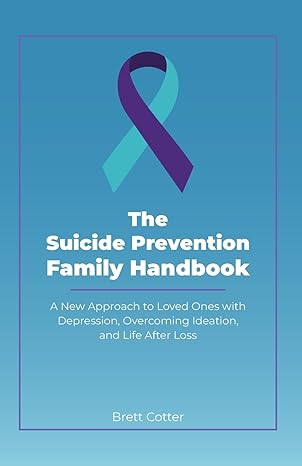

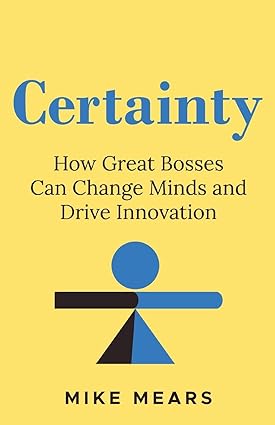
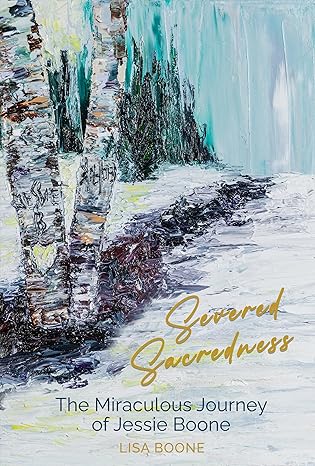
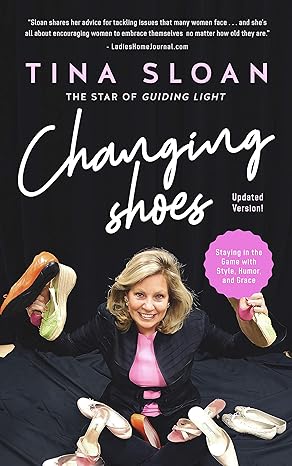
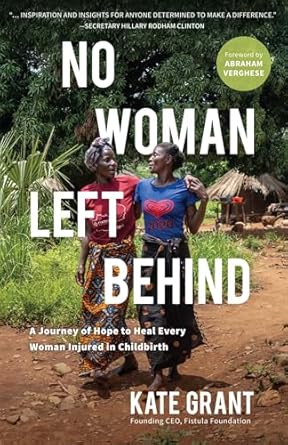










Why you should never EVER have children by DJ Dean
Visit the Literary Titan Book Awards page to see award information.
Literary Titan Silver Book Award
Celebrating the brilliance of outstanding authors who have captivated us with their skillful prose, engaging narratives, and compelling real and imagined characters. We recognize books that stand out for their innovative storytelling and insightful exploration of truth and fiction. Join us in honoring the dedication and skill of these remarkable authors as we celebrate the diverse and rich worlds they’ve brought to life, whether through the realm of imagination or the lens of reality.
Award Recipients








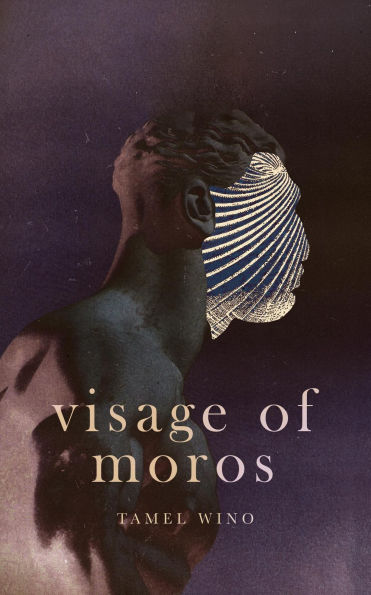


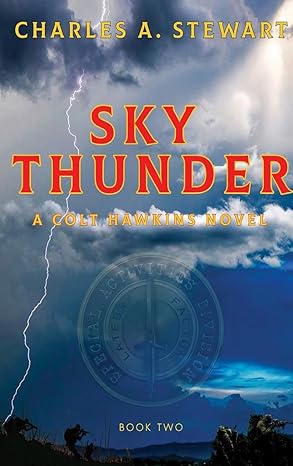
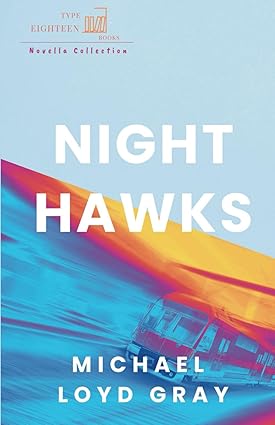



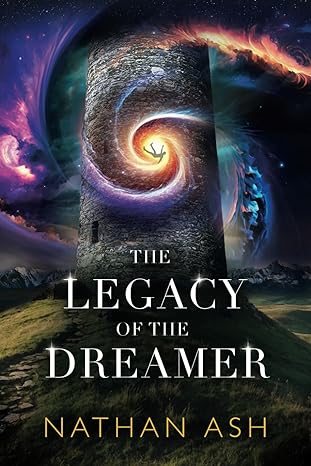




Visit the Literary Titan Book Awards page to see award information.
Steel Soldier: Guadalcanal Odyssey
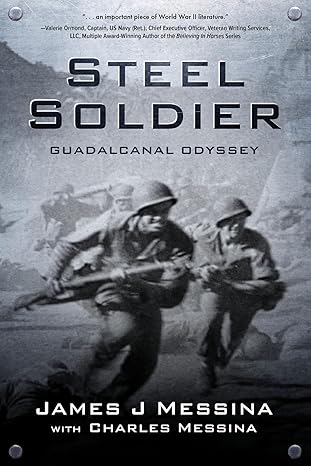

Steel Soldier is a deeply personal memoir of James J. Messina, a young Marine from a steel town in Pennsylvania, who found himself swept into one of the fiercest battles of World War II: Guadalcanal. Told in vivid vignettes and brought to life with images and hand-drawn illustrations, Messina’s account captures not just the brutality of war, but the camaraderie, innocence, and gritty determination that defined the “Greatest Generation.” Coauthored by his son Chuck, the book is both a labor of love and a preservation of living history.
What struck me right away was the honesty in the writing. Messina’s voice doesn’t dress things up, he tells it like it was. That first chapter, where he recounts his decision to join the Marines instead of going back to the wire mill, felt raw and real. His disappointment at being turned away by the Navy and then stumbling into the Marine Corps recruiting office by chance shows how much of life, even in wartime, is decided by the smallest twists of fate. And when he writes about his father’s reluctant blessing, I felt a tug in my chest. The emotion’s all there, simple and direct.
The battle scenes are gripping, not because they’re loaded with military jargon or dramatic flair, but because of how plainly they’re told. In Chapter 8, “Battle of Little Tokyo,” there’s a moment when he describes a fellow Marine getting shell-shocked. It’s just a few sentences, no fanfare, but it hit me like a punch to the gut. You can feel the fear, the exhaustion, the surreal nature of it all. And yet, even in those moments, Messina manages to hold on to humanity. There’s a scene in “The Banana Caper” (Chapter 12) where he and a few others sneak some bananas during a brief lull in fighting. It’s almost funny—boys being boys—but it’s also a sharp contrast to the chaos around them. Those little pockets of normalcy are what make this story unforgettable.
I also enjoyed the illustrations. They’re full of heart. And Chuck’s dedication to preserving his father’s story, especially after the heartbreaking loss of the second volume to water damage, adds another layer of emotion. His note about finding his father’s book collection in the attic made me tear up. You get the sense that this wasn’t just a project, it was a promise.
Steel Soldier isn’t just for military history buffs or fans of war memoirs. It’s for anyone who values truth, grit, and the strength of everyday people. This isn’t a sweeping epic or a tactical breakdown of battles, it’s one man’s truth, told without pretense. I’d recommend it to readers who want to understand what war really feels like, not from a general’s view, but from the boots on the ground.
Pages: 372 | ASIN : B0C96LP71N

You Are NOT Alone

Wilderness Woman: A Triumphant Spirit is a raw and deeply personal memoir that traces your journey from a childhood filled with abuse and neglect to a life of resilience, healing, and faith. Why was this an important book for you to write?
My life’s true story has been an amazing journey to reflect on my past and see how far I have come through it all. I had been sitting on this manuscript for 30 years – I’ve seen and heard other people’s struggles of their lives SO I was inspired to get started to complete my book and get it published.
What was the most challenging part of writing your memoir and what was the most rewarding?
In the early days of working to find a publisher, I ran into con artists who took my money but I reported them to the fraud department at my bank. I got my money back. I checked out the next publisher with the Better Business Bureau.
Working with my new honest publisher was a hard task on my part. Going back into time and revisiting the old wounds of abuse was NOT good BUT I was determined to press on to complete my book and publish it!
One of the most rewarding results was to have a dear friend who read my book…She mentioned she too had abuses in her young life. She underlined the areas in yellow-highlight and shared the book with her new husband, who then would be able to relate to her wounded life.
What were some ideas that were important for you to share in my book?
“As I grew older, an att teacher, a piano teacher, a large loving family in the country and others who loved, and supported me helped me realize that I deserved happiness. My relationship with my horses – the chapter on “Healing with Horses” Equine Therapy it’s called nowadays! They saved my life!!! I encourage others to look back and see how others helped in their lives!
What do you hope is one thing readers take away from your story?
They are NOT ALONE!! It takes courage in ourselves to reach out for help! Get in a support group, go to meetings, just listen to others share and you will have the courage to share your heartfelt memories. It’s hard to trust BUT take your time and YOU’LL be able to relate to others!
Author Website
The summer of 1945…the Kansas City Star newspaper would have read like this: “The Division of Family Services reports…A young female child whose identity remains anonymous. She was rescued from her grandparent’s house. The mother and father are also being investigated by the authorities. The grandparents volunteered to watch the new baby girl. Her mother was a beauty operator down the street.”
“Diane” knew the daily drill. Each morning, her grandparents greeted her eagerly with evil warm smiles. The trap was set–the lower cabinet file drawer, which was at her eye level. She pulled the drawer out slowly and struggled to lift the heavy box out onto the floor. She sat cross-legged, enticed by the shiny eye-catching trinkets. She had not eaten breakfast. Her thoughts of the yummy chocolate-covered cherries would be good for her tummy.
The best of all was a warm wiggly reddish-brown puppy. This experience lasted day after day, week after week, and year after year. We ask ourselves how could this happen? Why? It’s called insanity, which can’t be explained.
The Lord brought a loving family into her young life. God’s creation along with her love for horses healed her childhood wounds and continues to heal her adult scars.
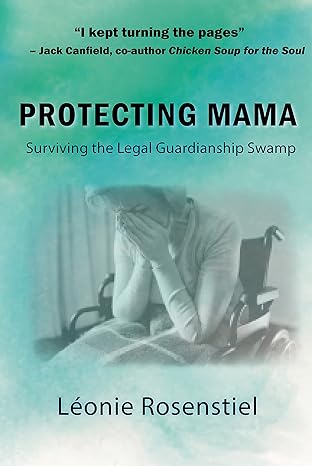
Protecting Mama: Surviving the Legal Guardianship Swamp
Protecting Mama is an intense, deeply personal, and often shocking memoir that dives into the murky, bureaucratic, and, at times, sinister world of legal guardianship in the United States. Author Léonie Rosenstiel shares the painful saga of her mother’s entanglement in a guardianship system that seems more interested in control and profit than care or dignity. Backed by over 40,000 pages of legal documentation and her own relentless determination, Rosenstiel walks us through years of institutional deception, family secrets, courtroom manipulation, and the emotional toll of fighting a system that feels rigged from the start.
What really gripped me was the raw, unfiltered way Rosenstiel lays out her story. This isn’t some detached legal analysis. It’s deeply human, almost unbearably so at times. The moment she describes how her mother’s guardian removed her beloved Egyptian bark paintings replacing them with photos of her abusers, that broke me. It wasn’t just a decorating choice; it was a cruel erasure of identity and comfort. Rosenstiel doesn’t just tell us what happened, she makes us feel the outrage, the helplessness, the absurdity of a system that hands so much unchecked power to total strangers. Her writing isn’t flashy or polished to a high literary shine. It’s straightforward, emotional, and piercingly honest. I wouldn’t want it any other way.
Rosenstiel also has a sharp, sarcastic edge that I really appreciated. When she fact-checks a New Mexico bureaucrat who claimed almost no one complains about the guardianship system, Rosenstiel does a quick Google search and finds millions of hits for “guardianship abuse.” That’s the kind of mic-drop moment that makes this book more than a personal story; it becomes a wake-up call. She’s done her homework, and she’s not afraid to take aim at judges, attorneys, and “professional guardians” who profit off of the vulnerable. I admired her restraint, too she never veers into conspiracy theory territory. She sticks to what she can prove, and she can prove a lot.
At the same time, this book isn’t just about a broken system, it’s about a family and all the messy, unresolved history that comes with it. I was struck by the honesty with which Rosenstiel reflects on her mother’s past and her own role in trying to untangle decades of secrecy and trauma. You can feel how desperate she was to find any way to help. That level of emotional vulnerability, combined with the bureaucratic horror show she was navigating, made this a uniquely powerful read.
Protecting Mama is a gut punch of a book. It’s not light reading, but it’s important. If you have aging parents, or if you work in law, healthcare, or elder care, this book should be required. It’s a warning, a protest, and a love letter all rolled into one. Rosenstiel pulls back the curtain on a system that thrives in secrecy and shows us why silence is not an option. For those willing to face the uncomfortable truth, Protecting Mama delivers it with fierce honesty and heartbreaking clarity.
Pages: 481 | ASIN : B09MV3XMMB
Immense Gratitude

In Mommy’s Boy, you share with readers the immense comfort you found in your rescue dog throughout your most trying times. What inspired you to share your story with readers?
I initially began just jotting down memories of Benny so I wouldn’t forget them as time passed. But after a while, a theme emerged that not only was Benny my doggie soulmate and like the child I could never have, but he also helped ease my anxiety and shyness around new people so I could just be myself. And in that way, among others, he literally changed my life, so I wanted others to know the incredible impact a pet can have on a person’s life.
I appreciated the candid nature with which you told your story. What was the hardest thing for you to write about?
The most difficult thing for me to write about was the day Benny passed away and the grieving process that followed. For the most part, reliving Benny’s younger years was an enjoyable trip down memory lane that made me smile and even laugh during a time when I was still crying every day over losing him. However, when I wrote about his passing, not only was I retraumatized all over again, but it was difficult to put into words all the emotions I was feeling: heart-wrenching sadness and grief coupled with immense gratitude that I got to be his mommy; guilt; second-guessing my decisions; anger that we didn’t get more time with him, and just missing every single thing about him. But at the same time, expressing all those emotions–both physically and “on paper”–was very therapeutic.
What is a common misconception you believe many people have about adopting a pet?
My experience has mostly been with dogs, so my answer mainly applies to them. First, you can’t go into it thinking that a pet is going to seamlessly fit into your home. There will be a learning curve and it will likely change how you live your life. You need to commit to giving them the proper attention they deserve on a daily basis. Unlike cats, dogs need to go outside to potty and need fresh air and exercise, some breeds more than others, of course. Owners also need to carve out some time each day to play with and snuggle with their pet, help it socialize with other dogs, and teach it good manners. Unlike cats, which can be more independent and solitary, dogs are pack animals and your family will be its pack.
What is one thing you hope readers take away from your experience and Benny’s story?
The most important thing I’d like readers to realize–which is a big reason why I wrote Mommy’s Boy–is the profound impact a pet can have on one’s life, particularly those dealing with shyness, anxiety, sadness, loneliness, even depression. It wasn’t until after I adopted Benny that I realized how sad and lonely I’d been for such a long time–so long that it had simply become a way of life for me. It was like I’d been sitting alone in a dark room for years, and when Benny came into my life, suddenly my world was filled with light and my heart overflowed with love. In the book, I say: “He ignited a spark in my heart that had been dormant for years, and he brought so much light into my life that I felt like I was Dorothy Gale, stepping from the black-and-white of Kansas into the vibrant technicolor world of Oz.” That’s exactly what the unconditional love of a pet can do for a person. And there are SO many dogs and cats out there in need of a good, loving home, so I hope the story of Benny and me encourages others to rescue a pet.
Author Links: GoodReads | Facebook | Website | Instagram | Amazon
LOVE WAS WAITING AT THE SHELTER, NOT ON MATCH.COM
Jennifer has always dreamed of getting married and having children, but after dealing with men who can’t commit, she shifts her focus from meeting the man of her dreams to finding her four-legged soulmate.
When Jennifer meets Benny, she knows instantly that he’s “the one.” He wiggles his way into her heart and takes up permanent residence. Despite his angelic face and calm demeanor, Benny harbors a mischievous side. He steals any food that isn’t nailed down, nearly breaks his neck chasing squirrels, and suffers from chronic allergies, separation anxiety, and a Napoleon complex. He also eases Jennifer’s “baby fever,” becomes the spokesdog of her business, and is her constant companion as they face life-altering changes and challenges. But when Benny faces a life-threatening illness, Jennifer must come to terms with the reality that our time with our fur babies is limited.
Told with loving affection and raw emotion, Mommy’s Boy is the true story of two lost souls who find the unconditional love, companionship, and emotional support they need, in the process forging a profound bond as deep as a mother and her child. It’s a tender and heartfelt tribute to a special little guy who was more than “just a dog,” he was family.
The Break: Rediscovering Our Inner Knowing
The Break is a raw and soul-baring memoir about the unraveling of a marriage caught in the quiet storm of high-functioning alcoholism and the slow rebirth of a woman learning to trust her own voice. Brandee Melcher takes readers on an intimate, winding journey through love, codependency, addiction, motherhood, and self-liberation. The book is structured in short, potent chapters that trace the trajectory of her life — from a childhood shaped by domestic violence to a marriage strained by denial and rules designed to fix what couldn’t be fixed. With startling honesty, Melcher offers readers not a step-by-step how-to, but a companion in the dark. This is a book about listening to the gut, especially when the heart wants to pretend everything is fine.
I enjoyed Melcher’s writing. I liked how sharp and tender it is all at once. She doesn’t hide from the uncomfortable. She walks right into it, like in Chapter 7, “The Long Ending,” where she describes the heartbreak of discovering that her husband had lied about drinking. Her rage, disbelief, and exhaustion are palpable. And yet, she never lets herself or the reader off easy. She owns her part, too — the enabling, the rationalizing, the excuses, the countless “rules” in Chapter 4 that were made and broken. There’s no polish here. No clean endings. Just someone standing in the ruins of what she thought marriage should be, slowly sweeping up the truth. I felt her weariness. I felt her clarity when she says, “It became too much to keep up with… and I was tired of the discussions.” That kind of fatigue isn’t just emotional — it’s physical. And she writes it like it is.
And then there’s the bravery — not just in leaving, but in staying so long and still trying. In Chapter 10, “Soul Break,” Melcher recounts the moment her partner admitted he drank simply because “he wanted to.” There’s no villain here, only a man in pain and a woman who couldn’t carry both of their stories anymore. I admired how she didn’t demonize him. She held grief in one hand and compassion in the other. And in doing that, she gave readers permission to feel both at once, too. Melcher’s ability to distill big, messy truths into plainspoken sentences is one of her greatest strengths.
This isn’t a book for people looking for easy answers or perfect closure. But if you’ve ever doubted your own instincts, if you’ve stayed too long, if you’ve bargained your way through a relationship thinking “at least he doesn’t…” — then The Break will feel like a mirror and a lifeline. I’d recommend this book to anyone healing from emotional exhaustion, codependency, or the quiet heartbreak of unspoken truths. Especially women. Especially mothers. Melcher’s voice is a steady hand on the shoulder — one that says, “You’re not crazy. And you’re not alone.”
Pages: 83 | ASIN : B0CH94Q63N
Wilderness Woman…A Triumphant Spirit


Diane Young’s Wilderness Woman: A Triumphant Spirit is a raw and deeply personal memoir that traces her journey from a childhood filled with abuse and neglect to a life of resilience, healing, and faith. Young pulls no punches in recounting the horrors of her past, offering a searingly honest depiction of what it means to survive trauma. Yet, this isn’t just a tale of suffering—it’s about hope, perseverance, and, ultimately, breaking the cycle of abuse to create a brighter future.
What stands out most about this book is Young’s ability to bring her memories to life with striking clarity. The opening chapters are almost too painful to read at times. The scene where she is locked in a bathroom with baby chicks while her caregivers abandon her for hours is particularly gut-wrenching. These moments are not just shocking; they are viscerally felt, forcing the reader to sit with the weight of her experience.
Despite the darkness, Young’s love for nature emerges as a powerful motif. Her connection to the outdoors—whether it’s the comfort of fresh air, the steady presence of horses, or the escape she finds in the simple beauty of wildlife—acts as a lifeline. The chapter “Horses and Healing” is especially poignant. When she describes the sensation of sitting atop Ribbon, a strong black horse, for the first time, there’s a sense of liberation that leaps off the page. It’s one of the few times in the book where Young describes feeling powerful and at peace, and it’s a testament to the way nature can provide solace in the midst of chaos.
The writing itself is straightforward, almost unfiltered, which makes it feel like you’re sitting across from Young, listening to her tell her story firsthand. This rawness is both a strength and a challenge. At times, the bluntness of the prose makes the horror of her experiences even more stark. There are moments where I wished for more breathing room—more reflection between the heavy blows of trauma—but perhaps that’s part of the point. Life doesn’t always give us space to process pain before throwing more our way.
Wilderness Woman: A Triumphant Spirit is a story of survival in its purest form. It is not a polished, neatly packaged tale with a perfect resolution—because real healing doesn’t work that way. Instead, it’s a testament to strength, faith, and the ability to carve out a new path despite a painful past. I would recommend this book to anyone who has endured trauma, those who work with survivors, and readers who appreciate memoirs that tell the truth, no matter how difficult.
Pages: 140 | ASIN : B0DB2K3TY6



 LITERARY TITAN