Blog Archives
Literary Titan Book Award: Nonfiction

The Literary Titan Book Award recognizes outstanding nonfiction books that demonstrate exceptional quality in writing, research, and presentation. This award is dedicated to authors who excel in creating informative, enlightening, and engaging works that offer valuable insights. Recipients of this award are commended for their ability to transform complex topics into accessible and compelling narratives that captivate readers and enhance our understanding.
Award Recipients
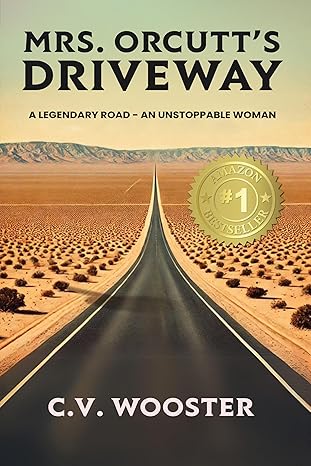
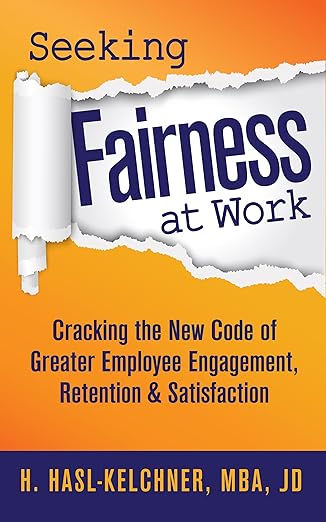


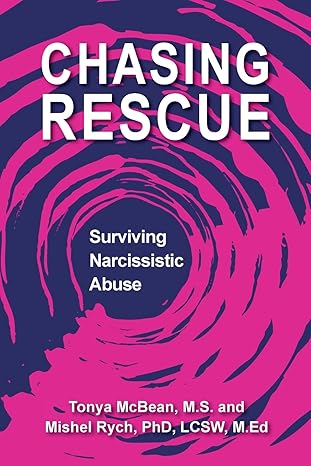
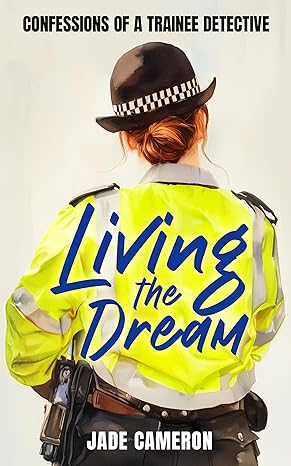

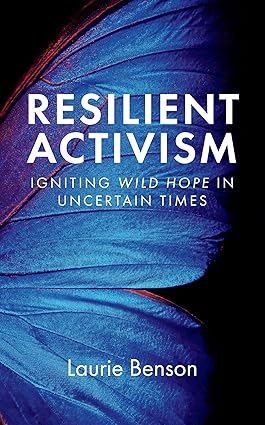

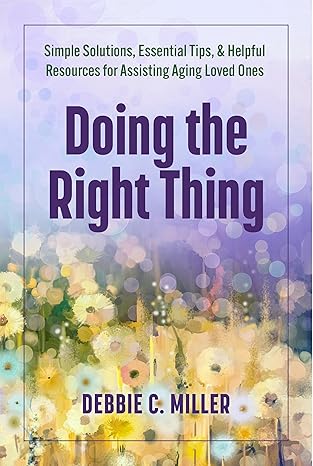
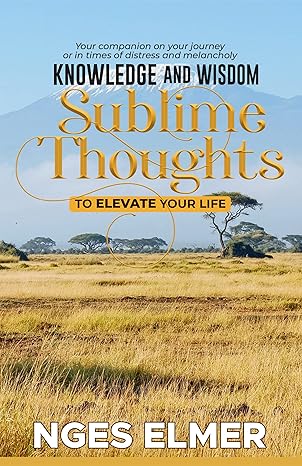


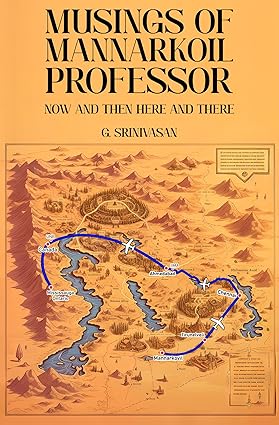





Visit the Literary Titan Book Awards page to see award information.
Literary Titan Silver Book Award
Celebrating the brilliance of outstanding authors who have captivated us with their skillful prose, engaging narratives, and compelling real and imagined characters. We recognize books that stand out for their innovative storytelling and insightful exploration of truth and fiction. Join us in honoring the dedication and skill of these remarkable authors as we celebrate the diverse and rich worlds they’ve brought to life, whether through the realm of imagination or the lens of reality.
Award Recipients
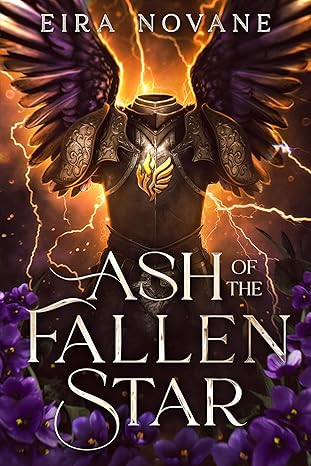


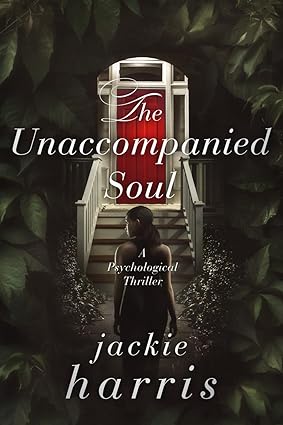
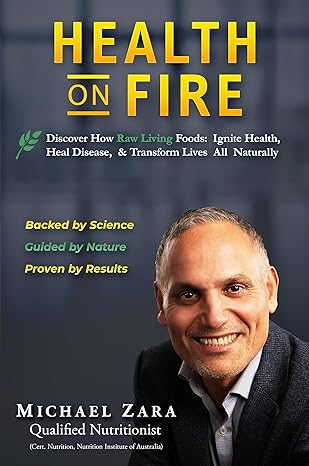
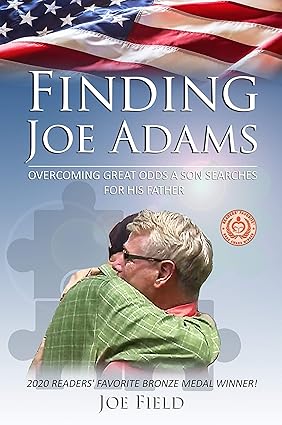














The Adventures of Mrs. Hats: The Mayan Headdress by Christopher Corbett
Visit the Literary Titan Book Awards page to see award information.
Coming of Age in Retirement: An Advertising Executive’s Story of Revelation and Enlightenment
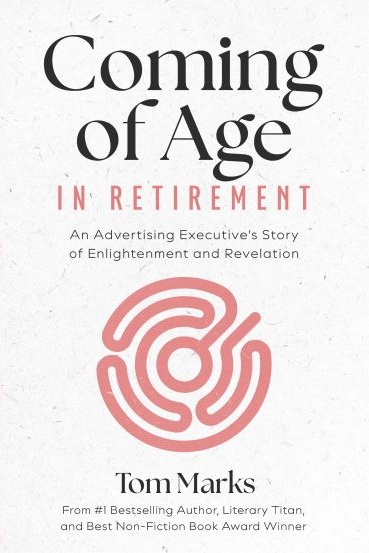

Tom Marks’s Coming of Age in Retirement is a funny, thoughtful, and eye-opening memoir-meets-social-commentary about stepping away from a high-powered advertising career and fumbling through the uncertain terrain of retirement. In the first half, Marks digs into the historical and cultural origins of retirement, exposing how our modern view of “the golden years” was shaped more by ad campaigns, policy quirks, and economic conditions than by personal reflection or purpose. The second half is deeply personal, as he recounts his own missteps and lessons while transitioning from agency life into something more grounded, honest, and, eventually, peaceful. What starts as a search for what to do in retirement becomes a much deeper look into how to be.
Reading this book felt like sitting across from a sharp, funny, slightly grumpy friend at a diner who’s finally telling you what’s really going on. The writing flows like conversation, sometimes punchy, sometimes tender, often bouncing between sarcasm and sincerity. I liked that Marks wasn’t trying to be a guru. He admits he got it wrong. He planned financially but never thought about the emotional tailspin that can come from losing your title, your schedule, your identity. He makes fun of his own cluelessness while unpacking how the advertising industry (his industry) has long sold seniors a glossy, unrealistic dream. He doesn’t offer rules or routines; instead, he gives raw, reflective stories. And honestly, I felt seen in them.
What stood out most was Marks’s willingness to be messy. He doesn’t tie things up in a bow. He talks about therapy. About shame. About trying too hard and letting go. And while some parts wandered a bit, especially in the sections about industry history, they always led back to something meaningful. His writing style zigzags, like a curious mind darting between memories, jokes, and gut-punch insights. I appreciated that. It made it feel real. Like a person actually figuring life out, not just repackaging answers.
If you’re near retirement, newly retired, or even just burned out and wondering what’s next, this book will resonate with you. I’d especially recommend it to overachievers, late-career professionals, and anyone secretly dreading what happens after the job ends. This isn’t a how-to. It’s not about finances or hobbies. It’s about getting honest with yourself. About reckoning with who you’ve been, who you might become, and what really matters in the time you have left. For me, it was both a reality check and a relief.
Pages: 264 | ISBN : 979-8-992506-6-8
Winning is Not Always Winning
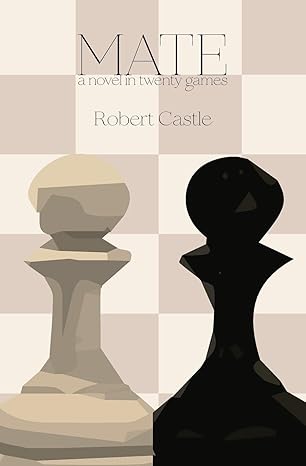
MATE takes a unique look at marriage through the lens of a chess match in which each phase of the relationship is examined with play-by-play commentary. Why was this an important book for you to write?
This was my first and, probably will be, my only, relationship book. The challenges were many. I had to restrain myself from judging the couple’s actions. Since “the game” happens on a subconscious level, I didn’t want their behaviors to be extreme. The book revels in making the everyday, seemingly insignificant things said and done to be monumental and epochal. Only they don’t know it. Hence, the use of the commentator, who may get a tad overwrought in the interpretation and importance of their actions. Also, I had to purge myself of caring who was the winner in “the game”. The commentator addresses this early on. Winning may be not be really winning. Winning a game may actually be detrimental, but the players will never see why.
How did your idea to use the chess metaphor evolve as you planned and wrote this book?
I started with the Chess scheme. It had been on my mind for many years. The chess/marriage idea seemed natural. “War” might be extreme. You could call it battles. The conflict and friction that I dwell on was probably influenced my reading the work of R. D. Laing in the 1970s. His book Sanity, Madness, and The Family had an impact on me.
What do you find is the most difficult aspect of writing about relationships?
The most difficult part was trying not to forget to include the many aspects and perspectives on their relationship. Each other, the kids, the friends, parents, the in-laws, not mention the other innumerable sources of conflict. Ultimately, it took a long time to write the book because of the nature of the narrative. There were few opportunities to elaborate on the details of their conflicts except for the times the commentator rhapsodized about certain episodes and the games that were summarized and did not advance move by move.
What is one thing you hope readers take away from MATE?
Because MATE took a long time to write, causing me to think too much about different ways to engage the reader. Two examples: One, leave some blank pages after a chapter and have the reader rewrite how he or she would have the chapter on the children or the living arrangements would go. Second, at the end of the novel, leave eight to ten pages and have the readers write the “game” of their own marriage – it would be interesting to compare the woman’s to the man’s version.
Author Links: GoodReads | Website | Facebook | Amazon
Breaking Free from the Inner Critic: The Underlying Cause of All Addictions & Social Problems
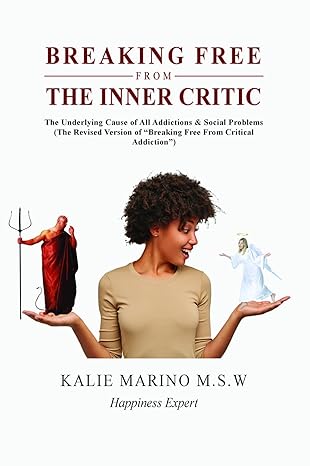

In Breaking Free from the Inner Critic: The Underlying Cause of All Addictions & Social Problems, Kalie Marino takes readers on a thoughtful and personal journey to identify, understand, and heal the pervasive habit of self-criticism. Drawing on her experiences as a therapist and minister, she offers practical tools and fresh insight into the toxic effects of what she calls “critical addiction.” The book begins by outlining how this inner critic is formed through childhood programming and trauma. It then explains how criticism seeps into every layer of society, from families to workplaces to politics, and contributes to suffering, illness, and social unrest. Marino offers not only a diagnosis of this hidden epidemic but also a cure: a shift in identity through self-awareness, appreciation, and clarity of purpose. Her “Four Steps to Freedom” serves as a foundation for meaningful, lasting transformation.
Marino’s voice is honest and compassionate. She doesn’t just spout theory, she lays bare her own struggles with criticism and explains how even well-meaning efforts to suppress it can backfire. One thing that really struck me was her story about trying to stop being critical and ending up in a downward spiral of being critical about being critical. It was funny and painfully real. That moment made me feel seen. I appreciated her ability to take complex ideas and break them into clear, digestible pieces. There’s no preachy tone, no academic coldness, just warmth, truth, and practical help.
A few analogies felt stretched or repeated. But despite that, the overall message hit home. Her framing of criticism as an actual addiction, complete with symptoms and social reinforcement, gave me a new lens through which to see my own habits and the negativity around me. I found myself nodding often, recognizing how criticism not only harms individuals but poisons culture at large. Her blend of psychological insight and spiritual depth adds weight to her message without feeling heavy-handed.
This book is ideal for anyone feeling stuck in cycles of self-doubt, guilt, perfectionism, or emotional fatigue. Therapists, educators, and spiritual seekers will find rich material here, as will anyone wanting a more peaceful relationship with themselves and others. Marino’s writing invites reflection, not just reaction. I’d recommend it most to people who are tired of white-knuckling their way through life and want a more loving, sustainable way to grow. Breaking Free from the Inner Critic doesn’t offer a magic fix, but it does offer something better: hope grounded in practice.
Pages: 169 | ASIN : B0DVK5WHCL

Nurse Dorothea® presents Managing Anger Instead of Letting Anger Manage You
Michael Dow’s Managing Anger Instead of Letting Anger Manage You is a conversational, interactive guide on understanding and handling anger in everyday life. Framed through the warm and encouraging voice of a fictional nurse named Dorothea, the book reads like a group therapy session, complete with peer discussions, personal reflections, and science-backed insights. It blends storytelling, practical advice, and educational content with a focus on building emotional intelligence and community support. Across three parts, Dow takes readers on a journey through the biology of anger, its triggers, consequences, and most importantly, dozens of actionable ways to respond to it in healthier ways.
I found the book to be surprisingly heartfelt and easy to connect with. The writing is simple, perfect for children, and it also makes it feel accessible. It doesn’t get bogged down in academic jargon or heavy theory, which makes it approachable for people of all ages, especially teens or those who feel overwhelmed by dense self-help literature. The use of a classroom-style narrative, with Nurse Dorothea guiding a group of diverse students, makes the lessons stick. Their stories felt real. The emotional resonance is where the book shines most. It invites you to not just read, but to pause and reflect.
The book sometimes revisits the same ideas, especially when emphasizing similar coping strategies or restating the importance of managing anger. But maybe that’s the point. Anger doesn’t go away with one good insight, it takes practice, and a lot of the same reminders, over and over. What I appreciated most was the variety of techniques offered, from journaling and exercise to breathing, forgiveness, and goal-setting. It’s a toolbox, not a rulebook. The encouragement to try what works for you felt empowering rather than prescriptive.
This children’s book is a warm and practical guide for anyone who struggles with anger, whether that means explosive rage or the quiet, festering kind. It’s especially helpful for young adults, teachers, counselors, or parents trying to model emotional regulation. If you want something that feels like a caring voice walking beside you, offering kind, practical nudges in the right direction, this picture book fits the bill.
Pages: 281 | ASIN : B0FB1X2H7N
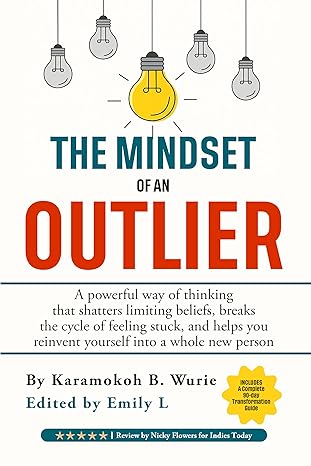
THE MINDSET OF AN OUTLIER
The Mindset of an Outlier is an intense and personal guide to inner transformation. In it, Karamokoh B. Wurie blends spiritual reflection, personal struggle, and motivational fire to offer a roadmap for reinventing your life. The book moves from philosophical musings about reality and consciousness to brutally honest advice on how to confront addiction, self-doubt, and trauma. Wurie argues that life is an illusion shaped by your thoughts, and that by shifting your mindset, you can shift your entire existence. Part spiritual manual, part no-nonsense coaching, it’s written in a voice that feels both raw and uplifting.
I was drawn to the book’s bold, no-filter tone. Wurie talks about suicidal thoughts, toxic leadership, childhood pain, and the feeling of being spiritually lost, but does so with purpose. His voice is fierce but warm. He challenges you without patronizing. Some parts felt like a sermon, others like a late-night heart-to-heart. What I appreciated most is how he fused spiritual language with everyday pain, making big ideas like “consciousness” or “parallel realities” feel accessible. His core message is about reclaiming your life from the inside out, and that’s something that resonates, regardless of belief system.
At times, some ideas were revisited, and a few concepts could have been clearer with more structure or explanation. I also found myself occasionally wanting a few more real-life examples or outside perspectives to help ground the insights being shared. But then again, this book isn’t about data or citations, it’s a battle cry from someone who’s clearly lived through a lot and wants to help others do the same. Wurie’s emotional honesty makes up for any lack of polish. His rawness is his strength.
The Mindset of an Outlier is for anyone who’s tired of being stuck, who’s questioning the story they’ve been telling themselves, or who simply needs someone to say, “You’re not broken. You’re just not done yet.” This isn’t a book for skeptics or cynics looking for clean formulas, it’s for the searchers, the strugglers, and the spiritually hungry.
Pages: 134 | ASIN : B0FJL6WYCJ
Brave Money: Build Financial Freedom, Confidence, and Wealth as a Single Mom, Without Shame, Guilt, or Fear (The Brave Rebuild Series)
Brave Money is a warm, steady-handed guide for single mothers who feel financially overwhelmed and emotionally exhausted. It’s part practical workbook, part soul-level pep talk. The book tackles money not just as a numbers game but as a deeply personal, emotional subject. Wells walks readers through fear, debt, income challenges, investing, and planning for the future, all while weaving in themes of empowerment, self-worth, and resilience. Each chapter builds with small, manageable steps, designed specifically for those who are doing it all alone and still hoping for more.
What stood out to me most was the writing itself. It’s tender but fierce, honest without ever being harsh. It doesn’t sugarcoat the reality of financial struggle, but it also never talks down. I felt like Wells was in the room with me, saying, “I know it’s hard, and I’m not going to let you give up.” The emotional honesty of the book surprised me. She gives permission to feel ashamed, scared, or behind, but never lets those feelings write the ending. I appreciated how she connected money to the heart. That’s something most financial books avoid. Wells redefines budgeting as an act of love, saving as rebellion, and wealth as something rooted in mindset long before the bank balance shows it.
Some chapters revisit the same ideas, especially when she revisits mindset themes. But honestly, even that repetition felt like it had a purpose. Sometimes you need to hear “You’re not broken” five different ways before it actually sticks. And for an audience likely drowning in both stress and self-doubt, a little extra encouragement doesn’t hurt. What might feel over-explained in another context feels like necessary care here.
I’d recommend Brave Money to any woman, single mother or not, who’s ever felt like she’s failing at money, or like she missed the class everyone else took on “how to do adulthood.” It’s not a quick-fix manual. It’s a slow burn of healing and hope. This book is for anyone who needs both a plan and a hand to hold.
Pages: 142 | ASIN: B0F9VS3JM4


 LITERARY TITAN