Blog Archives
Literary Titan Gold Book Award: Fiction

The Literary Titan Book Award honors books that exhibit exceptional storytelling and creativity. This award celebrates novelists who craft compelling narratives, create memorable characters, and weave stories that captivate readers. The recipients are writers who excel in their ability to blend imagination with literary skill, creating worlds that enchant and narratives that linger long after the final page is turned.
Award Recipients
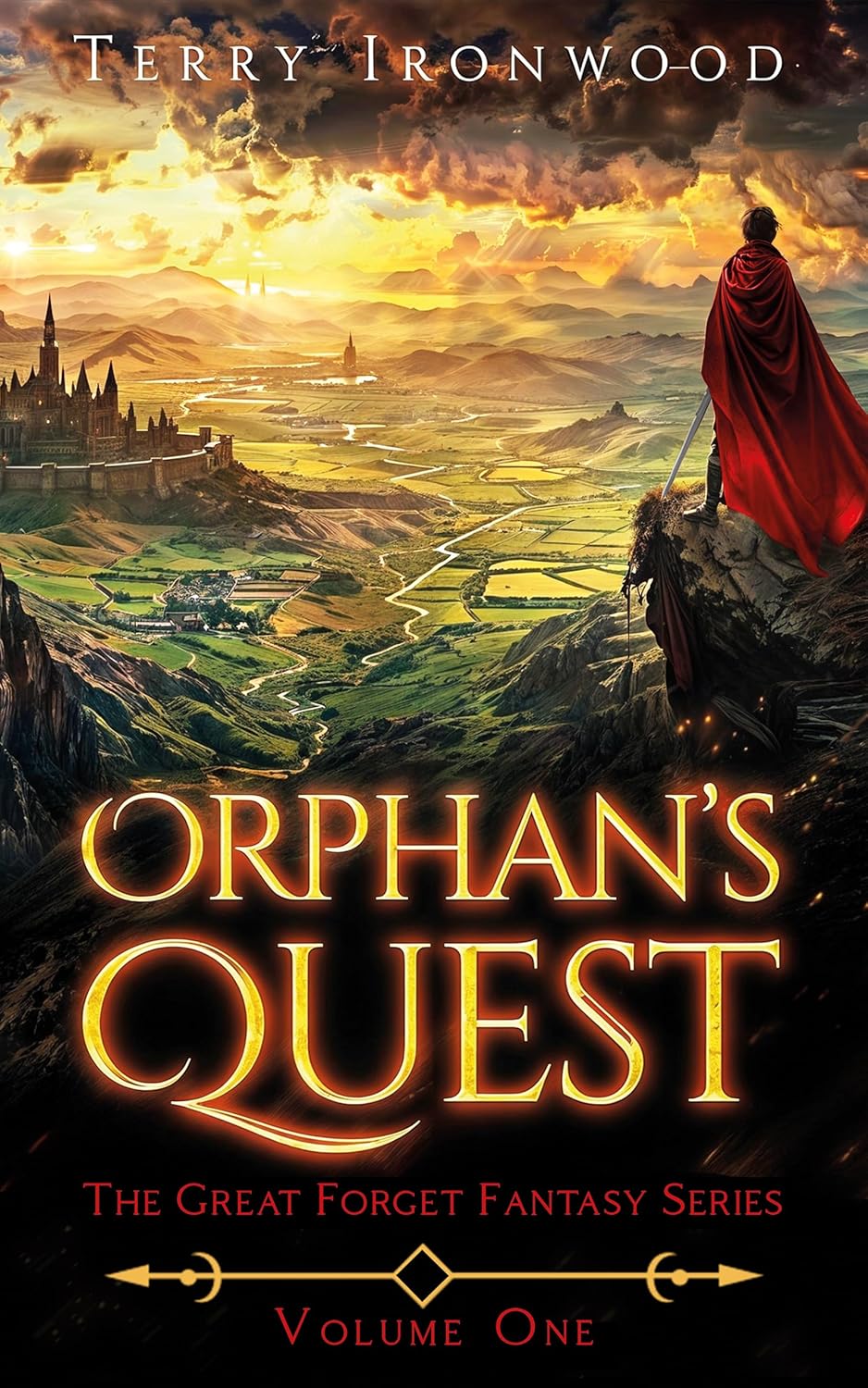
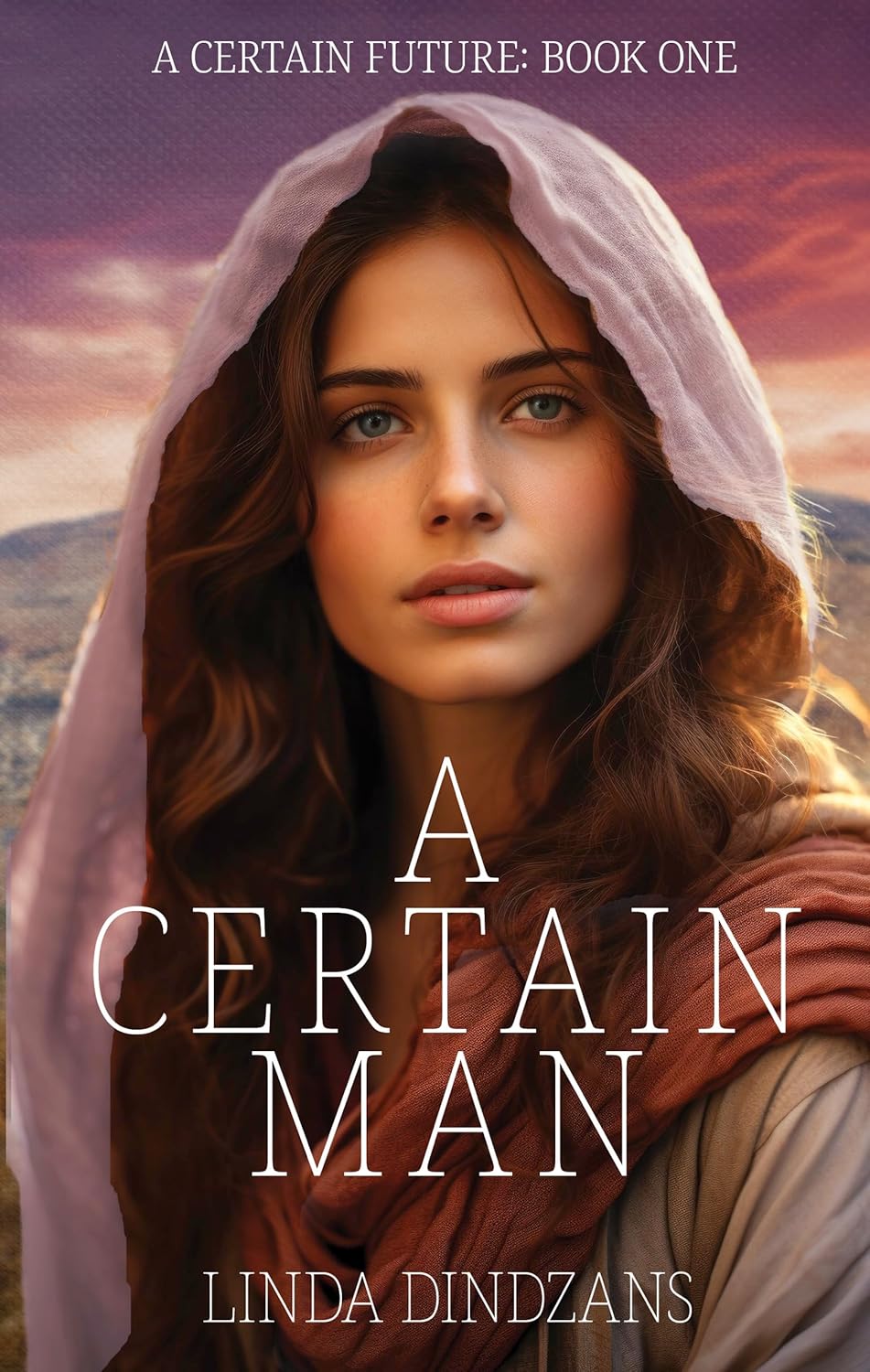
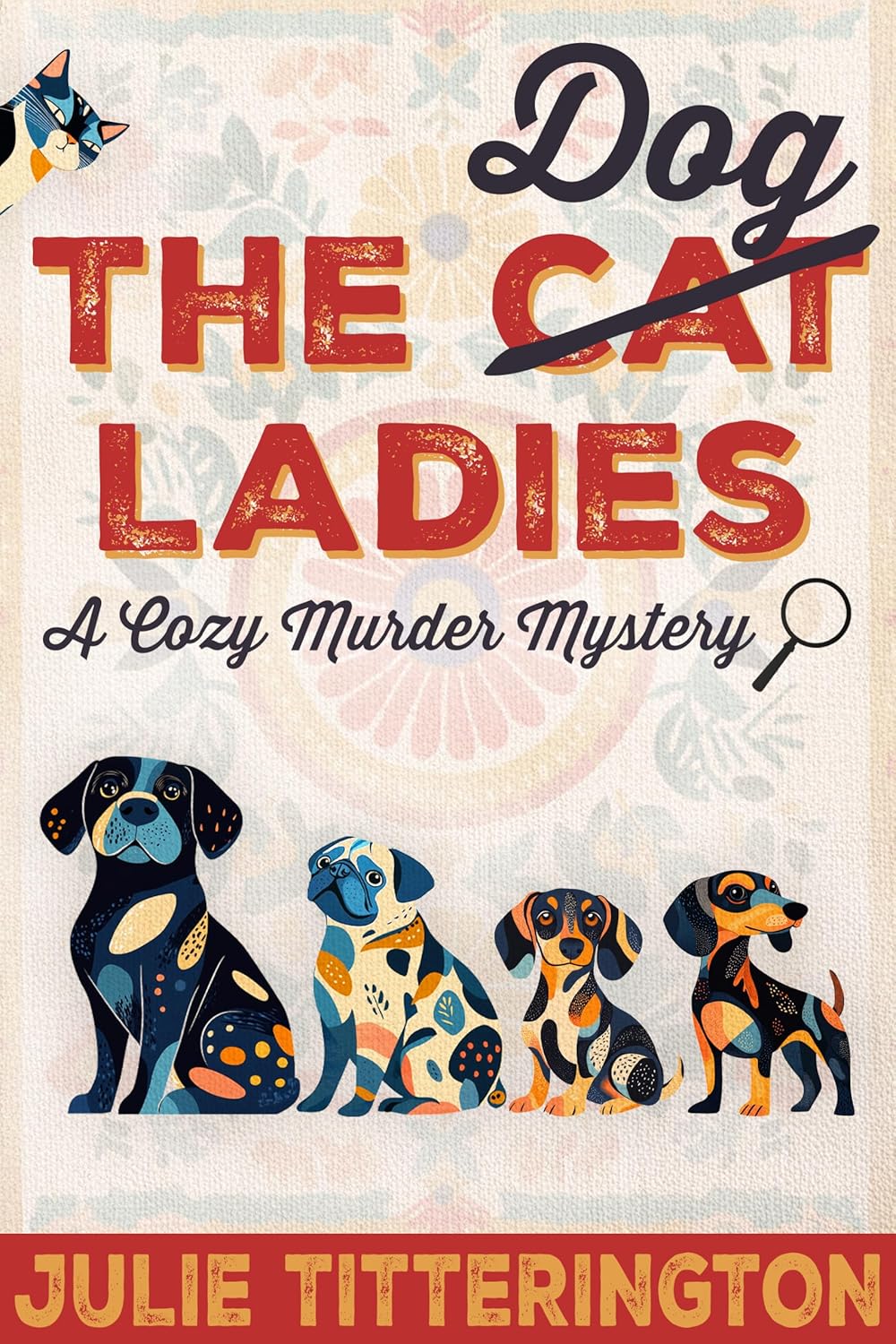

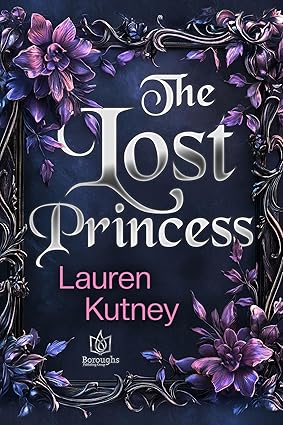
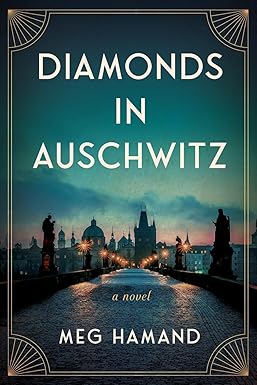
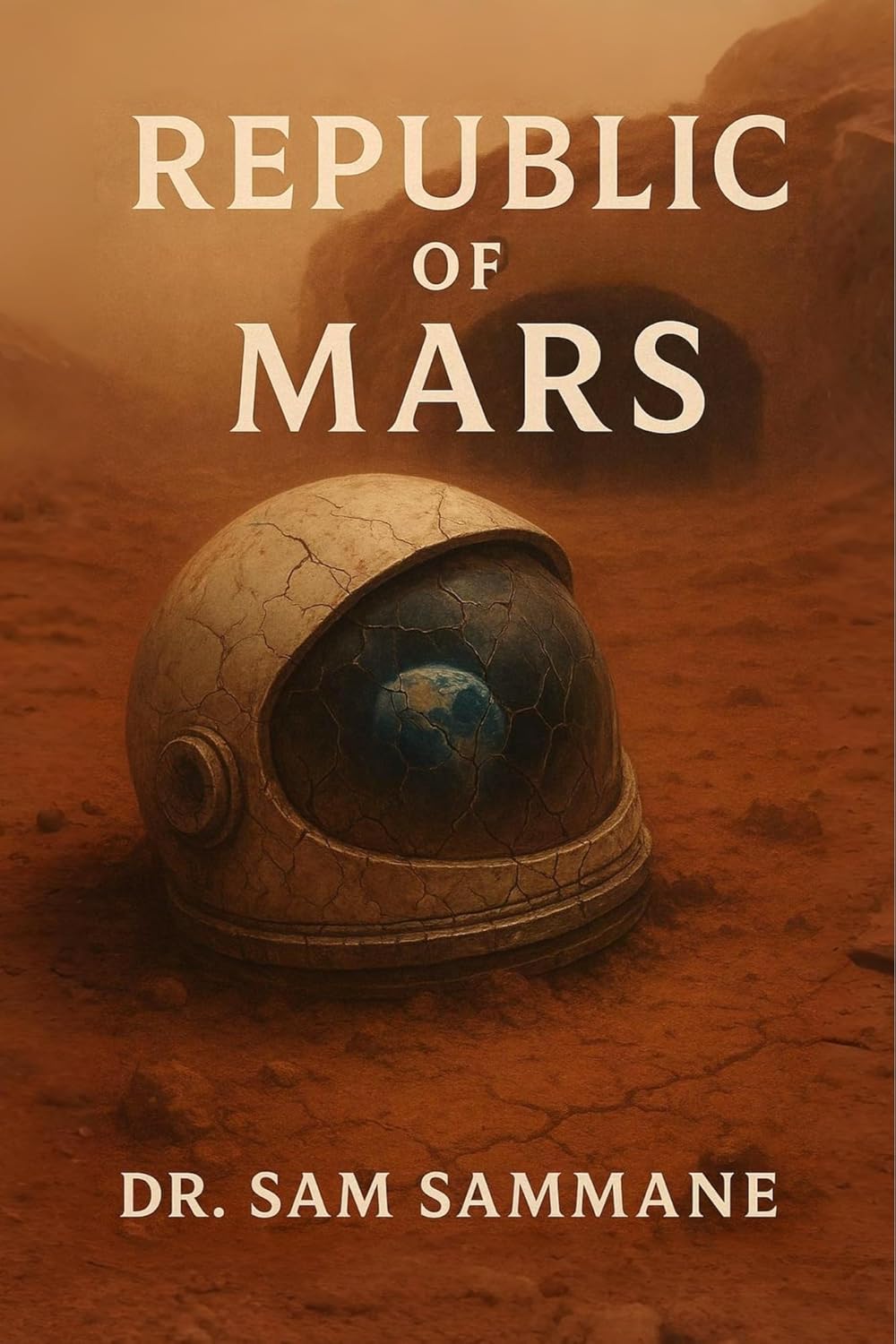


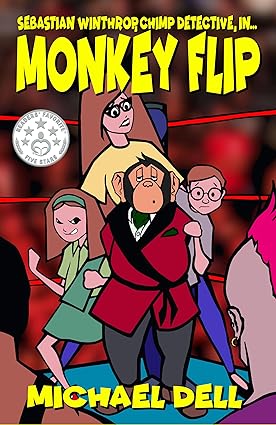



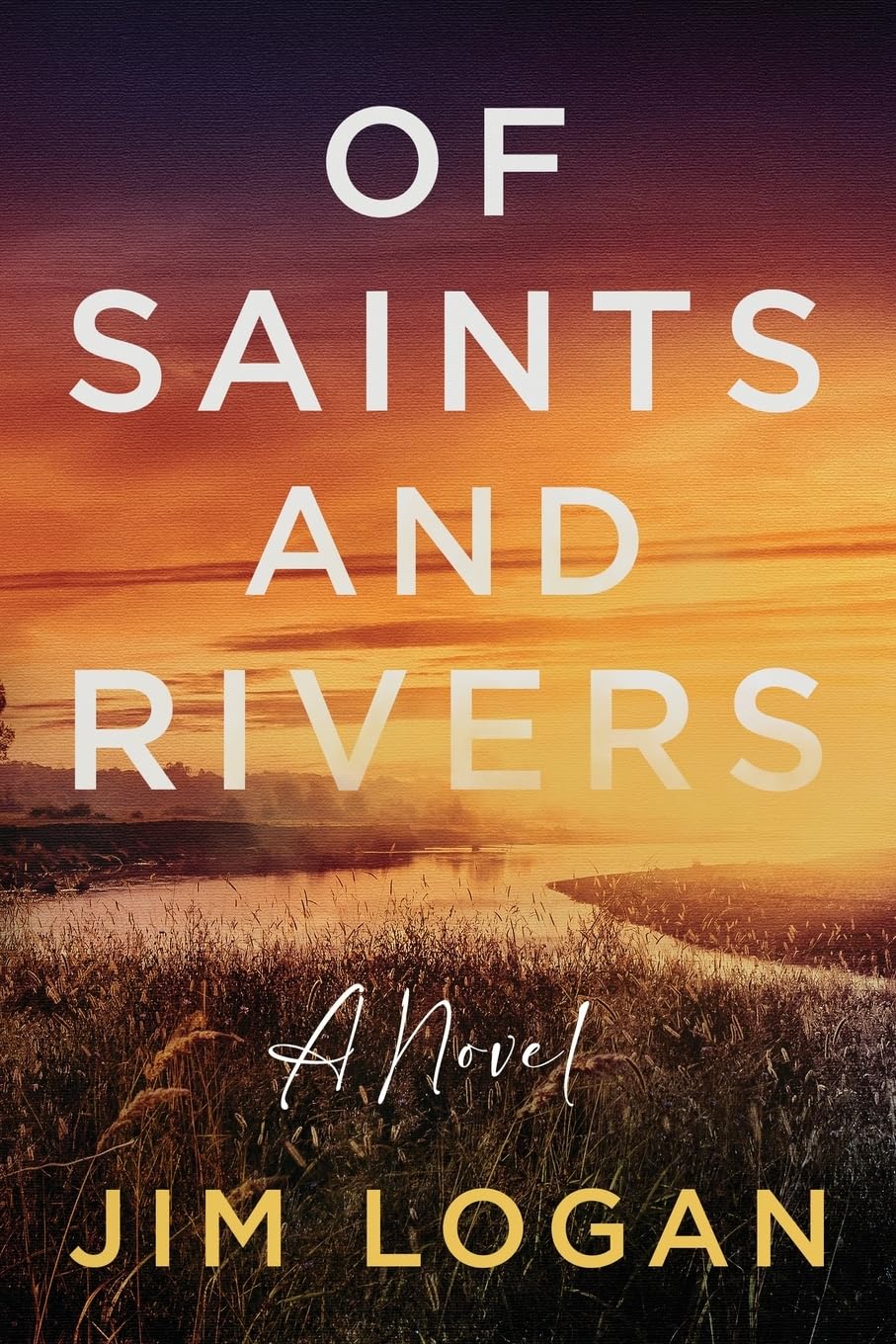
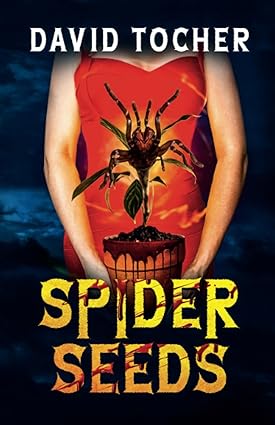
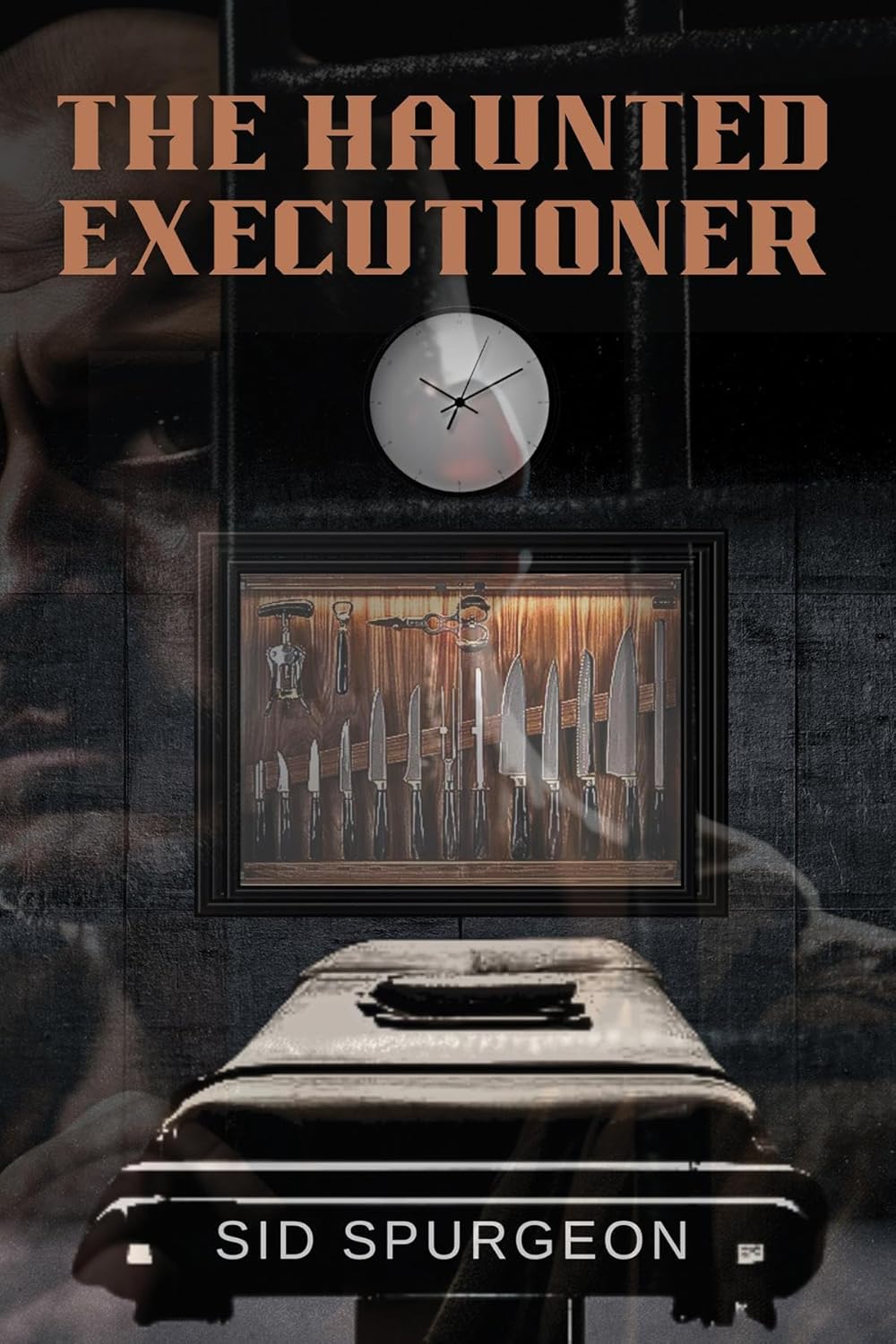





Visit the Literary Titan Book Awards page to see award information.
Literary Titan Silver Book Award
Celebrating the brilliance of outstanding authors who have captivated us with their skillful prose, engaging narratives, and compelling real and imagined characters. We recognize books that stand out for their innovative storytelling and insightful exploration of truth and fiction. Join us in honoring the dedication and skill of these remarkable authors as we celebrate the diverse and rich worlds they’ve brought to life, whether through the realm of imagination or the lens of reality.
Award Recipients




















Crimson Hearts by Susan Reed-Flores
Visit the Literary Titan Book Awards page to see award information.
Love and Connect

In Watching Sarah Rise, you share with readers your experiences parenting a daughter with special needs and the way your family embraced a child-centered approach to autism therapy. Why was this an important book for you to write?
I wanted to share my experience with the Son-Rise Program so that more parents could know about it and how transformational it can be for all involved. I also wanted to help other people (parents and non-parents) know that any and all of their feelings are ok, even the ones they might judge as being too terrible to admit to. I often receive feedback that my honesty about my experiences and feelings that I write about in my blog is helpful for others, so I’m hoping that the book is helpful in the same way and can reach a bigger audience than my blog has so far.
I appreciated the candid nature with which you told your story. What was the hardest thing for you to write about?
The hardest thing was figuring out how to share the story in a way that would make sense for others because I felt like I could write chronologically or focus around different topics. I wanted to do both at the same time, and I think I sort of managed to do so, but that was difficult and took the help of my editor and husband to make it all work. Writing about difficult experiences and my feelings wasn’t difficult. That part comes easily for me and helps me accept and understand myself and Sarah more. Every time I reread the book, I learn things from my past self about how to really love and connect well with Sarah.
What is one misconception you think many people have about parenting a child with autism?
The idea that kids with autism have trouble recognizing the emotions of others. Sarah has a keen sense of how others are feeling. She definitely knows when I am stressed or sad, or upset about anything. She will either ask me why I’m sad, listen attentively and wipe my tears away, or feed off of my stress if I’m feeling anxious. That makes for two anxious and upset people so I’m really working on how I can keep myself on more of an even keel.
What is one thing you hope readers take away from your family’s experiences?
You don’t have to know all of the answers or be a perfect parent to make a world of difference for your child.
Author Links: GoodReads | Facebook | Website | Amazon
Families who have supported a child with special needs will connect with this memoir about Sarah, a feisty girl with autism and a unique genetic blueprint. Her mom, Jenny, is equally feisty and determined, which leads her to make a commitment that dramatically changes her and Sarah’s lives—as well as those of many others.
Sarah’s early years are filled with challenges, and Jenny and her husband, Carl, try various therapies in an effort to help her. At four years old, Sarah is still nonverbal, still doesn’t use the potty, and still struggles with eating. Jenny knows she must do more. She has heard of a method developed by the Autism Treatment Center of America called The Son-Rise Program, which, through loving, supportive interaction, aims to foster social connection in people with autism. It is a huge undertaking, requiring hours of one-on-one therapeutic playtime, which means Jenny needs to find and train volunteers to make it possible. Though Jenny isn’t sure she can do it, she decides to try. She calls her program Sarah-Rise.
Accompany Jenny as Sarah’s language explodes, her eye contact intensifies, and she plays games, plays imaginatively, uses the potty, eats healthily, reads, and writes. Have your heart warmed and your socks knocked off by this momentous journey.
Watching Sarah Rise: a Journey of Thriving With Autism
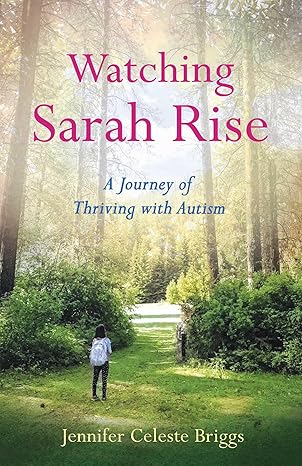

Jennifer Celeste Briggs’s memoir, Watching Sarah Rise, is a deeply personal and unflinchingly honest account of her journey in parenting a daughter with special needs. At its heart, it’s the story of a mother’s fierce love, persistent hope, and tireless effort to help her daughter Sarah grow, connect, and thrive in a world that often sees difference as deficiency. The book chronicles their family’s embrace of The Son-Rise Program, a child-centered approach to autism therapy, and how it transformed their lives. Blending storytelling with reflection, Briggs invites readers into her daily struggles and hard-won triumphs, painting a full and textured picture of both the heartbreak and the joy of parenting outside the norm.
I was moved from the very first pages. There’s a raw, grounding honesty in the way Briggs writes. She never pretends to have it all figured out. She’s vulnerable, tired, sometimes angry, sometimes thrilled, and always full of love. The writing doesn’t hide behind big words or try to be poetic; it’s just real. That’s what hit me hardest. She describes small moments with her daughter, spelling out “milkshake,” playing with candles between their toes, as if they were miracles. And you know what? They are. You start to see what she sees. Sarah’s progress becomes your progress, too. I also appreciated that Briggs doesn’t sugarcoat the toll, emotional, physical, and mental, that caregiving takes. She talks about the crying in the kitchen, the fights, the loneliness. But there’s always a thread of grit and warmth that carries you through.
What surprised me most was how inspiring the ideas in this book are, not just for parenting, but for life. The Son-Rise Program is about joining someone in their world, instead of pulling them into yours. That hit me like a brick. What if we all tried that more often, with everyone we love? I kept thinking about how much better the world would be if more of us acted with that kind of patience and respect. And it’s not just philosophy, Briggs shows how it plays out in real, messy, funny, frustrating, beautiful ways. It made me reflect on my own beliefs, my own judgments, and even how I show up for the people around me. That’s the mark of a good book: it changes how you see.
If you’re a parent, especially one raising a child with special needs, this book will speak to you like a friend who really gets it. If you’re a teacher, therapist, or anyone working with kids, it’s a reminder to lead with heart. And if you’re just someone who wants to understand more about love and growth and resilience, this book has a lot to teach. Watching Sarah Rise is not just about autism. It’s about listening. It’s about choosing to believe in possibility, even when everyone else says don’t bother. And it’s about rising, not just Sarah, but all of us.
Pages : 320 | ISBN : 978-1647428242

Ten Years of Research

Tesla’s Cottage is a beautifully woven mix of memoir, historical detective story, and tribute to Nikola Tesla’s human spirit, exploring his lesser-known years in Shoreham, Long Island, where he sought refuge and inspiration during the critical period of the Wardenclyffe project. What inspired you to share his story and its connection to you?
Too often, Nikola Tesla is seen as a strange individual who lacked human emotions. He is regarded to be a kook or even seen as an alien by some. My book focuses on Nikola Tesla as a human being: the motivations behind his work, his struggles, his warmth, his joys and happiness. It speaks to his daily life at Wardenclyffe the village where he had a lab and built his tower. Since I live in his former home there, I have a specific insight into what his life was like. I breathe the same air, see the same horizon, swim in the same water; I literally walk in his footsteps. I also have access to village lore as well as unpublished accounts written by residents who knew Tesla while he was here.
What were some ideas that were important for you to share in this book?
Tesla’s primary goal was the advancement of the human race. To this end, he invented the polyphase AC motor, wireless technology, remote control, electrotherapy applications and so, so much more. The purpose of his inventions was to achieve world peace, universal education, increased productivity, environmental sustainability, and provide abundant food to the world. Because he believed he could improve the human race in this way, he gave up everything that might be a distraction: a wife, a family, a home of his own, and personal profit.
What was the most challenging part of telling this story, and what was the most rewarding?
The most challenging aspect was probably the ten years of research that went into proving that Tesla did live in my house, discovering what his life was like, and discovering who his local friends (and enemies) were, etc. The most rewarding was coming face to face with the man, the human being behind the meme.
What is one thing that you hope readers take away from Tesla’s Cottage?
I hope that people come away with an accurate portrait of a very human person who dedicated his life for humanity. I also hope they come away with an idea that I believe Tesla would want to convey: technology is neutral. It can be used either for good or evil. Tesla believed that the only purpose of technology was to improve the human race. In today’s world, it is critical to ask if our vast technology is making us more intelligent, more compassionate, more open-minded, and safer; or, on the other hand, are we becoming intellectually lazy, more isolated, less tolerant, and more imperiled?
Author Links: GoodReads | YouTube | Website | X (Twitter) | Facebook | Amazon
Daddino set on a on a ten-year long search for answers. Was the cottage really his home? How long did he live there? What was his life like? Who were his friends, his enemies?
Daddino scours historical records and newspapers and reads Tesla’s own letters and those of his friends. Bit by bit, she pieces together the inside story of Tesla and his wonderful tower.
Alternating between past and present, the narrative wends its way through New York City during the Gilded Age, the humble beginnings of Wardenclyffe-on-Sound and the Shoreham of today to discover the man behind his inventions – his perseverance and heartbreaks, triumphs and regrets, and the quarrels and friendships history has long forgotten.
Part biography, part memoir, part detective story, Tesla’s Cottage: The Lost story of Wardenclyffe (and how it was recovered) brings Tesla to life and reveals the legacy he leaves for those of us living today.
An Exhilarating Experience
The Twelve Steps: A Modern Hero’s Journey reframes the well-known path of addiction recovery using Joseph Campbell’s hero’s journey as a guide and drawing from storytelling, Jungian psychology, and classic spiritual traditions, to map each of the Twelve Steps onto an archetypal journey from despair to renewal. What was the inspiration for the original and fascinating idea at the center of the book?
Early in my recovery, around three years of sobriety, I read Joseph Campbell’s seminal work, The Hero With A Thousand Faces. I felt like I was having a spiritual experience with each page I read. It dawned on me that what I was reading was the journey not only of the hero throughout cultures and time, but it was also the direct experience I was having working the Twelve Step program of recovery. I was on my own hero’s journey, as were all the people in the rooms I was “trudging the road of happy destiny” with. It was an exhilarating experience, and I was alive as never before. I set about writing, researching, and organizing my thoughts and insights, and it took many years (twenty-five to be exact), but after many drafts and rewrites, this book, The Twelve Steps, a Modern Hero’s Journey, finally came alive.
What were some ideas that were important for you to share in this book?
The whole pattern of transformation–from the broad strokes of Separation, Initiation, and Return, to the details included in each of these categories. For example, early on in the Separation stage, the hero always gets a mentor–think of Luke Skywalker meeting Obi-wan Kenobi (Ben), and eventually, Yoda. These figures mentor and teach Luke, and often save him from his reckless immaturity. The same is true in recovery. During the first and second Steps, the person new in recovery also gets a mentor–called a sponsor–who has the experience the newcomer doesn’t have–but needs to survive the journey.
In addition, during this initial stage, the hero also develops friendships with companions who add their own talents and experience to the hero, and who have traveled the road before him and so can lend their experience, strength, and hope. Think of Dorothy in The Wizard of Oz and the scarecrow, the Tin Man, and the cowardly lion. Together, these companions travel the journey together and support one another as each of them grows. The same is true, of course, in recovery, as newcomers and old-timers alike surround themselves with the fellowship of the program, and together, they can do together what neither one of them could do alone.
There are many, many examples throughout each stage of the journey, and throughout each Step of the recovery journey. Each one is fascinating, enlightening, and ultimately, life-changing.
What was the most challenging part of writing your book, and what was the most rewarding?
The most challenging part of writing this book was finding the right way to incorporate all the wonderful stories of myth that give the hero’s journey its context within the history of mankind. The challenge was to find a way to include this material without it diluting the main thesis: the comparison of the hero’s journey and the journey of recovery. I finally resolved this by including this valuable material in the appendix. This allows me to tell the main story and highlight the duality of the two journeys, yet it also gives the reader access to these wonderful and enjoyable stories.
The most rewarding part of writing this book has been the initial reception and comments from advanced readers, reviewers, and websites like Literary Titan. Perhaps the biggest acknowledgment the book has received so far is from Kirkus Reviews. Kirkus thought so highly of the book, that they automatically entered it into their very exclusive “Kirkus Prize” literary contest…Kirkus only chooses 10% of the books they review annually for this prestigious award, they automatically nominated The Twelve Steps, A Modern Hero’s Journey for this award. See the full Kirkus review here: https://www.kirkusreviews.com/book-reviews/anonymous3/the-twelve-steps/ And read about the Kirkus Prize here: https://www.kirkusreviews.com/prize/
What is one thing that you hope readers take away from The Twelve Steps: A Modern Hero’s Journey?
The depth of meaning and overall importance the journey of recovery contains. My hope is that everyone who is either in a Twelve Step recovery program, or who knows someone who is, reads this book and comes to a new understanding of not only the work required to attain sobriety or abstinence, but also the importance of why someone goes through this. I hope they learn what the true significance of someone having a spiritual experience is, and what it means not only to the person taking the journey, but for society and the world as a whole.
Author Links: GoodReads | Website | Amazon
Clarity
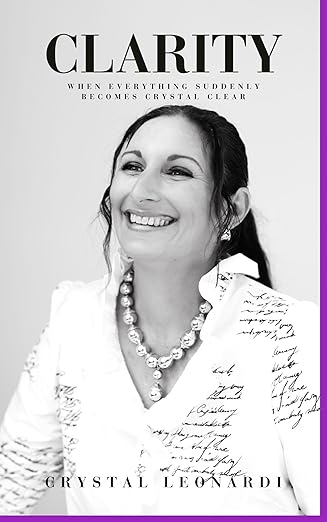
Clarity is a raw and heartfelt memoir chronicling the life-altering journey of Crystal Leonardi and her young son, Sebastian, after his shocking diagnosis of a brain tumor at just two years old. Told through diary entries, detailed recollections, and medical updates, this book spans the year following his diagnosis, weaving together the emotional and physical upheaval experienced by their family. At its core, Clarity is about love, resilience, and the terrifying yet beautiful process of navigating a life derailed by childhood cancer.
I was moved deeply and repeatedly. Crystal’s voice is unfiltered and sincere. She writes like a mother would speak to a close friend after a night of no sleep and endless worry. That intimacy made every moment hit harder. Her writing isn’t about fancy language or literary flair—it’s about honesty. And sometimes that honesty is gutting. One moment you’re reading about steroid side effects, and the next you’re feeling the cold floor of a hospital corridor as if you were there. She masterfully captures what it means to be completely out of control, to fight for your child with everything you’ve got, and still feel like it’s not enough.
What stood out most to me was the clarity with which she exposed both the triumphs and the emotional wreckage. I appreciated how she didn’t shy away from resentment, guilt, or even envy. She names the ugly emotions. She lets them breathe on the page. It was also clear how much she grew through the journey—how the chaos helped her find purpose and voice. While the medical details at times felt overwhelming, they reflected how consuming and disorienting the world of childhood cancer can be. Crystal wrote not just to remember, but to survive—and help others do the same.
This is a book for parents navigating illness, for caretakers seeking solidarity, and for anyone who’s ever been blindsided by life and had to find a new way forward. It’s not a comfortable read, but it’s an important one. I recommend Clarity to anyone who wants to feel less alone in their pain, to those who love a good cry, and to readers looking to understand the strength that can live alongside fear.
Pages: 338 | ASIN : B0DZLGB1QN
Living Love of Christ
El Gran Intercambio (The Great Exchange) is a powerful autobiographical account of your life, vividly chronicling your spiritual, emotional, and personal journey from childhood trauma, abusive relationships, false religious systems, to divine healing and restoration. Why was this an important book for you to write?
This book was deeply important for me to write because it gave voice to years of silence. For so long, I carried pain that I didn’t know how to release—and writing became both a mirror and a doorway. I wanted to create a space where others who have faced similar wounds could feel seen, understood, and ultimately, offered hope. El Gran Intercambio is not just my story—it’s an invitation to anyone who has ever felt lost, broken, or deceived to experience true freedom through God’s healing power.
What were some ideas that were important for you to share in this book?
One key idea was the difference between religion and relationship. I had lived much of my life trying to perform for acceptance—by people, systems, and even God. I wanted to show that healing comes not from following rules, but from encountering the real, living love of Christ. I also wanted to address the generational impact of trauma, the dangers of spiritual manipulation, and the beautiful reality that we are not defined by our past—we are transformed by grace.
What was the most challenging part of writing your memoir, and what was the most rewarding?
The most challenging part was revisiting the darkest moments of my life. Writing about abuse, loss, and spiritual deception required deep emotional courage, and there were times I had to step away and allow myself to grieve again. But the most rewarding part was realizing that every page—every painful memory—had purpose. Knowing that my story could serve as a lifeline for someone else made it all worth it. Healing for me came not just through writing, but through the act of sharing.
What do you hope is one thing readers take away from your story?
I hope readers walk away with this truth: You are not alone, and you are not beyond restoration. No matter how far gone life may feel, there is a divine exchange waiting for you—your pain for His peace, your shame for His grace, your ashes for His beauty. Healing is possible. Freedom is real. And God has not forgotten you.
Author Links: GoodReads | Facebook | Amazon
Este libro relata la vida de la autora y su lucha contra la soledad y las falsas comunidades de la iglesia. Criada por sus abuelos sin el amor de Dios, luchó por encontrar amor y conexión. Esto la llevó a Estados Unidos, donde buscó la religión para encontrar la paz. Sin embargo, los sistemas religiosos con frecuencia la alejaron de Dios. A través de sectas, falsos profetas y charlatanes, la autora enfrentó numerosos engaños y manipulaciones, pero, finalmente, encontró el camino de vuelta a casa, como el hijo pródigo, a los brazos de Dios. El relato honesto de su vida inspirará a los lectores a superar sus propias dificultades con un corazón abierto y un compromiso con Cristo.



 LITERARY TITAN